Scuba diving in Palawan offers some of the most diverse underwater experiences in the Philippines. From the coral reefs and limestone islands of El Nido to the historic wrecks of Coron and the world-renowned reefs of Tubbataha, Palawan offers something for almost every level of diver.
Based in El Nido, we spend our days diving the waters of Bacuit Bay. This guide brings together our local experience with the wider diving opportunities around Palawan to help you decide where to dive, when to visit and how to plan your trip.
Why Palawan Stands Out Among Philippine Dive Destinations
The Philippines boasts over 7,000 islands, yet Palawan consistently ranks among the country’s premier diving regions. Several factors contribute to this reputation.
Geographic position plays a crucial role. Palawan sits at the edge of the Coral Triangle, the global epicenter of marine biodiversity. This positioning means the waters around Palawan host an incredible concentration of species, from the smallest nudibranchs to passing whale sharks and manta rays.
The province’s relatively remote location has helped preserve many dive sites. While tourism has grown, particularly in El Nido and Coron, much of Palawan’s coastline remains less developed than other Philippine destinations. This balance creates excellent diving conditions without overwhelming infrastructure.
Marine Protected Areas and Conservation Success
Palawan takes marine conservation seriously. The Tubbataha Reefs Natural Park, a UNESCO World Heritage Site, represents one of the region’s greatest conservation achievements. This protected area covers nearly 100,000 hectares of pristine reef system in the middle of the Sulu Sea.
Beyond Tubbataha, numerous locally managed marine sanctuaries dot Palawan’s coastline. These protected zones allow fish populations to recover and coral communities to thrive, creating healthier dive sites for everyone. El Nido alone maintains several marine reserves where no-take policies ensure abundant marine life.
El Nido: Palawan’s Accessible Diving Hub
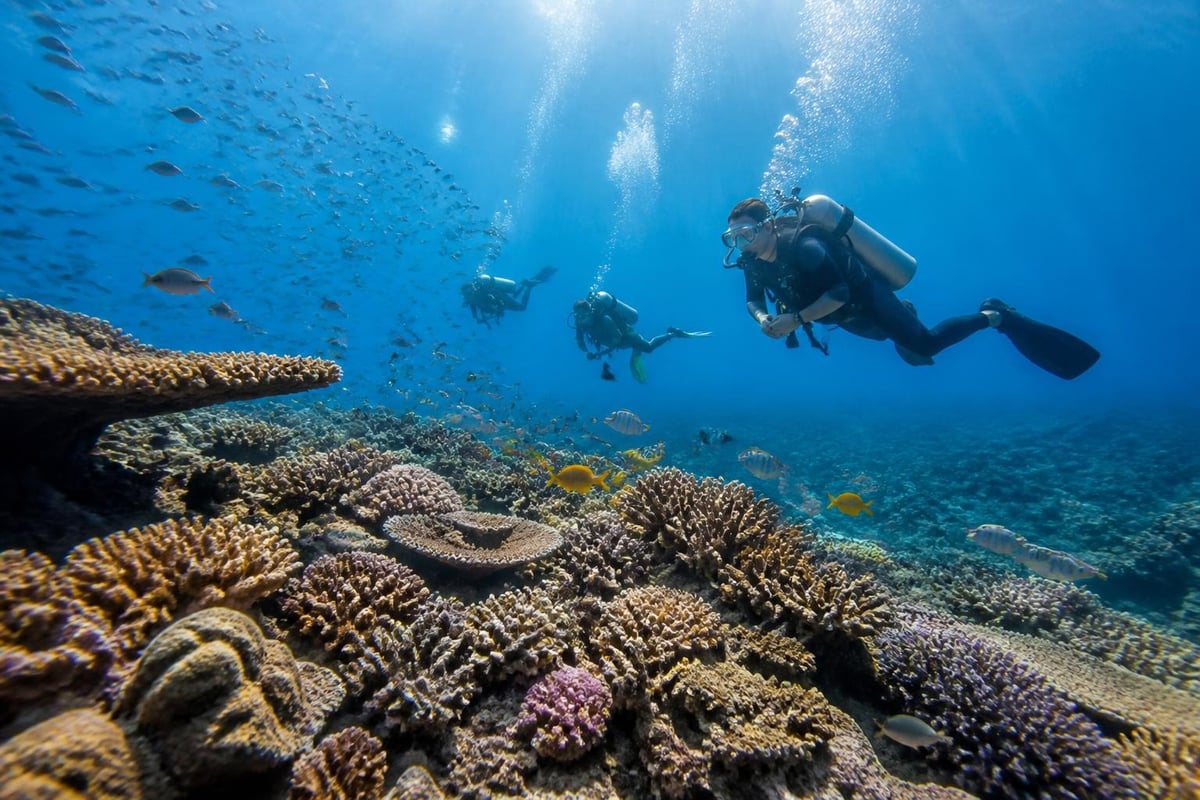
When travelers research palawan scuba diving philippines, El Nido frequently appears at the top of their list. This northern Palawan town has evolved into the region’s most accessible diving destination while maintaining the natural beauty that first put it on the map.
El Nido offers remarkable convenience for divers. Most dive sites sit within 15 to 45 minutes by boat from the town’s beachfront. This proximity means more time underwater and less time traveling, particularly valuable for divers on shorter trips.
The diving here caters to all experience levels:
- Shallow coral gardens perfect for beginners and training dives
- Walls and drop-offs for advanced divers seeking dramatic topography
- Caves and swim-throughs adding adventure to recreational dives
- Drift dives when currents bring in larger pelagic species
Diving With Us in El Nido
For most visitors, El Nido is an easy place to combine diving with the rest of a Palawan holiday. Our daily dive trips depart directly from El Nido beachfront and normally include three dives around Bacuit Bay.
Beginners can try Discover Scuba Diving or complete their Open Water certification, while certified divers can join our daily fun dives. For couples, families and groups wanting more flexibility, we also offer a Private Diving Experience with your own boat, dedicated dive professional and an itinerary tailored around your group.
https://www.submarinerdiving.com/
https://www.submarinerdiving.com/private-diving-charter-elnido/
El Nido’s marine life reflects Palawan’s position in the Coral Triangle. Hard corals create the foundation for complex reef ecosystems, while soft corals add color to walls and overhangs.
Typical dive encounters include schools of fusiliers, snappers, and jacks hunting over the reef. Turtles patrol the shallows, often unbothered by divers. Look carefully and you’ll spot camouflaged scorpionfish, crocodilefish resting on the sand, and countless species of reef fish going about their daily routines.
Macro enthusiasts find plenty to photograph. Nudibranchs appear in remarkable variety, from tiny chromodorids to hand-sized Spanish dancers. Shrimp, crabs, and other crustaceans hide among coral branches and anemone tentacles.
| Dive Site Type | Depth Range | Best For | Typical Conditions |
|---|---|---|---|
| Coral gardens | 5-18 meters | Beginners, training, macro | Calm, clear |
| Wall dives | 12-30+ meters | All levels, wide-angle photo | Moderate current |
| Drift dives | 15-25 meters | Experienced, pelagic encounters | Strong current |
If you’re planning several days of diving, you can also stay directly on the beachfront at The Beach House https://thebeachhouse.ph/, in the same building as Submariner Diving Center. It makes a dive holiday particularly easy — wake up, walk downstairs and you’re already at the dive centre.
Coron: World War II Wrecks and Limestone Reefs
North of El Nido, Coron Bay presents a completely different diving experience. This area became famous for its World War II wreck diving, but the limestone reef systems deserve equal attention.
The Historic Japanese Wrecks
In September 1944, American naval forces sank a Japanese supply fleet in Coron Bay. These wrecks now rest at recreational diving depths, creating artificial reefs that attract marine life while preserving history.
The most dived wrecks include:
- Irako – A refrigeration ship sitting upright at 40 meters
- Okikawa Maru – An oil tanker accessible to less experienced wreck divers
- Akitsushima – A seaplane tender with its crane still intact
- Olympia Maru – A large cargo ship broken into sections
These aren’t just dive sites but underwater museums. Swimming through cargo holds and along decks covered in soft corals creates a unique connection to history. However, wreck diving requires proper training and respect for these war graves.
Beyond the Wrecks
Coron’s limestone islands create a maze of channels, coves, and submerged walls. These natural formations host different marine communities than El Nido’s reefs.
The limestone substrate supports unique coral growth patterns and creates habitats for species that prefer rocky terrain over sandy bottoms. PADI highlights several of these natural reef sites as must-dive locations when exploring palawan scuba diving philippines.
Tubbataha Reefs: The Ultimate Palawan Diving Experience
Tubbataha represents the pinnacle of palawan scuba diving philippines, though reaching it requires commitment. Located 150 kilometers southeast of Puerto Princesa in the middle of the Sulu Sea, Tubbataha is accessible only by liveaboard during a brief season from mid-March through mid-June.
Why dive Tubbataha?
The isolation creates pristine conditions. No day boats, no nearby human populations, no runoff from land. Just pure ocean surrounding two massive reef atolls and a smaller reef system called Jessie Beazley Reef.
The walls at Tubbataha define spectacular. Healthy hard corals cover the reef slopes from the surface down to depths beyond recreational limits. These walls attract an extraordinary concentration of marine life.
Pelagic Action and Shark Encounters
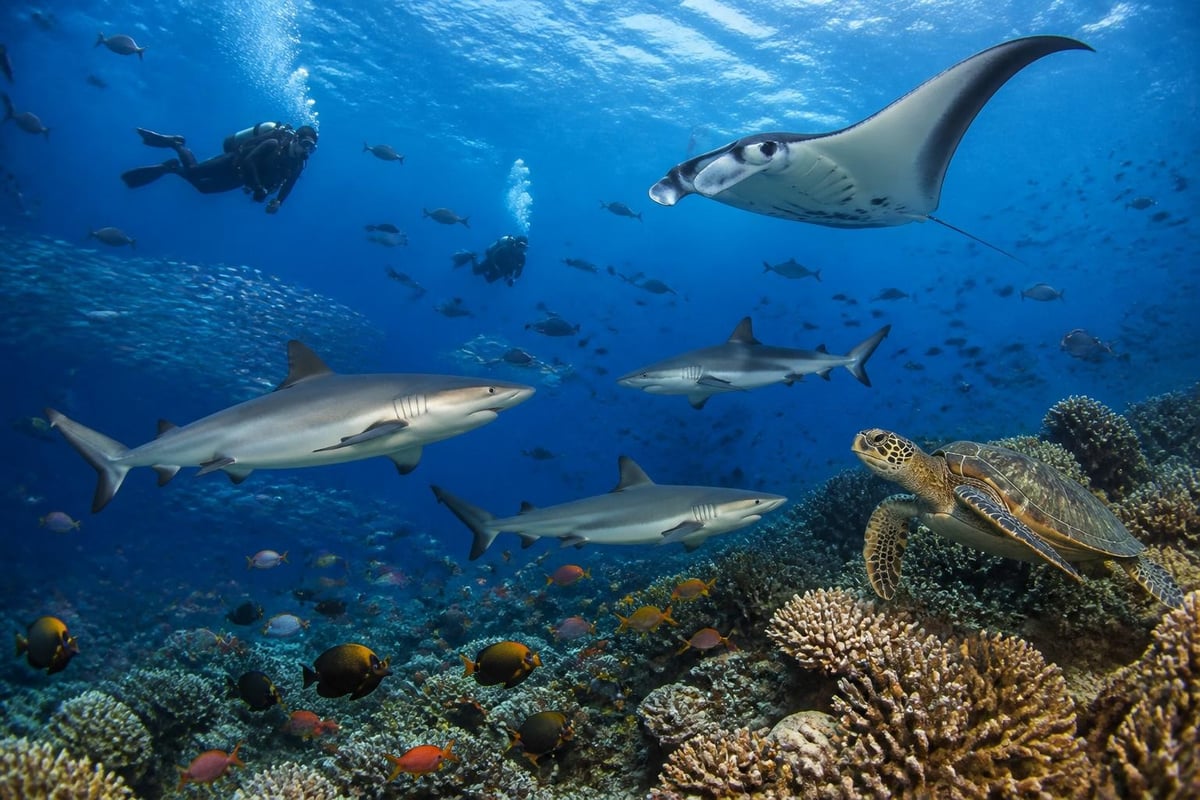
Tubbataha’s location in open ocean brings in species rarely seen at coastal dive sites. Shark encounters happen regularly, including:
- Whitetip reef sharks resting in caves and under ledges
- Gray reef sharks patrolling the walls
- Hammerhead sharks occasionally appearing in deeper water
- Tiger sharks spotted by lucky divers
Manta rays glide over cleaning stations. Turtles are common. Schools of barracuda, tuna, and jacks create living curtains in the blue water. Even whale sharks pass through during certain periods.
National Geographic has featured Tubbataha’s diving as a bucket-list experience, highlighting the exceptional biomass and intact reef ecosystems.
Planning Your Palawan Diving Trip
Successful diving trips require planning beyond choosing dive sites. Understanding seasons, logistics, and training requirements helps avoid disappointment.
Best Times to Dive
Palawan experiences distinct wet and dry seasons that affect diving conditions:
Dry season (November through May):
- Calmest seas and best visibility
- Peak season for El Nido and Coron
- Only time Tubbataha is accessible (mid-March to mid-June)
Wet season (June through October):
- More variable conditions but still diveable
- Fewer tourists and more affordable rates
- Some dive sites may be inaccessible during storms
The dry season attracts the most divers, so booking accommodation and dive spots well in advance becomes essential. The transition months (November and May) often provide excellent conditions with fewer crowds.
Certification Requirements and Training Options
Most dive sites around El Nido and Coron welcome Open Water certified divers. However, some deeper sites and all wreck penetrations require Advanced certification and specific training.
If you’re not yet certified, El Nido provides an ideal environment for learning. Calm protected bays offer perfect conditions for confined water training, while nearby reefs give new divers their first glimpses of a healthy coral ecosystem.
For certified divers looking to expand their skills, specialty courses add value to Palawan trips:
- Nitrox certification extends bottom time on Palawan’s multi-level reefs
- Deep diver training opens access to deeper walls and wrecks
- Wreck diving specialties prepare you for Coron’s historic ships
- Underwater photography courses help capture Palawan’s marine life
Practical Considerations for Diving in Palawan
Beyond the underwater experiences, several practical matters deserve attention when planning your palawan scuba diving philippines adventure.
Getting There and Around
El Nido receives daily flights from Manila (about 1.5 hours) and occasional flights from Cebu. Alternatively, buses connect El Nido to Puerto Princesa, though the journey takes six hours on winding mountain roads.
Coron also has daily flights from Manila (45 minutes). A ferry service connects Coron and El Nido for travelers wanting to experience both destinations.
Tubbataha requires joining a liveaboard that departs from Puerto Princesa. These multi-day trips include all diving, accommodation, and meals aboard the vessel.
Dive Equipment and Services
Most dive centers in El Nido and Coron provide full equipment rental. Quality varies, so divers with specific preferences often bring their own masks, computers, and exposure suits.
Water temperatures in Palawan typically range from 26 to 30°C (79 to 86°F). A 3mm wetsuit provides adequate thermal protection for most divers, though those prone to getting cold might prefer 5mm suits for multiple daily dives.
| Equipment Item | Recommended to Bring | Usually Available for Rent |
|---|---|---|
| Mask & snorkel | Yes | Yes |
| Wetsuit | Your preference | Yes |
| Dive computer | Yes | Sometimes |
| Regulators & BCD | Optional | Yes |
| Underwater camera | Yes | Rarely |
Health and Safety Considerations
The nearest recompression chamber sits in Puerto Princesa, several hours from El Nido and Coron. This distance makes conservative diving practices particularly important. Always dive within your limits, make safety stops, and maintain proper ascent rates.
Dive insurance becomes essential rather than optional in remote locations. DAN (Divers Alert Network) coverage or equivalent insurance that includes hyperbaric treatment and evacuation can prove invaluable if problems arise.
Basic medical facilities exist in El Nido and Coron for minor issues, but serious medical problems require evacuation to Puerto Princesa or Manila.
Marine Life Highlights Throughout the Seasons
Palawan’s biodiversity means encountering interesting marine life year-round, but certain species appear more frequently during specific periods.
Whale shark sightings occasionally happen around El Nido, particularly during the transition between seasons. These gentle giants pass through while feeding on plankton blooms. However, responsible operators never guarantee wildlife encounters or chase animals for tourist photos.
Manta rays appear at certain cleaning stations, especially during the calmer months. Respectful observation from a distance allows these intelligent animals to complete their cleaning rituals without stress.
Turtle populations remain healthy around Palawan’s protected reefs. Green and hawksbill turtles frequent many dive sites, particularly those with healthy seagrass beds and coral communities.
The regional marine monitoring reports document the health of Palawan’s marine ecosystems and track important species populations, providing transparency about conservation outcomes.
Diving Costs and Value in Palawan
Palawan offers excellent value compared to many Pacific diving destinations. Daily dive packages typically include boat trips, guides, and tanks, with equipment rental available separately if needed.
Budget considerations:
- Single boat dives generally cost less than package deals
- Multi-day packages provide better per-dive rates
- Private charters cost more but offer flexibility
- Liveaboard trips to Tubbataha represent significant investments but include everything
El Nido and Coron fall into the mid-range category for Philippine diving. Prices remain affordable compared to established destinations like the Maldives or Raja Ampat while offering comparable marine biodiversity and reef health.
Environmental Responsibility and Sustainable Diving
As palawan scuba diving philippines grows in popularity, environmental responsibility becomes increasingly important. The conservation research conducted at sites like Tubbataha helps scientists understand reef resilience and informs management decisions.
Divers can minimize their impact by:
- Maintaining excellent buoyancy control to avoid coral contact
- Never touching, chasing, or feeding marine life
- Taking only photos and memories
- Participating in reef cleanups when available
- Choosing dive operators committed to sustainable practices
Many dive centers in El Nido now emphasize conservation education as part of their diving programs. Understanding the ecosystems you’re exploring enhances appreciation and encourages protective behaviors.
The IUCN’s assessment of Tubbataha highlights how effective management and responsible tourism can coexist, creating models for other marine protected areas throughout the region.
Combining Diving with Other Palawan Experiences
Palawan offers far more than diving. Non-diving days or surface intervals provide opportunities to explore the province’s other natural attractions.
In El Nido:
- Lagoon tours visit stunning karst formations and hidden beaches
- Kayaking through mangrove channels offers peaceful exploration
- Island hopping reveals secluded coves and snorkeling spots
- Rock climbing on limestone cliffs challenges enthusiasts
In Coron:
- Freshwater lake diving in Barracuda Lake creates unique thermocline experiences
- Hot springs provide relaxation after cool dives
- Island tours showcase pristine beaches and viewpoints
For travelers staying at beachfront properties, relaxation comes easily. Cloud 9 rooftop restaurant and bar offers sunset views and fresh seafood between dives, creating a complete dive holiday experience without constant movement between locations.
Diving Options for Every Experience Level
One of the great things about diving in Palawan is that you don’t need to be an experienced diver to enjoy it. Whether you’ve never tried scuba before, want to earn your first certification, or already have years of diving experience, there are options to suit almost every level.
First-Time Divers – Discover Scuba Diving
Never been scuba diving before? A Discover Scuba Diving https://www.submarinerdiving.com/discover-scuba-diving/experience is one of the easiest ways to explore El Nido underwater without committing to a full certification course.
You’ll learn the basic principles of scuba diving, become comfortable using the equipment and complete some simple skills with an instructor before heading out to experience the reefs and marine life of Bacuit Bay.
It’s a great choice for travellers who want to include scuba diving as part of their El Nido holiday but aren’t yet ready to complete a full diving course.
Beginners – Open Water Course
If you want to become a certified diver, the Open Water Diver course PADI Open Water – is the place to start.
The course combines online theory, confined-water training and open-water dives under the supervision of an experienced instructor. Once certified, you’ll be able to continue diving at destinations around the world.
El Nido is a particularly memorable place to learn, with warm tropical water, beautiful island scenery and a variety of dive sites within Bacuit Bay.
Certified Divers – Daily Fun Diving
Already certified? Daily fun diving Fun Dives – gives you the opportunity to explore more of El Nido’s reefs, walls, coral gardens and marine life.
Dive sites are selected according to conditions and the experience of the divers, giving you the chance to see different parts of Bacuit Bay during your stay.
For visitors spending several days in El Nido, joining multiple dive days is one of the best ways to experience the variety of diving the area has to offer.
Experienced Divers – Continue Your Training
For certified divers wanting to develop their skills further, Palawan is also a great place to continue your dive education.
Courses such as Advanced Open Water, Enriched Air Nitrox, Peak Performance Buoyancy, Rescue Diver and Emergency First Response https://www.submarinerdiving.com/ can help you become a more confident and capable diver while expanding the types of diving you can enjoy.
Experienced divers can also explore some of El Nido’s more challenging dive sites when conditions and certification levels are appropriate.
Couples, Families & Groups – Private Diving Experience
For guests looking for something more personal, a Private Diving Experience https://www.submarinerdiving.com/private-diving-charter-elnido/provides your own boat, dedicated dive professional and much greater flexibility over your day.
Rather than following the normal group schedule, the day can be organised around your group’s experience, interests and preferred timetable. It’s particularly well suited to couples, families, groups of friends and experienced divers who want a more exclusive way to explore El Nido.
Private diving can also work particularly well for groups with different interests, allowing diving, snorkelling and time enjoying El Nido’s islands to become part of the same private experience.
Not Sure Which Option Is Right for You?
If you’re unsure which diving experience best suits your certification, experience or travel plans, simply contact our team. Tell us your dates, number of guests and diving experience, and we’ll help you choose the best option for your time in El Nido.
Solo Travel and Group Diving in Palawan
Palawan welcomes both solo travelers and groups, with dive operators accommodating different preferences.
Solo divers easily find buddies through dive centers. The international diving community in El Nido means meeting other divers from around the world. Many dive boats group similar experience levels together, creating natural buddy pairs.
Dive groups and families benefit from private charters that allow customized schedules. Groups can choose their pace, select preferred dive sites, and arrange surface intervals that work for everyone.
Couples celebrating special occasions often book private diving experiences, creating memorable adventures without sharing boats with other divers.
Palawan scuba diving philippines delivers world-class underwater experiences across diverse environments, from El Nido’s accessible reefs to Tubbataha’s remote atolls. The combination of healthy marine ecosystems, convenient logistics, and stunning natural beauty makes Palawan an essential destination for serious divers. Whether you’re earning your first certification or adding another stamp to a well-traveled logbook, Submariner Diving provides professional instruction, modern equipment, and local expertise to help you explore Palawan’s underwater world safely and memorably.