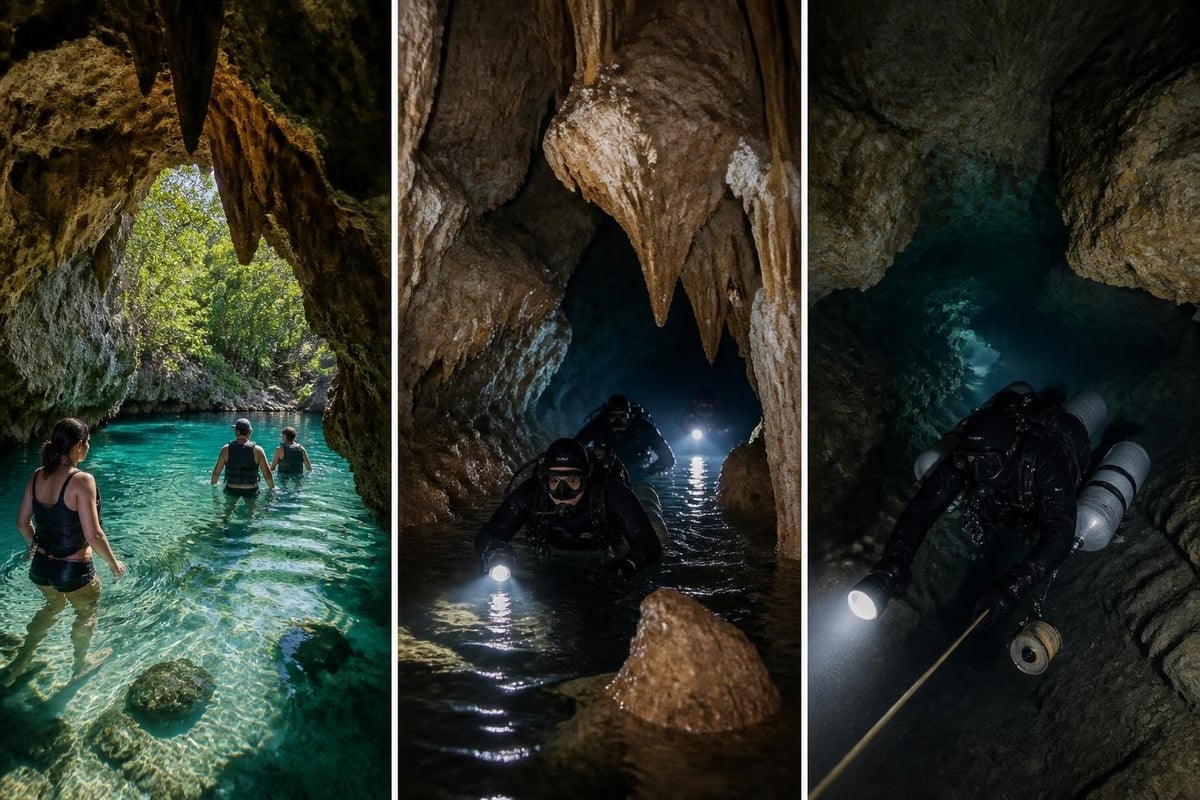
Palawan's dramatic landscape of towering limestone cliffs and secret lagoons hides another world beneath the surface. For adventurers seeking something beyond the typical beach experience, a cave adventure in this Philippine paradise offers unforgettable encounters with ancient geological formations, crystal chambers, and mysterious underground rivers. Whether you're crawling through tight passages or swimming through cathedral-like caverns, Palawan's caves reveal millions of years of natural history carved into rock.
Why Palawan Is Perfect for Cave Adventure
The entire island province sits atop a massive karst landscape, where slightly acidic rainwater has dissolved limestone over millennia to create an extraordinary network of caves, sinkholes, and underground waterways. This geological foundation makes Palawan one of Asia's premier cave adventure destinations.
El Nido alone contains hundreds of documented cave systems, from small sea caves accessible by kayak to extensive multi-chamber complexes requiring technical skills and equipment. The combination of tropical climate, dramatic topography, and relatively accessible locations means adventurers of all experience levels can find suitable cave exploration opportunities.
The region's caves fall into several distinct categories:
- Sea caves carved by wave action along coastal cliffs
- River caves formed by underground waterways
- Dry caves with minimal water flow and extensive formations
- Tidal caves that flood and drain with the ocean cycle
- Vertical caves requiring rope access and climbing skills
Understanding the geological processes behind karst aquifers helps adventurers appreciate what they're seeing and stay safer during exploration.
Preparing for Your Cave Adventure
Essential Gear and Equipment
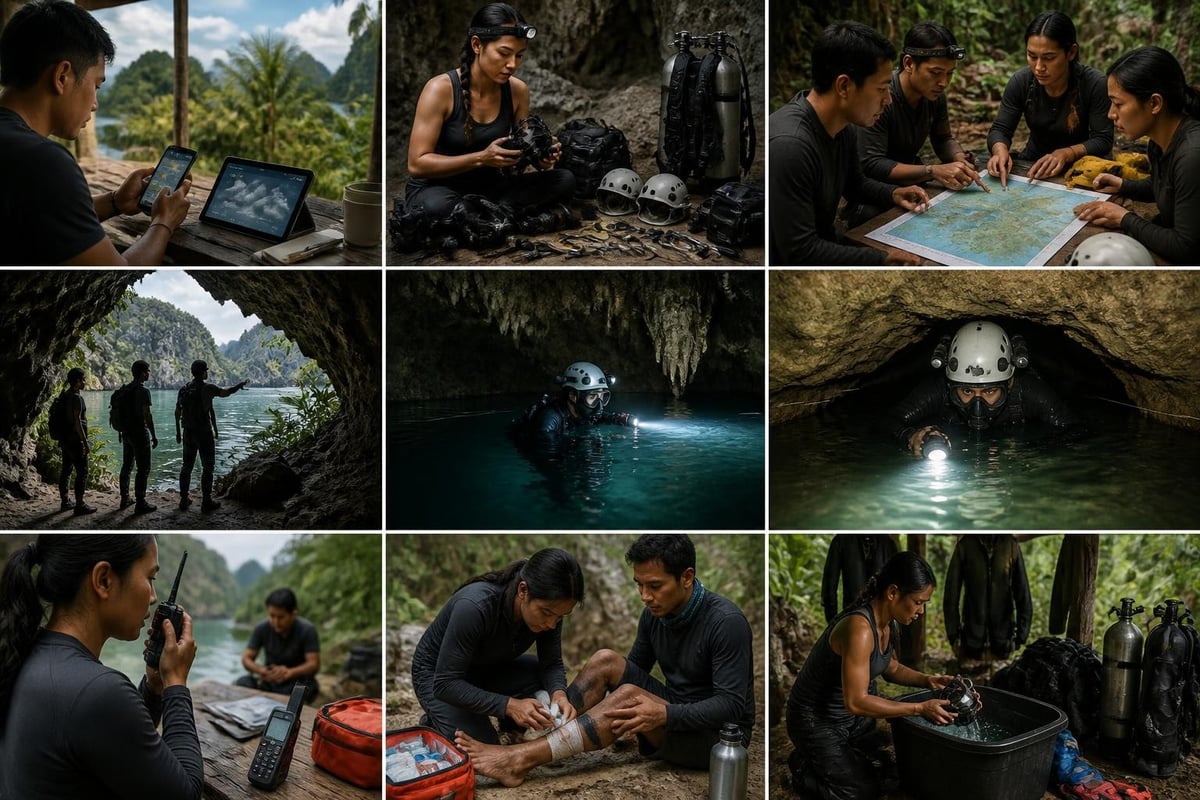
Proper equipment transforms a potentially dangerous cave adventure into a safe, enjoyable experience. Even for beginner-friendly caves, you'll need specific items that regular hiking or beach gear won't provide.
| Equipment Category | Required Items | Why You Need Them |
|---|---|---|
| Lighting | Primary headlamp, backup headlamp, spare batteries | Total darkness underground means light failure is serious |
| Clothing | Quick-dry pants, long sleeves, closed-toe shoes with grip | Protection from scrapes, stable footing on wet rock |
| Safety | Helmet, first aid kit, whistle, waterproof bag | Head protection and emergency communication |
| Navigation | Guide/map, compass, marked route flags | Easy to get disoriented in branching passages |
Your primary headlamp should provide at least 200 lumens for adequate visibility in larger chambers, while your backup can be smaller. Always carry spare batteries in waterproof containers, even for short cave visits.
Physical and Mental Preparation
Cave adventure demands different fitness than surface activities. You'll encounter uneven terrain, low ceilings requiring crawling, and potentially tight passages that trigger claustrophobia in some people.
Start with easier caves to assess your comfort level. Some passages require squeezing through openings barely wider than your shoulders, or navigating on your belly through mud. Others involve wading through chest-deep water in complete darkness except for your headlamp.
Mental preparation matters as much as physical conditioning. Unlike surface environments where you can usually see your destination, caves present constant unknowns around each bend. This uncertainty appeals to adventurous spirits but can unsettle nervous explorers.
Top Cave Adventure Experiences in Palawan
Puerto Princesa Underground River
This UNESCO World Heritage Site offers Palawan's most famous cave adventure, accessible to nearly all fitness levels. The 8.2-kilometer navigable underground river flows through an enormous cave system before emerging at the South China Sea.
Visitors explore via guided paddleboat tours that penetrate approximately 1.5 kilometers into the main chamber. The scale overwhelms first-time visitors – some chambers rise over 100 feet high, with massive stalactites hanging like stone chandeliers. You'll spot rock formations resembling everything from cathedral organs to vegetables, while bats and swiftlets circle overhead.
Advanced adventurers can arrange permits for deeper exploration beyond the tourist zone, though this requires technical caving experience and special authorization. The UNESCO documentation on significant cave systems details the site's global importance.
Ugong Rock Cave
Located near Puerto Princesa, this adventure combines caving with climbing and ziplining. The cave adventure begins with a crawl through narrow limestone passages before emerging inside the rock formation.
After exploring the interior chambers and formations, you can climb 200 feet to the summit via steel ladders and platforms installed on the exterior. The experience concludes with an optional zipline ride back to ground level – a unique combination of underground and aerial thrills.
El Nido's Hidden Caves
The El Nido area contains numerous cave systems ranging from easy sea caves to challenging multi-day expeditions. Many remain undeveloped and require guides with local knowledge to navigate safely.
Cudugnon Cave offers an accessible introduction, reachable by boat and requiring only a short swim to enter. Inside, archaeological evidence shows human occupation dating back thousands of years. The cave's historical significance adds depth to the adventure beyond geological appreciation.
Bat Cave gets its straightforward name from the thousands of bats roosting in its chambers. The cave adventure here involves kayaking through a narrow entrance before exploring on foot. Evening visits time your exit to coincide with the spectacular bat exodus as they emerge to feed.
Several top dive sites in Palawan also feature underwater cave systems, offering a completely different perspective for certified divers with appropriate training.
Safety Guidelines for Cave Adventure
Never Cave Alone
The cardinal rule of cave adventure is bringing companions. Even experienced cavers always use the buddy system, because a simple twisted ankle becomes a serious emergency when you're a kilometer underground.
Minimum safe party size is three people, allowing one to stay with an injured person while another seeks help. Commercial tours provide professional guides who know the system intimately and carry emergency communication equipment.
For independent exploration of easier caves, inform someone outside your party of your plans, route, and expected return time. This same precaution applies whether you're learning to dive in El Nido or exploring caves – always file a float plan.
Respecting Cave Environments
Caves host fragile ecosystems that took millions of years to develop. Following minimum-impact caving guidelines protects these environments for future generations.
Basic conservation rules include:
- Stay on established paths when available
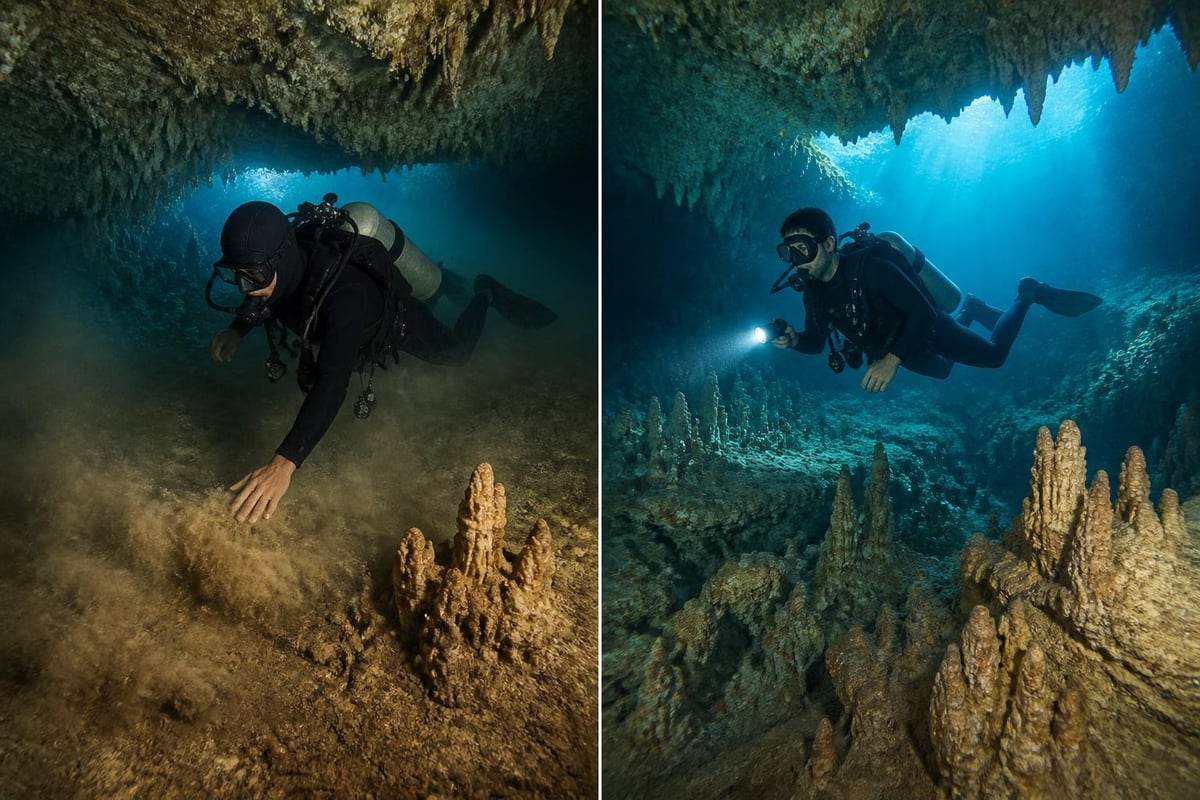
- Never touch formations – skin oils stop mineral deposition
- Pack out everything you pack in, including human waste on long trips
- Avoid disturbing bats, especially during breeding season
- Clean boots between caves to prevent disease transmission
The White-Nose Syndrome prevention protocols developed for bat conservation demonstrate how seemingly minor contamination can devastate cave ecosystems. Responsible adventurers treat every cave as a precious, irreplaceable resource.
Understanding Cave-Specific Hazards
| Hazard Type | Risk | Mitigation Strategy |
|---|---|---|
| Flash flooding | Sudden water level rise from distant rain | Check weather, avoid caves during rainy season |
| Hypothermia | Constant cool temperature plus wet conditions | Wear appropriate clothing, limit exposure time |
| Bad air | Oxygen depletion or toxic gas accumulation | Stay alert for dizziness, exit immediately if suspected |
| Rockfall | Loose formations or ceiling collapse | Wear helmet always, avoid touching questionable rocks |
| Disorientation | Getting lost in complex passage networks | Mark route, carry map, hire knowledgeable guide |
Professional cave rescue requires specialized training and equipment. The National Cave Rescue Commission resources and international rescue standards highlight the complexity of underground emergencies – prevention is always preferable to needing rescue.
Combining Cave Adventure with Diving
Palawan's underwater cave systems offer a specialized adventure for certified divers with proper training. These environments present unique challenges combining cave diving's technical demands with tropical diving's considerations.
Never attempt cave diving without specific cave certification, even if you're an experienced open-water diver. The overhead environment eliminates direct ascent to the surface, requiring different skills, equipment configuration, and emergency procedures. Standard recreational diving certification doesn't prepare you for these conditions.
If you're interested in this progression, consider starting with the Open Water Diver Course to build fundamental diving skills in El Nido's clear waters and spectacular reefs. Once you've mastered basic diving and accumulated experience, you can pursue advanced certifications that eventually lead to cavern and cave diving specialties.
El Nido serves as an ideal base for combining surface cave adventure with world-class diving. You can explore dry caves one day and dive pristine coral reefs the next, experiencing the full spectrum of Palawan's geological wonders. If you're planning this type of comprehensive diving holiday, staying somewhere that puts both activities within easy reach makes excellent sense.
Technical Caving in Palawan
Advanced Cave Systems
Beyond tourist caves lie extensive systems requiring technical skills, specialized gear, and often multi-day expeditions. These represent the frontier of cave adventure in Palawan, with new passages still being discovered and mapped regularly.
The St. Paul's Cave System extends far beyond the underground river's tourist section, with over 24 kilometers of surveyed passages and likely much more unexplored territory. Technical sections include tight squeezes, vertical pitches requiring rope work, and sumps (flooded passages) requiring cave diving equipment.
Permission and permits for technical caving typically require demonstrating appropriate experience, providing detailed exploration plans, and sometimes joining sanctioned research or survey expeditions. The 2026 NPS cave management policies show the regulatory framework applied to protect significant cave resources while allowing responsible access.
Building Technical Skills
Moving from beginner cave adventure to technical caving requires progressive skill development:
- Master navigation in simple systems before attempting complex caves
- Learn rope techniques including rappelling, ascending, and rigging
- Practice emergency procedures including light failure and getting unstuck
- Develop survey skills for mapping and documenting new discoveries
- Train in cave rescue to assist yourself and others in emergencies
Local caving organizations and international groups often host workshops and expeditions in Palawan, offering opportunities to learn from experienced technical cavers while contributing to exploration and conservation efforts.
Seasonal Considerations for Cave Adventure
Dry Season Advantages
The dry season from November through May provides optimal conditions for cave adventure throughout Palawan. Lower rainfall means reduced flooding risk in river caves, easier access to remote cave entrances, and generally more comfortable conditions.
Water levels in flooded passages drop significantly, sometimes exposing chambers and passages completely submerged during rainy months. This seasonal variation means some caves offer entirely different experiences depending on visit timing.
Photography also benefits from dry season conditions, with less moisture in the air and clearer water in flooded sections creating better visibility for capturing formations and chambers.
Monsoon Season Challenges
The southwest monsoon from June through October brings heavy rainfall that transforms many cave systems. What was a gentle underground stream in March becomes a raging torrent in August, making previously safe caves extremely dangerous.
Flash flooding represents the most serious monsoon-season hazard. Rain falling kilometers away can send walls of water through cave passages with little warning. Even if skies look clear at the cave entrance, distant storms in the mountains can trigger sudden floods.
Some caves actually become more interesting during wet season, with seasonal waterfalls appearing in chambers that are dry most of the year. Experienced cavers who understand the specific system and monitor weather carefully can enjoy unique wet-season features, but beginners should stick to dry season exploration.
Conservation and Responsible Cave Adventure
Leave No Trace in Delicate Environments
Cave formations grow unimaginably slowly – a stalactite might add only a cubic centimeter of material per century. A casual touch that seems harmless stops this growth potentially forever, as skin oils prevent mineral-laden water from depositing new layers.
In muddy caves, walking in previously-made footprints concentrates impact in already-disturbed areas rather than spreading it. In pristine sections, some technical cavers even remove their footprints behind them to preserve the cave's natural state.
Archaeological and paleontological resources in caves require extra care. Ancient pottery shards, bone deposits, and other artifacts provide irreplaceable scientific data when left in place, but lose most value when disturbed. Never collect souvenirs from caves – take only photos, leave only carefully placed footprints.
Supporting Cave Research and Protection
Many Palawan caves contain undiscovered species, unique geological features, and important archaeological sites. Responsible adventurers can contribute to understanding and protecting these resources beyond simply avoiding damage.
Report new passages, unusual formations, or archaeological materials to relevant authorities or research organizations. Your observations during recreational cave adventure might identify significant sites worthy of scientific study.
Participating in volunteer cave cleanups helps remove trash left by previous, less careful visitors. Even seemingly minor debris like candy wrappers can take decades to decompose in the stable cave environment.
Planning Your Palawan Cave Adventure
Choosing the Right Caves for Your Experience Level
Honest self-assessment prevents getting into situations beyond your capability. Beginner-friendly tourist caves provide structure, safety equipment, and professional guides who help you enjoy the adventure without exceeding your skills.
Intermediate adventurers with some caving experience can explore less-developed systems with local guides who know the routes but allow more independent movement. This middle ground offers real adventure while maintaining safety margins.
Advanced technical cavers should connect with local caving communities, research organizations, or specialized adventure companies that organize expeditions to unexplored systems. These connections ensure you're exploring legally, safely, and contributing positively to Palawan's cave resources.
Budgeting for Cave Adventure
| Experience Level | Typical Cost Range | What's Included |
|---|---|---|
| Tourist cave tours | ₱1,500-3,000 per person | Guide, entrance fees, boat transfers, basic equipment |
| Guided adventure caving | ₱3,000-8,000 per person | Experienced guide, technical equipment, longer duration |
| Multi-day expeditions | ₱15,000-40,000+ per person | Multiple guides, camping gear, food, specialized equipment, permits |
These ranges vary based on group size, cave location, and expedition complexity. Remote caves requiring boat access or overnight camping cost more than easily-accessible sites near towns.
Budget also for quality personal equipment if you plan regular cave adventure. Cheap headlamps fail at critical moments, while good boots prevent injuries. Quality gear is an investment in safety and enjoyment.
Combining Cave Adventure with Your Diving Holiday
El Nido's concentration of both excellent caves and world-class dive sites makes it perfect for adventure-focused holidays. You can structure a week to alternate diving days with cave exploration, experiencing Palawan's above-water and below-water wonders comprehensively.
This combination also provides natural rest intervals. A cave adventure day gives your body surface time between dive days, reducing nitrogen loading while keeping the excitement level high. Conversely, a relaxing dive day rests muscles worked hard during cave crawling and climbing.
Many visitors find that Palawan’s diving experiences and cave adventures complement each other perfectly, each highlighting different aspects of the region's extraordinary geology and natural beauty.
Cave adventure in Palawan offers unforgettable encounters with ancient geological wonders, from beginner-friendly tourist caves to technical systems still being explored. Whether you're drawn to underground rivers, dramatic formations, or the thrill of discovery in passages few have seen, Palawan's caves deliver authentic adventure in one of the world's most beautiful settings. If you're planning a comprehensive Palawan adventure combining caves with world-class diving, Submariner Diving can help you experience El Nido's spectacular underwater reefs and marine life, with expert instruction and guidance from experienced local professionals who know these waters intimately.