The environment you enter when scuba diving is fundamentally different from the air you breathe on land. Understanding scuba diving water and its unique properties transforms your diving experience from simply swimming underwater to truly comprehending the aquatic realm. Whether you're planning your first dive in El Nido's crystal-clear waters or expanding your knowledge as a certified diver, knowing how water behaves at depth, what affects visibility, and how different conditions impact your dive is essential for safety and enjoyment.
The Physical Properties of Scuba Diving Water
Scuba diving water differs dramatically from air in ways that directly affect every aspect of your underwater experience. Water is approximately 800 times denser than air, creating resistance that changes how you move, breathe, and interact with your surroundings.
Density and Buoyancy
The density of scuba diving water determines your buoyancy, one of the most critical skills any diver must master. Saltwater is denser than freshwater, which means you'll need slightly more weight in the ocean compared to lakes or rivers. In El Nido's marine environment, the high salinity creates strong buoyant forces that support divers effectively.
Key density factors include:
- Salt content (typically 35 parts per thousand in tropical seas)
- Water temperature (cold water is denser than warm)
- Depth (water compresses slightly under pressure)
When you descend, the air in your BCD and wetsuit compresses, reducing buoyancy. Understanding this relationship helps you maintain neutral buoyancy throughout your dive.
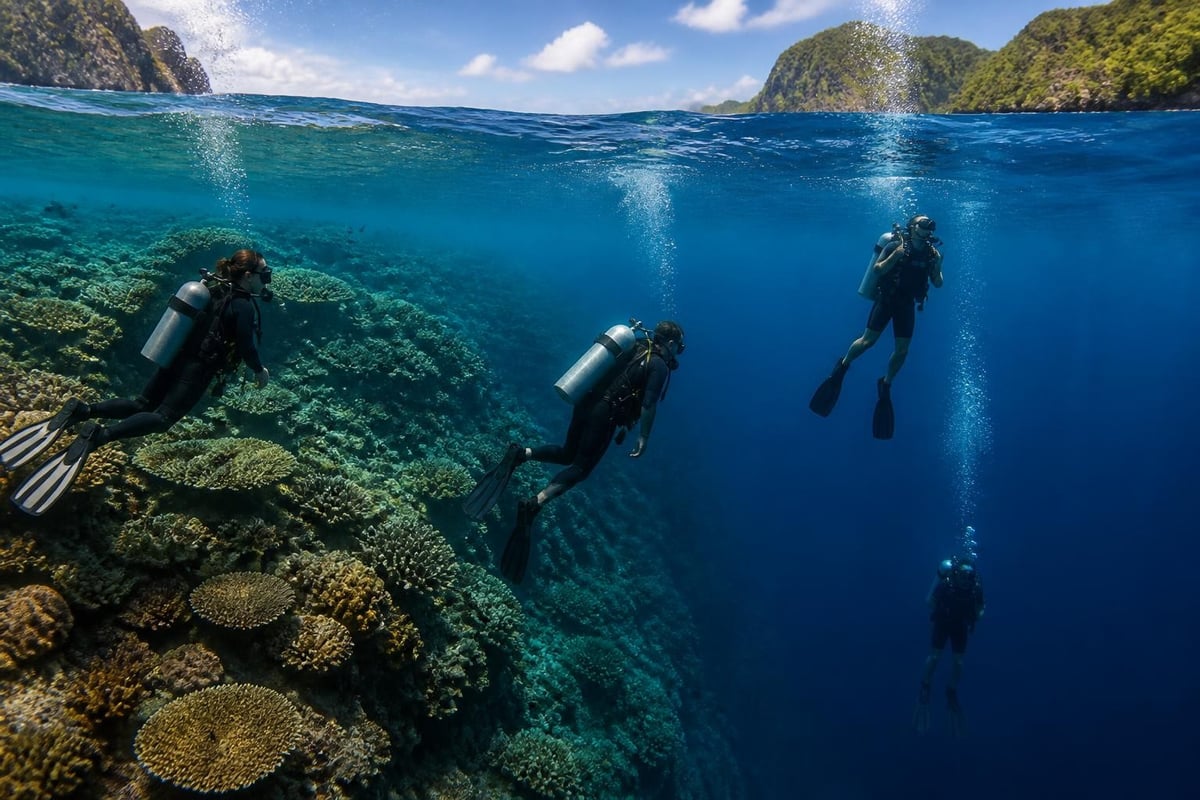
Temperature Variations
Scuba diving water temperature profoundly impacts your comfort, air consumption, and exposure protection needs. Palawan's tropical waters typically range from 26°C to 29°C (79°F to 84°F) year-round, making it one of the most comfortable diving destinations globally.
Temperature affects more than comfort. Warmer water holds less dissolved oxygen but supports incredibly diverse marine ecosystems. You'll find that your air consumption improves in warm water because your body expends less energy maintaining core temperature.
| Season | Surface Temp | Thermocline Depth | Recommended Suit |
|---|---|---|---|
| November-May | 27-29°C | 20-30m (rare) | 3mm shorty/fullsuit |
| June-October | 26-28°C | 15-25m (occasional) | 3mm fullsuit |
Pressure and Depth
Water pressure increases by approximately one atmosphere (bar) every 10 meters of depth. This fundamental principle of scuba diving water physics affects everything from your buoyancy to how long you can stay underwater safely.
At 18 meters (a common recreational diving depth), you're experiencing nearly three times the pressure you feel at the surface. This compression affects air spaces in your body, equipment, and the gas you breathe from your tank.
Visibility in Scuba Diving Water
Water clarity determines what you can see underwater and dramatically affects your diving experience. Visibility in scuba diving water ranges from less than one meter in murky conditions to over 40 meters in pristine environments like many of El Nido's dive sites.
Factors Affecting Underwater Visibility
Multiple environmental elements combine to create the visibility conditions you'll encounter:
- Suspended particles (plankton, sediment, organic matter)
- Water movement (currents stirring up bottom sediment)
- Sunlight penetration (time of day, cloud cover, water depth)
- Seasonal variations (plankton blooms, river runoff)
- Recent weather (storms, heavy rainfall)
El Nido typically offers excellent visibility, especially during the dry season from November through May. The limestone formations and limited river runoff create conditions where you can often see 15 to 30 meters horizontally, allowing spectacular views of walls, reefs, and marine life.
Optimizing Your Experience in Different Visibilities
Even when scuba diving water clarity isn't perfect, you can maximize your experience. In reduced visibility, focus on macro life – the tiny creatures become more accessible and interesting. During excellent visibility, plan deeper dives to walls and dramatic topography where the clarity showcases the underwater landscape.
For those just starting their diving journey, learning in clear tropical water builds confidence faster than murky conditions. This is one reason why El Nido has become such a popular location for certification courses.
Chemical Composition of Scuba Diving Water
The chemical makeup of scuba diving water affects equipment, marine life, and your body's physiological responses underwater. Saltwater environments like Palawan contain dissolved minerals, salts, and organic compounds that create a unique aquatic chemistry.
Salinity and Its Effects
Ocean water contains approximately 3.5% dissolved salts, primarily sodium chloride but also magnesium, calcium, and potassium. This salinity affects buoyancy (as mentioned earlier) but also impacts equipment maintenance and corrosion.
- Rinse all scuba equipment thoroughly with fresh water after every dive
- Saltwater corrodes metal components faster than freshwater
- Higher salinity supports different marine ecosystems than brackish or fresh water
pH Levels and Marine Health
Healthy scuba diving water maintains a pH between 8.1 and 8.4 (slightly alkaline). This chemical balance supports coral reef growth and marine organism health. Ocean acidification from increased CO₂ absorption threatens these delicate systems, making conservation efforts increasingly important.
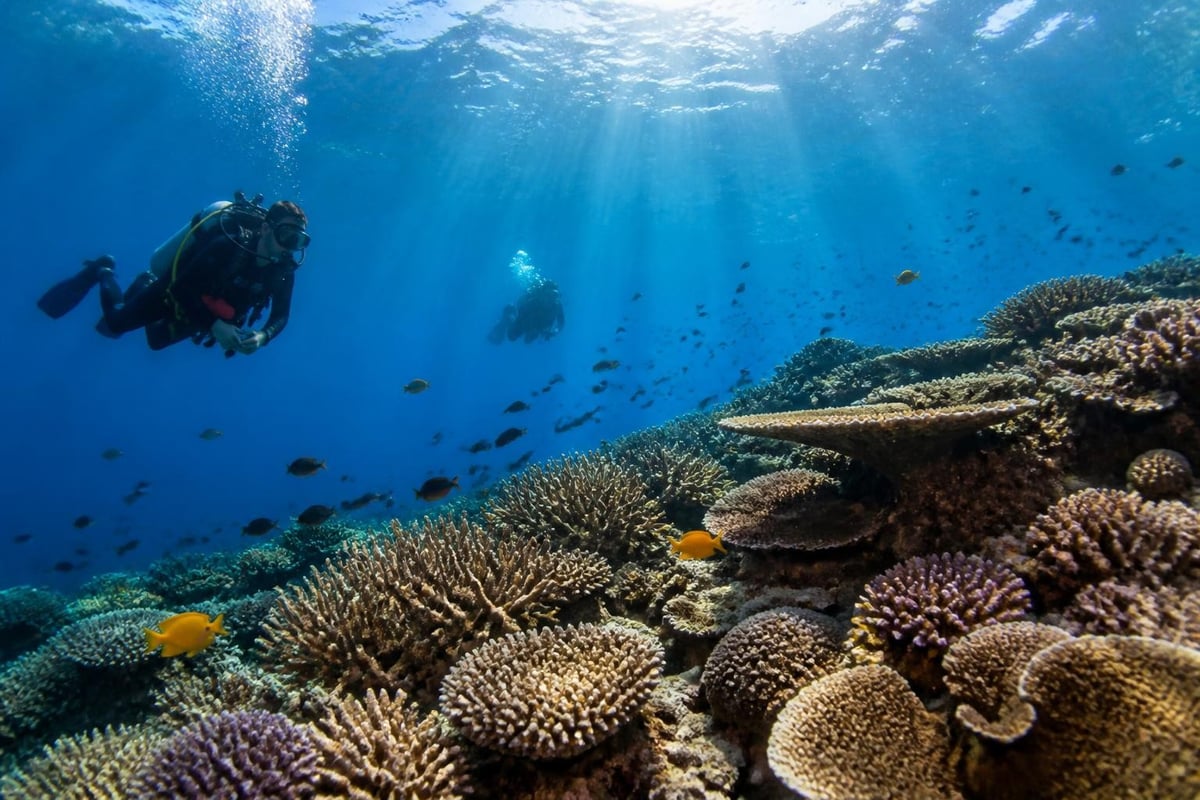
Temperature Layers and Thermoclines
Understanding temperature stratification in scuba diving water helps you prepare for changing conditions during descent and ascent. A thermocline is a distinct layer where water temperature changes rapidly with depth.
How Thermoclines Form
Warm water is less dense than cold water, so it floats on top. When surface water heats from the sun but deeper water remains cool, a sharp boundary develops. Passing through a thermocline feels like entering a different world – the temperature can drop 3-5°C within just a few meters.
In El Nido's tropical environment, thermoclines are less pronounced than in temperate waters but still occur occasionally, typically:
- Between 15 and 25 meters depth
- More common during calm conditions
- Often temporary or mild (1-3°C difference)
Diving Through Temperature Changes
When you encounter a thermocline during your dive, several things happen simultaneously:
Physical effects:
- Immediate temperature sensation on exposed skin
- Possible changes in buoyancy requiring adjustment
- Reduced visibility at the boundary layer
Equipment considerations:
- Thermal protection becomes more important for bottom portions of dive
- Air consumption may increase slightly in colder water
- Regulators perform consistently across temperature ranges
Currents and Water Movement
Moving scuba diving water adds complexity and excitement to diving. Understanding currents helps you plan safer, more enjoyable dives while accessing sites that would be difficult or impossible in still water.
Types of Underwater Currents
Different current types affect dive planning and execution:
- Tidal currents – Driven by moon and sun gravitational pull, predictable and regular
- Wind-driven currents – Surface water movement pushed by sustained winds
- Deep currents – Ocean-wide circulation patterns affecting deeper dive sites
- Local currents – Site-specific water movement around geological features
The diverse dive sites around Palawan feature varying current conditions, from gentle drift diving to protected bays with minimal water movement.
Diving Safely in Current
Professional guides assess scuba diving water conditions before every dive, adjusting plans based on current strength and direction. In El Nido, experienced instructors from Submariner Diving Center monitor conditions carefully and select appropriate sites for your certification level and experience.
When diving in current:
- Begin diving into the current when possible, returning with it
- Stay close to the reef or bottom to minimize current effect
- Use reef hooks only on dead substrate when appropriate
- Maintain awareness of your position relative to the boat
- Signal your guide immediately if the current feels uncomfortable
Light Penetration and Color Absorption
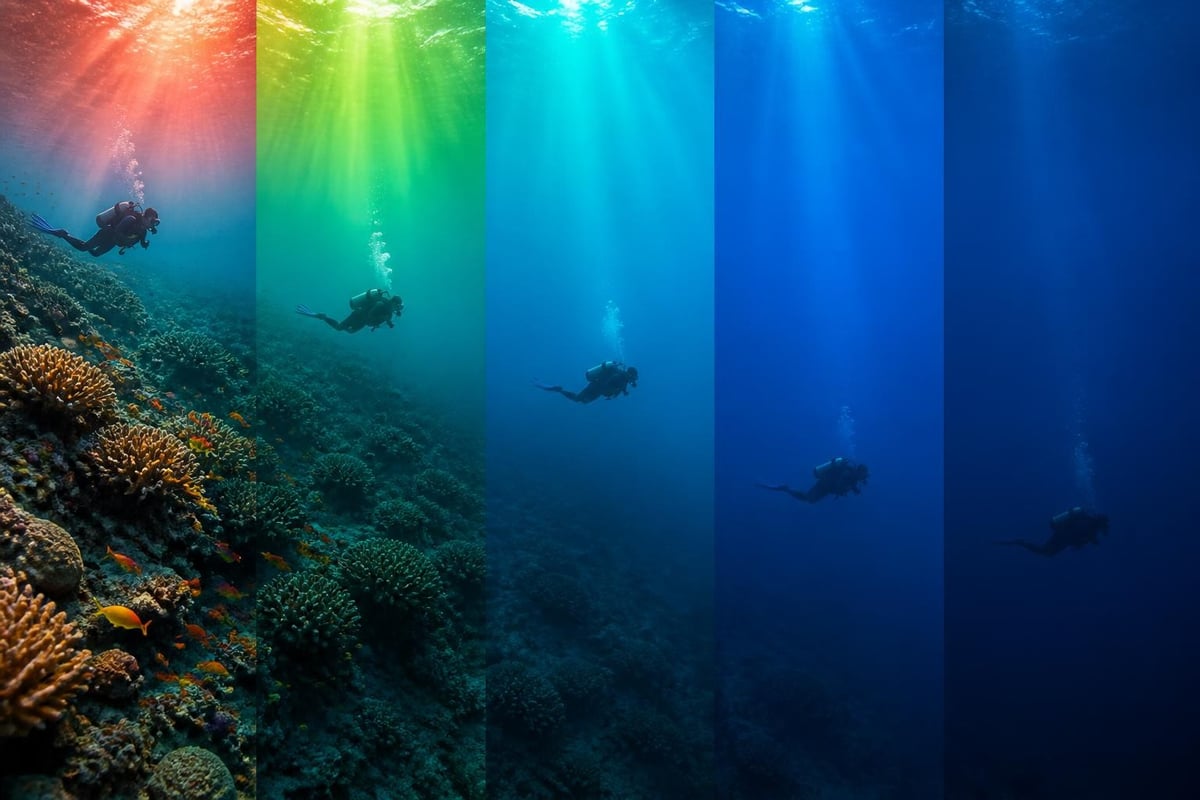
Scuba diving water absorbs light differently than air, fundamentally changing how you perceive the underwater world. Water selectively absorbs different wavelengths of light, causing colors to disappear progressively with depth.
The Physics of Underwater Light
Red wavelengths disappear first (within 5 meters), followed by orange and yellow. By 30 meters, the underwater world appears predominantly blue-green without artificial light. This color loss happens because water molecules absorb light energy, converting it to heat.
| Depth | Colors Lost | Dominant Hues |
|---|---|---|
| 0-5m | Minimal loss | Full spectrum |
| 5-15m | Reds, some oranges | Yellow to blue |
| 15-30m | Reds, oranges, yellows | Green to blue |
| 30m+ | Most warm colors | Blue-green only |
Enhancing Your Visual Experience
Bringing a dive light or using underwater photography strobes reveals the true colors hidden in scuba diving water. Even during day dives in shallow water, shining a light into crevices or on marine life displays brilliant colors invisible in ambient light.
The crystal-clear scuba diving water around El Nido provides excellent light penetration, meaning colors remain visible longer than in murkier environments. This natural advantage makes photography and simply observing marine life more rewarding.
Sound Transmission in Scuba Diving Water
Water conducts sound approximately four times faster than air, but your ears perceive it differently. Understanding acoustic properties of scuba diving water improves safety and communication underwater.
How Underwater Sound Works
Sound waves travel at roughly 1,500 meters per second through water compared to 340 meters per second through air. This speed difference makes it difficult to determine where sounds originate – everything seems to come from all directions simultaneously.
Divers use this property when using tank bangers or shakers to get attention. The sound carries well through scuba diving water, though determining the exact source requires visual confirmation.
Communication Methods
Since speech is impossible while breathing from a regulator, divers develop alternative communication:
- Hand signals for common messages and questions
- Tank bangers or metal objects for attention
- Slates or wet notes for detailed communication
- Lights for night diving or pointing
Professional instructors spend significant time teaching and practicing communication skills because clear signaling is fundamental to safe diving.
Biological Components in Scuba Diving Water
Living organisms – from microscopic plankton to large fish – make scuba diving water a dynamic, living medium. The biological content affects visibility, creates food chains, and makes diving endlessly fascinating.
Plankton and Particulates
Plankton blooms temporarily reduce visibility but indicate healthy, productive scuba diving water. These tiny organisms form the foundation of marine food chains, supporting everything from small fish to whale sharks.
During certain seasons, you might notice:
- Green tinted water from algae blooms
- Cloudy water from zooplankton concentrations
- Bioluminescent plankton creating sparkles at night
These natural variations demonstrate the living, changing nature of the marine environment.
Marine Life Interactions
The scuba diving water around El Nido supports an incredible diversity of life. From tiny nudibranchs to sea turtles, from schools of jacks to reef sharks, the water provides habitat, oxygen, and food for countless species.
Different water conditions attract different creatures. Nutrient-rich currents bring larger pelagic species, while calm protected bays host juvenile fish and delicate reef structures.
Preparing for Different Water Conditions
Successful diving requires preparing appropriately for the specific scuba diving water conditions you'll encounter. Your equipment, timing, and expectations should match the environment.
Thermal Protection Selection
Choosing the right exposure suit depends on water temperature, dive duration, and your personal cold tolerance. In Palawan's warm waters, most divers use 3mm wetsuits or shorties, though individual comfort varies.
Consider these factors:
- Multiple dives per day cool your body cumulatively
- Deeper dives expose you to potentially cooler water
- Extended dive times increase heat loss
- Personal metabolism affects cold sensitivity
Equipment Configuration
Scuba diving water properties influence equipment choices beyond thermal protection. Weights differ between salt and fresh water, current conditions affect fin selection, and visibility determines whether you prioritize wide-angle or macro photography.
When you're ready to explore El Nido's remarkable underwater environment, the Discover Scuba Diving program provides a perfect introduction. You'll experience the unique properties of tropical scuba diving water firsthand, with professional guidance ensuring safety and maximizing enjoyment.
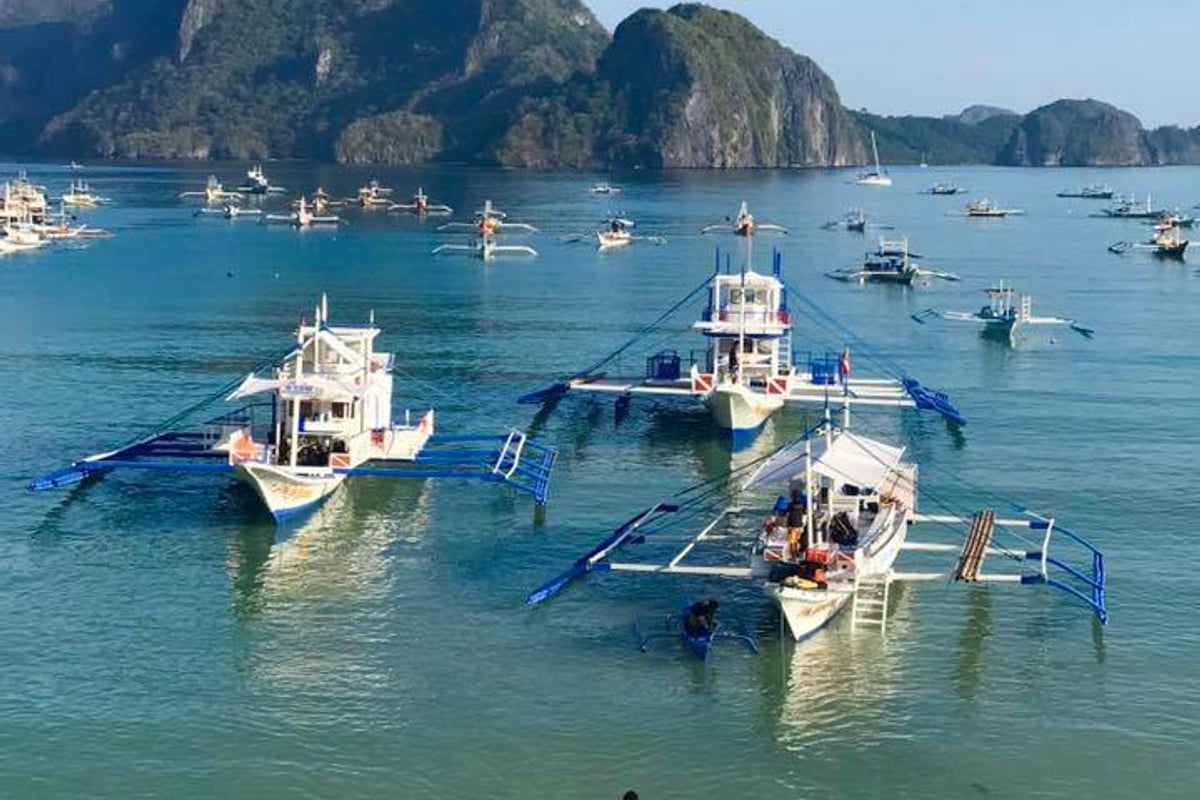
Seasonal Variations in Scuba Diving Water
El Nido's scuba diving water conditions shift throughout the year, though variations are gentler than many dive destinations. Understanding seasonal patterns helps you plan the optimal timing for your diving adventure.
Dry Season (November to May)
The northeast monsoon brings consistently excellent diving conditions:
- Minimal rainfall keeping visibility high (often 20-30+ meters)
- Calm seas making boat travel comfortable
- Stable weather patterns for reliable dive planning
- Water temperatures at their warmest (28-29°C)
This period represents peak diving season when scuba diving water conditions are most predictable and favorable.
Wet Season (June to October)
The southwest monsoon brings different characteristics:
- Occasional rainfall, sometimes affecting visibility temporarily
- Plankton blooms attracting larger marine species
- Slightly cooler water temperatures (26-27°C)
- Some dive sites become more sheltered choices
- Generally fewer divers, creating more intimate experiences
Many experienced divers prefer the wet season despite occasionally reduced visibility, as marine life activity often increases and dive sites feel less crowded.
Conservation and Water Quality
Protecting scuba diving water quality ensures future generations can enjoy these remarkable environments. Every diver plays a role in marine conservation through their actions and choices.
How Divers Impact Water Quality
Even well-intentioned divers affect the underwater environment:
- Sunscreen chemicals leaching into water (use reef-safe products)
- Stirred sediment from poor buoyancy control
- Physical contact damaging corals and marine life
- Dropped equipment or debris
Maintaining excellent buoyancy control is perhaps the most important practical skill for minimizing environmental impact. When you neither touch the bottom nor stir up sediment, you leave scuba diving water and marine life undisturbed.
Supporting Healthy Marine Ecosystems
The quality of scuba diving water directly reflects the health of surrounding ecosystems. Protected areas, limited development, and responsible diving practices maintain the pristine conditions that make locations like El Nido exceptional diving destinations.
Choose dive operators committed to conservation, follow all marine park regulations, and practice the highest standards of environmental awareness during every dive.
Understanding Scuba Diving Water for Better Diving
Knowledge transforms diving from recreational activity to genuine understanding of an alien environment. When you comprehend how scuba diving water differs from air, why visibility changes, and how temperature affects your experience, you make better decisions and enjoy diving more deeply.
Each dive offers opportunities to observe these principles firsthand. Notice how colors change as you descend, feel thermoclines as you pass through them, and observe how marine life interacts with currents and water movement.
The more you understand scuba diving water properties, the more confidently you'll approach new dive sites, conditions, and challenges. This knowledge foundation supports every certification level from beginner through advanced training.
Whether you're planning your first breaths underwater or expanding your diving expertise, El Nido's exceptional scuba diving water conditions provide an ideal learning environment. Clear visibility, comfortable temperatures, diverse marine life, and professional instruction combine to create memorable, educational diving experiences.
Understanding scuba diving water transforms you from passive observer to engaged participant in the underwater world. The unique physical, chemical, and biological properties of the marine environment shape every aspect of your diving experience. Ready to experience El Nido's crystal-clear tropical waters firsthand? Submariner Diving offers professional instruction, daily dive trips, and complete dive packages that let you explore these remarkable waters with expert guidance, whether you're taking your first breaths underwater or pursuing advanced certifications.