The Philippines has earned its reputation as one of the world's premier snorkeling destinations, and for good reason. With over 7,000 islands scattered across the Coral Triangle, the country offers an extraordinary diversity of marine habitats, from shallow coral gardens to dramatic wall drop-offs. Whether you're a first-time snorkeler or an experienced water enthusiast, snorkeling Philippines delivers encounters with sea turtles, vibrant reef fish, and coral formations that rival any tropical destination. The accessibility of these reefs, combined with warm water year-round and exceptional visibility, makes the Philippines an ideal choice for anyone wanting to explore underwater ecosystems without scuba certification.
Why the Philippines Ranks Among the World's Top Snorkeling Destinations
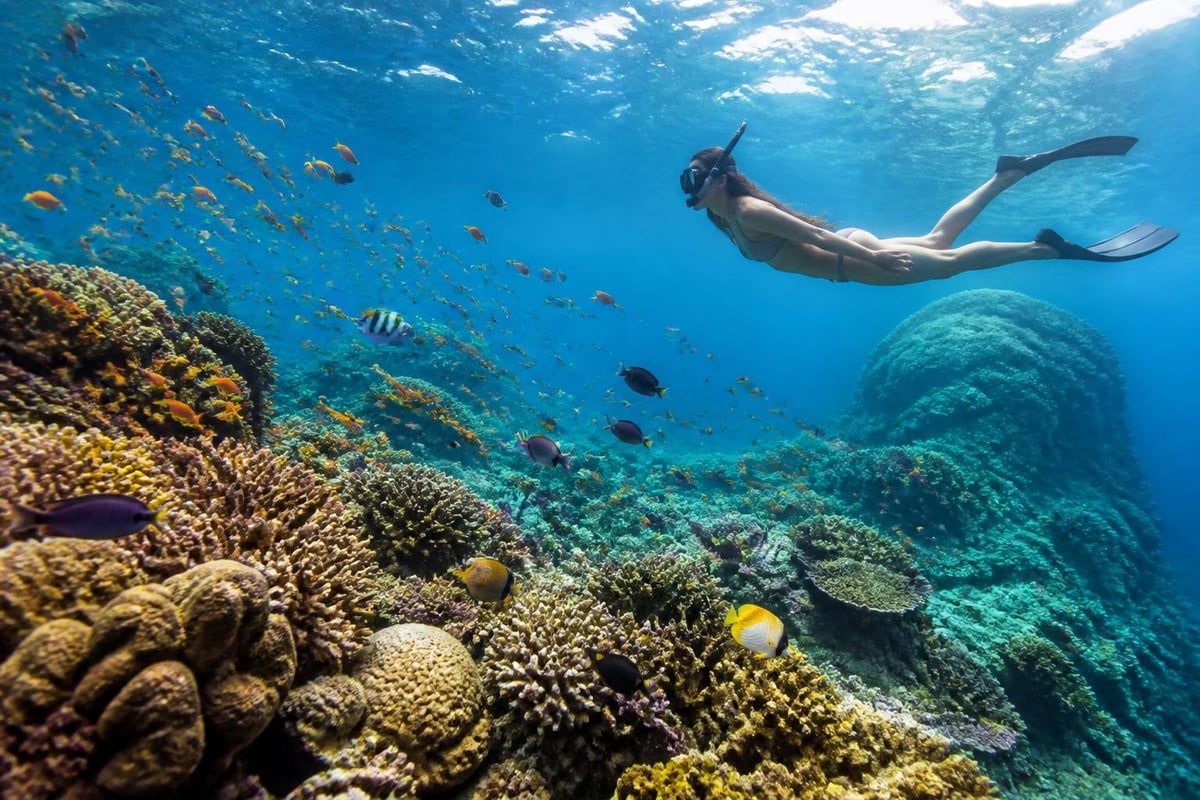
The Philippines sits squarely within the Coral Triangle, a marine region recognized as the global center of marine biodiversity. This geographic position means Philippine waters host more coral and fish species than almost anywhere else on Earth.
The numbers tell the story:
- Over 500 coral species (75% of all known coral species worldwide)
- More than 2,000 reef fish species
- Six of the world's seven marine turtle species
- Dozens of endemic species found nowhere else
Water Conditions That Make Snorkeling Accessible
Philippine waters maintain temperatures between 26-30°C (79-86°F) year-round, which means you can snorkel comfortably without thick wetsuits. Most snorkeling spots feature calm, protected bays and lagoons where even nervous swimmers feel secure.
Visibility typically ranges from 10 to 30 meters, though it varies by location and season. The best visibility generally occurs during the dry season (November through May), when calmer seas keep sediment settled and plankton blooms minimal.
Best Regions for Snorkeling Philippines Adventures
Different regions offer distinct snorkeling experiences. Understanding what each area provides helps you choose the right destination for your interests and skill level.
Palawan: Pristine Reefs and Island-Hopping
Palawan consistently ranks as the Philippines' top destination for snorkeling, thanks to relatively undeveloped coastlines and strong marine protection efforts. National Geographic highlights the exceptional island-hopping opportunities that make this region so accessible for snorkelers.
El Nido stands out as Palawan's snorkeling crown jewel. The limestone karst formations that make El Nido visually stunning above water continue underwater, creating dramatic reef walls and channels filled with marine life. Popular snorkeling sites around El Nido's bacuit archipelago include:
- Entalula Island: Gentle slopes with excellent coral coverage and resident schools of fusiliers
- Snake Island: Named for its sandbar shape, with clear shallow waters perfect for beginners
- Helicopter Island: Wall drops and swim-throughs hosting angelfish, parrotfish, and occasional turtles
- Cadlao Lagoon: Protected waters with staghorn coral gardens and clownfish colonies
If you're planning to spend several days exploring El Nido's underwater world, the convenience of staying beachfront makes a significant difference. The El Nido Dive & Stay Package combines accommodation at The Beach House with direct access to snorkeling and diving adventures, letting you step from your room onto the boat without the usual logistics hassles.
Coron, in northern Palawan, offers a completely different snorkeling experience centered around World War II shipwrecks. While the deeper wrecks require scuba diving, several sit in shallow enough water for snorkelers to observe their outlines and the marine life that has colonized them. Coron's lakes, including Barracuda Lake and Kayangan Lake, provide surreal snorkeling in gin-clear freshwater.
Visayas: Accessible Diversity
The central Visayan islands offer the highest concentration of snorkeling sites within easy reach of each other.
Bohol combines easy beach access with diverse marine habitats. Balicasag Island, a marine sanctuary just off Panglao, features a dramatic wall that drops from 3 meters to beyond diving limits, allowing snorkelers to peer into the blue while reef fish swirl around them. The island is also a reliable spot for turtle encounters.
| Visayan Destination | Best For | Typical Visibility | Access |
|---|---|---|---|
| Balicasag Island (Bohol) | Sea turtles, wall snorkeling | 15-25m | 20-min boat from Panglao |
| Apo Island (Negros) | Marine sanctuary, turtle conservation | 20-30m | 30-min boat from Dumaguete |
| Moalboal (Cebu) | Sardine run, healthy reefs | 15-20m | Shore entry available |
| Sumilon Island (Cebu) | White sand, clear lagoons | 20-30m | 15-min boat from Oslob |
Apo Island, accessible from Dumaguete, operates as a community-managed marine reserve that demonstrates how protection benefits both marine life and local tourism. The island's success in restoring reef health and turtle populations makes it a model for sustainable snorkeling tourism.
Luzon: Convenience and Conservation
Anilao in Batangas province serves as Manila's closest quality snorkeling destination, just two to three hours by road. Known primarily as a macro diving site for photographers, Anilao's reefs also reward snorkelers with nudibranchs, frogfish, and colorful crinoids visible in shallow water.
Puerto Galera on Mindoro Island offers easy snorkeling straight from the beach at several sites. The area's designation as a UNESCO Biosphere Reserve recognizes both its marine biodiversity and the community's commitment to conservation.
Planning Your Snorkeling Philippines Trip: Practical Considerations
Best Time to Visit
The Philippines experiences two primary seasons that affect snorkeling conditions:
Dry season (November to May): Calm seas, excellent visibility, and reliable weather make this the optimal period for snorkeling across most of the country. March through May brings the warmest air temperatures but also increased tourist numbers.
Wet season (June to October): Southwest monsoons bring afternoon rains and rougher seas to western-facing coasts (including Palawan). However, this season offers fewer crowds, lower prices, and surprisingly good conditions on eastern coasts sheltered from prevailing winds.
Typhoon season technically runs June through November, though most storms pass north of the main snorkeling destinations. Check forecasts before travel during these months.
Health and Safety Preparations
CDC travel health guidance for the Philippines recommends ensuring routine vaccinations are current and considering Hepatitis A and Typhoid vaccines, as these protect against foodborne and waterborne illnesses.
Before entering the water:
- Check current conditions with local operators
- Wear reef-safe sunscreen (mineral-based only)
- Confirm entry and exit points, especially where currents exist
- Snorkel with a buddy, never alone
- Inform someone onshore of your plans
Marine hazards to respect:
- Jellyfish: Common during certain moon phases; wear a rash guard if sensitive
- Sea urchins: Watch where you step on reef flats
- Stonefish: Shuffle your feet in sandy areas near reefs
- Currents: Stick to protected bays if you're not a strong swimmer
Responsible Snorkeling Practices
The reefs that make snorkeling Philippines so spectacular face threats from climate change, overfishing, and physical damage. Your behavior as a snorkeler directly impacts reef health.
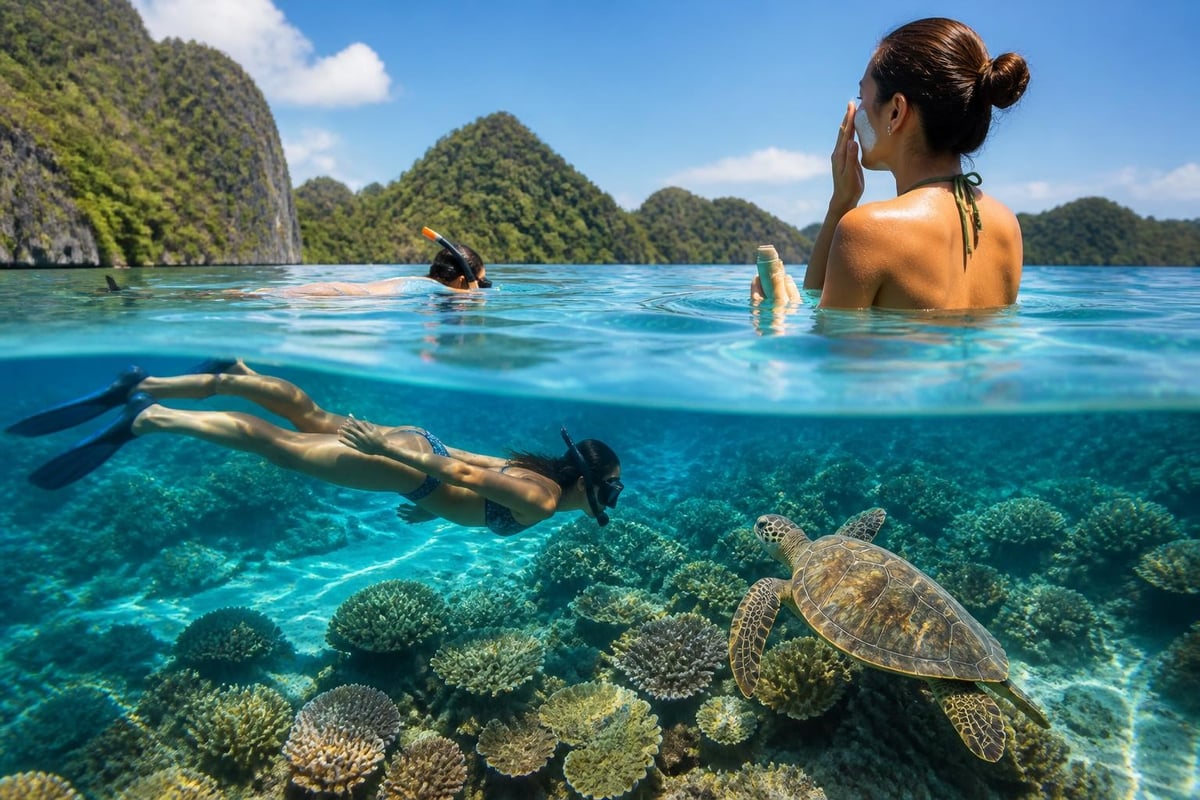
NOAA’s marine life viewing guidelines recommend maintaining appropriate distances from marine animals. For the Philippines context:
- Sea turtles: Stay at least 3 meters away; never touch or chase
- Reef fish: Observe without cornering or grabbing
- Coral: Never stand on, touch, or kick coral formations
- Feeding fish: Don't feed wildlife; it disrupts natural behavior
Equipment Considerations
Most snorkeling tours provide basic masks, snorkels, and fins. However, bringing your own equipment ensures proper fit and hygiene.
Essential gear checklist:
- Mask: Properly fitted silicone mask (test the seal before purchase)
- Snorkel: Dry-top or semi-dry designs reduce water intake
- Fins: Full-foot fins for warm water; sized to fit snugly
- Rash guard or wetsuit: Sun protection and minor warmth in early mornings
- Reef-safe sunscreen: Mineral formulas only (zinc oxide or titanium dioxide)
For those new to snorkeling or returning after years away, many operations offer brief orientations covering breathing techniques, mask clearing, and efficient finning.
What You'll Actually See: Marine Life Encounters
Expectations shape experience. Understanding what marine life you're likely to encounter in different habitats helps you appreciate what you observe.
Reef Fish Communities
Philippine reefs host an incredible diversity of fish species, each occupying specific ecological niches:
Coral dwellers like damselfish, chromis, and anthias form colorful clouds above coral heads, while cleaner wrasses operate "cleaning stations" where larger fish queue for parasite removal. Butterflyfish and angelfish patrol reef slopes in pairs or small groups, their compressed bodies allowing them to slip between coral branches.
Parrotfish perform the essential role of grazing algae from coral surfaces, their powerful beaks scraping and crunching throughout the day (the white sand beaches you enjoy are largely parrotfish poop-ground-up coral expelled after digestion).
Turtle Encounters
Five of the world's seven marine turtle species regularly visit Philippine waters: green turtles, hawksbills, olive ridleys, loggerheads, and leatherbacks. Snorkelers most commonly encounter green turtles and hawksbills.
Green turtles graze on seagrass beds and rest on coral rubble between feeding sessions. Hawksbills, with their distinctive overlapping shell plates and narrow beaks, feed on sponges growing on reef faces. Both species surface to breathe every 5-20 minutes, offering good surface viewing opportunities.
Remember that approaching too closely stresses turtles and interrupts essential feeding and resting behaviors. Coral reef conservation guidelines emphasize that even well-intentioned interactions can harm marine species when repeated by thousands of tourists annually.
Seasonal Visitors
Certain species appear seasonally or in specific locations:
- Whale sharks: Donsol (January-May), Oslob (year-round but controversial due to feeding)
- Manta rays: Various sites, often near cleaning stations
- Sardine runs: Moalboal (year-round, though density varies)
- Thresher sharks: Malapascua (primarily for divers, but occasionally visible from surface)
Beyond Basic Snorkeling: Advancing Your Skills
Once you've mastered the basics of snorkeling Philippines waters, several paths can deepen your underwater experiences.
Free Diving Fundamentals
Free diving training improves breath-hold capacity, equalization technique, and swimming efficiency. These skills transform snorkeling from surface observation to brief underwater exploration.
Benefits for snorkelers:
- Dive to 5-10 meters to examine features up close
- Reduce air consumption for longer sessions
- Move more efficiently with better body position
- Equalize pressure comfortably as you descend
Several Philippine resorts offer basic free diving introductions alongside snorkeling programs.
Transitioning to Scuba Diving
Many snorkelers eventually wonder what lies beyond the surface limits. Scuba diving opens access to deeper reefs, caves, and marine life that rarely ventures into shallow water.
The progression from snorkeling to scuba is natural and straightforward. Discover Scuba Diving programs let you try diving in a controlled environment before committing to full certification. If you enjoy the experience, a complete Open Water certification typically requires 3-4 days.
El Nido's dive sites extend from shallow coral gardens perfect for snorkelers down to 30+ meter walls where scuba divers encounter pelagic species, larger groupers, and more diverse marine communities. Having both skills means you can choose the right activity for conditions and interests each day.
Regional Snorkeling Highlights Worth the Journey
Tubbataha Reefs Natural Park
This UNESCO World Heritage Site in the Sulu Sea represents the pinnacle of Philippine marine biodiversity. Tubbataha's remote location (10-12 hours by liveaboard from Puerto Princesa) keeps it pristine but limits access to March-June when seas calm.
While Tubbataha is primarily a diving destination, snorkelers on liveaboards can experience the shallow reef flats and lagoons that show different ecosystems from the deep walls. The strict protection and visitor limits mean you'll see healthy coral cover and abundant fish populations rarely found elsewhere.
Siargao and Mindanao
The Philippines' southern regions receive fewer snorkeling tourists but offer exceptional opportunities. Siargao Island, famous for surfing, hides magnificent reefs and rock islands in its southern waters. The Sugba Lagoon provides calm, clear snorkeling in a stunning limestone setting.
Camiguin Island features unique volcanic reef formations where coral grows on lava rock, creating unusual topography and ecological niches. The island's numerous marine sanctuaries protect both reef ecosystems and traditional fishing grounds.
Practical Trip Combinations
Most international visitors combine multiple destinations to experience different aspects of snorkeling Philippines:
Northern Circuit (7-10 days):
- Anilao (2 days): Macro life and easy access from Manila
- Puerto Galera (2-3 days): Beach snorkeling and UNESCO reefs
- Coron (3-4 days): Wrecks, lakes, and limestone islands
Visayan Islands (10-14 days):
- Bohol/Panglao (3-4 days): Turtles at Balicasag, beach relaxation
- Dumaguete/Apo Island (3 days): Marine sanctuary snorkeling
- Moalboal (2-3 days): Sardine run and reef diversity
- Malapascua (2-3 days): White beaches and north Cebu snorkeling
Palawan Focus (7-14 days):
- Puerto Princesa (1-2 days): Underground river, city base
- El Nido (4-6 days): Island-hopping, lagoons, reefs
- Coron (3-5 days): Wrecks, lakes, different limestone scenery
Making the Most of Island-Hopping Tours
Island-hopping tours form the backbone of snorkeling Philippines tourism. These group boat trips typically visit 3-4 islands or snorkeling sites in a single day, with lunch served on a beach or aboard the boat.
What to Expect on Group Tours
Standard island-hopping tours depart mid-morning (8-9 AM) and return mid-afternoon (3-4 PM). Groups range from 8 to 20 people sharing a bangka (traditional outrigger boat).
Typical itinerary structure:
- Stop 1 (9:30-10:30 AM): First snorkeling site, usually 45-60 minutes
- Stop 2 (11:00 AM-12:00 PM): Beach or lagoon visit with swimming
- Lunch (12:00-1:00 PM): Beach barbecue or boat-served meal
- Stop 3 (1:30-2:30 PM): Second snorkeling site
- Stop 4 (optional): Final beach or viewpoint before return
Private vs. Group Tours
| Factor | Group Tours | Private Charters |
|---|---|---|
| Cost per person | ₱1,200-2,000 | ₱8,000-15,000 (divided by group) |
| Flexibility | Fixed schedule and sites | Choose your own itinerary |
| Pace | Moves with group timing | Set your own pace |
| Crowding | Share sites with other groups | Often less crowded sites |
| Best for | Budget travelers, solo snorkelers | Families, special occasions, photography |
Private charters make sense for groups of 4-6 people who want flexibility or have specific interests (photography, free diving, visiting less-common sites). The per-person cost becomes competitive with group tours while offering significantly more control.
Snorkeling Safety: Real Risks and How to Manage Them
Snorkeling carries lower risks than scuba diving but isn't risk-free. Understanding real hazards and their management keeps you safe while avoiding unnecessary anxiety.
Drowning Prevention
Drowning represents the most serious risk for snorkelers. Most incidents involve:
- Fatigue: Swimming against currents or for too long
- Equipment issues: Mask flooding, snorkel water intake
- Medical events: Cramps, panic, or underlying health conditions
- Overconfidence: Swimming beyond skill level
Prevention strategies:
- Use a floatation vest if you're not a confident swimmer
- Rest frequently; don't push through fatigue
- Practice mask clearing and snorkel breathing in shallow, calm water first
- Snorkel with a buddy who can assist if needed
- Inform guides of any medical conditions
Sun Exposure
Tropical sun reflects off water, intensifying exposure. Back-of-body sunburn affects most first-time snorkelers who forget they're floating face-down for hours.
Protection layers:
- Reef-safe mineral sunscreen on exposed areas
- Long-sleeve rash guard or wetsuit top
- Boardshorts or leggings for leg coverage
- Time limits (avoid midday sun when possible)
Current Awareness
Many of the Philippines' best snorkeling sites feature gentle currents that refresh nutrients and support abundant marine life. Understanding how to work with currents rather than against them prevents exhaustion.
Current management:
- Start snorkeling into the current, return with it
- Use natural breaks (rocks, reef corners) to rest
- Don't fight strong currents; angle across them toward shore
- Signal for boat pickup if you drift beyond safe return distance
Final Preparation: Building Your Snorkeling Philippines Checklist
Documents and Bookings
- Passport: Valid for at least 6 months beyond travel dates
- Return ticket: Philippines immigration requires proof of onward travel
- Accommodation confirmations: Printed or digital copies
- Travel insurance: Coverage including water activities
- Tour bookings: Reserved spots for popular destinations
Packing Essentials
Water gear:
- Personal mask, snorkel, and fins (or plan to rent)
- Rash guard or thin wetsuit
- Water shoes for rocky entries
- Dry bag for phone, camera, valuables
- Reef-safe sunscreen (mineral-based)
General items:
- Quick-dry clothing for boat trips
- Motion sickness medication (if prone to seasickness)
- Basic first aid (bandages, antibiotic ointment, antihistamines)
- Underwater camera or phone case
- Reusable water bottle
Budget Planning
Snorkeling Philippines costs vary significantly by destination and style:
Daily budget estimates (per person):
- Budget: ₱1,500-2,500 (hostel accommodation, group tours, local food)
- Mid-range: ₱3,000-5,000 (comfortable hotel, mix of tours, good restaurants)
- Comfortable: ₱6,000+ (resort stay, private tours, full flexibility)
Activity costs:
- Group island-hopping tour: ₱1,200-2,000
- Private boat charter: ₱8,000-15,000 (split among group)
- Snorkel gear rental: ₱200-400 per day
- Marine sanctuary fees: ₱100-200 per site
- Wetsuit or rash guard rental: ₱200-300
Snorkeling in the Philippines offers unmatched access to the world's richest marine ecosystems, from El Nido's limestone seascapes to the protected reefs of the Visayas. Whether you're taking your first look underwater or seeking your next world-class snorkeling destination, the Philippine islands deliver extraordinary diversity and accessibility. Ready to explore El Nido's spectacular underwater world? Palawan Diving offers expert-guided snorkeling adventures and diving experiences that showcase the best of Palawan's marine life, with personalized service and deep local knowledge to make your trip unforgettable.