Taking your first breath underwater is one of the most remarkable experiences you'll ever have. The PADI discover scuba diving experience offers a safe, structured introduction to the underwater world, designed specifically for people with zero diving experience. Whether you're on holiday in El Nido or considering scuba as a new hobby, this program lets you try diving with a professional instructor before committing to a full certification course. In the crystal-clear waters around Palawan, your first dive becomes an unforgettable encounter with tropical reefs, colourful fish, and a completely different way of seeing the world.
What Is the PADI Discover Scuba Diving Experience
The padi discover scuba diving experience is an introductory program that allows non-certified participants to try scuba diving under direct professional supervision. Unlike certification courses that require multiple days and independent dive skills, Discover Scuba Diving condenses the essentials into a single session.
You'll learn fundamental concepts including:
- How scuba equipment works and why each piece matters
- Basic safety rules and hand signals used underwater
- Breathing techniques and buoyancy control in shallow water
- Emergency procedures and how to stay calm
The program follows internationally recognised standards that ensure consistency and safety across dive centres worldwide. PADI structures the experience into manageable steps, starting in confined water (a pool or very shallow area) before progressing to an open water dive.
Who Can Participate
Most healthy individuals aged 10 and older can participate. You don't need swimming certification, though basic water comfort makes the experience more enjoyable.
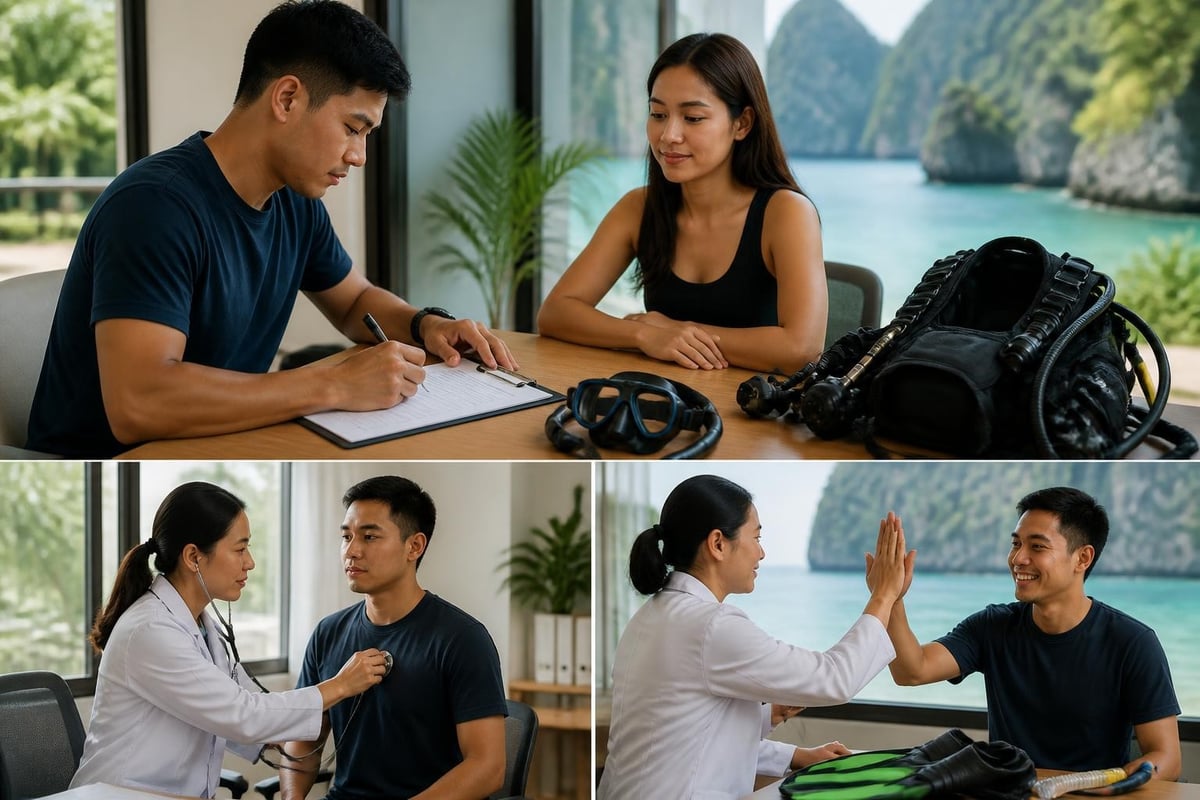
Before any PADI program, participants complete a medical questionnaire. The PADI medical form screens for conditions that might complicate diving, such as asthma, heart conditions, or ear problems. If you answer "yes" to any medical question, you'll need written physician approval before diving.
How the Program Works Step by Step
The padi discover scuba diving experience typically runs three to four hours from start to finish. The exact structure varies by location, but the core components remain consistent.
Knowledge Development Session
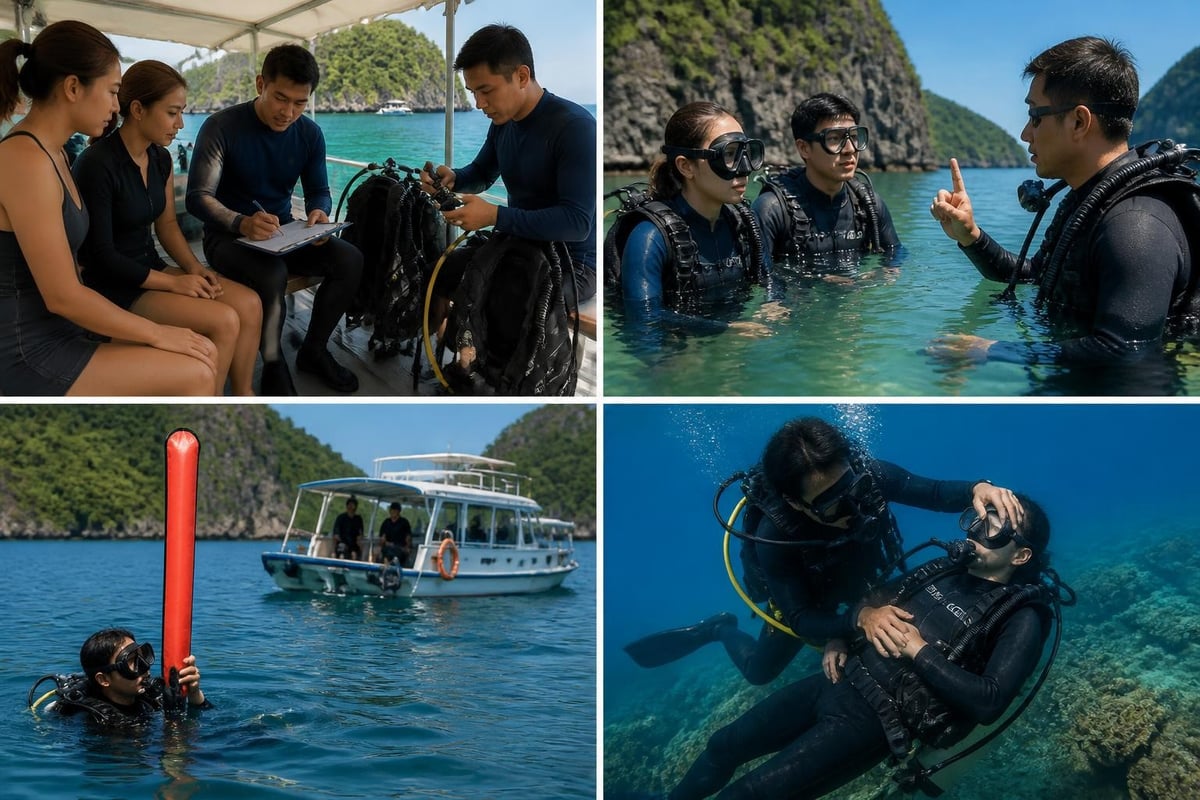
Your instructor begins with a brief classroom or beach session covering diving basics. This isn't a full academic course but rather practical information you need for your first dive.
Key topics include:
- How water pressure affects your body and equipment
- Equalising your ears during descent
- What to do if your mask floods or your regulator comes out
- Underwater communication using hand signals
- Marine life awareness and environmental responsibility
Many dive centres use video presentations alongside instructor explanations. The session lasts 30 to 45 minutes and answers most first-timer questions before you even ask them.
Confined Water Skills Practice
Before entering the ocean, you'll practice essential skills in a controlled environment. In El Nido, this usually means shallow, calm water near the beach where you can stand up if needed.
| Skill | Purpose | What You'll Practice |
|---|---|---|
| Regulator breathing | Learning to breathe underwater | Taking breaths from the regulator, breathing normally despite feeling unnatural |
| Mask clearing | Handling water in your mask | Flooding your mask partially and clearing it without surfacing |
| Regulator recovery | Retrieving your air source | Finding and replacing your regulator if it comes out of your mouth |
| Buoyancy control | Maintaining neutral position | Adding and releasing air from your BCD to float at different depths |
Your instructor demonstrates each skill, then you practice while they stay within arm's reach. Most people master these basics within 20 to 30 minutes.
Open Water Dive
Once you're comfortable with the fundamentals, you'll move to the reef for your first real dive. This is where the padi discover scuba diving experience truly comes alive.
Your instructor controls the depth, typically keeping first-timers between 6 and 12 metres. You'll descend slowly, equalising pressure as you go, then spend 20 to 40 minutes exploring the underwater environment.
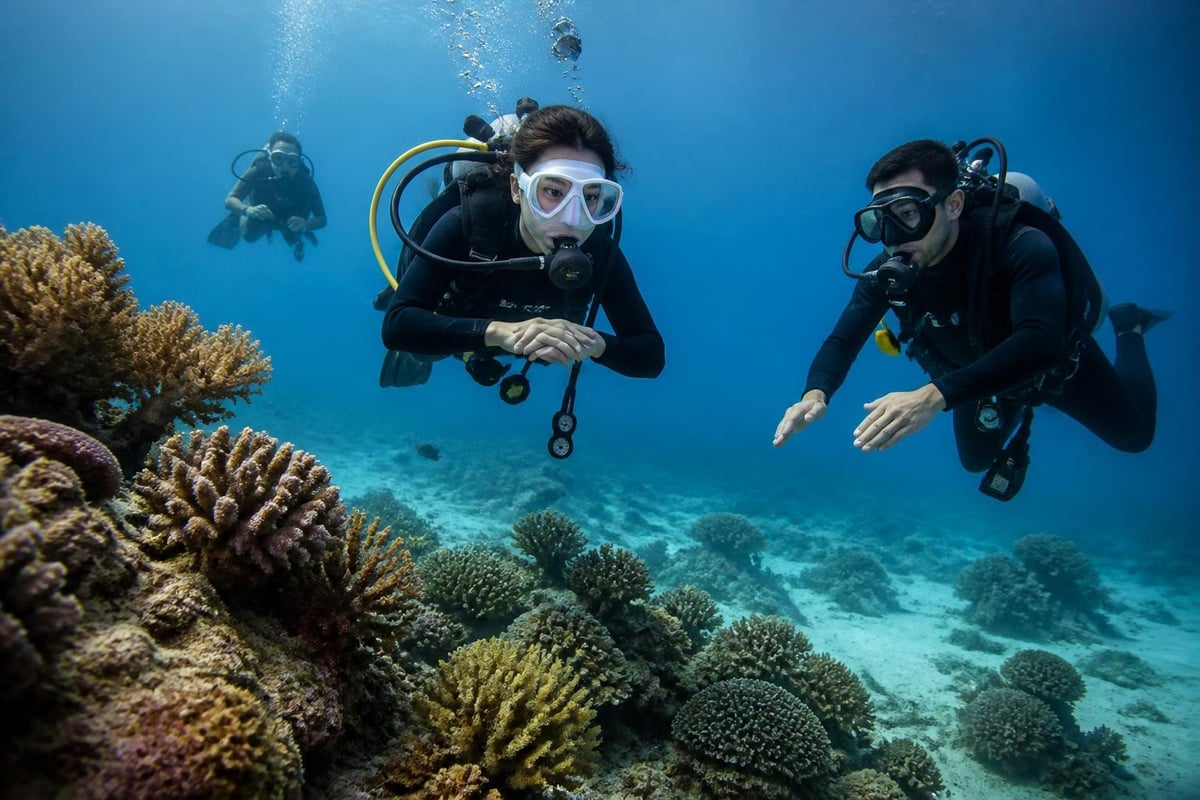
In El Nido's waters, you might encounter parrotfish grazing on coral, schools of fusiliers moving in coordinated patterns, or curious clownfish defending their anemone homes. Your instructor points out marine life and ensures you stay within safe limits throughout the dive.
Safety Considerations and Risk Management
Scuba diving carries inherent risks, but the padi discover scuba diving experience has an excellent safety record when conducted properly. Research published in peer-reviewed medical journals shows that professionally supervised introductory programs maintain low incident rates when operators follow established protocols.
Safety measures that protect participants:
- Continuous direct supervision by a certified professional
- Maximum depth restrictions (typically 12 metres)
- Thorough equipment checks before every dive
- Controlled environments selected for calm conditions
- Immediate access to oxygen and first aid equipment
- Emergency action plans and DAN (Divers Alert Network) support
Reputable operators maintain insurance, follow manufacturer equipment guidelines, and train staff in rescue procedures. The ratio of instructor to participants matters greatly-smaller groups receive more individual attention and supervision.
Common Concerns for First-Timers
New divers often worry about specific scenarios. Understanding these concerns helps you approach the experience with confidence rather than anxiety.
Ear pressure: Descending underwater increases pressure on your eardrums. You'll learn simple equalisation techniques (pinching your nose and gently blowing) that release this pressure. If equalisation doesn't work, you simply ascend slightly until the pressure releases.
Running out of air: Your instructor monitors air supply constantly and surfaces the group with plenty remaining. You'll also learn to check your own gauge and understand air consumption basics.
Breathing underwater: The sensation feels strange initially because it contradicts everything your brain knows about being submerged. The confined water practice gives you time to adjust in a safe environment before the ocean dive.
Marine life encounters: Fish generally ignore divers or swim away. Your instructor briefs you on local species and which ones (like lionfish) to avoid touching.
What to Expect in El Nido Waters
El Nido offers exceptional conditions for your padi discover scuba diving experience. The waters around Palawan combine warm temperatures (26-29°C year-round), excellent visibility (typically 10-25 metres), and calm sites protected from strong currents.
Typical Dive Sites for Beginners
Instructors select sites with gentle conditions and interesting marine life at shallow depths. Popular beginner locations feature coral gardens, sandy slopes, and diverse reef fish populations.
Common marine life encounters include:
- Sergeant majors and damselfish around coral heads
- Blue-spotted stingrays resting on sandy patches
- Butterflyfish and angelfish in pairs or small groups
- Juvenile parrotfish grazing on algae
- Occasional sea turtles passing through
The biodiversity means even shallow dives reveal dozens of species. Your instructor helps identify wildlife and explains ecological relationships you're witnessing.
Seasonal Considerations
El Nido's diving season runs year-round, though conditions vary slightly by month. November through May typically brings the calmest seas and best visibility. June through October sees occasional rain and wind, but dive sites on the protected side of islands remain accessible.
Water temperature stays comfortable enough that most divers wear 3mm wetsuits. The thermal protection also guards against minor scrapes from accidental coral contact.
Discover Scuba Diving vs. Full Certification
Many people wonder whether to start with the padi discover scuba diving experience or jump directly into an Open Water certification course. Each path serves different needs.
| Aspect | Discover Scuba Diving | Open Water Course |
|---|---|---|
| Time commitment | 3-4 hours (half day) | 3-4 days minimum |
| Certification | No certification issued | Full diving certification |
| Depth limit | 12 metres maximum | 18 metres after certification |
| Supervision | Constant direct supervision | Dive independently with a buddy |
| Skills required | Basic skills only | Comprehensive skill set |
| Cost | Lower investment | Higher but includes certification |
Discover Scuba works perfectly if you're curious about diving but unsure whether you'll enjoy it. The program lets you test the waters (literally) before investing time and money in certification.
If you love the experience, most dive centres credit Discover Scuba towards Open Water certification. You've already completed some confined water skills, reducing the certification timeline.
Making the Most of Your First Dive
Preparation and mindset significantly affect your experience. A few simple steps help you relax and enjoy the underwater environment.
Before Your Dive Day
Get adequate sleep the night before. Diving while fatigued increases anxiety and reduces your ability to process new information. Eat a light meal a few hours beforehand-nothing too heavy that might cause discomfort underwater.
Avoid alcohol for 24 hours prior. Even mild dehydration affects how your body handles pressure changes. Drink plenty of water instead.
If you wear contact lenses, discuss options with your instructor. Many people dive with contacts without issue, though some prefer prescription masks.
During the Experience
Listen carefully during briefings. Your instructor provides specific information about the dive site, entry and exit procedures, and what you'll see underwater. This isn't the time to zone out or check your phone.
Ask questions immediately. If something doesn't make sense or you're worried about a specific scenario, speak up. Instructors would rather answer the same question twice than have a nervous diver.
Breathe slowly and deeply. Your air consumption drops significantly when you relax and breathe normally. Rapid, shallow breathing wastes air and increases anxiety.
Stay close to your instructor. They position themselves to watch you constantly and respond to any issues. Don't wander off to chase fish or investigate something on your own.
If you're looking for the perfect introduction to scuba diving, Discover Scuba Diving offers a safe, supportive way to explore El Nido's underwater world with experienced instructors who prioritise your comfort and safety.
Environmental Responsibility for New Divers
Even first-time divers should understand their environmental impact. Coral reefs face numerous threats, and diver behaviour contributes to either conservation or degradation.
Your instructor will brief you on responsible diving practices before entering the water. These principles apply worldwide, not just in specific marine sanctuaries.
Core Environmental Practices
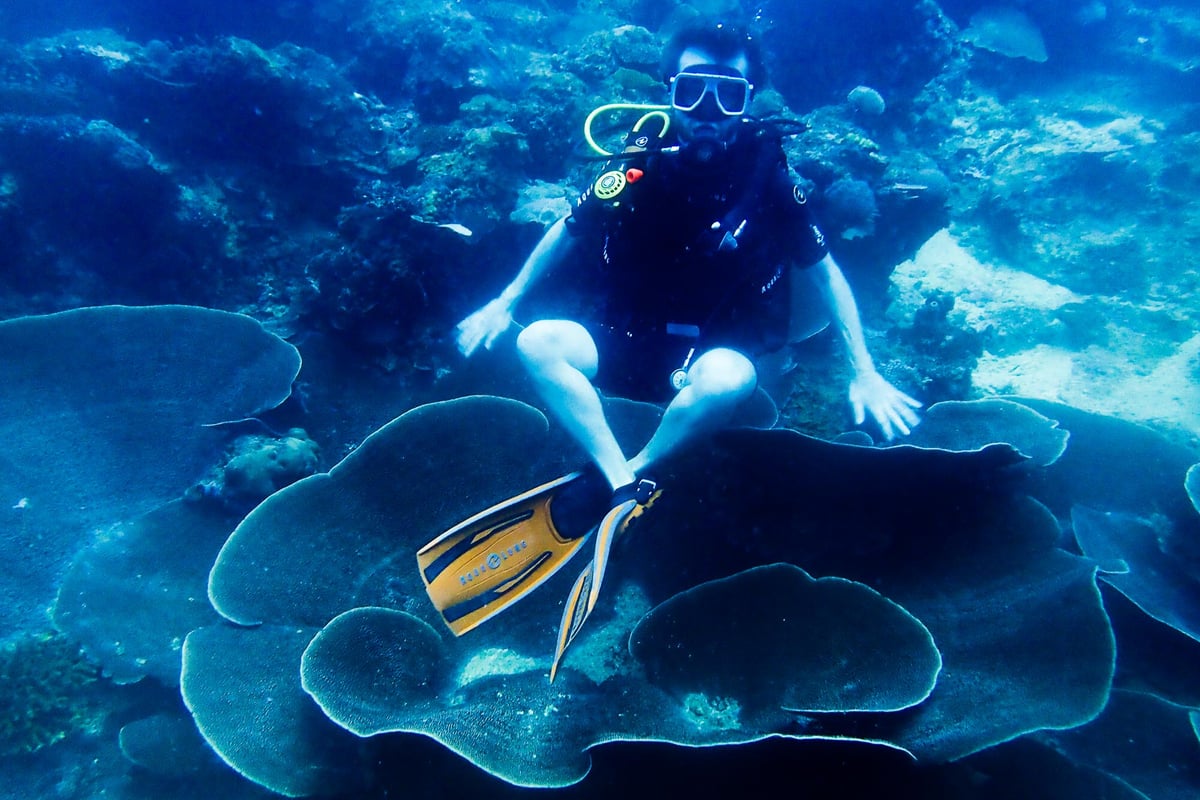
Maintain proper buoyancy. Most accidental reef damage occurs when divers sink onto coral or kick it with fins. Your instructor helps you achieve neutral buoyancy so you hover without touching anything.
Keep your fins up. When swimming near the bottom, angle your fins upward to avoid striking coral. Frog kicks work better in tight spaces than flutter kicks.
Never touch marine life. Fish have protective slime coats that hands can damage. Corals are living animals that stress easily. Many species have defensive capabilities (stinging cells, spines, toxins) that make touching them painful as well as harmful.
Don't chase wildlife. If an animal swims away, let it go. Pursuing marine life stresses the animal and usually just makes it disappear faster.
Take only photos. Collecting shells, coral fragments, or other souvenirs damages ecosystems and violates local regulations in protected areas.
After Your Discover Scuba Diving Experience
Most participants finish their padi discover scuba diving experience wanting more. The underwater world reveals itself as far richer and more accessible than people imagine.
Continuing Your Diving Education
If you enjoyed the experience, certification opens access to independent diving worldwide. The PADI Open Water course builds on what you learned during Discover Scuba, expanding your skills and knowledge over three to four days.
You'll complete additional confined water training, classroom sessions covering dive physics and physiology, and four open water dives. After certification, you can dive to 18 metres with a buddy anywhere in the world.
Advanced training later adds specialties like deep diving, underwater navigation, night diving, and wreck diving. Each certification expands your capabilities and confidence.
Logging Your Dive
Even though Discover Scuba doesn't result in certification, you should log the experience. Dive logs track your underwater time, maximum depth, location, and conditions. This record becomes valuable when pursuing certification or simply remembering your diving history.
Your instructor can provide a logbook or help you set up a digital log. Include details like the date, dive site name, marine life observed, and how you felt during the experience. Years later, you'll appreciate reading about your first time breathing underwater.
Choosing a Quality Dive Operator
Not all dive centres offer the same experience quality. Several factors indicate professional operations that prioritise safety and customer experience.
What to Look For
Instructor credentials and experience: PADI professionals display certification cards and should willingly discuss their background. Instructors with hundreds or thousands of dives bring expertise that newly certified professionals lack.
Equipment condition: Well-maintained gear shows operational priorities. Inspect rental equipment before accepting it-you want BCDs without tears, regulators that breathe smoothly, and masks with silicone skirts (not old rubber).
Group size: Smaller ratios (one instructor to two or three participants) provide more individual attention than larger groups. You'll receive better supervision and have more opportunities to ask questions.
Boat and facility condition: Professional operators invest in proper equipment, from well-maintained boats with safety gear to clean, organised dive facilities.
Insurance and safety equipment: Ask about liability coverage, oxygen availability, and emergency protocols. Legitimate operators carry comprehensive insurance and maintain rescue equipment.
Reviews and Recommendations
Check recent reviews on multiple platforms. Look for patterns in feedback-consistent complaints about rushed briefings or poorly maintained equipment indicate problems. Positive mentions of patient instructors and thorough safety procedures suggest quality operations.
Fellow travellers and accommodation staff often provide reliable recommendations. Guesthouses and hotels develop relationships with reputable dive centres and refer guests accordingly.
For comprehensive information on diving in Palawan and what to expect from quality operators, visit our main site for detailed guides and resources.
Practical Details and Common Questions
What to Bring
Your dive centre provides all scuba equipment, but you should bring personal items:
- Swimsuit (wear under wetsuit)
- Towel and dry clothes for after the dive
- Sunscreen (reef-safe formulation)
- Water bottle to stay hydrated
- Camera or GoPro if you have one (some centres offer rentals)
Leave jewelry, watches (unless dive-rated), and valuables at your accommodation. Most dive centres have limited secure storage.
Physical Requirements
The padi discover scuba diving experience doesn't demand exceptional fitness, but you should be reasonably healthy. You'll walk in fins, carry scuba equipment short distances, and swim at a relaxed pace.
Pregnancy absolutely prohibits diving at any stage. If there's any possibility you might be pregnant, postpone the dive until after delivery.
Certain medical conditions require physician clearance before diving. These include asthma, diabetes, heart conditions, ear problems, and seizure disorders. Be honest on your medical questionnaire-undisclosed conditions can have serious underwater consequences.
Duration and Scheduling
Plan for a half-day commitment. Morning sessions typically start around 8:00 AM and finish by noon or 1:00 PM. Afternoon sessions accommodate guests who want to explore other activities in the morning.
After diving, avoid flying or travelling to altitude for 12-18 hours. The residual nitrogen in your body needs time to off-gas. If you're catching a flight the same day, schedule your dive well in advance of departure, or better yet, plan it for earlier in your trip.
The PADI discover scuba diving experience transforms curiosity into capability, offering a structured, safe introduction to the underwater world that many participants describe as life-changing. Whether you continue to full certification or simply treasure the memory of breathing underwater in a tropical reef, that first dive opens your eyes to an environment few people truly experience. Palawan Diving specialises in introducing first-time divers to El Nido's spectacular underwater environment, with patient instructors, well-maintained equipment, and access to pristine dive sites perfect for your first breath beneath the surface.