Taking your first breath underwater represents one of those life-changing moments you'll remember forever. A discover scuba class offers the perfect introduction to the underwater world, especially in a stunning location like El Nido, Palawan. This introductory diving experience allows you to explore crystal-clear tropical waters under professional supervision without committing to full certification. Whether you're curious about diving or testing the waters before pursuing your PADI Open Water certification, understanding what a discover scuba class involves helps you prepare for an unforgettable experience.
What Is a Discover Scuba Class
A discover scuba class is a structured introductory program designed specifically for people with no previous diving experience. Unlike full certification courses, this condensed experience lets you try scuba diving in a controlled, safe environment under direct instructor supervision.
The program typically includes three distinct phases that build your confidence progressively:
- Knowledge development covering basic diving concepts and safety information
- Confined water training in shallow conditions to practice essential skills
- Open water dive where you explore the reef under close supervision
The Educational Foundation
Your discover scuba class begins with a brief educational session covering fundamental diving principles. Your instructor explains how equipment works, basic safety protocols, and simple hand signals you'll use underwater. This isn't a lengthy classroom experience. Most programs keep the theory portion to 30-45 minutes, focusing only on what you absolutely need to know for your first dive.
The educational component addresses crucial safety topics like equalization, breathing naturally through the regulator, and what to do if your mask floods. According to research on recreational diver evaluation and risk, proper briefing and skill preparation significantly reduce anxiety and improve safety outcomes for first-time divers.
Confined Water Skills Practice
Before entering the ocean, you'll practice fundamental skills in controlled conditions. In El Nido, this typically occurs in shallow, calm water where you can stand up easily if needed. Some dive centers use swimming pools, while others utilize protected beach areas with sandy bottoms.
Core Skills You'll Master
Your instructor guides you through essential techniques one step at a time:
- Assembling and checking equipment with hands-on guidance
- Breathing underwater through the regulator while stationary
- Clearing your mask if water enters
- Recovering your regulator if it comes out of your mouth
- Equalizing your ears as you descend
Each skill builds logically on the previous one. You won't move forward until you're comfortable with each step. This systematic approach ensures you feel confident before heading to deeper water.
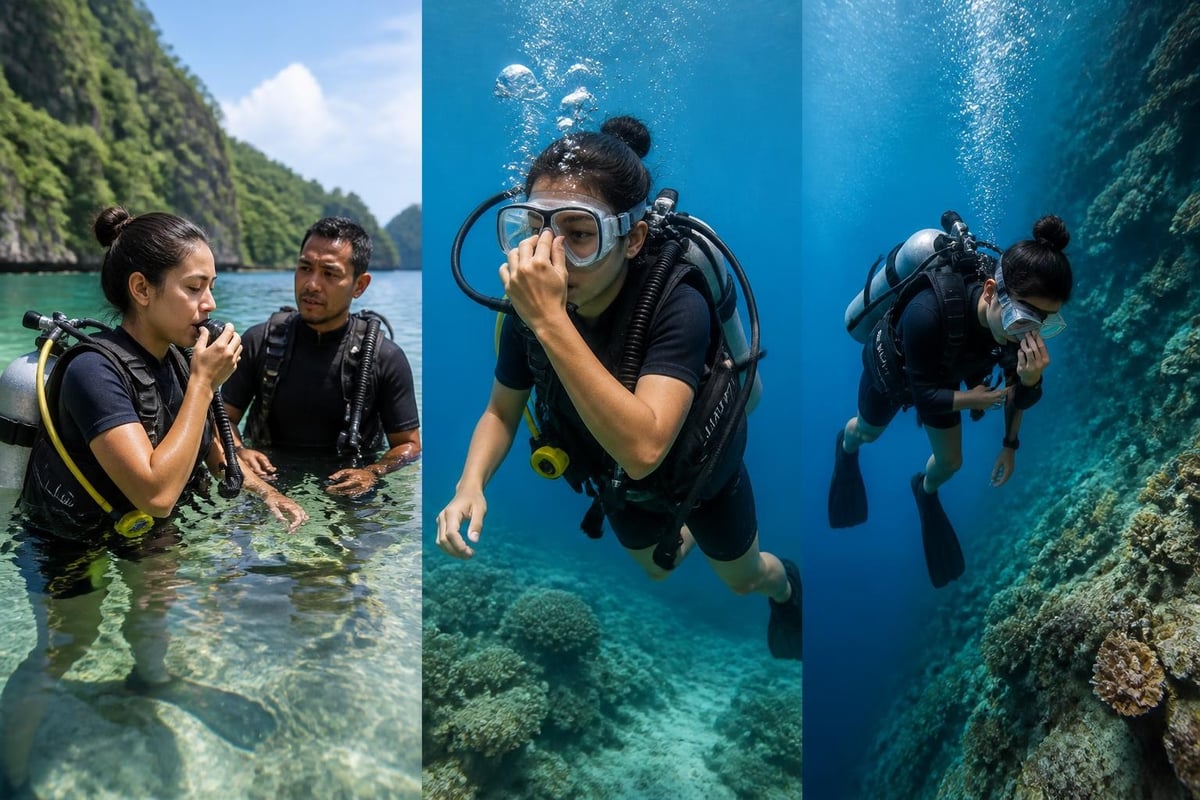
Most people find the confined water session surprisingly enjoyable. That moment when you first breathe underwater and realize it works exactly as described often transforms initial nervousness into genuine excitement.
Your First Ocean Dive Experience
After completing confined water training, you're ready for the main event: diving on an actual reef. Your discover scuba class instructor accompanies you throughout this experience, maintaining close supervision and ensuring your safety at all times.
What to Expect Underwater
| Aspect | Details |
|---|---|
| Maximum depth | Typically 12 meters (40 feet) for first-time divers |
| Dive duration | Usually 30-45 minutes depending on air consumption |
| Instructor ratio | Maximum 4 students per instructor, often smaller groups |
| Dive profile | Gradual descent, level exploration, controlled ascent |
The dive itself follows a conservative profile designed for comfort rather than adventure. Your instructor controls the descent rate, checking frequently that you're equalizing properly and feeling comfortable. Most discover scuba class experiences in El Nido take place at shallow, sheltered sites with gentle currents and excellent visibility.
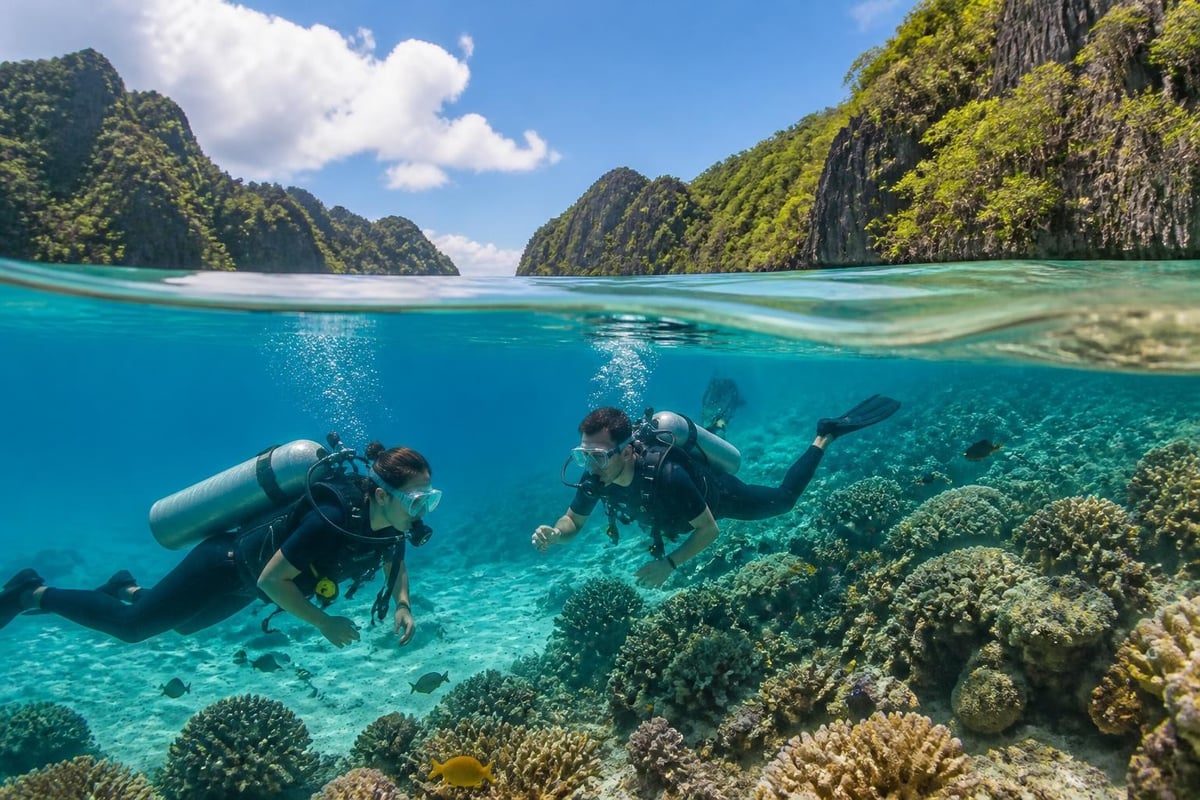
El Nido's protected bays offer ideal conditions for introductory diving. The calm, clear water lets you focus on the experience rather than fighting currents or poor visibility. You'll see colorful reef fish, corals, and marine life even in shallow depths.
Safety Protocols During Your Dive
Professional instructors maintain multiple layers of safety throughout your discover scuba class. You'll never be deeper than 12 meters, and your instructor stays within arm's reach the entire time. Modern safety practices, informed by annual diving safety data, ensure discover scuba programs maintain excellent safety records when properly conducted.
Your instructor monitors your air supply, checks your comfort level through regular eye contact, and can end the dive immediately if you signal any discomfort. There's absolutely no pressure to continue if you're not enjoying yourself.
Physical Requirements and Health Considerations
You don't need exceptional fitness for a discover scuba class, but certain health conditions require medical clearance before diving. Honest disclosure of your medical history protects your safety.
Standard contraindications include:
- Current respiratory infections or congestion
- Severe asthma or chronic lung disease
- Heart conditions or uncontrolled hypertension
- Pregnancy at any stage
- Recent surgery or significant injuries
- Certain ear or sinus problems
Clinical research on diving casualties shows that pre-existing medical conditions, when not properly screened, contribute significantly to diving incidents. Reputable dive centers in El Nido require all participants to complete a detailed medical questionnaire before any discover scuba class.
Age and Fitness Expectations
Most programs accept participants from age 10 upward, with no strict upper age limit. Children under 12 may be restricted to shallower depths and require higher levels of supervision. Older adults who are reasonably healthy participate successfully in discover scuba experiences worldwide.
Basic swimming ability is essential. You should be comfortable in water and able to swim at least 200 meters or float for 10 minutes. You don't need to be an Olympic swimmer, but genuine water confidence matters for your safety and enjoyment.
Equipment Overview for First-Time Divers
Understanding your equipment reduces anxiety and increases confidence. A discover scuba class includes all necessary gear, professionally maintained and properly sized for you.
Standard Equipment Provided
- Mask and snorkel for surface swimming and pre-dive checks
- Fins to move efficiently underwater with minimal effort
- Buoyancy control device (BCD) worn like a jacket, holding your tank
- Regulator delivering air from the tank to your mouth
- Dive computer or depth gauge tracking your depth and time
- Wetsuit for thermal protection in tropical waters
- Weight system to achieve neutral buoyancy
Your instructor ensures every piece fits correctly. Ill-fitting equipment causes unnecessary discomfort and can compromise safety. Good dive centers maintain extensive size ranges to accommodate different body types properly.
Choosing the Right Location for Your First Dive
Not all diving destinations offer equal experiences for first-time divers. El Nido stands out as an exceptional location for discover scuba class programs due to specific environmental advantages.
| Factor | Why It Matters | El Nido Advantage |
|---|---|---|
| Water temperature | Comfortable temperature reduces stress | 27-29°C year-round requires minimal wetsuit |
| Visibility | Clear water increases confidence | Typically 15-30 meters in protected bays |
| Marine life | Engaging underwater scenery motivates divers | Abundant reef fish and healthy corals in shallow water |
| Site accessibility | Shorter boat rides reduce seasickness risk | Many sites 10-20 minutes from shore |
| Weather protection | Calm conditions ensure comfortable experiences | Multiple sheltered sites available for varying conditions |
The combination of warm water, excellent visibility, and rich marine life makes El Nido particularly welcoming for nervous first-timers. You'll actually see interesting marine life rather than struggling with cold water or limited visibility that characterizes many other destinations.
Mental Preparation and Managing Anxiety
Feeling nervous before your discover scuba class is completely normal. Even experienced divers remember the mixture of excitement and apprehension before their first dive. Understanding what creates anxiety helps you manage it effectively.
Common Concerns and Realities
Breathing underwater feels unnatural at first, but your body adapts within minutes. The regulator delivers air effortlessly with each breath. Many people describe the rhythmic breathing as meditative once they relax into the experience.
Claustrophobia worries affect some people, but water provides a very different environment than enclosed spaces. You're surrounded by open water with unlimited space in every direction. The sensation resembles flying more than confinement.
Equipment dependence can feel uncomfortable initially. Modern scuba equipment is remarkably reliable, with multiple redundant safety features. Your instructor carries backup equipment and monitors your gear throughout the dive.
Building Confidence Before Your Dive
Arriving well-rested and hydrated improves your experience significantly. Avoid alcohol the night before your discover scuba class. Get adequate sleep. Eat a light meal a few hours beforehand rather than diving on an empty or overly full stomach.
Ask questions freely during your briefing. Professional instructors welcome questions and prefer addressing concerns before entering the water. There are no stupid questions when it comes to your safety and comfort.
After Your Discover Scuba Experience
Completing your first dive often sparks a desire to continue diving. Many participants immediately ask about certification courses. Your discover scuba class credit may apply toward PADI Open Water certification at some dive centers, reducing the total course time required.
Next Steps in Your Diving Journey
If you loved the experience, consider these progression options:
- Complete a full certification course like the Open Water Diver Course for independent diving privileges
- Try additional discover dives at different sites to gain more experience
- Explore other diving resorts in the Philippines to compare different environments
- Plan a dedicated dive holiday combining multiple days of diving with accommodation
The Discover Scuba Diving program in El Nido offers an ideal introduction with professional instruction, premium equipment, and stunning underwater environments that make your first dive memorable for all the right reasons.
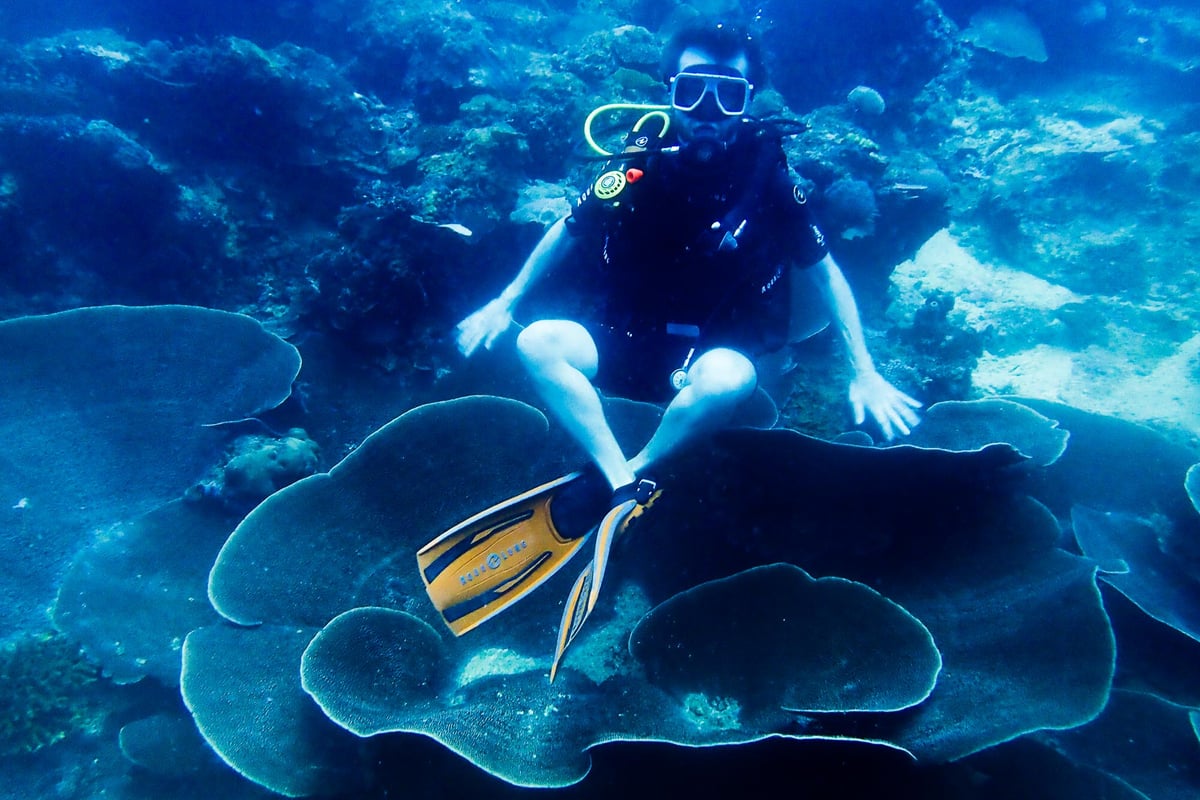
Some divers discover that while they enjoyed trying scuba, it's not something they want to pursue seriously. That's perfectly fine. A discover scuba class serves its purpose whether you continue diving or simply check it off your bucket list with a great story to share.
Environmental Awareness and Responsible Diving
Your discover scuba class introduces you to fragile marine ecosystems that require protection. Even first-time divers should understand basic environmental principles that preserve reefs for future generations.
Reef-Friendly Practices You'll Learn
- Maintaining neutral buoyancy to avoid contacting corals or stirring sediment
- Securing loose equipment that might drag across the bottom
- Looking without touching marine life and coral formations
- Proper finning techniques that keep fins away from the reef
These practices protect both the environment and your safety. Touching unknown marine life risks injury from defensive spines, stings, or bites. NOAA's diving safety resources emphasize environmental stewardship as integral to responsible diving culture.
El Nido's marine protected areas demonstrate successful conservation through sustainable diving practices. Your discover scuba class contributes to local conservation efforts when conducted by operators who prioritize environmental protection alongside guest experiences.
Practical Logistics and Planning
Understanding the practical details helps you plan your discover scuba class experience effectively.
Typical Schedule and Duration
| Time | Activity |
|---|---|
| 8:00 AM | Meet at dive center, complete paperwork |
| 8:30 AM | Equipment fitting and theory briefing |
| 9:30 AM | Boat departure to dive site |
| 10:00 AM | Confined water skills practice |
| 11:00 AM | First ocean dive |
| 12:00 PM | Surface interval and refreshments |
| 12:30 PM | Optional second dive (some programs) |
| 2:00 PM | Return to dive center |
Most discover scuba class programs run as half-day experiences, though some offer full-day options with two dives. Plan for 5-6 hours total including transportation, preparation, diving, and post-dive activities.
What to Bring
- Swimsuit worn under your wetsuit
- Towel for after the dive
- Sunscreen (reef-safe formulation recommended)
- Light snacks and water for the boat
- Prescription mask if you wear glasses or contacts (some operators provide these)
- Underwater camera or GoPro if you own one (though focusing on your first dive experience matters more than documentation)
Leave valuables secured at your accommodation. Dive boats carry basic first aid and safety equipment, so you don't need to bring any specialized gear.
Cost Considerations and Value
Discover scuba class pricing varies by location, operator, and what's included in the package. In El Nido, programs typically range from budget to premium options depending on group size, equipment quality, and instructor experience.
What affects the price:
- Group size (private instruction costs more but offers personalized attention)
- Equipment quality and age
- Instructor certification levels and experience
- Boat type and comfort
- Additional services like photography, meals, or transportation
- Dive site selection and travel distance
The lowest price doesn't always represent the best value for something as important as your safety and first diving experience. Properly maintained equipment, experienced instructors, and small group sizes justify higher prices through better experiences and enhanced safety margins.
The components that determine quality and value in a discover scuba class: instructor experience and certification level, student-to-teacher ratio, equipment maintenance standards, dive site selection, and comprehensive safety protocols
Common Misconceptions About Discover Scuba Classes
Several myths about discover scuba experiences create unnecessary hesitation for interested participants.
"I need to be a strong swimmer" – While basic water comfort matters, you don't need competitive swimming skills. Your buoyancy control device and fins do most of the work underwater. The swimming requirement exists primarily for surface safety.
"Diving is dangerous" – Modern recreational diving, when properly conducted, maintains excellent safety records. Statistical analysis of diving incidents shows that discover scuba programs have very low incident rates when following established protocols with proper supervision.
"I'll get seasick on the boat" – El Nido's relatively short boat rides and protected waters minimize seasickness issues. If you're concerned, take medication before departure and communicate with your instructor about site selection.
"I can't equalize my ears" – The vast majority of people can equalize successfully with proper instruction. Your discover scuba class teaches several equalization techniques. Patience during descent allows pressure to equalize gradually.
Weather and Seasonal Considerations
El Nido offers year-round diving, though seasonal variations affect conditions and site accessibility.
Optimal Timing for Your Discover Scuba Class
- November through May brings the calmest conditions with minimal rain
- June through October sees more variable weather but still offers many excellent diving days
- Water temperature remains consistent (27-29°C) throughout the year
- Visibility typically peaks during the dry season but stays good year-round
Experienced dive centers adjust site selection based on daily weather conditions, ensuring your discover scuba class takes place at the most protected, comfortable location available. This flexibility means you can have an excellent first dive experience regardless of season.
Planning your scuba diving experience during the dry season maximizes the number of accessible dive sites, though El Nido's geography provides sheltered options even during less favorable weather periods.
Making the Most of Your First Dive
Simple preparation strategies significantly enhance your discover scuba class experience beyond the basic requirements.
Maximizing Your Enjoyment
Arrive with realistic expectations. Your first dive focuses on basic skills and comfort rather than exploring multiple sites or seeing specific marine life. The wonder comes from the act of breathing underwater and experiencing weightlessness, not from covering large distances or spotting rare species.
Stay present in the moment. Rather than worrying about what comes next, focus on your current experience. Notice how the light plays through the water. Observe small details in the coral. Feel the sensation of neutral buoyancy.
Communicate openly with your instructor. Use the established hand signals to indicate your status. Professional instructors would rather end a dive early than have you suffer through discomfort or anxiety.
Take your time with skills. There's no rush during your discover scuba class. Some people master skills immediately while others need more practice. Your pace is the right pace.
Photography Considerations
While capturing your first dive feels tempting, managing a camera adds complexity to an already new experience. Many divers find their first dive more enjoyable when they can focus entirely on the experience rather than dividing attention with photography.
If you do bring a camera, keep it simple. A basic waterproof point-and-shoot or action camera works better than complex equipment. Some dive centers offer professional photo or video services that document your experience while letting you concentrate on diving.
A discover scuba class opens the door to an entirely new world beneath the surface, offering a safe, structured introduction to scuba diving under professional supervision. Whether you're testing the waters before committing to full certification or simply checking diving off your bucket list, El Nido's crystal-clear waters and abundant marine life create an ideal setting for this transformative experience. Ready to take your first breath underwater? Palawan Diving offers expertly guided discover scuba experiences with professional instructors, premium equipment, and access to El Nido's most beautiful dive sites – your underwater adventure awaits.