Finding the scuba best experiences isn't just about visiting exotic locations or owning the latest gear. It's about understanding what truly elevates a dive from good to exceptional. Whether you're just starting your underwater journey or you've logged hundreds of dives, knowing what separates average experiences from extraordinary ones will help you make smarter choices about where you dive, who you dive with, and how you approach this incredible sport. In 2026, the diving industry continues to evolve with better safety protocols, more sustainable practices, and increasingly accessible training. Let's explore what makes scuba best and how you can ensure every dive meets that standard.
What Defines Scuba Best Experiences
The concept of "scuba best" varies from diver to diver, but certain universal elements consistently create outstanding underwater experiences. Understanding these elements helps you recognize quality when you see it and make informed decisions about your diving adventures.
Water Conditions and Visibility
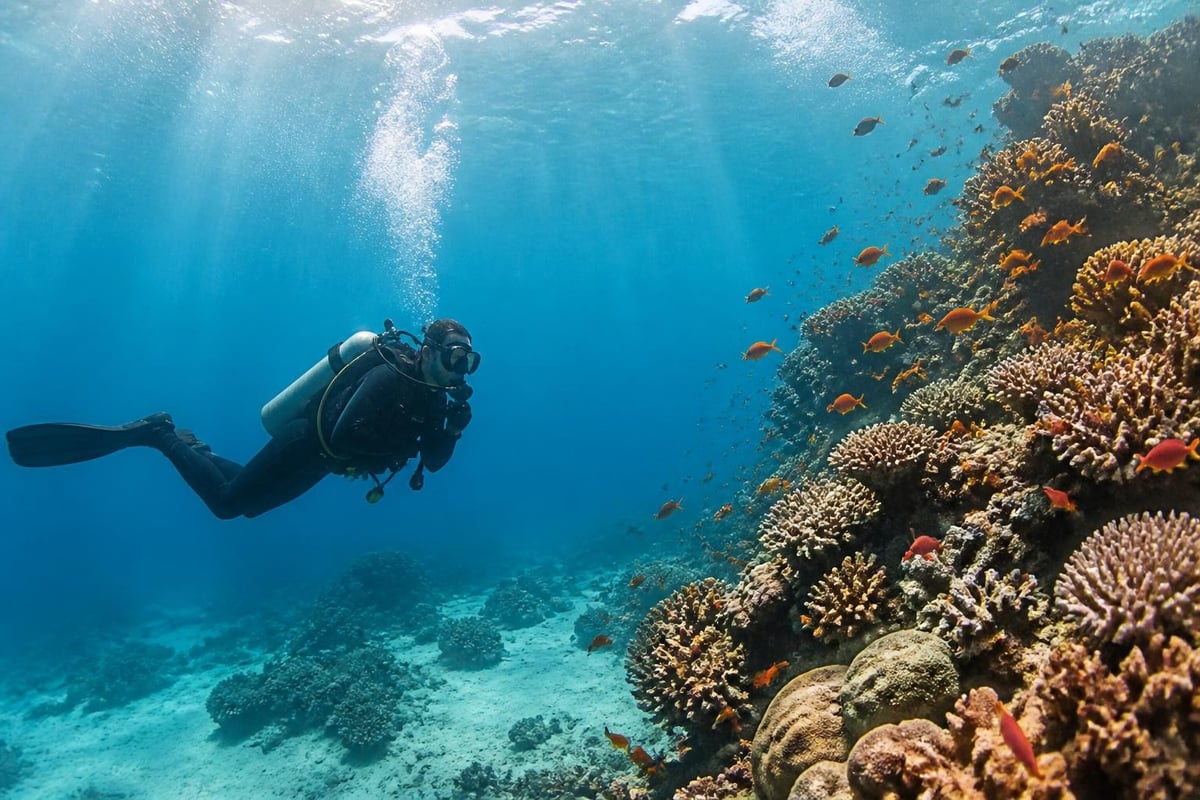
Crystal-clear water transforms a dive from ordinary to spectacular. Visibility determines how much of the underwater world you can actually see and appreciate.
Key visibility factors include:
- Seasonal weather patterns and rainfall
- Tidal movements and current strength
- Plankton blooms and water temperature
- Recent storms or freshwater runoff
- Protected locations versus exposed sites
El Nido's dry season, typically running from November through May, offers some of the Philippines' best visibility. Water clarity often exceeds 20 meters, allowing you to fully appreciate the vibrant coral walls and diverse marine life of Bacuit Bay.
Water temperature also plays a crucial role. Comfortable conditions mean you can focus on the experience rather than fighting the cold. Palawan's tropical waters maintain pleasant temperatures year-round, usually between 26-29°C, eliminating the need for thick wetsuits and allowing longer, more enjoyable dives.
Professional Instruction and Guidance
The quality of your dive professional directly impacts your safety, learning, and enjoyment. Experienced instructors and divemasters make the difference between a dive you'll forget and one you'll remember forever.
Look for dive centers that maintain:
| Quality Indicator | What to Check | Why It Matters |
|---|---|---|
| Small group sizes | Max 4-6 divers per guide | More personal attention, better safety oversight |
| Instructor credentials | Current PADI/SSI certifications | Proven training standards and ongoing education |
| Local knowledge | Years operating in the area | Understanding of sites, conditions, marine behavior |
| Safety equipment | Modern, well-maintained gear | Reduces malfunction risk, enhances comfort |
| Multilingual staff | English plus regional languages | Clear communication during briefings and emergencies |
Professional guidance becomes particularly important when you're advancing your skills. The Advanced Open Water Course allows certified divers to build confidence through specialty dives like deep diving and underwater navigation, with instructors who can adapt to your learning style and experience level.
Marine Biodiversity
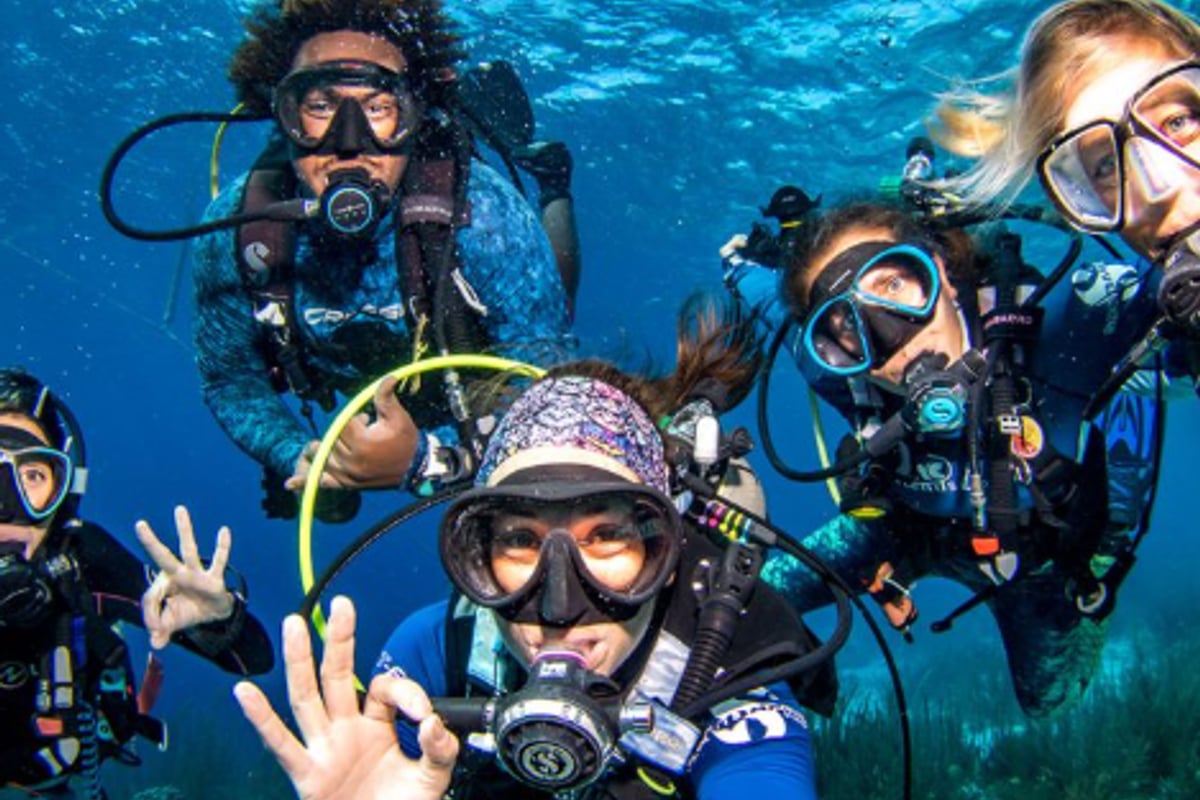
Exceptional dive sites host thriving ecosystems with diverse marine life. The scuba best locations offer encounters with everything from tiny nudibranchs to majestic pelagics.
Healthy reefs display:
- Multiple coral species and formations
- Schools of reef fish in various sizes
- Invertebrates like shrimp, crabs, and octopuses
- Regular sightings of turtles or rays
- Seasonal visits from larger species
The reefs around El Nido support over 800 fish species and countless invertebrates. From pygmy seahorses hiding in soft corals to sea turtles gliding over shallow gardens, the variety keeps every dive interesting and unpredictable.
Equipment Quality and Maintenance
Your scuba best experiences depend heavily on reliable, well-maintained equipment. Modern gear has improved dramatically, but only if properly serviced and fitted.
Rental Equipment Standards
When you don't travel with your own kit, rental quality matters enormously. Top-tier dive centers invest in modern equipment and replace it regularly.
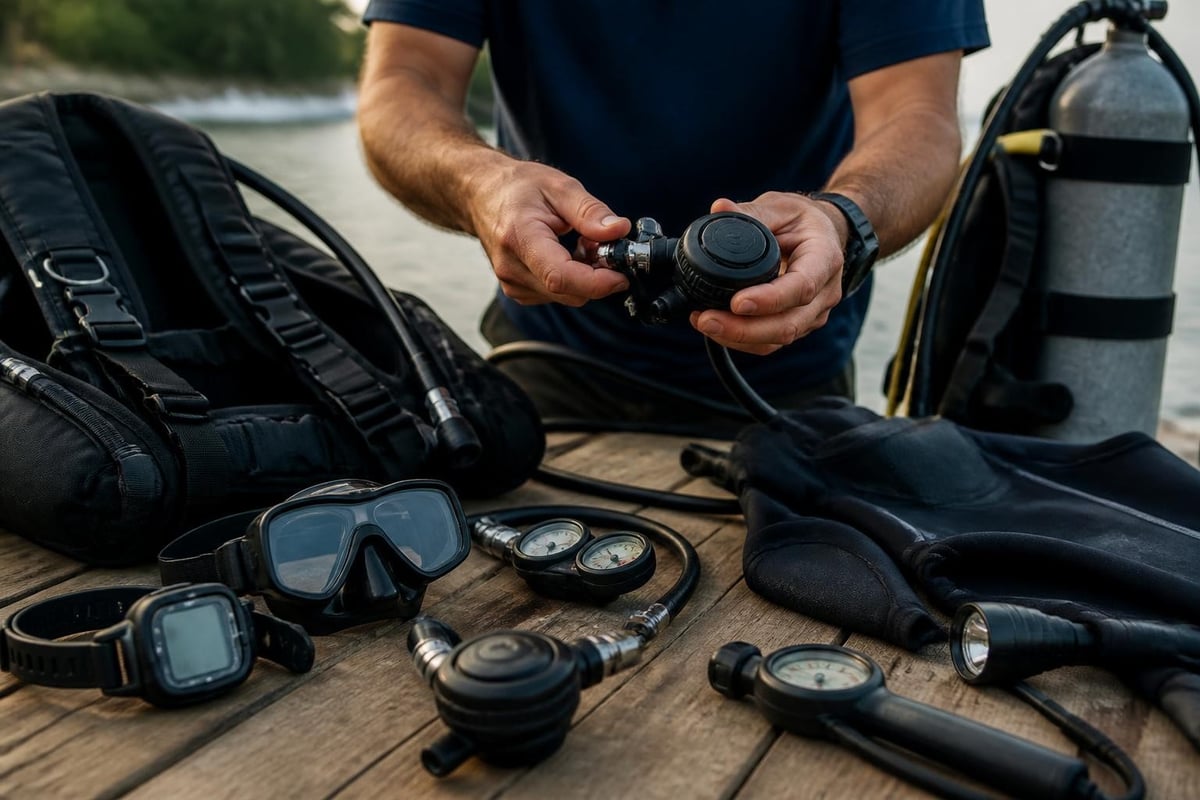
Essential gear checks before diving:
- BCD (Buoyancy Control Device): Inspect all dump valves, inflator mechanisms, and D-rings
- Regulator: Test breathing resistance at depth simulation, check hose condition
- Gauges and computers: Verify battery life, display clarity, and calibration
- Wetsuit: Ensure proper fit, no tears, and appropriate thickness for conditions
- Mask and fins: Confirm seal quality and strap integrity
A proper equipment briefing should cover every piece of gear you'll use. Never skip this step, even if you're an experienced diver trying a new center.
Personal Gear Investment
As you progress in diving, investing in your own equipment enhances comfort and familiarity. Certain items offer immediate benefits when purchased.
Start with personal items that affect hygiene and fit:
- Mask: Custom fit prevents leaks and discomfort
- Snorkel: Matched to your breathing preference
- Boots: Protect feet and ensure proper fin fit
- Computer: Track your personal dive history and nitrogen loading
According to research from Divers Alert Network, divers using familiar equipment report fewer stress-related incidents and greater enjoyment. The psychological comfort of knowing your gear intimately cannot be overstated.
Training and Certification Levels
Achieving scuba best results requires proper training matched to your ambitions. The certification path you choose shapes your capabilities and opportunities.
Entry-Level Certification
Beginning with quality instruction sets the foundation for your entire diving career. The Open Water Diver course introduces essential skills, safety protocols, and dive theory.
Core competencies include:
- Mask clearing and regulator recovery
- Buoyancy control and trim
- Emergency ascent procedures
- Dive planning and buddy communication
- Environmental awareness and conservation
Choose training locations with varied conditions. Learning in real-world scenarios, rather than sterile pool environments, accelerates your development and confidence. The clear, calm waters of Palawan provide ideal conditions for first-time divers while still offering genuine reef encounters.
Continuing Education Value
Beyond basic certification, specialty courses unlock new diving dimensions. Each additional qualification expands your skills and opens different underwater worlds.
Advanced training options worth considering:
| Course | Skills Gained | Diving Opportunities |
|---|---|---|
| Deep Diver | Extended depth range, nitrogen management | Walls, wrecks, deeper reefs |
| Nitrox | Extended bottom time, reduced nitrogen loading | Multiple dives per day, longer explorations |
| Navigation | Compass use, natural navigation | Independent diving, cave/wreck penetration prep |
| Peak Performance Buoyancy | Refined control, reduced air consumption | Better photography, less reef contact |
| Night Diving | Low-light skills, nocturnal species | Different marine behavior, unique sightings |
Studies published in PubMed examining decompression sickness factors emphasize how proper training in gas management and ascent procedures significantly reduces risk. Education directly correlates with safety.
Destination Selection Criteria
Choosing where to dive matters as much as when and with whom. The scuba best destinations share certain characteristics that consistently deliver memorable experiences.
Environmental Factors
Protected marine areas typically offer superior diving compared to heavily impacted zones. Regulations preserving coral health and fish populations create thriving underwater environments.
Consider these destination qualities:
- Marine protected area status: Look for official conservation designations
- Current patterns: Moderate flow brings nutrients without excessive difficulty
- Reef structure: Walls, overhangs, and varied topography create habitat diversity
- Depth range: Multiple site options accommodate different certification levels
- Accessibility: Reasonable boat times reduce motion sickness and maximize diving
El Nido's position within Palawan's marine protected network ensures the reefs receive active conservation management. The BSAC guidelines for protecting our seas outline best practices that responsible dive operators follow to minimize environmental impact.
Infrastructure and Support Services
Excellent diving requires solid land-based infrastructure. Remote beauty means nothing if you can't access it safely or comfortably.
Essential destination infrastructure:
- Reliable boat fleet with safety equipment
- On-site oxygen and first aid capabilities
- Communication systems for emergencies
- Quality accommodation near dive sites
- Medical facilities within reasonable distance
Destinations where you can stay directly on the beach and dive from your doorstep eliminate unnecessary complications. The convenience of combining accommodation with diving access streamlines your entire trip.
Safety Protocols and Risk Management
Nothing defines scuba best more fundamentally than comprehensive safety practices. Every other aspect of diving becomes meaningless without proper risk management.
Pre-Dive Planning
Thorough planning prevents most diving incidents. Professional operations follow systematic procedures before every dive.
Complete pre-dive protocols include:
- Site briefing covering depth, currents, and navigation
- Emergency procedures and boat recall signals
- Buddy assignments and communication checks
- Equipment function verification
- Surface conditions and weather review
- Nitrogen loading assessment for repetitive dives
The BSAC Safe Diving Guide provides comprehensive dive management frameworks that quality operators incorporate into daily procedures. These systematic approaches create consistency and reduce human error.
Emergency Preparedness
How a dive center handles emergencies reveals their true professionalism. Quality operations maintain current emergency action plans and practice them regularly.
Critical emergency capabilities:
- Oxygen administration equipment on all boats
- Trained first responders on every dive
- Clear evacuation procedures to medical facilities
- Communication equipment with backup systems
- Incident reporting and analysis protocols
According to the NOAA Diving Standards & Safety Manual, documented procedures and regular drills significantly improve emergency response outcomes. Ask potential dive operators about their emergency training schedule.
Sustainable Diving Practices
In 2026, scuba best practices include environmental stewardship. Sustainable diving protects the reefs we love while ensuring future generations can enjoy them.
Reef-Safe Behaviors
Your actions underwater directly impact marine ecosystems. Responsible divers minimize their environmental footprint through conscious choices.
Essential conservation practices:
- Maintain neutral buoyancy to avoid coral contact
- Never touch, chase, or feed marine life
- Avoid stirring up sediment that smothers corals
- Use reef-safe sunscreen without harmful chemicals
- Participate in citizen science and monitoring programs
The Reef Life Survey safety manual demonstrates how recreational divers can contribute to marine research while practicing excellent environmental stewardship. Many dive centers now incorporate conservation briefings into standard pre-dive procedures.
Operator Environmental Commitment
Choose dive operators demonstrating genuine environmental commitment beyond marketing claims. Actions speak louder than words.
Look for operations that:
- Maintain permanent moorings to prevent anchor damage
- Limit diver numbers per site to reduce crowding
- Participate in reef cleanup and restoration projects
- Educate guests about marine conservation
- Support local environmental organizations
The IUCN guidelines on tourism and visitor management in protected areas provide frameworks for sustainable diving tourism that balances economic benefits with ecosystem protection.
Maximizing Your Dive Experiences
Getting scuba best results requires more than showing up. Preparation, mindset, and strategic choices enhance every aspect of your diving.
Physical and Mental Preparation
Diving demands reasonable fitness and clear mental focus. Arriving well-prepared ensures you can fully enjoy each dive.
Preparation recommendations:
- Stay hydrated days before diving, not just the night before
- Get adequate sleep to maintain alertness and decision-making
- Avoid alcohol the evening before diving
- Practice breathing exercises to enhance air consumption
- Maintain cardiovascular fitness appropriate for your age
Current DAN research studies examining diver health and safety outcomes consistently show correlations between physical fitness, adequate rest, and reduced incident rates.
Dive Frequency and Progression
Regular diving maintains and improves your skills. Long gaps between dives lead to skill degradation and increased anxiety.
For optimal progression:
| Dive Frequency | Skill Maintenance | Advancement Rate | Considerations |
|---|---|---|---|
| 50+ dives/year | Excellent | Rapid | Professional level commitment |
| 20-50 dives/year | Good | Steady | Active recreational diver |
| 10-20 dives/year | Moderate | Gradual | Annual trip divers |
| Less than 10/year | Poor | Minimal | Consider refreshers between trips |
If you haven't dived in over six months, a refresher session helps rebuild confidence and muscle memory before tackling challenging sites. Starting with skills review in controlled conditions makes subsequent dives much more enjoyable.
Trip Planning Strategies
Smart planning multiplies your diving opportunities and minimizes complications. Consider timing, logistics, and realistic scheduling.
Effective dive trip planning:
- Book during dry season for best conditions
- Allow rest days between travel and first dive
- Schedule easier dives first, progressing to advanced sites
- Build flexibility for weather delays
- Combine diving with other activities for non-diving companions
For travelers wanting comprehensive dive holidays, packages that combine beachfront accommodation with daily diving eliminate logistical hassles. Staying where you dive means less transportation time and more time in the water or relaxing between dives.
Selecting Your Dive Center
Your choice of dive operator fundamentally shapes your underwater experiences. The scuba best centers share identifiable characteristics worth seeking out.
Quality Indicators
Professional operations distinguish themselves through attention to detail and consistent standards.
Green flags when evaluating dive centers:
- Small group ratios with dedicated guides
- Modern, regularly serviced equipment
- Comprehensive briefings with site-specific information
- Flexible scheduling accommodating weather and conditions
- Transparent pricing without hidden fees
- Active environmental and community involvement
Red flags include rushed briefings, overcrowded boats, poorly maintained gear, or staff dismissive of safety questions. Trust your instincts. If something feels wrong, find another operator.
Local Expertise Value
Operators with deep local knowledge provide experiences impossible for transient companies. Understanding seasonal patterns, marine behavior, and microsite characteristics creates superior diving.
Local experts know:
- Which sites work best in specific conditions
- Where to find particular species during different seasons
- Current patterns and how they change throughout the day
- Alternative sites when primary locations become unsuitable
- Regional weather patterns beyond generic forecasts
Years of operating in one location builds irreplaceable knowledge. For diving in El Nido specifically, choosing operators based there year-round ensures you benefit from accumulated expertise and established safety protocols.
Value Beyond Price
The cheapest option rarely delivers scuba best experiences. Balance cost with quality, safety, and overall value.
True value includes:
- Professional instruction and guidance
- Quality equipment in excellent condition
- Appropriate group sizes for attention and safety
- Comprehensive insurance coverage
- Added services like photography, refreshments, or transport
Paying slightly more for superior service, better safety standards, and enhanced experiences represents excellent value compared to budget operators cutting corners. Your safety and enjoyment justify the investment.
Finding scuba best experiences comes down to informed choices about training, destinations, operators, and your own preparation. Quality instruction, maintained equipment, environmental responsibility, and professional guidance transform ordinary dives into extraordinary adventures. If you're planning your next diving adventure in the Philippines, Submariner Diving Center offers the professional expertise, pristine locations, and personalized service that define exceptional diving in El Nido. From first-time divers to advanced explorers, our team ensures every dive meets the highest standards of safety, enjoyment, and environmental care.