The underwater world holds some of Earth's most spectacular landscapes, and finding the best snorkeling spots can transform your next holiday into an unforgettable adventure. Whether you're drawn to vibrant coral gardens teeming with tropical fish, curious sea turtles gliding through crystal-clear water, or kelp forests swaying in the current, choosing the right location makes all the difference. This guide explores what makes certain destinations stand out, how to evaluate snorkeling sites based on your experience level, and practical considerations for planning your next underwater exploration. From tropical paradises to surprising temperate destinations, understanding what to look for will help you make the most of every moment beneath the surface.
What Makes a Great Snorkeling Destination
Not all snorkeling sites are created equal. The best snorkeling spots share several key characteristics that distinguish them from average locations.
Water Clarity and Visibility
Clear water isn't just about aesthetics. Good visibility allows you to spot marine life from a distance, appreciate coral formations in their full glory, and navigate safely. Destinations with minimal river runoff, low sediment levels, and consistent currents typically offer the best conditions.
Factors affecting visibility:
- Seasonal weather patterns and rainfall
- Ocean currents that bring clear oceanic water
- Distance from river mouths and estuaries
- Protection from storms and rough seas
- Time of year and tidal cycles
Some regions experience seasonal changes in water clarity. Research the optimal visiting months for your chosen destination to maximize underwater visibility.
Marine Biodiversity
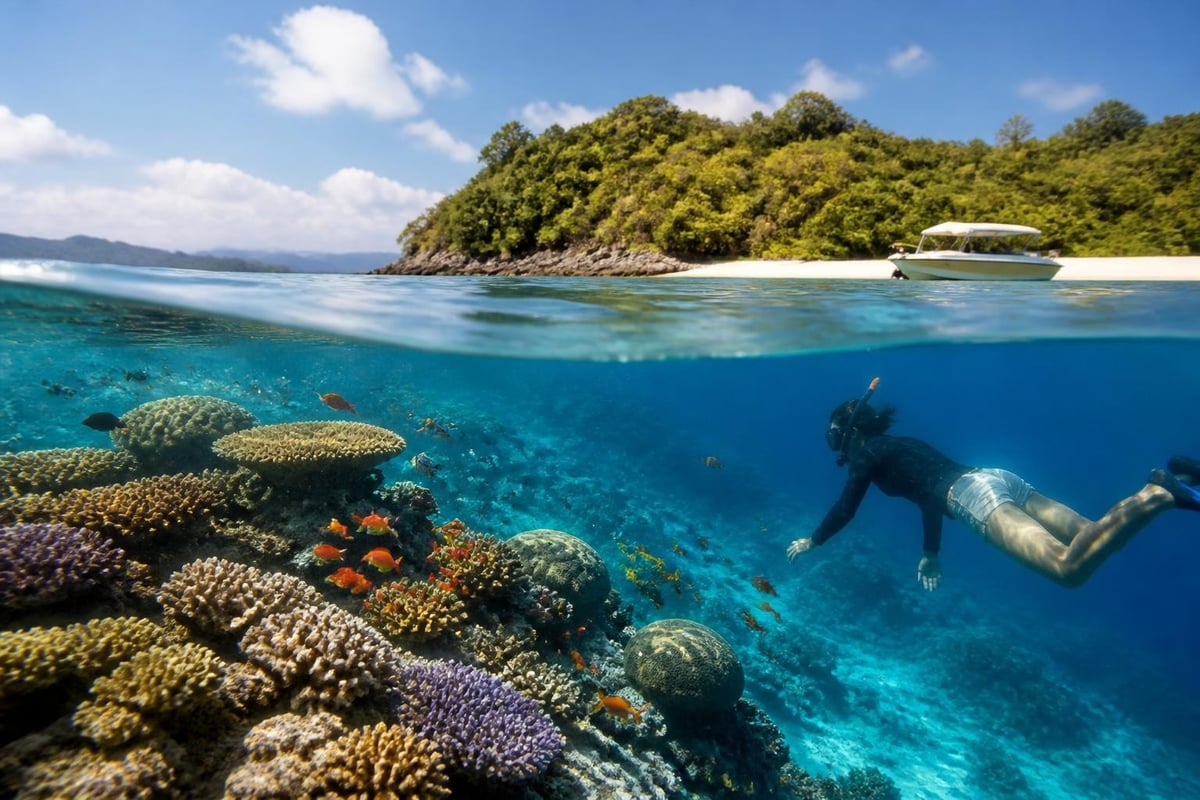
The richness of marine life separates memorable snorkeling from simply floating at the surface. Look for locations within the Coral Triangle, marine protected areas, or regions known for specific wildlife encounters.
What to look for:
- Healthy coral reef systems
- Regular sightings of larger marine species (turtles, rays, reef sharks)
- Diverse fish populations across multiple species
- Macro life including nudibranchs, shrimp, and octopus
- Seasonal migrations (whale sharks, manta rays)
According to Reef Check Foundation’s 2024 Annual Report, monitoring data shows that protected marine areas consistently demonstrate higher coral coverage and fish abundance compared to unprotected sites.
Accessibility and Safety
The best snorkeling spots balance natural beauty with practical access. Families with young children need different conditions than experienced free divers seeking depth and challenge.
| Factor | Beginner-Friendly | Advanced Snorkelers |
|---|---|---|
| Depth | Shallow (1-4m) | Variable (3-20m+) |
| Entry | Beach or easy boat | Varied access acceptable |
| Current | Minimal | Can handle moderate current |
| Facilities | Nearby amenities needed | Less critical |
| Crowds | Tolerance varies | Often prefer quieter sites |
Safety considerations should always come first. Hawaii Ocean Safety’s guidance emphasizes understanding local conditions, checking weather forecasts, and never snorkeling alone.
Top Global Destinations for Snorkeling
While this guide focuses on Palawan later, understanding what makes global destinations special helps you appreciate different underwater environments.
The Coral Triangle
This region spanning Indonesia, Malaysia, Philippines, Papua New Guinea, Solomon Islands, and Timor-Leste contains the highest marine biodiversity on Earth. Over 75% of all known coral species exist within these waters.
Why it stands out:
- Unmatched coral and fish species diversity
- Year-round warm water temperatures
- Hundreds of accessible reef systems
- Mix of protected and pristine sites
- Cultural richness adding to the travel experience
The Philippines alone offers thousands of snorkeling locations across its 7,000+ islands, with Palawan consistently ranking among the country's finest destinations.
Caribbean Hotspots
The Caribbean provides accessible snorkeling for North American and European travelers, with distinct ecosystems from the Indo-Pacific region.
Notable characteristics:
- Spectacular wall diving opportunities
- Encounters with nurse sharks and stingrays
- Vibrant sponge gardens
- Seagrass beds supporting unique species
- Convenient infrastructure and short travel times
Condé Nast Traveler’s 2026 roundup highlights several Caribbean destinations alongside global favorites, noting improvements in coral restoration projects across the region.
Unique Non-Tropical Options
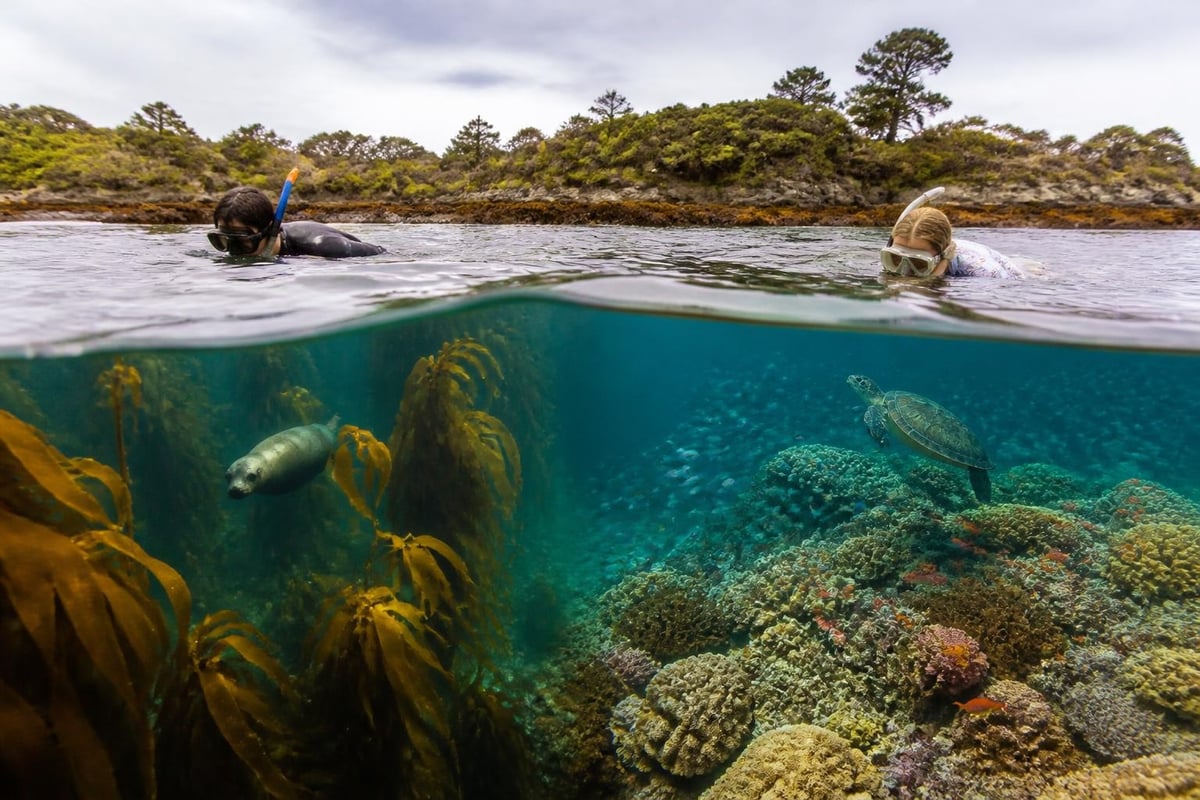
Cold-water snorkeling offers completely different experiences. Kelp forests along California's coast, fjord systems in Norway, and temperate reefs around New Zealand showcase marine life adapted to cooler conditions.
These destinations attract adventurous snorkelers willing to wear thicker wetsuits in exchange for encounters with sea lions, seals, orcas, and massive kelp canopies. National Geographic’s feature on underwater experiences in U.S. national parks reveals surprising snorkeling opportunities beyond tropical destinations.
Evaluating Snorkeling Sites in Palawan
Palawan's 1,780 kilometers of irregular coastline creates countless opportunities for snorkeling. The province regularly appears on lists of the best places in the world to snorkel, and for good reason.
El Nido's Bacuit Bay
Bacuit Bay contains over 45 islands and islets, each surrounded by coral gardens, dramatic rock formations, and sheltered lagoons. The protected bay environment creates calm conditions perfect for snorkelers of all levels.
What makes Bacuit Bay special:
- Limestone karst formations creating sheltered snorkeling areas
- Healthy hard and soft coral coverage
- Regular turtle sightings across multiple sites
- Protected marine sanctuary zones
- Easy boat access to multiple sites in single day
The underwater topography varies significantly between sites. Some locations feature gentle slopes ideal for beginners, while others offer dramatic walls and deeper channels for those comfortable in open water.
Seasons and Conditions
Palawan experiences two distinct seasons affecting snorkeling conditions. The dry season from November through May brings calm seas, excellent visibility (often 15-30 meters), and consistent sunshine. The wet season from June through October can bring rougher conditions and reduced visibility, though many days remain perfectly suitable for snorkeling.
Monthly considerations:
| Month | Conditions | Visibility | Crowds |
|---|---|---|---|
| Nov-Feb | Excellent | 20-30m | Moderate |
| Mar-May | Very good, warmer | 15-25m | Higher |
| Jun-Aug | Variable | 10-20m | Lower |
| Sep-Oct | Improving | 15-25m | Low |
Water temperature remains comfortable year-round (26-30°C), eliminating the need for thick wetsuits. A thin rashguard or 3mm shorty provides adequate sun protection and warmth.
Marine Life Encounters
Palawan's reefs support incredible biodiversity. Regular sightings include sea turtles (Green and Hawksbill), blacktip reef sharks, blue-spotted stingrays, parrotfish, surgeonfish, damselfish, and butterflyfish. Cuttlefish, octopus, lionfish, and moray eels appear with careful observation.
Macro life thrives in Palawan's waters. Nudibranchs, shrimp, crabs, and juvenile fish hide among coral branches and rocky crevices. Taking time to look closely rather than rushing between sites rewards patient observers.
Practical Considerations for Snorkeling Travel
Planning determines whether your snorkeling trip succeeds or disappoints. These practical factors deserve attention during the research phase.
Choosing Between Shore and Boat Access
Shore-accessible snorkeling offers convenience and flexibility. You can enter the water whenever conditions suit you, return to shore if needed, and avoid boat costs. However, boat access opens up pristine sites away from shore where crowds thin and marine life flourishes.
Boat-based snorkeling advantages:
- Access to protected marine sanctuaries
- Multiple sites in one day
- Less disturbed reef systems
- Deeper channels and walls
- Professional guidance on site selection
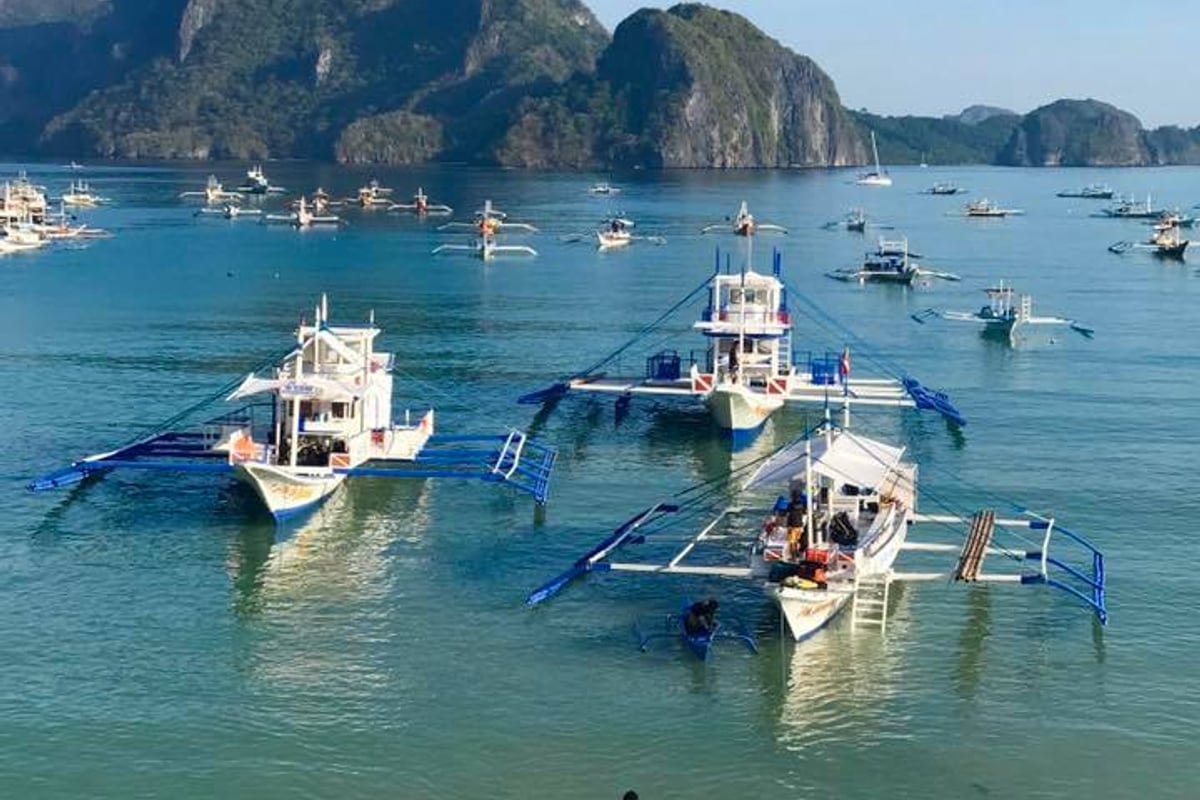
Many of the best snorkeling spots in Palawan require boat transport. The short journey from El Nido's beaches to spectacular reef systems takes 10-45 minutes depending on the site.
Gear Selection and Quality
Rental equipment varies dramatically in quality. A poorly fitting mask that leaks ruins the experience, while a comfortable, well-sealed mask becomes invisible once you're focused on the underwater world.
Essential gear checklist:
- Properly fitted mask with clear glass
- Dry snorkel with purge valve
- Comfortable fins (full foot or adjustable)
- Sun protection (rashguard or wetsuit)
- Reef-safe sunscreen
The EPA’s research overview on UV filters in sunscreens highlights growing evidence that certain chemical sunscreens damage coral reefs. Choose mineral-based alternatives with zinc oxide or titanium dioxide, or cover up with fabric sun protection.
Safety Protocols
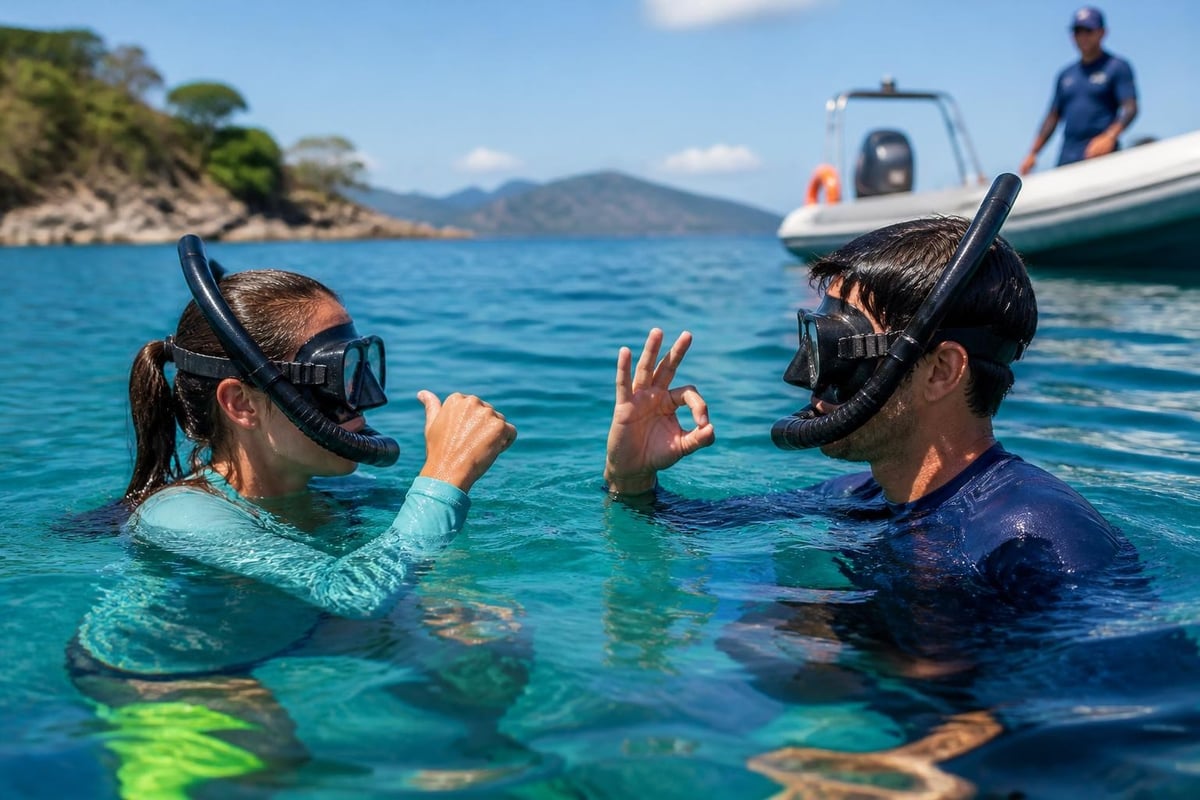
Even experienced swimmers face risks while snorkeling. Current conditions change, exhaustion sets in unexpectedly, and marine life occasionally behaves unpredictably.
- Never snorkel alone – Maintain buddy system contact
- Check conditions first – Ask locals about currents and hazards
- Start conservatively – Test your comfort level in shallow water
- Know your limits – Turn back before exhaustion becomes dangerous
- Respect marine life – Observe from distance, never touch
Professional guides bring local knowledge about current patterns, seasonal conditions, and site-specific hazards that aren't obvious to visitors.
Beyond Snorkeling: Deepening Your Underwater Experience
Many snorkelers eventually feel drawn to explore deeper or stay underwater longer. The natural progression from snorkeling to scuba diving opens entirely new dimensions of the underwater world.
When Snorkeling Becomes Limiting
Surface-level exploration reveals only a fraction of reef ecosystems. Many fascinating species live at depths beyond snorkeling range. Currents that challenge snorkelers become manageable with scuba equipment. Underwater caves, wrecks, and pinnacles remain inaccessible from the surface.
Signs you're ready for scuba:
- Consistently comfortable in open water
- Curious about deeper reef sections
- Wanting longer underwater time
- Interested in underwater photography at depth
- Drawn to marine biology and behavior
If you find yourself wishing you could swim down to investigate something more closely, scuba diving might be your next adventure. For those curious about taking that step, the Discover Scuba Diving program offers a safe, guided first experience in the crystal-clear waters of El Nido. Professional instructors provide all necessary equipment and ensure your comfort throughout the shallow-water introduction to breathing underwater.
Building Experience Gradually
Starting in excellent conditions with professional support builds confidence that carries through your entire diving journey. Palawan's calm, clear waters and healthy reefs create ideal learning environments.
Progression pathway:
- Snorkeling to build water comfort
- Discover Scuba to try breathing underwater
- Open Water certification for independence
- Continued diving to build experience
- Advanced training for specialty interests
Many of the best snorkeling spots in El Nido transform into incredible dive sites when you have the certification and equipment to descend below the surface. The same sites you enjoyed while snorkeling reveal entirely different perspectives at 10, 15, or 20 meters depth.
Planning Your Snorkeling Holiday
Successful snorkeling trips balance multiple factors: destination selection, timing, accommodation location, and activity variety.
Accommodation Considerations
Staying near quality snorkeling sites eliminates daily transportation hassles and allows flexible scheduling. Beachfront locations that combine accommodation with direct water access maximize your time underwater rather than in transit.
Location priorities:
- Walking distance to beach or boat departure
- Multiple sites accessible within short travel time
- On-site facilities (equipment storage, rinse stations)
- Restaurants and amenities nearby
- Dive center proximity for courses or equipment rental
Multi-Day Itineraries
Rather than trying to see everything in one day, spreading activities across multiple days reduces exhaustion and allows proper rest between sessions.
Sample 4-day snorkeling itinerary:
- Day 1 – Settle in, shore snorkeling, gear familiarization
- Day 2 – Half-day boat trip to two nearby sites
- Day 3 – Rest morning, afternoon snorkeling, evening relaxation
- Day 4 – Early departure to pristine outer islands
Mixing active days with rest time prevents burnout and creates space for other activities. Island hopping, kayaking, beach time, and exploring local villages complement snorkeling perfectly.
Budget Allocation
Understanding cost categories helps realistic planning. Boat trips, equipment rental, guide fees, and park entrance fees vary by destination.
| Expense Category | Budget Estimate (El Nido) | Notes |
|---|---|---|
| Accommodation | $30-200/night | Varies by season and location |
| Boat trips | $25-60/day | Shared tour or private charter |
| Equipment rental | $5-15/day | Quality varies significantly |
| Meals | $15-40/day | Local food to resort dining |
| Park fees | $2-8/site | Some marine sanctuaries charge entry |
Private charters cost more but offer flexibility, smaller groups, and customized itineraries that maximize time at the best snorkeling spots rather than following fixed tour schedules.
Environmental Responsibility While Snorkeling
The best snorkeling spots remain spectacular because visitors treat them respectfully. Your actions directly impact reef health and marine life behavior.
Low-Impact Practices
Coral reefs grow slowly. A single careless fin kick can destroy decades of coral growth. Maintaining proper buoyancy and spatial awareness protects these fragile ecosystems.
Essential practices:
- Never stand on or touch coral
- Maintain distance from marine life
- Avoid chasing or cornering animals
- Take only photos, leave only bubbles
- Remove any trash you encounter
Chemical sunscreens wash off swimmers and accumulate in popular snorkeling areas. Even small concentrations harm coral larvae and contribute to reef bleaching. Switching to reef-safe alternatives protects the very environments you came to enjoy.
Supporting Conservation
Choose operators committed to marine conservation. Responsible dive centers and tour operators actively participate in reef monitoring, cleanup activities, and sustainable tourism practices.
Questions to ask operators:
- Do you follow marine park regulations?
- What's your policy on touching marine life?
- How do you minimize environmental impact?
- Do you participate in conservation programs?
- What's your group size limit?
Smaller groups cause less disturbance and allow guides to ensure everyone follows proper protocols. The best operators prioritize reef health over maximum passenger numbers.
Preparing for Your First Snorkeling Trip
First-time snorkelers benefit from understanding what to expect. The initial moments adjusting to breathing through a snorkel feel unusual, but most people adapt within minutes.
Overcoming Common Concerns
Anxiety about water, breathing restrictions, or marine life affects many beginners. Starting in shallow, calm water with professional supervision builds confidence gradually.
Beginner tips:
- Practice in a pool if available
- Start in waist-deep water
- Clear your mask on the surface first
- Breathe slowly and deeply
- Float relaxed rather than swimming frantically
Modern snorkel designs with dry-top valves and purge systems make breathing easier and prevent water entry. Quality equipment matters significantly for beginners.
What to Expect Underwater
Your first glimpse of a healthy reef creates lasting memories. Colors appear more vibrant than photographs suggest. Fish ignore your presence once you stop moving erratically. The underwater world's three-dimensional nature surprises people accustomed to viewing aquarium displays.
First dive highlights:
- Initial adjustment to breathing rhythm (2-5 minutes)
- First coral garden observation
- Close encounter with colorful reef fish
- Spotting camouflaged creatures
- Realizing 30 minutes passed in what felt like 10
Time disappears underwater. Setting a watch alarm prevents accidentally exhausting yourself by staying out too long on your first session.
Finding the best snorkeling spots transforms ordinary beach holidays into extraordinary underwater adventures. Whether you explore tropical reefs in Palawan, kelp forests in California, or protected marine parks anywhere in the world, understanding what makes sites special, how to prepare properly, and ways to minimize your environmental impact ensures memorable, responsible experiences. If you're planning to discover Palawan's spectacular underwater world, Submariner Diving Center offers expert guidance, quality equipment, and local knowledge to help you experience El Nido's finest snorkeling and diving sites safely and sustainably.