When you picture good scuba diving, what comes to mind? Perhaps crystal-clear water stretching beyond visibility limits, vibrant coral gardens teeming with life, or that moment of weightless silence as you descend into the blue. The difference between an average dive and an extraordinary one isn't always about exotic locations or rare marine encounters. Often, it comes down to understanding what elements combine to create truly memorable underwater experiences. Whether you're planning your first dive or your hundredth, knowing what defines quality diving helps you choose destinations, operators, and dive sites that deliver the experiences you're seeking.
Understanding What Makes Good Scuba Diving
Good scuba diving depends on multiple interconnected factors working together to create safe, comfortable, and engaging underwater experiences. No single element defines quality diving on its own.
Water Visibility and Clarity
Visibility directly impacts your diving experience. Clear water allows you to appreciate coral formations, spot marine life from greater distances, and navigate dive sites with confidence. In tropical destinations like Palawan, visibility frequently exceeds 15-20 meters during optimal seasons, creating stunning underwater panoramas.
Poor visibility doesn't automatically mean poor diving, though. Some environments with reduced clarity harbor unique ecosystems worth exploring. The key is having realistic expectations and proper briefing from your dive guide.
Marine Life and Biodiversity
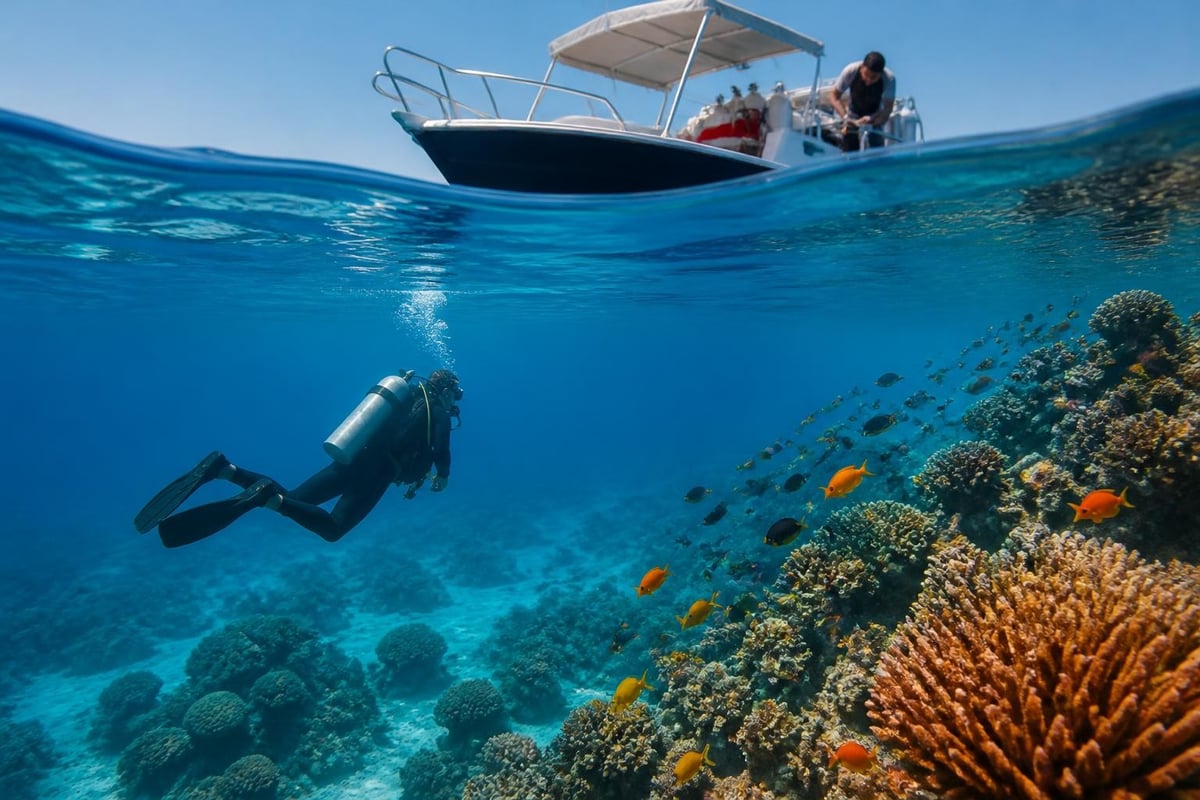
Healthy reefs supporting diverse marine populations indicate good scuba diving conditions. Look for:
- Multiple coral species in various growth stages
- Fish populations representing different trophic levels
- Presence of larger pelagic species alongside smaller reef dwellers
- Evidence of healthy ecosystem processes like cleaning stations
- Balanced predator-prey relationships
The International Union for Conservation of Nature provides guidance on identifying healthy marine ecosystems that support sustainable diving tourism.
Physical Dive Conditions
Comfortable diving requires appropriate environmental conditions matching your experience level:
| Condition | Beginner-Friendly | Advanced Terrain |
|---|---|---|
| Current | Minimal to none | Moderate to strong |
| Depth | 6-12 meters | 18-30+ meters |
| Temperature | 26-30°C | Varies widely |
| Entry/Exit | Easy shore or boat | May require skills |
Water temperature affects more than comfort. It influences the thermal protection you need, air consumption rates, and how long you can safely stay underwater while managing nitrogen absorption.
Safety Standards and Professional Operations
The foundation of good scuba diving is safety. No coral formation or marine encounter justifies compromising your wellbeing. Professional dive operations prioritize safety through multiple layers of protection.
Equipment Quality and Maintenance
Well-maintained, regularly serviced equipment prevents the vast majority of diving incidents. Quality operations:
- Service regulators and BCDs on manufacturer-recommended schedules
- Replace aging equipment before failure becomes likely
- Provide properly sized gear matching your body dimensions
- Maintain adequate backup systems and safety equipment
- Keep oxygen and first-aid supplies current and accessible
NOAA’s comprehensive diving standards outline equipment inspection and maintenance protocols used in professional diving operations.
Dive Briefings and Planning
Thorough pre-dive briefings distinguish good scuba diving operations from mediocre ones. Expect your dive professional to cover:
- Detailed site description including depth, topography, and navigation
- Entry and exit procedures specific to the location
- Expected conditions including current, surge, and visibility
- Marine life likely to be encountered and interaction guidelines
- Emergency procedures and recall signals
- Dive plan including maximum depth and time
Professional Credentials and Experience
Verify your dive operator maintains current professional credentials. PADI, SSI, NAUI, and other training agencies require instructors and divemasters to maintain active teaching status through continuing education.
Local knowledge matters tremendously. Dive operators in Palawan who've explored regional sites for years understand seasonal variations, marine behavior patterns, and optimal timing for specific experiences.
Dive Site Selection and Variety
Good scuba diving destinations offer variety. A single spectacular site doesn't sustain week-long dive trips as effectively as multiple locations providing different underwater environments.
Types of Dive Sites
Different site characteristics appeal to different preferences:
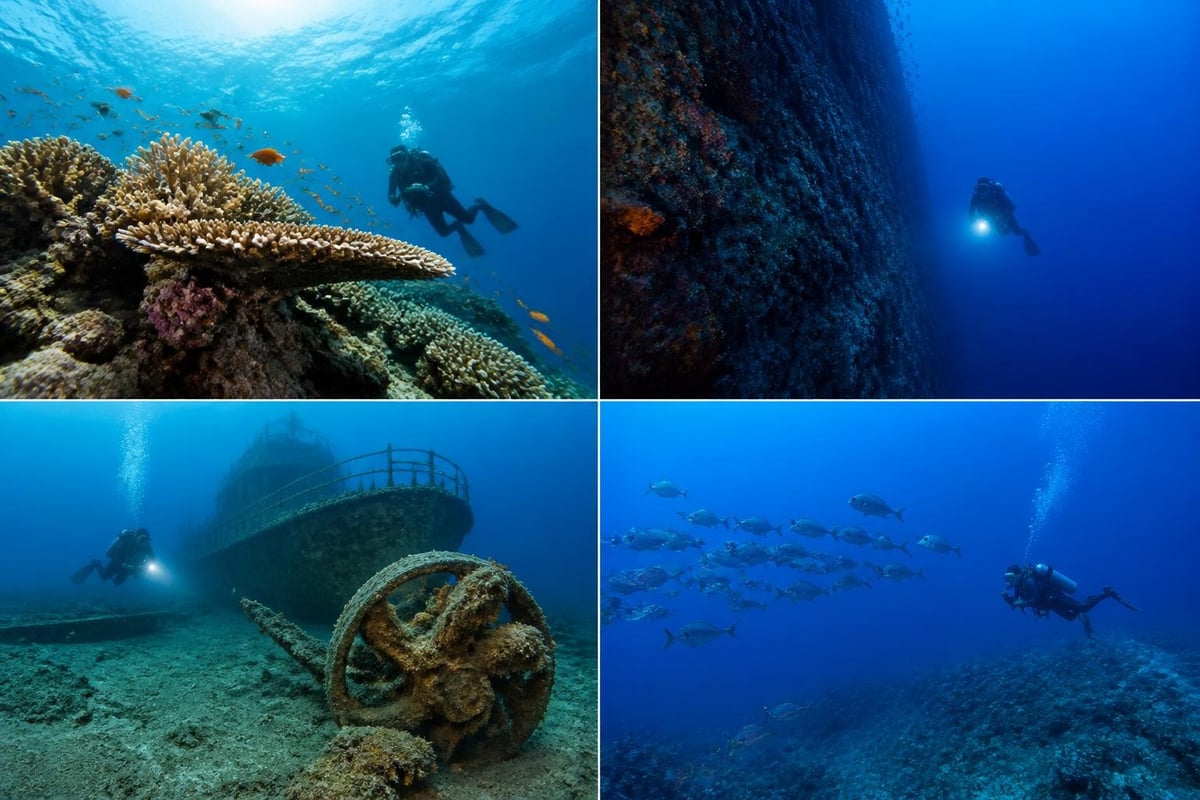
- Coral gardens: Shallow, colorful reefs perfect for macro photography and relaxed diving
- Wall dives: Dramatic drop-offs with pelagic species and unique topography
- Wreck dives: Historical sites combining artificial reef structure with history
- Drift dives: Current-swept channels bringing nutrients and larger marine animals
- Caverns and swim-throughs: Geological formations adding adventure elements
Protected Marine Areas
Marine protected areas (MPAs) consistently provide better diving experiences than unregulated locations. Protection allows ecosystems to recover and maintain healthy populations. The National Park Service emphasizes the importance of regulations in preserving dive sites for future generations.
When choosing dive destinations, research whether local communities and governments actively manage and protect marine resources.
Environmental Responsibility and Sustainable Practices
Good scuba diving in 2026 requires environmental awareness. Research shows that diver contacts with coral reefs cause measurable damage when multiplied across thousands of tourist dives annually.
Buoyancy Control and Reef Contact
Perfect buoyancy separates adequate divers from excellent ones. Maintaining neutral buoyancy throughout your dive protects fragile coral while improving your air consumption and overall experience.
Invest time in buoyancy practice:
- Weight yourself properly before descending
- Fine-tune buoyancy in shallow water before approaching reefs
- Use breath control for minor adjustments
- Secure all dangling equipment that might contact substrate
- Maintain horizontal trim to avoid kicking corals
Choosing Responsible Operators
Support dive operations demonstrating environmental commitment through:
- Small group sizes limiting reef impact
- Mooring buoys instead of anchor damage
- Reef-safe practices in all interactions
- Marine conservation education
- Participation in local protection initiatives
- Proper waste management and plastic reduction
For those planning extended diving holidays, the El Nido Dive & Stay Package combines beachfront accommodation with sustainable diving operations, allowing guests to minimize transportation impacts while accessing El Nido's protected dive sites.
Skill Level and Personal Development
Your certification level significantly influences what constitutes good scuba diving for you. Beginners and advanced divers seek different experiences.
Progression Path for Divers
| Certification | Typical Depth | Focus Areas |
|---|---|---|
| Discover Scuba | 6-8 meters | Basic comfort and breathing |
| Open Water | 12-18 meters | Fundamental skills and independence |
| Advanced Open Water | 18-30 meters | Navigation, depth, specialties |
| Specialty Certifications | Varies | Wreck, nitrox, deep, etc. |
Continuing Education Benefits
Advanced training expands your access to diverse dive sites and improves safety margins. Courses like advanced open water, nitrox diving, and specialty certifications teach:
- Better navigation reducing stress and air consumption
- Deeper dive planning for accessing different marine zones
- Extended bottom time through enriched air nitrox
- Wreck penetration skills for historical sites
- Underwater photography techniques
Divers Alert Network research consistently shows that continuing education correlates with fewer diving incidents and improved emergency response capabilities.
Seasonal Considerations and Trip Timing
Timing affects dive quality as much as location. Understanding seasonal patterns helps you plan trips during optimal conditions.
Weather and Sea Conditions
El Nido and Palawan's dive sites experience distinct seasonal variations:
- November through May: Calmer seas, excellent visibility, and consistent conditions
- June through October: Southwest monsoon bringing rougher surface conditions
- December through February: Peak season with optimal visibility often exceeding 25 meters
Marine Life Seasonal Patterns
Certain species follow predictable seasonal movements. While responsible operators never guarantee wildlife encounters, understanding patterns helps set realistic expectations:
- Large pelagics often appear during specific months
- Mating and spawning seasons create aggregation opportunities
- Migratory species pass through coastal areas during annual cycles
- Plankton blooms attract filter feeders but may reduce visibility
Group Size and Personal Attention
Smaller groups consistently deliver better experiences. Overcrowded dive sites with large groups diminish enjoyment and increase environmental impact.
Optimal Group Dynamics
Good scuba diving operations maintain ratios allowing:
- Individual attention from dive professionals
- Personalized site selection matching group abilities
- Flexible pacing accommodating different air consumption rates
- Better communication and safety oversight
- Reduced waiting time for entries, exits, and equipment
Consider private charters when traveling with family or friends who share similar experience levels and interests.
Equipment Choices Enhancing Your Experience
Beyond rental equipment, certain gear investments improve dive quality significantly.
Personal Equipment Worth Owning
- Mask: Proper fit prevents leaks and headaches
- Snorkel: Sized correctly for your lung capacity
- Dive computer: Tracks depth, time, and nitrogen loading accurately
- Wetsuit or rash guard: Thermal protection and sun defense
- Underwater camera: Captures memories and improves observation skills
Rental Equipment Considerations
When renting equipment, inspect it carefully before accepting:
- Check regulator second stage breathing smoothly
- Inflate and deflate BCD fully testing all mechanisms
- Verify gauge readability and functionality
- Confirm wetsuit condition and appropriate thickness
- Test fins for comfortable fit with appropriate strap security
Pre-Dive Preparation and Health
Good scuba diving requires physical readiness and honest self-assessment. The British Sub-Aqua Club provides extensive safety guidance including pre-dive health considerations.
Physical Fitness Requirements
Diving doesn't require extreme fitness, but adequate health ensures safety and enjoyment:
- Cardiovascular capacity for swimming and managing currents
- Ear equalization ability preventing painful pressure issues
- Respiratory health supporting extended breathing underwater
- General mobility for equipment handling and boat activities
Medical Considerations
Certain conditions require medical clearance before diving:
- Recent surgeries or injuries
- Respiratory conditions including asthma
- Cardiovascular issues or hypertension
- Ear problems or difficulty equalizing
- Medications affecting alertness or physiological responses
Consult diving-qualified medical professionals when questions arise about fitness to dive.
Communication and Dive Professional Interaction
Clear communication prevents problems and enhances experiences. Good scuba diving operators encourage questions and provide patient, thorough answers.
Pre-Dive Communication
Share relevant information with your dive team:
- Current certification level and recent diving experience
- Any medical considerations affecting dive planning
- Personal preferences regarding depth, marine life, and pace
- Previous experience with similar conditions or sites
- Comfort level with various entry/exit methods
Underwater Communication
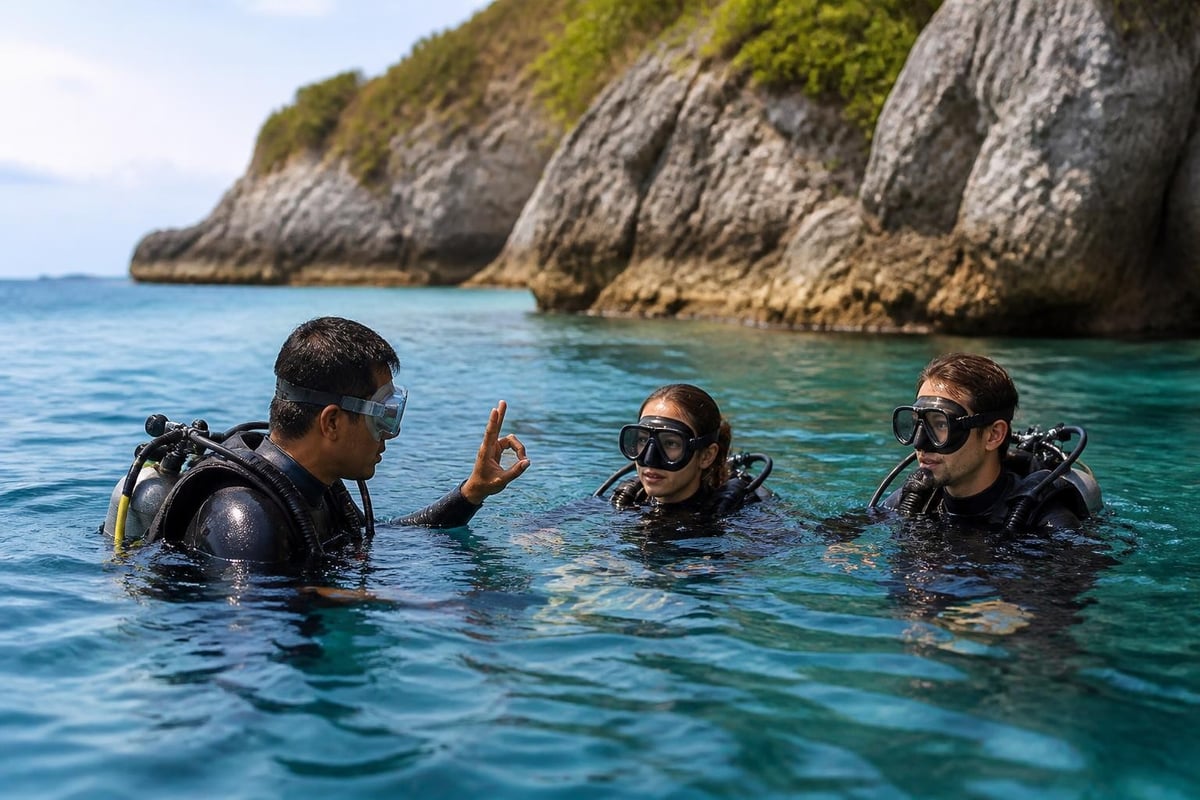
Standard hand signals work globally, but specific sites or operators may use additional signals. Review and practice communication before descending.
Post-Dive Practices
Quality doesn't end when you surface. Proper post-dive procedures protect your health and equipment while maximizing future experiences.
Surface Intervals and Repetitive Diving
Plan adequate surface intervals between dives allowing nitrogen elimination. Dive computers calculate safe intervals, but longer rests provide additional safety margins and time to:
- Rehydrate properly after extended water immersion
- Discuss the dive with your buddy and guide
- Review underwater photos or videos
- Prepare equipment for subsequent dives
- Rest and process the experience
Equipment Care
Rinse all equipment thoroughly in fresh water after each dive day. Salt accumulation damages equipment and creates hygiene issues. Pay special attention to:
- Regulator first and second stages
- BCD interior and exterior
- Wetsuits and boots
- Masks and snorkels
- Dive computers and instruments
Building Diving Skills Over Time
Good scuba diving improves with experience. Each dive develops muscle memory, environmental awareness, and underwater comfort.
Logging and Reflection
Maintain detailed dive logs recording:
- Location, date, and site name
- Maximum depth and bottom time
- Conditions including visibility and current
- Marine life observations
- Equipment used and any issues
- Skills practiced or areas for improvement
Regular logging helps track progression and identify patterns in your diving preferences.
Setting Personal Goals
Establish diving goals motivating continued development:
- Specific certification achievements
- Number of annual dive days
- New environments or ecosystems to explore
- Photography or videography milestones
- Conservation contributions or citizen science participation
Good scuba diving combines appropriate conditions, professional operations, personal skill development, and environmental responsibility into experiences that stay with you long after you've dried off. Whether you're taking your first breaths underwater or planning your next advanced adventure, prioritizing these elements ensures safe, memorable, and sustainable diving. If you're ready to experience world-class diving in one of Southeast Asia's most spectacular underwater environments, Submariner Diving Center offers PADI courses, private charters, and daily dive trips exploring El Nido's protected reefs, walls, and vibrant marine ecosystems.