Choosing the right scuba diving place can make or break your underwater adventure. Whether you're a complete beginner eager to experience your first breath beneath the waves or an experienced diver seeking untouched reefs and rare marine encounters, the location you select shapes every aspect of your dive experience. With thousands of dive destinations scattered across the globe, from tropical coral gardens to historic shipwrecks in temperate seas, understanding what makes a scuba diving place truly exceptional requires looking beyond glossy travel photos and marketing promises. Your ideal dive destination should align with your certification level, match your marine life interests, fit your budget, and offer the right conditions for the season you're planning to visit.
Understanding What Makes a Great Scuba Diving Place
Not all dive destinations are created equal, and what constitutes the "best" scuba diving place varies dramatically depending on who's asking. A technical diver chasing deep wrecks has completely different requirements than a family looking for gentle reef dives in warm, clear water.
The most important factors to evaluate include:
- Water visibility and conditions – ranging from 5 meters in nutrient-rich temperate waters to 40+ meters in tropical environments
- Marine biodiversity – the variety and density of species you're likely to encounter
- Accessibility – how easily you can reach dive sites from shore or by boat
- Infrastructure – the quality and safety standards of local dive operators
- Seasonality – when conditions are optimal and when to avoid certain locations
Matching Dive Sites to Your Certification Level
Your certification level directly determines which dive sites you can safely access. Beginner-friendly locations offer shallow depths (typically 12-18 meters), minimal currents, good visibility, and easy entry and exit points. These characteristics make places like El Nido in Palawan ideal for newer divers, where protected bays and gentle reef slopes provide the perfect learning environment.
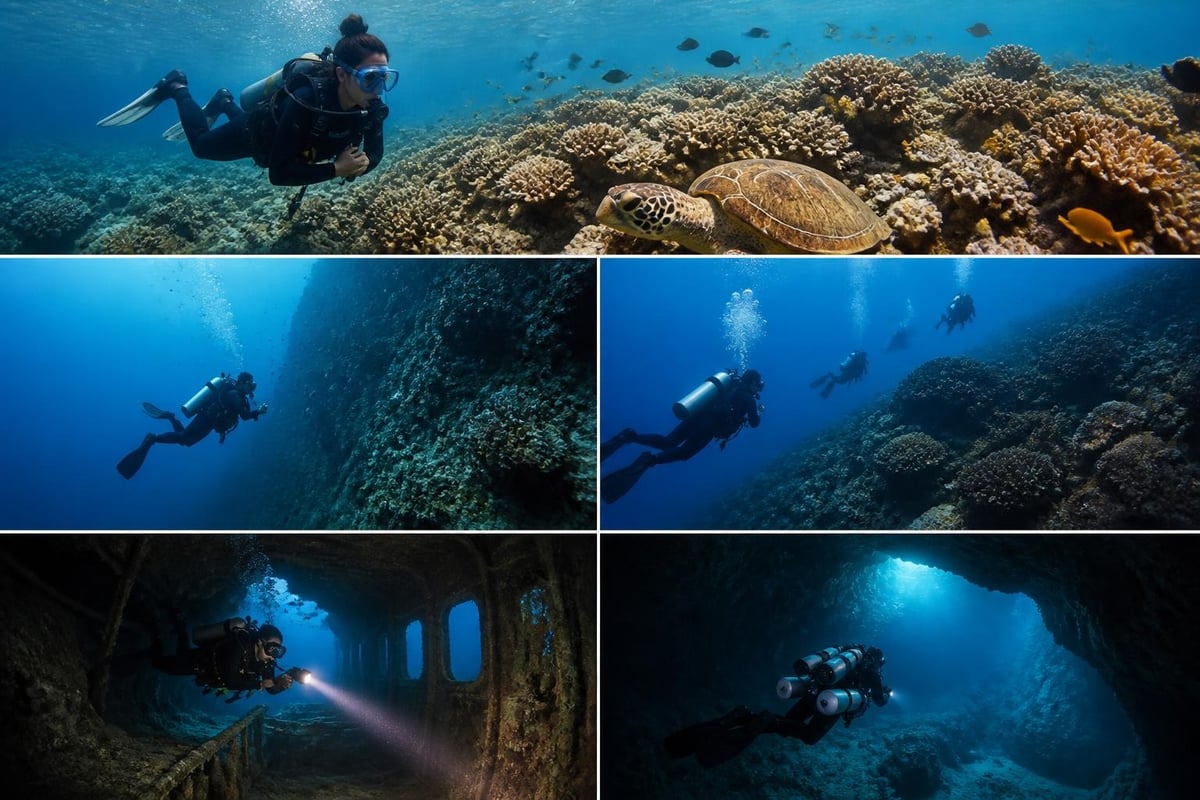
Advanced divers can explore sites with stronger currents, greater depths, overhead environments, and more challenging navigation. The PADI certification system provides a clear progression pathway, allowing divers to gradually expand their capabilities and access increasingly diverse locations.
| Certification Level | Maximum Depth | Suitable Dive Sites | Example Locations |
|---|---|---|---|
| Discover Scuba | 12 meters | Sheltered bays, sandy bottoms | House reef, training pools |
| Open Water Diver | 18 meters | Gentle reefs, easy wrecks | Most recreational sites |
| Advanced Open Water | 30 meters | Walls, drift dives, deeper wrecks | Advanced reef systems |
| Specialty/Technical | 40+ meters | Deep walls, cave systems, tech wrecks | Specialty sites only |
Evaluating Marine Life and Underwater Environments
Different dive locations offer dramatically different underwater ecosystems. Your interests should guide your choice of scuba diving place, whether you're passionate about macro photography, hoping to dive with larger pelagic species, or fascinated by coral reef biodiversity.
Tropical coral reefs host the greatest diversity of species, with Indo-Pacific reefs like those in Palawan supporting thousands of fish species, hundreds of coral varieties, and an incredible array of invertebrates. These warm-water environments provide year-round diving with water temperatures rarely dropping below 26°C.
Seasonal Considerations for Dive Planning
Every scuba diving place has optimal seasons based on weather patterns, water temperature, visibility, and marine life behavior. Monsoon seasons, plankton blooms, and migratory patterns all influence dive conditions throughout the year.
Key seasonal factors include:
- Dry season timing (optimal visibility and calm seas)
- Wet season challenges (reduced visibility, rough conditions)
- Marine life migrations (whale sharks, manta rays, whales)
- Water temperature fluctuations (affecting wetsuit requirements)
- Tourist season crowds (affecting boat availability and prices)
In Palawan, the prime diving season runs from November through May, when the northeast monsoon brings calm conditions, excellent visibility, and comfortable surface intervals between dives. Planning your trip during these months ensures you experience each scuba diving place at its absolute best.
Assessing Dive Operator Quality and Safety Standards
The dive operator you choose matters just as much as the location itself. A world-class scuba diving place loses its appeal when operators cut corners on safety, use poorly maintained equipment, or employ inadequately trained staff.
Look for dive centers affiliated with recognized training organizations like PADI or BSAC, which maintain strict quality standards and regular safety audits. Professional dive operators invest in modern equipment, maintain low diver-to-guide ratios, and provide thorough briefings before every dive.
Safety Infrastructure and Emergency Preparedness
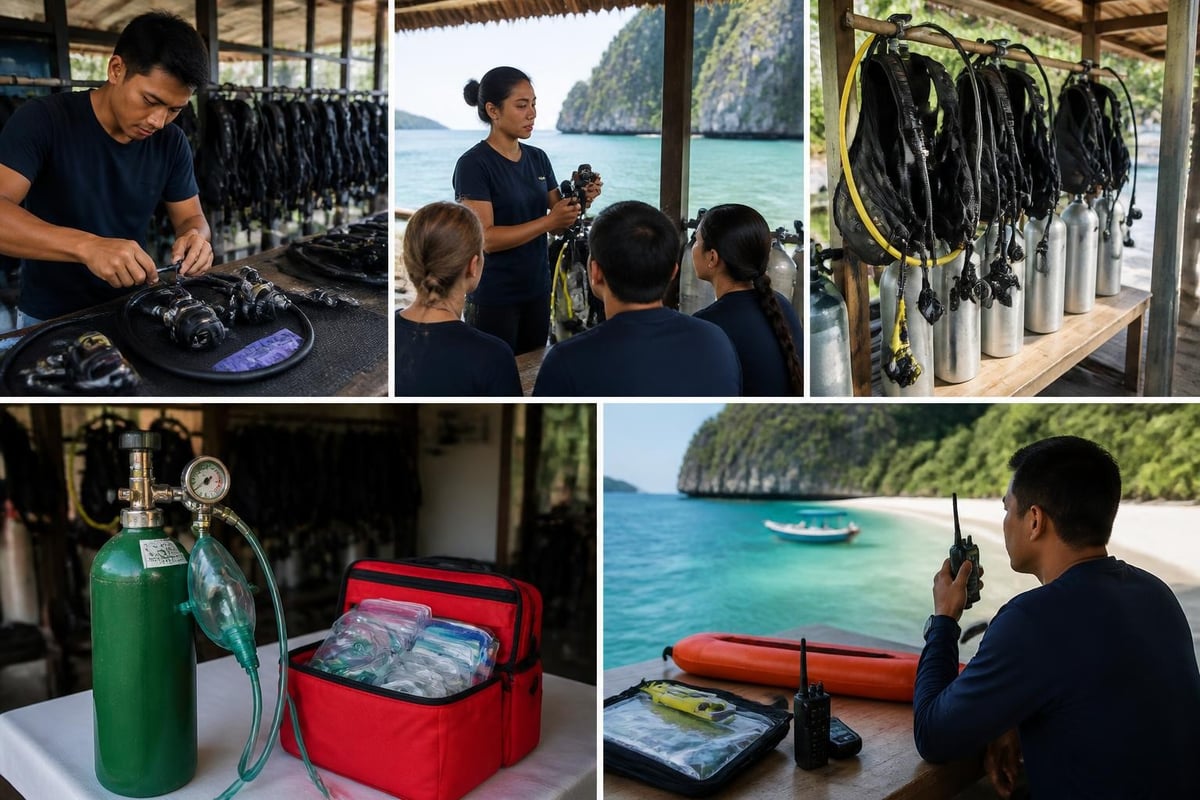
Legitimate dive operators maintain comprehensive safety protocols, including emergency oxygen supplies, first aid equipment, and established evacuation procedures. The Divers Alert Network (DAN) provides extensive research on dive safety and maintains a global emergency hotline for diving incidents.
Check whether your chosen scuba diving place has access to:
- Recompression chambers within reasonable evacuation distance
- Medical facilities equipped to handle dive-related emergencies
- Reliable communications for emergency coordination
- Coast guard or marine rescue services in the area
- DAN or equivalent insurance coverage acceptance
Comparing Tropical vs Temperate Dive Destinations
Choosing between tropical and temperate waters represents one of the fundamental decisions in selecting a scuba diving place. Each environment offers distinct advantages and challenges.
Tropical destinations provide warmer water (25-30°C), requiring only 3mm wetsuits or even rash guards. Visibility typically ranges from 15-40 meters, and the incredible biodiversity means virtually every dive delivers memorable marine encounters. The downside is that popular tropical spots can get crowded during peak seasons.
Temperate waters (10-20°C) demand thicker exposure protection (7mm wetsuits or drysuits) but often feature unique species not found in tropical regions, including kelp forests, cold-water coral, and larger fish populations. Visibility varies more dramatically with seasons and conditions.
| Climate Type | Water Temp | Visibility | Marine Life | Exposure Protection |
|---|---|---|---|---|
| Tropical | 25-30°C | 15-40m | High diversity, smaller fish | 3mm wetsuit |
| Subtropical | 18-25°C | 10-30m | Mixed species | 5mm wetsuit |
| Temperate | 10-20°C | 5-20m | Unique cold-water species | 7mm wetsuit or drysuit |
| Cold Water | <10°C | Variable | Specialized species | Drysuit required |
Budget Considerations and Value Assessment
Cost varies enormously between scuba diving places, influenced by remoteness, local economy, operator quality, and included services. Budget carefully for all aspects of your diving trip, not just the dive packages themselves.
Major cost components include:
- International and domestic flights
- Accommodation ranging from budget hostels to luxury resorts
- Dive packages (typically priced per dive or in multi-dive bundles)
- Equipment rental if you don't own your gear
- Marine park fees and local taxes
- Meals, transportation, and incidental expenses
For travelers seeking convenience and value, dive and stay packages that bundle accommodation with diving can offer significant savings while simplifying logistics. When you base yourself at a beachfront location where the dive center operates directly from the property, you eliminate transfer times and maximize your time underwater.
Hidden Costs at Different Dive Destinations
Some scuba diving place options advertise low package prices but add numerous surcharges that inflate the final cost. Research carefully and ask specific questions about what's included in quoted prices.
Common additional charges include equipment rental (USD 15-30 per day), marine park entrance fees (USD 5-25 per dive), Nitrox upgrades (USD 5-10 per tank), dive computers (USD 10-15 per day), and underwater photography equipment rental (USD 30-100 per day).
Accessibility and Travel Logistics
A spectacular scuba diving place loses some appeal when getting there requires three flights, a long ferry ride, and a bumpy truck journey. Factor in total travel time, connection reliability, and baggage allowances when selecting your destination.
Consider these accessibility factors:
- Direct flights vs multiple connections
- Airport distance from dive centers
- Ground transportation quality and availability
- Equipment shipping or rental options
- Visa requirements and processing times
Some of the world's most pristine dive sites remain relatively remote, which preserves their untouched condition but requires more complex travel arrangements. Decide whether you prefer easier access with potentially more divers around, or are willing to invest extra travel time for more exclusive locations.
Combining Diving with Other Activities
Your ideal scuba diving place might also offer excellent opportunities for non-diving companions or surface interval activities. Destinations that combine great diving with island hopping, kayaking, hiking, cultural experiences, and beach relaxation provide more well-rounded vacation experiences.
El Nido exemplifies this balance, offering world-class diving alongside the famous lagoons, beaches, and limestone cliffs that have made it one of Palawan’s premier destinations. Between dives, you can explore hidden beaches, kayak through emerald lagoons, or simply relax with a sunset cocktail at a beachfront rooftop bar.
Conservation Status and Environmental Responsibility
Responsible divers increasingly consider the conservation status and environmental practices of their chosen scuba diving place. Healthy reefs provide better diving experiences, and supporting destinations and operators committed to marine protection helps preserve these environments for future generations.
Look for dive operators participating in programs like NOAA’s Blue Star Diving initiative, which recognizes businesses implementing sustainable practices. Many locations now enforce strict no-touch policies, ban feeding, limit diver numbers at sensitive sites, and participate in reef restoration projects.
Responsible diving practices and conservation efforts: reef-safe sunscreen use, proper buoyancy to avoid reef contact, participation in marine surveys, reduced plastic waste, and support for marine protected areas
The relationship between scuba diving tourism and conservation can be mutually beneficial when operators and destinations prioritize sustainability over short-term profit. Your choice of where to dive and which operators to support directly influences these outcomes.
First-Time Divers: Starting Your Underwater Journey
If you've never dived before, choosing the right scuba diving place for your introduction becomes especially critical. Your first underwater experience should build confidence, feel safe, and inspire you to continue diving.
Ideal locations for first-time divers feature calm water, excellent visibility, shallow depths, abundant but non-threatening marine life, and patient instructors who prioritize comfort over rushing through skills. For those ready to take the plunge, a Discover Scuba Diving experience provides a supervised introduction in controlled conditions before committing to a full certification course.
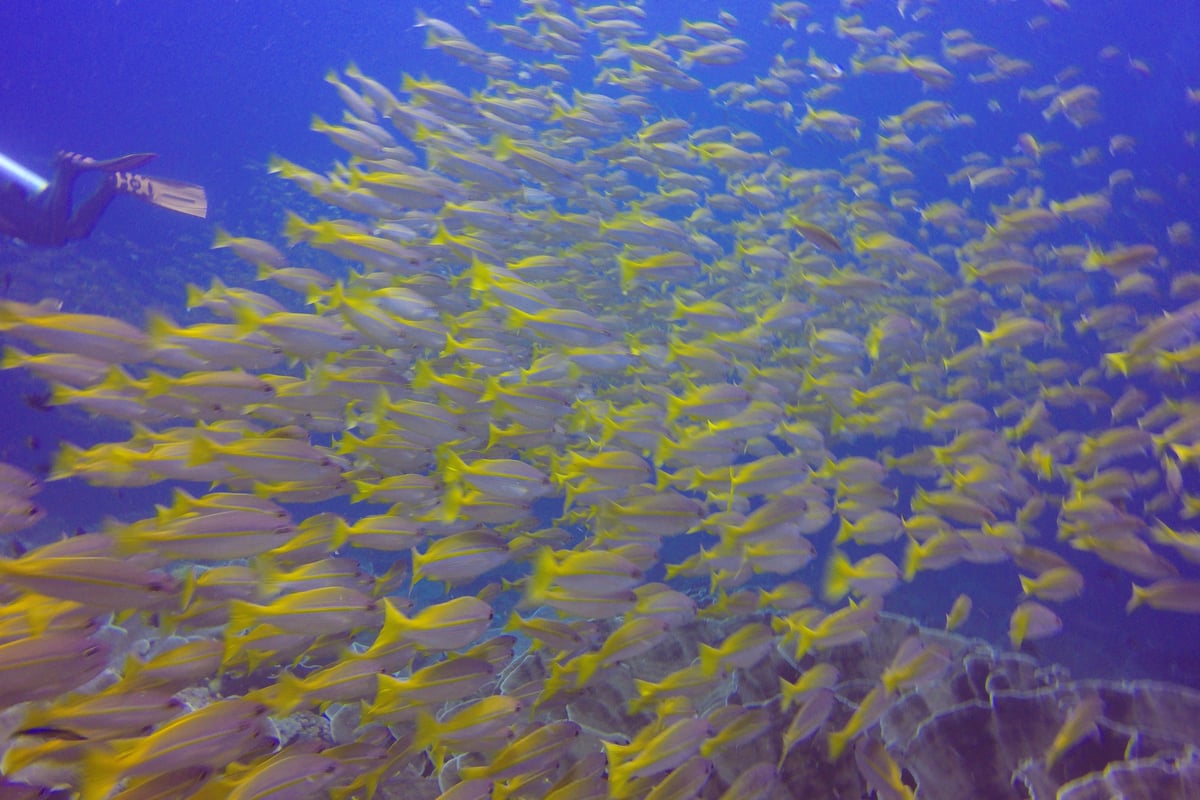
Beginner-friendly destinations should offer:
- Shallow, protected training areas (3-6 meters)
- Warm water requiring minimal thermal protection
- Gentle entry and exit points
- Low current and wave action
- Clear water for reducing anxiety
- Professional, patient instruction
Building Skills Through Proper Certification
After your initial try dive, pursuing formal certification through a recognized program opens up the underwater world properly. Completing your Open Water course at a quality dive center with small class sizes and excellent instructors establishes solid foundational skills that make every subsequent dive safer and more enjoyable.
Regional Highlights: Dive Destinations Worth Exploring
While comprehensive coverage of every notable scuba diving place worldwide exceeds the scope of any single article, certain regions consistently deliver exceptional experiences worth highlighting.
The Indo-Pacific region, stretching from the Red Sea through Southeast Asia to the Pacific islands, hosts the highest marine biodiversity on Earth. National Geographic’s feature on incredible scuba diving experiences showcases destinations across this region and beyond.
Notable dive regions include:
- Southeast Asia: Philippines, Indonesia, Thailand, Malaysia
- Pacific Islands: Palau, Fiji, Solomon Islands, Micronesia
- Caribbean: Cayman Islands, Cozumel, Bonaire, Belize
- Indian Ocean: Maldives, Mauritius, Seychelles, Mozambique
- Red Sea: Egypt, Jordan, Sudan
Within the Philippines alone, you'll find incredible variety from Tubbataha Reef’s pristine walls to Anilao's macro photography paradise and Malapascua's thresher shark encounters.
Making Your Final Decision
With so many factors to weigh, selecting your ideal scuba diving place requires creating a personal priority list. What matters most to you: marine biodiversity, ease of access, budget, water temperature, or uncrowded sites?
Create a comparison spreadsheet listing your top destination choices with ratings for each factor that matters to you. Include objective data like average visibility, typical marine encounters, certification requirements, estimated costs, and travel time from your home location.
Don't overlook the value of personal recommendations from other divers. Online forums, social media diving groups, and reviews on dive operator websites provide real-world perspectives that supplement official tourism information.
When to Book and How Far Ahead to Plan
Booking timelines vary by destination and season. Popular scuba diving place options during peak periods may require reservations 3-6 months in advance, especially for liveaboard trips or remote locations with limited operator capacity. Off-season travel often allows more flexibility and better rates.
Consider that some certifications or specialty courses require prerequisites, so factor in time to complete necessary training before your trip. Advanced planning also allows you to monitor flight prices and grab deals when they appear.
Maximizing Your Dive Trip Experience
Once you've selected your scuba diving place and made your bookings, several strategies help ensure you get the most from your underwater adventure.
Arrive a day or two before your first scheduled dive to recover from travel fatigue and adjust to time zone changes. Use this time to complete any necessary paperwork, conduct equipment checks, and get oriented to the local area.
Pre-trip preparation should include:
- Refreshing dive theory if you haven't dived recently
- Ensuring your certification card and logbook are current
- Reviewing hand signals and emergency procedures
- Checking your insurance covers diving activities
- Packing any personal equipment you prefer using
Maintaining detailed logbook records of every dive enhances your skills development and creates lasting memories of each site you visit. Note the date, location, depth, time, conditions, marine life encountered, and personal observations for future reference.
Extending Your Skills and Certifications
Each dive trip presents opportunities to expand your capabilities through additional training. Many divers pursue Advanced Open Water certification, which includes deep dives, navigation training, and three additional specialty dives of your choosing.
Specialty certifications like Nitrox (enriched air) diving extend bottom times at recreational depths, while underwater photography courses help you capture and share the incredible marine life you encounter. Night diving, wreck diving, and drift diving specialties each unlock new dimensions of the underwater world.
Weather, Water Conditions, and Dive Planning
Even the best scuba diving place delivers disappointing experiences when weather doesn't cooperate. Understanding seasonal patterns and maintaining realistic expectations about conditions helps you plan successfully.
Monsoon seasons dramatically affect diving in tropical regions, bringing reduced visibility, rough seas, and occasional site closures. Research the specific weather patterns affecting your chosen destination during your planned travel dates.
Monitor these condition indicators:
- Wind speed and direction (affecting surface conditions)
- Swell height and period (impacting boat operations)
- Tidal ranges and current predictions
- Recent rainfall (affecting visibility in some locations)
- Water temperature trends
Professional dive operators make daily decisions about which sites to visit based on current conditions, prioritizing safety while maximizing dive quality. Trust their local expertise and remain flexible about specific sites while keeping your expectations focused on overall experiences rather than predetermined dive locations.
Selecting the perfect scuba diving place involves balancing numerous factors from your skill level and interests to budget and accessibility, but the research and planning pay dividends in unforgettable underwater experiences. Whether you're seeking your first breath underwater or your five-hundredth dive, Palawan's crystal-clear waters, vibrant reefs, and diverse marine life offer world-class diving for all levels. Submariner Diving provides professional instruction, private charters, and dive and stay packages that simplify your planning while ensuring every dive meets the highest safety and quality standards.