The underwater world holds some of Earth's most beautiful scuba diving experiences, from kaleidoscopic coral gardens to dramatic walls dropping into blue infinity. What transforms a simple dive into something extraordinary goes far beyond visibility and marine life, it's the interplay of light filtering through crystal-clear water, the architecture of reef formations, the surprise encounters with ocean creatures, and that profound sense of weightless flight. Whether you're planning your first underwater adventure or your hundredth, understanding what defines beautiful scuba diving helps you choose destinations, timing, and experiences that deliver those magical moments beneath the surface.
What Makes Scuba Diving Truly Beautiful
Beautiful scuba diving doesn't happen by accident. Several factors converge to create those postcard-perfect underwater scenes.
Water clarity stands as the foundation. When visibility extends 20, 30, or even 50 meters, entire reef systems reveal themselves in panoramic splendor. The Philippines, particularly El Nido’s dive sites, regularly delivers this gin-clear water, especially during the dry season from November through May.
The Architecture of the Reef
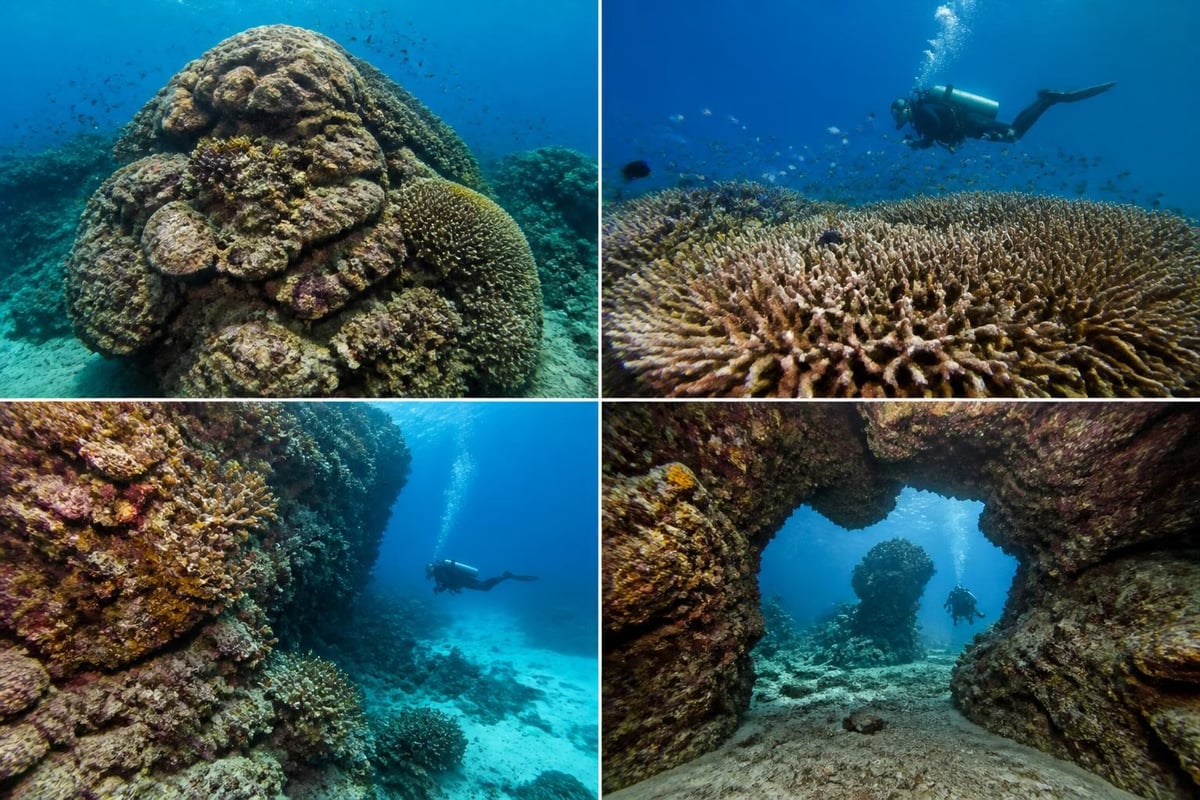
Coral formations create the underwater landscape's bones. Healthy reefs display:
- Massive coral heads sculpted by decades of growth
- Branching corals that sway in gentle currents
- Table corals forming natural overhangs and shelter
- Soft corals adding movement and vibrant color
- Walls and drop-offs creating dramatic vertical scenery
The topography matters just as much. Underwater caves, swim-throughs, pinnacles rising from deep water, and sloping gardens each offer distinct aesthetic experiences. National Geographic's guide to world-class diving destinations highlights how geological diversity elevates a dive site from good to unforgettable.
Marine Life: The Living Canvas
Fish transform static coral into living art. A beautiful scuba diving experience often peaks when you're surrounded by:
- Schools of reef fish moving in synchronized waves
- Macro subjects revealing intricate patterns and behaviors
- Pelagic visitors gliding through blue water
- Resident characters like hawksbill turtles or octopuses
- Healthy predator populations indicating ecosystem balance
Biodiversity matters more than individual species. A reef teeming with hundreds of fish species, invertebrates, and coral types creates visual complexity that keeps divers engaged from entry to exit. Research published in Nature Climate Change demonstrates how reef restoration efforts help maintain this biodiversity, preserving the ecological richness that makes sites beautiful.
Planning for Beautiful Scuba Diving Experiences
Timing separates adequate dives from extraordinary ones. Understanding seasonal patterns helps you maximize conditions.
| Season | Visibility | Marine Life | Conditions |
|---|---|---|---|
| Dry (Nov-May) | Excellent (25-40m) | Consistent reef residents | Calm seas, light wind |
| Wet (Jun-Oct) | Good (15-25m) | Plankton-feeders visit | Variable, possible current |
| Transition | Variable | Migration periods | Mixed conditions |
Water temperature influences comfort and marine activity. Tropical destinations maintain 26-30°C year-round, allowing divers to focus on scenery rather than thermal management. Temperate waters offer different beauty, kelp forests and nutrient-rich ecosystems, but require more exposure protection.
Choosing Your Destination
Beautiful scuba diving exists worldwide, but certain factors predict quality:
- Marine protected areas with enforced conservation
- Strong currents delivering nutrients to reefs
- Upwelling zones supporting abundant food chains
- Geographic isolation reducing human impact
- Professional dive operations practicing sustainable tourism
Palawan exemplifies these factors. The region's diving experiences benefit from protected waters, nutrient-rich currents from the Sulu Sea, and operations committed to reef preservation. For newcomers to the region, a comprehensive beginner’s guide to diving in El Nido covers practical planning details.
Types of Beautiful Scuba Diving Experiences
Different dive styles reveal different aspects of underwater beauty.
Wall Diving
Vertical faces draped in soft corals and sponges create cathedral-like spaces. Swimming along walls gives that sensation of flying, one side dropping into darkness while the other blazes with color. Many walls host barrel sponges larger than divers, black coral trees, and fan corals positioned to catch current-borne food.
Technical considerations:
- Depth management becomes critical
- Buoyancy control must be precise
- Gas consumption often increases due to excitement
- Navigation requires attention (walls can disorient)
Reef Exploration
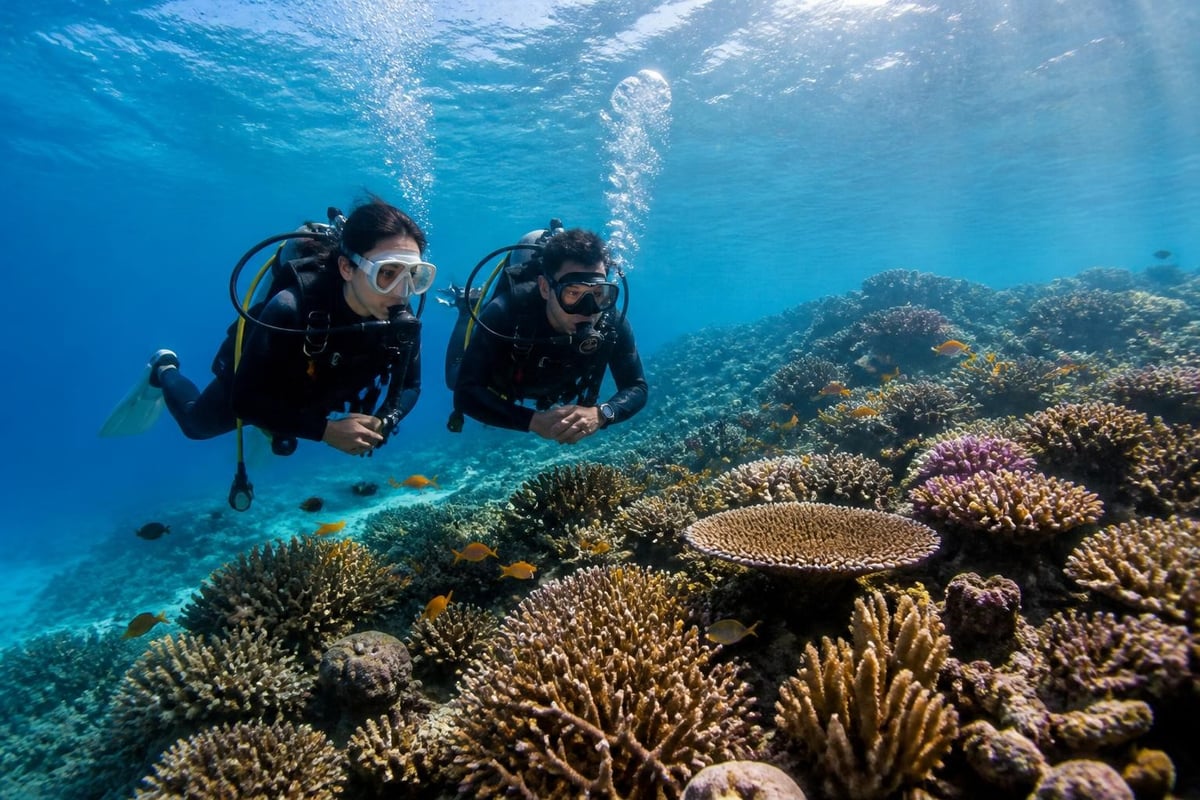
Shallow reefs between 5-18 meters offer extended bottom time to study details. Beautiful scuba diving at recreational depths allows you to:
- Photograph macro subjects with natural light
- Observe fish behavior without time pressure
- Explore complex coral structures thoroughly
- Practice skills without depth-related stress
These sites work perfectly for newer divers building confidence. Discover Scuba Diving programs typically use shallow reefs where participants can appreciate beauty without technical complexity.
Drift Diving
Current-swept channels and reef edges concentrate marine life. Drifting effortlessly along healthy reef while fish stream past creates dynamic, energetic beauty. The sensation differs completely from anchored exploration, you're part of the current's flow, moving through underwater landscapes like a bird riding wind.
Drift diving demands:
- Proper briefing on entry/exit procedures
- Surface marker buoy deployment skills
- Group cohesion to avoid separation
- Boat coordination for pickup timing
Maximizing Your Underwater Visual Experience
Equipment choices affect how you perceive beautiful scuba diving moments.
Mask Selection
Your window to the underwater world deserves attention. Low-volume masks reduce drag and clearing effort. Clear or lightly-tinted lenses preserve natural color. Wide viewing angles improve peripheral awareness. Testing mask fit before purchase prevents leaks that destroy immersion.
Buoyancy and Positioning
Perfect buoyancy control transforms you from clumsy observer to graceful participant. When properly weighted and trimmed, you:
- Hover motionless to study subjects closely
- Avoid contact that damages coral or stirs silt
- Reduce air consumption, extending dive time
- Position yourself optimally for viewing angles
NOAA's marine life viewing guidelines emphasize that maintaining distance and buoyancy protects both you and the creatures you're observing.
Photography Considerations
Cameras change how you dive. Some divers find photography enhances their experience, forcing them to slow down and notice details. Others prefer absorbing scenes without a viewfinder's mediation.
If shooting underwater:
- Start with natural light in shallow water
- Learn your camera's controls on land first
- Photograph behavior, not just portraits
- Spend most dive time observing, not shooting
- Never touch or manipulate marine life for photos
Conservation: Preserving Beautiful Scuba Diving
The most beautiful dive sites face significant threats. Research published in Nature Communications details how climate change, ocean acidification, and warming temperatures stress coral reefs globally. As divers, we witness these changes firsthand and carry responsibility to minimize our impact.
Responsible Diving Practices
Buoyancy control tops the list of conservation-friendly skills. Divers with poor buoyancy kick coral, stir sediment that smothers reef organisms, and create chaos that stresses fish. Investing time in foundational training protects reefs while improving your experience.
NOAA's Florida Keys sanctuary offers detailed responsible diving guidance applicable to tropical reefs worldwide:
- Secure all equipment to prevent dragging
- Stay horizontal, never stand on coral
- Control fins, especially in confined spaces
- Avoid touching, sitting, or kneeling on bottom
- Keep gauges and octopus close to body
Supporting Conservation Through Tourism
Your dive dollars can directly support reef protection. Operations participating in marine park fees, employing local guides, maintaining proper waste disposal, and educating divers about conservation channel tourism revenue toward ecosystem health.
Citizen science programs let recreational divers contribute to reef monitoring. Reef Check’s EcoDiver courses train divers to collect standardized data on reef health, fish populations, and invertebrate communities. Contributing to these efforts transforms beautiful scuba diving from passive consumption to active participation in conservation.
Some research suggests marine protected areas specifically benefit dive tourism by maintaining biodiversity and visual appeal that attract divers. Supporting MPA designation and enforcement helps ensure beautiful sites remain beautiful for future generations.
Safety Enhances Beauty
Beautiful scuba diving reaches its peak when you feel relaxed and confident. Anxiety, task-loading, and discomfort destroy the meditative state where beauty truly registers.
Training and Skill Development
Certification levels expand your access to beautiful dive sites:
| Course | Skills Gained | Sites Unlocked |
|---|---|---|
| Open Water | Fundamental skills to 18m | Shallow reefs, easy sites |
| Advanced | Deep, navigation, specialties | Walls, wrecks, drift dives |
| Nitrox | Enriched air, longer bottom time | Extended reef exploration |
| Rescue | Problem recognition, assistance | Confidence for remote sites |
Continuing education builds competence and comfort. Divers Alert Network’s research resources provide evidence-based safety guidance that helps divers enjoy underwater beauty while minimizing risk.
Pre-Dive Preparation
Even experienced divers benefit from proper preparation:
- Review hand signals with your buddy
- Discuss dive plan including maximum depth and time
- Check equipment systematically before entry
- Establish lost-buddy procedures beforehand
- Know local hazards specific to the site
Beautiful Scuba Diving in El Nido
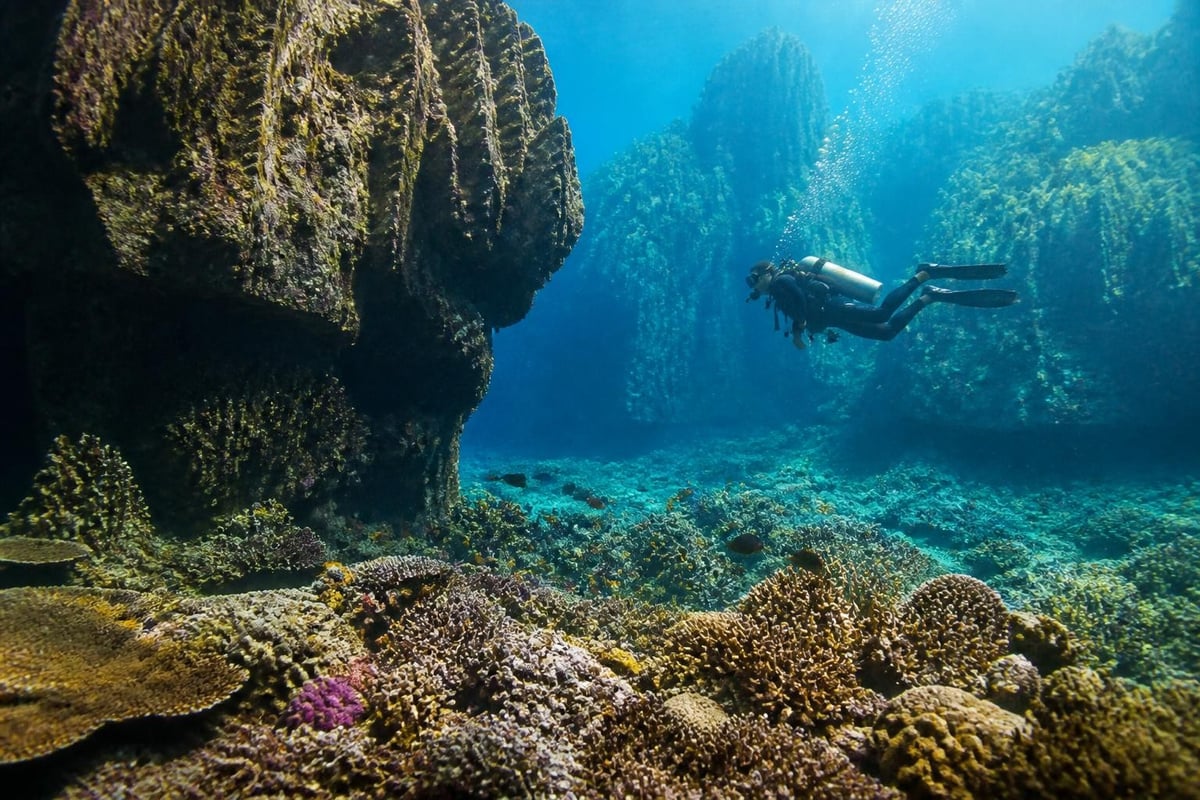
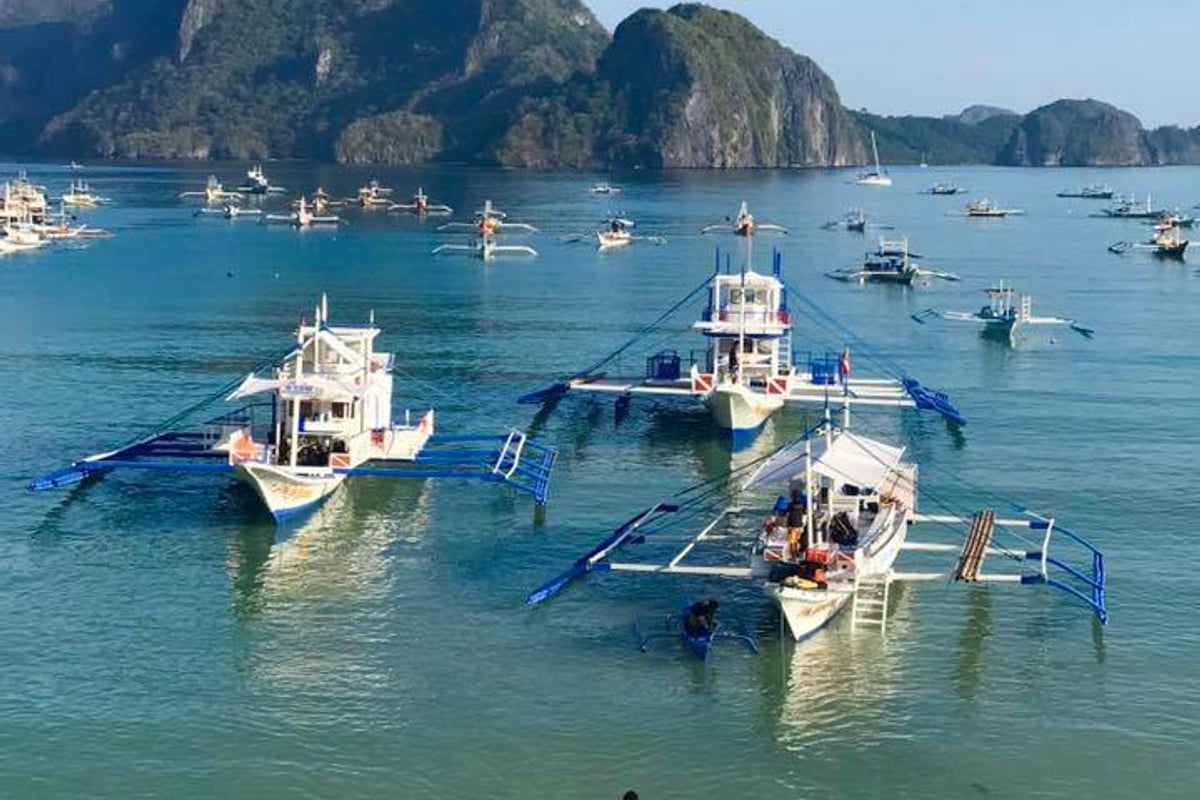
Palawan's northern tip offers some of Southeast Asia's most beautiful scuba diving. Limestone islands create sheltered bays with excellent visibility, while channels between islands funnel current-borne nutrients that support abundant marine life.
El Nido's advantages:
- Consistent visibility 20-35 meters most of the year
- Dramatic underwater topography matching island scenery
- Healthy hard and soft coral coverage
- Macro life (nudibranchs, shrimp, octopuses) and reef fish schools
- Convenient access from beachfront operations
The El Nido Dive & Stay Package combines accommodation at The Beach House with diving directly from the beach, eliminating transport hassles and maximizing time underwater. Waking up beachfront, diving world-class sites minutes away, and returning to comfort creates the immersive experience that defines a diving holiday.
Seasonal Patterns
El Nido's dry season (November-May) delivers peak conditions. Calm seas, light wind, and excellent visibility make this period ideal for photographers and divers seeking the clearest water. The wet season (June-October) still offers good diving with occasional reduced visibility, but plankton blooms can attract manta rays and whale sharks to nearby feeding areas.
Water temperature remains comfortable year-round at 27-29°C, requiring only a 3mm wetsuit for most divers. This thermal consistency means less gear to pack and more comfort throughout your dive.
Developing Your Eye for Underwater Beauty
Beautiful scuba diving reveals itself differently to each diver. Developing appreciation takes time and attention.
Slowing Down
Rushing past reef in search of "big animals" means missing intricate beauty everywhere. The tiny cleaning shrimp inside an anemone. The geometric pattern on a cowrie shell. The delicate structure of soft coral polyps extended to feed.
Experienced divers often cover less distance per dive than beginners, not because they're slower, but because they see more worth stopping to observe. Cultivating this patient observation transforms every dive, regardless of destination or conditions.
Learning Species
Understanding what you're seeing deepens appreciation. Recognizing a Napoleon wrasse versus a grouper, identifying hard coral species, knowing which nudibranchs are rare versus common, all these distinctions add layers of meaning to encounters.
Fish identification books, online resources, and dive guides who share knowledge all build your marine life literacy. Over time, you'll spot behavioral patterns, recognize individuals, and understand the ecosystem dynamics that create the beauty before you.
Night Diving
Reefs transform after dark. Diurnal fish sleep while nocturnal hunters emerge. Colors shift under artificial light, revealing fluorescence invisible by day. Octopuses hunt openly. Coral polyps extend to feed in darkness.
Night diving requires additional training and confidence, but rewards divers with entirely different perspective on familiar sites. The beautiful scuba diving you experienced by day becomes alien and mysterious under torchlight.
Beyond the Tropics
While tropical reefs dominate beautiful scuba diving imagery, temperate and cold-water diving offers distinct aesthetic rewards.
Kelp forests create cathedral-like spaces where light filters through canopy in shifting beams. Fjord walls in places like Norway drop vertically into darkness, decorated with soft corals and anemones in densities tropical reefs rarely match. Cenote diving in Mexico's Yucatan combines cave beauty with crystal-clear freshwater.
Each ecosystem demands different skills, equipment, and preparation, but all offer profound beauty to those willing to adapt.
Planning Your Beautiful Scuba Diving Adventure
Transforming inspiration into reality requires practical planning.
Research and Preparation
Start by identifying what type of beauty appeals to you most. Macro photography? Big animal encounters? Pristine coral gardens? Wreck exploration? Your preferences guide destination selection.
Reading dive site reviews from recent visitors provides current conditions and seasonal information. However, remember that marine life encounters vary, what someone saw last month may not appear this month.
Booking Considerations
Small group sizes improve dive quality dramatically. Four divers per guide allows personalized attention and flexibility. Larger groups create underwater traffic jams that destroy the serene experience beautiful sites deserve.
Professional operations provide thorough briefings, well-maintained equipment, and guides who know local conditions intimately. For travelers seeking convenience, staying at The Beach House means diving and accommodation in one beachfront location, with the dive boat departing steps from your room.
Beautiful scuba diving combines natural conditions, careful conservation, proper training, and mindful observation into transformative experiences beneath the waves. Whether you're drawn to El Nido's dramatic limestone seascapes or planning adventures further afield, developing your skills and environmental awareness ensures those underwater moments deliver their full impact. Ready to explore Palawan's stunning dive sites with experienced guides who know these waters intimately? Submariner Diving offers everything from introductory experiences to advanced training, all based at a beachfront location where the boat departs directly from shore.