Choosing the right scuba sites can transform a good dive trip into an unforgettable underwater adventure. Whether you're planning your first certification dives or your fiftieth liveaboard expedition, understanding what makes a dive location exceptional helps you make informed decisions. From assessing reef health and marine biodiversity to evaluating seasonal conditions and accessibility, knowing how to research and select scuba sites ensures you invest your time and budget in experiences that match your skill level and interests. In this guide, we'll explore the essential factors that define world-class dive locations, with practical insights from El Nido's spectacular underwater landscape.
What Defines Quality Scuba Sites
Not all underwater locations offer the same diving experience. The best scuba sites combine several key characteristics that create safe, engaging, and memorable dives.
Marine Biodiversity and Reef Health
Vibrant, healthy reefs teeming with life form the foundation of exceptional dive sites. Coral coverage, fish diversity, and the presence of macro and pelagic species all contribute to a location's appeal. Sites with high biodiversity offer something new on every dive, from tiny nudibranchs sheltering in coral crevices to schools of jacks hunting in open water.
Reef health directly impacts your diving experience. According to NOAA Coral Reef Watch, monitoring bleaching events and environmental stressors helps divers understand current reef conditions. Healthy hard and soft corals provide habitat for countless species, creating the complex ecosystems that make scuba sites worth visiting repeatedly.
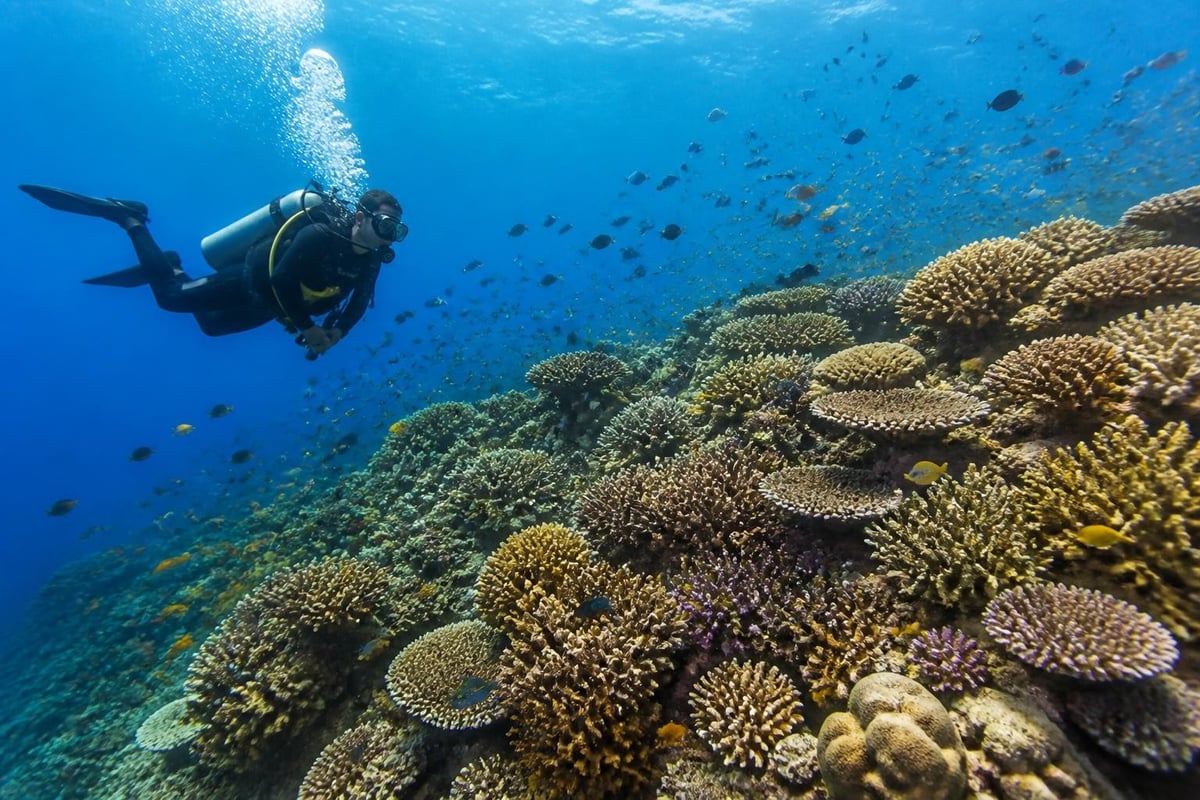
Key biodiversity markers include:
- Dense coral formations with minimal bleaching
- Resident fish populations at multiple trophic levels
- Healthy invertebrate communities
- Seasonal visits from pelagic species
- Active cleaning stations
Visibility and Water Conditions
Crystal-clear water enhances every aspect of diving, from photography to marine life observation. Visibility at quality scuba sites typically ranges from 15 to 40 meters, though exceptional conditions can extend beyond 50 meters.
Water temperature, current strength, and thermoclines also define dive conditions. Warm, calm waters suit beginners, while stronger currents and cooler temperatures often concentrate marine life at advanced sites. Understanding seasonal patterns helps you time your visit for optimal conditions.
| Condition Factor | Beginner-Friendly | Advanced Sites |
|---|---|---|
| Visibility | 15-25 meters | 20-40+ meters |
| Current | Minimal to mild | Mild to strong |
| Temperature | 26-30°C | 18-28°C |
| Thermoclines | Rare | Common |
Assessing Site Accessibility and Infrastructure
Even spectacular underwater terrain means little if you can't reach it safely and comfortably. Practical considerations shape your overall diving experience.
Boat Access and Travel Time
Most premier scuba sites require boat access, making travel time a crucial planning factor. Sites within 20-30 minutes of shore allow multiple dives per day and suit divers prone to seasickness. More distant locations often reward the journey with pristine conditions and fewer crowds.
El Nido's dive sites range from 10 to 45 minutes by traditional banca boat, offering options for every preference. Morning departures typically encounter calmer seas, while afternoon trips may face increased wind and waves during certain seasons.
Operators with dedicated dive boats provide purpose-built facilities including tank racks, camera rinse stations, and shade. These amenities significantly improve comfort during surface intervals.
Local Diving Services and Safety
Professional dive operations ensure safe, enjoyable experiences at scuba sites. PADI-certified instructors, well-maintained equipment, and proper safety protocols distinguish quality operators from budget alternatives.
Research dive centers before booking. The Divers Alert Network provides resources for evaluating operator safety standards, emergency planning, and medical considerations. Look for operations with oxygen on board, first aid training, and established emergency procedures.
When exploring fun diving opportunities in El Nido, experienced guides who know local conditions, marine behavior, and optimal dive times add tremendous value. Their knowledge transforms good dives into exceptional ones.
Environmental Factors That Shape Dive Sites
Natural forces constantly reshape underwater landscapes, creating the dynamic environments that make scuba sites fascinating.
Current Patterns and Drift Diving
Water movement brings nutrients, concentrates plankton, and attracts feeding marine life. Strong currents create challenging conditions but often produce the most spectacular encounters with pelagics and schooling fish.
Drift diving harnesses currents to cover larger areas effortlessly. Sites designed for drift dives feature consistent current direction and clear entry-exit points. Less experienced divers should tackle drift sites only with proper briefings and capable guides.
Tidal cycles influence current strength at many scuba sites. Spring tides during new and full moons create stronger flows, while neap tides produce gentler conditions. Planning dives around tidal schedules optimizes safety and enjoyment.
Seasonal Variations and Weather Patterns
The best scuba sites reveal different characteristics throughout the year. Monsoon seasons, plankton blooms, and migratory patterns create distinct diving windows at different locations.
In Palawan, November through May offers the most consistent conditions, with calm seas, excellent visibility, and comfortable temperatures. The southwest monsoon from June through October can reduce visibility and create choppy surface conditions, though protected sites remain accessible.
Understanding seasonal marine life movements helps you target specific species. Manta rays, whale sharks, and other pelagics follow predictable patterns tied to plankton availability and water temperature.
Technical Considerations for Different Skill Levels
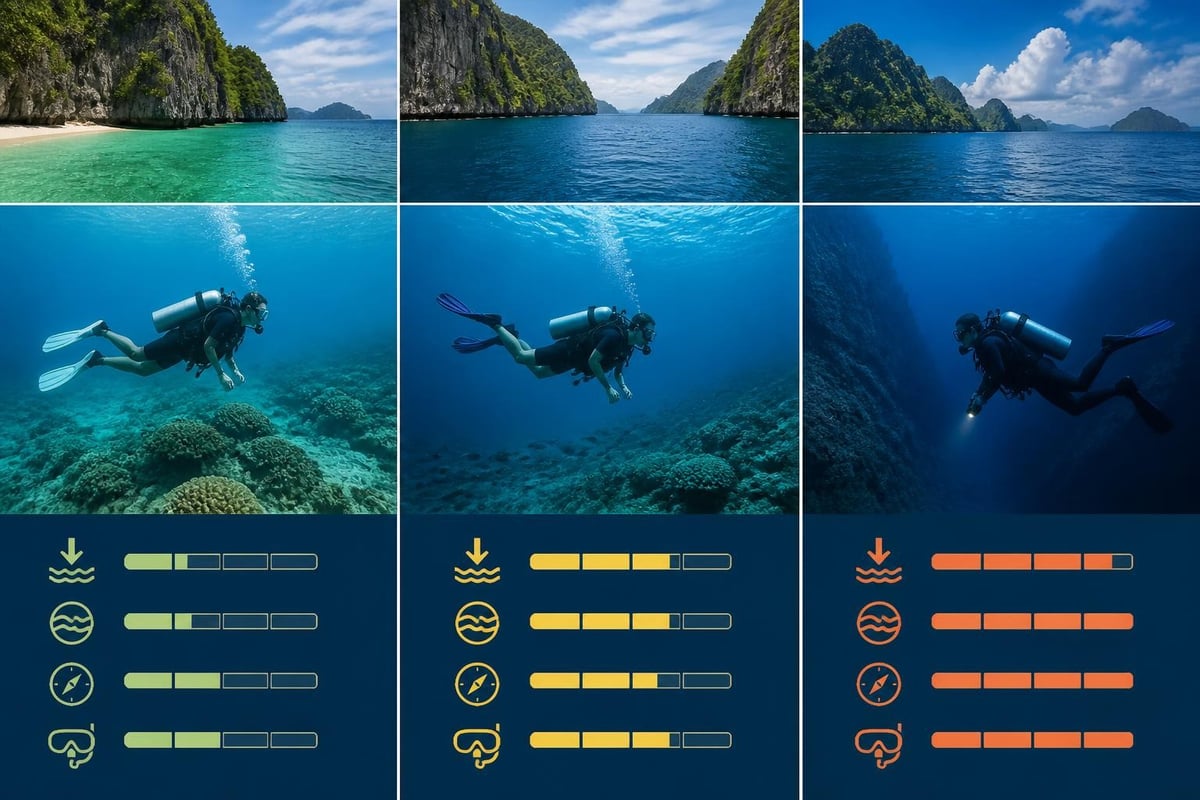
Matching scuba sites to your certification and experience ensures safe, confidence-building dives.
Beginner-Friendly Characteristics
New divers need forgiving conditions while they develop fundamental skills. The best beginner scuba sites offer:
- Shallow maximum depths (10-15 meters)
- Minimal to no current
- Easy entries and exits
- Interesting features at shallow depths
- Sandy bottoms for buoyancy practice
Protected bays and lagoons provide ideal training environments. These sites may lack the drama of deeper walls or current-swept pinnacles, but they build skills and confidence safely.
Shore diving from beaches with gradual slopes helps beginners practice entries and exits without boat boarding stress. However, many world-class scuba sites require boat access, making comfort with boat entries essential for advancing divers.
Advanced Site Features
Experienced divers seek challenges and unique underwater terrain. Advanced scuba sites typically include:
- Deep walls and drop-offs (25+ meters)
- Swim-throughs and cave systems
- Strong currents requiring reef hooks
- Technical diving opportunities (decompression dives, wrecks)
- Remote locations with limited facilities
These sites demand excellent buoyancy control, advanced navigation skills, and comfort managing equipment in challenging conditions. Technical features like overhangs, tunnels, and vertical walls create dramatic topography but require proper training and experience.
Sustainable Diving Practices at Scuba Sites
Responsible diving ensures the sites we love remain healthy for future generations.
Minimizing Environmental Impact
Every diver affects the underwater environment. Proper buoyancy control prevents reef contact, while awareness protects delicate organisms from fins and hands. The Reef-World Foundation’s Green Fins code provides internationally recognized guidelines for reducing environmental impact at dive sites.
Simple practices make enormous differences:
- Maintain neutral buoyancy at all times
- Secure equipment to prevent dragging
- Avoid touching or standing on coral
- Never chase or harass marine life
- Remove only photos, leave only bubbles
Photography and videography increase risk of accidental reef contact. Divers should master buoyancy before adding camera equipment, and never stabilize themselves on living coral for shots.
Supporting Conservation Efforts
Many exceptional scuba sites exist within marine protected areas. Entry fees, when properly managed, fund conservation programs and enforcement. Research suggests that diving tourism can support both conservation and sustainable development when operators follow best practices.
Choosing operators committed to environmental stewardship amplifies your positive impact. Look for dive centers participating in reef monitoring programs, beach cleanups, and community education initiatives.
Planning Multi-Day Dive Trips
Serious divers often plan entire vacations around accessing premier scuba sites, making accommodation and logistics crucial.
Dive Resort vs. Liveaboard Options
Land-based resorts provide comfort, predictability, and variety in activities, while liveaboards maximize bottom time and reach remote sites. Your choice depends on diving priorities, budget, and personal preferences.
Resort diving suits travelers wanting cultural experiences, non-diving activities, and varied dining options. You return to the same comfortable room each night and can easily skip dives without wasting prepaid accommodations.
Liveaboards dedicate entire trips to diving, often completing 3-4 dives daily. These intensive schedules suit experienced divers focused purely on underwater time but may overwhelm beginners or those wanting balanced vacations.
Combining Diving With Accommodation
Beachfront diving accommodation eliminates travel between lodging and dive boats. When your room sits steps from the departure point, you maximize sleep, minimize luggage hassles, and enjoy immediate access to facilities between dives.
This convenience proves particularly valuable when diving world-class scuba sites daily. Early morning departures become effortless, and you can return between dives to rest, edit photos, or simply relax by the sea.
| Accommodation Type | Pros | Cons |
|---|---|---|
| Beachfront Dive Resort | Convenient, all-in-one, efficient | Limited location flexibility |
| Town Hotel + Dive Center | More dining/nightlife options | Daily commute to harbor |
| Liveaboard | Maximum dive time, remote access | Intensive schedule, limited space |
Regional Variations in Scuba Sites
Different regions offer distinct diving characteristics shaped by geography, ocean currents, and ecology.
Tropical vs. Temperate Waters
Warm tropical waters host colorful reefs and abundant fish life, while temperate regions offer kelp forests, unique invertebrates, and different pelagic species. Water temperature directly influences wetsuit requirements, dive duration, and marine ecosystems you'll encounter.
Tropical scuba sites generally provide easier conditions for learning and recreation, with visibility often exceeding 25 meters and temperatures rarely dropping below 26°C. These comfortable conditions allow longer dives and lighter exposure protection.
Temperate sites challenge divers with colder water, stronger currents, and reduced visibility, but reward them with encounters unavailable in tropical zones. Giant kelp, sea lions, and cold-water fish species create entirely different experiences.
Protected Marine Areas
National marine sanctuaries and marine parks often feature the healthiest scuba sites due to fishing restrictions and active management. These protected areas demonstrate what reefs can achieve when given adequate safeguards.
Entry to protected sites may require permits, briefings, or guide accompaniment. While these requirements add logistics, they ensure sustainable visitor levels and proper behavior standards.
Evaluating Dive Site Reviews and Recommendations
Online reviews and diver reports help identify promising scuba sites, but require critical evaluation.
Reading Between the Lines
Generic praise like "amazing dive" provides less value than specific observations about visibility, marine life encountered, or current conditions. Detailed trip reports mentioning dates, conditions, and specific species offer actionable information.
Consider the reviewer's experience level. A beginner's "challenging current" might barely register for advanced divers, while an expert's "easy dive" could overwhelm newcomers.
Look for recent reviews, as conditions change. Storms, temperature anomalies, and fishing pressure can significantly alter scuba sites within months.
Consulting Local Knowledge
Dive operators and instructors working sites daily possess invaluable current information. They know which locations are producing the best sightings, where seasonal species are appearing, and which sites suit current weather conditions.
Don't hesitate to call or email dive centers with specific questions before booking. Professional operations welcome inquiries and provide honest assessments of what you can expect.
Preparing for Your First Visit to New Scuba Sites
Unfamiliar locations require extra preparation to ensure safe, enjoyable diving.
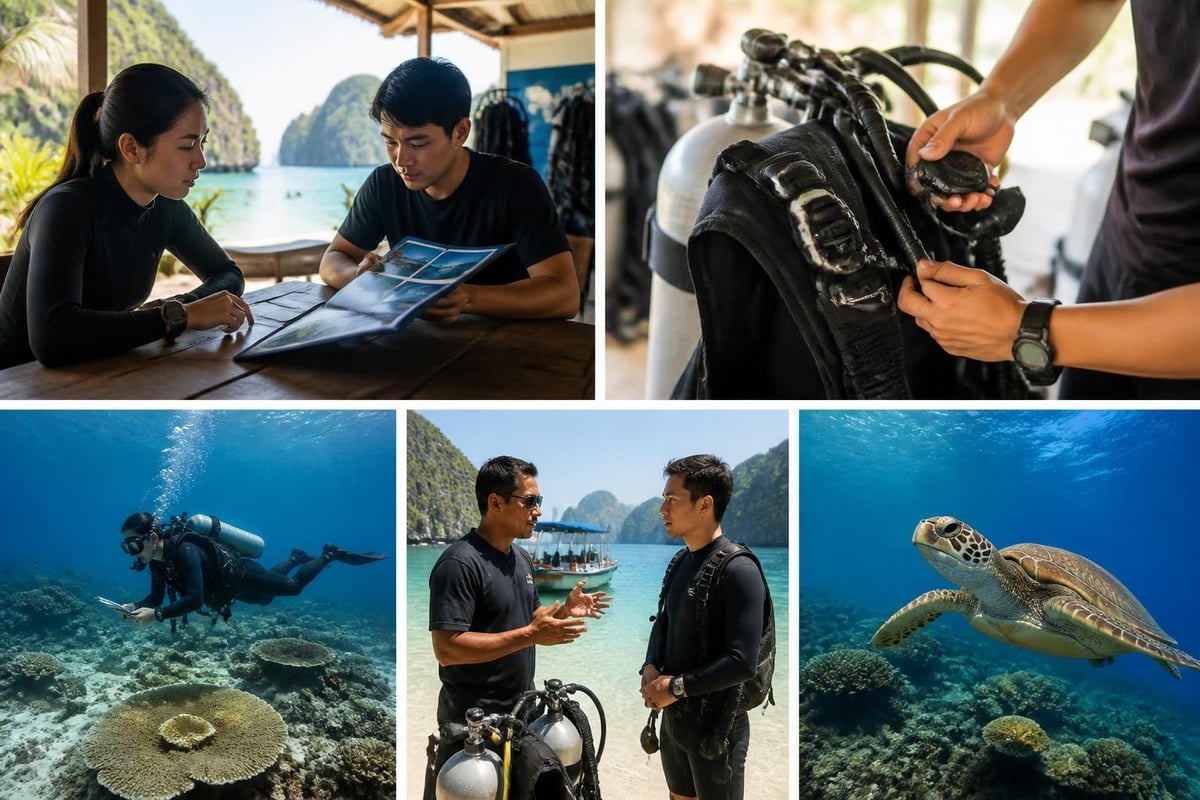
Research thoroughly using multiple sources: operator websites, dive magazines, online forums, and social media groups. Cross-reference information to separate outdated advice from current conditions.
Verify certification requirements before traveling. Some advanced scuba sites mandate minimum certification levels or logged dives. Arriving unprepared for requirements wastes valuable vacation time.
Pack appropriate equipment based on specific site conditions. If you're unsure about gear needs, contact operators directly. They can advise on wetsuit thickness, whether you need reef hooks, and what photography equipment suits local conditions.
Consider refresher training if significant time has passed since your last dive. Skills deteriorate with inactivity, and challenging new sites aren't ideal places to rebuild confidence.
Build a realistic schedule allowing adequate surface intervals and rest. Ambitious divers sometimes pack too many dives into short trips, increasing fatigue and decompression risk. Quality trumps quantity when exploring new scuba sites.
Understanding what makes exceptional scuba sites helps you choose destinations that match your skills, interests, and diving goals. Whether you're seeking vibrant coral gardens in shallow bays or dramatic walls dropping into the deep, knowing how to evaluate locations ensures rewarding underwater experiences. Palawan Diving provides access to El Nido's world-class dive sites with experienced guides, well-maintained equipment, and personalized service for both beginners and advanced divers. Contact us to start planning your next Philippine diving adventure.