Choosing a dive operator can feel overwhelming, especially in a destination as spectacular as Palawan. The difference between a mediocre dive and an extraordinary underwater experience often comes down to the professionalism, safety standards, and local knowledge of the team guiding you. Whether you're planning your first dive or your hundredth, understanding what makes dive operators truly excellent helps you make informed decisions that protect both your safety and your investment in unforgettable marine adventures.
What Dive Operators Actually Do
Dive operators are the backbone of recreational scuba diving worldwide. They coordinate every aspect of the diving experience, from equipment maintenance and boat logistics to dive site selection and safety protocols.
Core Responsibilities and Services
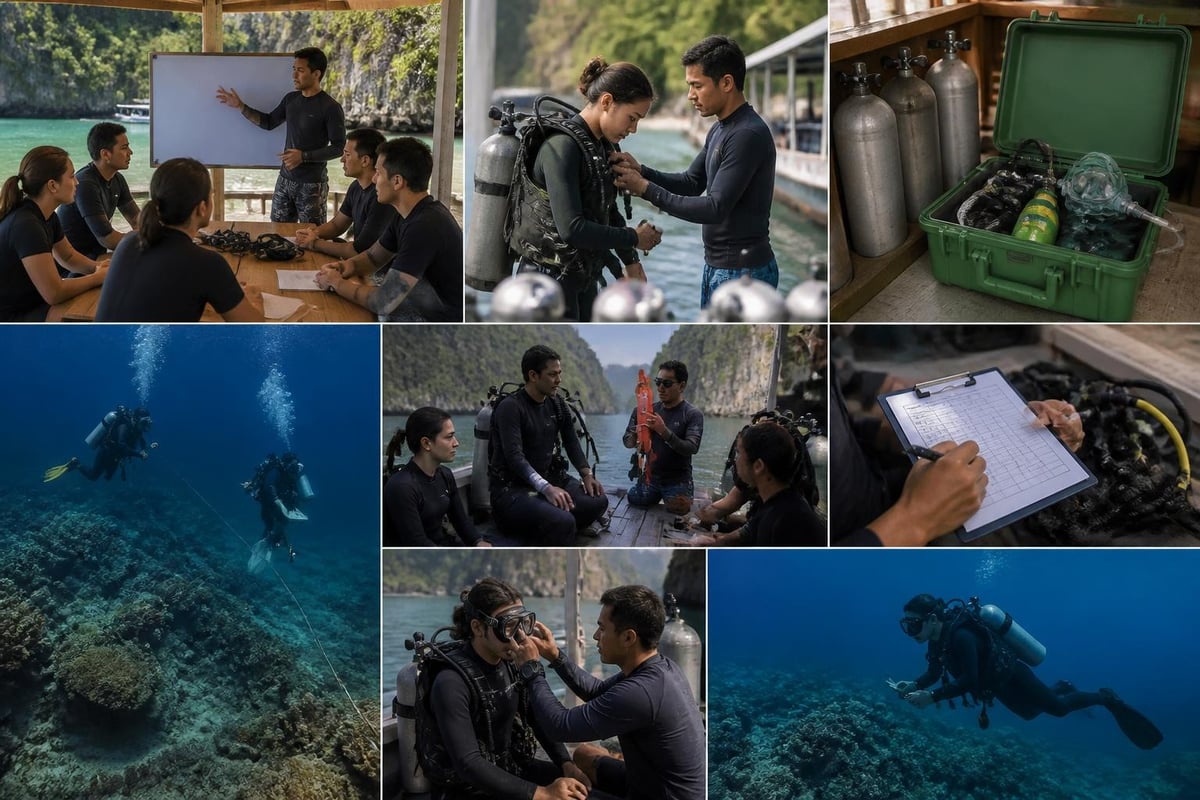
Professional dive operators manage far more than just getting you in the water. They maintain life-support equipment, train new divers, guide certified divers to appropriate sites, and implement comprehensive safety systems.
A quality operator typically provides:
- Rental equipment that's regularly serviced and safety-checked
- Certified instructors and divemasters with current qualifications
- Daily boat operations and site briefings
- Emergency oxygen and first aid equipment
- Insurance coverage and emergency action plans
The logistics behind each dive trip involve detailed planning. Operators assess weather conditions, monitor currents, coordinate with marine park authorities, and adjust itineraries based on real-time conditions. This background work remains invisible to most divers but makes the difference between smooth operations and chaotic experiences.
Training and Certification Programs
Beyond daily dive trips, many operators serve as PADI, SSI, or other certification agency training facilities. They transform curious beginners into confident certified divers through structured courses. The Open Water Diver Course remains the foundation of recreational diving, and the quality of instruction varies significantly between operators.
Instructor-to-student ratios matter enormously during training. Smaller groups allow personalized attention, slower pacing for nervous students, and better skill development. Experienced operators understand that rushing courses compromises both learning and safety.
Safety Standards That Separate Professionals from Pretenders
Safety distinguishes excellent dive operators from those cutting corners. In Palawan's remote diving locations, where medical facilities may be hours away, robust safety protocols become even more critical.
Risk Management and Emergency Preparedness
Professional operators implement Hazard Identification and Risk Assessment (HIRA) programs designed specifically for diving operations. These systematic approaches identify potential hazards, evaluate risks, and establish control measures.
| Safety Component | What to Look For | Why It Matters |
|---|---|---|
| Emergency oxygen | On every boat, regularly serviced | First treatment for DCS and near-drowning |
| First aid training | All guides certified in DAN/PADI emergency care | Immediate response capability |
| Emergency action plan | Written protocols, posted visibly | Clear procedures under stress |
| Communication systems | Marine radio, mobile coverage, backup systems | Contact with emergency services |
| Insurance coverage | Dive accident and evacuation coverage | Financial protection during emergencies |
The Divers Alert Network provides operational safety resources that reputable operators use to build comprehensive safety management systems. Ask potential operators about their emergency protocols. Vague answers or defensiveness suggest inadequate preparation.
Equipment Maintenance and Standards
Well-maintained equipment prevents most diving accidents. Professional dive operators follow manufacturer service intervals, maintain detailed service logs, and retire gear before it becomes unreliable.
Red flags in equipment management:
- Regulators that breathe wet or require excessive effort
- BCDs with slow inflation or stubborn deflation
- Tanks with visible rust or out-of-date hydrostatic testing
- Rental gear with missing or damaged parts
- Unwillingness to switch out equipment when problems arise
During your first visit, inspect the dive center's compressor room and equipment storage. Clean, organized facilities with visible maintenance schedules indicate professional operations. Chaotic storage and grimy equipment suggest corner-cutting that extends beyond housekeeping.
Environmental Responsibility and Conservation
The diving industry depends entirely on healthy marine ecosystems. Progressive dive operators recognize their role as environmental stewards and actively work to protect the reefs they profit from.
Sustainable Diving Practices
Research on recreational diving impacts demonstrates that operator behavior significantly influences diver conduct and reef health. Operators committed to conservation implement briefings about proper buoyancy, prohibit reef contact, limit group sizes, and choose mooring systems over anchor drops.
In El Nido, responsible operators work within the carrying capacity of popular dive sites, rotating locations to prevent overuse. They educate divers about the role of diving in marine conservation and sustainable development, creating advocates rather than just consumers.
Community and Economic Impact
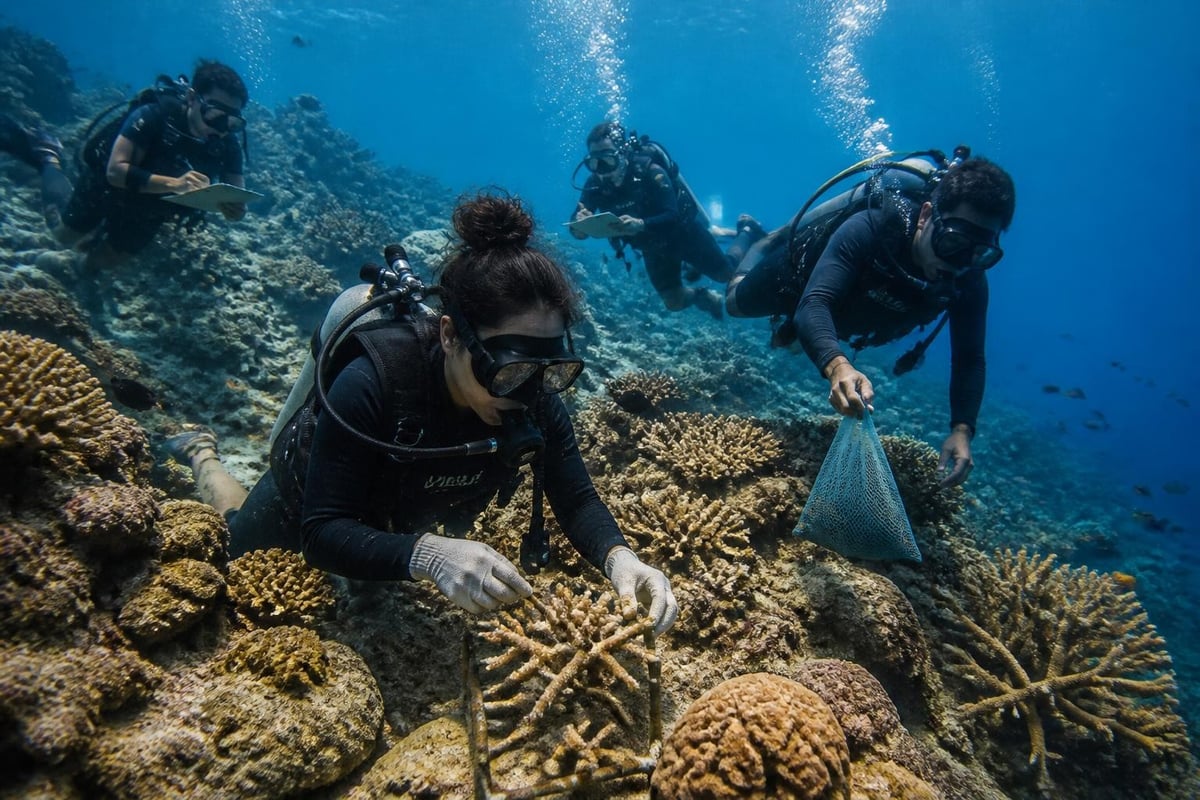
Quality dive operators invest in their local communities. They employ local guides, support marine protected area management, participate in reef restoration projects, and contribute to sustainable tourism development.
Ask about an operator's environmental initiatives. Genuine programs include coral restoration participation, beach cleanups, marine debris removal during dives, and partnerships with conservation organizations. Marketing claims without visible action suggest greenwashing.
What to Evaluate Before Booking
Researching dive operators before booking protects your safety, budget, and vacation enjoyment. Several key factors help distinguish professional operations from amateur outfits.
Certifications and Affiliations
Reputable dive operators maintain current affiliations with recognized training agencies. PADI, SSI, NAUI, and similar organizations require member facilities to meet operational standards, maintain instructor certifications, and carry appropriate insurance.
Verify the operator maintains:
- Current training agency membership with facility number
- Professional liability and dive accident insurance
- Business permits and local operating licenses
- Instructor and guide certifications (check expiration dates)
- Membership in professional associations like DAN
These credentials don't guarantee excellence but establish minimum competency. Operators without verifiable certifications should raise immediate concerns.
Reviews and Reputation
Online reviews offer valuable insights but require critical evaluation. Look for patterns rather than isolated incidents. Consistent complaints about safety, equipment quality, or guide behavior indicate systemic problems.
Useful review indicators:
- Specific details about dive sites, conditions, and marine life
- Comments about safety briefings and emergency equipment
- Mentions of instructor patience and teaching quality
- Discussion of equipment condition and availability
- Feedback about boat facilities and trip organization
Generic five-star reviews with minimal detail may indicate fake reviews. Balanced three- and four-star reviews often provide the most honest assessment.
Pricing and Value
The cheapest dive operator rarely offers the best value. Rock-bottom prices typically indicate compromises in safety equipment, guide experience, boat quality, or group sizes. Diving involves inherent risks that require professional management, and that professionalism costs money.
Compare what's included in quoted prices. Some operators bundle equipment, marine park fees, and refreshments, while others charge separately for everything. Total cost matters more than advertised rates.
| Price Component | Typically Included | Often Extra Cost |
|---|---|---|
| Guide services | Always | Rarely |
| Boat and fuel | Always | Rarely |
| Weights and weight belt | Usually | Sometimes |
| Full equipment rental | Sometimes | Often |
| Marine park fees | Sometimes | Often |
| Lunch and drinks | Sometimes | Sometimes |
| Nitrox fills | Rarely | Usually |
Specialized Services and Advanced Offerings
Experienced divers often need operators with capabilities beyond basic recreational diving. Advanced services indicate technical competence and commitment to diverse diver needs.
Technical and Extended Range Diving
Operators offering technical diving, rebreather support, or extended range programs demonstrate advanced capabilities. These services require specialized training, equipment, and knowledge that exceed recreational standards.
Technical operations in El Nido remain limited but growing. Deeper sites around Palawan's northern islands attract advanced divers seeking walls, wrecks, and less-visited reefs beyond recreational limits.
Customized Private Charters
Private charters allow experienced divers to customize itineraries, dive profiles, and schedules. Rather than following set routes with mixed-ability groups, private diving charters provide dedicated boats and guides focused entirely on your group's preferences.
Benefits include flexible departure times, longer surface intervals at preferred sites, photography-focused diving, and the ability to adjust plans based on conditions or interests. For serious diving holidays, private options often provide better value despite higher upfront costs.
Training Progression and Continuing Education
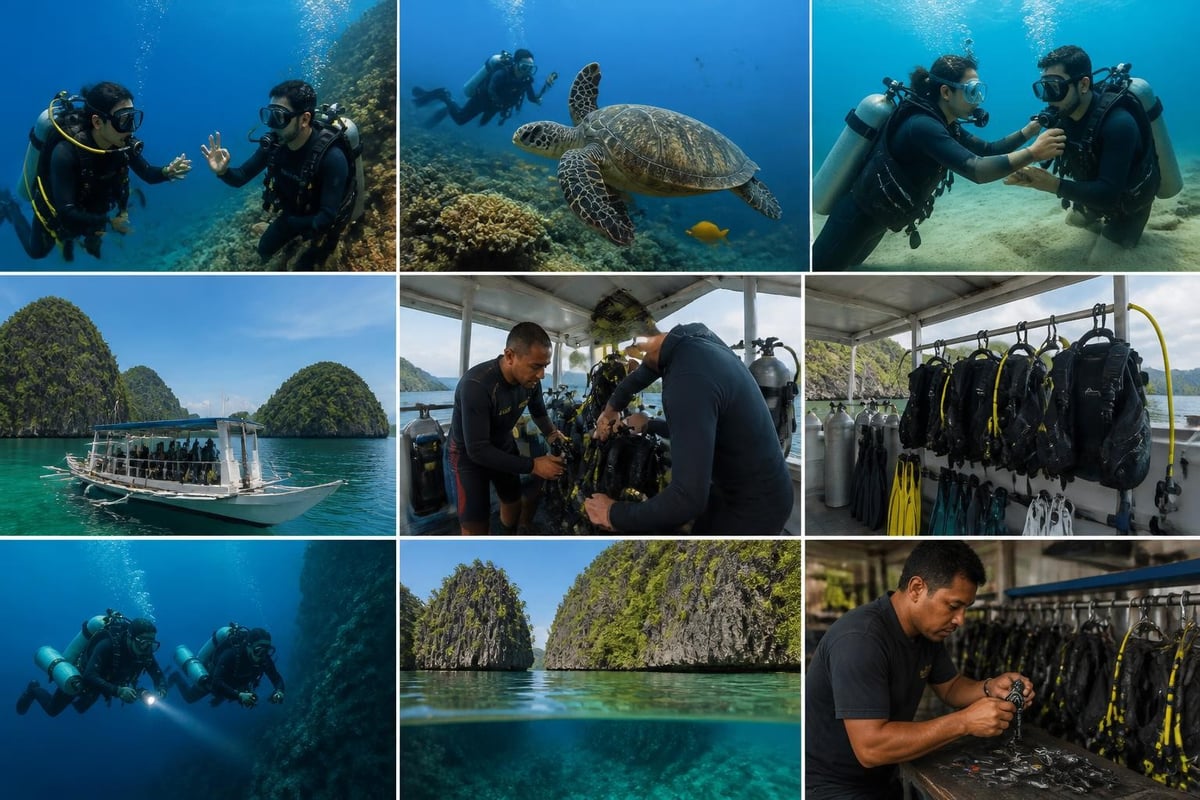
Strong dive operators support continuing education beyond entry-level certifications. They offer specialty courses, rescue training, divemaster programs, and instructor development.
For visitors to El Nido wanting to maximize their skills, the Advanced Open Water Course builds confidence through deep diving, navigation, and specialty adventure dives. Operators with comprehensive training programs demonstrate commitment to diver development rather than just selling daily trips.
The El Nido Diving Context
El Nido's diving landscape includes everything from simple house reefs suitable for beginners to challenging drift dives and deep walls for advanced divers. Local dive operators navigate seasonal weather patterns, varying visibility, and occasional strong currents.
What Makes El Nido Operations Unique
The best operators in this region combine international safety standards with intimate local knowledge. They understand seasonal fish aggregations, know which sites work in different wind conditions, and maintain relationships with Barangay authorities managing marine protected areas.
Small-scale operations dominate El Nido's diving scene. This creates opportunities for personalized service but also means equipment selection may be more limited than in major diving hubs. Operators often know regular customers by name and remember their preferences, certification levels, and comfort in different conditions.
Integration with Accommodation
Staying near your dive operator eliminates transportation hassles and maximizes diving time. The El Nido Dive & Stay Package combines beachfront accommodation with diving operations at a single location, allowing you to wake up, have breakfast, and step directly onto the dive boat without rushing across town.
This integration works particularly well for dive-focused holidays where you plan multiple days in the water. Morning departures happen smoothly when you're already at the departure point, and between dives you can relax at your accommodation rather than killing time in town.
Staff Experience and Local Knowledge
The guides and instructors are the heart of any dive operation. Their knowledge, experience, and professionalism determine your actual underwater experience regardless of the operator's marketing materials.
Guide Qualifications and Experience
Ask about guide qualifications beyond basic certification. How long have they worked locally? How many dives have they logged? What's their emergency response training?
Experienced guides provide:
- Confident navigation even in limited visibility
- Knowledge of seasonal marine life patterns
- Ability to spot cryptic creatures and rare species
- Understanding of individual diver needs and comfort levels
- Calm, effective problem-solving during unexpected situations
New guides following experienced divemasters often lead groups competently but lack the nuanced local knowledge that transforms good dives into exceptional experiences. This isn't necessarily problematic, but understanding your guide's background helps set appropriate expectations.
Communication and Briefing Quality
Pre-dive briefings reveal operator professionalism. Thorough briefings cover the dive plan, maximum depth, expected conditions, marine life to watch for, potential hazards, and emergency procedures.
Rushed or minimal briefings suggest the operator views safety protocols as bureaucratic requirements rather than essential communication. Guides should encourage questions and adjust plans based on group experience and comfort.
Making Your Choice
Selecting dive operators involves balancing multiple factors: safety, cost, convenience, environmental practices, and service quality. Perfect operators don't exist, but understanding priorities helps identify the best fit for your needs.
For first-time divers, patient instruction and small group sizes matter most. The Discover Scuba Diving program offers a low-pressure introduction to breathing underwater, and choosing an operator focused on education rather than rushing through orientation makes this first experience positive rather than stressful.
Returning divers after breaks from the water benefit from operators offering refresher programs that rebuild confidence and review skills in controlled conditions before heading to dive sites. Rushing back into advanced diving after years away increases risk and reduces enjoyment.
Trust Your Instincts
Sometimes gut feeling matters. If an operation feels disorganized, if staff seem dismissive of safety questions, or if equipment appears poorly maintained, trust your concerns. Plenty of professional operators exist, and no single dive site is worth compromising your safety.
Visit facilities before committing to multi-day packages. Observe how staff interact with current customers, inspect rental equipment, and ask detailed questions about emergency protocols. Professional operators welcome informed questions and provide detailed, confident answers.
Choosing quality dive operators protects your safety and maximizes your underwater experience, particularly in remote destinations where backup support may be limited. Whether you're planning your first dive or your hundredth, the professionalism and local expertise of your chosen operator makes all the difference. Ready to explore El Nido's spectacular underwater world with experienced professionals? Palawan Diving offers comprehensive diving services with certified instructors, well-maintained equipment, and intimate knowledge of the region's best dive sites. Start planning your Palawan diving adventure today.