Coron Palawan diving stands among the world's most celebrated underwater destinations, drawing divers from across the globe to explore its legendary Japanese shipwrecks, pristine coral gardens, and surprisingly diverse marine life. Located in the northern reaches of Palawan province, Coron offers something genuinely different from the typical tropical dive destination. The combination of sheltered bays, nutrient-rich waters, and historical artifacts creates an underwater landscape unlike anywhere else in Southeast Asia. Whether you're planning your first wreck penetration or seeking out rare marine species, understanding what makes Coron special helps you make the most of your diving adventure in this remarkable corner of the Philippines.
Why Coron Palawan Diving Is Famous Worldwide
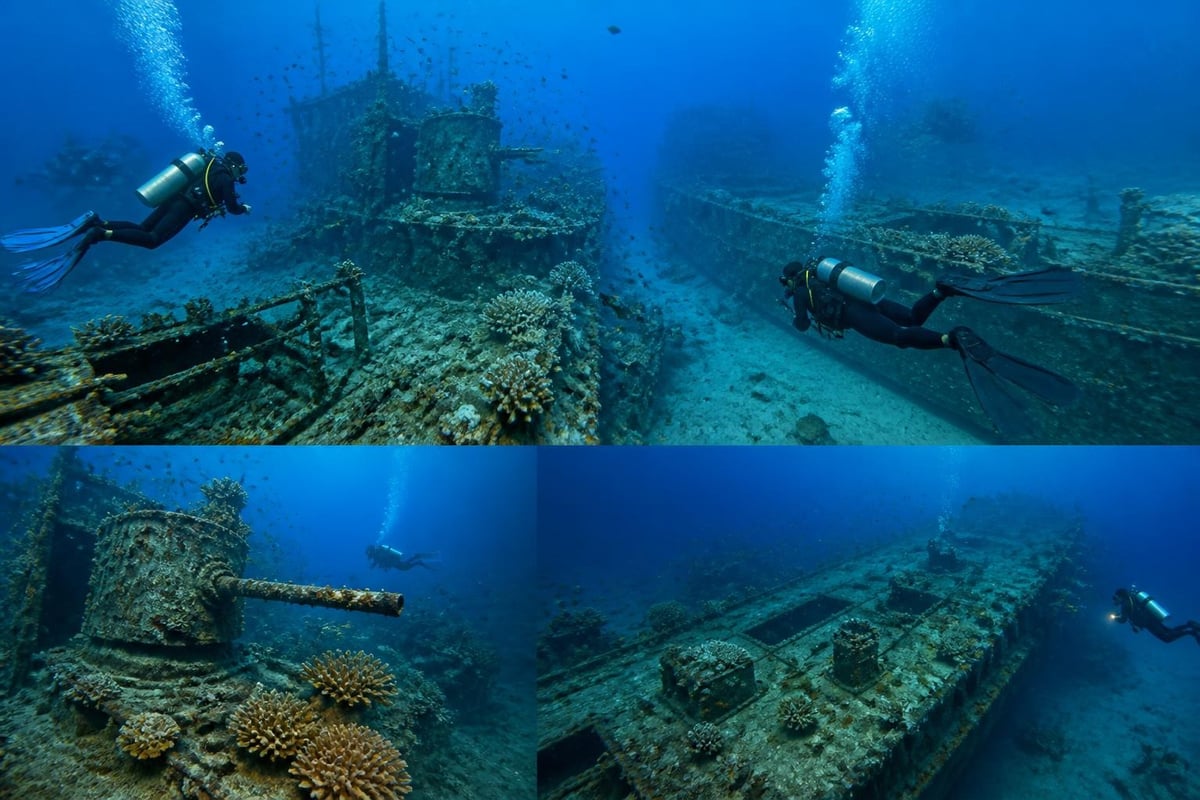
The Coron wreck sites earned their legendary status on September 24, 1944, when American dive bombers sank a Japanese supply fleet hiding in the bay. Twelve vessels now rest on the seafloor, creating artificial reefs that have evolved over eight decades into thriving marine ecosystems.
These aren't just dive sites. They're war graves, historical monuments, and living reefs all at once. The National Museum of the Philippines recognizes their heritage value and works to protect them as underwater cultural property.
What makes these wrecks exceptional for divers:
- Shallow depths (12-40 meters) accessible to most certification levels
- Excellent visibility averaging 15-25 meters
- Intact structures including cargo holds, engine rooms, and artifacts
- Soft coral coverage transforming metal hulls into living gardens
- Safe penetration opportunities with natural light throughout
Beyond the wrecks, Coron's reef systems surprise many first-time visitors. The region sits in the Coral Triangle biodiversity hotspot, supporting exceptional species diversity despite lying outside the typical Visayan reef zone. Healthy hard coral gardens, dramatic walls, and unique ecosystems like seagrass beds and mangrove channels create varied diving that keeps underwater photographers busy for weeks.
The Iconic Coron Wreck Sites
| Wreck Name | Max Depth | Difficulty | Highlights |
|---|---|---|---|
| Okikawa Maru | 26m | Beginner-Intermediate | Engine room, intact cargo, easy penetration |
| Irako | 42m | Advanced | Deepest wreck, pristine condition, technical challenges |
| Akitsushima | 38m | Advanced | Seaplane crane, large structure, good visibility |
| Kogyo Maru | 34m | Intermediate | Multiple decks, artifacts, soft corals |
| Olympia Maru | 25m | Beginner-Intermediate | Shallowest wreck, great for training |
| Tangat Wreck | 18m | Beginner | Perfect first wreck dive, abundant fish life |
The Okikawa Maru remains the most dived wreck in Coron Palawan diving itineraries. At just 26 meters maximum depth, certified Open Water divers can explore the cargo holds filled with construction materials, navigate the engine room with light streaming through openings, and observe lionfish hunting among the machinery.
Planning Your Wreck Dives
The Irako and Akitsushima challenge even experienced wreck divers. These deeper sites demand excellent buoyancy control, proper training in wreck penetration, and often nitrox certification to maximize bottom time safely. Current can pick up around the larger structures, and thermoclines occasionally drop temperatures by several degrees below 30 meters.
Most dive operators run dedicated wreck days, visiting 2-3 sites depending on certification levels and experience. Surface intervals between dives happen aboard the boat or at nearby beaches, with lunch typically included in full-day charters.
Essential wreck diving preparation:
- Review overhead environment procedures before arrival
- Ensure your buoyancy skills are sharp (silty interiors punish poor control)
- Bring a reliable primary dive light and backup
- Consider enriched air nitrox for deeper wrecks
- Respect the sites as protected heritage locations
Reef Diving and Marine Biodiversity
Coron's reef systems receive less attention than the wrecks but offer equally rewarding diving. The limestone karst geography creates dramatic underwater topography with walls, swim-throughs, and caverns that rival any destination in Palawan.
Barracuda Lake stands out as one of the planet's most unusual dive sites. Freshwater overlays saltwater, creating distinct thermocline layers where temperatures shift dramatically within centimeters. The halocline distorts vision with shimmering effects as water densities mix. While technically a lake dive rather than ocean diving, it's included in most Coron Palawan diving packages for its unique conditions.
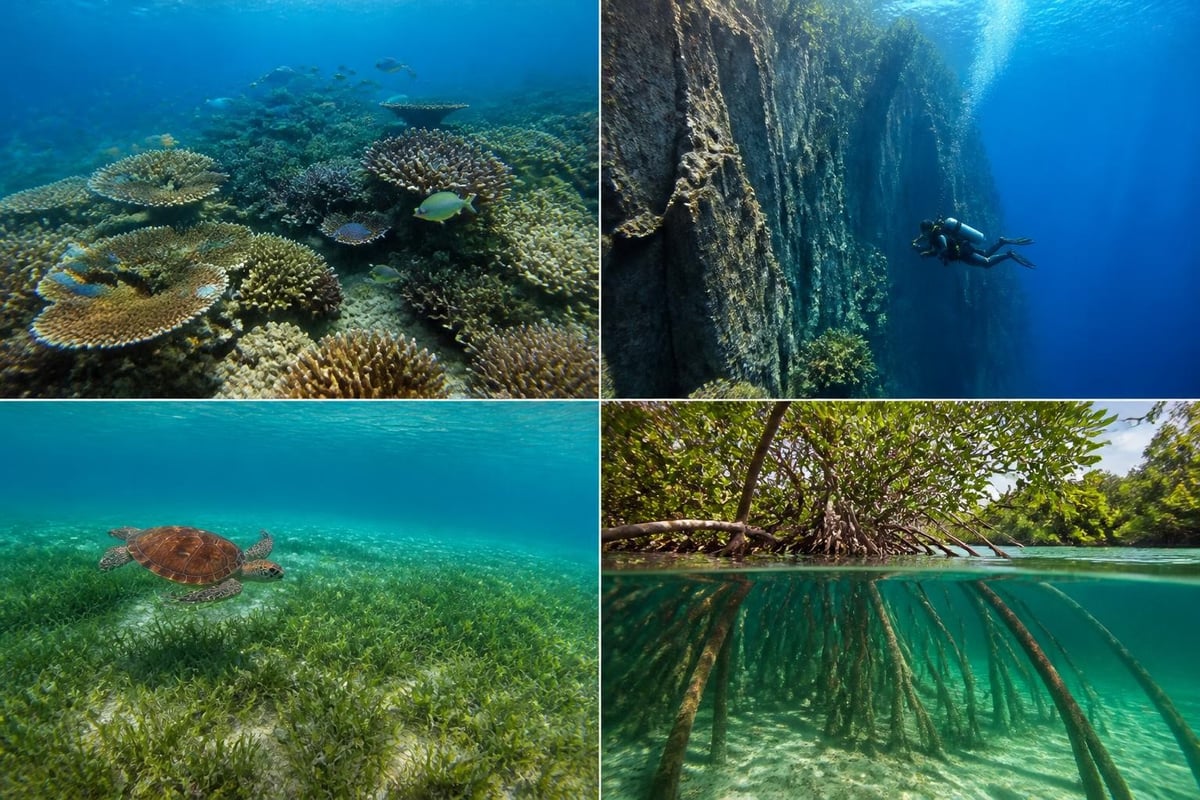
Siete Pecados Marine Park protects seven small limestone islands surrounded by healthy coral gardens. Shallow depths (5-15 meters) make it ideal for beginners, snorkelers, and checkout dives during certification courses. The coral coverage remains impressive, with table corals, branching species, and massive brain corals creating structure for reef fish populations.
What Marine Life to Expect
Coron doesn't offer the megafauna encounters found around Tubbataha or Apo Reef, but patient divers find plenty to photograph:
- Resident schools of batfish, fusiliers, and jacks
- Healthy populations of groupers and snappers around wrecks
- Occasional turtle sightings on deeper reef walls
- Nudibranchs, flatworms, and macro subjects in coral rubble
- Lionfish, scorpionfish, and frogfish for photographers
- Squid and cuttlefish during night dives
- Juvenile sharks and rays in seagrass beds
The Palawan Council for Sustainable Development monitors reef health and works with local communities to maintain marine protected areas. Conservation efforts show positive results, with coral cover stable or increasing at many monitored sites.
Practical Diving Logistics in Coron
Most Coron diving happens from the town of Coron on Busuanga Island. The compact waterfront area concentrates dive shops, accommodation, restaurants, and travel services within walking distance of the main pier.
Daily dive schedules typically follow this pattern:
- 7:00 AM – Boat departure from town pier
- 8:00 AM – First dive (usually a wreck)
- 10:30 AM – Surface interval and snacks
- 11:30 AM – Second dive (reef or another wreck)
- 1:00 PM – Lunch on the boat or beach
- 3:00 PM – Return to Coron town
Three-dive days are possible with early starts. Night diving requires separate arrangements, often diving the wrecks closer to town under lights.
Seasons and Conditions
Coron Palawan diving operates year-round, though conditions vary with the monsoon patterns affecting all of Palawan.
Dry season (November–May) brings the calmest seas, best visibility, and most reliable weather. March through May can be hot and flat calm, with surface temperatures reaching 32°C. Underwater temperatures stay comfortable at 27-29°C year-round.
Wet season (June–October) sees more rain and occasional typhoons, though diving continues most days. September and October historically bring the highest storm risk. Visibility may drop during heavy rain as rivers discharge into the bays, but the wrecks maintain good clarity even when reefs turn murky.
| Month | Visibility | Sea Conditions | Air Temp | Water Temp |
|---|---|---|---|---|
| Nov–Feb | Excellent (20-30m) | Calm | 25-28°C | 27-28°C |
| Mar–May | Very Good (15-25m) | Very Calm | 28-32°C | 28-29°C |
| Jun–Aug | Good (12-20m) | Moderate | 26-30°C | 27-28°C |
| Sep–Oct | Fair (10-18m) | Variable | 25-29°C | 27-28°C |
Getting to Coron from El Nido
Many divers combine Coron with El Nido diving, creating a comprehensive Palawan diving trip. The journey between these two destinations requires planning, as no direct ferry service connects them.
Route options include:
- Fast ferry to Manila, then flight to Busuanga – Most reliable but expensive and time-consuming
- Private boat charter – Expensive but direct for groups
- Overland to Taytay, then boat – Budget option requiring multiple transfers
- Return to Puerto Princesa and fly – Often the most practical choice
The lack of easy connectivity means most divers choose one destination per trip. If you're based in El Nido and curious about Coron, consider dedicating a future trip specifically to the wrecks rather than rushing between locations.
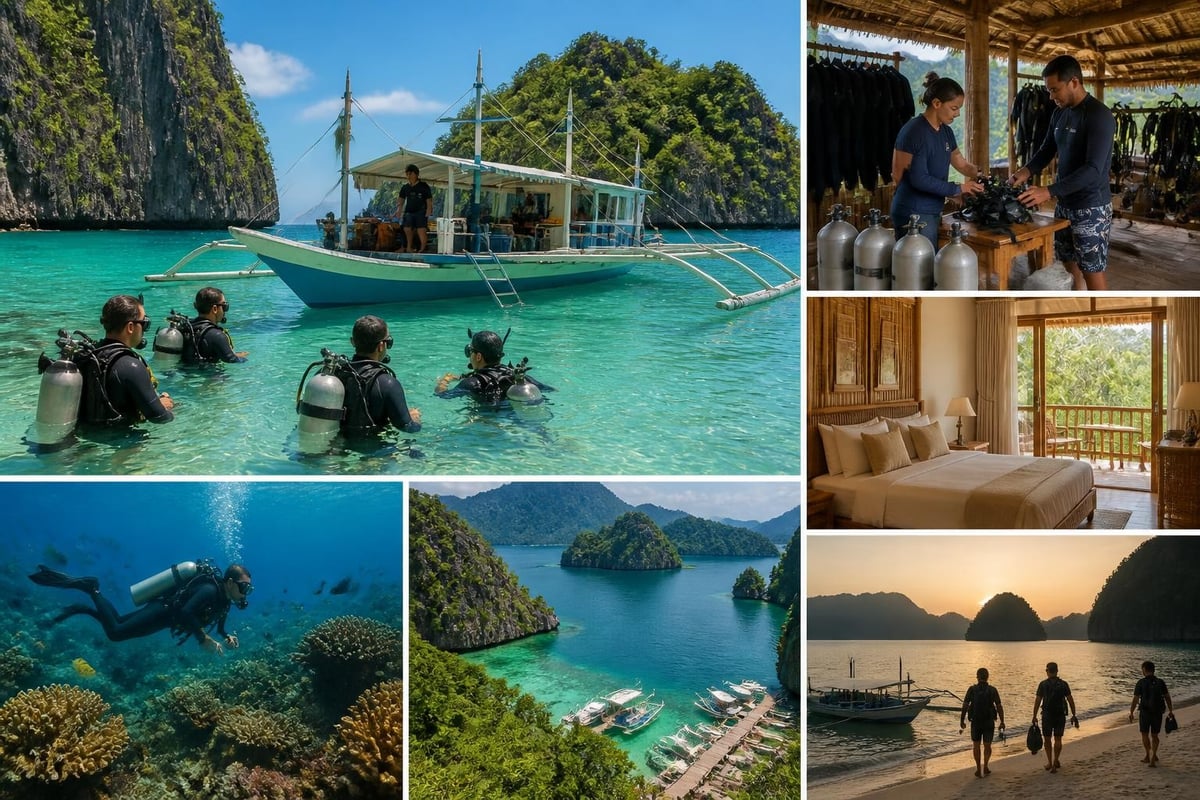
El Nido itself offers world-class diving that deserves proper attention. Palawan Diving operates comprehensive dive programs from El Nido, providing an excellent base for exploring northern Palawan's underwater environments before potentially venturing to Coron on a return visit.
Certification and Training Considerations
Coron Palawan diving welcomes all certification levels, though deeper wrecks demand proper training. Understanding which sites match your qualification level helps you plan realistic itineraries and avoid disappointment.
Open Water Divers can explore:
- Tangat Wreck
- Okikawa Maru (with experienced guides)
- Olympia Maru
- Siete Pecados reefs
- Barracuda Lake
- CYC Beach House Reef
Advanced Open Water opens access to:
- Kogyo Maru
- Morazan Maru
- East Tangat Gunboat
- Deeper reef walls
- More complex swim-throughs
Deep and Wreck specialty training enables:
- Irako (42m)
- Akitsushima (38m)
- Complex penetrations with proper equipment
- Extended bottom time with nitrox
Consider completing specialty training before your trip rather than using Coron dive time for courses. The University of the Philippines Marine Science Institute documents the ecological value of these sites, reminding us that visiting them carries responsibility for proper training and conservative diving practices.
If you're newer to diving or want to build skills before tackling wrecks, starting with El Nido's reef systems provides excellent preparation. The varied topography and marine life help divers develop buoyancy control, navigation skills, and comfort underwater before attempting more challenging wreck penetrations.
Combining Coron with Broader Palawan Diving
The Philippines' diving diversity means no single destination shows you everything. Coron excels at wreck diving and unusual geology, but lacks the pristine coral walls and pelagic action found elsewhere in Palawan.
Coron strengths:
- WWII wrecks unmatched anywhere globally
- Unique freshwater/saltwater mixing zones
- Good macro photography opportunities
- Sheltered conditions year-round
El Nido advantages:
- Dramatic limestone topography above and below water
- Healthier coral systems in many locations
- Better turtle encounter probability
- More varied reef structures
- Easier access to accommodation and services
Serious divers exploring Palawan eventually visit both destinations. The experiences complement rather than duplicate each other. Dive Magazine’s comprehensive coverage of Coron's wrecks highlights why this remains a must-dive destination despite requiring extra travel effort.
Planning a Multi-Destination Dive Trip
If you're designing a broader Philippines diving adventure, consider this approach:
- Base in El Nido for reef diving, skills development, and easy logistics
- Dedicate 4-5 days to Coron specifically for wreck diving
- Add Tubbataha if visiting during March-June season (liveaboard required)
- Include Puerto Galera or Anilao for macro photography and training
This structure builds skills progressively while experiencing Palawan's range of underwater environments. Starting with El Nido's accessible reefs, then tackling Coron's wrecks with improved skills, creates a logical progression for advancing divers.
Environmental and Cultural Considerations
Coron Palawan diving takes place in waters deeply important to local communities and national heritage. The Tagbanua people hold ancestral domain over much of Coron Island and the surrounding seas, practicing traditional fishing and resource management that predates modern conservation by centuries.
Responsible diving here means:
- Never touching or removing artifacts from wrecks
- Maintaining perfect buoyancy to avoid damaging coral on wrecks and reefs
- Following local guidelines about restricted areas and protected sites
- Supporting dive operators who employ local staff and contribute to communities
- Understanding these are war graves deserving respectful behavior
The Malampaya Foundation supports marine conservation projects throughout Palawan, including giant clam restoration and marine protected area development. Their work demonstrates how diving tourism, when managed properly, can fund conservation rather than degrade environments.
Protecting the Sites for Future Divers
Coron's wrecks show remarkably good preservation after eight decades underwater, but they're not indestructible. Careless fin kicks, grabbing metal to steady yourself, and stirring up silt all contribute to gradual degradation.
Photography often drives poor behavior underwater. Getting the perfect shot doesn't justify damaging the environment or disturbing marine life. The best underwater photographers demonstrate excellent buoyancy and patience, waiting for natural behavior rather than forcing interactions.
Beyond Diving in Coron
Surface intervals and non-diving days in Coron offer plenty of activities. The limestone karst geography that creates dramatic underwater topography also produces spectacular above-water scenery.
Popular surface activities include:
- Kayaking through hidden lagoons and mangrove channels
- Island hopping to pristine beaches and snorkeling sites
- Hiking to viewpoints overlooking Coron Bay
- Soaking in Maquinit Hot Springs after diving
- Exploring Coron town's local markets and restaurants
- Photography walks during golden hour along the waterfront
National Geographic highlights Coron’s island-hopping appeal alongside its diving, recognizing the destination's broader natural beauty beyond underwater attractions.
Many divers bring non-diving partners who enjoy snorkeling, kayaking, and beach time while divers explore the wrecks. The compact geography makes this practical, as most activities happen within short boat rides from town.
Making the Most of Your Coron Diving Adventure
Successful Coron Palawan diving trips share common elements. Divers who do their homework, set realistic expectations, and bring appropriate skills have consistently better experiences than those who arrive unprepared.
Pre-trip preparation checklist:
- Verify your certification allows access to sites you want to dive
- Review wreck diving skills if you haven't penetrated overhead environments recently
- Service your gear or arrange reliable rentals in advance
- Book accommodation near dive shops for easy morning departures
- Allow flexible dates in case weather delays diving
- Bring proper underwater lighting for wreck interiors
- Download offline maps as mobile data can be limited
The compact size of Coron town means most dive operators, hotels, and restaurants cluster within a small waterfront area. This convenience makes logistics simpler than in more spread-out destinations.
Consider spending at least four full diving days in Coron to properly experience both the major wrecks and reef sites. Rushing through in two days means missing half of what makes this destination special. The wrecks alone could occupy a week for photographers and wreck diving enthusiasts.
Coron Palawan diving delivers genuinely unique underwater experiences that justify the journey to this northern Palawan destination, combining world-class wreck diving with surprising reef biodiversity and unusual geological features. Whether you're drawn by the legendary Japanese shipwrecks, curious about the diverse marine ecosystems, or seeking to expand your wreck diving experience, Coron rewards divers who arrive properly prepared and certified. If you're planning a comprehensive Palawan diving adventure and want to start with exceptional reef diving before tackling Coron's wrecks, Palawan Diving offers complete dive programs, PADI training, and private charters from El Nido that build the skills and confidence you'll need for more advanced wreck exploration.