Choosing your next underwater adventure from countless scuba destinations around the world can feel overwhelming. Each location offers something different, from spectacular coral gardens and dramatic wall dives to encounters with pelagic species and unusual marine life. Understanding what makes certain destinations stand out helps you plan trips that match your experience level, interests, and the kind of diving that excites you most. Whether you're after warm tropical reefs, challenging drift dives, or rare marine encounters, knowing what to look for transforms a good dive trip into an unforgettable experience.
What Makes a Great Scuba Destination
The best scuba destinations share certain characteristics that set them apart. Visibility matters significantly-clear water lets you appreciate reef structures, spot distant marine life, and capture better underwater photographs. Water temperature affects comfort and the marine species you'll encounter, with tropical regions offering year-round warmth while temperate waters host different ecosystems.
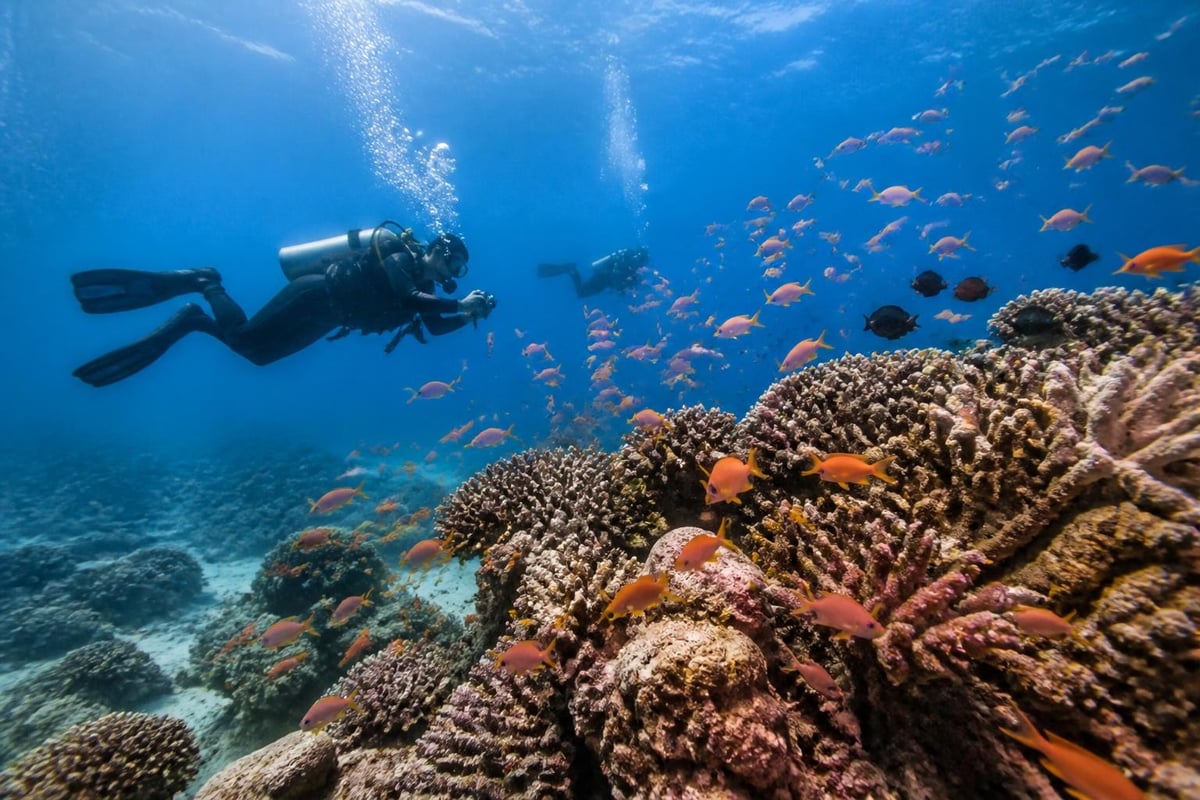
Marine biodiversity ranks among the most important factors. Destinations within the Coral Triangle-including the Philippines, Indonesia, and Malaysia-support exceptional species diversity. These regions sit at the epicenter of marine life variety, with reefs hosting thousands of fish species, abundant invertebrates, and healthy coral coverage.
Accessibility and Infrastructure
Practical considerations shape your diving experience as much as underwater conditions. Transportation to remote scuba destinations may require multiple flights, boat transfers, and significant travel time. Island locations like El Nido in Palawan balance accessibility with pristine conditions, offering direct flights from Manila and established dive infrastructure without the crowds found at more commercial destinations.
- Dive operators: Professional staff, well-maintained equipment, safety protocols
- Boat quality: Comfortable dive boats, shade, freshwater rinses, camera tables
- Group sizes: Smaller groups mean more personalized attention and better diving
- Medical facilities: Proximity to recompression chambers and emergency services
- Accommodation: Range of options from budget to luxury beachfront stays
Top Scuba Destinations by Region
Southeast Asia: The Coral Triangle
The Coral Triangle represents the world's richest marine ecosystem, containing 76% of all known coral species and more than 3,000 fish species. This region stretches from the Philippines through Indonesia to Papua New Guinea, creating a vast underwater paradise for divers.
Palawan stands out within this biodiversity hotspot. The province combines healthy reef systems, manageable currents for most skill levels, and dramatic underwater topography. El Nido's Bacuit Bay features limestone walls dropping into deep water, creating habitat for everything from tiny nudibranchs to passing turtles and occasional reef sharks.
The Philippines offers incredible variety across its 7,000 islands. From the macro life of Anilao to the thresher sharks of Malapascua, different regions cater to different diving interests. What makes Palawan particularly special is the combination of biodiversity and relatively light diving pressure compared to more developed destinations.
| Destination | Best For | Season | Experience Level |
|---|---|---|---|
| El Nido, Palawan | Reef diversity, walls, beginners to advanced | November–May | All levels |
| Tubbataha Reef | Pelagics, pristine reefs, liveaboards | March–June | Advanced |
| Coron | Wreck diving, reef diving | November–May | Intermediate+ |
| Anilao | Macro photography, muck diving | November–May | All levels |
The Maldives: Atoll Diving
The Maldives scattered across the Indian Ocean presents a different style of diving centered on atolls, channels, and oceanic species. Strong currents funnel through narrow passages between atolls, attracting manta rays, sharks, and schooling fish. Lonely Planet’s Maldives diving guide highlights the seasonal patterns that affect marine life encounters.
Divers here typically choose liveaboard trips to access remote atolls and maximize bottom time. The consistent warm water, excellent visibility, and luxury resort options make the Maldives popular with honeymooners and photographers. However, the diving style suits confident intermediate divers comfortable with drift diving in currents.
Caribbean and Central America
The Caribbean offers entirely different underwater landscapes. Rather than the overwhelming biodiversity of the Coral Triangle, Caribbean reefs feature clearer species identification and easier fish watching for beginners. Wall diving along island drop-offs provides spectacular topography without strong currents.
Belize's Blue Hole and barrier reef system, Mexico's cenotes, and Bonaire's shore diving each provide unique experiences. These scuba destinations excel for specific niches: Bonaire for independent shore diving, Belize for blue water adventures, and Mexico's Yucatan for freshwater cavern experiences that complement ocean diving.
Seasonal Considerations for Scuba Destinations
Understanding seasonal patterns helps you time trips for optimal conditions and specific marine life. Most tropical scuba destinations have distinct wet and dry seasons affecting visibility, currents, and weather.
Dry Season Advantages
The dry season delivers the most reliable diving conditions. In Southeast Asia, this typically runs November through May, bringing calm seas, clear skies, and excellent visibility. Reduced rainfall means less runoff affecting nearshore reefs, while lighter winds create comfortable surface conditions between dives.
El Nido's dry season coincides with cooler water temperatures (26-28°C), which may sound counterintuitive but actually attracts more nutrient-rich water supporting abundant marine life. The calm conditions make it an ideal time for Open Water courses and newer divers building confidence.
Wet Season Opportunities
Some divers actively seek wet season conditions for specific experiences. Manta ray aggregations, whale shark sightings, and other seasonal phenomena often peak during transitional or wet months. Fewer tourists also mean less crowded dive sites and potentially better rates.
However, wet season diving requires flexibility. Weather can change rapidly, forcing itinerary adjustments. Surface intervals become less comfortable in rain, and shore access may be limited at certain sites. Experienced divers often appreciate the trade-offs, while beginners typically prefer dry season reliability.
Conservation and Marine Protected Areas
Choosing scuba destinations with strong conservation programs ensures better diving today and sustainable reefs tomorrow. Marine protected areas (MPAs) restrict certain activities to allow reef recovery and maintain healthy fish populations. NOAA’s National Marine Sanctuaries in U.S. waters exemplify how protection creates exceptional dive sites.
The IUCN classification system for marine protected areas helps divers understand protection levels. Some MPAs prohibit all extraction, while others allow limited fishing with restrictions. Generally, stricter protection correlates with healthier reefs and more abundant marine life.
Supporting Reef Conservation
Responsible divers contribute to conservation through their choices and behavior. Selecting operators that follow environmental best practices-proper anchoring, small group sizes, reef-safe sunscreen policies-directly supports reef health. Organizations like Reef Check train divers to participate in citizen science monitoring programs.
- Choose environmentally responsible operators with clear conservation policies
- Practice excellent buoyancy control to avoid accidental reef contact
- Never touch or collect marine life or coral specimens
- Use reef-safe sunscreen or full coverage rash guards
- Participate in cleanups and citizen science when opportunities arise
Matching Destinations to Experience Levels
Different scuba destinations suit different certification levels and comfort zones. While any certified diver can technically dive most sites, matching your skills to conditions ensures safer, more enjoyable experiences.
Beginner-Friendly Destinations
New divers benefit from destinations offering shallow reefs, minimal currents, and calm conditions. El Nido excels in this category, with multiple sites under 18 meters featuring gentle slopes, protected bays, and manageable conditions. The combination allows new divers to build skills gradually while seeing impressive marine life.
Key characteristics for beginner scuba destinations include:
- Shallow maximum depths (12-18 meters)
- Protected locations with minimal surge
- High visibility for spatial awareness
- Abundant marine life at recreational depths
- Professional support and small group sizes
For divers wanting to expand their skills beyond Open Water certification, the PADI Advanced Open Water course builds confidence through guided adventure dives in navigation, deep diving, and specialty areas. Completing Advanced certification opens access to more challenging scuba destinations and dive sites.
Intermediate and Advanced Sites
Experienced divers seek different challenges: stronger currents, deeper profiles, overhead environments, or remote locations. These scuba destinations reward additional training and experience with unique encounters and spectacular underwater terrain.
Drift diving through channels, exploring deeper walls, and diving in exposed locations all require solid fundamental skills. Current awareness, gas management, and navigation become more critical. Many advanced destinations also sit farther from medical facilities, making prevention and self-sufficiency more important.
Liveaboard vs. Land-Based Diving
How you base your trip significantly affects the diving experience. Both approaches suit different preferences and offer distinct advantages for exploring scuba destinations.
Liveaboard Advantages
Liveaboard boats maximize diving by taking you to remote sites inaccessible as day trips. You wake up on site, complete three to four dives daily, and cover significant distance between locations. This efficiency suits serious divers wanting to pack maximum bottom time into a trip.
| Liveaboard Benefits | Liveaboard Drawbacks |
|---|---|
| Access remote sites | Limited non-diving activities |
| Multiple dives daily | Seasickness potential |
| Like-minded dive community | Fixed itinerary |
| Camera gear stays setup | Less flexibility |
Land-Based Benefits
Staying on land provides more flexibility and comfort between dives. You can explore the destination beyond diving, enjoy varied dining options, and have personal space away from your fellow divers. This approach suits travelers wanting diving as part of a broader experience rather than the sole focus.
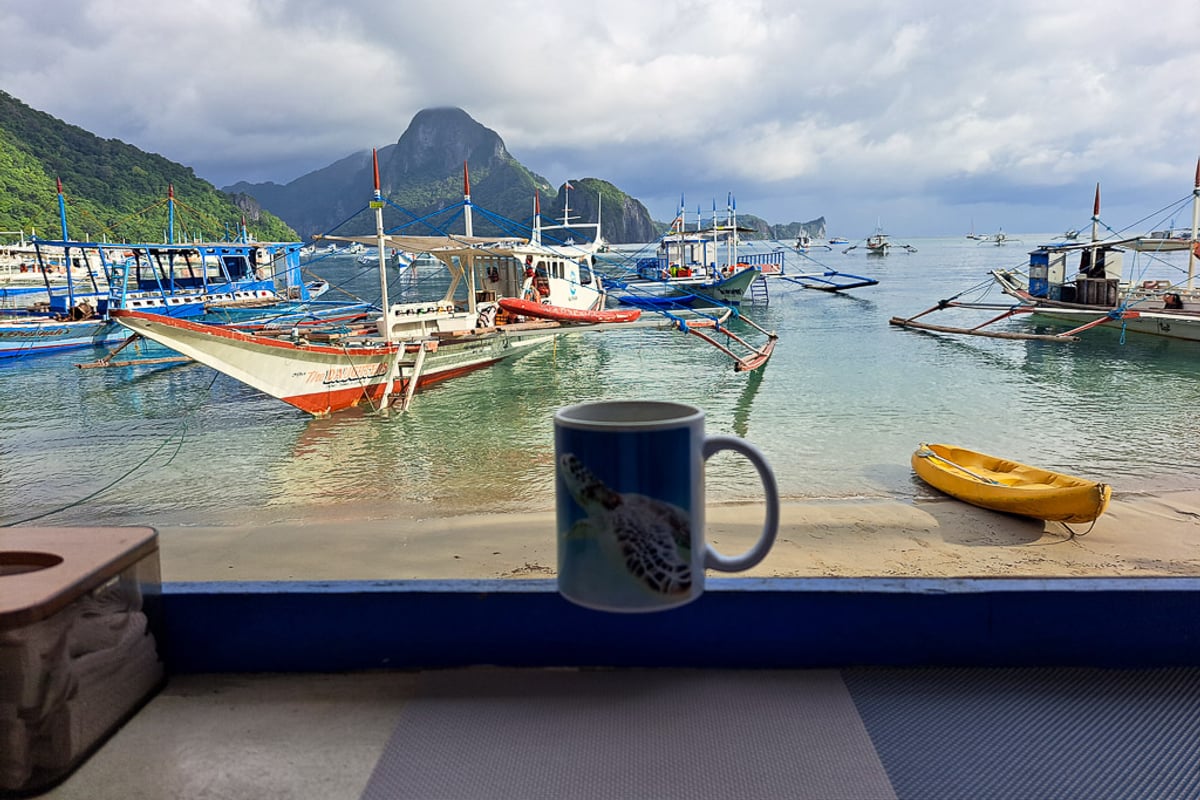
For those exploring El Nido, staying at beachfront accommodation where you can dive directly from your doorstep creates the ideal balance. You have the flexibility of land-based diving while eliminating long transfers to dive boats. The Beach House exemplifies this convenience, with Submariner Diving Center operating directly from the beachfront property. Divers staying here simply walk to the boat each morning, then return to comfortable rooms and Cloud 9 rooftop restaurant between dives.
Planning Multi-Destination Dive Trips
Combining multiple scuba destinations in one trip requires careful planning to balance travel time against diving. Each transfer eats into bottom time, while rushing between locations creates fatigue that affects safety and enjoyment.
A practical approach allocates minimum time blocks for each destination:
- Major destinations: 5-7 days minimum
- Secondary locations: 3-4 days
- Transit days: Account for at least half-day buffer
Sample Philippine Dive Safari
A two-week Philippine itinerary might combine El Nido's reef diversity with Coron's historic wrecks, allocating seven days to each location with one travel day between. This allows 10-12 dives per destination plus surface intervals to explore the islands.
Alternatively, dedicated divers might base in one location for the full trip, exploring depth through repeated dives on different sites. This approach suits underwater photographers wanting specific shots and divers building familiarity with local marine life and conditions.
Photography and Scuba Destinations
Different scuba destinations suit different photography styles. Wide-angle reef photography requires clear water and healthy coral coverage, while macro work depends on biodiversity and unusual species. Understanding what you want to shoot helps select appropriate destinations.
Southeast Asian destinations excel for macro subjects. The Coral Triangle's biodiversity means rare nudibranchs, unusual crustaceans, and cryptic fish appear regularly. Patient photographers with good eyes for detail find endless subjects within small areas.
Caribbean destinations favor wide-angle work with their clear blue water, dramatic walls, and larger marine life. Sharks, rays, and turtles photograph well against clean backgrounds. The National Geographic guide to incredible diving experiences highlights destinations that combine photographic opportunities with bucket-list experiences.
Camera and Destination Matching
- Macro systems: Southeast Asia, muck diving sites, high-biodiversity areas
- Wide-angle: Caribbean walls, pelagic destinations, wreck diving
- Supermacro: Indonesia, Philippines, specialized muck sites
- Blackwater diving: Tropical destinations with deep water close to shore
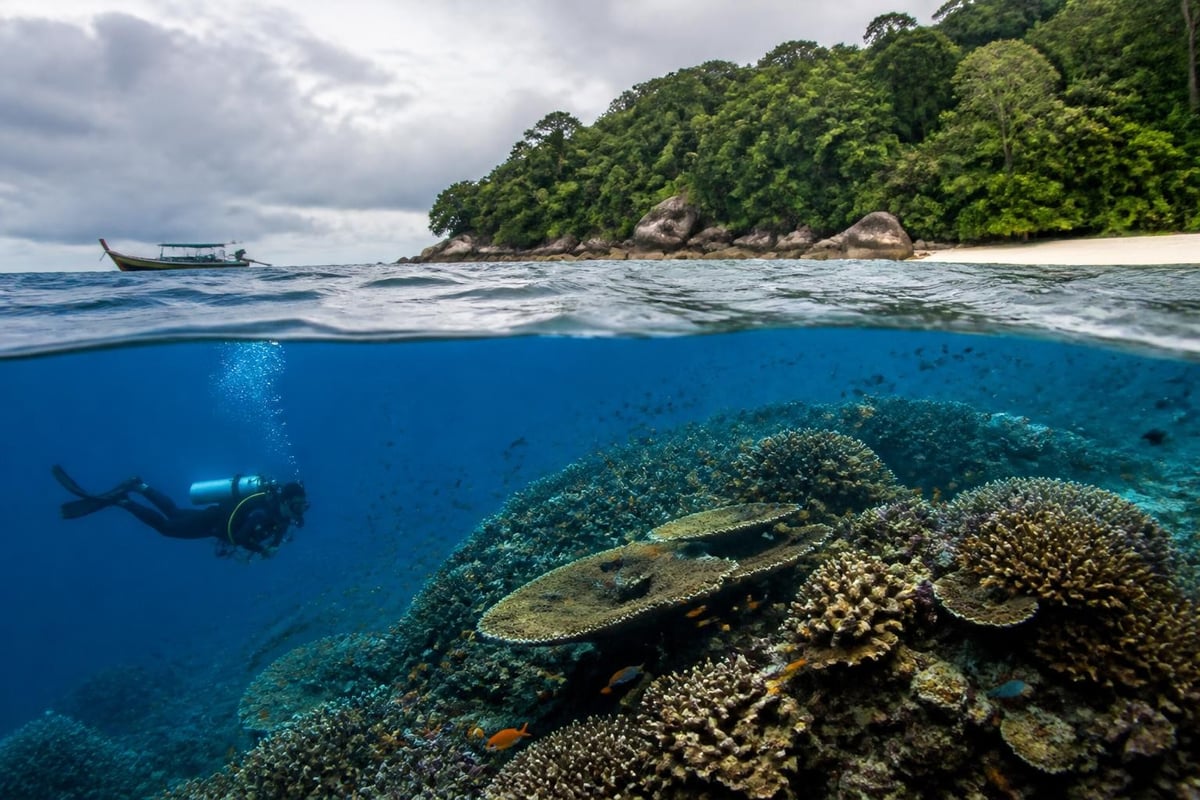
- Split-level shots: Shallow reefs, calm conditions, interesting surface features
Cultural and Surface Experiences
The best dive trips combine underwater adventures with cultural exploration and surface activities. Scuba destinations exist within communities with their own traditions, cuisines, and stories. Taking time to experience these elements enriches travel beyond the diving alone.
El Nido offers limestone cliff climbing, island hopping to pristine lagoons, and fresh seafood dining alongside its diving. The small town atmosphere and natural beauty create a complete destination rather than simply a place to get wet. This combination suits divers traveling with non-diving partners or those wanting variety beyond diving.
Other scuba destinations pair diving with specific attractions: Raja Ampat with its endemic birds of paradise, the Maldives with luxury spa resorts, or Belize with Mayan ruins. Considering these complementary experiences helps select destinations matching your full travel interests.
Emerging and Under-Visited Destinations
While classic scuba destinations maintain their appeal, lesser-known locations offer advantages for divers seeking something different. Lighter tourism pressure often correlates with healthier reefs, more relaxed marine life, and more authentic local culture.
The South Pacific islands covered by Lonely Planet represent such opportunities. Solomon Islands, Vanuatu, and Fiji provide exceptional diving without the crowds found in more commercial destinations. The trade-off comes in accessibility and infrastructure-these locations require more complex logistics.
Palawan strikes a rare balance: established enough for professional dive operations and comfortable accommodation, yet far enough from mass tourism to maintain pristine conditions. Sites around El Nido regularly feature divers alone on mooring lines or small groups outnumbered by the fish. This atmosphere increasingly rare in heavily dived destinations.
Dive Training Destinations
Certain locations excel specifically for training and skills development. Ideal learning environments combine forgiving conditions with professional instruction and varied sites for building experience.
New divers benefit from destinations offering:
- Protected shallow areas for confined water skills
- Graduated site difficulty as students progress
- Calm surface conditions reducing anxiety
- Clear water for instructor-student communication
- Interesting marine life maintaining motivation
El Nido provides all these elements, explaining why many divers choose it for initial certification or advancing their training. The combination of professional instruction, small class sizes, and spectacular diving creates positive early experiences that build confidence and proper technique.
For certified divers wanting to extend bottom time and explore deeper, Enriched Air Nitrox diving offers practical benefits. The Nitrox certification allows use of oxygen-enriched blends that extend no-decompression limits and reduce nitrogen loading across multiple dives. In destinations where you're diving three or four times daily, this advantage becomes quite meaningful.
Budget Planning for Dive Travel
Understanding costs helps select scuba destinations matching your budget and plan accordingly. Dive travel expenses break down into several categories, each varying significantly by destination and travel style.
| Cost Category | Budget Range | Mid-Range | Premium |
|---|---|---|---|
| Daily diving (2 dives) | $60-80 | $100-130 | $150-200+ |
| Accommodation | $20-40 | $60-100 | $150-300+ |
| Meals | $15-25 | $30-50 | $60-100+ |
| Equipment rental | $30-40 | Included | Included |
These ranges reflect typical costs across popular scuba destinations. Remote locations or those requiring liveaboards typically fall in the premium range, while established destinations with competition and infrastructure offer more budget options.
Hidden costs often surprise first-time dive travelers: marine park fees, equipment rental (if not included), nitrox upcharges, and tips for crew and guides add 15-20% to base diving costs. Factoring these into initial budgets prevents unpleasant surprises.
Health and Safety Considerations
Selecting scuba destinations requires honest assessment of health status and fitness level. Diving after long flights, in remote locations, or multiple times daily places demands on cardiovascular fitness and overall health.
All scuba destinations require dive insurance covering emergency evacuation and chamber treatment. Standard travel insurance excludes scuba diving, making specialized coverage essential. DAN (Divers Alert Network) and similar organizations provide comprehensive dive accident insurance and emergency assistance worldwide.
Proximity to recompression chambers varies dramatically between destinations. Major dive centers maintain chambers or have rapid evacuation protocols. Remote locations may be hours or days from hyperbaric treatment. Understanding this risk and mitigating through conservative diving becomes more critical in isolated areas.
Basic precautions apply universally: stay hydrated, avoid alcohol before diving, maintain physical fitness, and dive conservatively within your certification limits. NOAA’s coral reef conservation guidance also reminds us that healthy reefs support healthier diving ecosystems for everyone.
The world's scuba destinations offer incredible variety, from the biodiversity-rich reefs of Southeast Asia to the blue water adventures of the Caribbean and the remote beauty of the Pacific islands. Choosing the right destination means matching your interests, experience level, and travel style with locations that deliver what you're seeking underwater and above. Whether you're planning your first certification dives or your hundredth logged adventure, Submariner Diving Center provides professional guidance, safe operations, and access to El Nido's spectacular diving in the heart of Palawan's pristine waters.