Choosing your next dive destination can feel overwhelming when the ocean covers more than 70 percent of our planet. Yet certain underwater locations consistently rise to the top of every experienced diver's list. The best scuba sites share qualities that transcend simple beauty: thriving ecosystems, dramatic underwater topography, reliable visibility, and opportunities to witness behaviors you won't find anywhere else. Whether you're planning your tenth certification dive or your thousandth logged adventure, understanding what separates exceptional dive sites from merely good ones will help you make the most of your time and budget underwater.
What Defines the Best Scuba Sites
Not all dive sites are created equal, and recognizing the hallmarks of truly exceptional locations helps you plan trips that deliver memorable experiences rather than disappointments.
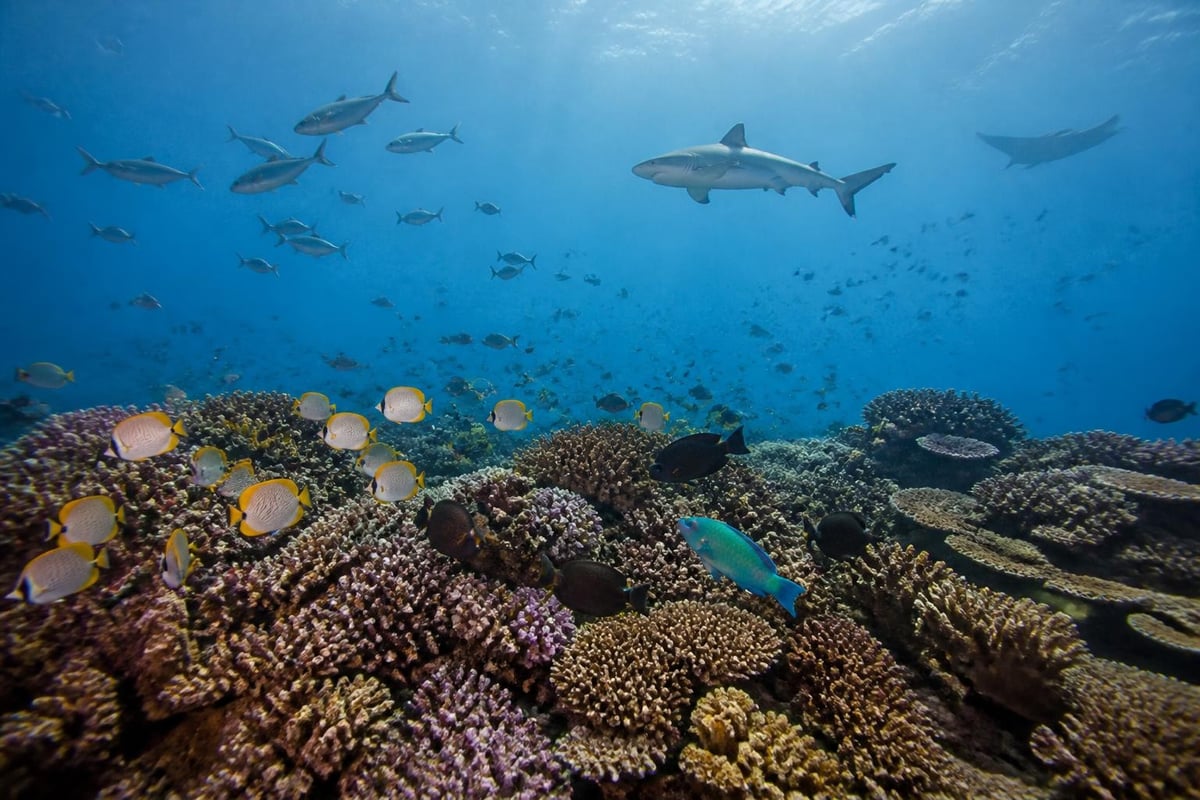
Biodiversity and Marine Life Density
The concentration and variety of marine species distinguish world-class dive sites from average ones. National Geographic highlights sites where seasonal migrations, resident populations, and healthy reef structures create reliable wildlife encounters. Sites with high biodiversity offer something new on every dive, from macro critters hiding in coral polyps to pelagic visitors cruising the blue.
Key biodiversity indicators include:
- Presence of apex predators (sharks, rays, groupers)
- Healthy hard and soft coral coverage
- Dense schools of reef fish
- Active cleaning stations
- Seasonal migratory species
Top dive sites typically protect these ecosystems through marine sanctuary status, fishing restrictions, or conservation programs that maintain population health year after year.
Underwater Topography and Geological Features
Dramatic underwater landscapes create the structure that supports marine life and provides divers with breathtaking scenery. The best scuba sites feature walls that drop into the abyss, swim-throughs carved by millennia of wave action, pinnacles rising from deep water, or cavern systems that filter shafts of sunlight.
Geological diversity matters because different structures attract different species. Walls provide attachment points for soft corals and sponges. Pinnacles concentrate schooling fish. Caves shelter shy nocturnal species during daylight hours. A single site with varied topography offers multiple experiences in one dive.
| Topography Type | Marine Life Attraction | Typical Depth Range |
|---|---|---|
| Vertical Walls | Soft corals, pelagics, macro life | 5-40+ meters |
| Pinnacles/Seamounts | Schooling fish, sharks, rays | 15-40+ meters |
| Reef Flats | Juvenile fish, invertebrates | 3-12 meters |
| Caves/Caverns | Lobsters, nocturnal species | 8-30 meters |
Water Conditions and Visibility
Even the most biodiverse site loses its appeal when you can't see it. Consistent visibility separates destinations you'll recommend from ones you'll skip on return trips. The best scuba sites benefit from current patterns, seasonal weather windows, or geographic protection that delivers reliable underwater clarity.
Visibility exceeding 20 meters opens up entirely different dive experiences than sites averaging 5-10 meters. You can spot animals from greater distances, compose better underwater photographs, and navigate more confidently. Water temperature stability also matters, as it affects both your comfort and the marine species present.
Global Standouts Worth the Journey
Certain locations have earned their reputations through decades of consistently exceptional diving experiences.
Indo-Pacific Coral Triangle Sites
The Coral Triangle, stretching from the Philippines through Indonesia to the Solomon Islands, contains the highest marine biodiversity on Earth. Sites here routinely feature over 500 coral species and thousands of reef fish species within single dive areas.
Raja Ampat in Indonesia tops many lists for sheer species count and pristine reef conditions. The region's protected status and remote location preserve ecosystems that show how reefs looked before human impact. El Nido and the surrounding waters of Palawan sit along the northern edge of this biodiversity hotspot, offering accessible diving within one of the planet's most important marine regions.
Diving in Palawan provides crystal-clear waters, dramatic limestone formations, and the rich species diversity characteristic of Coral Triangle sites without the logistical challenges of more remote destinations. You'll find the same families of fish, coral genera, and invertebrate species that make the entire triangle exceptional, with the added benefit of developed dive infrastructure and daily boat access.
For divers who want to experience the Coral Triangle's biodiversity with the convenience of established facilities, staying at a beachfront dive resort eliminates transfer time between accommodation and dive boats. The Beach House serves as home base for Submariner Diving Center, where you can walk from your room to the dive boat in minutes, maximizing your time underwater rather than in transit.
Caribbean Wall and Wreck Systems
The Caribbean offers a different profile among the best scuba sites, with dramatic wall diving and accessible wreck sites that attract both novice and technical divers. Cozumel's drift dives along Palancar Reef and the Cayman Islands' famous walls provide effortless diving in strong currents that deliver constant visibility refreshment.
Wreck diving in the Caribbean ranges from purpose-sunk vessels to historic sites like Aruba's German freighters. These artificial reefs concentrate marine life and provide sheltered environments that natural reefs cannot replicate. Many wrecks now host coral growth, creating hybrid sites that combine historical interest with living ecosystems.
- Check wreck penetration training requirements before booking
- Verify depth certifications match wreck maximum depths
- Research current strength and slack tide windows
- Confirm site permits and access restrictions
- Bring appropriate lighting equipment
Red Sea Reef Systems
Egypt's Red Sea coastline has introduced millions of divers to world-class reefs within easy reach of international airports. Sites like Ras Mohammed National Park and the Brothers Islands combine steep walls, strong currents, and pelagic action that rivals any tropical destination.
The Red Sea's geographic isolation has created endemic species found nowhere else, adding unique sighting opportunities to already impressive biodiversity. UNESCO recognizes marine areas of exceptional universal value, and Red Sea sites meet conservation criteria that place them among globally significant ecosystems.
Water clarity in the Red Sea often exceeds 30 meters, creating the visual conditions underwater photographers dream about. Year-round diving seasons mean you can plan trips around your schedule rather than narrow weather windows.
Evaluating Dive Sites Before You Book
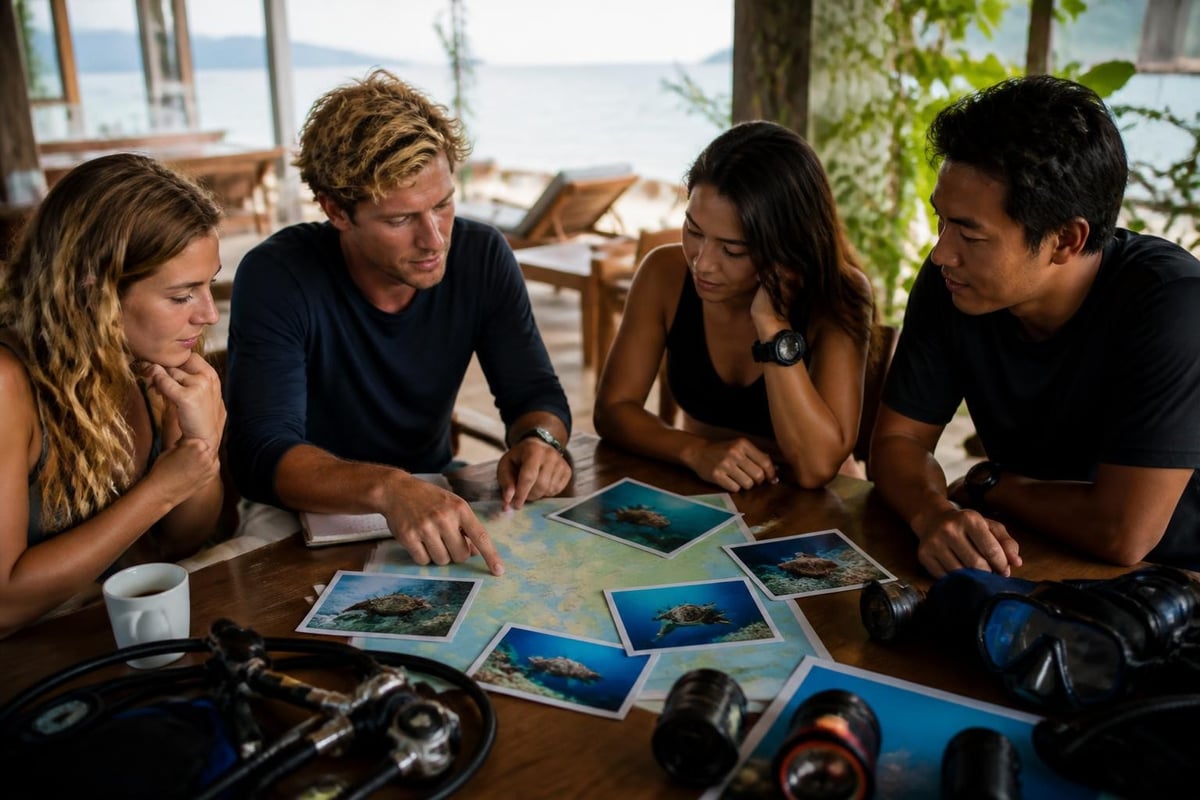
Smart destination research prevents disappointing trips and helps you match sites to your experience level and interests.
Certification Requirements and Depth Limits
The best scuba sites often include advanced features that require specific certifications. Deep walls may descend beyond recreational limits. Current-swept channels demand drift diving experience. Wreck penetrations require specialized training.
Match your certification to site requirements:
- Open Water (0-18 meters): Reef flats, shallow walls, protected bays
- Advanced Open Water (0-30 meters): Most reef systems, moderate wrecks, wall diving
- Deep Specialty (30-40 meters): Deep walls, seamount bases, deeper wrecks
- Technical certifications (40+ meters): Advanced wreck penetration, deep walls
Attempting dives beyond your training creates safety risks and diminishes enjoyment. If a destination's signature sites require certifications you don't hold, consider completing the training locally before traveling or choosing sites that match your current qualifications.
Current Patterns and Skill Demands
Strong currents create the nutrient flow that sustains healthy reefs, but they also demand specific skills and fitness levels. Drift diving in channels differs fundamentally from exploring sheltered lagoons. The best scuba sites often feature moderate to strong current depending on tidal cycles.
Research typical current speeds and whether sites offer drift diving (following currents) or require holding position against flow. Drift diving tends to be easier physically but demands good buoyancy control and group awareness. Reef diving in current requires higher air consumption and stronger leg muscles.
Seasonal Considerations and Weather Windows
Even world-class sites experience seasonal variation in conditions and marine life presence. Monsoon patterns, water temperature cycles, and animal migrations all influence when diving delivers optimal experiences.
| Region | Best Months | Key Seasonal Factor |
|---|---|---|
| Philippines/Palawan | November-May | Dry season, calm seas |
| Caribbean | April-August | Hurricane season avoidance |
| Red Sea | March-May, September-November | Moderate temperatures |
| Great Barrier Reef | June-November | Visibility, stinger season |
Booking outside peak seasons may save money but could compromise conditions. Scientific American’s coverage of coral resilience highlights how temperature stress affects reef health, making seasonal timing even more important as ocean temperatures shift.
Infrastructure and Dive Operator Quality
Even the most spectacular underwater sites lose appeal when supported by inadequate dive operations and poor safety standards.
Evaluating Local Dive Centers
Professional dive centers distinguish themselves through equipment maintenance, staff certifications, group size limits, and safety protocols. The best scuba sites worldwide benefit from operators who prioritize diver safety over maximum capacity.
Red flags to watch for:
- Groups exceeding 6 divers per guide
- Rental equipment showing visible wear or damage
- Rushed pre-dive briefings or missing site maps
- Unclear emergency procedures or missing oxygen kits
- Pressure to dive beyond your comfort level
Quality operators maintain small group ratios, invest in modern equipment, and employ highly experienced guides who know local sites intimately. They provide thorough briefings, respect certification limits, and prioritize safety over squeezing extra dives into tight schedules.
Boat Quality and Comfort
Day boats form your mobile base for accessing the best scuba sites. Comfort features like shaded seating, equipment storage, camera rinse stations, and clean freshwater showers transform the surface interval experience.
Boat condition reflects operator priorities. Well-maintained vessels with organized equipment handling suggest attention to detail that extends to dive operations. Purpose-built dive boats with proper tank racks, entry platforms, and gear storage make diving easier and more enjoyable than converted fishing boats with improvised accommodations.
Accommodation Proximity to Dive Sites
Transfer time between accommodation and departure points eats into your diving day and adds fatigue before you even enter the water. The best dive trip planning places you within minutes of departure points.
Beachfront dive resorts eliminate morning transfers entirely. You walk from your room to the boat, maximizing sleep time and reducing the logistics that complicate dive travel. After diving, you're steps from hot showers, meals, and relaxation rather than enduring another transfer while still wearing damp swimwear.
Conservation Status and Responsible Diving
The best scuba sites maintain their exceptional status through active conservation and responsible visitor management.
Marine Protected Areas and Sanctuary Diving
NOAA’s national marine sanctuary program demonstrates how protected status preserves dive site quality. Fishing restrictions, anchor prohibitions, and visitor limits prevent the degradation that plagues unregulated sites.
When choosing dive destinations, prioritize locations with formal protection status. Marine parks, sanctuaries, and UNESCO World Heritage sites invest in conservation that ensures reefs remain healthy for future generations. Your dive fees often directly fund protection efforts, creating a sustainable model where tourism supports conservation.
Protected areas typically enforce stricter diving standards:
- No touching or standing on coral
- Minimum distance requirements from certain species
- Prohibition on feeding marine life
- Limited daily diver numbers per site
- Mandatory briefings on site-specific rules
Minimizing Your Underwater Impact
Even within protected areas, individual diver behavior determines whether your visit helps or harms the ecosystem. Perfect buoyancy control prevents fin strikes on coral. Proper weighting reduces the need for compensating movements that stir sediment. Awareness of your surroundings prevents accidental contact with fragile organisms.
The best scuba sites deserve divers who have mastered fundamental skills before visiting. If your last dive was months or years ago, a refresher course rebuilds muscle memory and confidence before you visit sensitive sites. Practicing skills in controlled environments prevents learning through mistakes that damage irreplaceable coral formations.
Planning Your Best Dive Trip
Strategic planning transforms good dive trips into exceptional ones that maximize your time and investment underwater.
Combining Multiple Sites in One Trip
Destinations with numerous quality sites within day-boat range offer superior value and variety compared to locations dependent on a single signature site. The Philippines, Indonesia, and other archipelago nations provide this advantage naturally.
El Nido provides access to over 30 mapped dive sites within Bacuit Bay alone, ranging from shallow coral gardens perfect for new divers to deep walls and drift dives for advanced certifications. This density of sites means you can dive for a week without repeating locations, and conditions at one site may be excellent even when another faces strong current or reduced visibility.
Balancing Diving with Surface Activities
Nitrogen loading and repetitive dive schedules benefit from surface intervals that exceed minimum requirements. Destinations offering quality non-diving activities make these extended breaks enjoyable rather than tedious waiting periods.
Surface interval options transform mandatory rest into trip highlights:
- Island hopping and beach exploration
- Kayaking through limestone lagoons
- Snorkeling shallow reefs between dives
- Photography and wildlife watching from boats
- Cultural tours and local cuisine experiences
Well-rounded destinations keep non-diving companions engaged while certified divers explore underwater. This flexibility matters for mixed groups or solo travelers who want diving without dive-only tunnel vision.
Equipment and Packing Considerations
The best scuba sites often sit in tropical locations where luggage weight limits collide with equipment needs. Strategic packing decisions affect both your diving comfort and trip costs.
Consider which items justify luggage space and weight:
- Always pack: Mask, computer, wetsuit (weight-efficient essentials)
- Usually pack: Regulator, fins (if you have performance preferences)
- Often rent: BCD, tanks, weights (bulky items available everywhere)
- Destination-dependent: Exposure protection thickness, dive light needs
Quality dive centers maintain rental gear that matches or exceeds what many divers own. Renting major equipment pieces reduces airline fees and eliminates the stress of traveling with fragile regulators and computers. Reserve your luggage weight for underwater cameras, strobes, and the photography gear that varies most between rental inventory and personal equipment.
Advanced Site Selection for Specific Interests
Different diving styles and interests prioritize different site features beyond general quality measures.
Macro Photography Destinations
Underwater photographers pursuing tiny subjects need sites rich in nudibranchs, seahorses, frogfish, and other cryptic species. Muck diving sites in Indonesia and the Philippines concentrate rare critters in seemingly barren substrates where trained guides spot subjects invisible to untrained eyes.
The best macro sites feature:
- Experienced guides who specialize in critter spotting
- Protected bays with minimal surge and current
- Shallow depths allowing extended bottom time
- High-density populations of unusual species
- Soft bottoms where rare species concentrate
Macro diving demands different site characteristics than wide-angle reef photography, making specialized destination research essential for photography-focused trips.
Pelagic and Big Animal Encounters
Shark diving, manta encounters, and whale shark aggregations draw divers to specific sites during narrow seasonal windows. These experiences require precise timing and realistic expectations about sighting probabilities.
No responsible operator guarantees wildlife encounters, as animal behavior remains unpredictable regardless of historical patterns. The best scuba sites for pelagics feature cleaning stations, feeding areas, or migration routes that create higher-than-average encounter probabilities without certainty.
Research past season reports, ask about typical sighting frequencies, and build schedules that allow multiple attempts rather than banking everything on a single dive. Conservation research from WWF and similar organizations provides context on population health and protection status for species you're targeting.
Technical Diving and Deep Sites
Advanced certifications open access to sites beyond recreational limits, including deep walls, advanced wreck penetrations, and cave systems. Technical diving demands specialized equipment, training, and support that only certain operations provide.
Verify technical diving support before booking:
- Availability of appropriate gas mixtures (nitrox, trimix)
- Staff with technical certifications and experience
- Equipment suitable for planned profiles
- Emergency support and chamber access
- Conservative dive planning and team protocols
The best technical dive sites balance challenge with appropriate infrastructure, ensuring you can execute complex dives with proper support rather than pushing limits without backup.
Making the Most of Your Dive Destination
Once you arrive at one of the best scuba sites, smart choices maximize the quality of your underwater time.
Local Guide Knowledge Versus Independent Diving
Even at sites you could theoretically navigate independently, local guides provide value that justifies their costs. They know current micro-climates that shift with tidal cycles. They spot camouflaged animals you would swim past unknowingly. They understand seasonal variations that affect which specific sections of larger sites perform best on any given day.
Independent diving works well at familiar sites where you've logged dozens of dives and know entry points, navigation landmarks, and typical marine life locations. For new destinations, especially those counted among the best scuba sites globally, guided dives deliver experiences that self-guided exploration cannot match.
Optimal Dive Scheduling Throughout Your Stay
Front-loading easier dives early in your trip builds comfort with local conditions before attempting challenging sites. Many divers make the mistake of scheduling signature dives on their first day, before understanding current patterns, visibility cycles, and local diving protocols.
Progressive scheduling approach:
- Days 1-2: Moderate sites building familiarity
- Days 3-4: Signature dives with optimal conditions
- Days 5-6: Specialized interests or repeat favorites
- Final day: Shallow, conservative dives before flying
This structure ensures you're comfortable and prepared when conditions align perfectly for the destination's premier sites, rather than struggling through advanced dives while still adjusting to new equipment, guides, and underwater environments.
Diving with Enriched Air Nitrox
Extended bottom time and shorter surface intervals make nitrox valuable at the best scuba sites where you want maximum underwater exposure. The certification course requires minimal time investment compared to the benefits it provides throughout your diving career.
Nitrox becomes especially valuable during dive-intensive trips where multiple daily dives accumulate nitrogen loading. The extended no-decompression limits allow longer exploration of sites while reducing fatigue across multi-day dive schedules.
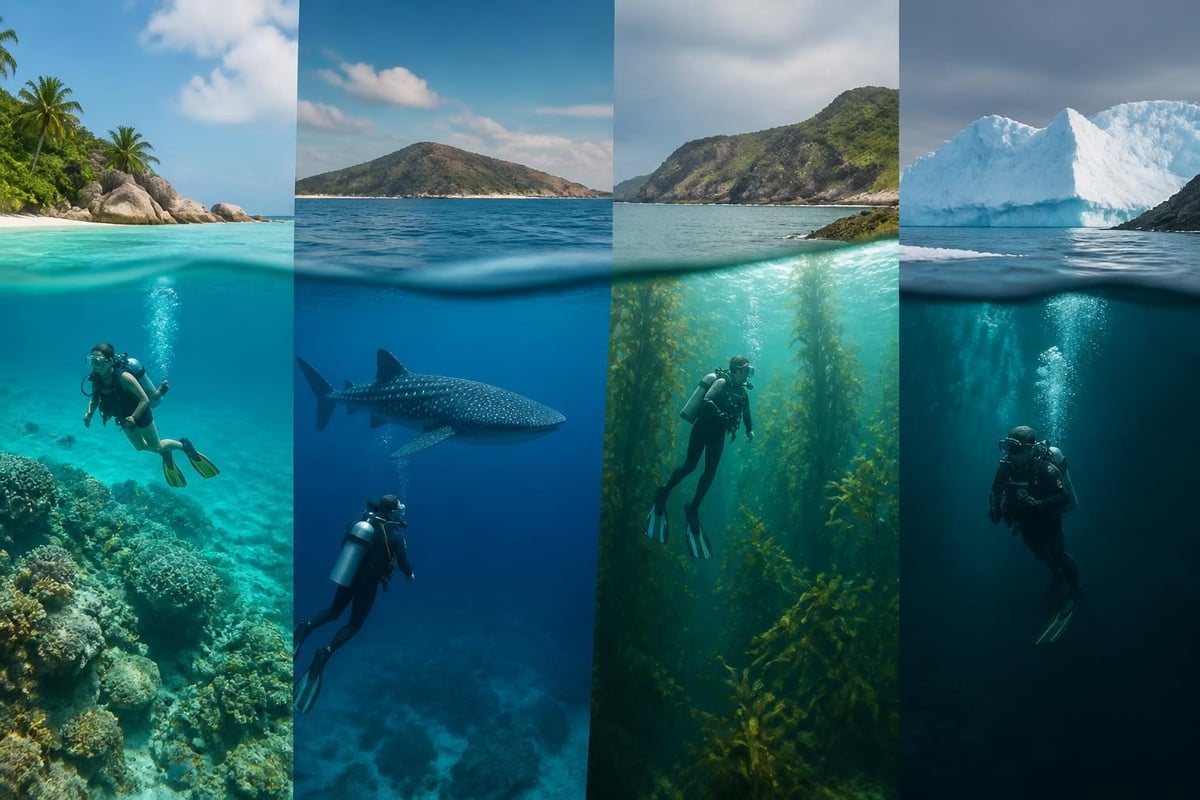
The world's best scuba sites share qualities that create consistently memorable underwater experiences: thriving biodiversity, dramatic topography, excellent visibility, and conservation protection that preserves these features for future generations. Whether you're drawn to Caribbean walls, Indo-Pacific coral gardens, or temperate kelp forests, matching your skills and interests to site characteristics ensures trips that exceed expectations. Submariner Diving Center provides access to some of Palawan's most spectacular dive sites, with professional guides, modern equipment, and the local knowledge that transforms good dives into exceptional ones. Ready to explore crystal-clear waters and vibrant reefs? Book your next diving adventure with the team that calls these sites home.