The underwater world offers some of the planet's most spectacular landscapes, and choosing where to dive can feel overwhelming when you're faced with thousands of incredible sites scattered across every ocean. Whether you're planning your first dive trip abroad or ticking off bucket-list destinations, understanding what makes the world's most popular diving destinations special helps you choose the right location for your experience level, interests, and travel style. From the technicolor reefs of the Indo-Pacific to the pelagic action of remote oceanic islands, each region offers something different beneath the surface.
The Red Sea: Year-Round Warmth and Historic Wrecks
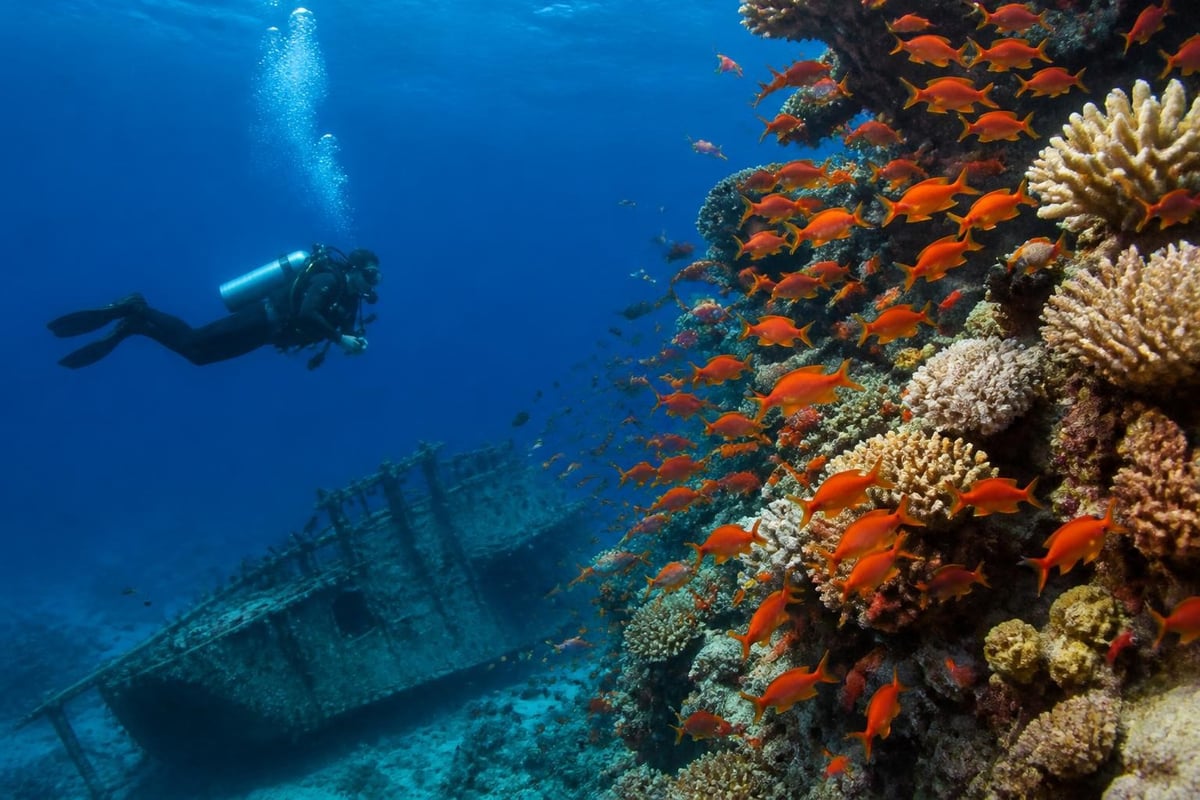
The Red Sea remains one of the most accessible and reliable popular diving destinations for European divers, offering warm water, excellent visibility, and diving conditions that stay consistent throughout the year. Egypt's Red Sea resorts provide everything from shallow coral gardens perfect for beginners to challenging drift dives and world-famous wreck sites.
Why the Red Sea Attracts Divers
Consistent conditions make planning straightforward. Water temperatures rarely drop below 22°C, visibility often exceeds 30 meters, and the desert climate means dive days are rarely cancelled due to weather.
The marine life diversity rivals more remote locations:
- Over 1,200 fish species
- Healthy hard and soft coral coverage
- Regular encounters with dolphins, turtles, and reef sharks
- Seasonal appearances by whale sharks and manta rays
Wreck diving represents another major draw. The SS Thistlegorm, a British cargo ship sunk in 1941, sits in the Straits of Gubal and consistently ranks among the world's best wreck dives. The combination of accessible depth, historical significance, and intact cargo creates an underwater museum experience.
Diving the Egyptian Red Sea
| Region | Best For | Typical Conditions | Access |
|---|---|---|---|
| Sharm el-Sheikh | Beginners, wreck diving | 22-28°C, calm | Shore and boat |
| Hurghada | Reef dives, value packages | 21-29°C, moderate current | Mostly boat |
| Marsa Alam | Pelagics, uncrowded sites | 22-29°C, varied | Boat and shore |
| Brothers Islands | Advanced, big fish | 22-27°C, strong current | Liveaboard only |
Most visitors base themselves in one resort and take daily boat trips. Liveaboards offer access to remote offshore reefs where crowds disappear and pelagic action increases.
The Coral Triangle: Biodiversity Capital
When marine biologists discuss biodiversity hotspots, the Coral Triangle dominates the conversation. This region encompassing Indonesia, Malaysia, the Philippines, Papua New Guinea, Timor-Leste, and the Solomon Islands contains over 75% of all known coral species and more than 3,000 fish species, making it unmatched for sheer variety of marine life.
Indonesia alone offers enough diving to fill multiple trips. Raja Ampat holds the record for marine biodiversity in a single survey, while Komodo National Park combines dramatic landscapes with thrilling drift dives and manta ray cleaning stations.
The Philippines brings popular diving destinations within reach of budget-conscious travelers. Accessible sites like those around Palawan combine beautiful reefs with interesting macro life, while more advanced destinations like Tubbataha Reef offer world-class wall diving in a protected marine park.
Diving Palawan's Waters
Speaking of the Philippines, Palawan diving represents one of the region's best-kept secrets. El Nido's limestone karsts create a dramatic backdrop for diving, with sites ranging from gentle coral gardens to current-swept walls where pelagics appear.
The diversity keeps every dive interesting:
- Healthy coral coverage on many sites
- Macro life including nudibranchs, shrimp, and pygmy seahorses
- Schools of jacks and barracuda on deeper walls
- Turtle encounters on many shallow reefs
- Seasonal thresher shark sightings at specific locations
Water temperatures stay warm year-round (26-30°C), though seasonal changes in current and plankton levels affect visibility and fish behavior. The best conditions typically arrive between November and May when northeast monsoon winds settle.
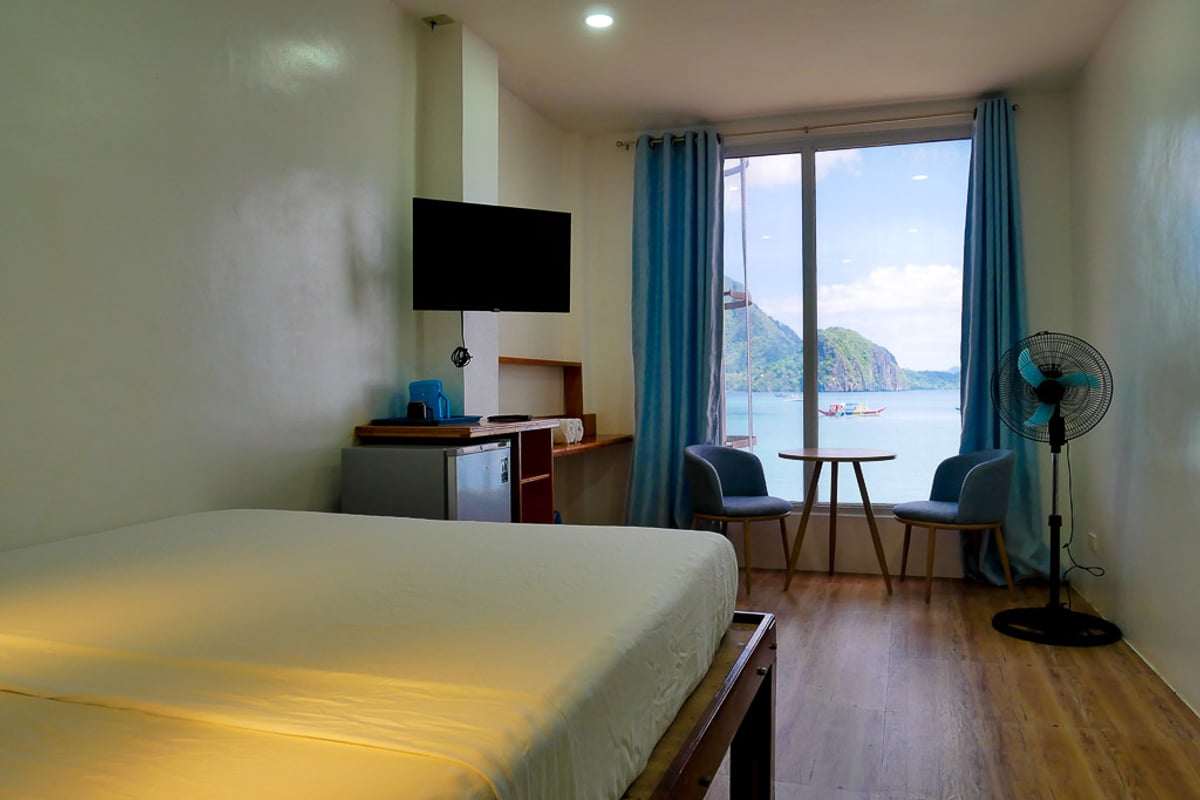
For divers wanting to experience this region without the crowds found at more famous Philippine destinations, El Nido offers an ideal balance of accessibility, diving quality, and above-water scenery. Staying at beachfront accommodation like The Beach House puts you steps from the dive boat and lets you maximize your time in the water, with the convenience of returning between dives to relax at Cloud 9 rooftop bar while overlooking the bay.
The Maldives: Atolls and Channels
The Maldives built its reputation on picture-perfect islands and luxury resorts, but beneath the turquoise surface lies some of the Indian Ocean's most exciting diving. The country's unique geography-26 atolls made up of over 1,000 coral islands-creates natural channels where incoming tides funnel nutrients and attract large marine life.
Channel Diving Experience
Thilas (submerged reefs) and kandus (channels) characterize Maldivian diving. During incoming tides, divers drift through channels while mantas, eagle rays, and reef sharks cruise the current alongside them. The combination of adrenaline and effortless movement makes channel diving addictive.
Key marine-life highlights:
- Manta ray cleaning stations (year-round)
- Whale shark encounters (seasonal)
- Grey reef sharks and whitetip reef sharks
- Schools of fusiliers and snappers
- Healthy coral coverage on protected sites
Most Maldives diving happens from liveaboards or resort-based dive centers. Liveaboards access remote atolls where dive sites see fewer visitors, while resort diving offers convenience and often includes house reefs accessible by shore entry.
Caribbean Clarity: Walls and Wrecks
The Caribbean attracts divers seeking warm water, easy conditions, and dramatic underwater topography. While coral health has declined in some areas compared to Indo-Pacific reefs, conservation efforts show positive results, and the region's wall diving remains spectacular.
Cayman Islands, Cozumel, and Bonaire represent three distinct Caribbean diving styles:
| Destination | Diving Style | Signature Experience | Best Season |
|---|---|---|---|
| Cayman Islands | Wall diving | Stingray City, dramatic walls | Year-round |
| Cozumel | Drift diving | Fast drifts along Palancar Reef | Dec-Apr |
| Bonaire | Shore diving | Unlimited independent diving | Year-round |
Bonaire deserves special mention for its shore-diving infrastructure. The entire coastline functions as a marine park with marked entries, and most visitors rent trucks to access dozens of sites independently. This freedom appeals to experienced divers who want to set their own schedule.
Galápagos: Darwin and Wolf Islands
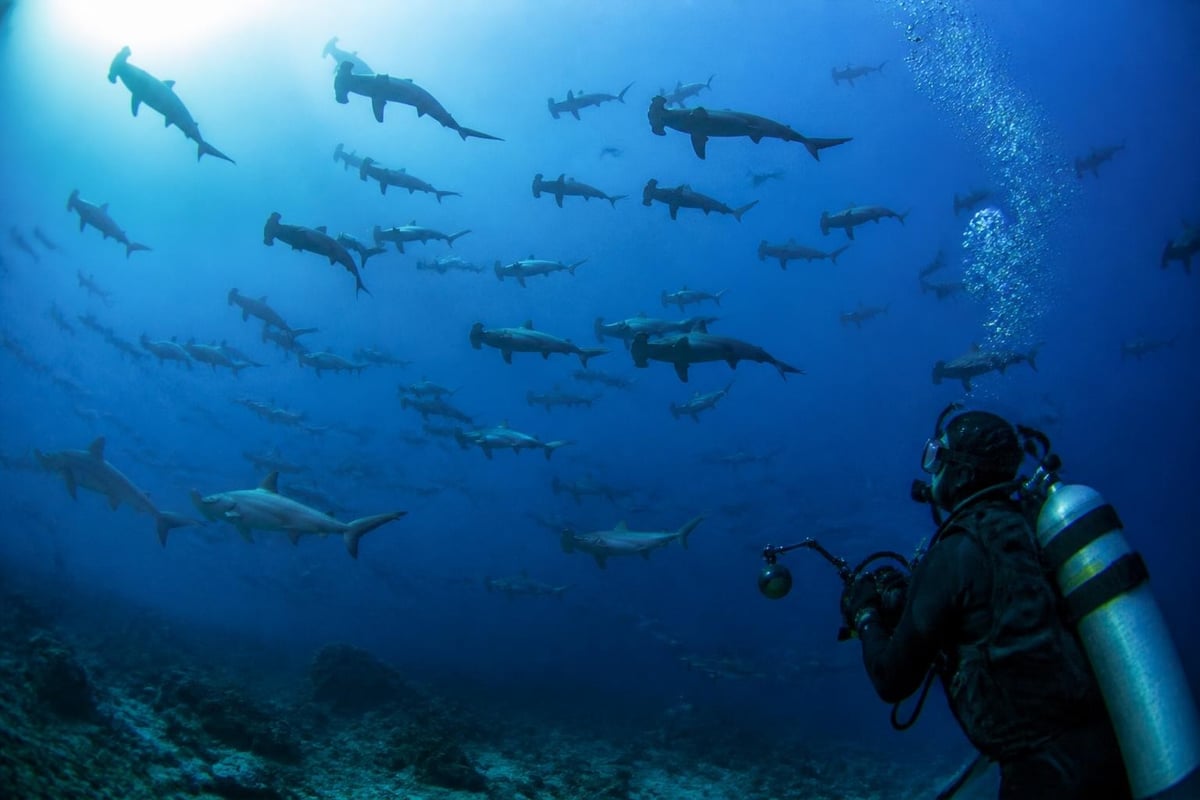
Few popular diving destinations match the Galápagos for sheer volume of big animals. Darwin and Wolf Islands, accessible only by liveaboard, host enormous schools of hammerhead sharks, Galápagos sharks, and seasonal whale shark aggregations.
The Charles Darwin Foundation’s marine research demonstrates how protected status and careful management sustain these populations. Strict visitor limits and professional guide requirements ensure the islands remain pristine.
Diving Conditions and Requirements
Water temperatures fluctuate between 16-25°C depending on currents, requiring 7mm wetsuits or drysuits. Strong currents and surge demand advanced certification and significant experience. This is not beginner diving.
The reward for dealing with challenging conditions? Some of the planet's most memorable underwater encounters. Watching hundreds of hammerheads school in blue water or finding yourself surrounded by playful sea lions creates experiences that stay with you forever.
United States: National Marine Sanctuaries
The United States offers surprisingly varied diving considering its reputation focuses more on national parks than reefs. NOAA’s National Marine Sanctuaries protect some exceptional underwater environments across different ecosystems.
Florida Keys National Marine Sanctuary combines shallow reefs with the only living coral barrier reef in the continental United States. While coral health faces challenges from warming water and disease, restoration projects show promising results.
Channel Islands National Marine Sanctuary off California brings temperate diving with kelp forests, colorful invertebrates, and California sea lions. Cold water (11-18°C) requires thick wetsuits or drysuits, but visibility often exceeds 20 meters and the marine life differs completely from tropical destinations.
Monterey Bay National Marine Sanctuary attracts macro photographers with its incredible nudibranch diversity and unusual deep-water species that venture into diveable depths thanks to the submarine canyon.
Southeast Asian Hidden Gems
While Thailand and Indonesia dominate Southeast Asian diving discussions, several lesser-known destinations deserve attention:
Lesser-Known Spots Worth Exploring
- Myanmar's Mergui Archipelago: Untouched reefs, dramatic topography, seasonal whale sharks (liveaboard access only)
- Timor-Leste: Pristine reefs, excellent muck diving, almost no dive tourism infrastructure
- Malaysia's Sipadan: World-class wall diving, massive schools of barracuda, turtle encounters
- Vietnam's Con Dao: Healthy reefs, dugong sightings, growing dive infrastructure
Each offers something different, and the reduced visitor numbers compared to famous sites often translates to better marine-life behavior and healthier reefs.
Planning Your Diving Travel
Choosing between popular diving destinations involves balancing several factors beyond just underwater scenery. Consider these practical elements:
Budget realities vary dramatically. Red Sea packages offer excellent value, while Galápagos expeditions require significant investment. The Philippines and Indonesia provide outstanding diving at budget-friendly prices.
Experience requirements differ by destination. Bonaire suits confident divers comfortable navigating independently, while the Maldives caters to all levels with different site options. Advanced destinations like Palau or Galápagos demand solid buoyancy control and current experience.
Season and weather affect conditions more in some regions than others. The Red Sea stays diveable year-round, but monsoon seasons significantly impact Southeast Asian visibility and marine-life movements. Research seasonal patterns before booking flights.
Making the Most of Your Trip
Time in the water matters more than tick-box destination collecting. Spending a week exploring one region thoroughly beats rushing through multiple locations trying to see everything.
Consider these strategies:
- Choose one region and explore it properly
- Book accommodation near dive sites to minimize travel time
- Plan rest days to avoid fatigue and allow for weather flexibility
- Research local marine life beforehand to improve identification skills
- Support conservation-minded operators who prioritize reef health
Small details make big differences. Arriving a day early helps with jet lag before diving, while staying an extra day after your last dive ensures safe flying intervals.
Conservation and Responsible Diving
Popular diving destinations face pressure from increasing visitor numbers, climate change, and local development. Every diver bears some responsibility for protecting these environments.
Practical conservation steps:
- Maintain excellent buoyancy to avoid reef contact
- Never touch or chase marine life
- Participate in cleanup dives when offered
- Choose operators with environmental certifications
- Avoid single-use plastics during your trip
- Support marine park fees and conservation projects
Recent National Geographic coverage highlights how sustainable tourism can fund protection efforts when managed properly. Your dive fee often contributes directly to park management and research.
Regional Diving Styles: Finding Your Match
Different regions reward different diving approaches. Understanding these patterns helps match destinations to your interests:
Diving Preferences Guide
| If You Love… | Consider These Destinations |
|---|---|
| Big pelagics | Galápagos, Cocos Island, Socorro |
| Macro photography | Lembeh Strait, Anilao, Dauin |
| Wreck diving | Red Sea, Chuuk Lagoon, Scapa Flow |
| Drift diving | Cozumel, Maldives, Palau |
| Shore diving | Bonaire, Red Sea, Philippines |
| Wall diving | Cayman Islands, Sipadan, Palau |
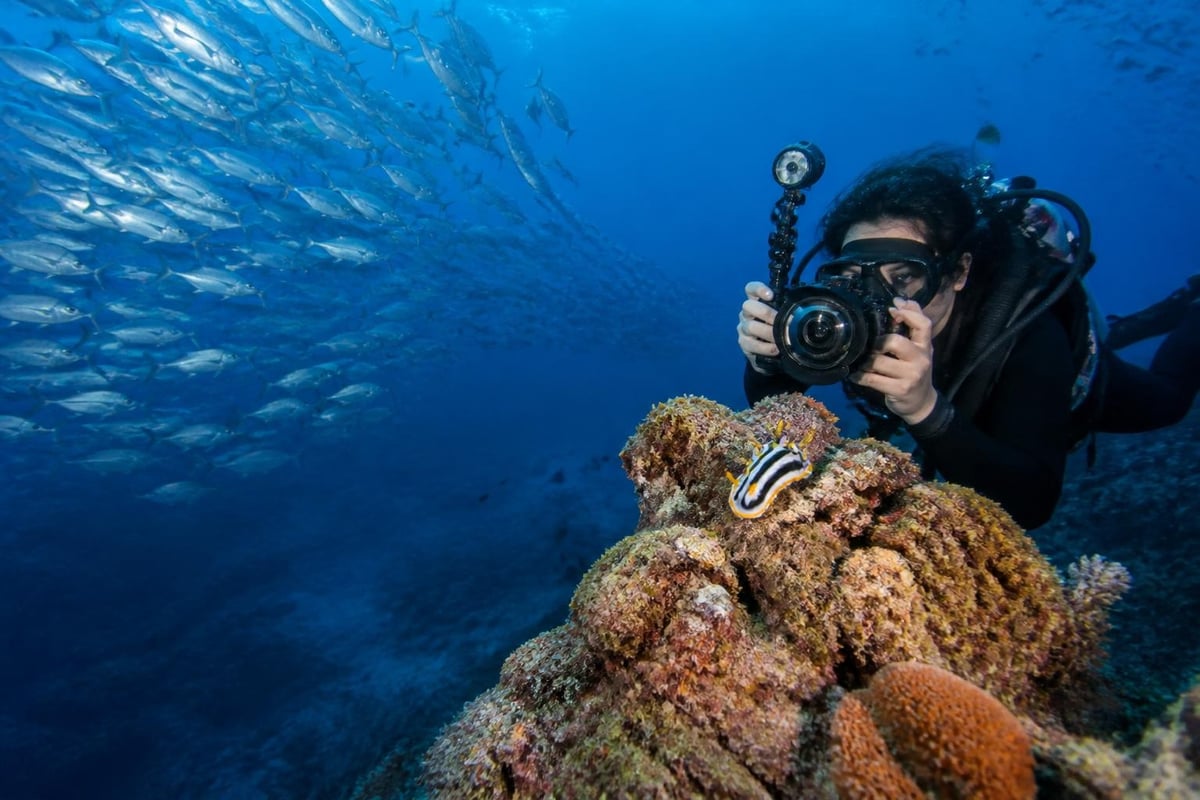
Your diving style matters as much as destination fame. A photographer focused on nudibranchs finds more satisfaction in muddy Indonesian bays than on Palau's dramatic walls, while adrenaline seekers thrive in fast currents that might frustrate macro enthusiasts.
Building Your Diving Resume
Many divers approach popular diving destinations systematically, starting with easier locations and progressing to more challenging environments as skills develop. This progression builds confidence and ensures you're ready for advanced conditions.
Typical progression path:
- Tropical resort diving (Caribbean, Red Sea, Thailand)
- Current diving (Maldives channels, Cozumel drifts)
- Remote locations (Raja Ampat, Tubbataha)
- Advanced pelagic sites (Galápagos, Cocos Island)
- Technical diving (deep wrecks, cave systems)
Skills transfer between destinations. Mastering current diving in the Maldives prepares you for Komodo's famous drift dives, while building cold-water experience in California kelp forests opens up destinations like British Columbia and Norway.
Liveaboards vs Resort Diving
The accommodation decision significantly impacts your diving experience. Liveaboards maximize dive time and access remote sites, while resort-based diving offers comfort and flexibility.
Liveaboard advantages:
- Multiple dives daily (typically 3-4)
- Access to remote, uncrowded sites
- Equipment stays set up between dives
- Immersive diving-focused experience
- Often better value per dive
Resort diving benefits:
- Comfortable accommodations
- Easier for non-diving partners
- Flexibility to skip dives
- Access to land-based activities
- Less intense pace
Some destinations work better with one approach. The Maldives' best sites sit far from resort islands, making liveaboards ideal, while Bonaire's shore-diving infrastructure favors resort stays with rental trucks.
Certification and Training Opportunities
Popular diving destinations often host excellent training facilities. Advancing your certification in beautiful locations makes learning more enjoyable than pool sessions at home.
Advanced training worth considering:
- Nitrox certification extends bottom time at many sites
- Deep diving specialty opens up walls and wrecks
- Drift diving certification prepares you for current-swept sites
- Underwater photography helps you capture memories
- Rescue diver builds confidence and safety skills
Training during a dive trip combines skill development with vacation, and many destinations offer better value than courses at home. The page on Palawan diving experiences shows how one location can support everything from initial training through advanced certifications.
The world's most popular diving destinations earned their reputations through consistent conditions, reliable marine-life encounters, and infrastructure that supports visiting divers, but the best destination for you depends on your experience level, interests, and travel style. Whether you're drawn to the Red Sea's historic wrecks, the Coral Triangle's biodiversity, or the Caribbean's crystalline walls, each region offers unique underwater experiences worth exploring. If you're looking to experience world-class diving in the Philippines, Submariner Diving Center offers professional guidance, small groups, and access to El Nido's spectacular reefs and marine life, whether you're earning your first certification or exploring Palawan's underwater landscapes as an experienced diver.