Choosing where to stay can define your entire diving holiday. Dive resorts bring together accommodation, dive facilities, instruction, and boat access in one place, making them a natural choice for travelers who want convenience and immersion in the underwater world. Whether you're learning to dive, advancing your skills, or simply exploring new reefs every day, the right resort shapes not only your comfort on land but also the quality, safety, and variety of your time below the surface. Understanding what separates a well-run operation from a mediocre one helps you invest your time and money wisely.
What Defines a Dive Resort
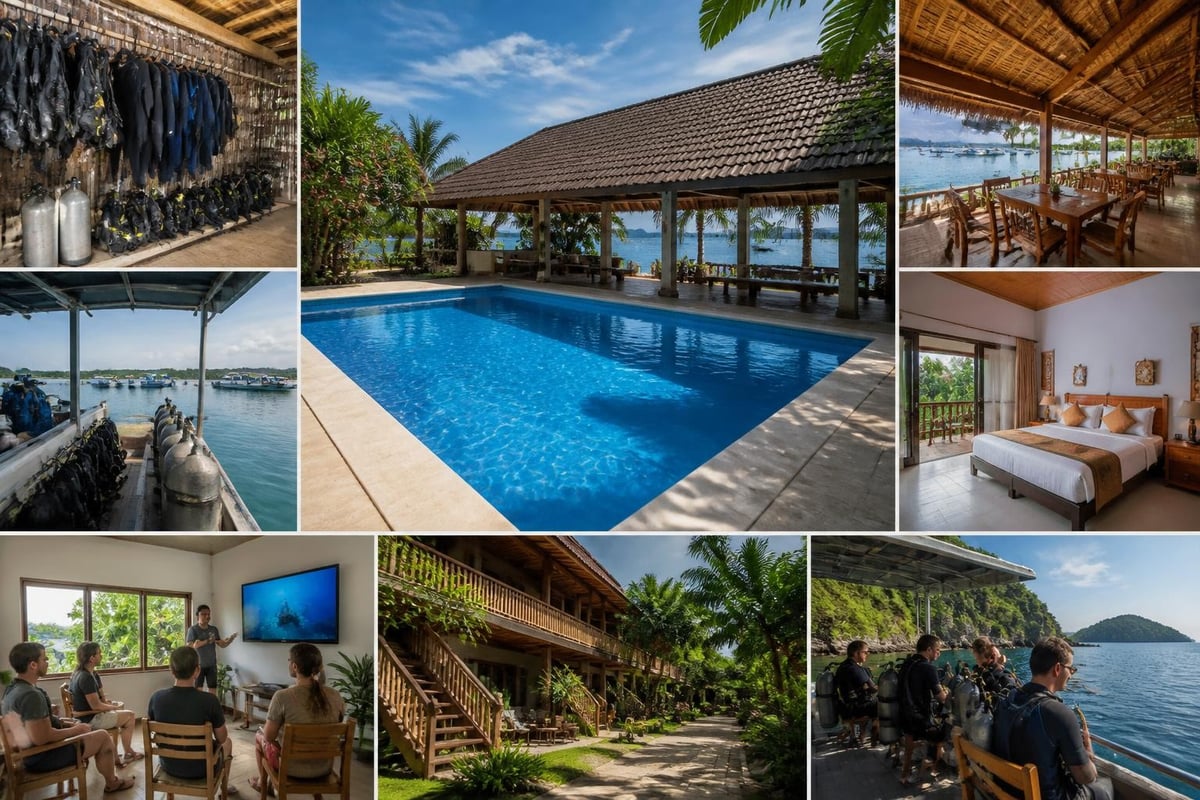
A dive resort is more than a hotel near the water. It integrates accommodation with a full-service dive center, often including gear storage, compressor facilities, training pools or confined-water areas, classrooms, and dedicated dive boats departing from the property or nearby jetty. Guests wake up, walk a short distance, and begin their dive day without shuttling between locations.
Core features typically include:
- On-site dive center with certified instructors and divemasters
- Equipment rental, service, and secure storage
- Daily boat departures to multiple dive sites
- PADI, SSI, or other training programs from beginner to professional level
- Accommodation ranging from budget rooms to beachfront villas
- Dining facilities and common areas for divers to share stories
This integration saves time and reduces logistical friction. You can discuss the next day's dive plan over dinner, rinse your wetsuit at the rinse station steps from your room, and charge camera batteries without hauling gear across town.
Resort-Based vs. Liveaboard Diving
Dive resorts anchor you to a fixed location, offering daily boat trips and the option to explore the surrounding area on non-diving days. Liveaboards, by contrast, are floating hotels that move between remote sites, maximizing dive frequency and reaching locations inaccessible by day boat. Resorts suit travelers who value a comfortable bed on land, flexible schedules, and the ability to mix diving with other activities. Liveaboards appeal to divers chasing high dive counts, remote reefs, and continuous immersion. Neither is superior; the choice depends on your priorities, budget, and tolerance for confined quarters.
Evaluating Location and Dive Site Access
Location determines what you'll see underwater and how much time you'll spend getting there. A resort positioned close to productive reefs, walls, or wrecks offers shorter boat rides, more bottom time, and the chance to revisit favorite sites easily. Proximity to marine protected areas often correlates with healthier ecosystems and better visibility.
Key location considerations:
- Travel time to dive sites: Under 20 minutes is ideal; over an hour eats into dive time and comfort
- Variety of sites: Access to shallow reefs, deep walls, drift dives, and macro sites adds flexibility
- Weather exposure: Sheltered bays allow year-round diving; exposed coasts may close during monsoon seasons
- Marine biodiversity: Proximity to marine protected areas improves biodiversity and visitor satisfaction, benefiting both reefs and the quality of your dives
In El Nido, Bacuit Bay's sheltered waters and rich marine life mean most dive sites lie within a short boat ride, and the dramatic karst scenery above water adds appeal between dives. Resorts here benefit from year-round diving conditions and the ability to shift sites based on current, visibility, and guest experience level.
Assessing Dive Center Standards and Safety
The dive center is the operational heart of any dive resort. Standards here directly affect your safety, enjoyment, and skill development. Look beyond marketing language and examine concrete policies, equipment condition, staff credentials, and emergency preparedness.
| Aspect | What to Check |
|---|---|
| Staff credentials | PADI, SSI, or equivalent instructor certifications; experience levels; language skills |
| Group sizes | Small groups (4-6 divers per guide) ensure better supervision and personalized attention |
| Equipment | Well-maintained regulators, BCDs, tanks; annual service records; modern safety gear |
| Emergency protocols | Oxygen on boats, AEDs on-site, clear evacuation plans, DAN membership or equivalent dive insurance support |
| Boat safety | Life jackets, first-aid kits, radio communication, experienced boat crew |
Ask direct questions before booking. How often is equipment serviced? What is the maximum group size? Where is the nearest hyperbaric chamber? A professional operation welcomes these questions and answers clearly. Evasive or vague responses are red flags.
Training Quality and Course Offerings
If you're planning to certify or advance your skills, the quality of instruction matters as much as the reef. Small class sizes, patient instructors, and a structured progression through skills create confidence and competence. Rushed courses or overcrowded pools compromise learning and safety.
Reputable dive resorts offer a full range of PADI or SSI courses, from Discover Scuba Diving try-dives through to Divemaster and Instructor Development. Instructors should adapt teaching styles to individual learners, provide thorough theory sessions, and never pressure students to advance before they're ready. For certified divers returning after a break, a Refresher Course allows you to review essential skills in a controlled environment before heading back to open water.
Accommodation Comfort and Dive-Friendly Amenities
Diving is physically demanding. A comfortable room, good food, and thoughtful amenities help you recover and enjoy the full experience. Dive resorts vary widely in accommodation standards, from basic fan rooms to air-conditioned suites with ocean views. Your choice depends on budget and priorities, but certain features enhance a dive-focused stay.
Dive-friendly amenities to look for:
- Gear rinse stations with freshwater and drying racks
- Secure storage for cameras, computers, and personal equipment
- Charging stations for electronics
- Comfortable common areas for dive briefings and socializing
- On-site dining to minimize time and energy spent on meal logistics
- Proximity to dive center for quick gear checks and early departures
Some resorts integrate accommodation so closely with diving that you can roll out of bed, grab breakfast, and step onto the boat within minutes. This convenience is especially valuable during multi-day dive packages, when early starts and multiple dives per day become routine.
Sustainability and Reef Protection Practices
Responsible dive resorts recognize their dependence on healthy reefs and take active steps to minimize impact. These efforts range from basic no-touch diving briefings to comprehensive environmental programs involving reef monitoring, community engagement, and waste reduction. Choosing resorts that prioritize sustainability supports long-term reef health and sets an example for the wider industry.
Indicators of a responsible operation:
- Mandatory dive briefings that emphasize buoyancy control and no-touch policies
- Mooring buoys at dive sites to prevent anchor damage
- Participation in reef monitoring or citizen science programs
- Waste management systems that reduce plastic and recycle materials
- Support for local marine protected areas or conservation NGOs
- Use of reef-safe sunscreen and promotion among guests
Reef Resilience Network guidance on managing recreational use offers science-based strategies that resorts can adopt to reduce diver impacts. As a guest, you can ask about these policies and choose operators that align with your values.
Community and Staff Engagement
Dive resorts that employ and train local staff contribute to the community's economic resilience and reef stewardship. CORAL’s training modules help operators build staff capacity in reef ecology, sustainable practices, and guest education. Resorts that invest in local talent often provide better service, deeper regional knowledge, and a genuine connection to the destination. Ask where the divemasters and instructors come from and how the resort supports staff development.
Comparing Package Options and Value
Pricing structures vary widely across dive resorts. Some offer all-inclusive packages bundling accommodation, meals, and unlimited diving; others charge separately for each component. Understanding what's included and what costs extra helps you compare true value.
| Package Type | What's Included | Best For |
|---|---|---|
| All-inclusive | Accommodation, meals, unlimited boat dives, sometimes gear | High-volume divers, hassle-free budgeting |
| Dive + stay | Accommodation plus set number of dives; meals separate | Flexibility in dining, moderate dive frequency |
| À la carte | Pay per dive, accommodation, and meal separately | Non-divers in group, irregular dive schedules |
| Course packages | Training, certification, accommodation, sometimes fun dives | Students combining learning with exploration |
Calculate the total cost including transfers, gear rental, nitrox (if you use it), tips, and any additional activities. A slightly higher upfront price may deliver better value when it includes equipment, small groups, and experienced guides. Cheap packages with hidden fees or compromised safety are false economies.
Balancing Diving with Other Activities
Even dedicated divers appreciate variety. Dive resorts in destinations rich with topside attractions offer opportunities to rest nitrogen levels, recover from exertion, and experience the local culture and landscape. El Nido, for example, pairs world-class diving with island-hopping, kayaking through lagoons, rock climbing, and exploring traditional fishing villages.
Resorts that facilitate non-diving activities help you build a well-rounded trip. Look for concierge services, tour bookings, or partnerships with local guides. This flexibility is especially valuable when traveling with non-diving companions or when weather occasionally grounds boats.
Dining and Social Atmosphere
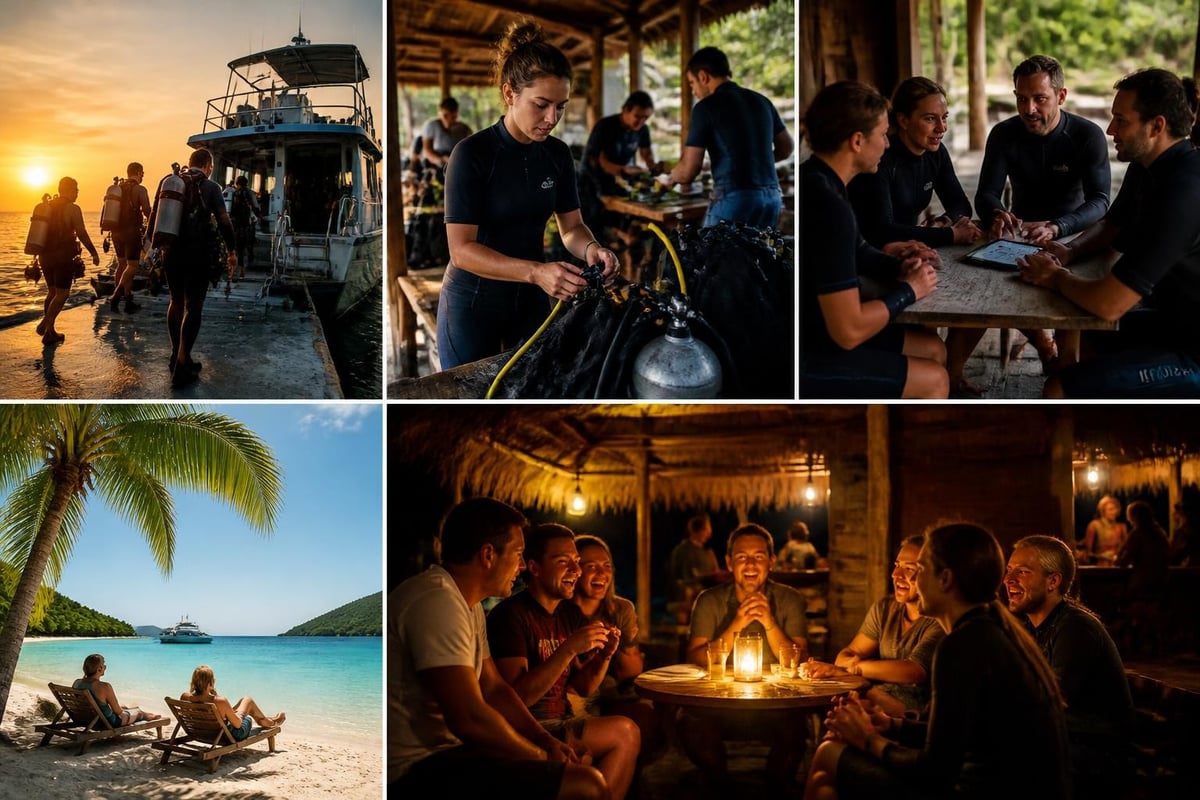
Meals and social spaces shape the dive resort experience beyond the underwater hours. Good food fuels your energy; a welcoming bar or lounge encourages divers to swap stories, review photos, and build friendships. Some resorts cultivate a communal vibe with long shared tables and evening briefings; others offer privacy and quiet corners. Consider your personality and travel style when reading reviews and browsing photos.
Planning Your Dive Resort Stay
Booking a dive resort requires research, clear communication, and attention to timing. High season in tropical destinations typically sees fully booked resorts and higher prices; shoulder seasons offer better deals and fewer crowds, though weather may be less predictable.
Steps to plan effectively:
- Define your goals: Certification? Exploration? Photography? Relaxation?
- Research destinations: Match marine life, difficulty level, and topside appeal to your interests
- Read recent reviews: Focus on safety, service quality, and specific dive site experiences
- Contact resorts directly: Ask about group sizes, instructor qualifications, and current conditions
- Confirm inclusions: Clarify what's covered in quoted prices and what costs extra
- Check cancellation policies: Understand refund terms and travel insurance options
- Book in advance: Secure your preferred dates and room category, especially during peak season
NOAA’s Diving Standards & Safety Manual provides a detailed reference for operational and safety standards, useful when evaluating resort protocols. While designed for government programs, it sets benchmarks that responsible commercial operators often adopt.
Regional Dive Resort Highlights
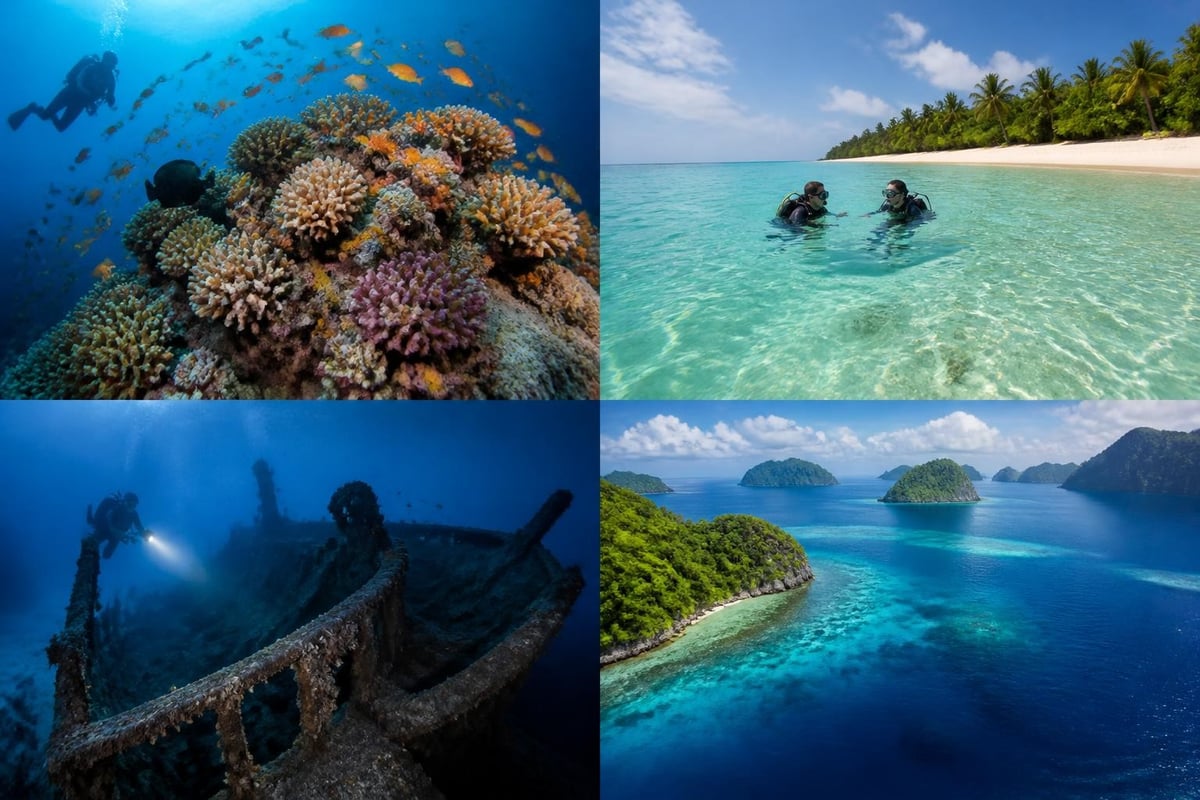
Dive resorts cluster in regions renowned for underwater biodiversity and accessibility. The Indo-Pacific offers concentrated excellence in places like Raja Ampat, the Coral Triangle, and the Philippines. The Caribbean attracts divers with warm water, easy conditions, and vibrant reef walls. The Red Sea combines year-round diving with dramatic topography and pelagic encounters. Each region offers distinct marine life, visibility, water temperature, and cultural context.
Southeast Asia and the Philippines:
- Exceptional biodiversity and macro life
- Affordable pricing and wide range of budgets
- Warm water, minimal exposure protection needed
- Short travel times from regional hubs
Caribbean:
- Easy diving conditions ideal for beginners
- English widely spoken
- Healthy hard coral formations and wall diving
- Hurricane season affects availability mid-summer to fall
Red Sea:
- Dramatic walls, wrecks, and pelagic species
- Year-round diving with excellent visibility
- Strong currents at some sites
- Mix of shore and boat diving
Lonely Planet’s diving destination guides provide up-to-date practical information on choosing responsible operators and understanding local conditions. Cross-referencing guidebooks, blogs, and resort websites builds a complete picture.
Making the Most of Your Dive Resort Experience
Arriving prepared enhances your dive resort stay. Bring a current medical clearance if required, your certification cards, logbook, and any personal gear you prefer (mask, computer, wetsuit). Communicate dietary restrictions, experience level, and any concerns in advance. Dive resorts thrive on repeat guests and referrals, so good operators invest in personalized service and will accommodate reasonable requests.
Maximize your experience by:
- Arriving a day early to settle in and avoid diving fatigue from travel
- Attending all dive briefings and asking questions
- Communicating honestly about your skill level and comfort
- Respecting marine life and reef etiquette
- Tipping guides and boat crew appropriately for good service
- Providing constructive feedback to help the resort improve
Repeat visits to the same resort deepen your familiarity with local sites, build relationships with staff, and often unlock insider knowledge about seasonal marine life, hidden macro subjects, or lesser-known dive spots.
Economic and Conservation Impact
Dive tourism generates significant economic value globally, supporting coastal communities and creating incentives for marine protection. WTTC reports quantify tourism’s contribution to GDP and employment, underscoring the sector's importance and its potential for sustainable development. Well-managed dive resorts channel this revenue into local economies, fund conservation initiatives, and advocate for marine protected areas that benefit everyone.
Your choice of dive resort has ripple effects. Supporting operators that employ locally, minimize environmental footprint, and contribute to reef health amplifies positive impact. Asking questions about these practices and favoring responsible businesses creates market pressure that encourages industry-wide improvement.
Advocating for Better Practices
As a diver and traveler, you have influence. Leaving detailed reviews that praise strong safety standards, environmental responsibility, and quality instruction helps future divers make informed choices. Conversely, highlighting shortcomings constructively (overcrowding, poor equipment, reef damage) encourages resorts to improve or signals others to look elsewhere. Participating in reef cleanups, citizen science, or donations to local conservation groups extends your positive contribution beyond your dive days.
Trends Shaping Dive Resorts in 2026
The dive resort industry continues evolving in response to traveler expectations, environmental pressures, and technological advances. Smaller group sizes, personalized itineraries, and enhanced safety protocols have become standard expectations rather than premium features. Eco-certifications and transparency around environmental impact increasingly influence booking decisions, particularly among younger divers.
Emerging trends include:
- Integration of nitrox as a standard offering for extended bottom time
- Private or semi-private dive charters for families and small groups seeking flexibility
- Digital logbooks and dive computers with cloud syncing
- Enhanced photography services and onboard editing suites
- Stronger partnerships with marine research organizations
- Hybrid packages combining diving with wellness, yoga, or adventure sports
Technology improves convenience (online booking, digital waivers, real-time weather updates) while raising expectations for responsiveness and personalization. Resorts that adapt without sacrificing the human touch and local authenticity tend to thrive.
For travelers seeking the ultimate in flexibility and privacy, options like a Private Diving Charter allow you to design your own itinerary, choose dive sites based on current conditions and interests, and enjoy dedicated guide attention. These charters suit honeymooners, families, or groups with specific goals such as underwater photography or advanced training.
Dive Resorts vs. Independent Day-Trip Operators
Some destinations offer a choice between staying at a dive resort and using independent operators for daily dive trips while staying at a separate hotel. Each approach has merits. Dive resorts offer convenience, cohesive service, and the ability to keep gear set up throughout your stay. Independent operators may provide access to a wider range of dive sites, competitive pricing, or specialized services like technical diving or photography workshops.
Consider your priorities. If convenience, immersion, and resort amenities matter most, an integrated dive resort makes sense. If you prefer boutique hotels unrelated to diving, enjoy exploring different operators, or have specialized diving interests, mixing and matching may work better. Research and compare total costs, travel time, and service quality before deciding.
Selecting the right dive resort shapes every aspect of your underwater adventure, from the health of the reefs you explore to the comfort of your accommodations and the quality of your training. By evaluating location, safety standards, sustainability practices, and the balance of diving with relaxation, you can choose a destination that matches your goals and values. For those planning to explore El Nido’s spectacular reefs and islands, Submariner Diving Center offers world-class diving experiences, PADI training, and private charters in the crystal-clear waters of Bacuit Bay. Whether you're learning to dive, advancing your skills, or simply discovering vibrant marine life, Submariner Diving Center provides the expertise, safety, and local knowledge to make your dive holiday unforgettable.