The waters surrounding El Nido offer some of the most spectacular snorkeling opportunities in Southeast Asia, where vibrant coral gardens meet crystal-clear visibility and diverse marine ecosystems. Whether you're planning your first snorkeling adventure or returning to explore new reef systems, understanding the local conditions, best sites, and proper techniques will transform your underwater experience. El Nido's protected bays, dramatic limestone formations, and thriving marine sanctuaries create perfect environments for surface exploration, making it an ideal destination for travelers who want to witness tropical reef life without scuba certification.
Why El Nido Excels for Snorkeling Adventures
El Nido's unique geography creates exceptional conditions for snorkeling throughout most of the year. The Bacuit Archipelago's sheltered lagoons and bays offer calm waters with visibility often exceeding 15-20 meters, allowing snorkelers to observe reef systems with remarkable clarity.
Water temperature remains comfortable year-round, typically ranging between 27-30°C (80-86°F), eliminating the need for thick wetsuits. Most snorkelers find a thin rashguard or lycra suit sufficient for sun protection and minor scrape prevention.
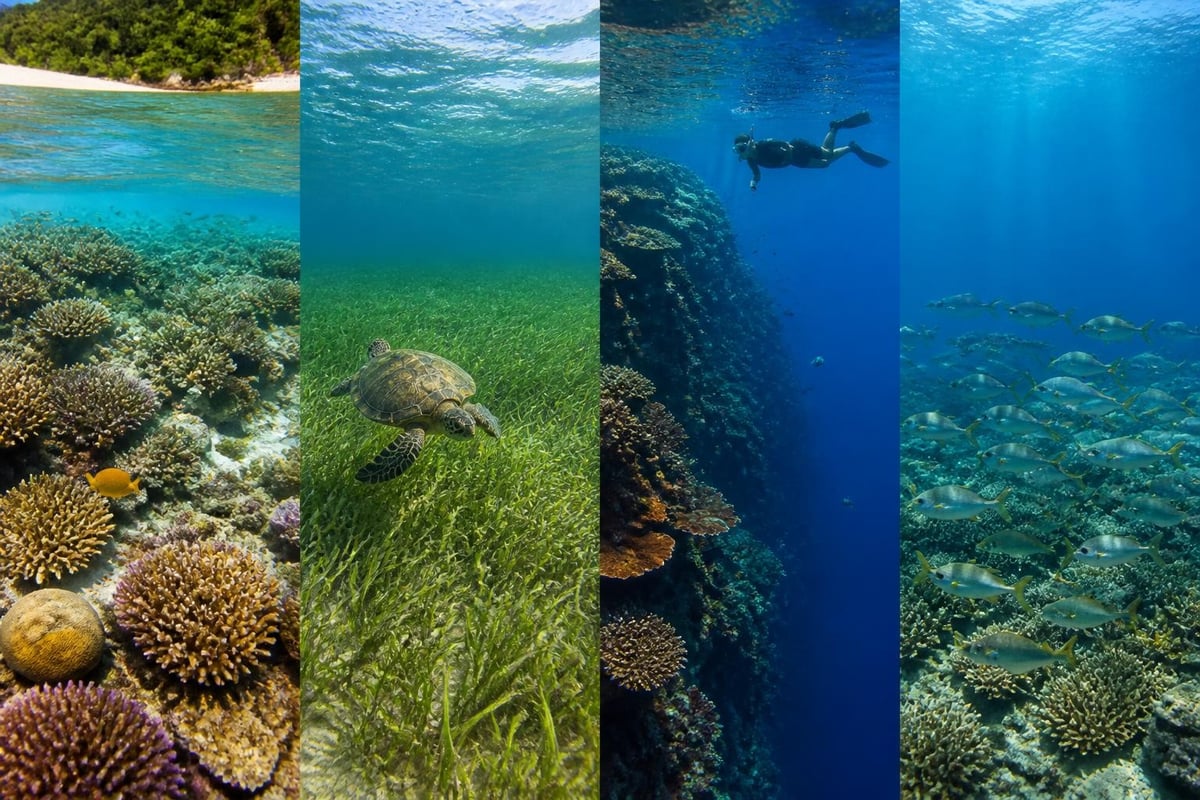
Marine Biodiversity at the Surface
The shallow reef systems accessible to snorkelers host incredible diversity:
- Over 850 documented fish species in the surrounding waters
- Healthy hard and soft coral formations in 2-15 meter depths
- Regular encounters with sea turtles in specific sanctuaries
- Seasonal visits from gentle reef sharks in certain locations
- Abundant invertebrate life including nudibranchs, sea stars, and urchins
The IUCN guidelines for tourism in protected areas emphasize the importance of maintaining these ecosystems through responsible visitor behavior, something El Nido's marine sanctuaries actively enforce through educated guiding and site management.
Essential Gear for Your Snorkeling Adventure
Proper equipment transforms a basic swim into a comfortable, extended snorkeling adventure. While rental gear is widely available in El Nido, understanding what makes quality equipment helps you make better choices.
The Critical Three: Mask, Snorkel, Fins
| Equipment | Key Features | Why It Matters |
|---|---|---|
| Mask | Tempered glass, silicone skirt, proper fit | Clear vision, no leaking, comfort during long sessions |
| Snorkel | Purge valve, comfortable mouthpiece | Easy water clearing, reduced jaw fatigue |
| Fins | Open-heel with adjustable straps | Efficient propulsion, reduced calf cramping |
Mask fit is the single most important factor. A properly fitting mask creates a seal without being overly tight. Test by placing it on your face (without the strap) and breathing in gently through your nose; it should stay in place through suction alone.
Additional Recommended Items
Beyond the basics, these items enhance your snorkeling adventure:
- Rashguard or wetsuit skin: Sun protection for extended sessions
- Reef-safe sunscreen: Protects you without damaging corals
- Snorkel vest: Adds buoyancy and confidence for beginners
- Waterproof camera: Captures your underwater discoveries
- Mesh bag: Convenient gear transport and drying
National Geographic's underwater photography guide offers excellent tips for capturing your snorkeling adventure memories, even with basic smartphone housings.
Mastering Essential Snorkeling Techniques
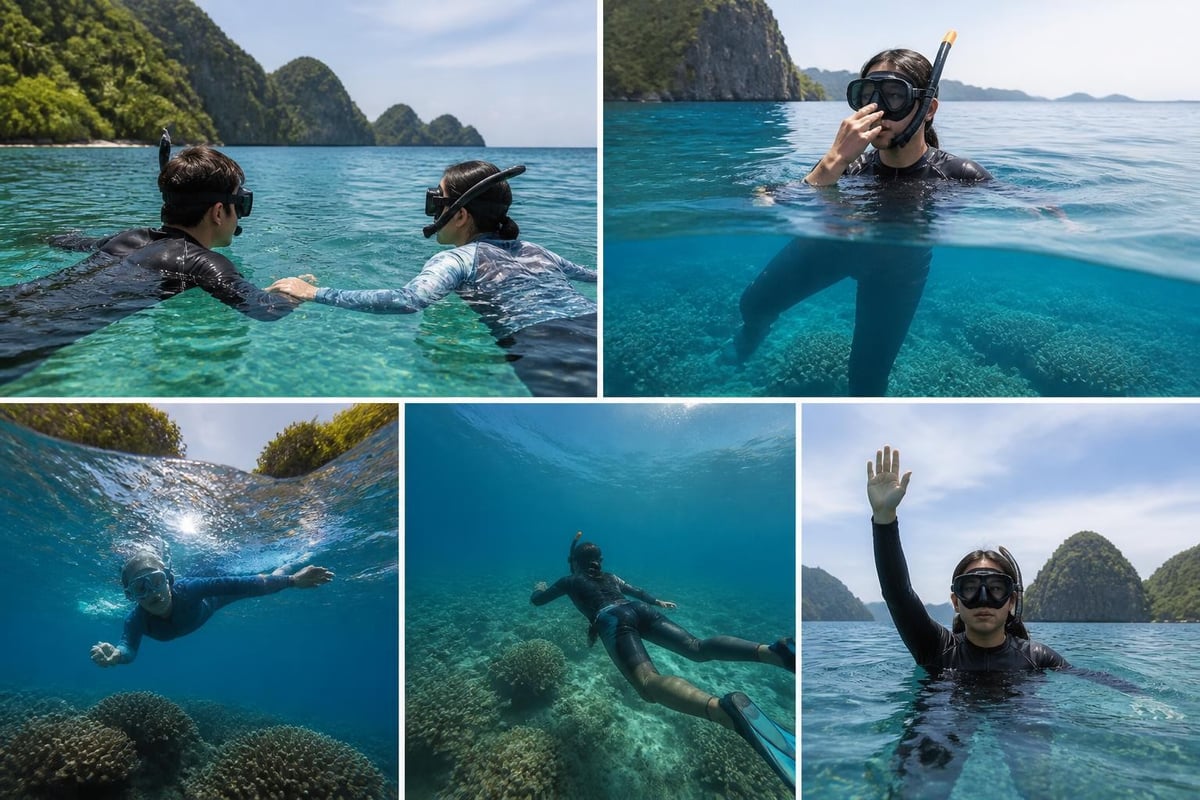
Even experienced swimmers benefit from understanding proper snorkeling techniques. Efficient movement and breathing patterns allow you to stay underwater longer with less effort and greater comfort.
Breathing and Buoyancy Control
Controlled breathing through the snorkel tube requires practice. Breathe slowly and deeply, using your diaphragm rather than shallow chest breathing. This reduces CO2 buildup and conserves energy during extended surface swims.
When water enters your snorkel:
- Don't panic or stand up immediately
- Keep your face in the water
- Exhale forcefully through the snorkel (blast clearing)
- Resume normal breathing
Surface floating technique involves relaxing completely, allowing your natural buoyancy to keep you afloat. Tense muscles sink; relaxed bodies float. This fundamental principle makes snorkeling far less tiring than swimming.
Efficient Finning Methods
Proper fin technique propels you smoothly without exhausting your legs:
- Flutter kick: Straight legs, kicks from the hip, relaxed ankles
- Modified flutter: Slower, longer strokes for reef areas
- Hands at sides: Never use arms for propulsion while finning
Keep kicks smooth and deliberate. Thrashing creates turbulence, disturbs marine life, and burns energy quickly. Experienced snorkelers move gracefully with minimal effort, gliding above reefs rather than fighting the water.
Best Snorkeling Spots in El Nido
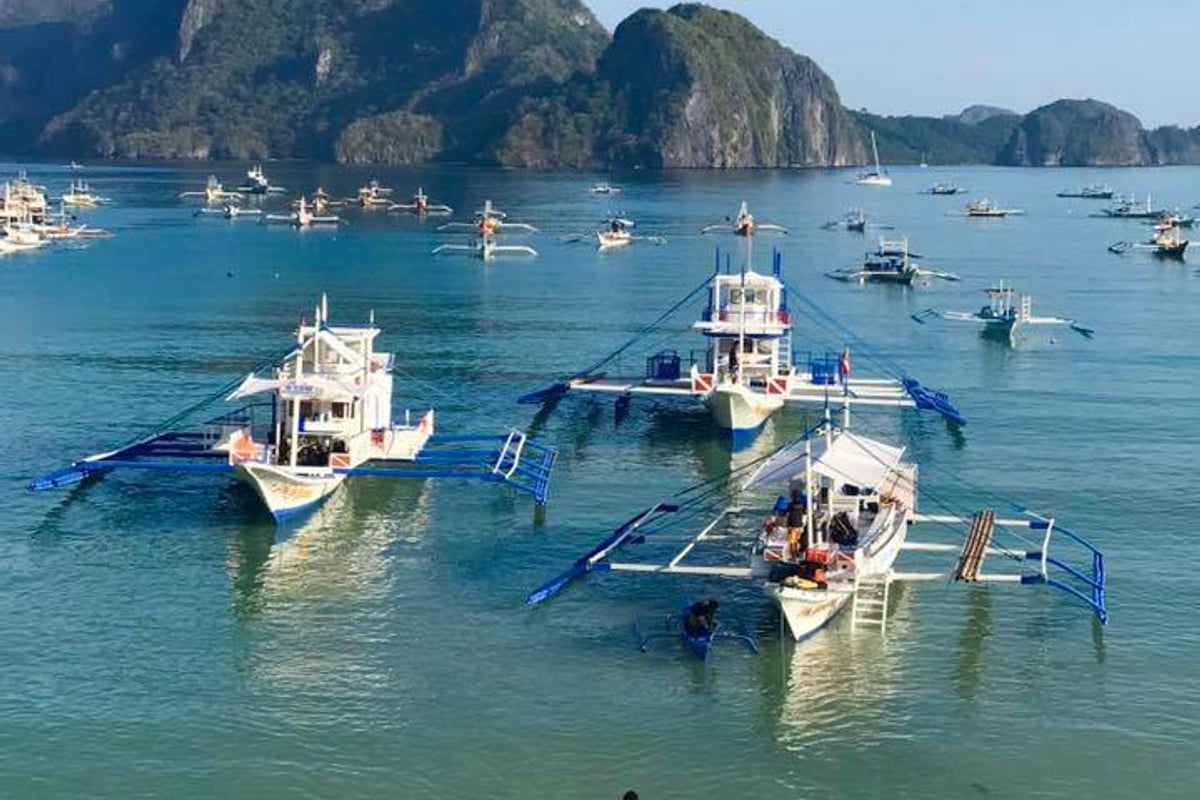
El Nido's snorkeling sites range from easily accessible beach entries to boat-access locations requiring guides. Each offers distinct characteristics and marine life encounters.
Accessible Beach Entry Sites
Seven Commandos Beach provides excellent reef access directly from shore. The reef slopes gradually from 2-8 meters, with healthy coral coverage and regular turtle sightings. Arrive early to avoid crowds from island-hopping tours.
Helicopter Island's eastern side features a spectacular wall accessible to confident snorkelers. The reef drops from 3 meters to beyond recreational depths, creating a dramatic underwater landscape where pelagic fish occasionally patrol.
Marine Sanctuary Locations
Protected marine sanctuaries enforce strict no-touch policies and often require guide accompaniment:
- Miniloc Island sanctuary: Dense coral formations, abundant reef fish
- Simizu Island: Dramatic underwater topography with swim-throughs
- Dilumacad (Helicopter) sanctuary: Turtle cleaning stations and resident rays
Small conservation fees support sanctuary maintenance and local communities. These protected areas demonstrate noticeably healthier coral and higher fish populations compared to unregulated sites.
Planning Your Snorkeling Adventure Route
Island-hopping tour boats visit multiple snorkeling sites daily, but private charters offer flexibility in timing and location selection. Morning conditions typically provide the calmest seas and best visibility before afternoon winds develop.
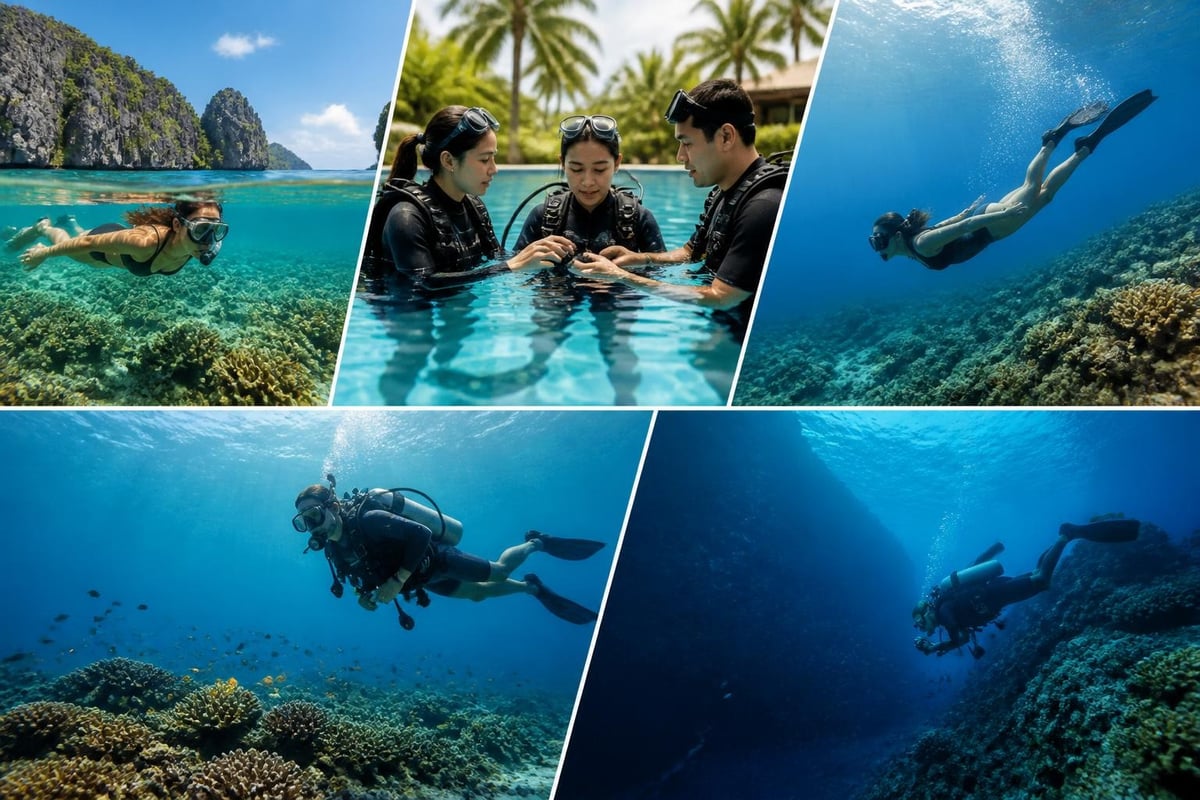
Those looking to combine surface exploration with deeper discoveries should consider trying scuba diving. The Discover Scuba Diving program allows first-timers to experience breathing underwater with professional instruction, opening access to deeper reefs and larger marine life while maintaining the same locations you've enjoyed from the surface.
Safety Considerations and Risk Management
Understanding potential hazards and appropriate responses keeps your snorkeling adventure both enjoyable and safe. Most incidents result from inadequate preparation or ignoring environmental conditions rather than inherent danger.
Environmental Awareness
Current assessment should happen before entering any new location. Observe floating debris, kelp movement, or ask local guides about typical patterns. If you feel yourself drifting faster than comfortable swimming speed, exit immediately.
Weather monitoring prevents getting caught in deteriorating conditions:
- Check marine forecasts before planning your day
- Observe cloud formations and wind direction
- Note sea state changes (building waves, whitecaps)
- Have contingency plans for early returns
The NOAA diving standards manual includes comprehensive safety protocols applicable to snorkeling, particularly regarding environmental limits and buddy procedures.
Medical Considerations
Ear pressure equalization becomes necessary when duck-diving below 2-3 meters. Pinch your nose and gently blow to equalize middle ear pressure. Never force equalization or dive with congestion, as this risks injury. Divers Alert Network's guide to ear injuries explains barotrauma risks that apply equally to breath-hold diving during snorkeling.
Physical fitness requirements are minimal for surface snorkeling but increase for extended sessions or challenging conditions. Be honest about your swimming ability and choose sites matching your skill level.
| Risk Factor | Prevention Strategy | Emergency Response |
|---|---|---|
| Cramps | Proper hydration, gradual warm-up | Signal buddy, float on back, gentle stretching |
| Exhaustion | Pace yourself, regular rest breaks | Use snorkel vest, signal for assistance |
| Marine life contact | Maintain distance, watch hand placement | Exit water, clean wound, seek medical advice |
| Sunburn | Rashguard, reef-safe sunscreen | Shade, hydration, after-sun care |
Marine Life Etiquette and Conservation
Responsible snorkeling adventure practices protect fragile reef ecosystems while enhancing your experience through better animal encounters. Marine life behaves more naturally around respectful observers.
The Golden Rules
Look but never touch applies to all marine life and coral formations. Oils from human skin damage coral mucus membranes, while touching can stress or injure creatures. Maintain at least 1-2 meters distance from turtles and rays.
Buoyancy control prevents accidental reef contact. New snorkelers sometimes stand on coral or grab formations for stability. Practice floating and finning techniques in sandy areas before approaching sensitive reefs.
Photography ethics means never harassing wildlife for better shots. Chasing, cornering, or repeatedly approaching animals causes stress and disrupts natural behaviors. The best images come from patient observation, not aggressive pursuit.
Supporting Local Conservation
El Nido's marine protected areas depend on visitor fees and community support. Choosing operators who follow sanctuary guidelines and educate guests contributes directly to conservation success.
Many Palawan diving operations participate in reef monitoring and cleanup initiatives. Joining beach cleanups or reporting illegal fishing strengthens protection efforts and improves conditions for future snorkeling adventures.
Seasonal Considerations and Weather Patterns
El Nido experiences distinct dry and wet seasons that significantly impact snorkeling conditions. Understanding these patterns helps optimize timing for your snorkeling adventure.
Dry Season Advantages (November-May)
Peak season brings consistently excellent conditions:
- Calm seas: Minimal wind and wave action
- Maximum visibility: Often exceeding 20-25 meters
- Reliable weather: Predictable sunshine and settled conditions
- Easier boat access: All sites typically reachable
December through March represents the absolute prime window. However, this popularity means crowded popular sites during midday tour rush periods.
Wet Season Opportunities (June-October)
The southwest monsoon brings challenges but also unique advantages:
- Fewer crowds: Significantly reduced visitor numbers
- Lower prices: Better rates on tours and accommodation
- Plankton blooms: Attracts larger pelagic species
- Dramatic skies: Stunning photography opportunities
Experienced snorkelers who monitor conditions can find excellent windows between weather systems. Protected eastern bays often remain calm even when western sites face rough conditions.
Daily Timing Strategies
Morning snorkeling adventures typically offer:
- Calmest surface conditions before afternoon winds
- Better visibility before sediment stirring
- More active fish feeding behavior
- Fewer tour boats at popular sites
Late afternoon brings different rewards, including changed lighting angles that illuminate reef features differently and occasional predator activity during reef transitions between day and night shifts.
Snorkeling Adventure Trip Planning
Organizing your snorkeling adventure involves coordinating equipment, transportation, accommodations, and site selection. Proper planning maximizes underwater time and minimizes logistical frustrations.
Equipment Rental vs. Purchase
Rental gear in El Nido varies significantly in quality. Inspect carefully before accepting:
- Check mask skirts for tears or stiff silicone
- Test snorkel valves for proper function
- Ensure fin straps aren't stretched or broken
- Verify proper sizing before leaving shore
Purchasing gear makes sense for frequent snorkelers or those planning extended stays. Good-quality mask, snorkel, and fin sets cost $80-150 and last years with proper care. Local dive shops offer better selection than general tour operators.
Accommodation and Logistics
Staying near launch points eliminates early morning transportation hassles. Beachfront locations provide immediate water access for practicing techniques before boat trips.
Properties offering diving services typically maintain higher equipment standards and employ knowledgeable guides familiar with optimal snorkeling sites. The integrated convenience of accommodation, diving facilities, and departure points streamlines daily logistics considerably.
Guided Tours vs. Independent Exploration
| Approach | Advantages | Considerations |
|---|---|---|
| Island-hopping tours | Fixed price, multiple sites, organized logistics | Crowds, fixed schedule, rushed site time |
| Private boat charters | Custom itinerary, flexible timing, exclusive sites | Higher cost, requires group formation |
| Beach entry snorkeling | Free access, unlimited time, independent schedule | Limited site variety, requires local knowledge |
First-time visitors benefit from joining at least one guided tour to learn site locations and assess personal interest before planning independent adventures.
Photography and Memory Documentation
Capturing your snorkeling adventure requires different techniques than land photography. Understanding underwater challenges produces better results with any camera type.
Camera Options for Different Budgets
Smartphone housings ($30-80) offer the most affordable entry point. Modern phones capture surprisingly good images in bright shallow water conditions. Limitations include fixed focus, no zoom, and reduced performance below 5 meters.
Action cameras ($200-500) provide wider angles, better stabilization, and video capabilities. GoPro and similar brands design specifically for water sports and handle rough treatment.
Compact underwater cameras ($300-800) offer dedicated underwater modes, better low-light performance, and optical zoom. Serious enthusiasts appreciate the control and image quality improvements.
Technique Tips for Better Images
Natural light diminishes rapidly underwater. Colors shift toward blue-green as depth increases:
- Stay shallow: Best colors and contrast in 1-5 meter depths
- Shoot upward: Silhouettes against surface create dramatic effects
- Get close: Water reduces clarity; closer subjects show more detail
- Steady yourself: Use reef (without touching) for camera stability
- Bracket exposures: Lighting changes rapidly with surface conditions
National Geographic's underwater photography techniques translate well from professional to consumer equipment, emphasizing composition and lighting awareness over expensive gear.
Video Documentation
Short video clips often capture the snorkeling adventure atmosphere better than still images. Marine life movement, reef scope, and personal reactions translate effectively through video.
Stabilization becomes crucial for watchable footage. Move slowly, use fins for smooth propulsion, and hold camera with both hands. Modern action cameras include excellent electronic stabilization that compensates for normal swimming motion.
Building Snorkeling Skills Progressively
Like any outdoor activity, snorkeling abilities develop through practice and gradually increasing challenges. Starting conservatively and building confidence creates better long-term enjoyment than attempting advanced sites immediately.
Beginner Progression Path
Session One: Shallow pool or calm bay
- Practice breathing through snorkel
- Master water clearing techniques
- Develop comfort floating face-down
- Basic finning in chest-deep water
Session Two: Protected beach entry
- Extended surface swimming
- Duck-diving to 2-3 meters
- Fish observation and photography
- Emergency procedures practice
Session Three: Boat site with guide
- Deeper water confidence
- Current awareness
- Marine life identification
- Longer duration sessions
Session Four: Independent exploration
- Solo buddy pair diving
- Site navigation
- Advanced techniques
- Personal challenge setting
Advanced Skill Development
Experienced snorkelers can pursue specific skill refinement:
- Breath-hold extension: Train lung capacity and CO2 tolerance
- Free-diving techniques: Duck-diving efficiency and depth progression
- Marine life identification: Species recognition and behavior understanding
- Underwater navigation: Natural landmark use and compass skills
Those interested in pursuing depths beyond comfortable breath-hold range naturally transition toward scuba diving. Understanding what lies in Palawan’s top dive sites often motivates snorkelers to pursue certification and access the remarkable walls, caves, and deeper reef structures impossible to reach from the surface.
Health Benefits of Regular Snorkeling
Beyond the obvious enjoyment, snorkeling adventures provide significant physical and mental health benefits. Regular participants report improvements across multiple wellness dimensions.
Physical Fitness Advantages
Cardiovascular conditioning develops through sustained swimming activity. Snorkeling provides moderate-intensity aerobic exercise that strengthens heart and lung function without high-impact joint stress.
Muscular engagement includes:
- Core stabilization during surface swimming
- Leg strength from continuous finning
- Upper body toning from occasional arm use
- Improved flexibility through full-body movement
Calorie expenditure during snorkeling averages 250-350 calories per hour depending on intensity and water temperature. The activity feels less strenuous than equivalent land exercise due to water's supportive properties.
Mental and Emotional Wellbeing
The underwater environment creates unique psychological benefits. Stress reduction occurs through several mechanisms including rhythmic breathing patterns, sensory engagement, and natural world connection.
Mindfulness development happens organically while observing marine life. Watching fish behavior or coral details requires present-moment focus that quiets mental chatter and worry patterns.
Many regular snorkelers describe the activity as meditative, noting improved mood, reduced anxiety, and better sleep quality following ocean time. The combination of physical exercise, natural beauty, and novel experiences creates powerful positive mental effects.
Environmental Factors Affecting Visibility and Conditions
Understanding ocean dynamics helps predict optimal snorkeling conditions and adjust expectations based on recent weather and tidal patterns.
Tidal Influences
Tide cycles significantly impact shallow reef snorkeling:
- High tide: Deeper water over reefs, easier swimming, reduced bottom contact risk
- Low tide: Enhanced coral detail visibility, stronger currents, limited passage areas
- Tidal movement: Water clarity changes as currents transport sediment and plankton
Mid-tide periods often provide optimal combinations of depth and clarity. Spring tides (new and full moon) produce stronger currents than neap tides (quarter moons).
Recent Weather Effects
Heavy rainfall affects coastal water clarity for 24-72 hours through runoff and river discharge. Even distant rain in mountain watersheds eventually reaches coastal bays.
Wind direction determines which coastlines experience rough or calm conditions:
- Northeast monsoon (November-March): Western bays remain protected
- Southwest monsoon (June-October): Eastern sites offer better conditions
- Transition periods: Variable, requiring daily assessment
Plankton Blooms and Visibility
Seasonal plankton increases reduce visibility but attract larger marine life. These blooms typically peak during warmer months and after storms, creating green-tinged water.
While frustrating for underwater photography, plankton-rich periods bring whale sharks, manta rays, and other filter feeders to shallow areas. Experienced snorkelers appreciate these trade-offs and adjust activities accordingly.
Combining Snorkeling with Other El Nido Activities
A well-rounded El Nido adventure integrates snorkeling with complementary activities that showcase the region's diverse attractions beyond underwater exploration.
Multi-Activity Day Planning
Morning snorkeling pairs perfectly with afternoon land-based adventures:
- Kayaking through lagoons and caves
- Beach exploration and swimming
- Limestone cliff climbing
- Sunset viewpoint hikes
This rhythm prevents excessive sun exposure while maximizing activity variety. Physical recovery also benefits from alternating water and land exertion.
Extended Stay Integration
Week-long visits allow deeper exploration beyond standard tourist circuits:
- Days 1-2: Orientation and popular snorkeling sites
- Days 3-4: Private boat charters to remote locations
- Days 5-6: Scuba diving or advanced skills development
- Day 7: Relaxation and revisiting favorite discoveries
This pacing prevents burnout while building skills and knowledge progressively. Many visitors extend stays after discovering snorkeling adventure opportunities exceed initial expectations.
Learning Opportunities
El Nido supports various educational experiences complementing snorkeling:
- Marine biology talks and reef ecology tours
- Conservation volunteer programs
- Photography workshops
- Local culture and community interactions
Understanding the reasons why Palawan ranks as the Philippines’ premier dive destination provides context for what makes El Nido's underwater environments special and worth protecting.
Preparing for Different Snorkeling Scenarios
Various situations require adjusted approaches and specialized preparation. Anticipating these scenarios prevents problems and enhances enjoyment.
Deep Water Snorkeling
Locations without visible bottom require different mental approaches:
- Visual references: Use boat, buoys, or shore landmarks for orientation
- Buoyancy confidence: Trust flotation without needing touchpoints
- Depth perception: Understand that clear water makes distances deceptive
- Emergency procedures: Know how to signal boat support
Current Snorkeling
Intentional drift snorkeling along walls or channels creates exciting experiences:
- Enter upstream of desired observation area
- Drift with current while maintaining depth control
- Exit at predetermined downstream point
- Coordinate carefully with boat pickup
Never fight strong currents. Signal for boat assistance rather than exhausting yourself swimming against flow.
Low Visibility Conditions
Reduced clarity requires adapted techniques:
- Stay closer to buddies (within 2-3 meters)
- Use high-contrast equipment for visual contact
- Proceed more slowly and cautiously
- Focus on macro subjects rather than reef overviews
Visibility below 5 meters may warrant postponing the snorkeling adventure until conditions improve, particularly for inexperienced participants.
Long-term Snorkeling Adventure Development
Regular snorkeling transforms from occasional vacation activity into a sustained practice with deepening engagement and skill development.
Setting Progressive Goals
Short-term objectives maintain motivation:
- Visit specific number of new sites
- Photograph particular marine species
- Master specific techniques
- Extend breath-hold duration
Long-term development might include:
- Free-diving certification
- Marine biology education
- Conservation involvement
- Scuba diving progression
Community Connection
Joining snorkeling groups or online communities provides ongoing learning and motivation. Sharing experiences, comparing sites, and planning trips together enhances the individual practice.
Local dive operators often organize regular snorkeling outings, reef monitoring events, or conservation activities that welcome enthusiastic participants regardless of certification status.
Equipment Investment Evolution
As skills develop, equipment preferences become more specific. Upgrading individual components over time allows gradual investment while maintaining quality standards:
Year one: Rental gear with occasional purchases
Year two: Personal mask, snorkel, and basic fins
Year three: Premium fins, underwater camera
Year four: Specialized equipment for specific interests
This approach spreads costs while ensuring each purchase matches current skill level and genuine need rather than anticipated future use.
A successful snorkeling adventure in El Nido combines proper preparation, respect for marine environments, and progressive skill development that transforms surface swimming into genuine underwater exploration. Whether you're planning your first experience or seeking to expand existing abilities, El Nido's protected waters and vibrant reefs provide ideal conditions for discovery at every level. Palawan Diving offers comprehensive guidance, quality equipment, and expert local knowledge to help you make the most of your time above and below the waterline.