Choosing where to dive next can feel overwhelming when our planet offers such incredible underwater diversity. From the crystal-clear lagoons of Southeast Asia to the kelp forests of California and the historic wrecks of the Red Sea, each region delivers something completely different. Whether you're planning your first certification trip or your fiftieth dive holiday, understanding what makes each destination special helps you match your skills, interests, and travel style with the right location. This guide explores the top scuba diving locations across the globe, breaking down what makes each region unique and who they suit best.
What Makes a Diving Location Truly World-Class
Not every dive site deserves a spot on your bucket list. The truly outstanding locations combine several factors that elevate them above ordinary dive spots.
Marine Biodiversity and Health
The richest diving experiences happen where ecosystems thrive. Healthy coral reefs support thousands of species, from tiny nudibranchs to massive whale sharks. Marine World Heritage Sites often represent the pinnacle of marine conservation, protecting unique ecosystems that offer unparalleled diving.
Water clarity matters enormously. Visibility ranging from 20 to 40 meters allows you to appreciate the full scope of reefs, walls, and marine life. Temperature stability also plays a role, as consistent warmth supports year-round diving and comfortable experiences for divers of all levels.
Key indicators of exceptional dive sites:
- Coral cover exceeding 50% with minimal bleaching
- Regular sightings of apex predators (sharks, rays, groupers)
- Endemic species found nowhere else on Earth
- Diverse habitats within short distances (reefs, walls, wrecks, channels)
- Protected status or active conservation programs
Accessibility and Infrastructure
Even the most pristine reefs lose their appeal if you can't reach them reliably. Top-tier diving locations offer professional dive centers, well-maintained equipment, experienced guides, and safe boat operations. Destinations that combine world-class diving with solid infrastructure make your trip smoother and safer.
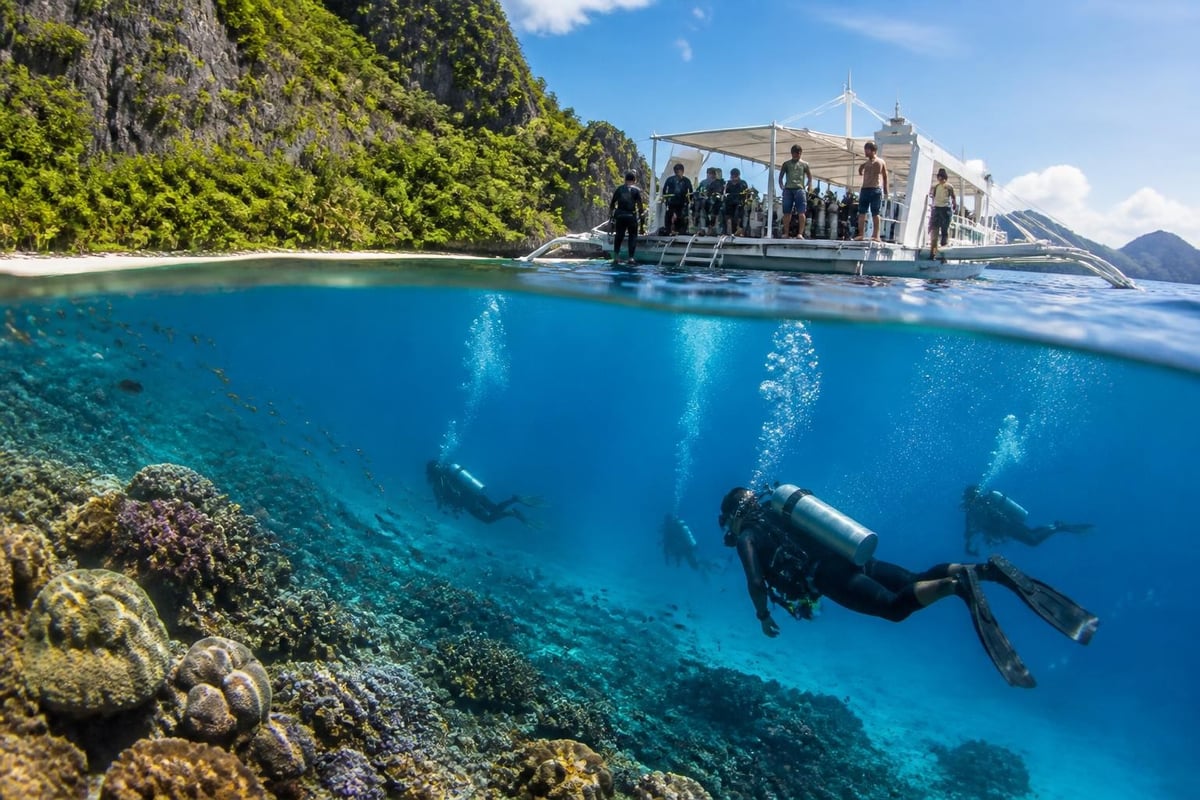
The Indo-Pacific: Home to Earth's Richest Reefs
The Coral Triangle, stretching from Indonesia to the Philippines and Papua New Guinea, contains 76% of all coral species and more than 3,000 reef fish species. This region sets the global standard for marine biodiversity.
Raja Ampat, Indonesia
Raja Ampat consistently ranks as one of the world’s most extraordinary dive destinations, and for good reason. This remote archipelago off West Papua harbors 75% of all known coral species and the highest recorded fish diversity on the planet.
| Feature | Details |
|---|---|
| Best for | Macro photography, wide-angle reef shots, pelagics |
| Skill level | Intermediate to advanced (some sites have strong currents) |
| Peak season | October to April |
| Visibility | 15-30 meters typical |
| Signature species | Manta rays, wobbegong sharks, pygmy seahorses, walking sharks |
The diving here spans dramatic drop-offs, pristine hard coral gardens, and muck diving channels. You'll need a liveaboard or resort-based operation to access the best sites, as the region's remoteness protects it from mass tourism.
Palawan, Philippines
The Philippines offers over 7,000 islands and some of the world's most accessible top scuba diving locations. Palawan stands out for combining exceptional diving with stunning topside scenery and genuine value.
El Nido delivers crystal-clear waters, healthy reef systems, and reliable marine life sightings throughout the year. The limestone karst formations that make the region famous above water continue underwater, creating dramatic walls, swim-throughs, and caverns that shelter everything from juvenile fish to hunting trevally.
What sets Palawan diving apart:
- Uncrowded dive sites compared to other Philippine hotspots
- Year-round diving with calm conditions most months
- Affordable PADI courses and dive packages
- Easy combination of diving, island-hopping, and beach relaxation
- Growing conservation awareness protecting local reefs
The diversity of dive sites throughout Palawan means you can enjoy everything from gentle reef dives perfect for beginners to deeper drift dives that challenge experienced divers. If you're planning your first certification or looking to advance your skills, this region offers ideal learning conditions without the crowds of more developed destinations.
For those serious about diving in this region, combining accommodation with diving makes practical sense. Staying beachfront means shorter transfers, more flexibility with dive times, and the convenience of having everything in one location. When you can step off the boat and onto the beach where you're staying, your entire dive holiday becomes more relaxed and efficient.
Sipadan, Malaysia
Sipadan's fame rests on one extraordinary feature: a 600-meter vertical drop-off rising from the Celebes Sea floor. This oceanic island attracts pelagic species in numbers that leave even experienced divers speechless.
Expect to see barracuda tornadoes numbering in the thousands, green and hawksbill turtles on every dive, and regular visits from hammerhead sharks and eagle rays. Malaysia limits daily divers to preserve the ecosystem, so advance booking is essential.
The Red Sea: History Meets Marine Splendor
Egypt's Red Sea has been drawing divers since recreational scuba diving began. The combination of biblical history, desert landscapes, and some of the world's best wreck diving creates an unforgettable experience.
Egyptian Wrecks and Reefs
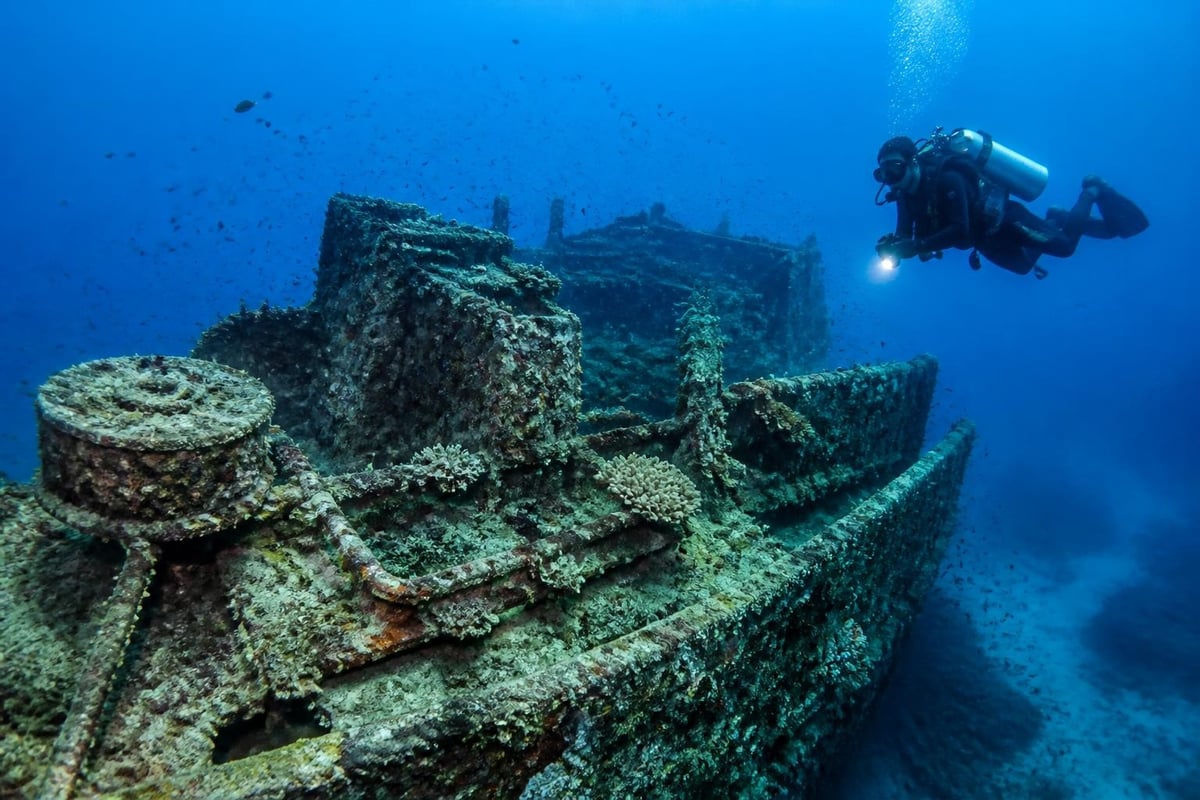
The SS Thistlegorm, a British merchant ship sunk in 1941, ranks among the world's most famous wreck dives. The cargo of trucks, motorcycles, and munitions remains remarkably preserved in the clear, warm water.
Beyond the wrecks, Egypt's reef systems rival any tropical destination. The steep walls around the Brothers Islands drop into blue water where oceanic whitetip sharks patrol. Ras Mohammed National Park at the southern tip of the Sinai Peninsula offers drift diving through channels filled with soft corals and jacks.
Red Sea advantages:
- Year-round warm water (22-28°C)
- Exceptional visibility (often 30+ meters)
- No wetsuit heavier than 3mm needed
- Established liveaboard industry with competitive pricing
- Direct flights from Europe and the Middle East
Sudan's Untouched Reefs
For divers seeking the Red Sea's remote sites, Sudan offers what Egypt looked like decades ago. Fewer operators, stricter permits, and longer journeys mean pristine reefs with minimal diver impact. National Geographic highlighted Sudan's shark populations and intact ecosystems as some of the most impressive remaining in the Red Sea.
The Caribbean: Accessible Tropical Diving
The Caribbean built recreational diving as we know it. While Indo-Pacific destinations may offer higher biodiversity, the Caribbean provides easy access, excellent infrastructure, and unique experiences you won't find elsewhere.
Belize Barrier Reef System
The Caribbean’s premier diving region centers on Belize's extensive reef system, the second-longest barrier reef on Earth. The Great Blue Hole, made famous by Jacques Cousteau, draws photographers worldwide, though the surrounding atolls offer superior marine life.
Lighthouse Reef and Turneffe Atoll provide healthy coral cover, abundant fish populations, and regular shark encounters. The diving here suits all levels, with shallow reef dives near the cayes and dramatic walls for advanced divers.
Bonaire: Shore Diving Paradise
Bonaire revolutionized shore diving by making the entire coastline a protected marine park. Over 60 marked sites accessible directly from the beach mean complete freedom and flexibility. Rent a truck, load your gear, and dive whenever you want.
| Aspect | Rating | Notes |
|---|---|---|
| Marine park fees | Moderate | Annual fees support conservation |
| Shore dive quality | Excellent | Equal to boat diving at many destinations |
| Beginner-friendly | Very high | Calm conditions, gradual slopes |
| Photography | Excellent | Easy gear transport, unlimited bottom time |
The consistent conditions and easy access make Bonaire ideal for learning to dive or improving your skills without the pressure of boat schedules or group dynamics.
The Americas: From Kelp to Coral
North and South America offer extraordinary variety, from the kelp forests of California to the sea lion colonies of the Galápagos.
Galápagos Islands, Ecuador
Darwin's islands deliver diving unlike anywhere else. The volcanic archipelago sits at the confluence of several major currents, bringing nutrients that support enormous schools of hammerhead sharks, whale sharks, manta rays, and marine iguanas found nowhere else on Earth.
The water runs cold (16-24°C), currents can be challenging, and conditions feel more like expedition diving than tropical relaxation. But for experienced divers seeking big animal encounters, few destinations compare.
California Kelp Forests
California's kelp forests represent some of North America’s most unique diving. Towering kelp stalks create an underwater forest where sea lions play, harbor seals hunt, and colorful invertebrates cover every surface.
Monterey Bay, Channel Islands, and Catalina Island all offer exceptional cold-water diving. You'll need a 7mm wetsuit or drysuit, but the wildlife encounters rival tropical destinations. The diving here also supports important marine conservation and research, showing how diving tourism can contribute to science and stewardship.
Factors to Consider When Choosing Your Next Dive Destination
Matching your skills, interests, and travel style with the right location ensures a better experience than simply chasing "best of" lists.
Your Certification Level and Experience
If you're newly certified or still building experience:
- Choose destinations with calm conditions and predictable weather
- Look for locations with gradual depth profiles and minimal current
- Prioritize dive centers known for small groups and patient guides
- Consider places where you can shore dive or return to sites to build confidence
For advanced divers seeking challenges:
- Research destinations with technical diving, deep walls, or strong currents
- Consider liveaboards accessing remote sites unavailable to day boats
- Look for seasonal events (sardine runs, spawning aggregations, whale migrations)
Budget and Travel Logistics
Southeast Asia and parts of the Caribbean offer the best value for diving and accommodation. A week of diving in the Philippines or Indonesia costs less than a long weekend in many first-world destinations, with quality often exceeding more expensive regions.
European and North American divers might prioritize destinations with direct flights and minimal travel time for shorter trips, saving the remote locations for extended holidays.
Seasonal Considerations and Weather Patterns
Most top scuba diving locations have optimal seasons when conditions peak. Monsoons affect Southeast Asia, hurricane season impacts the Caribbean, and cold upwellings change visibility and temperature in various regions.
Quick seasonal reference:
- Caribbean: Best November-April, avoiding hurricane season
- Red Sea: Year-round, with summer bringing warmest water
- Southeast Asia (Philippines, Indonesia): Best March-June and October-December, varying by specific location
- Maldives: Best November-April on the west side, March-November on the east side
- Galápagos: Year-round, but best shark encounters June-November
If you're planning a dive trip around learning or advancing certifications, choosing a destination with stable weather during your travel dates makes the training process smoother and more enjoyable.
Emerging Dive Destinations Worth Watching
Several regions are developing infrastructure and recognition as top scuba diving locations without the crowds of established hotspots.
Timor-Leste
This young nation offers pristine reefs, excellent macro life, and virtually no diving pressure. The walls around Atauro Island and muck diving near Dili rival Indonesia's best sites, but with a fraction of the divers.
Mozambique
Southern Mozambique's Tofo Beach and Ponta d'Ouro attract divers seeking manta rays and whale sharks. The Indian Ocean's nutrient-rich water supports healthy populations of megafauna, while the developing tourism industry keeps costs reasonable.
Colombia's Pacific Coast
Malpelo Island and Gorgona Island offer world-class shark diving in Colombia's Pacific waters. Remote, challenging, and spectacular, these destinations suit experienced divers wanting to explore places few have seen.
Conservation and Responsible Diving
The future of these top scuba diving locations depends on divers minimizing their impact and supporting conservation efforts. Simple practices make a significant difference.
Every dive, every diver can:
- Maintain perfect buoyancy to avoid touching coral or stirring sediment
- Choose reef-safe sunscreen (mineral-based, no oxybenzone)
- Never touch, chase, or feed marine life
- Remove any trash encountered underwater
- Support dive operators with strong environmental policies
- Participate in reef cleanups and citizen science programs
Many destinations now charge marine park fees that directly fund conservation. Paying these fees willingly supports the protection that keeps these sites world-class.
From the species-rich reefs of Southeast Asia to the historic wrecks of the Red Sea and the kelp forests of California, our planet offers remarkable diving diversity. The top scuba diving locations share healthy ecosystems, reliable marine life, and professional operations that prioritize safety and conservation. Whether you're taking your first breaths underwater or planning your next advanced adventure, Palawan Diving provides the perfect base for exploring El Nido's pristine reefs, dramatic walls, and vibrant marine life. With PADI courses, daily fun diving, and private charters available, we'll help you experience why Palawan ranks among the Philippines' finest dive destinations.