The dive world scuba community has grown exponentially over the past decades, transforming from a niche adventure activity into a globally accessible pursuit that attracts millions of enthusiasts each year. Whether you're considering your first breath underwater or looking to expand your diving skills, understanding the foundations of scuba diving opens the door to exploring 70% of our planet. From certification pathways to equipment choices and destination planning, the dive world scuba landscape offers opportunities for every interest level and budget. In this comprehensive guide, we'll navigate the essential elements that make scuba diving one of the most rewarding activities you can pursue.
Understanding the Dive World Scuba Community
The global dive world scuba community represents a diverse network of recreational divers, professionals, instructors, and conservation advocates. This interconnected group shares a common passion for underwater exploration while maintaining rigorous safety standards and environmental stewardship.
Who Makes Up the Diving Community
Today's dive world scuba participants come from every background imaginable. You'll find:
- Recreational divers exploring reefs on holiday
- Technical divers pushing depth and overhead environment limits
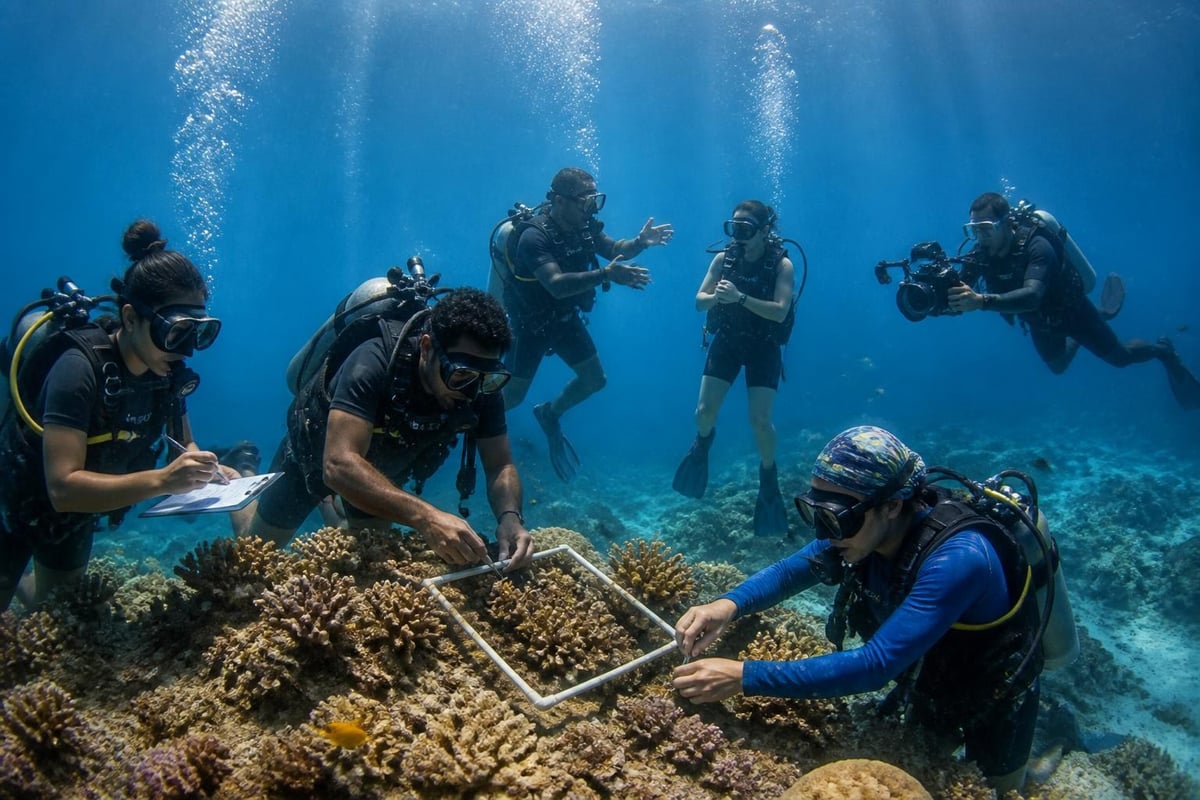
- Scientific divers conducting marine research
- Professional dive instructors training the next generation
- Underwater photographers documenting marine ecosystems
- Conservation divers participating in reef restoration
The accessibility of scuba diving has improved dramatically. Modern training methods, better equipment, and increased safety awareness have made diving possible for people of varying fitness levels and ages.
Training Organizations and Standards
Several international agencies set the standards for dive world scuba training. PADI (Professional Association of Diving Instructors) remains the largest, but SSI, NAUI, and CMAS also maintain excellent programs. These organizations ensure consistent training quality worldwide through standardized curricula and instructor requirements.
Training standards address medical prerequisites, skill requirements, and depth limitations for each certification level. The CMAS international standards provide detailed frameworks that many national agencies reference when developing their programs.
Getting Started: Your Path to Certification
Entering the dive world scuba scene begins with proper training. Modern certification courses combine academic learning, confined water practice, and open water dives to build competence and confidence.
Entry-Level Options
Discover Scuba Diving programs let you experience breathing underwater in a controlled environment before committing to full certification. These introductory sessions typically include:
- Pool or shallow water practice
- Basic equipment familiarization
- Supervised underwater breathing exercises
- Assessment of comfort and interest
For those ready to become certified divers, the Open Water Diver course represents the standard entry point. This comprehensive program typically requires 3-4 days and covers essential theory, pool skills, and four open water training dives. If you're visiting El Nido and want the convenience of combining your certification with beachfront accommodation, the El Nido Dive & Stay Package offers an efficient way to complete your training while staying steps from the dive boat departure point.
Advanced Training Pathways
After earning your basic certification, the dive world scuba training ladder extends upward through multiple specialties and advanced levels:
| Certification Level | Typical Requirements | New Capabilities |
|---|---|---|
| Advanced Open Water | 5 specialty dives | Deeper dives (30m), navigation skills |
| Rescue Diver | CPR/First Aid, rescue scenarios | Emergency response, diver assistance |
| Divemaster | 40+ logged dives, extensive training | Supervising certified divers, assisting instruction |
| Instructor | 100+ logged dives, teaching course | Training and certifying new divers |
Each level builds competence while opening new diving opportunities. Specialty courses in underwater photography, wreck diving, night diving, and nitrox add specific skills that enhance your dive world scuba experiences.
Essential Equipment for the Dive World Scuba Experience
Quality equipment forms the foundation of safe, comfortable diving. While dive centers provide rental gear, many divers eventually invest in personal equipment that fits perfectly and meets their specific needs.
Core Equipment Components
The dive world scuba equipment package consists of several interconnected systems:
Life support equipment includes your regulator (which delivers air at ambient pressure), alternate air source, pressure gauge, and cylinder. Divers Alert Network emphasizes regular equipment maintenance as critical for preventing equipment-related incidents.
Buoyancy control relies on your BCD (buoyancy control device) and weights. Proper buoyancy management protects reefs, reduces air consumption, and improves your diving experience.
Environmental protection comes from your wetsuit or drysuit, hood, gloves, and boots. Water conducts heat 25 times faster than air, making thermal protection essential even in tropical waters.
Navigation and monitoring requires a dive computer, compass, depth gauge, and timing device. Modern dive computers track depth, time, nitrogen loading, and ascent rates automatically.
Personal vs. Rental Equipment
New divers often wonder what to purchase first. Consider this priority sequence:
- Mask, snorkel, and fins (personal fit matters most)
- Dive computer (tracks your unique dive profile)
- Wetsuit (hygiene and perfect fit)
- Regulator and BCD (performance and familiarity)
- Tank and weights (rental usually makes economic sense)
Quality dive world scuba equipment represents a significant investment, but proper maintenance extends lifespan considerably. Rinse all gear thoroughly after each dive, service regulators annually, and store equipment properly between dive trips.
Safety Principles in the Dive World Scuba Culture
Safety consciousness defines responsible dive world scuba participation. While diving carries inherent risks, proper training, equipment maintenance, and conservative practices minimize potential problems.
Understanding Dive Physiology
Pressure increases by one atmosphere every 10 meters of depth, creating physiological effects that divers must understand and manage:
- Nitrogen absorption increases with depth and time, requiring careful dive planning and ascent rates
- Barotrauma can affect air spaces (ears, sinuses, lungs) during descent and ascent
- Gas toxicity concerns arise at deeper depths with air or enriched gas mixtures
Peer-reviewed research on decompression illness guides modern dive table and computer algorithms that help divers avoid decompression sickness. Conservative diving practices reduce risk significantly.
Pre-Dive Planning and Checks
Professional dive operations follow established safety protocols. NOAA’s Diving Standards & Safety Manual outlines comprehensive procedures that recreational operators often adapt.
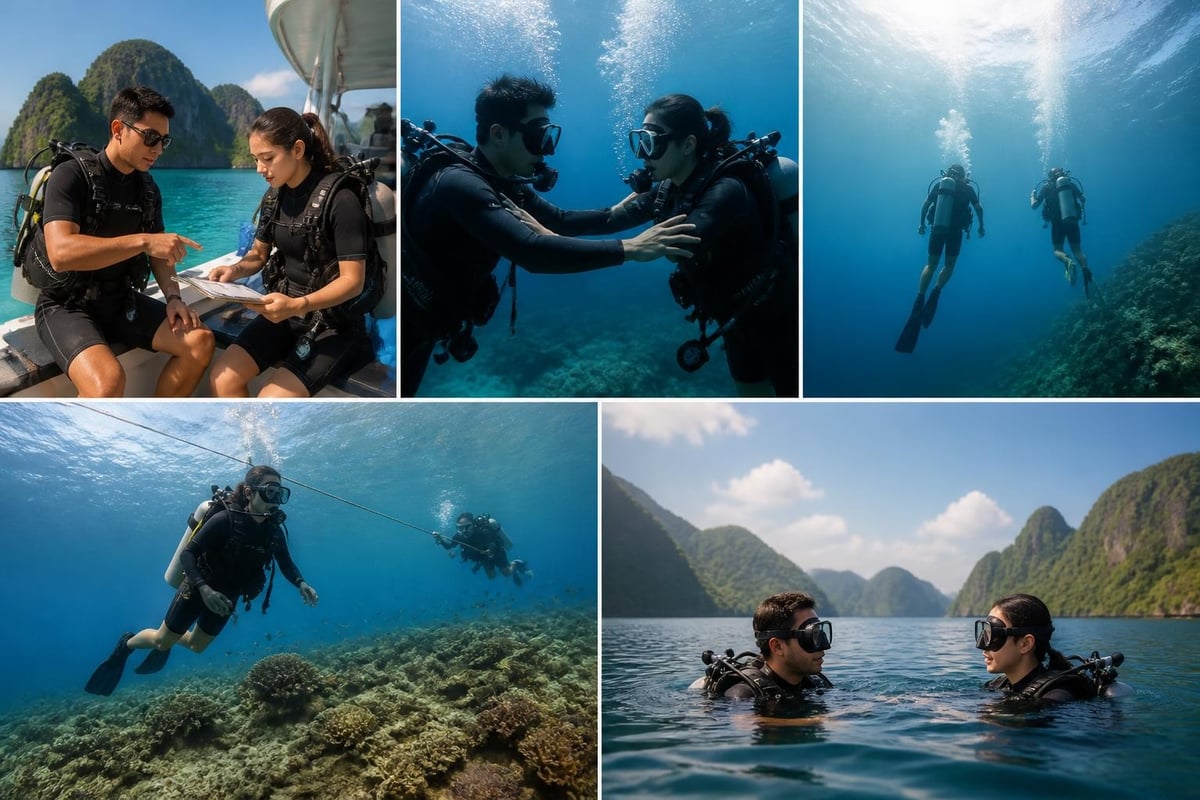
Before every dive, complete these essential steps:
- Dive briefing covering site conditions, depth, time, marine life, and emergency procedures
- Buddy check verifying all equipment functions properly
- Dive plan agreement establishing maximum depth and bottom time
- Surface conditions assessment checking weather, current, and visibility
- Emergency contact confirmation ensuring someone knows your dive plan
Choosing Dive Destinations
The dive world scuba map spans every ocean and many inland locations. Different destinations offer unique marine ecosystems, underwater topography, and diving conditions.
Tropical Reef Destinations
Warm-water diving attracts the majority of recreational divers. Crystal-clear visibility, vibrant coral reefs, and diverse marine life characterize tropical destinations. The Philippines, particularly Palawan’s scuba diving locations, offers exceptional reef diving with healthy coral systems and abundant fish populations.
Tropical diving typically features:
- Water temperatures 26-30°C (79-86°F)
- Visibility often exceeding 20 meters
- Diverse hard and soft coral formations
- Rich fish populations and invertebrate life
- Accessible depth ranges for all certification levels
Temperate and Cold-Water Diving
Colder waters host different ecosystems with unique appeal. Kelp forests, dramatic wall formations, and larger marine animals characterize these environments. However, they require more extensive thermal protection and often involve more challenging conditions.
Dive Site Selection Criteria
When exploring the dive world scuba destination options, evaluate these factors:
| Factor | Considerations |
|---|---|
| Skill requirements | Current strength, depth, visibility, navigation complexity |
| Marine life seasons | Migration patterns, breeding seasons, plankton blooms |
| Weather windows | Monsoon patterns, winter storms, optimal visiting months |
| Accessibility | Travel time, local infrastructure, dive operation quality |
| Conservation status | Marine protection, responsible operator practices |
Dive World Scuba Conservation and Responsibility
Environmental stewardship has become central to dive world scuba culture. Divers witness marine ecosystem changes firsthand, motivating many to participate in conservation efforts.
Responsible Diving Practices
Every dive impacts the underwater environment. Minimize your footprint through these practices:
- Perfect buoyancy control prevents accidental coral contact
- Secured equipment eliminates dangling gauges and consoles
- Proper finning techniques avoid sediment disruption
- No-touch policy protects marine life and fragile organisms
- Trash removal includes abandoned fishing gear and debris
When diving in protected areas, follow specific regulations. NOAA’s sanctuary diving guidance provides excellent frameworks for responsible diving in sensitive environments.
Citizen Science Participation
Many dive world scuba participants contribute to marine research through citizen science programs. These initiatives collect valuable data on fish populations, coral health, water temperature, and invasive species distribution.
Popular programs include:
- Reef Check coral monitoring
- Fish identification surveys
- Lionfish culling efforts
- Marine debris documentation
- Sea turtle sighting reports
Building Your Dive Experience
Progressing through the dive world scuba ranks requires consistent practice and continuous learning. Each dive adds to your experience foundation while exposing you to new conditions and challenges.
Logging Dives
Maintaining detailed dive logs serves multiple purposes. Beyond tracking total dives for advanced certifications, logs document:
- Dive sites visited with conditions and observations
- Equipment configurations and how they performed
- Skills practiced and areas needing improvement
- Marine life encountered for pattern recognition
- Buddy information for future dive planning
Modern digital logbooks integrate with dive computers, automatically recording depth profiles, temperatures, and gas consumption data.
Specialty Training
Specialty courses enhance specific aspects of your dive world scuba capabilities. Consider these popular options:
Underwater photography teaches composition, lighting, and camera handling techniques while maintaining proper buoyancy and awareness. This specialty often improves overall diving skills through increased attention to control and positioning.
Nitrox diving uses enriched air mixtures (higher oxygen, lower nitrogen) to extend bottom time and reduce nitrogen loading. Many experienced divers consider nitrox certification essential for maximizing dive time on multi-dive days.
Deep diving specialties prepare divers for the 30-40 meter range, addressing narcosis management, gas planning, and decompression considerations.
The Social Dimension of Diving
The dive world scuba community offers strong social connections. Shared experiences underwater create bonds that extend beyond individual dive trips.
Finding Dive Buddies
Solo diving carries significant risks that the buddy system addresses. Finding reliable dive partners enhances safety while making diving more enjoyable. Many divers connect through:
- Local dive clubs and social groups
- Online diving forums and communities
- Dive shop regular customer networks
- Resort bulletin boards and trip coordination
- Social media diving groups
Dive Travel and Liveaboards
Exploring different dive world scuba destinations expands your experience base while introducing you to varied marine ecosystems. Dive travel ranges from day trips to week-long liveaboard expeditions.
Liveaboard diving offers several advantages:
- Multiple dives daily with minimal surface intervals
- Access to remote sites impossible as day trips
- Concentrated diving experience in a single location
- All-inclusive packages simplifying trip planning
- Dedicated dive community atmosphere
When planning dive travel, research operators carefully. Private diving options often provide more personalized experiences with flexible scheduling and customized itineraries.
Career Pathways in the Dive World Scuba Industry
Professional diving careers attract those wanting to combine their passion with their livelihood. The dive world scuba industry offers diverse career paths beyond instruction.
Dive Professional Opportunities
Dive instruction remains the most common professional pathway. Instructors work at resorts, liveaboards, and dedicated dive centers, teaching courses from beginner through professional levels.
Dive operations management oversees daily dive center activities, including boat operations, equipment maintenance, customer service, and staff coordination.
Technical diving specialists support advanced diving operations including cave diving, wreck penetration, and deep technical dives requiring specialized equipment and gas mixtures.
Underwater imaging professionals work as photographers, videographers, and cinematographers documenting marine life, creating commercial content, or supporting scientific research.
Supporting Industry Roles
The dive world scuba ecosystem extends beyond direct diving services:
- Equipment manufacturing and sales
- Dive travel and tourism coordination
- Marine conservation organizations
- Hyperbaric medicine and dive safety
- Maritime archaeology and research
- Underwater construction and inspection
Making the Most of Your Diving Journey
Whether you're just discovering the dive world scuba community or deepening your existing involvement, approaching diving with curiosity, respect, and commitment enhances every aspect of the experience.
Continuous Learning
Experienced divers maintain a learning mindset. Each dive presents opportunities to refine skills, observe new behaviors, or practice different techniques. Reading dive publications, watching educational videos, and participating in workshops complement practical experience.
Regional diving opportunities often get overlooked while divers chase exotic destinations. Diving resorts in the Philippines demonstrate how accessible world-class diving can be, with diverse sites supporting regular diving without extensive travel.
Setting Personal Diving Goals
Goal-setting provides direction for skill development and dive planning. Consider establishing objectives in these categories:
- Certification milestones (advanced levels, specialties, professional ratings)
- Dive site bucket lists (specific locations, ecosystems, or formations)
- Skill mastery targets (perfect buoyancy, photography, navigation)
- Conservation contributions (citizen science, reef cleanup, awareness)
- Dive count achievements (100 dives, 500 dives, 1000 dives)
Staying Current
Diving skills deteriorate without regular practice. Divers taking extended breaks should complete refresher training before resuming. Most agencies recommend refresher courses if you haven't dived within 6-12 months.
Staying current also means maintaining certifications, updating emergency training (CPR/First Aid), and keeping informed about equipment recalls or safety bulletins affecting the dive world scuba community.
Environmental Conditions and Dive Planning
Understanding environmental variables helps you make informed decisions about when and where to dive. The dive world scuba experience varies dramatically based on conditions.
Seasonal Considerations
Marine ecosystems follow seasonal patterns affecting visibility, marine life presence, and diving comfort:
Plankton blooms reduce visibility but attract filter feeders and larger pelagic species. Understanding these cycles helps time visits for specific interests.
Migration patterns bring seasonal visitors including whale sharks, manta rays, and whales to specific regions during predictable windows.
Weather patterns affect surface conditions, currents, and water temperature. Monsoon seasons, trade winds, and storm patterns all influence dive planning.
Current and Visibility
Current strength dramatically affects dive difficulty and site accessibility. Moderate currents support drift diving, where divers cover significant distances while the boat follows. Strong currents require advanced skills and specific techniques.
Visibility varies from less than 5 meters in nutrient-rich waters to 50+ meters in pristine conditions. Both extremes offer unique dive world scuba experiences, though most divers prefer the 15-30 meter range combining clarity with marine life abundance.
Health and Fitness for Diving
While dive world scuba participation doesn't require peak athletic fitness, basic health and comfort in water remain important. Understanding health considerations helps ensure safe, enjoyable diving.
Medical Fitness
Certain medical conditions contraindicate diving or require specialized clearance. Pre-existing conditions affecting these systems deserve particular attention:
- Cardiovascular health (heart conditions, blood pressure)
- Respiratory function (asthma, chronic obstructive conditions)
- Neurological conditions (seizures, migraines)
- Ear and sinus health (chronic infections, equalization difficulty)
Honest medical disclosure protects your safety. When in doubt, seek evaluation from a physician familiar with dive medicine.
Physical Preparation
Basic cardiovascular fitness and swimming ability enhance diving comfort and safety. Consider these preparation activities:
- Regular swimming to maintain comfort and endurance
- Cardiovascular exercise supporting overall fitness
- Core strengthening for equipment handling
- Flexibility work aiding entry/exit and surface activities
The dive world scuba community welcomes enthusiasts at every level, from curious beginners to seasoned professionals. Understanding certification pathways, equipment choices, safety principles, and destination options helps you make informed decisions throughout your diving journey. Whether you're planning your first underwater breath or your thousandth dive, prioritizing proper training, environmental responsibility, and conservative practices ensures rewarding experiences. Ready to explore El Nido's exceptional reefs and marine life? Palawan Diving offers personalized experiences from try dives to advanced training, with professional guides who know these waters intimately and can help you discover why this region attracts divers from around the world.