Palawan consistently ranks among the world's most beautiful islands, and for good reason. Beneath the turquoise waters surrounding El Nido and the broader Palawan archipelago lies an underwater paradise accessible to anyone with a mask and fins. Whether you're a first-time snorkeler or an experienced ocean enthusiast, the snorkeling spots scattered across this region offer encounters with sea turtles, vibrant coral gardens, and schools of tropical fish that will leave you breathless. This guide explores the best locations, what makes each special, and how to make the most of your snorkeling adventure in one of the Philippines' most stunning marine environments.
Why Palawan and El Nido Are Premier Snorkeling Destinations
The waters around El Nido and Palawan offer a rare combination of accessibility and pristine marine biodiversity. Unlike many heavily touristed destinations, numerous snorkeling spots here remain relatively undisturbed, protected by marine sanctuary regulations and the region's commitment to sustainable tourism.
Crystal-Clear Visibility Year-Round
Water clarity in El Nido typically ranges from 10 to 30 meters, with visibility at its peak during the dry season from November through May. This exceptional clarity allows snorkelers to observe marine life and coral formations in stunning detail, even from the surface.
The calm, protected bays around El Nido create ideal conditions for beginners, while more exposed sites offer gentle currents that attract larger marine species. Water temperatures hover comfortably between 27-30°C throughout the year, eliminating the need for thick wetsuits.
Protected Marine Sanctuaries
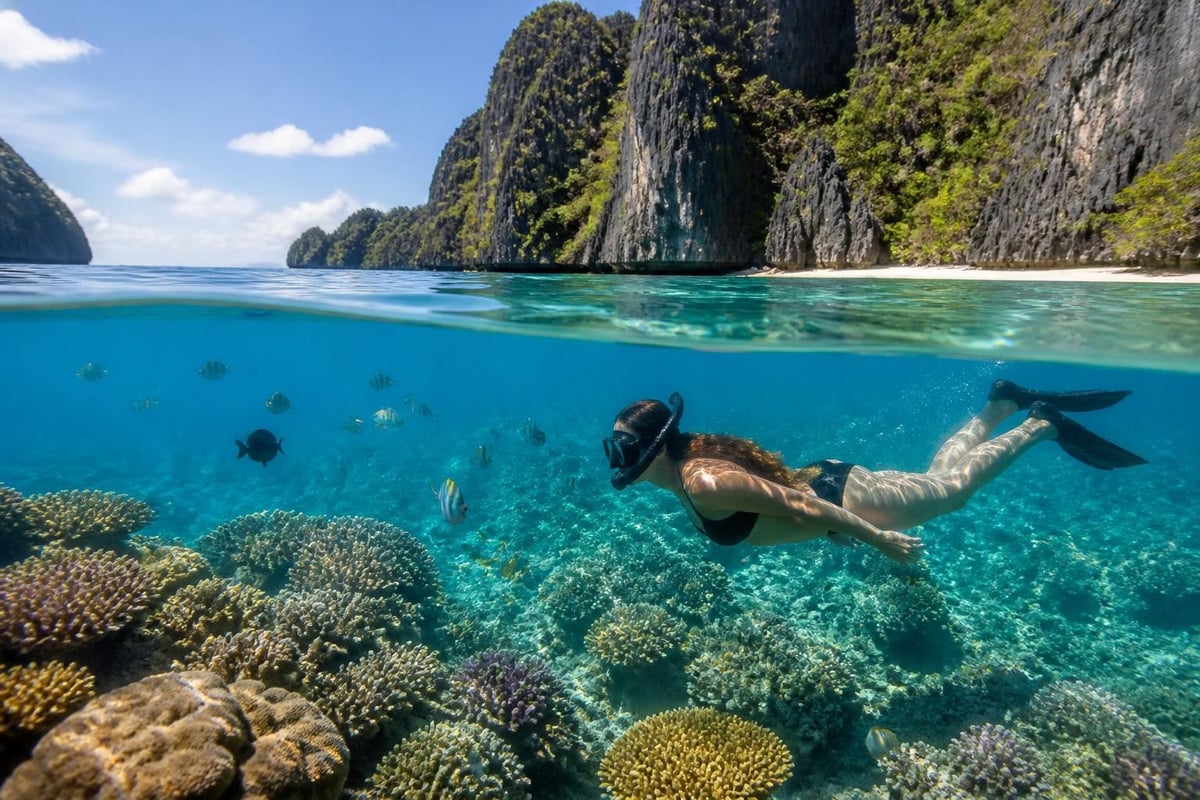
Several of the best snorkeling spots in El Nido fall within designated marine protected areas, where fishing is prohibited and ecosystems thrive. These sanctuaries demonstrate the remarkable resilience of coral reefs when given proper protection.
The IUCN guidance on Marine Protected Areas emphasizes visitor management and minimal-impact tourism. Local authorities enforce these principles through sanctuary fees, guide requirements, and visitor education programs that help preserve these underwater treasures for future generations.
Top Snorkeling Spots in El Nido
El Nido's dramatic limestone karsts don't just create stunning landscapes above water. Below the surface, these rock formations continue, creating walls, overhangs, and coral-encrusted slopes teeming with life.
Helicopter Island (Dilumacad Island)
Named for its distinctive shape when viewed from certain angles, Helicopter Island offers one of the most accessible yet rewarding snorkeling experiences in El Nido. The shallow reef on the island's northwest side hosts hard and soft corals in depths ranging from just one to five meters.
What you'll see:
- Large schools of fusiliers and damselfish
- Clownfish (anemonefish) in their host anemones
- Parrotfish grazing on coral
- Occasional green sea turtles in the deeper sections
- Healthy coral coverage including table corals and brain corals
The beach provides easy entry and exit points, making this spot particularly suitable for families and less confident swimmers. Arrive early in the morning before the majority of tour boats to experience the site at its most peaceful.
Matinloc Shrine Area
The waters surrounding Matinloc Island contain some of the most diverse snorkeling spots in the Bacuit Archipelago. The shrine area itself features a dramatic underwater landscape where limestone cliffs plunge directly into deep blue water.
| Site Feature | Matinloc Shrine | Secret Beach | Helicopter Island |
|---|---|---|---|
| Depth range | 2-15+ meters | 1-8 meters | 1-5 meters |
| Coral diversity | High | Medium | Medium-High |
| Fish variety | Excellent | Good | Good |
| Turtle encounters | Regular | Occasional | Occasional |
| Current | Mild-Moderate | Minimal | Minimal |
| Skill level | Intermediate | Beginner | Beginner |
Snorkelers with strong swimming skills can explore along the wall where the reef drops into deeper water. This transition zone attracts groupers, snappers, and sometimes even schooling barracuda that patrol the blue.
Cadlao Island's East Coast
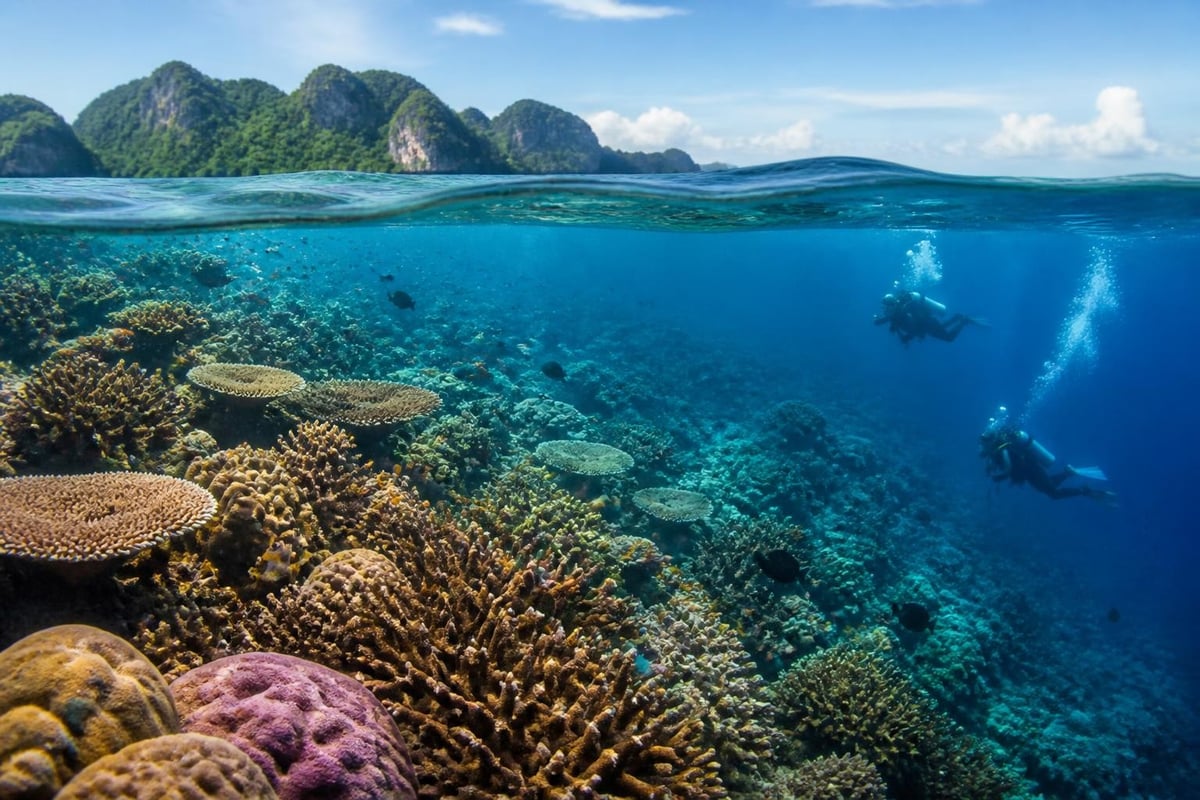
Cadlao, the largest island in the Bacuit Bay area, offers multiple snorkeling spots along its eastern shoreline. The reef here features excellent hard coral coverage, with fields of staghorn and elkhorn corals creating complex habitats.
During calm conditions, the clarity here rivals any of El Nido's more famous sites. The coral gardens extend from shallow areas perfect for beginners down to depths of 10-12 meters where more experienced snorkelers can free dive to observe larger fish and more delicate coral species.
Entalula Island Beach
Entalula combines a picture-perfect white sand beach with consistently good snorkeling right off the shore. The reef runs parallel to the beach, making navigation simple and allowing you to return to the sand whenever you need a break.
Key attractions:
- Extensive hard coral gardens
- Large giant clams embedded in the reef
- Moorish idols and butterflyfish
- Pufferfish and boxfish
- Clear demarcation between shallow and deep areas
The site's proximity to some of the world’s best beaches makes it a natural stop on island-hopping tours, though morning visits offer the best combination of light and fewer crowds.
Shimizu Island
Shimizu Island features a unique underwater landscape where a coral-covered slope descends gradually into deeper water. The site is named after a Japanese diver, and it remains one of the most photographed snorkeling spots in El Nido.
The reef structure here creates natural channels and swim-throughs at depths accessible to confident snorkelers. Juvenile fish use these areas as nurseries, while adult groupers and sweetlips shelter in the shadows. Sea turtles frequently graze on the algae-covered rocks in the shallower sections.
For those interested in capturing the experience, the National Geographic guide to underwater photography offers practical tips for taking better snorkeling photos. Remember to never touch or chase marine life for a photo opportunity.
Beyond El Nido: Palawan's Other Outstanding Snorkeling Spots
While El Nido rightfully claims fame for its snorkeling, the broader Palawan region contains additional sites worth exploring if your itinerary allows.
Coron's Reefs and Wrecks
North of El Nido, Coron Bay offers a completely different snorkeling experience. Here, Japanese shipwrecks from World War II lie in shallow enough water for snorkelers to observe their superstructures.
Accessible wreck sites:
- East Tangat Wreck (gunboat in 5-22 meters)
- Lusong Coral Garden and Gunboat (deck at 2 meters)
- Skeleton Wreck portions (some sections at 5 meters)
The Coron area also features freshwater and saltwater lakes with unique ecosystems. Barracuda Lake and Kayangan Lake both allow snorkeling, though conditions differ dramatically from ocean reef environments.
Port Barton's Quieter Waters
Positioned between Puerto Princesa and El Nido, Port Barton offers a more laid-back alternative with excellent snorkeling spots that see fewer visitors. The marine sanctuary islands here, including Exotic Island and Aquarium Reef, feature healthy coral coverage and abundant fish life.
Port Barton's reef systems benefit from lower visitor numbers and strong community-led conservation efforts. The town serves as a model for sustainable small-scale tourism, where snorkeling remains authentic and unhurried.
Tubbataha Reefs Natural Park
For the ultimate Palawan snorkeling experience, Tubbataha Reefs Natural Park represents the pinnacle of marine biodiversity in the Philippines. Located 150 kilometers southeast of Puerto Princesa in the Sulu Sea, this UNESCO World Heritage Site is accessible only during a brief season from mid-March through mid-June.
Live-aboard diving vessels visit Tubbataha, and while the site is primarily known for scuba diving, certain areas offer world-class snorkeling. The shallow atoll edges feature pristine coral gardens where snorkelers can observe reef sharks, manta rays, and vast schools of pelagic fish.
Access requires commitment and planning, as trips typically run 3-4 days minimum. However, the experience of snorkeling in one of the world's most protected and biodiverse marine environments is unmatched anywhere in Southeast Asia.
Practical Tips for Snorkeling in Palawan
Success and safety in the water depend on preparation, awareness, and respect for the marine environment. These practical considerations will help you make the most of your time at any of Palawan's snorkeling spots.
Essential Gear and What to Bring
Most island-hopping tours provide basic snorkeling equipment, but the quality varies considerably. Serious snorkelers should consider bringing their own mask and snorkel for better fit and comfort.
Recommended personal gear:
- Well-fitting mask (test the seal before purchasing)
- Dry snorkel with purge valve
- Reef-safe sunscreen (zinc oxide or titanium dioxide based)
- Rash guard or thin wetsuit for sun protection
- Water shoes for rocky entries
- Underwater camera or waterproof phone housing
- Mesh bag for gear
The NOAA explainer on sunscreen and coral reefs details how certain UV filters damage marine ecosystems. Always choose reef-safe formulations and apply them at least 15 minutes before entering the water.
Safety Considerations and Ocean Awareness
Even at the calmest snorkeling spots, ocean conditions can change. Understanding basic water safety principles protects both you and the marine environment.
Never snorkel alone. Even confident swimmers should use the buddy system, maintaining visual contact with a partner. If you're joining a tour, stay within the designated snorkeling area and listen carefully to your guide's briefing.
Safety checklist:
- Check weather and sea conditions before departing
- Inform someone onshore of your plans
- Start in shallow water to test gear and comfort
- Monitor your energy levels and return before fatigue sets in
- Watch for boat traffic in busy areas
- Know the signs of strong currents and how to escape them
- Never touch or stand on coral
- Maintain respectful distance from all marine life
For those new to snorkeling or wanting to build confidence in the water, the Discover Scuba Diving program at Submariner Diving Center includes surface skills that translate directly to safer, more enjoyable snorkeling. Working with a professional instructor helps you master breathing techniques and water comfort in a controlled environment.
Respecting Marine Protected Areas
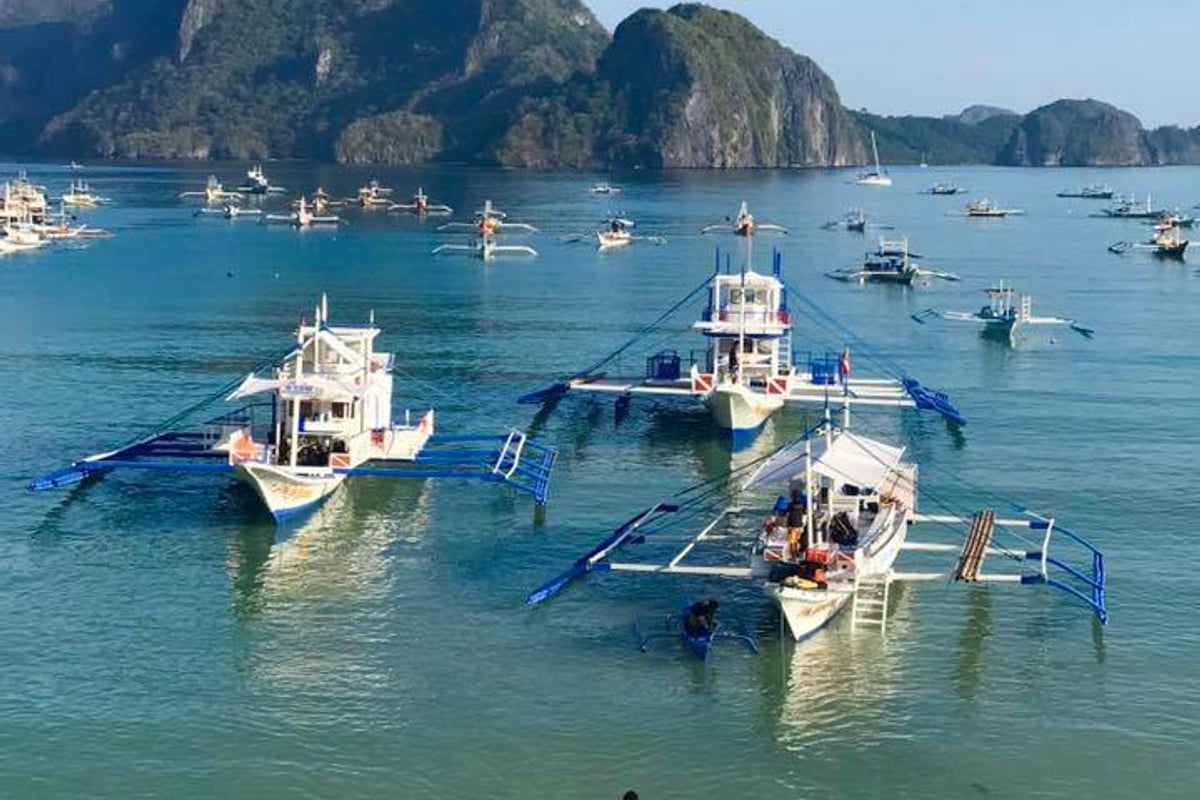
The health of Palawan's snorkeling spots depends on every visitor following conservation guidelines. Marine sanctuaries maintain their biodiversity precisely because regulations are enforced and respected.
Beyond avoiding physical contact with coral, the NOAA guidance on reducing reef damage emphasizes several key practices. Control your buoyancy and fins to avoid kicking up sediment or striking coral. Maintain neutral buoyancy if you dive down for a closer look. Take only photos, leave only bubbles.
Research published in Frontiers in Marine Science demonstrates that snorkelers and divers who receive environmental education are significantly more likely to adopt reef-friendly behaviors. Understanding what you're looking at enhances both your enjoyment and your stewardship.
Best Times and Seasons for Snorkeling
Timing your visit to coincide with optimal conditions can transform a good snorkeling experience into an exceptional one. Palawan's tropical climate creates distinct seasons that affect underwater visibility, marine activity, and overall conditions.
Dry Season (November to May)
This period offers the most consistently excellent snorkeling conditions. Water clarity peaks, seas remain calm, and sunshine penetrates deep into the water column, illuminating the reefs in brilliant color.
Monthly breakdown:
- November-December: Transition period, increasing visibility, moderate crowds
- January-March: Peak season, best visibility, calmest seas, higher visitor numbers
- April-May: Hot and dry, excellent conditions, warming water temperatures
Marine life activity increases throughout the dry season as plankton blooms support the entire food chain. Manta ray sightings become more common at certain sites during March and April.
Wet Season (June to October)
The southwest monsoon brings rain and occasional rough seas, but this doesn't mean snorkeling stops. Many days remain perfectly calm, and the reduced visitor numbers mean you'll often have sites to yourself.
| Month | Visibility | Sea Conditions | Advantages | Considerations |
|---|---|---|---|---|
| June | Good | Variable | Fewer crowds, lower prices | Some rainy days |
| July-Aug | Moderate | Mixed | Off-season rates, availability | Occasional storms |
| Sept-Oct | Improving | Calming | Transition pricing, improving weather | Variable conditions |
Coral spawning events occur during certain wet season months, creating underwater snowstorms of eggs and sperm that, while reducing visibility temporarily, represent one of nature's most remarkable phenomena.
Planning Your Snorkeling Itinerary
Most visitors to El Nido combine snorkeling with island hopping, beach time, and other activities. The standard tour packages (A, B, C, and D) each visit different snorkeling spots, allowing you to experience multiple sites over several days.
Recommended approach:
- Book 2-3 different island-hopping tours to access varied sites
- Schedule morning departures when visibility and calmness peak
- Allow rest days between snorkeling to avoid overexertion
- Reserve energy for the best sites rather than snorkeling everywhere
- Consider private boat charters for customized itineraries
Staying close to departure points minimizes transit time and maximizes water time. Many divers and snorkelers base themselves at beachfront accommodations where boats depart directly from shore, eliminating the need for transfers and allowing for early starts.
Marine Life You'll Encounter
The diversity of species at Palawan's snorkeling spots reflects the region's position in the Coral Triangle, the global center of marine biodiversity. Even a single snorkeling session can reveal dozens of species.
Common Reef Fish
Expect to see parrotfish scraping algae from coral with their beak-like teeth, schools of surgeonfish moving in synchronized waves, and territorial damselfish defending their patches of reef. Angelfish and butterflyfish add splashes of color as they pick at coral polyps and small invertebrates.
Wrasses patrol the reef hunting for small prey, while groupers lurk in shadows waiting to ambush passing fish. Moray eels peer from crevices with mouths agape, a posture that aids their breathing rather than signaling aggression.
Turtles and Larger Species
Green sea turtles graze on seagrass and algae at many of the snorkeling spots around El Nido, particularly Helicopter Island and Matinloc. Hawksbill turtles, though less common, also inhabit the area. Give turtles space and never attempt to touch or ride them, as this causes stress and is illegal in protected areas.
At deeper sites or areas with current, you might encounter schools of jacks or trevally, blacktip reef sharks in the shallows, or eagle rays gliding over sandy patches. These encounters, while thrilling, require you to maintain calm and give animals space to pass naturally.
Coral Diversity
Hard corals form the reef structure, creating the three-dimensional habitat that supports all other life. Table corals, brain corals, staghorn, and elkhorn species dominate different zones based on depth, light, and wave exposure.
Soft corals add movement and color, swaying with surge and current. Sea fans, whips, and leather corals extend polyps to filter plankton from passing water. At night, corals extend their feeding tentacles, transforming the reef's appearance completely.
Making the Most of Your Snorkeling Adventure
Beyond simply entering the water and looking around, several strategies can deepen your connection with Palawan's underwater world and increase your chances of memorable encounters.
Learning to Read the Reef
Understanding how different species interact with their environment helps you spot camouflaged creatures and predict behavior. Cleaning stations, where cleaner wrasses and shrimp service larger fish, attract groupers, snappers, and sometimes even rays.
Current often concentrates fish activity, as predators position themselves to ambush prey swept by the flow. Reef edges where walls drop into deeper water serve as highways for larger species moving between feeding areas.
Sandy patches between coral heads host different species entirely. Garden eels sway from burrows, gobies and blennies peer from holes, and stingrays bury themselves leaving only eyes exposed.
Free Diving Basics for Snorkelers
While surface snorkeling reveals plenty, learning to duck dive and equalize pressure opens new dimensions. Descending just a few meters allows closer examination of coral details, access to overhangs and caves, and observation of fish that stay deeper.
Basic duck diving technique:
- Take several deep breaths to oxygenate (don't hyperventilate)
- Take final full breath and bend at waist, lifting legs vertical
- Let weight of legs push you down
- Equalize ears every meter by pinching nose and gently blowing
- Observe, then ascend smoothly before air runs low
- Rest and breathe at surface before next dive
Never push your limits or compete with others. Static breath-holding at the surface builds capacity safely. Always dive with a buddy who watches you from above.
Contributing to Citizen Science
Several marine research organizations operating in Palawan welcome observations from snorkelers. Photo documentation of turtle encounters, unusual species sightings, or coral health can contribute valuable data when shared with appropriate channels.
Recording your observations in detail, including location, date, depth, and behavior, helps researchers track population trends and ecosystem changes over time. Your vacation snorkeling can genuinely support conservation when combined with thoughtful documentation.
Extending Your Underwater Experience
For many visitors, snorkeling at Palawan's diverse sites sparks interest in taking the next step. The region's combination of excellent conditions, professional dive centers, and stunning underwater terrain makes it an ideal place to expand your skills.
Learning to scuba dive opens access to deeper reefs, walls, and sites where current or depth makes snorkeling impractical. Certification programs taught in El Nido's warm, clear waters provide supportive conditions for building skills and confidence. The progression from snorkeler to certified diver happens naturally when you're surrounded by underwater wonders that beckon you deeper.
For comprehensive diving resources and trip planning, explore the various programs and packages available through Palawan Diving and partner dive centers throughout the region.
The snorkeling spots scattered throughout El Nido and greater Palawan offer genuine world-class marine experiences accessible to anyone comfortable in the water. From shallow coral gardens perfect for first-timers to current-swept walls that attract larger species, these sites showcase the Coral Triangle's extraordinary biodiversity. Ready to explore Palawan's underwater world with expert guidance and premium service? Palawan Diving offers professional dive charters, courses, and packages that help both snorkelers and divers discover El Nido's most spectacular sites safely and sustainably.