Every diver dreams of exploring the ocean's most spectacular underwater landscapes. Whether you're chasing schools of barracuda along sheer walls, drifting through forests of soft coral, or hovering above a sunken warship, the world's best dive sites offer experiences that stay with you long after you've dried your wetsuit. From the remote atolls of the Pacific to protected marine sanctuaries and the pristine waters of Palawan, these sites represent the pinnacle of what our oceans have to offer. Understanding what makes a dive site truly exceptional helps you plan trips that match your skills, interests, and sense of adventure.
What Defines the Best Dive Sites
Not every reef qualifies as world-class. The best dive sites combine several critical factors that transform an ordinary dive into an unforgettable experience.
Biodiversity and marine life top the list for most divers. Sites where you'll encounter healthy coral systems, pelagic species, macro critters, and rare marine animals consistently rank highest. The variety matters as much as the volume. A reef teeming with anthias and fusiliers is beautiful, but add turtles, reef sharks, and the occasional manta ray, and you've got something special.
Environmental Conditions
Water clarity directly impacts your diving experience. The best dive sites offer visibility ranging from 20 to 40 meters or more, allowing you to appreciate the full scope of walls, pinnacles, and reef systems. Temperature matters too. Warmer waters (26-30°C) support the greatest coral diversity and let you dive comfortably with minimal thermal protection.
Current plays a dual role. Gentle currents deliver nutrients and attract pelagic species, creating dynamic ecosystems. Sites with manageable drift dives let you cover more reef with less effort while watching the underwater parade. Too much current, though, and the site becomes stressful rather than enjoyable.
Accessibility and Infrastructure
Even remote dive sites need proper support infrastructure. Reliable dive operators, well-maintained boats, and knowledgeable guides make the difference between a good dive and a great one. National Geographic’s dive site features consistently highlight how access and local expertise enhance the diving experience.
Sites near quality accommodation where you can dive multiple days without long boat rides offer significant advantages. The convenience of returning to comfortable lodging after diving matters more than many divers initially realize.
Iconic Dive Sites Around the World
The Great Barrier Reef, Australia
Spanning over 2,300 kilometers along Australia's northeast coast, the Great Barrier Reef remains one of the planet's most famous dive destinations. The sheer scale staggers first-time visitors. You're not diving a single reef but exploring an ecosystem containing thousands of individual reefs and hundreds of islands.
Popular dive sites include:
- Cod Hole (potato cod encounters)
- Ribbon Reefs (pristine coral walls)
- Osprey Reef (shark action)
- SS Yongala wreck (marine life magnet)
The Reef offers something for every certification level, from shallow lagoons perfect for beginners to deep walls and strong currents that challenge experienced divers. Water temperatures range from 24°C in winter to 29°C in summer, making year-round diving practical.
Raja Ampat, Indonesia
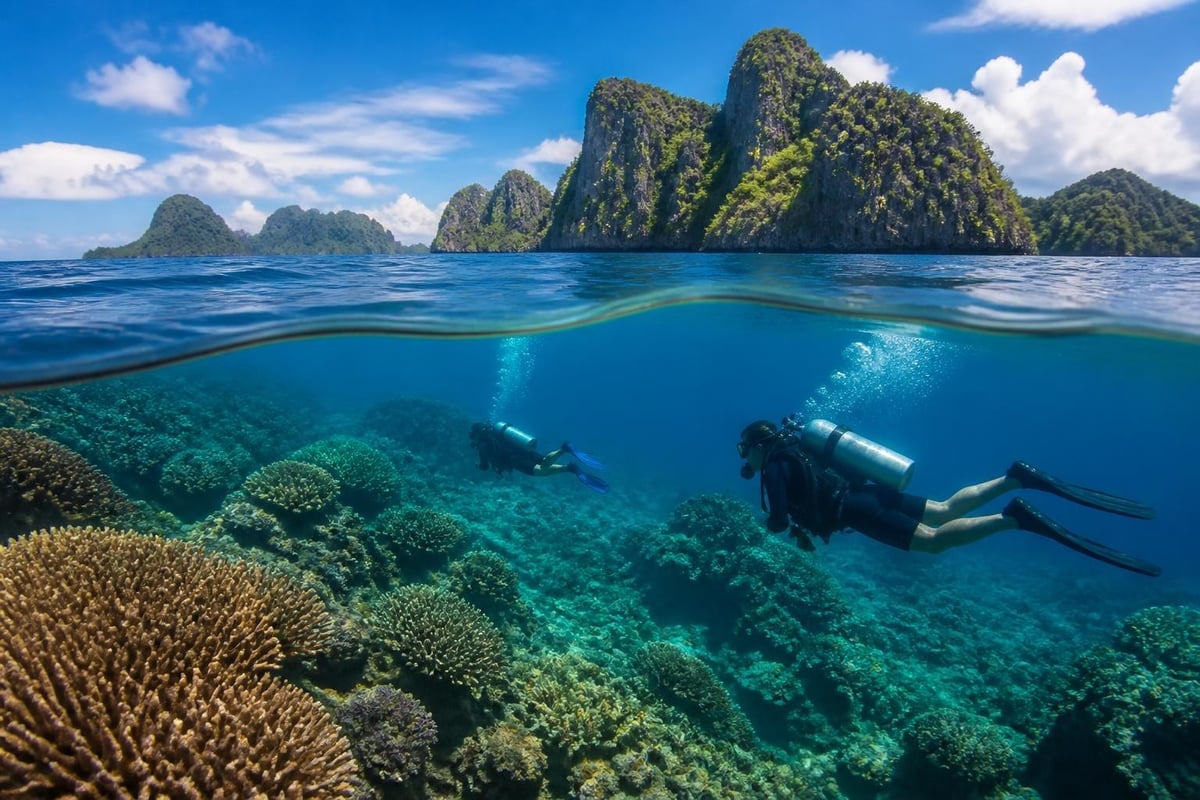
Many diving experts consider Raja Ampat the apex of marine biodiversity. Located off West Papua's northwest tip, this archipelago contains over 1,500 islands scattered across turquoise waters. The region sits at the heart of the Coral Triangle, supporting more than 1,600 reef fish species and 75% of all known coral species.
Diving here feels like exploring an aquarium on steroids. Soft coral gardens cascade down walls in impossible colors. Schools of jacks, trevally, and barracuda swirl overhead. Wobbegong sharks rest on sandy patches while pygmy seahorses hide in sea fans.
| Feature | Detail |
|---|---|
| Best season | October to April |
| Average visibility | 15-30 meters |
| Water temperature | 27-30°C |
| Experience level | Open Water to Advanced |
The Blue Hole, Belize
Belize's Great Blue Hole has become a bucket-list site for many divers, though opinions on the dive itself vary widely. This perfectly circular sinkhole drops 124 meters into the seafloor, creating dramatic limestone formations and stalactites at depth.
The dive typically takes you to 40 meters where ancient stalactites hang from overhangs, formed when the cave was above sea level during the last ice age. Lonely Planet’s diving guide to Belize offers practical details on accessing this site and what to expect.
What you should know:
- Requires Advanced certification
- Limited marine life compared to nearby reefs
- The geological formations are the main attraction
- Better diving often found at other Belize sites
Many divers find Belize's barrier reef sites, such as Hol Chan Marine Reserve and Shark Ray Alley, more rewarding for marine life encounters.
WWII Wrecks and Historical Sites
Truk Lagoon, Micronesia
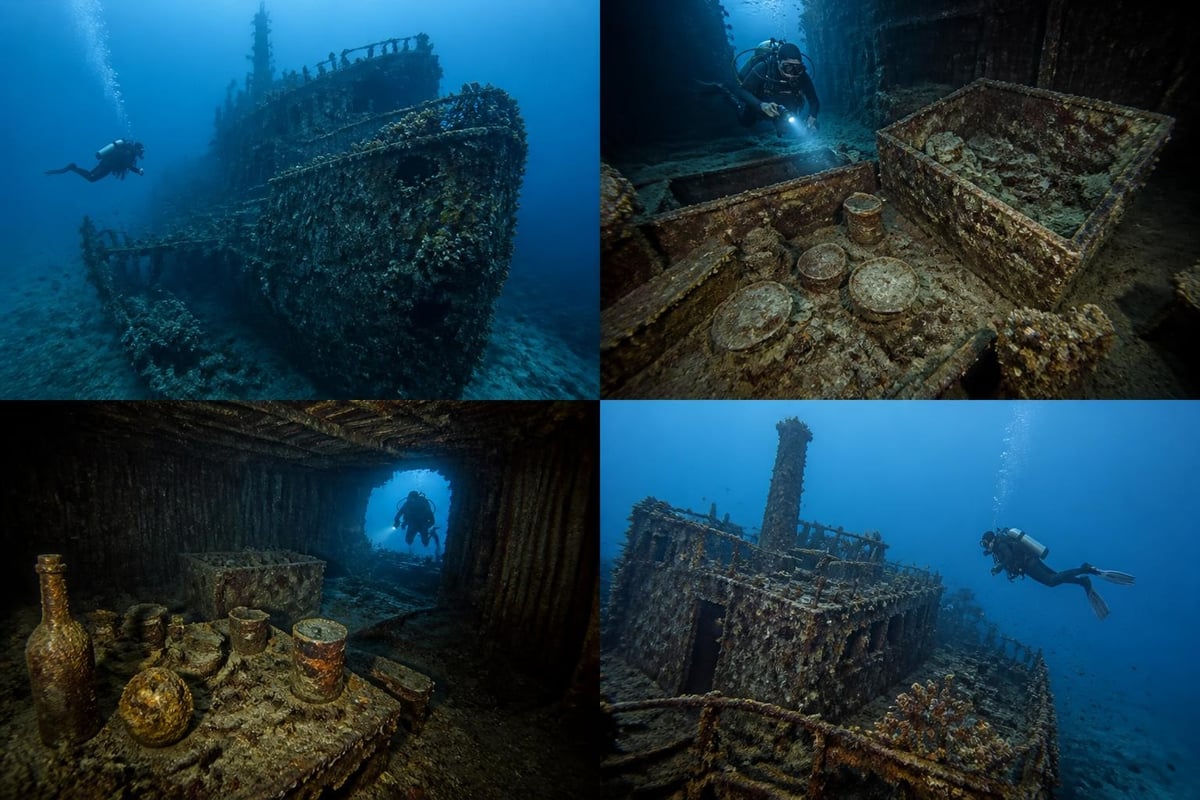
Truk Lagoon (now Chuuk Lagoon) holds the greatest concentration of diveable WWII wrecks anywhere on Earth. During Operation Hailstone in February 1944, American forces sank over 60 Japanese ships and 200 aircraft, creating an underwater museum frozen in time.
These aren't stripped-down hull remnants. The wrecks still hold their cargo: tanks, trucks, torpedoes, sake bottles, gas masks, and personal effects. Soft corals now drape every surface, transforming instruments of war into artificial reefs supporting thriving marine communities.
UNESCO’s Convention on the Protection of Underwater Cultural Heritage addresses how divers should interact with these sites, emphasizing respect for both the historical significance and the human loss they represent.
Scapa Flow, Scotland
Cold-water diving doesn't get more historically significant than Scapa Flow. This natural harbor in Orkney sheltered the British Grand Fleet during both World Wars. In 1919, the interned German High Seas Fleet scuttled itself here, sending 52 warships to the bottom.
Seven battleships and cruisers remain, along with several smaller vessels. The cold, nutrient-rich water supports abundant marine life, including seals that occasionally join divers. Visibility can reach 20 meters on good days, impressive for UK waters.
Marine Protected Areas and Sanctuaries
Marine protected areas (MPAs) and sanctuaries often contain the healthiest reefs and most abundant marine life. These protected zones restrict or eliminate fishing, allow coral systems to recover, and create refuges where fish populations rebuild.
NOAA’s National Marine Sanctuaries offer exceptional diving throughout U.S. waters, from the kelp forests of Monterey Bay to the coral gardens of the Florida Keys and the tropical reefs surrounding American Samoa.
Galápagos Islands, Ecuador
The Galápagos deliver diving unlike anywhere else. Where else do you encounter marine iguanas underwater, watch penguins dart past at depth, or drift alongside massive schools of scalloped hammerheads? The cold upwelling currents that support this unique ecosystem also make the diving challenging. Water temperatures drop to 16-22°C, requiring thick wetsuits or drysuits.
Target species include:
- Hammerhead sharks (schooling in hundreds)
- Whale sharks (seasonal)
- Manta rays and mobulas
- Galápagos sharks and silky sharks
- Marine iguanas and penguins
The best diving requires Advanced certification and strong current-handling skills. Sites like Darwin and Wolf Islands involve long liveaboard trips but reward divers with arguably the best shark diving on the planet.
Dive Sites in Palawan and El Nido
The Philippines consistently ranks among the world's best dive destinations, and Palawan represents the country's most pristine diving region. El Nido, positioned at Palawan's northern tip, offers crystal-clear waters, dramatic underwater topography, and healthy coral systems that rival better-known Asian sites.
North Rock
North Rock stands as El Nido's signature dive site. This massive limestone pinnacle rises from 35 meters to break the surface, creating a towering underwater mountain. The site's topography creates diverse habitats at different depths, from deep sandy slopes to shallow coral gardens.
Strong currents frequently sweep the site, bringing nutrients and pelagic visitors. You'll regularly encounter tuna, jacks, and reef sharks cruising the blue water, while the rock itself hosts anthias, damsels, and coral groupers. The site's depth range and current variability make it suitable for Advanced divers with solid buoyancy control.
Dilumacad Tunnel
Sometimes called Helicopter Island Tunnel, this swim-through begins at 18 meters and exits at 5 meters on the opposite side of the island. The tunnel itself measures about 20 meters long with a maximum width of 8 meters. Sunlight filtering through the entrance and exit creates stunning light effects.
The surrounding reef supports healthy hard coral coverage and abundant reef fish. Lionfish patrol the deeper sections while clownfish dart among anemones in the shallows. The site works well for all certification levels, though less experienced divers should wait for calm conditions.
Twin Rocks
Twin Rocks delivers excellent macro diving alongside impressive coral formations. Two large limestone formations rise close together, creating channels and overhangs that shelter smaller marine life. Photographers appreciate the site's nudibranchs, shrimp, crabs, and occasional frogfish.
The site's protection from prevailing winds and currents makes it reliable year-round. Maximum depths reach 25 meters, but the best macro subjects typically appear between 10 and 18 meters where light penetration remains excellent.
Planning Your Dive Trip
Matching Sites to Experience Level
The best dive sites for you depend heavily on your certification and experience. Beginner divers should target shallow reef sites with minimal current, good visibility, and abundant marine life. Sites like El Nido's Nat Nat and Cadlao Lagoon offer perfect conditions for building skills and confidence.
Intermediate divers with 20-50 logged dives can handle moderate currents, deeper profiles to 30 meters, and more complex topography. This opens access to many of the world's premier reef dives and some wreck sites.
Advanced divers with solid buoyancy, navigation, and deep diving skills can explore the full range of dive sites globally. Deep wrecks, strong-current drift dives, and sites requiring decompression procedures become accessible.
DAN’s return-to-diving resources provide valuable guidance for divers planning ambitious trips after time away from the water.
Seasonal Considerations
| Region | Best Diving Season | Why |
|---|---|---|
| Palawan/Philippines | November to May | Dry season, calm seas, best visibility |
| Great Barrier Reef | June to November | Cooler but clearer water, humpback season |
| Raja Ampat | October to April | Calm seas, best visibility, manta season |
| Red Sea | March to May, September to November | Moderate temperatures, less wind |
| Galápagos | June to November | Hammerhead season, though colder water |
Research seasonal marine life movements for specific species. Whale sharks, mantas, and migratory pelagics follow predictable patterns. Planning your trip around these movements dramatically increases encounter chances.
Dive Package and Accommodation Options
Multi-day dive packages offer the best value and experience at most destinations. Instead of daily boat dive arrangements, packages bundle accommodation, diving, equipment, and often meals into single pricing. This simplifies logistics and often reduces costs.
For El Nido diving, combining beachfront accommodation with diving access creates the ideal setup. Staying where you can literally dive from your doorstep eliminates boat transfers and maximizes your time underwater. The El Nido Dive & Stay Package offers exactly this convenience, pairing comfortable beachfront rooms with direct access to diving, letting you focus entirely on exploring Palawan's underwater world.
Conservation and Responsible Diving
The best dive sites face constant pressure from climate change, overfishing, pollution, and diver impact. Your behavior underwater directly affects these fragile ecosystems.
Practice responsible diving through:
- Perfect your buoyancy to avoid coral contact
- Never touch, collect, or harass marine life
- Participate in citizen science programs like REEF fish surveys
- Support marine protected areas through entrance fees and advocacy
- Choose operators with environmental certifications and sustainable practices
Reef Check trains recreational divers to conduct standardized reef surveys, contributing valuable data while improving your observation skills. Many of the world's best dive sites now incorporate reef monitoring programs where visiting divers can contribute.
Climate Change and Reef Health
Rising ocean temperatures have stressed coral systems worldwide. Bleaching events occur with increasing frequency, and some previously pristine reefs now show significant degradation. Condé Nast Traveler’s assessment of top scuba sites acknowledges how climate pressures are reshaping classic destinations.
This reality makes visiting healthy reef systems more important than ever. Protected areas with strong management often show greater resilience. Your dive tourism spending directly supports conservation when directed toward responsible operators in protected areas.
Advanced Diving Specialties
Accessing some of the best dive sites requires specialized training beyond basic certification. Deep diving, wreck penetration, nitrox, and current handling open doors to more advanced sites.
Deep Diving and Wreck Penetration
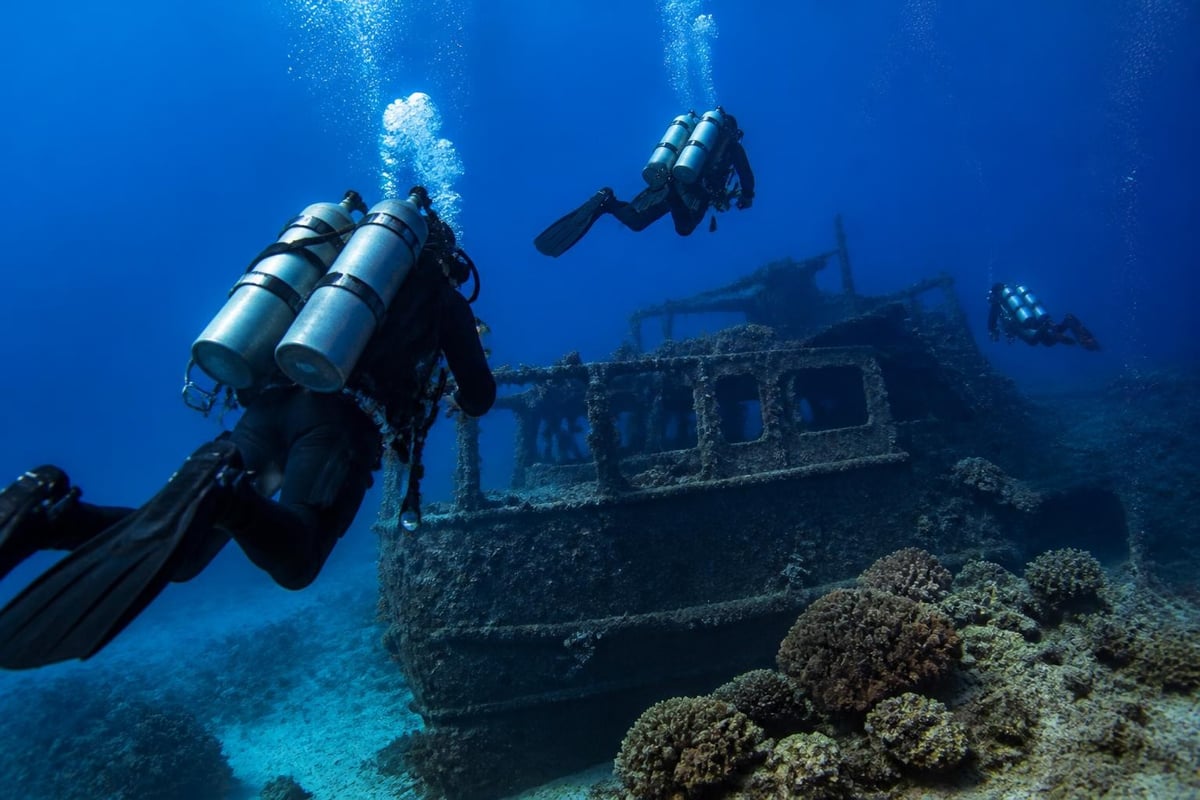
Many exceptional wrecks lie between 30 and 40 meters. The PADI Deep Diver specialty or equivalent training prepares you for nitrogen narcosis management, no-decompression limit monitoring, and emergency procedures at depth.
Wreck penetration demands additional skills. Proper training covers line-laying, silt management, navigation in overhead environments, and equipment configuration. Never attempt wreck penetration without appropriate certification and experience.
Nitrox Certification
Enriched air nitrox extends your bottom time at recreational depths, critical for exploring the best dive sites thoroughly. Instead of cutting dives short due to nitrogen loading, nitrox lets you spend more time photographing, observing behavior, and truly experiencing each site.
Most dive destinations worldwide now offer nitrox fills. The certification course typically takes half a day, making it one of the highest-value investments for active divers.
Building Your Dive Site Bucket List
Creating a personal bucket list of the best dive sites keeps you motivated between trips and helps structure your diving progression. Start with sites matching your current certification and experience, then add aspirational destinations that will push your skills.
Consider including:
- One major reef system (Great Barrier Reef, Raja Ampat, Red Sea)
- A WWII wreck destination (Truk Lagoon, Scapa Flow)
- A pelagic hotspot (Galápagos, Cocos Island, Socorro)
- A macro paradise (Lembeh Strait, Anilao, Puerto Galera)
- A local destination you can visit repeatedly to build skills
The Philippines offers incredible diversity within a single country. From the macro-rich muck sites of Anilao to the pristine reefs of Palawan to the sardine runs of Moalboal, you could spend years exploring without repeating sites.
Progression and Skill Development
Use each destination to develop specific skills. Shallow reef sites perfect your buoyancy. Current-swept channels teach drift diving. Wreck sites improve navigation. Deep walls build depth comfort. Macro sites sharpen observation and photography.
This progression approach makes every trip a learning experience while building toward more challenging best dive sites. Track your dives, note conditions, and reflect on what worked and what needs improvement.
Making the Most of Each Dive Site
Even at the world's best dive sites, what you experience depends heavily on preparation, observation skills, and dive planning.
Pre-Dive Briefings
Pay close attention to briefings from local guides. They understand current patterns, seasonal marine life movements, and site-specific hazards. Ask questions about:
- Entry and exit procedures
- Expected current direction and strength
- Target depth and dive plan
- Special marine life or features to watch for
- Emergency procedures and boat recall signals
Local knowledge transforms good dives into exceptional ones. Guides know where the cleaning stations attract mantas, which overhangs shelter sharks during the day, and when turtles typically visit certain areas.
Underwater Observation
Slow down. Rushed divers miss half of what sites offer. The best dive sites reveal their secrets to patient observers willing to watch, wait, and look carefully.
Improve your underwater observation:
- Scan the blue water regularly for pelagics
- Check under overhangs and ledges
- Examine coral heads closely for macro life
- Watch cleaning stations for several minutes
- Note fish behavior changes (often signals predators nearby)
- Look behind you occasionally (marine life often follows divers)
Photography forces you to slow down and observe carefully. Even if you don't plan to share images, the act of photographing improves your diving by training observation skills.
The world's best dive sites offer experiences that define why we dive-the thrill of encountering apex predators, the beauty of pristine coral systems, the wonder of exploring historical wrecks, and the peace of weightless immersion in another world. Whether you're exploring famous international destinations or discovering the crystal-clear waters closer to home, each dive builds your skills and deepens your connection to the ocean. Palawan Diving specializes in showing divers of all levels the exceptional underwater world of El Nido and Palawan, with expert guides, quality equipment, and diving experiences tailored to help you explore these remarkable sites safely and memorably.