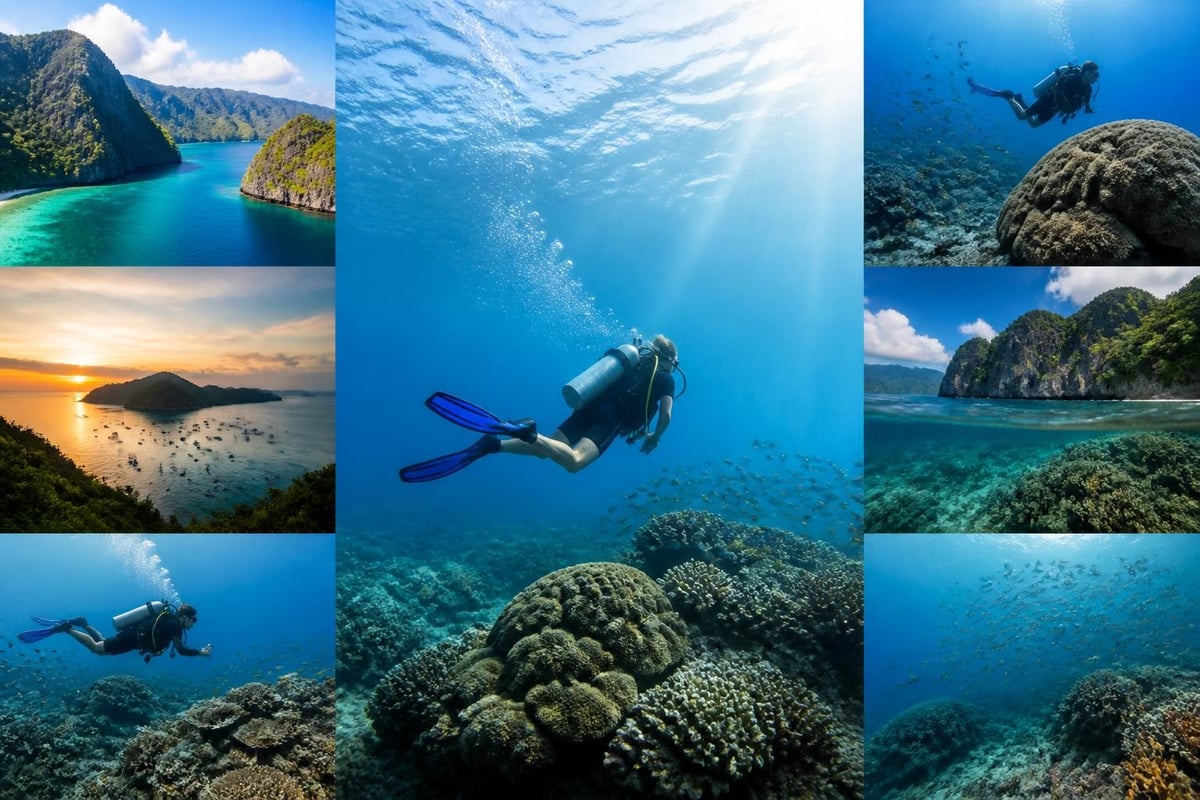
Every scuba experience begins with a single breath underwater. Whether you're taking your first plunge beneath the surface or planning your hundredth dive, the combination of weightlessness, marine life encounters, and that unique silence creates something truly memorable. In El Nido, Palawan, these moments happen against a backdrop of limestone cliffs, crystal-clear waters, and some of Southeast Asia's most vibrant coral reefs. This guide walks you through what shapes a quality scuba experience, from choosing your first dive to building skills that last a lifetime.
What Defines a Quality Scuba Experience
The best scuba experiences share several common elements that go beyond just seeing colorful fish. Safety standards form the foundation, but the quality of instruction, equipment maintenance, and environmental conditions all play crucial roles.
A well-structured scuba experience includes:
- Comprehensive pre-dive briefings covering the dive plan, buddy procedures, and emergency protocols
- Well-maintained, properly fitting equipment that you understand how to use
- Small group sizes allowing personalized attention and better safety margins
- Professional dive guides familiar with local conditions and marine life
- Clear communication systems both on the surface and underwater
The difference between an average dive and an exceptional one often comes down to preparation and professional standards. DAN’s guidance on diver health and medical fitness emphasizes that proper screening and preparation contribute significantly to dive quality and safety.
Environmental Factors That Enhance Your Dive
Water visibility, current conditions, and marine biodiversity create the physical environment for your scuba experience. El Nido's waters typically offer 15-30 meter visibility during the dry season (November through May), with calm conditions ideal for both learning and exploration.
Temperature comfort matters more than many realize. Water temperatures around 26-29°C year-round mean you'll stay comfortable in a 3mm wetsuit, allowing you to focus on skills development rather than thermal discomfort.
Your First Scuba Experience: What to Expect
Starting your diving journey through a properly structured introduction shapes your entire relationship with the underwater world. The Discover Scuba Diving program provides a controlled, educational first scuba experience designed specifically for people with no prior diving background.
Your first dive typically follows this progression:
- Pool or shallow water skills session (30-45 minutes) covering breathing, clearing your mask, and basic movements
- Equipment familiarization with your instructor explaining each component's function
- Controlled descent to shallow depths (usually 6-8 meters maximum)
- Guided underwater tour where you practice breathing and movement while exploring
- Gradual ascent with proper safety stops and surface procedures
Many first-time divers worry about breathing underwater, ear equalization, or feeling claustrophobic. These concerns are completely normal, and a patient instructor addresses each one systematically before you descend.
If you're ready to try diving for the first time, the Discover Scuba Diving program in El Nido offers a perfect introduction, with crystal-clear waters and professional instruction designed to build your confidence from the first breath.
Physical Requirements and Health Considerations
You don't need to be an Olympic athlete to enjoy a scuba experience, but basic swimming ability and reasonable fitness help ensure safety and enjoyment. Most dive operators require that you can swim 200 meters and tread water for 10 minutes.
| Health Factor | Requirement | Why It Matters |
|---|---|---|
| Swimming ability | Comfortable in water | Emergency surface swimming if needed |
| Cardiovascular fitness | Moderate activity tolerance | Managing effort during entries, exits, currents |
| Ear/sinus health | Ability to equalize pressure | Preventing barotrauma during descent |
| Respiratory function | No severe asthma or breathing restrictions | Ensuring safe gas exchange underwater |
| Medical clearance | Physician approval if conditions present | Identifying contraindications before diving |
Certain medical conditions require clearance from a diving physician before participating in any scuba experience. Heart conditions, seizure disorders, and some respiratory issues need professional evaluation to ensure diving safety.
Building Skills Through Progressive Experiences
After your initial scuba experience, structured progression through certification levels develops competence and confidence systematically. The PADI system recognized worldwide provides clear pathways from beginner to professional.
The Open Water Diver certification represents your first major milestone, teaching fundamental skills across four to five confined water sessions and four open water dives. You'll learn buoyancy control, navigation basics, emergency procedures, and dive planning.
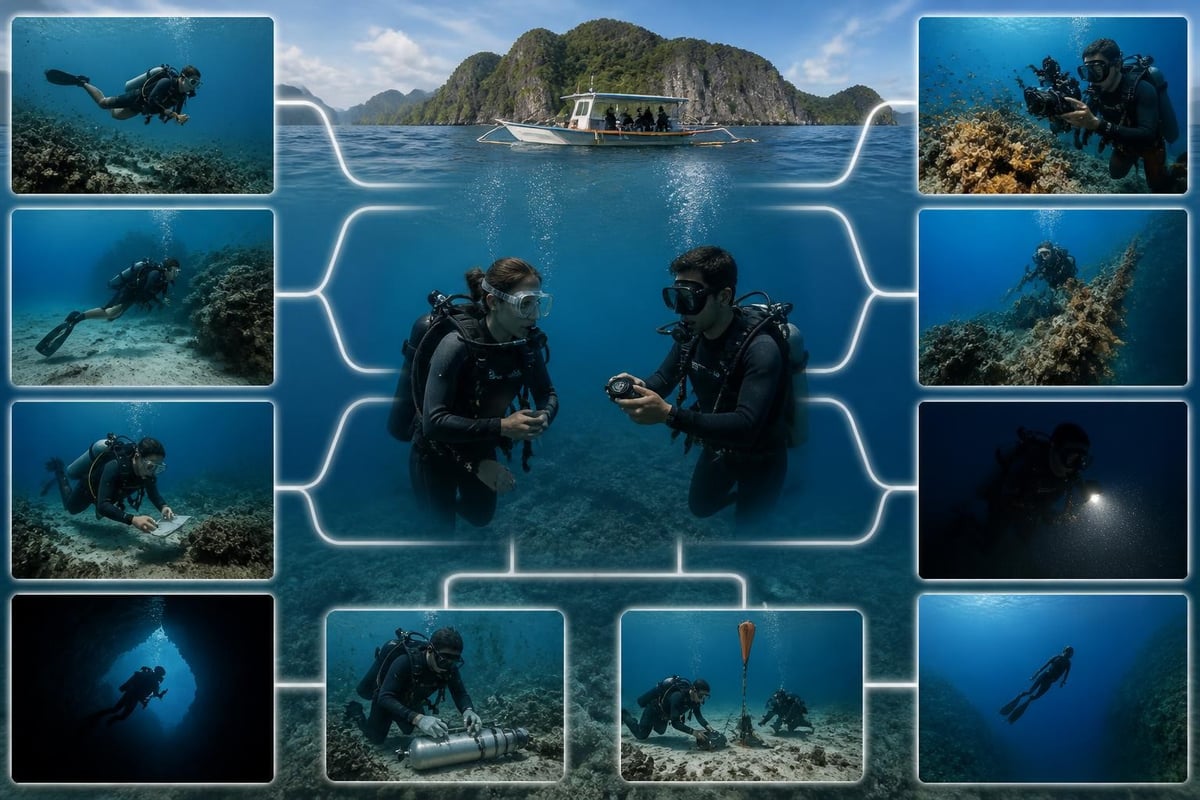
Advanced skills that enhance every scuba experience include:
- Peak performance buoyancy for effortless movement and reef protection
- Underwater navigation using natural features and compass techniques
- Deep diving procedures for exploring walls and pinnacles safely
- Night diving adaptations revealing nocturnal marine life
- Wreck penetration for exploring artificial reefs and historical sites
Each specialty adds new dimensions to your diving capabilities. A study on marine protected areas and scuba diving experience shows that divers with advanced training demonstrate better environmental awareness and contribute more positively to reef conservation.
Technical Enhancements: Nitrox and Beyond
Enriched air nitrox extends your bottom time and reduces nitrogen loading, particularly valuable for multiple-dive days common in Palawan diving. The certification adds theoretical understanding of gas mixtures and oxygen exposure limits to your skill set.
Divers using nitrox for repetitive dives often report less fatigue and longer no-decompression limits, allowing more time exploring El Nido's reefs and walls. The certification process takes about half a day, combining classroom learning with practical gas analysis.
Environmental Awareness: Diving Responsibly
Every scuba experience impacts the underwater environment you're exploring. Responsible diving practices protect reefs for future generations while enhancing your own experience through better buoyancy and awareness.
Core principles of responsible diving:
- Maintain neutral buoyancy to avoid contact with corals and substrate
- Secure all equipment to prevent dragging across the reef
- Never touch, chase, or harass marine life
- Take only photographs, leave only bubbles
- Participate in reef monitoring or cleanup programs when available
The Reef Check conservation guidelines provide evidence-based practices that minimize diver impact on coral ecosystems. Simple actions like perfecting your buoyancy and being mindful of fin placement make measurable differences.
Supporting Marine Conservation Through Diving
Your choice of dive operator influences conservation outcomes. Operations following strict environmental protocols, limiting group sizes, and educating divers about marine ecosystems contribute to reef protection.
In El Nido, several dive sites fall within marine protected areas where strict no-touch policies apply. These zones often show higher biodiversity and healthier coral coverage, creating superior scuba experiences while demonstrating effective conservation in action.
Safety Systems That Protect Every Dive
Professional safety standards separate memorable scuba experiences from potential emergencies. Understanding the systems protecting you builds confidence and allows you to focus on enjoyment rather than worry.
Modern dive operations implement multiple safety layers:
| Safety Layer | Function | Your Role |
|---|---|---|
| Pre-dive checks | Equipment function verification | Perform buddy checks systematically |
| Dive planning | Depth, time, and gas management | Follow the plan, communicate changes |
| Buddy system | Mutual monitoring and assistance | Stay aware of your buddy's location and status |
| Emergency equipment | Oxygen, first aid, communication | Know location and basic usage |
| Emergency protocols | Structured response procedures | Understand signals and evacuation plans |
Emergency oxygen availability represents a critical safety component. DAN’s Emergency Oxygen training resources explain how proper oxygen administration can significantly improve outcomes for diving injuries while awaiting advanced medical care.
Equipment Maintenance and Reliability
Your scuba experience depends entirely on equipment functioning correctly underwater. Regulators, BCDs, dive computers, and exposure protection all require regular servicing according to manufacturer specifications.
Annual equipment servicing should include complete regulator overhaul, BCD inspection and testing, dive computer battery replacement, and exposure suit integrity checks. Professional dive centers maintain detailed service logs for all rental equipment.
Before every dive, perform a complete pre-dive safety check with your buddy. The acronym BWRAF (BCD, Weights, Releases, Air, Final check) provides a systematic approach ensuring nothing gets overlooked.
Choosing Your Scuba Experience Location
Location dramatically influences the quality and character of your scuba experience. Factors like marine biodiversity, topography, water conditions, and accessibility all contribute to what you'll encounter underwater.
El Nido offers several distinct advantages:
- Dramatic underwater topography with walls, pinnacles, and coral gardens
- Year-round diving with optimal conditions November through May
- Rich biodiversity including turtles, reef sharks, and macro subjects
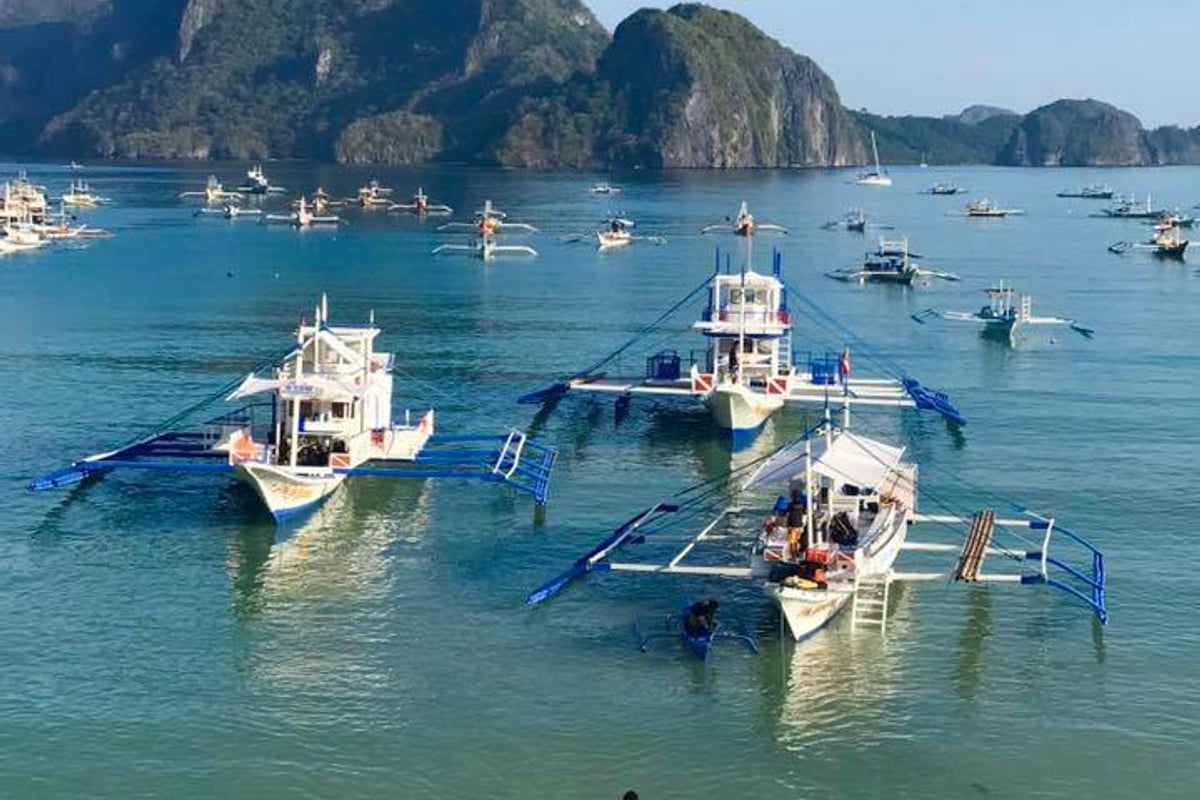
- Accessible boat diving with short transit times to premier sites
- Infrastructure supporting all certification levels from beginner to technical
The combination of protected bays for training dives and exposed reefs for advanced exploration means you can progress through skill levels without changing destinations. You can explore more about the region's dive sites and conditions through resources available at Palawan Diving.
Comparing Tropical Diving Destinations
Different regions offer distinct scuba experiences based on their geography and ecosystems. Understanding these differences helps you choose destinations matching your interests and experience level.
The Philippines emphasizes biodiversity and macro photography opportunities. Indonesia offers current-swept channels with pelagic encounters. Thailand provides excellent beginner infrastructure with calm, clear conditions. Each destination has strengths appealing to different diver preferences.
El Nido specifically balances accessibility with adventure, combining easy logistics with world-class diving. The limestone karst topography creates unique underwater landscapes you won't find in purely volcanic island chains.
Professional Guidance Versus Independent Diving
The level of professional support shaping your scuba experience varies from fully guided dives to completely independent exploration. Your certification level, experience, and comfort with local conditions should guide this decision.
Guided diving provides:
- Local knowledge of sites, conditions, and marine life
- Navigation services allowing focus on observation
- Safety oversight and emergency response capability
- Educational information about ecosystems and species
- Social interaction with fellow divers
Independent diving offers complete control over dive plans, timing, and exploration routes. However, it requires thorough site familiarity, current condition assessment, and self-reliance for navigation and safety.
For most recreational divers, especially when traveling, professional guiding enhances the scuba experience significantly. The NOAA Diving Standards & Safety Manual outlines rigorous protocols used by professional diving programs, demonstrating the value of systematic safety procedures.
Private Versus Group Dive Experiences
Group dynamics influence your underwater experience in ways you might not anticipate. Smaller groups allow slower pacing, personalized routing, and more flexible dive plans tailored to specific interests.
Private charters offer complete customization: you choose the sites, set the schedule, and dive with only your selected companions. This proves particularly valuable for families, photographers requiring specific conditions, or experienced divers wanting to explore advanced sites at their own pace.
Group dives through scheduled boat departures provide social interaction, cost efficiency, and opportunity to meet fellow divers from around the world. The trade-off involves less flexibility and accommodation of varied skill levels within the group.
Seasonal Considerations for Optimal Experiences
Timing influences every aspect of your scuba experience, from water clarity to marine life encounters. Understanding seasonal patterns helps you plan trips that align with your diving interests and priorities.
El Nido's diving seasons:
- November to May (dry season): Calmest conditions, best visibility, easiest boat access
- June to October (wet season): Higher plankton levels, some weather variability, fewer crowds
- March to May: Warmest water temperatures, excellent for long dives and courses
- December to February: Slightly cooler water, outstanding visibility, migrating species possible
Marine life patterns follow seasonal cycles too. While El Nido offers year-round resident species including turtles, various fish species, and healthy coral reefs, certain visitors appear more reliably during specific months.
Weather impacts extend beyond underwater conditions. Surface intervals on boats become more comfortable during calm, sunny periods. Training courses progress more easily without weather delays or cancellations.
Equipment Considerations for Comfort and Performance
The right equipment can transform your scuba experience from adequate to exceptional. While you don't need to own everything immediately, understanding how different components affect comfort and capability helps you make informed choices.
Essential personal equipment worth owning early:
- Mask: Proper fit prevents leaking and ensures clear vision throughout your dive
- Snorkel: Useful for surface swimming and pre-dive checks
- Fins: Matching your kick style and leg strength improves efficiency and reduces fatigue
- Exposure protection: Wetsuit or rash guard sized correctly for your body maintains comfort
- Dive computer: Tracks depth, time, and decompression status for safe dive planning
Rental equipment serves perfectly well for occasional diving, but personal gear fitted specifically to you eliminates common discomfort issues. A leaking mask or ill-fitting fins can dominate your attention, preventing full enjoyment of the underwater environment.
Technology Enhancing Modern Diving
Dive computers have evolved from basic depth and time monitors to comprehensive dive management systems. Modern units track multiple gases, provide digital compass navigation, log dive profiles automatically, and even integrate with smartphone apps for detailed analysis.
Underwater photography equipment accessible to recreational divers has improved dramatically. Compact cameras in underwater housings now capture professional-quality images and 4K video, allowing you to document your scuba experience comprehensively.
Communication devices including underwater slates, hand signals, and even full-face mask communication systems keep you connected with buddies and guides. These tools prove particularly valuable during training or when exploring complex topography requiring coordinated navigation.
Planning Multi-Day Dive Trips
Extended dive trips allow you to accumulate multiple scuba experiences while deepening your skills and marine life knowledge. Thoughtful planning maximizes both safety and enjoyment across consecutive diving days.
Key elements of successful dive trip planning:
- Schedule rest days between intensive diving to reduce cumulative nitrogen loading
- Arrange flights with adequate surface intervals (minimum 18-24 hours after last dive)
- Book accommodation convenient to dive facilities and boat departures
- Verify equipment servicing well before travel dates
- Confirm certification requirements for intended dive sites
- Research local marine life to enhance species identification and appreciation
Staying beachfront simplifies logistics considerably, eliminating transport between accommodation and dive facilities. When diving becomes as simple as walking to the beach, you spend more time underwater and less time in transit.
The Beach House in El Nido places you directly above Submariner Diving Center, allowing you to literally dive from your doorstep while enjoying beachfront accommodation and Cloud 9 rooftop restaurant between dives.
Managing Dive Profiles and Surface Intervals
Conservative dive planning extends your ability to dive safely across multiple days. Deeper dives earlier in the day, followed by progressively shallower dives, optimizes nitrogen management according to decompression theory.
Sample three-dive day profile:
| Dive Number | Max Depth | Bottom Time | Surface Interval |
|---|---|---|---|
| Dive 1 | 24 meters | 35 minutes | 90 minutes |
| Dive 2 | 18 meters | 45 minutes | 120 minutes |
| Dive 3 | 12 meters | 50 minutes | Evening surface |
This conservative approach maintains safety margins while allowing substantial underwater time. Your dive computer recalculates no-decompression limits continuously based on your actual depth profile and surface intervals.
Beyond Recreation: How Diving Experiences Evolve
As you accumulate scuba experiences, your relationship with diving often evolves beyond pure recreation. Photography, conservation, scientific observation, or technical exploration can provide new dimensions to your underwater time.
Underwater photography transforms how you observe marine life, encouraging patience, closer attention to detail, and understanding of animal behavior. The challenge of capturing that perfect image adds engaging complexity to each dive.
Marine conservation participation through reef monitoring programs contributes real scientific value while deepening your ecological knowledge. Programs like Reef Check train recreational divers in standardized survey techniques, turning your scuba experience into citizen science.
Technical diving opens access to deeper wrecks, caves, and advanced environments beyond recreational limits. This progression requires substantial additional training but rewards you with capabilities to explore sites few divers ever see.
The NOAA ‘Becoming a NOAA Diver’ program illustrates how recreational diving skills can develop into professional scientific diving careers for those passionate about marine research.
Evaluating Dive Operators and Services
Your choice of dive operator directly shapes every aspect of your scuba experience. Quality operations distinguish themselves through professional standards, safety culture, environmental responsibility, and customer service that goes beyond basic requirements.
Questions to ask when selecting a dive operator:
- What is your maximum group size per guide?
- How often do you service rental equipment?
- What emergency oxygen and first aid equipment do you carry?
- What is your instructor-to-student ratio for courses?
- Do you follow marine park regulations and environmental best practices?
- What insurance coverage do you carry?
- Can you provide recent client references or reviews?
Established operators welcome these questions and answer them confidently. Hesitation or vague responses should raise concerns about their professional standards and safety culture.
Price alone shouldn't determine your choice. The cheapest operator may cut corners on equipment maintenance, group sizes, or instructor qualifications. These savings aren't worth the compromised safety or experience quality.
Every exceptional scuba experience combines proper training, well-maintained equipment, professional guidance, and environmental awareness with the natural beauty waiting beneath the surface. Whether you're taking your first underwater breath or planning your next diving adventure, El Nido's crystal-clear waters and vibrant reefs provide the perfect setting for unforgettable dives. Ready to start your diving journey or expand your underwater skills? Palawan Diving offers world-class instruction, private charters, and comprehensive dive packages designed for every experience level, helping you create the scuba experiences you'll remember for a lifetime.