When you think about diving in Palawan's crystal-clear waters, one of the most thrilling possibilities is encountering reef sharks in their natural habitat. These graceful predators are essential to healthy coral ecosystems, and El Nido's protected waters offer some of the best opportunities in Southeast Asia to observe them safely. Understanding reef shark behavior, ecology, and conservation status enriches every dive and helps us appreciate why these animals deserve our protection. Whether you're a first-time diver or a seasoned underwater explorer, knowing what to expect when you encounter these remarkable creatures makes the experience even more rewarding.
What Are Reef Sharks and Why They Matter
Reef sharks are medium-sized shark species that inhabit shallow tropical and subtropical waters, typically living near coral reefs, lagoons, and coastal areas. Unlike their larger pelagic cousins, these sharks rarely venture into deep ocean waters, preferring the rich hunting grounds of reef systems where prey is abundant.
Key Species Found in Philippine Waters
Several reef shark species call the waters around Palawan home, each with distinctive characteristics:
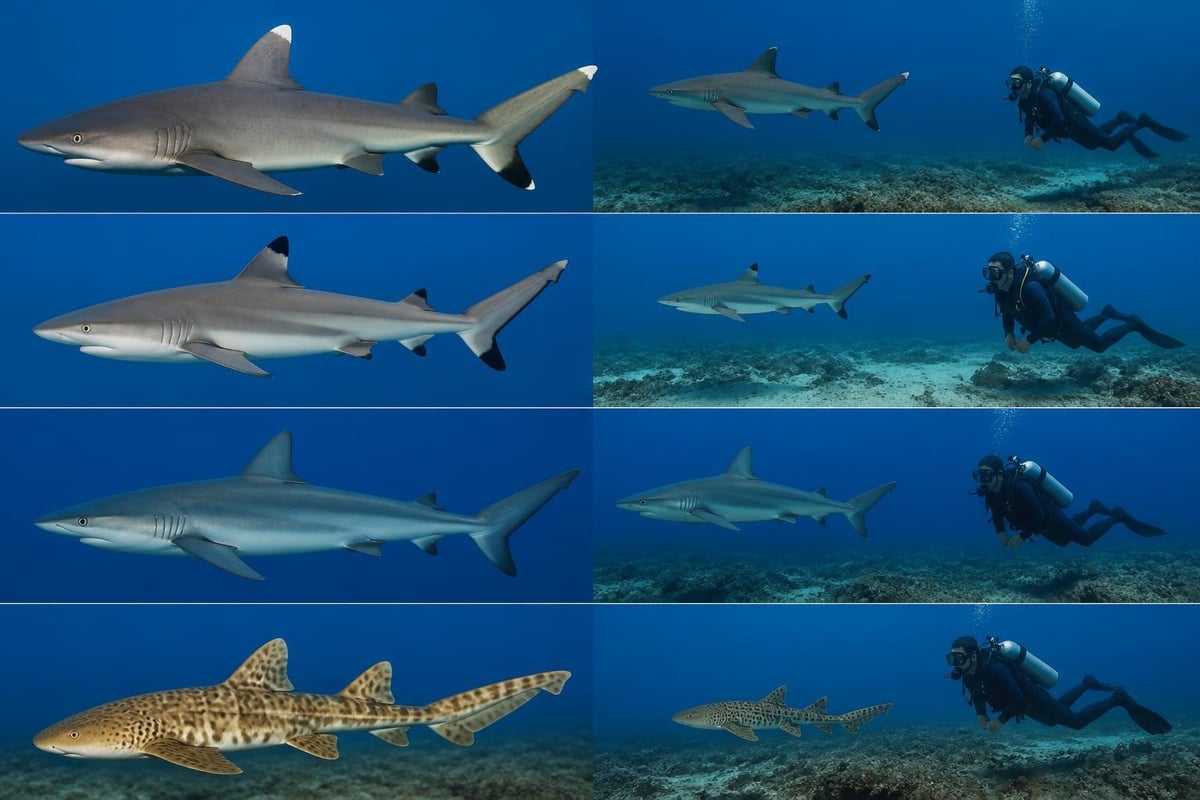
- Whitetip Reef Shark (Triaenodon obesus) – Slender sharks reaching about 1.6 meters, easily identified by white-tipped dorsal and tail fins
- Blacktip Reef Shark (Carcharhinus melanopterus) – Stockier build, growing to 2 meters, with prominent black tips on fins
- Grey Reef Shark (Carcharhinus amblyrhynchos) – Robust species up to 2.5 meters, darker grey coloration, often found near deeper reef edges
- Bamboo Sharks (Hemiscyllium and Chiloscyllium species) – Small bottom-dwelling sharks, nocturnal, harmless to divers
The diversity of species reflects the health of local ecosystems, with each shark occupying a specific ecological niche within the reef community.
Ecological Role and Importance
Reef sharks function as apex predators within coral reef ecosystems, maintaining the delicate balance that allows reefs to thrive. Their presence controls populations of mid-level predators and herbivorous fish, preventing any single species from dominating and damaging the reef structure.
Top-down regulation: By preying on sick, weak, or abundant fish, reef sharks prevent disease spread and ensure genetic health in prey populations. This natural selection strengthens the overall reef community.
Indicator species status: Healthy reef shark populations signal pristine marine environments. Their decline often indicates overfishing, habitat degradation, or ecosystem stress. According to research published in Nature, reef sharks are functionally extinct on nearly 20% of coral reefs globally, making areas where they still thrive particularly valuable.
| Ecological Function | Impact on Reef Health | Consequence of Absence |
|---|---|---|
| Predation control | Balanced fish populations | Prey species overpopulation |
| Genetic selection | Stronger prey gene pools | Disease spread, weaker populations |
| Nutrient cycling | Efficient energy transfer | Disrupted food web dynamics |
| Behavioral influence | Prey species distribute naturally | Altered grazing patterns, coral damage |
Reef Shark Behavior and Biology
Understanding how reef sharks behave underwater transforms anxiety into appreciation. These animals are highly predictable, cautious, and remarkably adapted to their environment.
Daily Activity Patterns
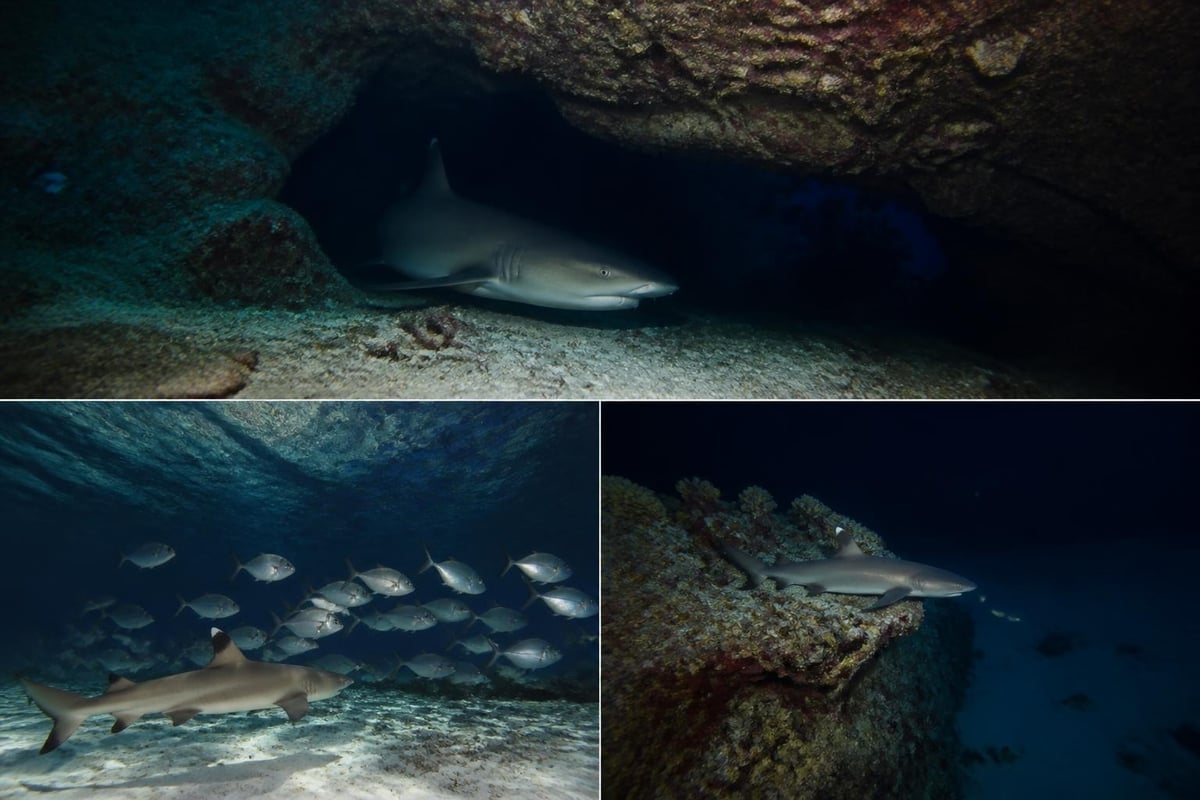
Most reef sharks are crepuscular, meaning they're most active during dawn and dusk when prey fish transition between daytime and nighttime behaviors. During midday dives, you'll often find whitetip reef sharks resting in caves or under ledges, sometimes piled together in groups of five or more individuals.
Blacktip reef sharks patrol shallow reef flats and lagoons throughout the day, their dorsal fins occasionally breaking the surface as they hunt in water barely deep enough to cover their bodies. This behavior, while dramatic-looking from above, is completely normal feeding activity.
Social Structure and Territory
Reef sharks exhibit complex social behaviors that vary by species. Whitetip reef sharks are highly site-faithful, often returning to the same resting caves for years. Divers in El Nido occasionally recognize individual sharks by unique markings or scars, encountering the same animals on repeated visits to specific sites.
Grey reef sharks display more pronounced social hierarchies, with dominant individuals claiming prime hunting territories. When encountering divers, they typically perform slow passes at a distance, assessing whether we represent threat or opportunity.
Communication methods include:
- Posture and swimming patterns (hunched back and exaggerated swimming indicates agitation)
- Speed and approach angle (confident sharks approach directly; nervous ones circle)
- Group dynamics (solitary sharks behave differently than those in groups)
Feeding Ecology and Diet
Reef sharks are opportunistic carnivores with varied diets depending on species and habitat. Whitetip reef sharks specialize in hunting sleeping fish at night, using their slender bodies to probe crevices and coral holes. Blacktip reef sharks prefer hunting in open water and shallow flats, targeting small fish, crustaceans, and occasionally cephalopods.
The hunting success rate for reef sharks is surprisingly low – typically under 20% – meaning they must hunt frequently and efficiently. This constant energy expenditure makes them vulnerable to food scarcity caused by overfishing of prey species.
Where and When to See Reef Sharks in El Nido
El Nido's protected marine environment creates excellent conditions for reef shark encounters, though sightings are never guaranteed. Understanding where these animals prefer to spend time increases your chances significantly.
Prime Dive Sites and Habitats
Reef sharks favor specific habitat types that provide both hunting opportunities and shelter:
- Deeper reef walls and drop-offs – Grey reef sharks patrol these areas, cruising along the edge where reef meets blue water
- Cave systems and overhangs – Whitetip reef sharks rest here during the day, especially in sites with multiple connected chambers
- Shallow coral gardens and lagoons – Blacktip reef sharks hunt here, particularly during incoming tides when prey fish move onto the flats
- Sandy channels between reefs – Sharks use these as highways, moving between feeding and resting areas
The diversity of marine life in Palawan supports healthy shark populations across multiple dive sites, with some locations known for more frequent encounters than others.
Seasonal Variations and Best Times
While reef sharks inhabit El Nido's waters year-round, encounter frequency varies with seasons and environmental conditions:
| Season | Conditions | Shark Activity | Visibility |
|---|---|---|---|
| November – May | Dry, calm seas | Most active, easier to spot | Excellent (20-30m) |
| June – October | Southwest monsoon | Present but deeper, shyer | Variable (15-25m) |
Early morning dives (around 8:00 AM) often produce the most shark sightings, as animals complete their dawn feeding period and return to resting areas. Late afternoon dives catch sharks beginning their evening activity.
Moon phase influences shark behavior too. Full moon periods see increased nighttime hunting activity, sometimes making sharks less active during daylight dives. New moon phases often correlate with more daytime shark encounters.
Safety and Responsible Diving Practices
Reef sharks present minimal risk to divers who understand and respect their behavior. Decades of diving in shark-inhabited waters have established clear safety protocols that ensure positive experiences for both divers and sharks.
Understanding Shark Body Language
Reef sharks communicate their comfort level clearly through posture and movement. A relaxed shark swims smoothly with fluid motions, showing curiosity without fixation on divers. These animals may approach within a few meters before veering away, having satisfied their curiosity.
Warning signs requiring immediate response include:
- Hunched back posture with pectoral fins pointed downward (displays by grey reef sharks)
- Rapid, jerky swimming patterns rather than smooth cruising
- Direct, focused approaches without breaking eye contact
- Tight circling that decreases in radius with each pass
These displays are rare and typically occur only when sharks feel cornered or threatened. Giving them space and an escape route immediately defuses the situation.
Best Practices for Encounters
When you encounter reef sharks underwater, your behavior significantly influences the interaction:
- Remain calm and neutral in the water, avoiding sudden movements
- Never pursue or chase sharks – let them approach on their terms
- Maintain a horizontal position rather than vertical, appearing less threatening
- Keep your hands close to your body, not extended toward the shark
- Give sharks a clear exit path, never blocking cave entrances or channels
Photography considerations: If photographing sharks, use natural light when possible to avoid startling them with strobes. Maintain respectful distances – at least 3-4 meters for most species. Never touch, feed, or attempt to ride sharks, behaviors that are illegal in marine protected areas and dangerous for both parties.
For those taking their first steps into shark encounters, starting with professional guidance makes all the difference. The Discover Scuba Diving program introduces beginners to El Nido's underwater world with experienced instructors who know exactly how to safely navigate shark encounters while building your confidence.
Local Regulations and Marine Protection
El Nido's marine protected areas enforce strict regulations designed to preserve shark populations and their habitats. Understanding these rules protects both the ecosystem and your ability to dive legally:
- No fishing of any kind within sanctuary zones
- No touching or harassing marine life, including sharks
- No feeding of sharks or other reef animals
- Respect depth and dive plan restrictions set by local authorities
These regulations have proven effective – areas under protection show higher shark abundance than unprotected sites, demonstrating that conservation measures work when properly enforced.
Conservation Status and Threats
The outlook for reef sharks globally is sobering, making every healthy population increasingly precious. Understanding the challenges these animals face helps us appreciate the importance of protected areas like those around El Nido.
Global Population Declines
Recent research published in Nature Communications reveals that extinction risk for coral reef sharks and rays has risen dramatically over the past 50 years. Many species that were once abundant are now classified as vulnerable, endangered, or critically endangered on the IUCN Red List.
The Global FinPrint project, the largest reef shark survey ever conducted, found that sharks are functionally absent from nearly 20% of reefs surveyed worldwide. In some regions, reefs that should support thriving shark populations have zero individuals remaining.
Primary Threats
Overfishing: Both targeted shark fishing and bycatch in fisheries targeting other species deplete reef shark populations faster than they can recover. Sharks grow slowly, mature late, and produce few offspring – life history traits that make them extremely vulnerable to fishing pressure.
Reef sharks typically don't reproduce until 6-8 years old and produce only 1-4 pups per year. This slow reproduction rate means populations can take decades to recover from overfishing.
Habitat degradation: Coral reef destruction through dynamite fishing, coral bleaching, pollution, and coastal development eliminates the complex habitat structure that reef sharks require for hunting and shelter.
Demand for shark products: Though reef sharks are less targeted than larger species, they still fall victim to the fin trade. Their meat may also enter local food markets in some regions.
Conservation Success Stories
Not all news is grim. Protected areas demonstrate that reef shark populations can recover when given adequate protection. The IUCN’s assessments highlight successful conservation programs in several regions where shark sanctuaries and fishing regulations have stabilized or increased populations.
Marine protected areas (MPAs) like those surrounding El Nido create refuges where sharks can feed, rest, and reproduce without constant pressure. Studies show that shark abundance inside well-enforced MPAs can be 200-300% higher than adjacent unprotected areas.
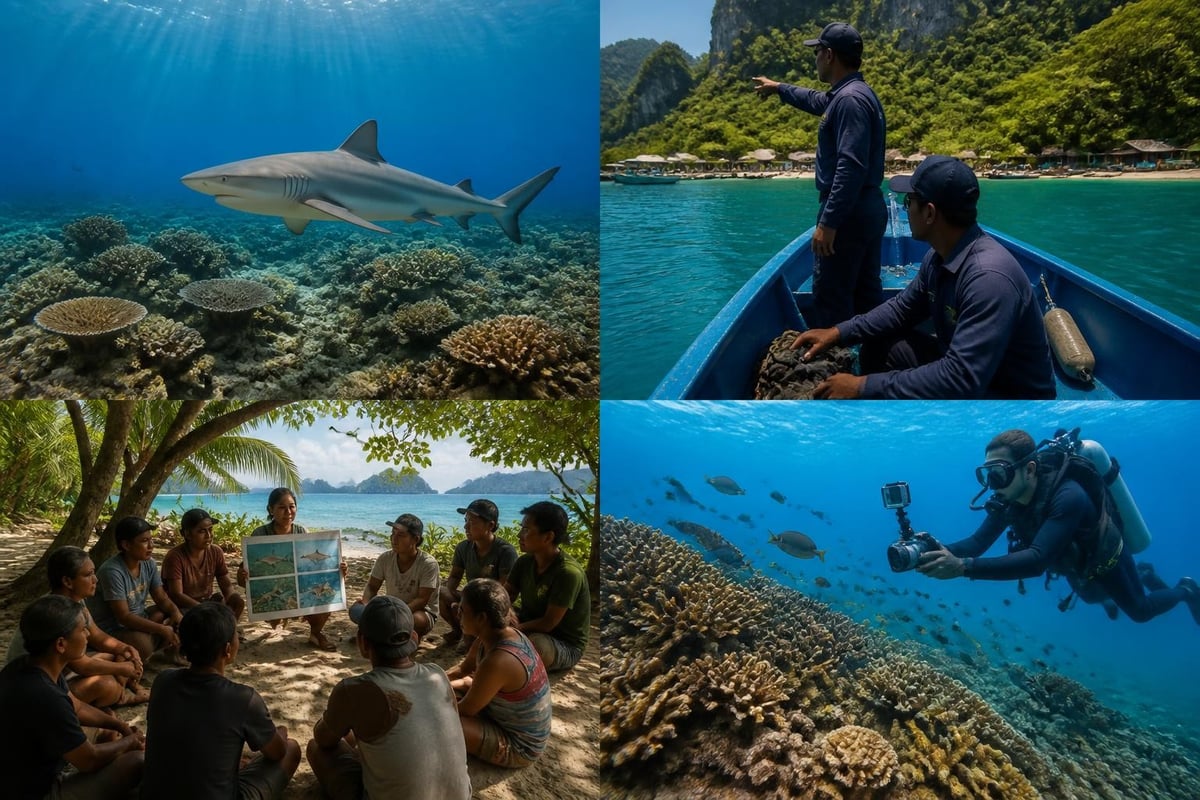
Community-based conservation initiatives that involve local fishing communities in protection efforts show particular promise. When communities benefit economically from shark tourism rather than shark fishing, they become powerful advocates for conservation.
The Future of Reef Sharks in Philippine Waters
The Philippines occupies a crucial position in global reef shark conservation, sitting at the heart of the Coral Triangle – the world's most biodiverse marine region. Decisions made here about marine protection ripple throughout Southeast Asia.
National and Local Protection Measures
Philippine national law prohibits catching, selling, or exporting several shark species, though enforcement remains challenging. El Nido's local government has implemented additional protections through its marine protected area network, creating zones where all fishing is prohibited and sharks receive complete protection.
These local efforts complement broader regional initiatives. The creation of shark and ray sanctuaries across Southeast Asian nations demonstrates growing recognition that sharks are worth more alive than dead. A single reef shark generates thousands of dollars in dive tourism revenue over its lifetime, far exceeding its value as a one-time catch.
Role of Dive Tourism in Conservation
Responsible dive tourism creates powerful economic incentives for shark conservation. When local communities see tangible benefits from protecting sharks – employment, business opportunities, community development – they become stakeholders in conservation success.
Diver contributions to conservation:
- Direct economic value supporting marine park fees and management
- Citizen science through dive logs and encounter reports helping track populations
- Education and awareness spreading appreciation for sharks globally
- Political pressure on governments to strengthen marine protection
Every dive spent appreciating reef sharks rather than fearing them helps shift cultural narratives. As more people experience the thrill of safe shark encounters, public support for conservation measures grows.
How Divers Can Help
Individual actions collectively make substantial differences:
- Choose operators committed to responsible practices that follow no-touch, no-feed policies and support marine conservation
- Report sightings to local dive centers and conservation organizations to help track shark populations
- Support marine park fees and conservation-focused tourism operators financially
- Spread awareness by sharing your experiences and educating others about reef sharks
- Reduce your environmental footprint both during dives and in daily life to protect reef habitats
Participating in local conservation initiatives, even briefly during your visit, creates lasting positive impacts. Many dive operators coordinate beach cleanups and coral restoration projects that address the broader threats facing reef sharks.
Learning More Through Advanced Diving
As your diving skills develop, opportunities to explore deeper sites and venture to more remote locations expand your chances of encountering larger and more diverse shark species. Building your capabilities opens doors to some of El Nido's most spectacular underwater environments.
Advanced certifications teach the skills needed to safely explore deeper walls, stronger currents, and more challenging conditions where grey reef sharks and other pelagic species appear more frequently. The Advanced Open Water Course provides exactly this progression, combining deep diving, navigation, and specialty adventure dives that prepare you for the full range of El Nido's dive sites.
Specialized Skills for Shark Encounters
Buoyancy control becomes crucial during shark encounters. Perfect neutral buoyancy allows you to hover motionless, observing without disturbing sharks or damaging delicate coral. This skill also conserves air, extending your bottom time to maximize observation opportunities.
Underwater photography techniques specific to shark photography require practice and patience. Understanding natural lighting, anticipating movement patterns, and framing shots while maintaining safe distances takes time to develop. Starting with simpler subjects and gradually working up to sharks produces better results than immediately chasing dramatic shark portraits.
Diving deeper and using enriched air nitrox extends bottom time on deeper reef walls where grey reef sharks patrol. The nitrox certification allows longer, safer dives with reduced nitrogen loading, particularly valuable for multi-dive days focused on shark encounters.
Reef sharks represent some of the ocean's most misunderstood and threatened predators, yet they're essential to healthy coral reefs and among the most thrilling encounters available to divers. El Nido's protected waters offer exceptional opportunities to observe these magnificent animals safely in their natural habitat. Ready to experience reef sharks firsthand? Palawan Diving combines world-class dive sites, experienced guides, and comprehensive courses to create unforgettable shark encounters for divers of all levels, from your first breaths underwater to advanced explorations of El Nido's most spectacular reefs.