Finding the right snorkeling sites can transform a simple swim into an unforgettable underwater adventure. Whether you're exploring vibrant coral gardens in the Philippines, protected marine sanctuaries in the United States, or wildlife-rich waters in remote tropical destinations, the quality of your snorkeling experience depends heavily on site selection. Understanding what makes certain locations exceptional-from water clarity and marine biodiversity to accessibility and conservation status-helps you plan trips that match your skill level and interests. This guide explores the characteristics of world-class snorkeling sites, how to evaluate them, and practical tips for making the most of your time beneath the surface.
What Defines Outstanding Snorkeling Sites
The best snorkeling sites share several key characteristics that create memorable underwater experiences. Water clarity stands at the top of the list, allowing snorkelers to see coral formations, fish, and marine life from the surface without descending. Visibility of 15 meters or more transforms snorkeling from a simple peek underwater into a panoramic view of entire reef systems.
Essential Site Characteristics
Depth and accessibility matter enormously for snorkelers of all abilities. Ideal snorkeling sites feature:
- Shallow reefs between 3 and 8 meters deep
- Easy entry points from beaches, jetties, or boats
- Minimal currents and wave action in designated snorkel zones
- Clear boundaries separating swimming and boat traffic areas
- Natural protection from wind and swell
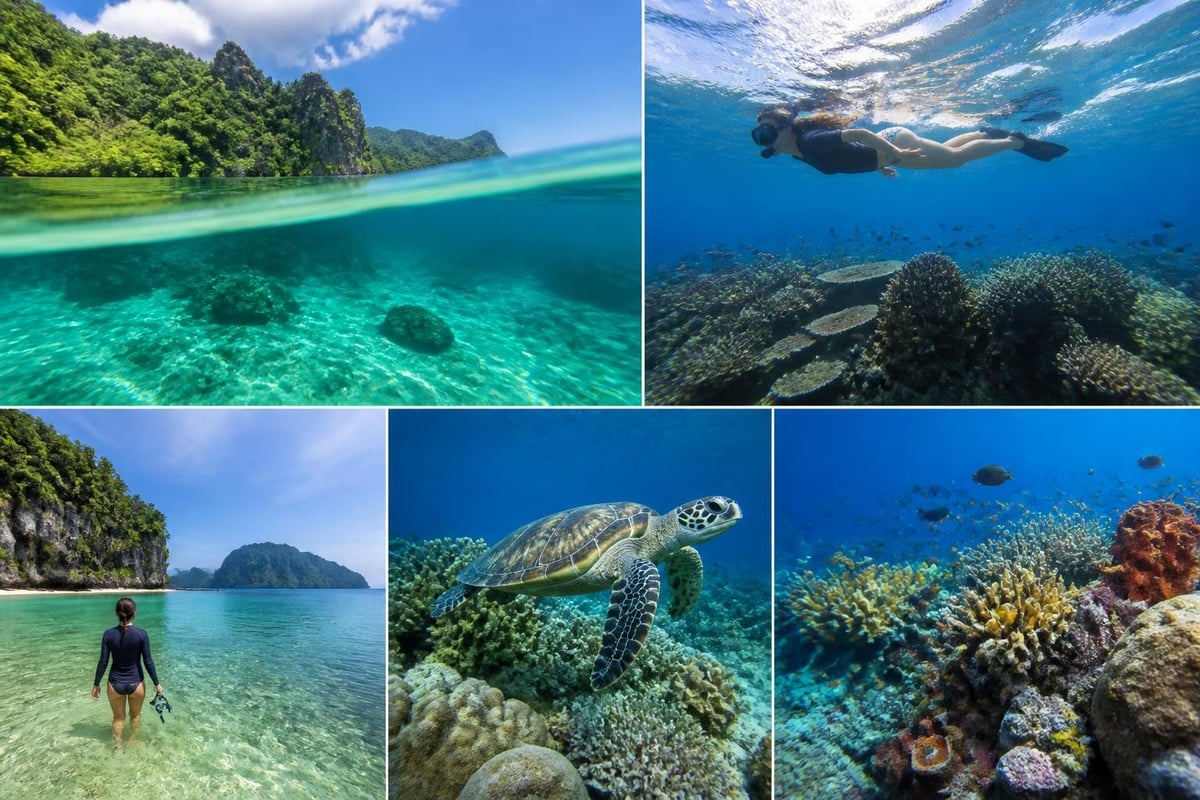
Marine biodiversity brings snorkeling sites to life. The most rewarding locations host diverse ecosystems where hard corals, soft corals, sponges, and macro-invertebrates create habitat for hundreds of fish species. According to the NOAA Coral Reef Conservation Program, healthy reef systems support complex food webs that attract everything from tiny nudibranchs to large pelagic visitors.
Protected Status and Conservation
Many of the world's premier snorkeling sites operate within marine protected areas or national marine sanctuaries. These designations limit fishing, anchor damage, and other harmful activities while funding conservation programs. The NOAA Office of National Marine Sanctuaries manages 15 marine sanctuaries across the United States, many offering spectacular snorkeling with strict visitor guidelines that preserve reef health.
El Nido in Palawan exemplifies how local conservation efforts enhance snorkeling sites. The area's protected waters maintain exceptional visibility year-round, with shallow coral gardens hosting diverse marine communities. While many visitors come to scuba dive the deeper walls and channels, the same pristine conditions create world-class snorkeling opportunities.
Types of Snorkeling Sites Around the World
Different environments offer distinct snorkeling experiences, each with unique advantages and considerations. Understanding these categories helps you choose destinations that match your preferences and abilities.
Coral Reef Systems
Tropical coral reefs represent the classic snorkeling environment, offering maximum biodiversity in relatively shallow water. These sites range from fringing reefs just offshore to barrier reef systems kilometers from shore.
| Reef Type | Characteristics | Access Method | Best For |
|---|---|---|---|
| Fringing Reefs | Close to shore, easy access | Shore entry or short swim | Beginners, families |
| Barrier Reefs | Offshore, deeper channels | Boat transfer required | Experienced snorkelers |
| Patch Reefs | Isolated formations | Boat positioning | Variety seekers |
| Atoll Systems | Ring-shaped, lagoon protected | Live-aboard or resort base | Multi-day exploration |
The Philippines, Indonesia, and Malaysia host thousands of reef-based snorkeling sites across diverse conditions. In Palawan specifically, the limestone karst topography creates unique underwater formations where reefs meet dramatic walls and underwater pinnacles.
Rocky Coastlines and Kelp Forests
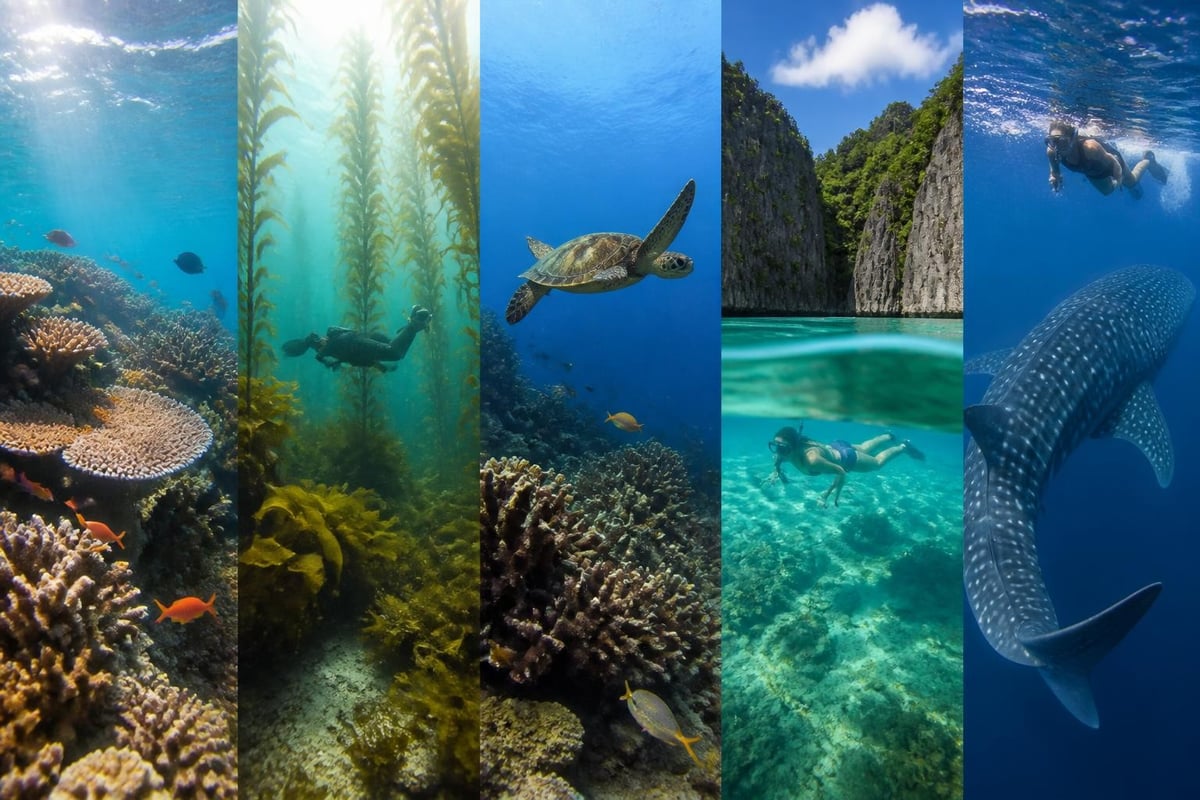
Temperate waters provide completely different snorkeling experiences. Rocky shores in California, Australia, and Mediterranean regions support kelp forests, sea grass meadows, and rocky reef communities. These sites often feature cooler water requiring wetsuits, but reward snorkelers with unique species rarely seen in tropical waters.
The U.S. National Park Service manages snorkeling access at multiple coastal parks, where tide pools and kelp forests create sheltered environments for beginners while offering advanced exploration opportunities at exposed locations.
Marine Sanctuaries and Wildlife Encounters
Some snorkeling sites earn their reputation from specific wildlife encounters rather than reef formations. These locations attract snorkelers hoping to see whale sharks, manta rays, sea lions, or seasonal migrations. Lonely Planet highlights top whale shark encounters at locations including the Philippines, Mexico, and Western Australia, where these gentle giants aggregate seasonally.
Important considerations for wildlife-focused sites:
- Seasonal timing determines encounter probability
- Responsible operators follow strict distance and behavior protocols
- Group sizes may be limited to reduce stress on animals
- No touching, chasing, or flash photography permitted
Evaluating Snorkeling Sites Before You Visit
Smart research before booking prevents disappointment and ensures your snorkeling trip matches expectations. Several factors beyond pretty photos determine whether a location delivers quality experiences.
Seasonal Conditions and Weather Patterns
Timing dramatically affects underwater visibility and marine life activity. Most tropical snorkeling sites have distinct dry and wet seasons that influence water clarity, current patterns, and species behavior.
Research these seasonal factors:
- Rainy season impacts on river runoff and visibility
- Wind patterns that create surface chop or calm conditions
- Marine life migrations and breeding seasons
- Tourist high seasons affecting crowding and boat traffic
- Water temperature fluctuations requiring thermal protection
In Palawan and throughout the Philippines, the dry season from November through May generally provides the best conditions, with April and May offering the calmest seas and warmest water temperatures. Experienced local operators understand these patterns and can guide you toward optimal timing.
Site Management and Regulations
Well-managed snorkeling sites maintain healthier ecosystems and provide better visitor experiences. Look for locations with:
- Clear carrying capacity limits
- Designated snorkel zones separate from boat channels
- Mooring buoys to prevent anchor damage
- Ranger or guide presence
- Environmental fees supporting conservation
The IUCN provides guidelines for managing visitor impacts at marine protected areas, emphasizing that proper site management balances access with conservation. Sites following these best practices typically deliver more rewarding long-term snorkeling experiences.
Accessibility and Infrastructure
Practical considerations matter as much as underwater beauty. Evaluate the logistics of reaching and using snorkeling sites, including transportation from your accommodation, changing facilities, equipment rental availability, and emergency services access.
Site Selection Based on Experience Level
Matching snorkeling sites to your ability prevents frustration and safety issues while maximizing enjoyment. Honest self-assessment of swimming ability, comfort in open water, and previous snorkeling experience guides appropriate site selection.
Beginner-Friendly Locations
New snorkelers benefit from protected, shallow sites with minimal current and easy exit points. Beach entry sites with gradual depth increases allow beginners to practice skills in waist-deep water before venturing over deeper reefs.
Ideal beginner site features:
- Maximum depth under 5 meters
- Sandy bottom areas for rest breaks
- Lifeguard or guide supervision
- Rental equipment and instruction available
- Calm conditions most days
- Multiple exit points along the shore
Protected lagoons and bays provide these conditions naturally. In El Nido, several shallow coral gardens offer perfect beginner conditions, with calm water and abundant marine life visible from the surface. For those completely new to experiencing the underwater world, Discover Scuba Diving programs provide a supported introduction with professional instruction in controlled environments before progressing to open-water sites.
Intermediate and Advanced Sites
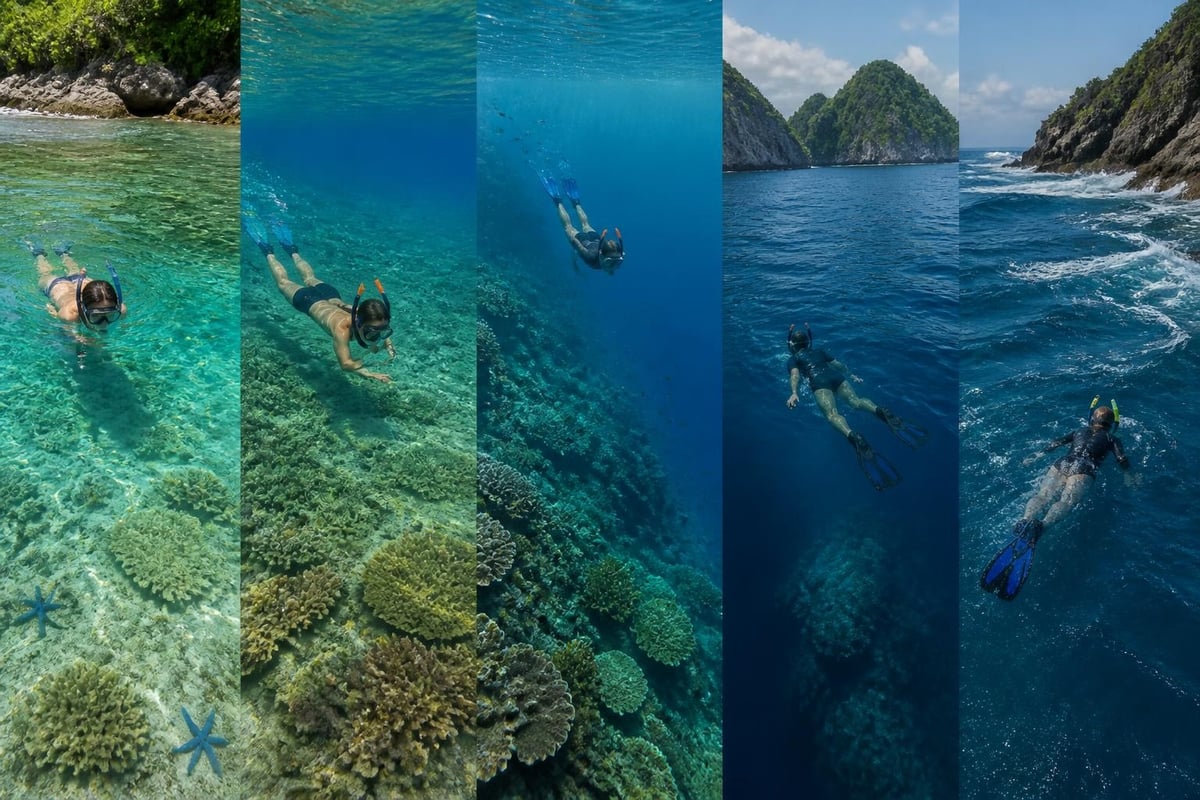
Confident swimmers ready for more challenging conditions can explore sites with moderate currents, deeper sections, and boat-based access. These locations often reward snorkelers with more dramatic topography and larger marine life.
Progressive difficulty factors include:
- Current strength requiring active swimming
- Depth exceeding 10 meters in sections
- Open water distance from shore or boat
- Wave and surge exposure
- Navigation complexity across multiple reef zones
Advanced snorkeling sites may overlap with dive sites, where snorkelers explore the shallower portions while divers descend to greater depths. This arrangement works well when proper boat procedures separate surface and submerged traffic.
Top Global Snorkeling Destinations
Certain regions consistently deliver exceptional snorkeling across multiple sites, earning reputations as premier destinations worth building entire trips around.
The Coral Triangle
This triangular region spanning the Philippines, Indonesia, Malaysia, Papua New Guinea, Timor-Leste, and the Solomon Islands contains the highest marine biodiversity on Earth. Over 600 coral species and 2,000 reef fish species inhabit Coral Triangle waters, creating unmatched snorkeling variety.
Palawan sits at the heart of this biodiversity hotspot, where protected marine areas maintain pristine conditions. The combination of limestone geology, nutrient-rich currents, and conservation efforts creates snorkeling sites rivaling any in Southeast Asia. Beyond El Nido, Coron's lakes and reefs offer unique snorkeling, while the Tubbataha Reefs Natural Park represents the region's ultimate diving and snorkeling destination for those reaching it by live-aboard.
Caribbean Marine Parks
The Caribbean offers hundreds of snorkeling sites across dozens of island nations, with marine parks protecting the most valuable locations. Bonaire, the Cayman Islands, and the U.S. Virgin Islands maintain extensive mooring buoy systems and marine park regulations that preserve reef health while providing excellent access.
National Geographic Travel highlights underwater experiences at U.S. national parks including Virgin Islands National Park and Dry Tortugas, where snorkeling reveals historical shipwrecks alongside natural reef formations.
Red Sea Reef Systems
Egypt and Jordan's Red Sea coastline provides exceptional visibility and unique coral formations with easy shore access. The combination of minimal rainfall, protective mountains, and nutrient-poor water creates clarity exceeding 30 meters at many sites. Shore-based snorkeling from beaches and jetties makes the Red Sea accessible without boat charters.
Pacific Island Nations
Fiji, Vanuatu, and French Polynesia offer remote snorkeling sites where human impacts remain minimal. These locations often require longer travel but reward visitors with pristine conditions and unique species. Many Pacific sites feature dramatic drop-offs where deep channels meet shallow reefs, creating opportunities to see both reef residents and passing pelagic species during single snorkeling sessions.
Conservation and Responsible Snorkeling Practices
Snorkeling impacts reef health more than many visitors realize. Research published in PLOS ONE documented significant damage to coral communities at heavily visited snorkeling sites, with contact, sediment resuspension, and fin strikes contributing to reef degradation. Understanding and practicing responsible techniques protects the sites we love.
Essential Low-Impact Techniques
Proper buoyancy control and body positioning prevent most snorkeling damage. Maintaining horizontal trim keeps fins away from the bottom while reducing effort required to swim.
Practice these conservation-focused techniques:
- Adjust your buoyancy with proper weighting and breath control
- Keep fins elevated when near the bottom or in shallow sections
- Watch your hands and avoid touching any marine life or coral
- Control your kick to prevent sediment clouds that settle on coral
- Maintain safe distances from animals, minimum 3 meters for most species
- Never chase or corner marine creatures for photos
Reef-safe sunscreen has become mandatory at many sites. Chemical sunscreens containing oxybenzone and octinoxate damage coral tissues and contribute to bleaching. Using mineral-based alternatives with zinc oxide or titanium dioxide protects both your skin and reef health.
Citizen Science and Monitoring Programs
Snorkelers can contribute valuable data to reef monitoring efforts through citizen science programs. Reef Check Foundation trains volunteers worldwide to conduct standardized surveys during recreational snorkeling, documenting fish populations, invertebrate abundance, and coral health. These programs turn vacation snorkeling into meaningful conservation contributions while deepening your understanding of reef ecosystems.
Planning Your Snorkeling Trip
Successful snorkeling vacations require advance planning beyond simply choosing a destination. Equipment preparation, skills practice, and understanding local conditions all contribute to smooth, enjoyable experiences.
Equipment Considerations
While most snorkeling sites offer rental equipment, bringing your own mask ensures proper fit-the single most important factor in snorkeling comfort. Poorly fitting masks leak constantly, creating frustration and limiting underwater time.
Essential personal equipment:
- Properly fitted mask (test seal before purchasing)
- Comfortable snorkel with purge valve and dry top
- Full-foot fins sized to prevent blisters
- Rash guard or wetsuit for sun and thermal protection
- Reef-safe sunscreen in waterproof container
Many experienced snorkelers invest in prescription masks or mask inserts if they normally wear glasses. The improvement in underwater clarity justifies the modest additional cost.
Physical Preparation
Snorkeling demands more physical effort than many people expect, especially at sites with current or when swimming longer distances. Basic cardiovascular fitness and comfort in open water prevent exhaustion and anxiety.
Pre-trip preparation activities:
- Swimming practice in pools or calm open water
- Snorkel gear familiarization in controlled environments
- Breathing technique practice through the snorkel
- Mask clearing and water comfort skills
- Floating and resting techniques
Those staying at The Beach House enjoy the advantage of testing equipment and practicing skills directly from the beachfront before venturing to more exposed snorkeling sites. Having the dive boat depart from your accommodation's doorstep eliminates transportation logistics while providing immediate access to professional guidance.
Choosing Guides and Operators
Professional guides enhance safety and marine life encounters while reducing environmental impact. Experienced guides know current conditions, can identify species, understand animal behavior, and position groups for optimal viewing without harassment.
Evaluate operators based on:
| Criteria | What to Look For | Red Flags |
|---|---|---|
| Group Size | 6-8 snorkelers per guide | Groups exceeding 12 people |
| Briefings | Detailed site, safety, and conservation briefing | Rushed or minimal pre-trip information |
| Equipment | Well-maintained rental gear, multiple size options | Worn equipment, limited sizes |
| Conservation | Clear environmental guidelines, reef-safe practices | Touching wildlife, feeding fish |
| Safety | First aid certification, emergency oxygen, communication | Lack of safety equipment or procedures |
Maximizing Your Underwater Experience
Beyond basic technique, several strategies help snorkelers see more marine life and enjoy longer, more comfortable sessions.
Timing and Tides
Marine activity varies throughout the day, with many reef fish most active during early morning and late afternoon feeding periods. Planning snorkeling sessions around these windows increases encounters with active, colorful species versus midday periods when fish shelter from sun and predators.
Optimal timing considerations:
- Early morning (6:00-9:00 AM) brings calm conditions and active fish
- Late afternoon (3:00-5:00 PM) offers favorable light angles for photography
- Tide changes concentrate fish and trigger feeding behavior
- Avoid midday heat which reduces comfort and visibility through surface glare
Understanding how tides affect specific sites helps you arrive at optimal times. Incoming tides often bring clearer oceanic water and attract pelagic species, while outgoing tides may create stronger currents requiring adjusted planning.
Photography and Documentation
Underwater photography extends the enjoyment of snorkeling sites long after your trip concludes. Modern waterproof cameras and housings for phones make underwater photography accessible to everyone, though mastering technique requires practice.
Photography improvement tips:
- Get close to subjects (within 1 meter when possible)
- Shoot upward toward surface light for dramatic backgrounds
- Use natural light in shallow, clear water versus flash in murky conditions
- Stabilize yourself before shooting to prevent blurry images
- Practice buoyancy to avoid disturbing sediment or contacting coral
Remember that the pursuit of photos should never compromise safety or conservation ethics. Many snorkeling sites now restrict or regulate underwater photography to prevent harassment of marine life and damage from photographers who lose awareness of their surroundings.
Regional Focus: Snorkeling Sites in Palawan
Palawan's extraordinary marine environments deserve special attention for anyone planning Philippines snorkeling trips. The island province offers remarkable diversity across hundreds of kilometers of coastline, limestone formations, and offshore reefs.
El Nido's Unique Underwater Landscapes
El Nido's dramatic karst topography continues underwater, creating walls, caves, and swim-throughs accessible to snorkelers. The area's protected status maintains excellent conditions, while the concentration of dive operators ensures professional support and varied site options.
Notable El Nido snorkeling characteristics:
- Shallow coral gardens in protected bays
- Dramatic underwater limestone formations
- Excellent visibility year-round (typically 15-25 meters)
- Diverse marine life including turtles, reef sharks, and pelagic visitors
- Accessible sites for all skill levels
The convenience of shore-based access from accommodation combined with professional boat diving creates flexibility for multi-day stays. Snorkelers can explore beaches independently between guided boat trips to more remote sites.
Beyond El Nido: Palawan's Other Snorkeling Areas
While El Nido receives the most attention, Palawan offers exceptional snorkeling across multiple regions. Coron's combination of Japanese WWII wrecks and pristine reefs attracts advanced snorkelers comfortable in deeper water. Port Barton's quiet bay provides beginner-friendly conditions with healthy reefs just offshore. The Honda Bay island groups near Puerto Princesa offer day-trip snorkeling across multiple sites.
For detailed information about exploring Palawan's diverse underwater environments, resources are available at Palawan Diving, where trip planning guidance helps you match locations to your interests and abilities.
Health and Safety Protocols
Responsible snorkeling requires attention to personal safety alongside environmental protection. Understanding risks and practicing appropriate precautions prevents most incidents.
Medical Considerations
Certain medical conditions require evaluation before snorkeling. Cardiovascular issues, respiratory conditions, and ear problems all potentially complicate snorkeling safety.
Consult medical professionals if you have:
- Heart disease or irregular heartbeat
- Asthma or chronic respiratory conditions
- Ear infection or perforation history
- Seizure disorders
- Pregnancy (consult your doctor regarding appropriate activities)
Even healthy snorkelers should recognize personal limits. Exhaustion, cold, and anxiety signal when to exit the water and rest rather than pushing through discomfort.
Emergency Preparedness
Quality snorkeling operators maintain emergency protocols including oxygen, first aid equipment, and communication systems. Understanding these procedures before entering the water provides reassurance and speeds response if incidents occur.
Know before you go:
- Location of emergency equipment on boats
- Emergency exit points and recall signals
- Nearest medical facilities and evacuation procedures
- Guide responsibilities and communication methods
- Your own emergency contact information
Marine life injuries, while rare, require specific first aid approaches. Box jellyfish, stonefish, and sea urchin encounters each demand different treatments. Professional guides familiar with local species provide the best immediate response before medical evacuation if needed.
The world's best snorkeling sites combine pristine natural conditions with thoughtful management that balances access and conservation. Whether you explore protected marine sanctuaries in your home country or venture to tropical reef systems across the globe, proper planning and responsible practices ensure rewarding experiences that support long-term ecosystem health. If Palawan's exceptional underwater diversity speaks to your adventure goals, Palawan Diving offers expert guidance and professional support for discovering El Nido's remarkable snorkeling and diving sites, helping you experience crystal-clear waters and vibrant marine life with confidence and care.