El Nido has earned its reputation as one of the Philippines' premier diving destinations, combining dramatic limestone karst scenery above water with thriving underwater ecosystems below. Scuba El Nido opens up a world of coral gardens, reef walls, and diverse marine life that ranges from tiny nudibranchs to passing pelagics. Whether you're taking your first breaths underwater or logging your hundredth dive, the waters around this northern Palawan town offer something memorable for every level of diver.
Why Choose Scuba El Nido
El Nido's geographic position creates ideal diving conditions for much of the year. The town sits on the edge of Bacuit Bay, protected by dozens of limestone islands that shelter dive sites from heavy swells.
Water visibility typically ranges from 10 to 25 meters, with the clearest conditions during the dry season from November through May. Water temperatures hover between 27 and 30 degrees Celsius year-round, making a 3mm wetsuit perfectly adequate for most divers.
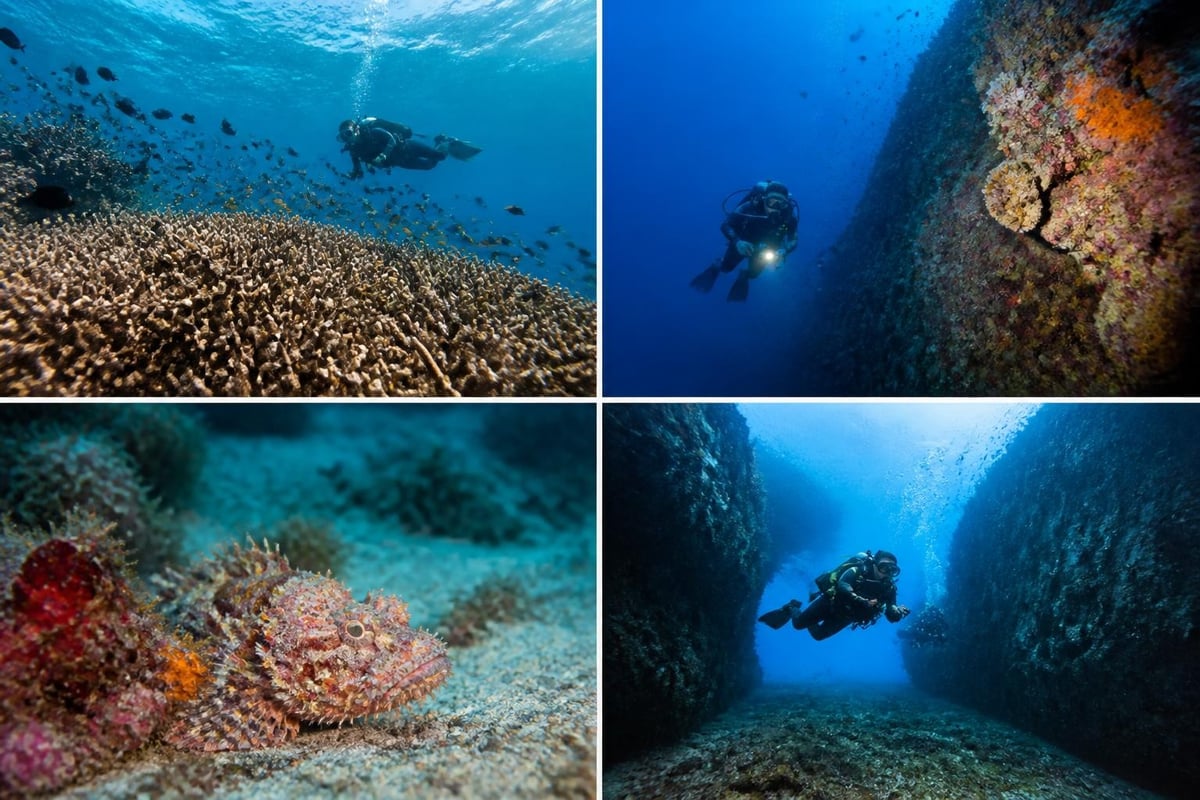
The diversity of dive sites distinguishes El Nido from other Philippine destinations:
- Shallow coral gardens perfect for training and photography
- Vertical walls dropping beyond recreational limits
- Small caves and swim-throughs adding adventure
- Sandy slopes where unusual macro life hides
- Strong current sites attracting schooling fish
Local conservation efforts have helped protect these ecosystems. The Northeast Palawan MPA Network works to establish protected zones that balance tourism with reef health, and visiting divers contribute to monitoring through responsible diving practices.
Top Dive Sites Around El Nido
North Reef and South Reef
These two sites bookend Miniloc Island and serve as the workhorses of El Nido diving. North Reef features a gentle slope covered in hard and soft corals, with maximum depths around 18 meters making it ideal for newer divers and second dives of the day.
South Reef presents more dramatic topography with a wall section and several small caverns to explore. Turtles frequently graze on the reef, and the site's variety means you can conduct skills training, photography sessions, or leisurely exploration all in one location.
| Site Feature | North Reef | South Reef |
|---|---|---|
| Max Depth | 18m | 24m |
| Topography | Gentle slope | Wall and slope |
| Current | Usually mild | Can be moderate |
| Best For | All levels | Advanced Open Water+ |
Nat Nat and Twin Rocks
Nat Nat delivers one of El Nido's most photographed underwater scenes: a massive table coral formation sitting at around 15 meters. The site's shallow depth and typically calm conditions make it perfect for checkout dives during certification courses.
Twin Rocks lives up to its name with two large coral-covered formations rising from the seabed. Strong currents can sweep through here, bringing nutrients that feed colorful soft corals and attracting jacks, barracuda, and occasionally larger pelagics. This site rewards divers who have completed their Advanced Open Water Course and feel comfortable managing current.
Dilumacad Tunnel
This signature El Nido dive takes you through a swim-through tunnel that opens at both ends, creating dramatic light effects as sunshine penetrates the water. The tunnel entrance sits at around 15 meters, with the surrounding reef extending both shallower and deeper.
Beyond the tunnel itself, the site offers excellent reef exploration with healthy hard coral coverage. Schooling fusiliers and snappers congregate here, and patient divers often spot moray eels tucked into crevices along the wall.
Marine Life Encounters
Scuba El Nido brings you face-to-face with an impressive variety of tropical marine species. The reefs support resident populations that divers can encounter on most visits, though specific sightings always depend on conditions, seasons, and luck.
Common reef residents include:
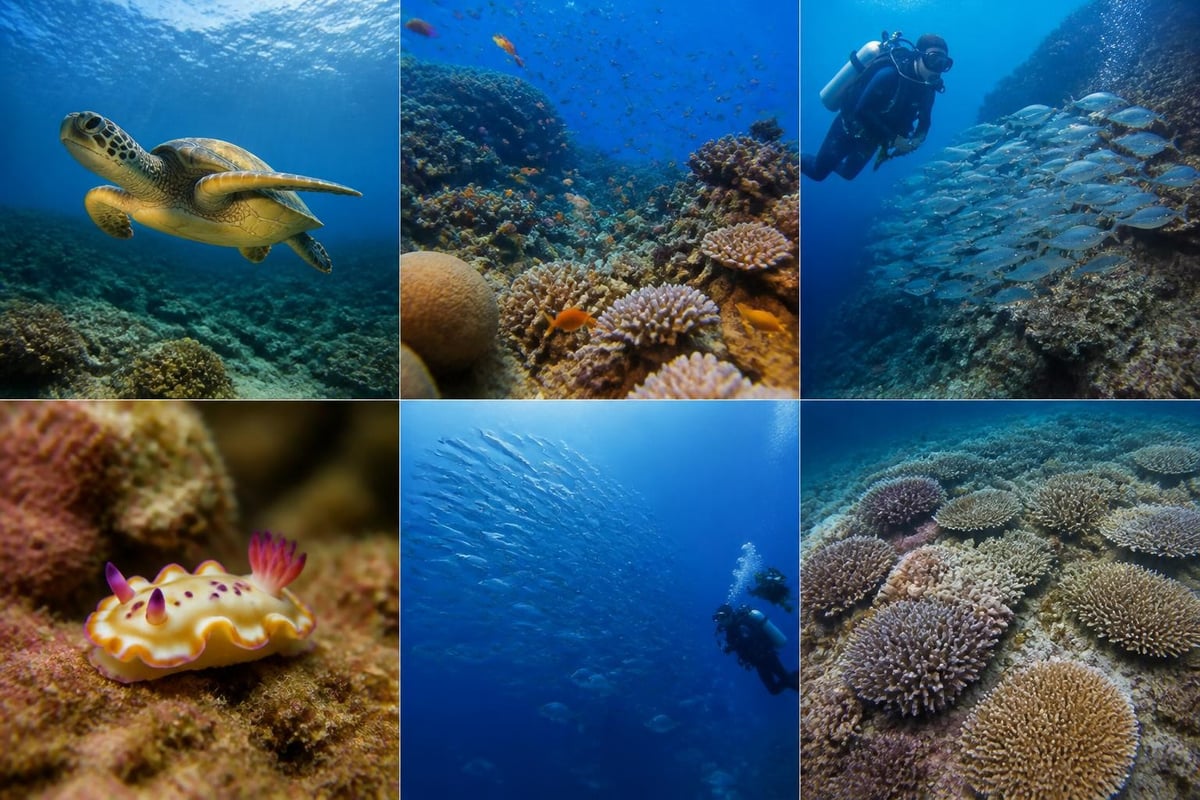
- Green and hawksbill turtles grazing on coral and seagrass
- Clownfish hosting in various anemone species
- Parrotfish crunching coral in clouds of sand
- Moray eels ranging from tiny ribbon eels to massive giants
- Lionfish hovering over coral heads
- Octopuses hiding in reef crevices
Macro enthusiasts should keep their eyes open for nudibranchs, with dozens of species decorating the reef in every imaginable color pattern. Shrimps and crabs live in symbiotic relationships with anemones and corals, while cuttlefish and squid make occasional appearances.
Schooling fish create some of El Nido's most dramatic underwater scenes. Jacks patrol the reef edges, barracuda sometimes form swirling tornadoes in the blue, and baitfish congregate in dense clouds that darken the water.
Reef Check Philippines monitors coral health and fish populations across the country, and responsible diving practices help maintain the ecosystems that make scuba El Nido so rewarding.
Learning to Dive in El Nido
El Nido provides an excellent environment for scuba training, with protected conditions and shallow reefs that build confidence while offering genuine underwater interest.
Open Water Certification
The standard PADI Open Water course takes three to four days and qualifies you to dive to 18 meters worldwide. El Nido's calm bay sites let you master fundamental skills without fighting current or surge, while the healthy reefs ensure even your training dives feel like real underwater adventures.
Most operators conduct confined water sessions in protected areas before moving to open water at sites like North Reef or Nat Nat. Small class sizes mean instructors can provide individual attention and adapt the pace to your comfort level.
Advanced Training Options
After certification, continuing your education unlocks more dive sites and deeper experiences. Advanced training typically includes deep diving to 30 meters, underwater navigation, and three specialty dives you can choose based on your interests.
Peak performance buoyancy training pays immediate dividends in El Nido's current-prone sites, while the deep dive often takes place at South Reef's wall section. Nitrox certification extends your bottom time on repetitive dives and reduces fatigue, particularly valuable during multi-day dive packages.
First-Time Experiences
Never dived before but curious? Discover Scuba Diving programs let you try breathing underwater with full instructor supervision and no certification required. These introductory experiences typically include a pool or confined water session followed by a shallow reef dive to around 12 meters.
The program takes half a day, and many first-timers find themselves hooked enough to sign up for full certification by the end of their El Nido trip.
Planning Your Scuba El Nido Trip
Best Diving Seasons
El Nido diving operates year-round, but conditions vary with the seasons:
November to May brings the dry northeast monsoon with calm seas, excellent visibility, and consistent dive conditions. This peak season sees the most visitors, so booking ahead becomes important.
June to October experiences the southwest monsoon, which brings occasional rain and windier conditions. Diving continues throughout this period, though some exposed sites may be inaccessible on rougher days. Visibility can drop slightly, but the trade-off comes in fewer crowds and often better rates.
Water temperature remains consistent year-round, unlike some tropical destinations that experience cooler upwellings. A 3mm wetsuit provides adequate thermal protection for most divers, though those who feel the cold might prefer a 5mm suit.
Typical Dive Days
Most scuba El Nido operations offer two-tank morning trips, departing between 8:00 and 9:00 AM. Boats typically spend three to four hours on the water, including surface intervals between dives.
The standard format includes:
- Morning departure from the dive center
- First dive at a deeper or more challenging site
- Surface interval on the boat or nearby beach
- Second dive at a shallower site
- Return to town around lunchtime
This schedule leaves afternoons free for island hopping, kayaking, beach time, or simply relaxing. Some operators also offer afternoon dives or night diving for those wanting more underwater time.
Accommodation and Logistics
El Nido town offers accommodation ranging from budget hostels to upscale resorts. Staying close to your dive operator saves travel time and makes early morning departures easier.
Some diving-focused properties position you right on the beach where dive boats depart. For divers who want maximum convenience, combining accommodation with diving in a single beachfront location eliminates transportation hassles and creates a seamless experience from wake-up to splash-in. If you're planning a dedicated dive trip rather than just sampling a day or two of diving, having everything in one place makes the experience smoother and more enjoyable.
Getting to El Nido requires either a six-hour van ride from Puerto Princesa (the provincial capital with the nearest major airport) or a small plane directly to El Nido's Lio Airport. Most visitors choose the van option, which costs less and runs frequently throughout the day.
Diving Packages and Pricing Considerations
Scuba El Nido pricing varies by operator, certification level, and package structure. Understanding the typical cost components helps you budget effectively and compare options:
Single fun dives cost more per dive than multi-dive packages. If you plan to dive several days during your stay, buying a package of 6-10 dives usually offers better value than paying daily rates.
Equipment rental adds to the base price if you don't own your gear. Full equipment rental (BCD, regulator, wetsuit, fins, mask) typically runs about 30-40% of the dive price itself. Investing in your own mask and snorkel makes sense for regular divers, as proper fit dramatically improves comfort.
Certification courses represent a larger upfront investment than fun diving but deliver lifetime value. Shop based on instructor experience and class size rather than just price, as the quality of training impacts both safety and enjoyment for years to come.
| Package Type | Typical Duration | Best For |
|---|---|---|
| Single fun dive | Half day | Testing the waters |
| 3-dive package | 1.5 days | Short visits |
| 6-dive package | 3 days | Week-long trips |
| 10-dive package | 5 days | Dedicated dive holidays |
| Open Water Course | 3-4 days | New divers |
| Advanced Course | 2 days | Skill development |
Most established operators accept credit cards, though some add a processing fee. Having some cash provides flexibility for tips, snacks, and incidentals.
Safety and Environmental Responsibility
Diving safely in El Nido follows universal best practices but with some local considerations worth noting.
Health and Safety Basics
The nearest recompression chamber sits several hours away in Puerto Princesa, making conservative diving particularly important. Plan dives well within no-decompression limits, make safety stops standard practice, and avoid pushing depth or time limits.
El Nido's remote location means evacuation takes longer than in cities with trauma centers. DAN (Divers Alert Network) insurance costs little relative to potential medical evacuation expenses and provides peace of mind.
Most dive operators carry oxygen and first aid equipment on their boats. Ask about emergency procedures during your briefing, and make sure you understand the nearest hospital location and evacuation protocols.
Protecting El Nido's Reefs
Your diving practices directly impact reef health. Simple actions multiply across thousands of annual visitors to create significant positive or negative effects:
- Master buoyancy control before diving fragile sites to avoid accidental fin or hand contact with coral
- Secure all equipment with clips and hoses tucked close to prevent dragging across the reef
- Take only photos and resist the temptation to collect shells, coral fragments, or other marine souvenirs
- Maintain distance from turtles, rays, and other marine life that may flee or become stressed by close approaches
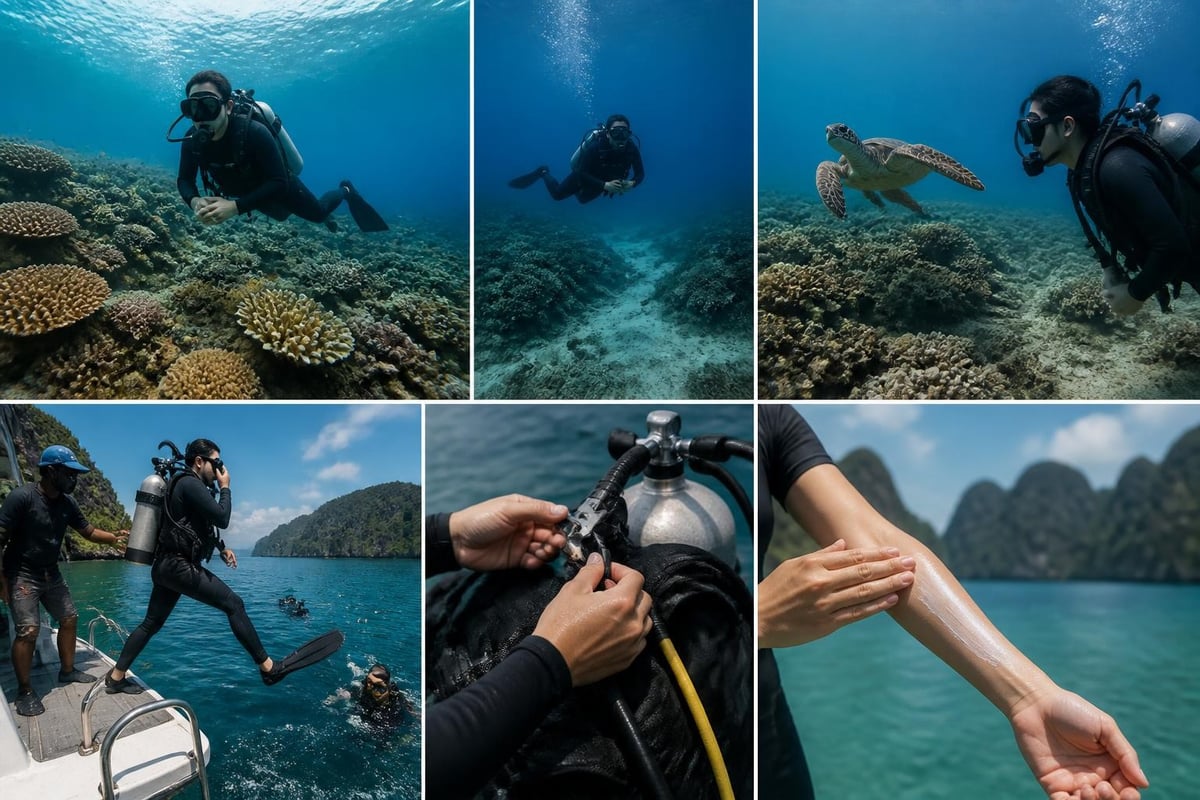
- Use reef-safe sunscreen or long-sleeved rash guards to minimize chemical impact on coral
The official Philippines tourism guidelines for El Nido emphasize sustainable practices that help preserve the area's natural beauty. Following these principles ensures future generations can enjoy the same healthy reefs you're exploring today.
Beyond the Diving
While scuba El Nido represents the main attraction for many visitors, the area offers plenty to do on surface intervals and rest days.
Island hopping tours explore Bacuit Bay's limestone karsts, hidden lagoons, and white sand beaches. Tours A, B, C, and D visit different island combinations, with Tour A hitting the most famous spots including Big Lagoon and Secret Lagoon.
Kayaking lets you explore at your own pace, paddling into shallow areas tour boats can't reach. Rental shops line the beachfront, and some resorts provide kayaks for guest use.
Beach time requires little planning but delivers maximum relaxation. El Nido's main beach gets busy, but nearby coves offer quieter alternatives. Local community programs supported by organizations like Pilipinas Shell Foundation help maintain beach cleanliness and sustainable tourism practices.
Sunset watching becomes a ritual for many visitors. Various beachfront bars and restaurants offer front-row seats, or you can simply grab a spot on the sand with a cold drink.
Choosing Your Dive Operator
El Nido hosts numerous dive centers with varying approaches, equipment quality, and safety standards. Selecting the right operator significantly impacts your experience.
Look for:
- Current instructor certifications and insurance documentation
- Well-maintained equipment showing recent servicing
- Small group sizes (ideally 4 divers per guide maximum)
- Detailed safety briefings covering local conditions
- Environmental awareness and reef protection practices
- Clear communication in your preferred language
Don't hesitate to visit several operators, ask questions, and compare offerings before committing. Established centers welcome questions about their procedures, equipment, and instructor qualifications.
Word-of-mouth recommendations from other divers provide valuable insights. Online reviews help, though remember that diving experiences vary based on conditions, individual expectations, and simple luck with marine life sightings.
Making the Most of Your Dives
Small preparations enhance comfort and enjoyment underwater:
Hydration matters more than many divers realize. Dehydration increases decompression sickness risk and contributes to fatigue. Drink water before, between, and after dives, even if you don't feel particularly thirsty.
Sun protection extends beyond reef-safe sunscreen. Rash guards, hats, and even light pants for boat rides prevent painful burns that can make wearing dive gear uncomfortable.
Logbook discipline helps you track experience and remember dive sites. Recording details like visibility, currents, marine life spotted, and site characteristics creates a valuable reference for future trips and helps you notice your own skill progression.
Camera considerations depend on your experience level and goals. Bringing a camera on your first few dives divides attention between photography and skill development. Once comfortable, even a simple compact camera in an underwater housing captures memorable moments. Serious photographers often dedicate specific dives to shooting rather than trying to cover maximum distance.
Night diving reveals completely different marine life, as nocturnal species emerge and daytime fish settle into sleep. Many octopuses, lobsters, and unusual fish only come out after dark. If you've never tried night diving, El Nido's calm conditions and healthy reefs make an excellent introduction.
Scuba El Nido offers an exceptional combination of healthy reefs, diverse marine life, and reliable conditions that work for every certification level. Whether you're earning your first C-card or adding another stamp to a well-worn logbook, the waters around this Palawan destination deliver memorable underwater experiences. Ready to explore El Nido's underwater world? Palawan Diving provides the local expertise, quality equipment, and personalized service to make your diving trip exceptional, from first-time Discover Scuba experiences to advanced dive charters and complete dive holiday packages.