Choosing the right scuba resort can transform your diving holiday from ordinary to extraordinary. These specialized properties combine comfortable accommodation with full-service dive operations, offering everything from beginner courses to advanced exploration under one roof. Whether you're planning your first underwater adventure or seeking a dedicated base for exploring world-class reefs, understanding what makes a quality scuba resort helps you find the perfect match for your diving goals and travel style.
What Defines a True Scuba Resort
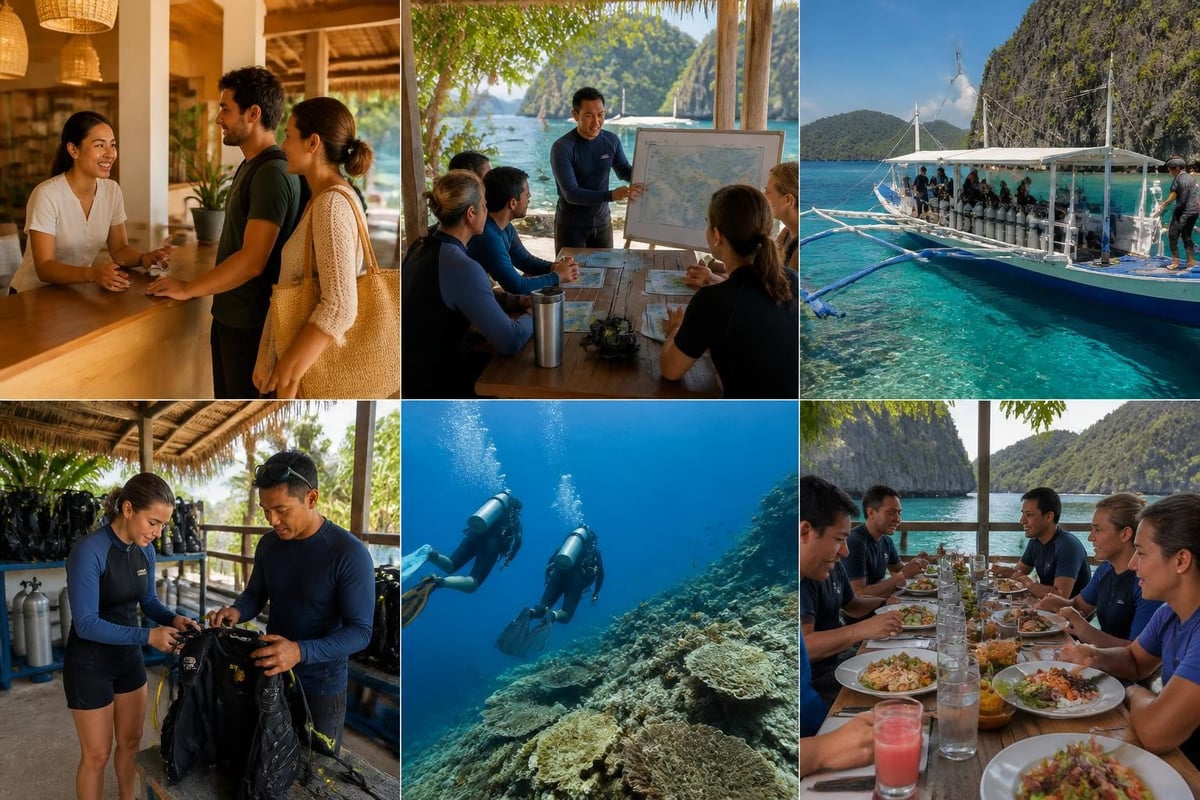
A scuba resort goes far beyond a hotel that happens to have a dive shop nearby. These properties are purpose-built diving destinations where the entire operation centers around underwater exploration.
True scuba resorts offer several defining features:
- On-site dive center with professional staff and equipment
- Direct boat access from the property
- Dedicated equipment storage and rinse facilities
- Dive-focused meal schedules and amenities
- Multiple daily boat departures
- Training facilities including pools or confined water areas
The integration matters more than individual components. When your accommodation, dive operation, boat services and dining all work together seamlessly, you spend more time underwater and less time coordinating logistics. Many diving resorts in the Philippines exemplify this approach, particularly in destinations like El Nido where marine biodiversity meets exceptional infrastructure.
Industry Standards and Certifications
Not all dive resorts meet the same standards. PADI Five Star Dive Resort certification requires facilities to maintain specific equipment standards, offer comprehensive courses, employ experienced instructors and demonstrate commitment to environmental practices.
| Certification Level | Requirements | What It Means |
|---|---|---|
| PADI Dive Center | Basic retail, rental equipment, Open Water courses | Entry-level operation |
| PADI Five Star | Full course range, retail, professional standards | Comprehensive training facility |
| PADI Five Star IDC | Instructor Development capability | Can train dive professionals |
| PADI Eco Center | Documented conservation programs, sustainable practices | Environmental commitment verified |
These certifications provide useful benchmarks when researching options. However, smaller operations without formal resort status can still deliver exceptional experiences, particularly in regions like Palawan where personalized service and local knowledge often outweigh facility size.
Essential Facilities and Services
Modern scuba resorts offer far more than basic tank fills and boat rides. Understanding core facilities helps you evaluate whether a property matches your diving needs.
Dive Operation Essentials
The dive center forms the heart of any scuba resort. Professional operations maintain well-serviced equipment, employ experienced guides who know local dive sites intimately, and run reliable boat schedules regardless of weather challenges.
Equipment and storage facilities should include:
- Well-maintained rental gear in multiple sizes
- Individual storage lockers or designated areas
- Fresh-water rinse stations and drying racks
- Camera rinsing stations with separate areas for housings
- Charging stations for dive computers and lights
- Workshop for basic equipment repairs
El Nido's El Nido Dive & Stay Package model demonstrates this integration perfectly. Guests staying at The Beach House enjoy immediate access to Submariner Diving Center's facilities, with boats departing directly from the beachfront and all diving services steps from their rooms.
Accommodation Considerations
Diving-specific accommodation differs from standard beach hotels in meaningful ways. Early boat departures require flexible dining schedules. Equipment storage needs influence room design. Recovery time between dives benefits from comfortable common areas.
Smart scuba resorts balance these practical needs with genuine comfort. Rooms near equipment areas save walking time but may experience early-morning activity noise. Beachfront locations offer stunning views and often provide shore-entry practice areas for courses. Air-conditioning becomes essential in tropical locations where you need quality sleep between demanding dive days.
Choosing the Right Location
Geography determines everything in diving. The best scuba resorts position themselves within easy reach of exceptional underwater terrain while maintaining comfortable, accessible facilities.
Proximity to Dive Sites
Daily boat travel time directly impacts your diving experience. Resorts located within 30-minute boat rides of prime dive sites maximize your underwater time and minimize surface intervals spent traveling. This proximity also provides flexibility when weather conditions vary, allowing boat captains to select protected sites quickly.
El Nido illustrates this advantage perfectly. The surrounding waters host over 50 documented dive sites, most within 20 minutes of town. Resorts based here offer extraordinary variety without lengthy boat journeys, from shallow coral gardens perfect for beginners learning to dive to dramatic wall dives and wreck exploration.
Key location factors to consider:
- Average boat travel time to main dive sites
- Weather protection and alternative sites when conditions change
- Seasonal variations in marine life and visibility
- Local marine park regulations and their impact on diving access
- Airport or ferry connections for your arrival and departure
Marine Environment Quality
Water conditions and marine biodiversity vary enormously across diving regions. Research typical visibility, water temperature ranges, current strength and seasonal patterns before booking.
| Season | El Nido Conditions | Diving Characteristics |
|---|---|---|
| December – May | 25-30°C, 20-30m visibility | Dry season, calm seas, best visibility |
| June – August | 26-29°C, 15-25m visibility | Southwest monsoon, occasional surface chop |
| September – November | 25-28°C, 15-20m visibility | Transition season, variable conditions |
Understanding these patterns helps you time your visit for optimal conditions matching your experience level and diving interests. DAN’s trip planning guidance provides comprehensive checklists for evaluating destinations based on your health status and certification level.
Training and Certification Programs
Quality scuba resorts excel at education. Whether you're earning your first certification or advancing your skills, the teaching environment directly impacts your learning experience and long-term diving confidence.
Course Quality Indicators
Small class sizes make the single biggest difference in course quality. Maximum ratios of four students per instructor allow personalized attention, immediate feedback and flexible pacing based on individual progress.
Evaluate training programs by:
- Instructor-to-student ratios (smaller is better)
- Instructor experience and specializations
- Equipment quality and maintenance
- Training area conditions (pool, confined water, or shallow reef)
- Course flexibility and scheduling options
- Language capabilities for non-English speakers
The best resorts employ instructors who live and dive locally year-round. This intimate site knowledge proves invaluable during training dives, allowing instructors to select perfect conditions for skill development and showcase local marine life that builds student enthusiasm.
Beyond Basic Certification
Advanced training opportunities distinguish exceptional scuba resorts from basic operations. Speciality courses in underwater photography, wreck diving, deep diving and marine conservation allow certified divers to expand their skills and explore new underwater activities.
Look for resorts offering clear progression paths from beginner to advanced certifications. Properties running regular specialty courses demonstrate both expertise and sufficient local diving variety to support advanced training. El Nido's diverse underwater terrain makes it an ideal location for this progression, with shallow reefs for initial training and challenging sites for advanced development.
Safety Standards and Emergency Preparedness
Professional scuba resorts prioritize safety through equipment maintenance, staff training and emergency protocols. These measures should be visible, documented and readily explained to guests.
Emergency Equipment and Protocols
Every reputable scuba resort maintains comprehensive first-aid equipment and oxygen delivery systems. Staff should be trained in CPR, first aid and oxygen administration, with regular refresher courses documented.
Essential safety features include:
- Medical-grade oxygen with appropriate delivery masks
- First-aid kits on every dive boat
- Emergency communication equipment (radio, phone, satellite if remote)
- Evacuation plans and relationships with local medical facilities
- DAN or equivalent emergency insurance partnerships
- Documented accident management procedures
Ask about evacuation procedures during your initial briefing. Professional operations explain chamber locations, helicopter access and nearest medical facilities without hesitation. The CDC’s safe diving guidance offers travelers additional preparation steps covering health considerations and risk reduction.
Boat and Equipment Maintenance
Well-maintained boats and equipment prevent most diving accidents. Inspect dive boats for obvious safety equipment including life jackets, first-aid kits, oxygen systems, communication devices and emergency signaling equipment.
Rental equipment should appear clean, well-serviced and properly stored. Regulators receive annual servicing at minimum, with service records available on request. Tanks undergo visual inspections annually and hydrostatic testing every five years, with current test dates stamped clearly on each cylinder.
Environmental Responsibility
The diving industry depends entirely on healthy marine ecosystems. Progressive scuba resorts recognize this relationship and implement meaningful conservation practices beyond marketing-friendly gestures.
Conservation Programs and Practices
Eco-certified dive operations demonstrate environmental commitment through documented programs including reef restoration, marine debris removal, water quality monitoring and guest education. These initiatives range from simple beach cleanups to sophisticated coral propagation projects.
Meaningful environmental practices include:
- Reef-safe moorings instead of anchor damage
- Marine life education emphasizing observation over interaction
- Plastic reduction throughout the resort
- Wastewater treatment systems
- Local conservation organization partnerships
- Guest participation opportunities in restoration projects
Palawan particularly benefits from resort-level conservation given its extraordinary marine biodiversity. Properties supporting local protection efforts help preserve the reefs that make diving here exceptional, while educating guests about responsible interaction with marine life.
Sustainable Tourism Balance
The GSTC’s destination stewardship framework highlights how individual resort practices aggregate into broader destination impacts. Responsible scuba resorts monitor their carrying capacity, limit daily diver numbers at sensitive sites and support local community development.
This balance proves challenging in popular destinations where economic pressure encourages expansion. Resorts demonstrating genuine commitment typically participate in local marine park management, contribute to monitoring programs and adjust operations based on ecosystem health data. Research from established dive destinations shows that community-engaged resort operations deliver better long-term outcomes than properties operating independently.
Planning Your Scuba Resort Stay
Successful dive holidays require more planning than typical beach vacations. Advance preparation ensures you arrive ready to dive and spend minimal time on logistics.
Booking Considerations and Timing
Book scuba resorts well ahead during peak seasons. Popular properties in destinations like El Nido fill months in advance for December through April when weather conditions optimize diving. Early booking also secures better accommodation options and course scheduling flexibility.
Pre-arrival preparation checklist:
- Confirm certification requirements for planned dives
- Arrange dive insurance or verify travel policy coverage
- Complete medical questionnaire and clearance if needed
- Pack or confirm equipment rental availability
- Communicate any dietary requirements or accessibility needs
- Understand cancellation policies and weather contingencies
Many resorts offer package deals combining accommodation, diving and meals. These packages typically provide better value than booking components separately, while simplifying trip budgeting and logistics.
What to Pack and What to Rent
Experienced divers debate equipment choices endlessly. Generally, pack personal items affecting comfort and safety while renting bulky equipment that's expensive to transport.
| Pack Your Own | Rent at Resort |
|---|---|
| Mask (fitted to your face) | BCD and weight system |
| Dive computer and backup | Regulators and gauges |
| Wetsuit or rash guard | Tanks and weights |
| Reef-safe sunscreen | Fins (unless unusual size) |
| Logbook and certification card | Dive lights and accessories |
| Prescription dive mask if needed | Camera equipment (often available) |
Quality resorts maintain rental equipment in excellent condition with regular servicing schedules. However, masks represent the one item worth carrying even for infrequent divers, since proper fit dramatically affects comfort and experience underwater.
Beyond the Diving
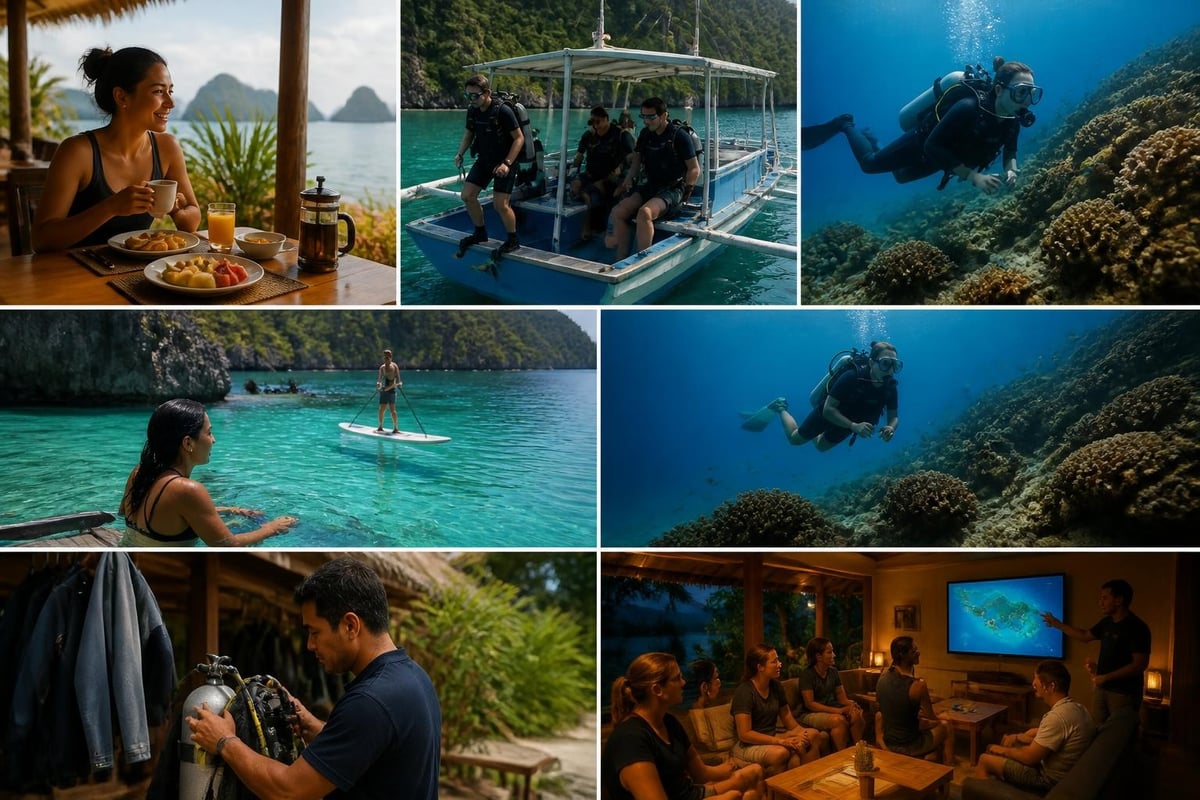
The best scuba resort experiences balance underwater exploration with surface interval activities and evening relaxation. Properties offering diverse amenities create well-rounded holidays rather than single-focus trips.
Surface Interval Activities
Strategic use of surface intervals enhances both safety and enjoyment. Productive resorts provide activities that keep you engaged between dives without excessive exertion that increases decompression risk.
Swimming, kayaking and beach walks offer gentle movement. Photography, reading and marine-life identification courses provide mental engagement. Many resorts organize island-hopping trips, cultural experiences or spa services that complement diving schedules perfectly.
El Nido excels at this balance. Between morning and afternoon boat dives, guests can explore the stunning limestone karst formations, visit local villages or simply relax at beachfront facilities. Properties like The Beach House enhance the experience further with rooftop dining at Cloud 9, where sunset views over Bacuit Bay provide the perfect end to diving days.
Dining and Social Atmosphere
Dive resorts develop unique social atmospheres where guests bond over shared underwater experiences. Common areas designed for interaction, communal dive briefings and group boat trips naturally encourage conversation between divers from different backgrounds.
Quality dining matters more than many travelers expect. Early boat departures require flexible breakfast timing. Long diving days demand substantial, nutritious meals. Evening gatherings often center around dinner service where divers compare sightings and plan tomorrow's adventures.
Making the Most of Your Resort Experience
Maximize your scuba resort stay through communication, flexibility and active participation in the diving community you join temporarily.
Working with Dive Guides
Professional dive guides possess invaluable local knowledge accumulated through hundreds of dives at the same sites. They know where schooling fish gather, which corners hide camouflaged octopuses, and how currents shift through the day.
Communicate your interests clearly during briefings. Photographers need different guidance than wreck enthusiasts. Macro-life hunters require different sites than those seeking large pelagic encounters. Experienced guides tailor dives to guest interests when possible, dramatically improving satisfaction.
Respect guide recommendations regarding conditions, site selection and dive plans. Local expertise keeps you safe and leads to better sightings than attempting to dictate every detail. The comprehensive scuba diving experience relies heavily on this collaborative relationship between guides and guests.
Building Skills Progressively
Resist the temptation to attempt the most challenging dives immediately. Progressive site selection builds confidence and skills while reducing stress and air consumption. Starting with easier dives allows you to assess local conditions, establish rhythm with guides and fine-tune equipment before tackling demanding sites.
Quality resorts support this progression naturally, suggesting appropriate sites based on your experience and recent dive frequency. Many offer refresher programs for divers returning to the sport after breaks, rebuilding confidence in controlled conditions before exploring more challenging terrain.
Scuba resorts offer unmatched convenience and expertise for divers seeking dedicated underwater holidays, combining professional dive operations with comfortable accommodation and knowledgeable local guidance. The right property transforms diving from a holiday activity into a fully immersive experience where everything from equipment storage to meal timing supports your time beneath the waves. Whether you're earning your first certification or exploring advanced sites, Palawan Diving provides the expertise, local knowledge and personalized service that define exceptional resort diving in El Nido's crystal-clear waters and vibrant reefs.