Every diver dreams of exploring the planet's most spectacular underwater realms. Whether you're chasing swirling schools of hammerheads, drifting over kaleidoscopic coral gardens, or penetrating historic shipwrecks, the best diving in the world offers experiences that stay with you forever. From Indonesia's remote atolls to Egypt's legendary Red Sea walls, these iconic sites share common threads: exceptional visibility, thriving marine ecosystems, and that ineffable magic that makes you never want to surface. This guide explores what elevates certain destinations above the rest and helps you understand what to look for when planning your next diving adventure.
What Defines the Best Diving in the World
The best diving in the world isn't just about ticking boxes on a bucket list. It's about immersive experiences that combine multiple factors into something truly extraordinary.
Marine Biodiversity and Health
Healthy reefs teem with life at every level. The world's premier dive sites showcase vibrant hard and soft corals, abundant fish populations, and regular encounters with larger species. National Geographic’s authoritative roundup of top dive sites consistently highlights locations where marine ecosystems remain robust and diverse.
Key indicators of exceptional dive sites include:
- Dense coral coverage with minimal bleaching or damage
- Presence of apex predators (sharks, rays, groupers)
- Healthy populations of herbivores maintaining reef balance
- Regular sightings of pelagic species
- Thriving invertebrate communities
The IPCC’s assessment of coral reef impacts underscores how climate change threatens even the world's best sites, making conservation-minded diving practices increasingly important.
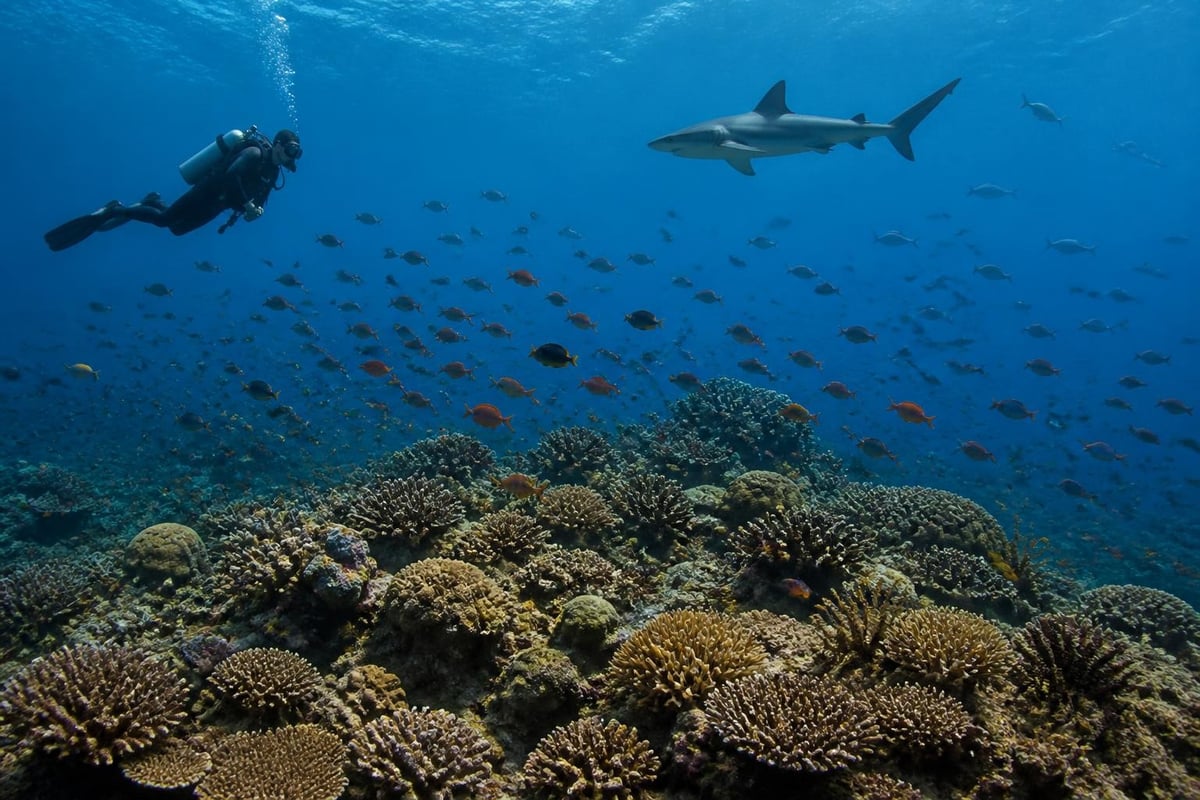
Visibility and Water Conditions
Crystal-clear water transforms good diving into unforgettable diving. The best diving in the world typically offers 20-40 meters of visibility, allowing divers to appreciate the full scope of reefs, walls, and marine encounters.
| Water Quality Factor | World-Class Standard | Why It Matters |
|---|---|---|
| Visibility | 25-40+ meters | Full reef appreciation, safety, photography |
| Temperature | 26-30°C (79-86°F) | Comfort, marine diversity, coral health |
| Current | Mild to moderate | Nutrient delivery, drift diving, pelagic action |
| Stability | Year-round or predictable seasons | Trip planning reliability |
Clear water doesn't happen by accident. Remote locations, strong marine protection, limited coastal development, and favorable oceanographic conditions all contribute to the pristine conditions that define legendary dive sites.
Iconic Destinations That Set the Standard
Certain locations have earned their reputation through decades of delivering world-class diving experiences. Each offers something unique that draws divers back repeatedly.
The Coral Triangle: Biodiversity Capital
The Coral Triangle spanning Indonesia, Philippines, and Papua New Guinea contains over 75% of the world's coral species. Raja Ampat in eastern Indonesia stands out even within this biodiversity hotspot, with dive sites displaying more species in a single dive than entire Caribbean islands.
Why Raja Ampat exemplifies the best diving in the world:
- Over 1,500 fish species recorded
- 75% of all known coral species present
- Healthy shark and ray populations
- Dramatic underwater topography
- Remote location preserving pristine conditions
The Philippines' Tubbataha Reefs Natural Park offers similar biodiversity within a strictly protected marine sanctuary. These sites prove that effective conservation creates the conditions for exceptional diving.
Egypt's Red Sea: Walls and Wrecks
The Red Sea combines several elements that create unforgettable diving. Sheer walls dropping hundreds of meters, historic wrecks telling stories of maritime history, and warm, clear water year-round make destinations like Ras Mohammed and the Brothers Islands perennial favorites.
Liveaboard itineraries access remote northern sites where currents deliver nutrients supporting dense soft coral gardens and patrolling pelagics. The combination of easy accessibility from Europe and consistent conditions explains why Egypt remains a cornerstone of many divers' logbooks.
Palawan: The Philippines' Best-Kept Secret
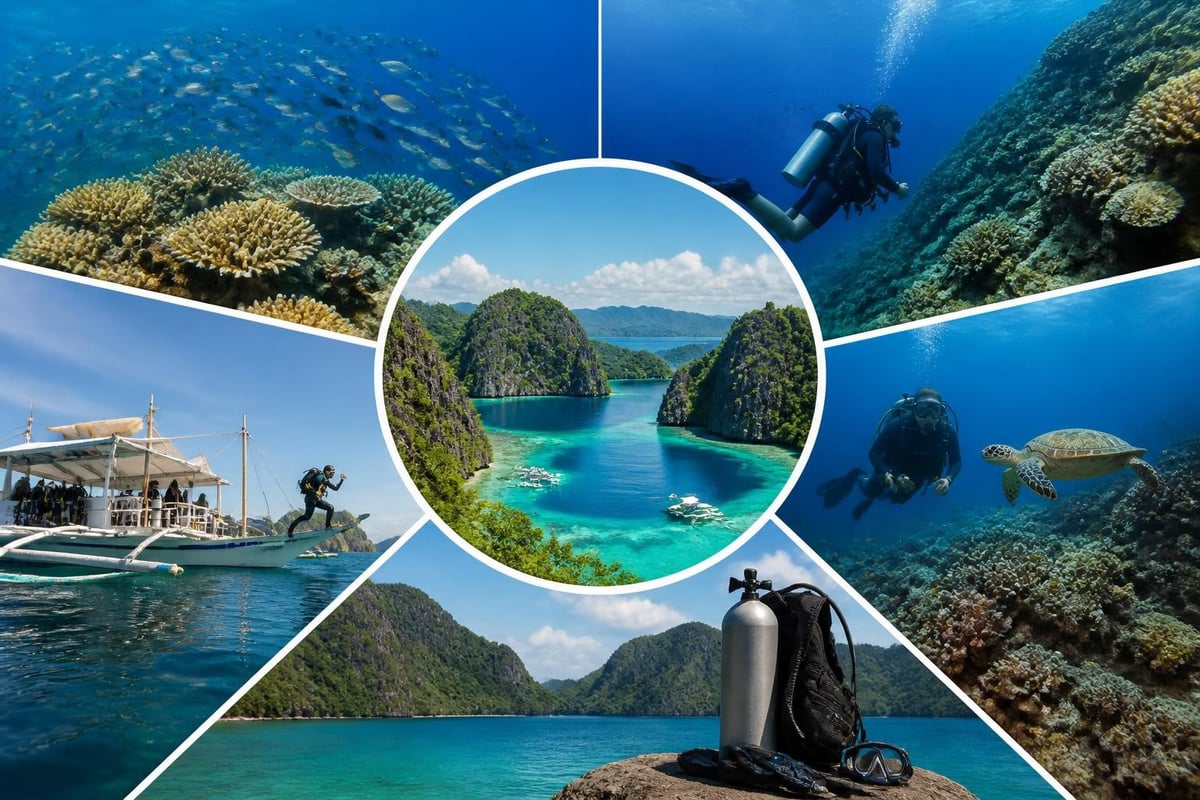
The Philippines offers extraordinary diving across its 7,000+ islands, but Palawan stands out for its combination of accessibility, diversity, and pristine conditions. El Nido in northern Palawan delivers the best diving in the world on a scale that remains intimate and uncrowded.
Local dive sites feature healthy coral reefs, dramatic underwater topography including walls and swim-throughs, and regular encounters with turtles, rays, and reef sharks. The limestone karst landscape creates unique underwater formations found nowhere else, while strong marine protection ensures ecosystems remain vibrant.
For divers seeking an exclusive experience, a Private Diving Charter in El Nido offers the flexibility to explore the best sites at your own pace with personalized guidance. This approach perfectly suits underwater photographers, experienced divers wanting to maximize bottom time, or groups preferring a customized itinerary.
Galápagos: Big Animal Encounters
The Galápagos Islands deliver a completely different diving experience focused on large, unique species. Hammerhead sharks school in hundreds, marine iguanas graze on algae, and whale sharks cruise past divers at cleaning stations.
Darwin and Wolf Islands in the far north offer the most dramatic big animal action. Strong currents demand advanced skills, but the payoff includes encounters unmatched anywhere else on Earth. The remote location and challenging conditions mean fewer divers experience these sites, preserving their wild character.
The Great Barrier Reef: Scale and Accessibility
Australia's Great Barrier Reef remains the world's largest coral reef system, stretching over 2,300 kilometers. While tourism pressure and warming events have impacted some areas, remote sections still showcase why this UNESCO World Heritage site earned its reputation.
The reef's sheer scale means divers can explore for months without repeating sites. From shallow coral gardens perfect for beginners to deep walls and channels attracting pelagics, the variety accommodates every experience level and interest.
What Makes Diving Truly World-Class
Beyond specific destinations, certain characteristics separate exceptional diving from merely good diving. Understanding these factors helps you evaluate new sites and appreciate why legendary locations maintain their status.
Protected Status and Conservation
The best diving in the world almost always occurs within marine protected areas. IUCN guidance on marine protected areas outlines how effective management preserves biodiversity and ecosystem function.
Marine protection delivers diving benefits through:
- Restricted fishing allowing fish populations to recover
- Limits on visitor numbers preventing overcrowding
- Mooring systems protecting coral from anchor damage
- Education programs promoting responsible diving practices
- Research and monitoring ensuring adaptive management
Sites like Palau's Rock Islands Southern Lagoon and Belize's Barrier Reef demonstrate how protection creates both exceptional diving and sustainable tourism economies.
Topographic Diversity
Varied underwater landscapes keep diving interesting across multiple visits. The best sites combine different depth zones, geological features, and habitat types within a single location.
| Feature Type | Diving Experience | Example Locations |
|---|---|---|
| Walls | Dramatic descents, cruising pelagics, soft corals | Red Sea, Cayman Islands, Palau |
| Reefs | High biodiversity, macro life, shallow diving | Maldives, Philippines, Great Barrier Reef |
| Wrecks | History, penetration, artificial reefs | Truk Lagoon, Red Sea, Scapa Flow |
| Channels | Strong currents, shark encounters, drift diving | Maldives, Galápagos, Palau |
| Caves & Tunnels | Adventure, unique formations, light effects | Mexico cenotes, Palawan, Thailand |
This diversity lets divers choose sites matching their mood, experience level, and specific interests on any given day.
Year-Round or Extended Seasons
Destinations offering consistent diving conditions across many months provide greater flexibility for trip planning. While some sites deliver peak experiences only during narrow windows, the best diving in the world typically offers extended seasons or year-round accessibility.
The Philippines, including Palawan, offers excellent diving nearly twelve months annually, with only brief periods of stronger winds affecting specific areas. This reliability makes planning easier and increases the likelihood of good conditions during your visit.
Preparing for World-Class Diving Experiences
Accessing the best diving in the world requires more than booking flights and packing fins. Proper preparation ensures you're ready to safely enjoy these incredible sites.
Skills and Certifications
Many premier dive sites demand skills beyond basic open water certification. Deep diving, drift diving, navigation, and buoyancy control all become more important when exploring challenging locations.
Progressive skill development:
- Open Water Diver: Foundation skills for guided diving to 18 meters
- Advanced Open Water: Deep diving, navigation, drift diving, wreck diving
- Specialty Certifications: Nitrox, deep diving, photography, wreck penetration
- Rescue Diver: Problem prevention and management skills
- Divemaster/Professional: Leadership and advanced diving knowledge
Consider taking courses at your destination. Learning in world-class conditions with local instructors who know the sites intimately enhances both your skills and your understanding of the local marine environment. You can explore Palawan Diving’s full range of courses and services to see how progressive training opens up more diving opportunities.
Equipment Considerations
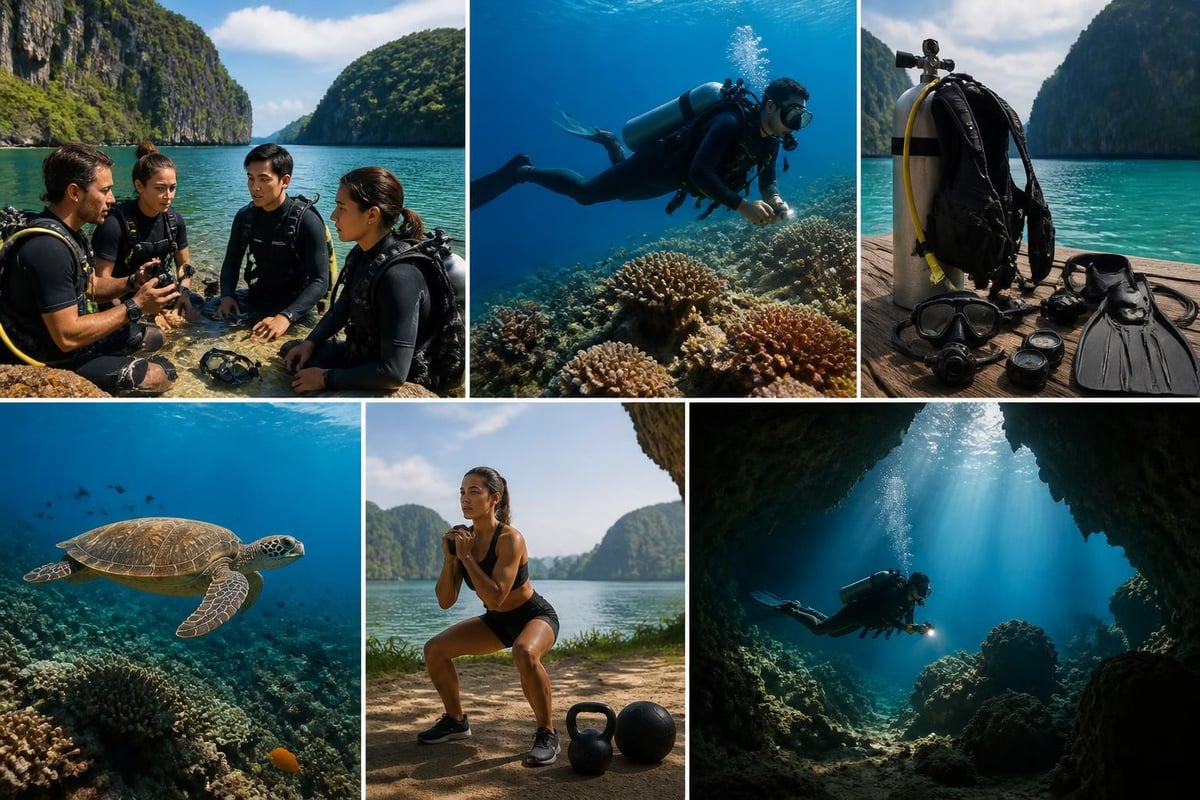
While rental equipment has improved dramatically, serious divers investing in their own gear enjoy better fit, familiarity, and performance. For the best diving in the world, certain items deserve priority.
Personal equipment priorities:
- Mask: Proper fit prevents leaks and fogging
- Wetsuit/rash guard: Thermal protection and abrasion resistance
- Dive computer: Conservative profiles, nitrox capability, air integration
- Underwater camera: Capture memories and improve buoyancy through focus
- SMB and reel: Essential safety equipment for drift and deep diving
Many divers own exposure protection and personal items while renting BCDs and regulators. This approach balances convenience with performance, particularly for divers traveling internationally.
Health and Safety Resources
Remote, challenging dive sites demand greater attention to health and safety. Divers Alert Network (DAN) provides comprehensive medical and safety resources for recreational divers worldwide, including emergency contacts, medical guidance, and travel resources.
Pre-trip health considerations:
- Medical evaluation if you have pre-existing conditions
- Dive insurance covering evacuation and chamber treatment
- Physical conditioning appropriate to site demands
- Familiarity with local emergency services and chamber locations
- Current first aid and oxygen provider training
The world's best diving often occurs far from advanced medical facilities. Taking personal responsibility for fitness, training, and preparation reduces risk and increases enjoyment.
Capturing Your Underwater Adventures
Photography has become integral to the diving experience for many. Learning to document your dives adds another dimension to already incredible encounters.
Photography Fundamentals
National Geographic’s guide to underwater photography offers practical tips from experts. The fundamentals apply whether you're shooting with a GoPro or a professional DSLR in a pressure housing.
Essential underwater photography skills:
- Buoyancy control allowing static positioning
- Understanding how water affects light and color
- Composition techniques for compelling images
- Approach methods that don't disturb marine life
- Patience waiting for the right moment
Many divers find photography improves their diving overall. The focus required develops better buoyancy, awareness, and observation skills that enhance every dive, photographed or not.
Respecting Your Subjects
The best diving in the world happens when we minimize our impact. Responsible underwater photography means never touching, harassing, or altering marine life for a shot. Images captured ethically feel better and look more natural than staged encounters.
Coral reefs face enough stress from climate change and other factors. Thoughtful divers ensure their photography passion doesn't add to that burden, setting examples others can follow.
Making the Most of Your Diving Journey
The best diving in the world isn't just about the underwater time. The complete experience encompasses how you travel, where you stay, and how you integrate diving into your broader adventure.
Dive and Stay Packages
Smart divers increasingly choose accommodations that streamline their diving. Staying at properties with onsite dive centers eliminates transport hassles, maximizes dive time, and creates a seamless experience from breakfast to boat to beach.
This integrated approach works particularly well for week-long diving holidays where you want to dive daily without logistical friction. Waking up by the ocean, walking to the boat, and returning to comfortable accommodation between dives creates the rhythm serious divers seek.
Building Multi-Destination Itineraries
The Philippines' island geography makes multi-destination diving trips practical. Many divers combine El Nido in Palawan with sites in the Visayas like Moalboal or Malapascua, experiencing the full range of Philippine diving in a single trip.
Sample two-week Philippine diving itinerary:
- Days 1-5: El Nido, Palawan (walls, reefs, turtles)
- Days 6-7: Travel and rest in Puerto Princesa
- Days 8-12: Moalboal, Cebu (sardine run, thresher sharks at nearby Malapascua)
- Days 13-14: Manila exploration and departure
This approach provides variety while maintaining reasonable travel between locations. Each destination offers distinct diving while sharing the Philippines' characteristic warmth, hospitality, and biodiversity.
Conservation and Responsible Diving
Enjoying the best diving in the world carries responsibility. The sites we love face unprecedented pressures from climate change, pollution, and overuse. Every diver can contribute to preservation through conscious choices and practices.
Marine Conservation Programs
NOAA’s Coral Reef Conservation Program documents ongoing efforts to monitor, protect, and restore coral reefs globally. Understanding these challenges helps divers appreciate the fragility of ecosystems and the importance of protective measures.
How divers support conservation:
- Choosing operators with environmental certifications
- Participating in reef cleanups and citizen science
- Practicing excellent buoyancy to prevent coral contact
- Avoiding single-use plastics during trips
- Supporting marine parks through entrance fees
- Advocating for stronger protections in home communities
Small individual actions multiply across millions of divers annually. The cumulative effect of responsible practices helps preserve sites for future generations.
Choosing Responsible Operators
Dive operators vary enormously in their environmental practices and commitment to sustainability. The best diving in the world partners with operators who prioritize conservation alongside customer experience.
Green diving operator characteristics:
| Practice | Why It Matters |
|---|---|
| Small group sizes | Reduces crowding, improves supervision, lessens impact |
| Mooring buoys | Prevents anchor damage to coral |
| Briefings emphasizing no-touch diving | Sets expectations for responsible behavior |
| Marine park fee compliance | Supports protection and management |
| Staff environmental training | Ensures guides model and teach best practices |
| Community engagement | Creates local support for conservation |
Operators meeting these standards cost slightly more but deliver value through expertise, ethics, and the knowledge your diving supports rather than harms the environment.
The best diving in the world shares common threads: pristine conditions, thriving ecosystems, and that sense of wonder that makes every descent feel like the first. Whether you're drawn to the Coral Triangle's biodiversity, the Red Sea's dramatic walls, or Palawan's intimate reef encounters, choosing your next destination becomes easier when you understand what makes diving truly exceptional. Palawan Diving offers the perfect base to experience world-class diving in El Nido, where crystal-clear waters, vibrant reefs, and personalized service create the unforgettable adventures you're seeking. Start planning your next diving journey and discover why Palawan deserves a place on every diver's bucket list.