Reef snorkeling opens a window into some of Earth's most vibrant underwater ecosystems without the complexity of scuba equipment. For travelers visiting El Nido, Palawan, the shallow coral gardens surrounding the limestone islands create ideal conditions for exploring marine life at the surface. Whether you're taking your first breaths through a snorkel tube or you've logged hundreds of hours above tropical reefs, understanding proper technique, conservation practices, and local conditions transforms a simple swim into a meaningful encounter with the underwater world.
Understanding Reef Snorkeling Fundamentals
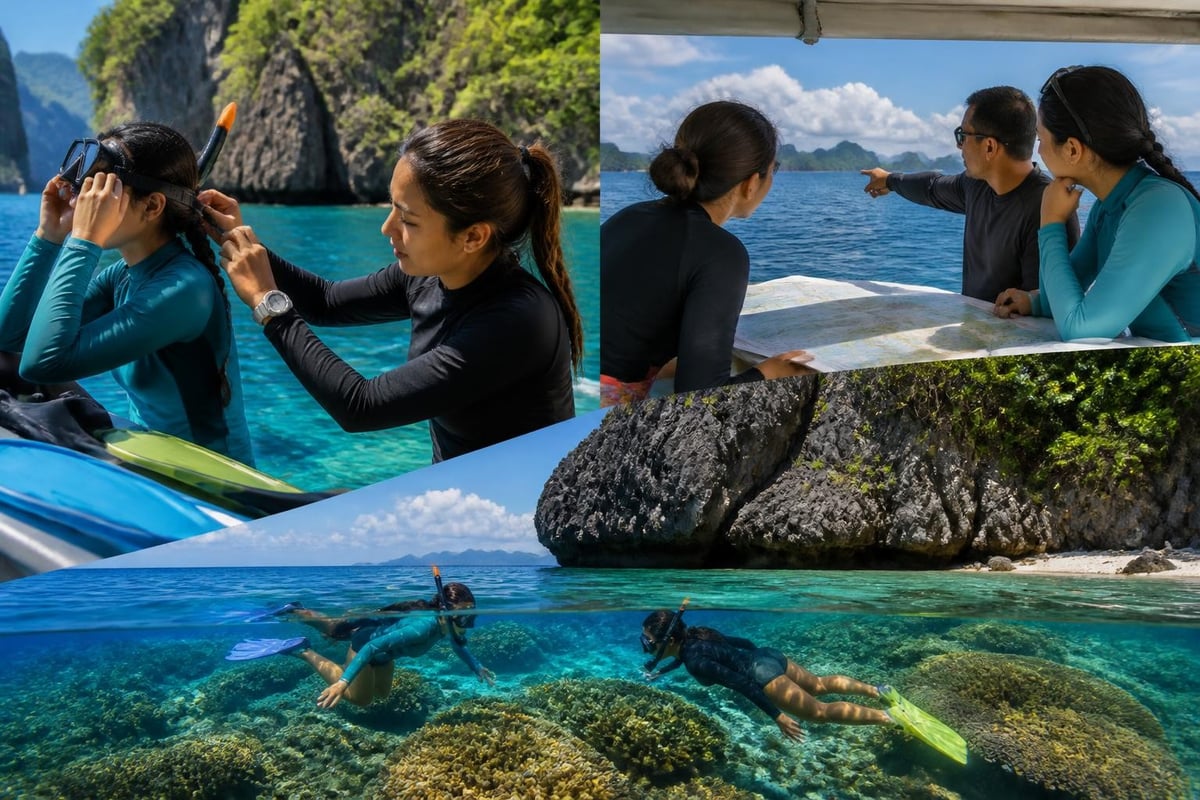
The beauty of reef snorkeling lies in its accessibility. Unlike scuba diving, which requires certification and specialized training, snorkeling allows anyone comfortable in water to observe coral formations, tropical fish, and marine invertebrates from the surface. The equipment remains straightforward: a mask that creates an air pocket around your eyes, a snorkel tube that extends above water, and fins that provide efficient propulsion.
Essential equipment checklist:
- Properly fitting mask with tempered glass lens
- Dry or semi-dry snorkel with comfortable mouthpiece
- Full-foot or adjustable fins matched to your skill level
- Rash guard or wetsuit for sun protection and warmth
- Reef-safe sunscreen to protect coral ecosystems
Water temperature in Palawan typically ranges from 27-30°C year-round, making a thin wetsuit or rash guard comfortable for extended sessions. The warm, clear waters surrounding El Nido's limestone karsts maintain visibility often exceeding 15-20 meters during calm conditions.
Mastering Breathing and Body Position
Efficient breathing through a snorkel tube feels unnatural at first. The key involves slow, deliberate breaths through your mouth while keeping your face submerged. Your body should float horizontally at the surface, with arms relaxed at your sides and fins providing gentle propulsion.
New snorkelers often make the mistake of lifting their head to look forward, which creates drag and causes fatigue. Instead, keep your face down and use peripheral vision to navigate. When you need to check your direction, simply rotate your entire body rather than craning your neck.
Common breathing challenges and solutions:
| Challenge | Cause | Solution |
|---|---|---|
| Water entering snorkel | Waves washing over tube | Clear with sharp exhale or use purge valve |
| Mask fogging | Temperature difference | Apply defog solution or saliva before entry |
| Shallow breathing | Anxiety or restricted airflow | Practice slow, deep breaths at surface first |
| Hyperventilation | Breathing too rapidly | Focus on extended exhalations |
The NOAA Fisheries viewing guidelines emphasize maintaining appropriate distances from marine life, which also improves your snorkeling experience by reducing unnecessary movement and energy expenditure.
Choosing Reef Snorkeling Locations
Not all coral reefs offer equal snorkeling conditions. Depth, current, wave action, and reef health determine whether a site suits snorkelers or requires scuba equipment. In El Nido, sheltered lagoons and protected bays provide calm conditions ideal for reef snorkeling, while exposed sites facing prevailing winds create challenges even for experienced swimmers.
The best reef snorkeling sites share several characteristics. Shallow reef flats extending 3-8 meters deep allow prolonged observation without free-diving. Calm surface conditions minimize current and wave surge. Healthy coral coverage supports diverse fish populations. Easy entry and exit points reduce risk during transitions.
Reading Reef Conditions
Before entering any snorkeling site, spend several minutes observing from shore or boat. Watch for current patterns, wave sets, and surge zones near rocks. Check for other snorkelers or divers and note their entry points. Look for visible coral heads or darker patches indicating reef structure beneath the surface.
Local knowledge matters tremendously. Sites that appear calm during morning hours may develop afternoon wind chop. Spring tides create stronger currents than neap tides. Seasonal weather patterns affect visibility and safety. Working with experienced operators who know Palawan's dive sites ensures you're snorkeling during optimal conditions.
- Assess weather and tides before your session
- Start in shallow, protected areas to build confidence
- Plan entry and exit points before entering water
- Snorkel with a buddy for safety
- Establish surface interval limits based on conditions
Marine Life Encounters and Responsible Viewing
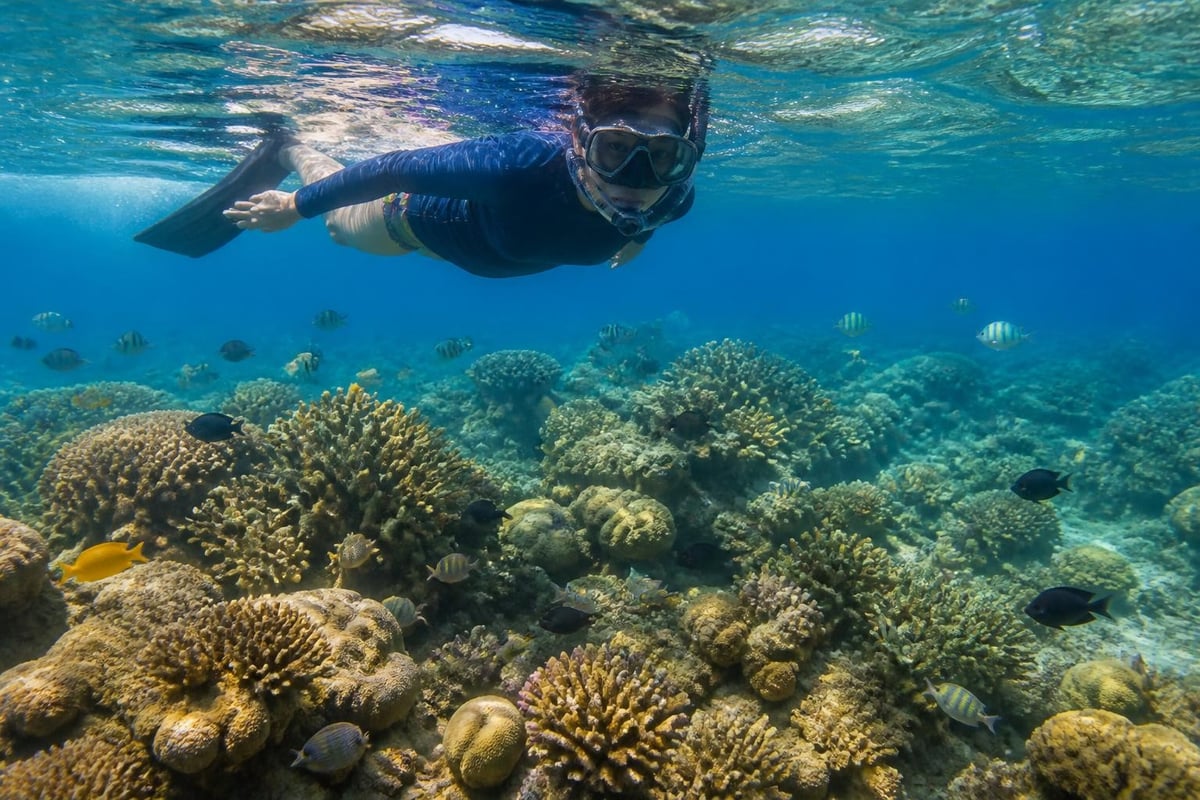
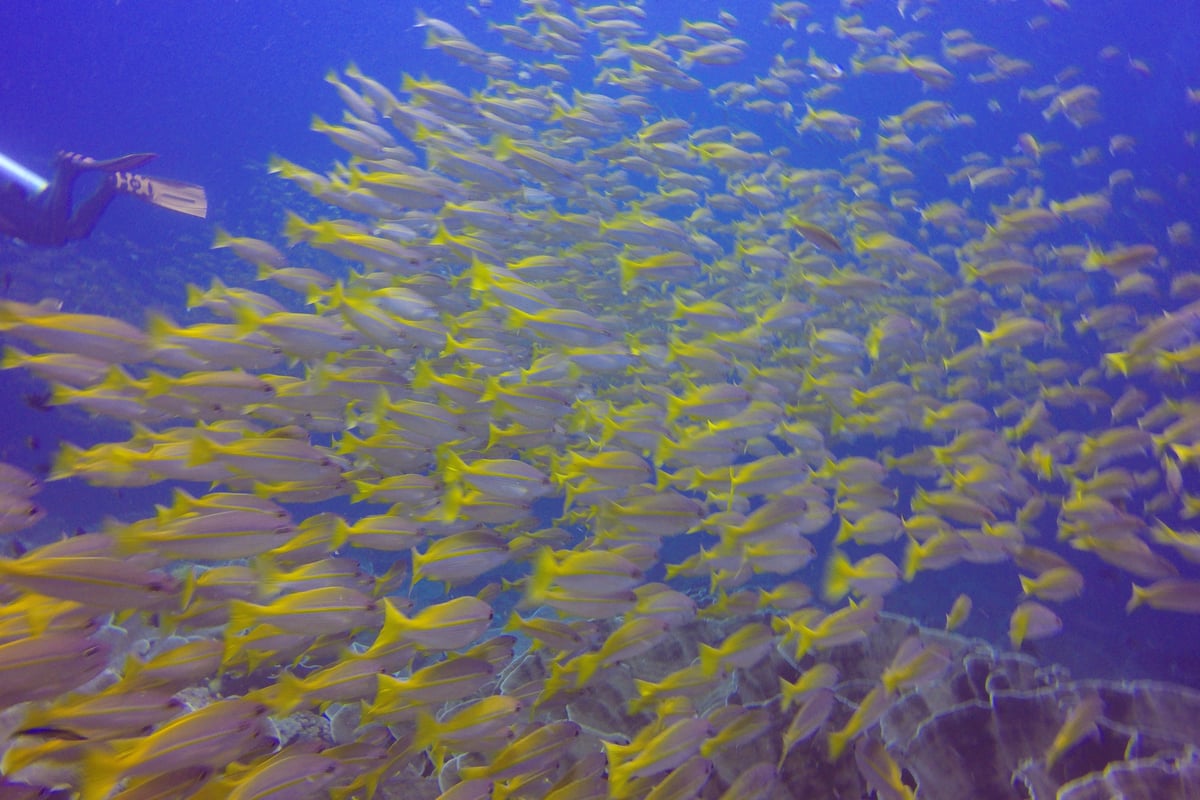
Reef snorkeling in Palawan brings you face-to-face with incredible biodiversity. Butterflyfish, parrotfish, angelfish, and wrasses patrol the reef structure. Damselfish defend their algae gardens with surprising aggression for their tiny size. Clownfish nestle among anemone tentacles. Sea turtles glide past, occasionally surfacing for breath alongside snorkelers.
The excitement of these encounters sometimes leads to poor decisions. Touching coral causes tissue damage and disease transmission. Chasing fish stresses marine life and disrupts feeding patterns. Standing on reef flats crushes fragile organisms. Following sea turtles too closely violates wildlife protection laws.
Responsible reef snorkeling practices:
- Maintain neutral buoyancy and avoid touching bottom
- Keep fins above reef structure when swimming overhead
- Observe marine life from appropriate distances
- Never feed fish or alter natural behavior
- Take only photographs, leave only bubbles
The NOAA sanctuary guidelines provide species-specific viewing distances, including maintaining at least 3 meters from sea turtles and 50 meters from marine mammals. These standards protect both wildlife and snorkelers, as defensive reactions from disturbed animals pose real risks.
Conservation Through Citizen Science
Reef snorkeling serves purposes beyond recreation. Citizen science programs transform casual snorkelers into valuable data collectors, contributing observations that help scientists monitor reef health and species populations. The REEF organization's snorkeling surveys train participants to identify fish species and record sightings, building datasets that track population trends across decades.
Participating in monitoring programs requires minimal training but delivers meaningful impact. The Reef Check Mediterranean protocol provides standardized methods that snorkelers can apply in tropical environments, recording coral cover, indicator species, and visible signs of reef stress.
Documenting Reef Health
Modern underwater cameras and smartphones in waterproof housings allow snorkelers to photograph reef conditions, creating visual records that document changes over time. Focus on consistent composition: photograph the same reef sections from similar angles and distances to enable valid comparisons.
Look for indicators of reef stress during your reef snorkeling sessions. Coral bleaching appears as stark white coloration replacing normal brown, green, or purple hues. Algae overgrowth smothering coral indicates ecosystem imbalance. Absent fish populations suggest overfishing or habitat degradation. Recent research in Nature Communications highlights the uncertainty in coral reef futures, making ground-level observations increasingly valuable for scientific understanding.
Safety Considerations and Risk Management
Reef snorkeling carries inherent risks that proper preparation minimizes. Currents sweep snorkelers away from entry points. Sharp coral and sea urchins cause cuts and punctures. Jellyfish stings range from mild irritation to severe reactions. Sun exposure leads to rapid dehydration and heat stress. Marine life, when threatened or surprised, may defend itself.
The most dangerous risk involves overconfidence. Swimming beyond your fitness level, venturing into rough conditions, or ignoring weather changes creates emergencies. Always snorkel with a partner, inform someone onshore of your plans, and establish clear turnaround times based on fatigue levels.
Pre-session safety checklist:
- Check weather forecast and tide tables
- Inspect all equipment for damage
- Apply reef-safe sunscreen 30 minutes before entry
- Establish buddy system and communication signals
- Identify emergency exit points and assistance sources
- Carry whistle or surface signaling device
- Know location of nearest medical facility
In El Nido, professional operators maintain safety standards that independent snorkelers should emulate. Dive boats carry oxygen, first aid supplies, and communication equipment. Guides monitor conditions throughout sessions and adjust plans when circumstances change.
Transitioning from Snorkeling to Scuba Diving
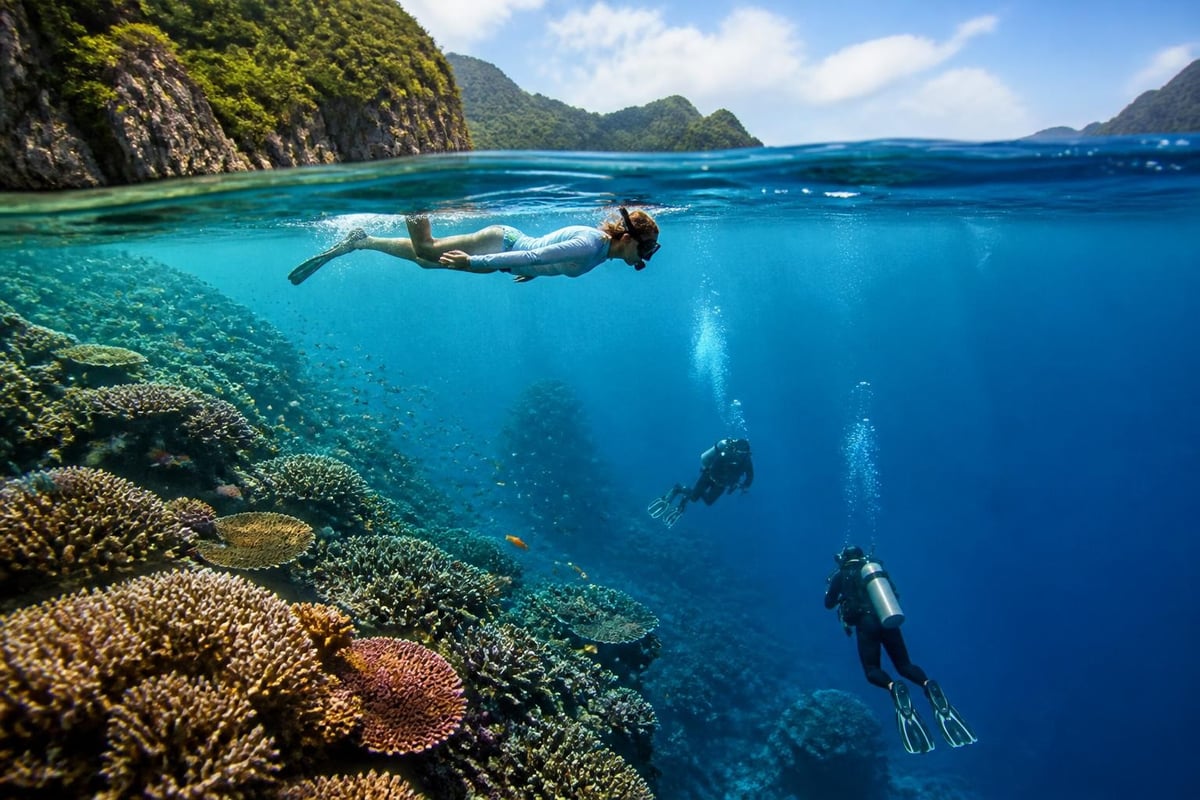
Many reef snorkeling enthusiasts eventually feel limited by surface-only exploration. Deeper reef structures, walls dropping into blue water, and marine life preferring specific depths remain beyond reach. This natural progression leads snorkelers toward scuba certification.
The transition feels surprisingly smooth. Breathing rhythm and buoyancy awareness developed during snorkeling translate directly to scuba skills. Comfort equalizing ear pressure and clearing a mask already exists. Understanding reef ecosystems and marine life behavior provides context that enriches diving from the first training session.
If you're considering expanding your underwater exploration beyond reef snorkeling, starting with an introductory session allows you to experience breathing underwater with an instructor's guidance. Discover Scuba Diving programs provide this experience in El Nido's protected waters, letting you test your interest before committing to full certification.
Building Underwater Skills Progressively
Competent reef snorkeling creates the foundation for advanced diving skills. Free-diving courses teach breath-hold techniques that allow deeper, longer descents while snorkeling. Underwater photography skills apply equally to snorkeling and scuba contexts. Navigation awareness developed during surface swimming transfers directly to underwater orientation.
Skill progression pathway:
| Stage | Activities | Skills Developed |
|---|---|---|
| Beginner | Shallow reef snorkeling | Basic equipment use, breathing, floating |
| Intermediate | Extended sessions, varied sites | Stamina, navigation, species identification |
| Advanced | Free-diving, photography | Breath control, buoyancy, documentation |
| Scuba transition | Introductory dive, certification | Pressurized breathing, equalization, depth management |
The IUCN coral reef resources emphasize how recreational users at all levels contribute to reef conservation through responsible practices and advocacy. Whether you remain a dedicated snorkeler or pursue scuba certification, your relationship with coral ecosystems deepens through continued exposure and education.
Equipment Selection and Maintenance
Investing in quality reef snorkeling gear pays dividends in comfort and safety. Rental equipment serves casual users adequately, but frequent snorkelers benefit from properly fitted personal gear. Masks come in different volumes and shapes; testing multiple styles ensures proper seal without excessive pressure. Snorkels range from simple J-tubes to complex dry-top designs with purge valves.
Fins represent the most impactful equipment choice. Full-foot fins work well in warm water and provide compact travel packing. Adjustable fins with neoprene booties offer protection from sharp surfaces and thermal insulation. Blade stiffness affects propulsion efficiency: softer blades suit casual snorkeling, while stiffer blades generate more thrust for current and distance swimming.
Caring for Your Gear
Salt water, sun exposure, and sand accelerate equipment degradation. After each reef snorkeling session, rinse all gear thoroughly with fresh water. Soak in a large container rather than running water over surfaces, which allows salt crystals to dissolve completely. Hang items in shade to dry completely before storage.
Mask straps deteriorate from UV exposure and repeated stretching. Check silicone skirts for cracks or tears before each use. Store masks in protective cases to prevent lens scratches. Replace snorkel mouthpieces when rubber becomes sticky or develops tears. Inspect fin straps and buckles for stress cracks that indicate impending failure.
Understanding Coral Reef Ecosystems
The coral reefs you explore while snorkeling represent some of Earth's oldest and most complex ecosystems. Individual coral polyps, tiny animals related to jellyfish, build calcium carbonate skeletons that accumulate over centuries into massive reef structures. Symbiotic algae living within coral tissue provide nutrients through photosynthesis while giving corals their vibrant colors.
This relationship creates both resilience and vulnerability. Healthy reefs withstand storms, disease, and natural predation. Stressed reefs lose their algae symbionts, bleach white, and eventually die if conditions don't improve. The Nature perspective on reef restoration explores ongoing debates about whether active restoration or large-scale protection better serves reef conservation, highlighting the complexity facing these ecosystems.
Reef zonation and snorkeling access:
- Reef crest (0-2m): Wave energy zone, hardy corals, challenging snorkeling
- Reef flat (2-5m): Optimal snorkeling depth, diverse coral and fish communities
- Reef slope (5-15m): Deeper formations requiring free-diving or scuba access
- Reef wall (15m+): Vertical drop-offs accessible only through scuba diving
Understanding these zones helps you select appropriate sites and recognize which marine life inhabits different depths. Many species migrate vertically throughout the day, feeding in shallows during specific tidal cycles before retreating to deeper water.
Seasonal Considerations in Palawan
Reef snorkeling conditions in El Nido vary throughout the year, though the region maintains generally favorable weather compared to many tropical destinations. The dry season from November through May brings calm seas, consistent visibility, and minimal rainfall. The wet season from June through October introduces afternoon thunderstorms, reduced visibility, and stronger winds, though morning sessions often remain excellent.
Water temperature fluctuates minimally, ranging 27-29°C year-round. This thermal stability means snorkelers need only light sun protection rather than thick wetsuits. However, extended sessions still cause heat loss, particularly during stationary observation periods when movement doesn't generate warmth.
Planning Multi-Day Snorkeling Trips
Serious reef snorkeling enthusiasts often plan extended stays focused on exploring multiple sites. El Nido's island-hopping tours visit several snorkeling spots daily, though shared boats operate on fixed schedules that limit exploration time. Private charters offer flexibility for dedicated snorkelers wanting to spend hours at prime locations.
Combining beachfront accommodation with daily snorkeling access creates an ideal setup. Staying directly on the beach means you can snorkel during optimal morning light, return for midday rest, then head out again during late afternoon calm. This rhythm matches natural energy cycles while maximizing time in ideal conditions.
Physical Fitness and Conditioning
While reef snorkeling demands less exertion than scuba diving, adequate fitness enhances safety and enjoyment. Swimming efficiency, cardiovascular endurance, and flexibility all contribute to comfortable extended sessions. Core strength stabilizes body position at the surface. Ankle flexibility maximizes fin propulsion efficiency.
Building snorkeling fitness doesn't require elaborate training. Regular swimming develops the specific muscle groups and breathing patterns needed. Pool sessions with fins and mask accustom your body to the equipment and breathing mechanics. Gradual progression from short, shallow sessions to longer, deeper explorations builds confidence and capability.
Fitness components for reef snorkeling:
- Swimming endurance: Sustain 30-45 minute surface sessions
- Breath control: Comfortable breathing through snorkel tube
- Core stability: Maintain horizontal trim without constant fin movement
- Ankle flexibility: Full fin blade engagement throughout kick cycle
- Upper body relaxation: Minimize arm movement and shoulder tension
Pre-existing medical conditions require consideration before reef snorkeling. Heart conditions, respiratory problems, and ear issues may create risks. Consult medical professionals familiar with aquatic activities when uncertain about your fitness for snorkeling.
Photography and Documentation
Underwater photography transforms reef snorkeling from passive observation into active documentation. Modern action cameras and smartphone housings make capturing high-quality images accessible to beginners. Natural light penetrates shallow water effectively, eliminating complex lighting equipment needed for deeper photography.
Successful snorkeling photography requires different techniques than land-based shooting. Get close to subjects to minimize water between lens and subject, improving color saturation and sharpness. Shoot slightly upward to use surface light as backlight. Avoid flash when possible, as it highlights particles in water and washes out colors.
Ethical Photography Practices
The desire for dramatic images sometimes leads photographers to disturb marine life or damage coral. Resting cameras on reef structure crushes living organisms. Manipulating animals into "better" positions stresses creatures and disrupts natural behavior. Excessive time photographing a single subject may prevent feeding or expose it to predation.
Adopt a "take only what you find" approach. Photograph subjects in their natural context and behavior. If an animal swims away, resist following. Frame shots that include habitat context rather than isolated close-ups. Share images with educational captions that promote conservation rather than just aesthetic appreciation.
Weather and Environmental Awareness
Understanding weather patterns keeps reef snorkeling sessions safe and productive. In Palawan, daily weather follows predictable patterns during dry season: calm mornings, building afternoon winds, evening calm. Monitoring forecasts helps you plan optimal timing for specific sites exposed to prevailing wind directions.
Cloud cover affects underwater visibility differently than divers expect. Overcast conditions reduce light penetration but can actually enhance color saturation by eliminating harsh shadows. Bright sun creates dramatic lighting but also increases glare at the surface and harsh contrast below.
Environmental indicators to monitor:
- Wind direction and speed affecting surface chop
- Tide cycles influencing current strength
- Recent rainfall impacting visibility through runoff
- Seasonal jellyfish populations and bloom timing
- Protected marine areas with access restrictions
Local knowledge about these patterns proves invaluable. Operators familiar with El Nido's waters adjust daily schedules based on real-time conditions rather than fixed itineraries, ensuring you snorkel during optimal windows.
Building Long-Term Reef Relationships
The most rewarding reef snorkeling experiences come from repeated visits to specific sites. Like terrestrial birders who return to favorite locations seasonally, dedicated snorkelers develop relationships with particular reefs. You learn resident species, recognize individual fish defending territories, and notice seasonal changes in coral health and reproduction.
This familiarity transforms casual observation into meaningful monitoring. You notice when a section of coral bleaches, when a previously common fish species disappears, or when new recruits settle on the reef. These observations, documented through photographs and notes, contribute valuable longitudinal data about reef health.
Seasonal coral spawning events, often occurring around full moons following temperature triggers, create spectacular underwater snowstorms of gametes. Witnessing these events requires timing visits to specific locations during narrow windows-knowledge that comes from experience and local expertise.
Reef snorkeling opens an accessible path to understanding and appreciating coral ecosystems, building skills and awareness that last a lifetime. Whether you're discovering marine life for the first time or expanding your underwater expertise, El Nido's protected waters and vibrant reefs provide ideal conditions for exploration. Palawan Diving offers expert guidance, pristine dive sites, and professional support for snorkelers ready to discover what lies beneath Palawan's crystal-clear surface-contact us to plan your next underwater adventure.