The underwater world offers some of the most spectacular travel experiences on Earth, and choosing where to dive can feel overwhelming. Popular scuba diving locations span every ocean and sea, each offering unique marine ecosystems, underwater topography, and diving conditions that appeal to different skill levels and interests. Whether you're drawn to vibrant coral gardens, dramatic wall dives, encounters with pelagic species, or exploring sunken wrecks, understanding what makes certain destinations stand out helps you match your diving dreams with reality. This guide explores what defines the world's most sought-after dive sites and how to choose your next underwater adventure.
What Makes a Diving Location Popular
Not all dive sites achieve widespread recognition. The most popular scuba diving locations share several characteristics that draw divers from around the globe year after year.
Biodiversity and marine life top the list of factors that make certain destinations legendary. Sites known for consistent encounters with charismatic megafauna like manta rays, whale sharks, or healthy populations of reef sharks naturally attract divers willing to travel thousands of miles. Equally important is the diversity of smaller reef life, from nudibranchs and crustaceans to schooling fish that create living curtains across the reef.
Water clarity and visibility dramatically affect the diving experience. Destinations offering consistently clear water, sometimes exceeding 30 meters of visibility, allow divers to fully appreciate the underwater landscape and marine life from greater distances. This visibility also enhances safety and makes underwater photography more rewarding.
Accessibility and Infrastructure
The practical side of diving matters enormously. Popular dive destinations typically offer:
- Reliable dive operators with well-maintained equipment and safety standards
- Range of accommodation options from budget to luxury
- Multiple daily boat departures to various sites
- Year-round diving or clearly defined high seasons
- Good international flight connections or reasonable domestic access
Diving conditions suitable for multiple skill levels broaden a destination's appeal. Sites offering everything from shallow, sheltered bays for training to challenging drift dives and deep walls accommodate groups with mixed experience levels traveling together.
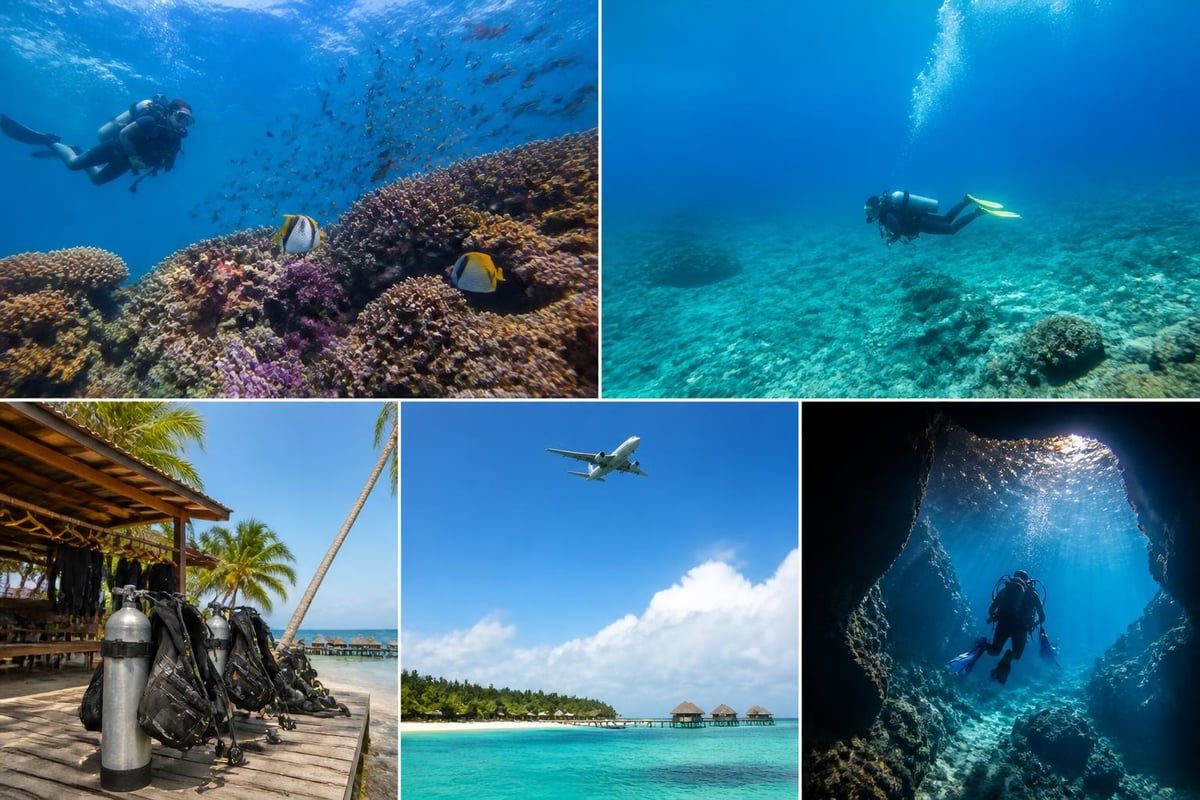
Tropical Indo-Pacific Destinations
The Indo-Pacific region contains the highest marine biodiversity on Earth and dominates lists of popular scuba diving locations for good reason.
Raja Ampat, Indonesia
Located off West Papua, Raja Ampat consistently ranks among the world's premier diving destinations. The region encompasses over 1,500 small islands and cays scattered across a vast marine area at the heart of the Coral Triangle.
| Feature | Details |
|---|---|
| Best diving season | October to April |
| Water temperature | 27-30°C year-round |
| Visibility | 15-30 meters typical |
| Signature experiences | Soft coral gardens, schooling fish, manta cleaning stations |
The underwater topography ranges from gentle slopes to vertical walls dropping into deep water. Current-swept channels concentrate marine life, creating some of the most fish-dense dives anywhere. More than 1,600 species of reef fish have been recorded here, along with 75% of all known coral species.
Palawan, Philippines
The Philippines offers exceptional diving across its 7,000+ islands, with Palawan standing out as a world-class destination. El Nido in northern Palawan combines dramatic limestone karst scenery above water with diverse underwater terrain that includes coral gardens, walls, and interesting topography. For divers planning their first trip, our guide to El Nido dive sites covers the best spots for every experience level.
The waters around El Nido feature healthy reef systems with excellent macro life and regular encounters with turtles, reef sharks, and seasonal pelagic visitors. Protected marine areas help maintain reef health, while the relatively sheltered location of Bacuit Bay provides consistent diving conditions throughout much of the year.
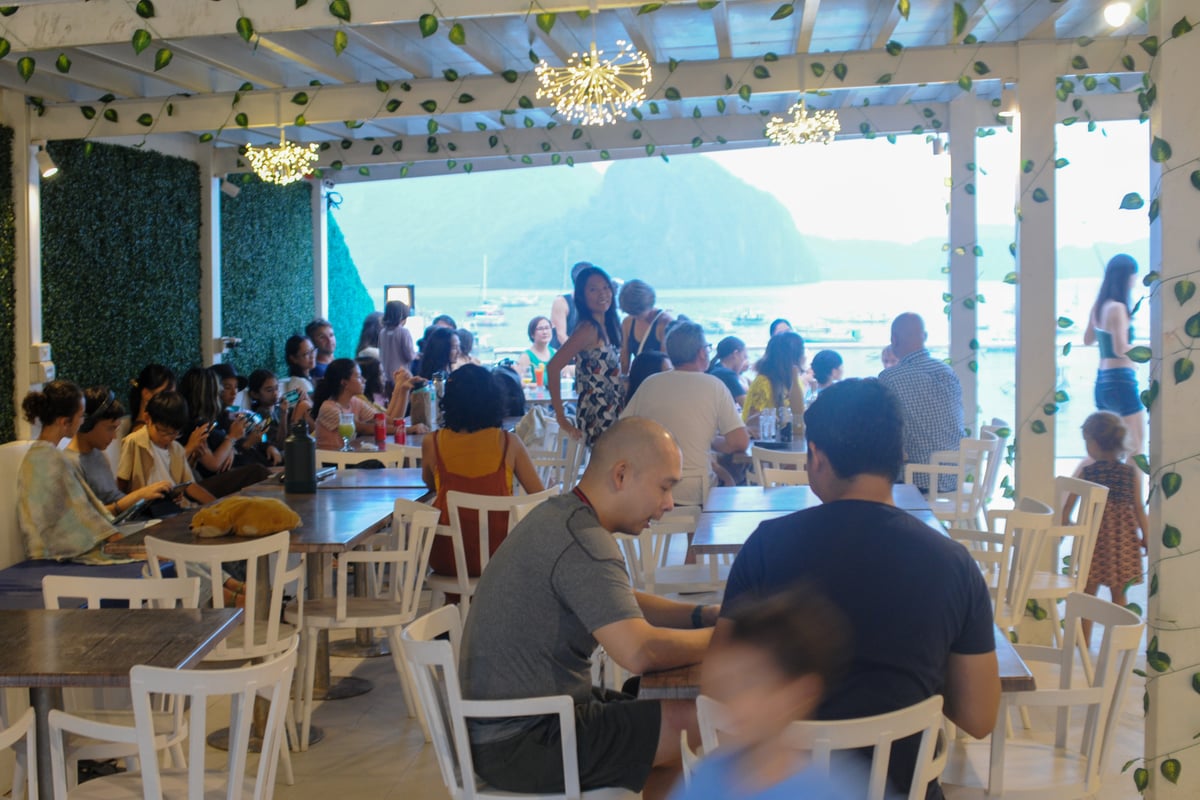
For divers planning an extended stay in El Nido, combining diving with beachfront accommodation creates the ideal dive holiday rhythm. The Beach House offers exactly this experience, home to Submariner Diving Center where guests can dive directly from their doorstep, with dive boats departing from the beach and all facilities including Cloud 9 rooftop restaurant and bar in one convenient location.
Thailand and the Andaman Sea
Thailand's dive sites attract divers with varying experience levels to destinations like the Similan Islands, Richelieu Rock, and the southern Andaman coast. Liveaboard diving is particularly popular here, allowing multi-day expeditions to remote sites.
The Similan Islands offer dramatic boulder formations creating swim-throughs and valleys, while sites like Richelieu Rock are famous for whale shark encounters during the right season. Soft corals and anemone gardens add vibrant color to many Thai dive sites.
Red Sea Diving Hotspots
The Red Sea has earned its reputation as one of the world's most popular scuba diving locations through decades of dive tourism development combined with naturally spectacular conditions.
Egyptian Red Sea
Egypt's Red Sea coast offers diverse diving from shore and boat, with destinations like Sharm el-Sheikh, Dahab, and Marsa Alam each offering distinct experiences.
Dahab attracts technical divers and freedivers to the famous Blue Hole, while its relaxed atmosphere and shore diving accessibility appeal to budget-conscious travelers. The canyon dives and Bells offer dramatic underwater topography accessible without boats.
Sharm el-Sheikh serves as the gateway to Ras Mohammed National Park and the Straits of Tiran, where strong currents create thriving reef ecosystems and regular pelagic encounters. The wreck of the SS Thistlegorm, a WWII cargo ship, remains one of the most dived wrecks globally.
Jordan and the Gulf of Aqaba
Despite limited coastline, Jordan's Aqaba offers excellent diving with healthy reefs, several accessible wrecks, and consistent conditions. The compact dive area means divers can explore multiple sites daily without long boat rides.
According to Scuba Travel’s roundup of top dive spots for 2026, Red Sea destinations continue growing in popularity among European divers seeking year-round warm water diving with excellent flight connections.
Caribbean and Atlantic Popular Spots
The Caribbean's warm, clear waters and abundant marine life have made it a favorite region, particularly for North American divers.
Cozumel, Mexico
Cozumel exemplifies Caribbean drift diving, where currents carry divers effortlessly along walls and reefs alive with marine life. The island's western shore features dozens of named dive sites, most characterized by:
- Vertical walls dropping to significant depths
- Vibrant sponge and coral growth
- Swim-throughs and tunnels
- Excellent visibility often exceeding 30 meters
The Mesoamerican Barrier Reef extends along Cozumel's coast, offering healthy reef systems despite broader Caribbean coral challenges. Shore diving and cenote diving on the mainland complement the boat diving Cozumel is famous for.
Cayman Islands
Grand Cayman's Stingray City represents one of the Caribbean's most unique dive and snorkel experiences, where southern stingrays gather in shallow water for close encounters. Beyond this famous site, the Cayman Islands offer excellent wall diving, particularly along the North Wall and around Little Cayman and Cayman Brac.
Bahamas and Shark Diving
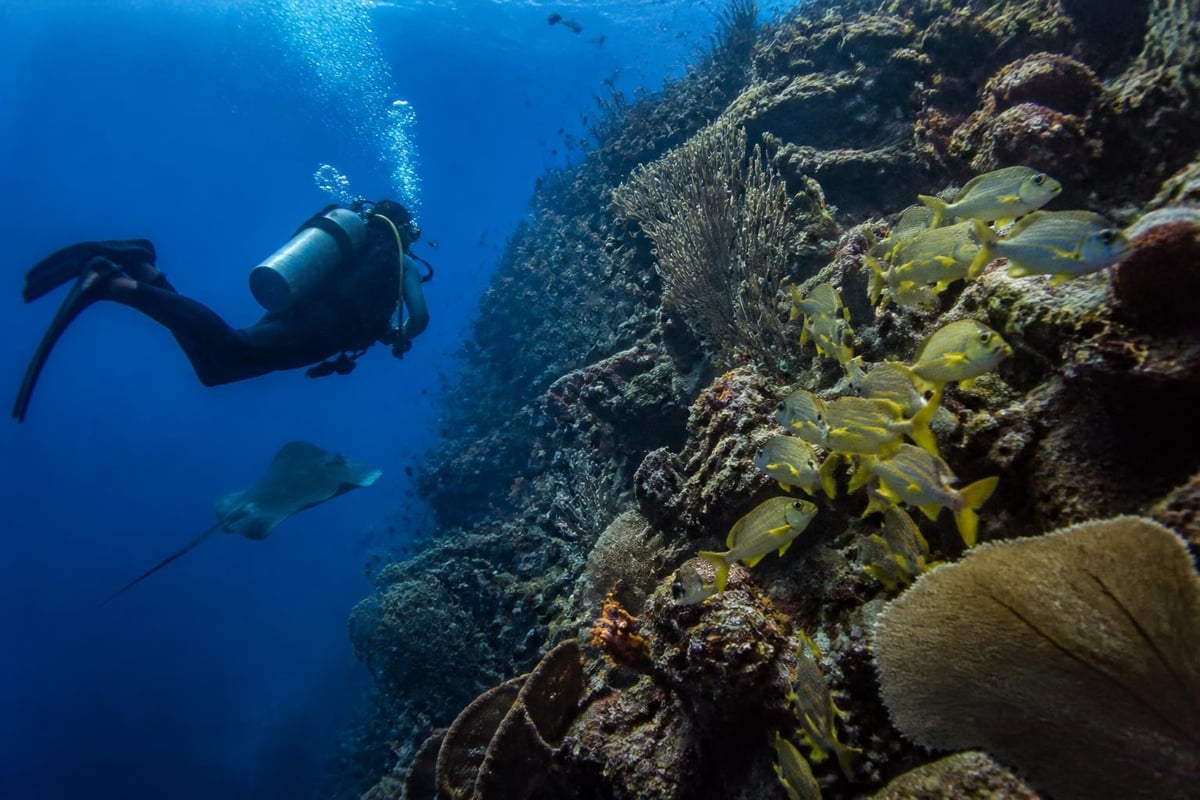
The Bahamas have built a reputation for shark diving experiences, from Caribbean reef sharks at Stuart Cove's to tiger sharks at Tiger Beach. Multiple operators offer dedicated shark diving expeditions that attract underwater photographers and shark enthusiasts globally.
The National Marine Sanctuaries system protects several important U.S. diving areas, including Monitor National Marine Sanctuary off North Carolina and Florida Keys National Marine Sanctuary, both offering distinct diving experiences from wreck diving to reef exploration.
Pacific Ocean Destinations
The Pacific Ocean's vast expanse contains some of the most remote and pristine popular scuba diving locations on Earth.
Palau, Micronesia
Palau combines dramatic underwater scenery with incredible marine biodiversity. The Blue Corner remains legendary among experienced divers for its schooling sharks, strong currents, and pelagic action. Chandelier Cave offers a unique cavern diving experience, while Jellyfish Lake (when open) provides a surreal snorkeling encounter.
German Channel functions as a manta ray cleaning station, offering reliable encounters during the right seasons. The combination of WWII wrecks, diverse reef systems, and unique dive sites makes Palau worth the travel effort required to reach this remote destination.
Galápagos Islands, Ecuador
The Galápagos offers a completely different diving experience from tropical reef destinations. The water is cooler, visibility variable, and currents can be challenging, but the marine life encounters are extraordinary.
Liveaboard diving is standard here, with itineraries visiting sites like Darwin and Wolf Islands where schooling hammerhead sharks, Galápagos sharks, and seasonal whale shark visits occur. Marine iguanas, sea lions, and endemic species create diving unlike anywhere else.
Hawaii and American Pacific
Hawaii offers accessible tropical diving for U.S.-based divers without passport requirements. Each island provides different diving character:
- Maui: Molokini Crater and turtle-rich sites
- Big Island: Manta ray night dives and varied topography
- Oahu: Wrecks and reef dives near Honolulu
- Kauai: Dramatic underwater landscapes and remote sites
ScubaTourism’s guide to the best places to dive in the U.S. covers American dive destinations in detail, offering practical regional coverage and seasonal timing for domestic dive trips.
Temperate and Cold Water Diving
Popular scuba diving locations aren't limited to tropical waters. Temperate and cold water destinations attract divers with unique marine life and exceptional visibility.
British Columbia, Canada
The cold waters of British Columbia host incredible marine biodiversity, from giant Pacific octopuses to colorful anemones, nudibranchs, and impressive fish life. Shore diving accessibility and kelp forest environments create atmospheric diving experiences.
Visibility in Pacific Northwest waters can exceed tropical destinations during the right conditions, particularly in winter months. Thick exposure protection is essential, with drysuits standard for year-round diving.
Norway and Arctic Waters
Norway's fjords offer dramatic underwater topography with walls dropping to significant depths, cold clear water, and unique species like king crabs and cold-water corals. Lofoten Islands diving combines spectacular scenery above and below the waterline.
Seasonal opportunities for diving under ice or in proximity to Arctic wildlife appeal to adventurous divers seeking experiences beyond standard tropical destinations.
Wreck Diving Destinations
Historic shipwrecks create some of the most popular scuba diving locations, offering both artificial reefs and glimpses into maritime history.
Truk Lagoon, Micronesia
Chuuk Lagoon (formerly Truk) contains the world's greatest concentration of accessible WWII wrecks. Operation Hailstone in 1944 sent dozens of Japanese ships and aircraft to the lagoon floor, where they remain largely intact in relatively shallow water.
| Wreck type | Number of sites | Depth range |
|---|---|---|
| Ships | 40+ major wrecks | 12-60 meters |
| Aircraft | 250+ aircraft | 10-40 meters |
| Submarines | Several | Various depths |
The wrecks function as artificial reefs supporting extensive marine life growth, combining historical interest with excellent fish watching. Most wrecks are penetrable by properly trained divers, revealing cargo holds, engine rooms, and personal artifacts.
North Carolina, USA
The "Graveyard of the Atlantic" lives up to its name with hundreds of wrecks off the North Carolina coast. Strong currents, coastal shoals, and historical naval activity combined to create one of America's premier wreck diving destinations.
The U-boat U-352, multiple WWII casualties, and modern wrecks at varying depths accommodate different experience levels. Gulf Stream influence brings warm water and pelagic visitors to offshore wrecks during summer months.
Muck Diving and Macro Hotspots
Not all popular scuba diving locations feature dramatic coral reefs or big animal encounters. Muck diving destinations attract underwater photographers and marine life enthusiasts seeking unusual critters.
Lembeh Strait, Indonesia
Lembeh Strait pioneered muck diving as a specialized form of scuba tourism. The volcanic sand slopes and debris-strewn bottom host extraordinary biodiversity of rare and unusual species.
Critter hunting here reveals:
- Multiple octopus species including mimics and blue-rings
- Frogfish in various colors and sizes
- Rare nudibranchs and flatworms
- Unusual fish like stargazers and scorpionfish variants
- Numerous shrimp, crab, and invertebrate species
Dive guides develop exceptional spotting skills, pointing out tiny creatures most divers would swim past. Night diving adds another dimension with different species emerging after dark.
Anilao, Philippines
Located south of Manila, Anilao offers accessible muck and reef diving combined. The area's marine biodiversity supports both wide-angle reef scenes and macro photography opportunities without long travel distances.
Shore diving from resorts allows multiple daily dives, while boat trips reach deeper sites and walls. The combination of convenience and quality attracts underwater photographers for extended stays.
Seasonal Considerations and Planning
Understanding seasonal patterns helps divers time their visits to popular scuba diving locations for optimal conditions and marine life encounters.
Monsoon and Weather Patterns
Tropical destinations experience distinct wet and dry seasons affecting diving conditions:
Southeast Asia generally offers best diving during the dry northeast monsoon (roughly November to April), though specific destinations vary. Some areas like Thailand's Andaman coast close entirely during southwest monsoon months due to rough seas.
Caribbean diving is possible year-round, with summer and fall carrying hurricane risk that occasionally disrupts operations. Winter months bring cooler air temperatures but excellent diving conditions.
Marine Life Migrations
Many popular scuba diving locations are famous for seasonal animal encounters:
- Manta rays: Specific cleaning stations see seasonal aggregations
- Whale sharks: Various destinations offer seasonal encounters (Maldives, Philippines, Mexico)
- Humpback whales: Winter months in Tonga and other Pacific islands
- Hammerheads: Galápagos, Cocos Island during specific seasons
Advance research and booking are essential for destinations with limited seasonal windows for key species encounters.
Conservation and Reef Health
Popular scuba diving locations face increasing pressure from climate change, ocean acidification, and tourism impact. Recent studies, including research published in Nature Communications documenting widespread coral bleaching, highlight the challenges facing reef ecosystems globally.
Responsible diving practices help minimize individual impact:
- Maintain proper buoyancy to avoid reef contact
- Never touch or disturb marine life
- Follow local regulations regarding marine protected areas
- Choose operators committed to environmental standards
- Consider reef-safe sunscreen and minimize plastic use
Some destinations implement environmental fees, mooring systems, or capacity limits to protect dive sites. Supporting these conservation measures helps ensure popular diving locations remain healthy for future generations.
Matching Destination to Experience Level
Different popular scuba diving locations suit different certification levels and comfort zones.
Beginner-Friendly Destinations
New divers benefit from locations offering:
- Calm, sheltered conditions with minimal current
- Shallow dive sites with good visibility
- Abundant marine life in accessible locations
- Strong dive operator infrastructure with quality instruction
Destinations like Bonaire, certain Egyptian Red Sea sites, and many Philippines locations excel at beginner-friendly diving while still offering excellent experiences for all levels.
Advanced and Technical Diving
Experienced divers seeking challenges gravitate toward destinations offering:
- Strong current diving requiring drift techniques
- Deep walls and drop-offs
- Wreck penetration opportunities
- Cave or cavern diving
- Remote locations with demanding conditions
Places like Palau's Blue Corner, Cozumel's drift dives, and Truk's wreck penetrations reward advanced skills with exceptional experiences.
As National Geographic’s guide to incredible scuba diving experiences highlights, the world's premier dive destinations offer conservation-aware travel opportunities that combine adventure with environmental stewardship.
Planning Your Dive Travel
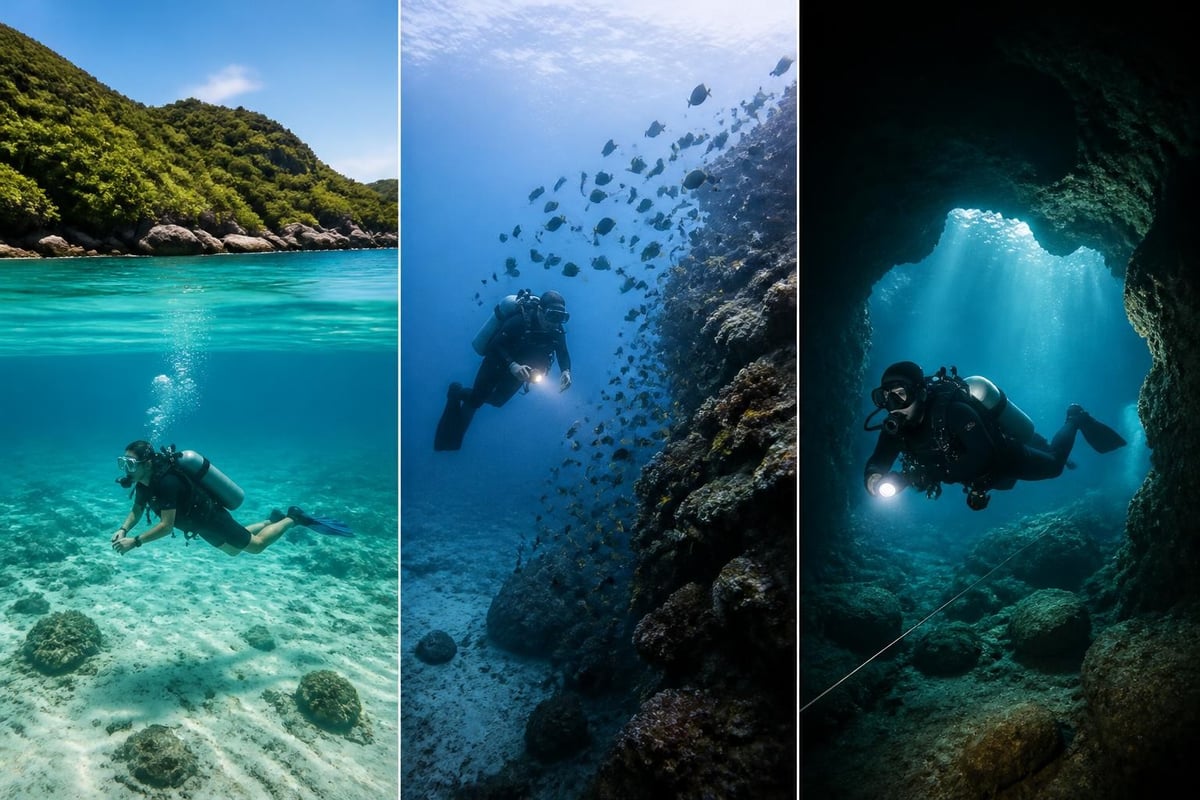
Selecting from the world's popular scuba diving locations requires balancing multiple factors including budget, available time, interests, and diving goals.
Research and preparation should cover:
- Certification requirements: Ensure your certification level matches destination expectations
- Health and fitness: Some destinations require recent medical clearance or fitness levels
- Equipment considerations: Whether to bring your own gear or rely on rental equipment
- Travel logistics: Visa requirements, flight connections, ground transportation
- Insurance coverage: Dive insurance and general travel coverage including evacuation
Booking timing affects both cost and experience quality. Peak seasons offer the best conditions but also the highest prices and most crowded dive boats. Shoulder seasons can provide excellent value with only slightly compromised conditions.
Creating a Dive Bucket List
Rather than trying to see everything, consider building a personal list of priority destinations based on specific interests:
- Wreck enthusiasts: Truk, North Carolina, Egypt
- Big animal seekers: Galápagos, Palau, Maldives
- Macro photographers: Lembeh, Anilao, Philippines sites
- Reef lovers: Raja Ampat, Palawan, Red Sea
- Accessible diving: Caribbean, Hawaii, Mediterranean options
This focused approach allows deeper exploration of fewer destinations rather than superficial visits to many locations. Many divers return repeatedly to favorite areas, discovering new sites and marine life with each visit.
The diversity of experiences available across the world's dive destinations means every diver can find locations matching their specific interests, budget, and skill level. From the vibrant reefs of Southeast Asia to the dramatic wrecks of the Pacific, from cold-water kelp forests to tropical muck sites, the underwater world offers endless opportunities for exploration and discovery.
For those interested in exploring what makes certain destinations special, experiencing world-class diving in Palawan offers an excellent introduction to Southeast Asian reef systems, combining healthy marine ecosystems with beautiful above-water scenery and strong diving infrastructure that supports both beginners and experienced divers.
The world's popular scuba diving locations each offer unique combinations of marine life, underwater topography, and diving conditions that create memorable experiences beneath the surface. Whether you're drawn to colorful tropical reefs, historic wrecks, unusual critters, or pelagic encounters, choosing destinations that match your interests and skills ensures rewarding dive travel. Submariner Diving Center brings world-class diving experiences to one of Southeast Asia's most beautiful destinations, with crystal-clear waters, vibrant reef systems, and professional guidance through El Nido's spectacular dive sites. From complete beginners to experienced divers, our private charters, PADI courses, and daily dive trips help you explore Palawan's underwater world safely and memorably.