The world's oceans hold treasures that few people ever witness firsthand. From kaleidoscopic coral gardens to mysterious shipwrecks resting on sandy bottoms, scuba diving opens doors to experiences that transform how we see our planet. Whether you're planning your first certification trip or your fiftieth dive vacation, choosing the right destination shapes every moment underwater. The top scuba diving destinations offer more than just clear water and colorful fish. They combine healthy marine ecosystems, reliable dive infrastructure, welcoming local communities, and that special something that keeps divers coming back year after year.
What Makes a Diving Destination Truly Great
Not all dive sites are created equal. The best diving destinations share several characteristics that set them apart from merely good spots.
Marine biodiversity sits at the heart of every memorable dive. Waters teeming with life, from tiny nudibranchs to cruising sharks, create experiences you'll replay in your mind for years. Healthy coral systems support entire food chains, and destinations that protect their reefs through marine parks and responsible tourism practices offer consistently better diving.
Visibility and water conditions dramatically affect your underwater experience. While murky water can hide incredible macro life, most divers prefer clear conditions where they can spot marine life from a distance and truly appreciate the underwater landscape.
Beyond the water itself, practical factors matter enormously:
- Accessibility: How easy is it to reach the destination and get to dive sites?
- Dive infrastructure: Professional operators, well-maintained equipment, and safety standards
- Season and weather: Year-round diving versus limited weather windows
- Skill level requirements: Beginner-friendly shallows or advanced-only deep sites
- Cost: Budget-friendly options versus luxury liveaboard experiences
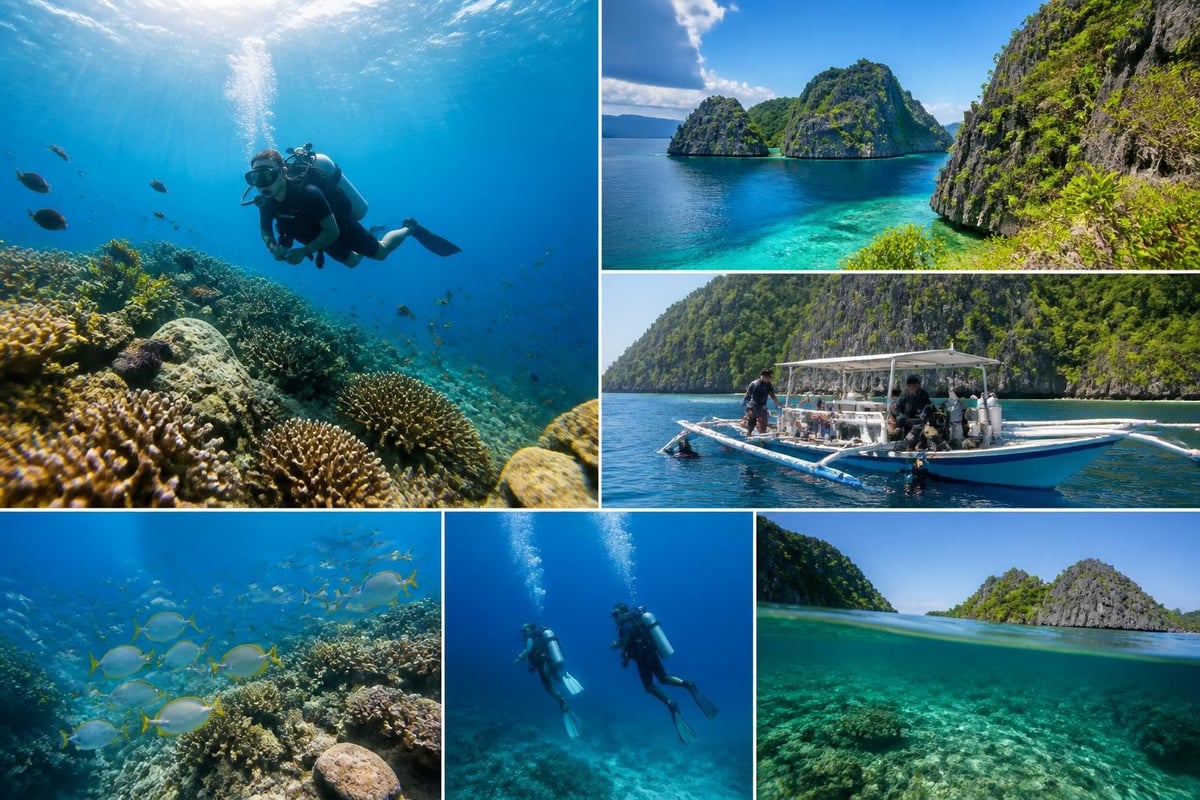
The National Geographic guide to the world’s best dive sites emphasizes that truly outstanding locations balance natural beauty with sustainable tourism practices, ensuring divers can enjoy these underwater worlds for generations to come.
The Red Sea: Egypt's Underwater Playground
Egypt's Red Sea coastline has earned its reputation among the top scuba diving destinations through decades of welcoming divers to its warm, clear waters. The combination of year-round diving, dramatic underwater topography, and accessible reefs makes this region perfect for everyone from beginners taking their first breaths underwater to technical divers exploring deep wrecks.
Why the Red Sea Stands Out
| Feature | Details |
|---|---|
| Visibility | Typically 20-30 meters, often exceeding 40 meters |
| Water Temperature | 22-28°C year-round |
| Marine Life | Over 1,000 fish species, dolphins, reef sharks, turtles |
| Signature Dives | SS Thistlegorm wreck, Ras Mohammed walls, Elphinstone reef |
The northern sites around Sharm el-Sheikh offer convenient shore diving and boat trips to legendary spots like the Straits of Tiran. Further south, destinations like Marsa Alam provide encounters with dugongs and spinner dolphins in less crowded waters.
Liveaboard trips unlock the Red Sea's full potential, reaching remote southern reefs where hammerhead sharks patrol steep walls and pristine coral gardens flourish far from day-trip crowds.
Indonesia: An Archipelago of Diving Dreams
Stretching across thousands of islands, Indonesia claims its place among the top scuba diving destinations with unmatched variety. From the nutrient-rich waters of Raja Ampat to the strange creatures of the Lembeh Strait, Indonesian diving caters to every interest and skill level.
Raja Ampat represents the pinnacle of coral reef health. Scientists have documented over 1,500 fish species and 600 coral species in these remote eastern waters. The diving here feels like visiting an underwater Eden where every surface blooms with life.
Bali and Nusa Penida bring accessibility to world-class diving. Shore entries at sites like Tulamben's USAT Liberty wreck make multiple daily dives easy, while boat trips to Nusa Penida offer seasonal encounters with oceanic mola mola (sunfish) and graceful manta rays.
The Komodo National Park combines world-famous dragon-spotting with thrilling drift dives through channels packed with fish. Currents here demand respect and experience, but the rewards include healthy reefs, big pelagics, and vibrant macro life.
For photographers and macro enthusiasts, the Lembeh Strait delivers bizarre critters found nowhere else on Earth. Hairy frogfish, mimic octopuses, and ornate ghost pipefish turn every dive into a treasure hunt.
The Philippines: Seven Thousand Islands of Diving
The Philippines rivals Indonesia for sheer diving variety across its massive archipelago. Budget-friendly diving combined with Filipino hospitality creates an unbeatable package for extended dive trips.
Regional Diving Highlights
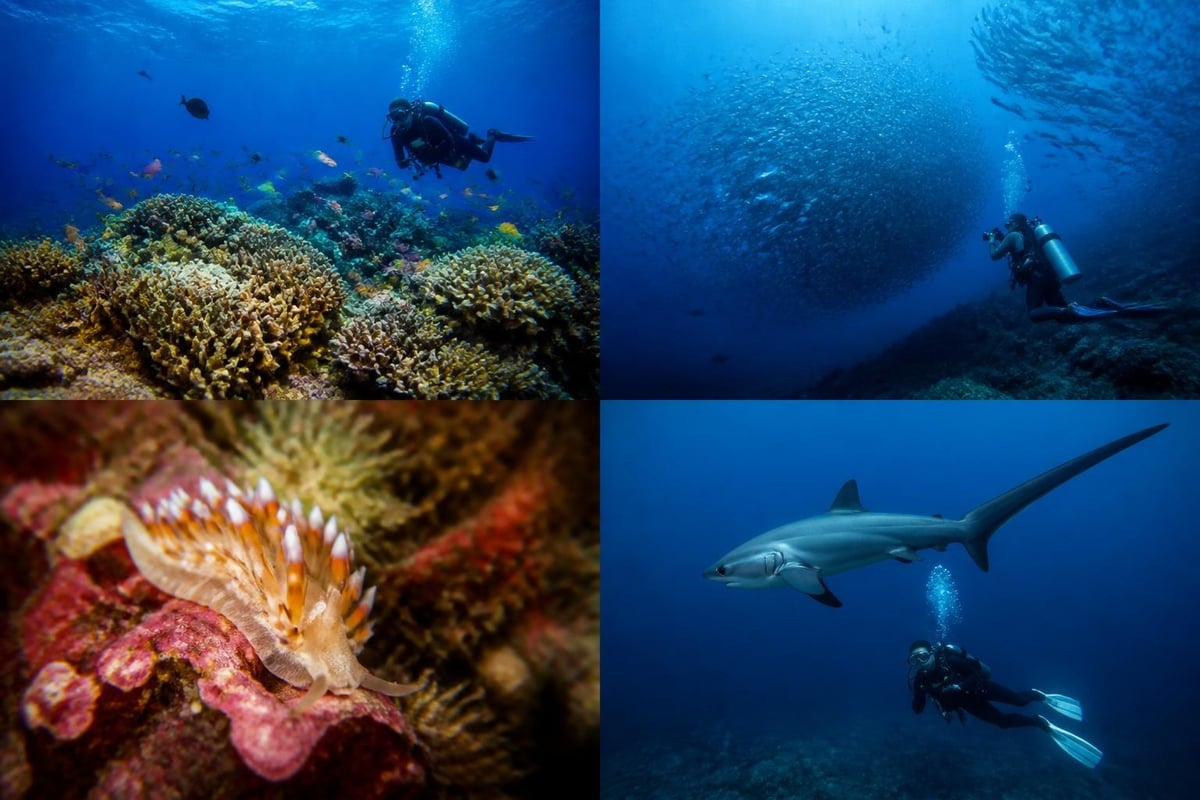
Tubbataha Reefs Natural Park, accessible only by liveaboard during March to June, offers pristine walls dropping into deep blue water where sharks, turtles, and enormous schools of jacks create blockbuster encounters. This UNESCO World Heritage Site strictly limits visitors, maintaining the exceptional conditions that make it special.
Anilao serves Manila-based divers with exceptional macro diving. Muck diving here rivals Lembeh, with new species regularly discovered in the nutrient-rich volcanic sand.
Malapascua Island built its reputation on thresher shark encounters at Monad Shoal, where these magnificent sharks visit cleaning stations before sunrise. Patient divers hovering at 20-30 meters witness one of diving's most sought-after sights.
The Visayas region, including Bohol, Cebu, and Negros, combines gentle slope diving perfect for beginners with challenging walls and current-swept channels for advanced divers. Sardine runs at Moalboal and tiny tarsiers on land add non-diving highlights.
Palawan: The Philippines' Last Frontier
While discussing the Philippines, Palawan deserves special attention as one of the top scuba diving destinations still maintaining pristine conditions despite growing tourism. This long, narrow island province offers everything from easy reef dives to advanced underwater cavern systems.
El Nido, at Palawan's northern end, provides stunning limestone karst scenery above water and healthy coral reefs below. The combination of protected bays, dramatic underwater walls, and diverse marine life creates perfect conditions for both learning and experienced diving. Sites range from shallow coral gardens at 5-12 meters, ideal for training and easy diving, to deeper walls exceeding 40 meters where larger species cruise.
The region's dive sites host impressive biodiversity:
- Vibrant soft and hard coral coverage
- Healthy populations of reef fish including sweetlips, groupers, and snappers
- Regular turtle sightings at multiple sites
- Seasonal visits from larger pelagics
- Excellent macro life for photography enthusiasts
For those planning an extended diving holiday, El Nido combines world-class diving with convenient beachfront access. The compact town layout means divers can walk from accommodation to dive centers and enjoy the tropical setting between dives.
If you're considering Palawan for your next diving adventure, staying beachfront in El Nido offers unmatched convenience. The Beach House provides accommodation where you can literally step from your room to the dive boat, with everything you need for a diving holiday in one location, including the Cloud 9 rooftop restaurant and bar for sunset views between dives.
Coron, further south, flips the script with world-class wreck diving. Over a dozen Japanese supply ships sunk during World War II now rest in 10-40 meters of water, creating artificial reefs encrusted with coral and filled with fish. These wrecks range from easy swim-throughs suitable for newer divers to technical penetration dives requiring advanced training and equipment.
Southern Palawan and the remote sites around Tubbataha (technically part of Palawan province) require liveaboard access but reward adventurous divers with encounters rarely seen elsewhere in Southeast Asia.
Australia's Great Barrier Reef: An Icon for Good Reason
The Great Barrier Reef's reputation as one of the top scuba diving destinations rests on its sheer scale. Stretching over 2,300 kilometers along Queensland's coast, this UNESCO World Heritage Site contains thousands of individual reefs, hundreds of islands, and marine life diversity that staggers the imagination.
Despite facing challenges from climate change and coral bleaching events, many sections of the reef remain healthy and spectacular. Responsible operators focus diving on resilient areas and actively participate in reef restoration projects, ensuring this natural wonder continues inspiring divers.
Diving the Reef
Cairns and Port Douglas provide the main access points for day trips and liveaboards. Day boats reach outer reef sites in 1-2 hours, while multi-day trips venture to remote northern reefs where human impact remains minimal.
The Ribbon Reefs in the far north offer wall diving, swim-throughs, and famous sites like Cod Hole where massive potato cods approach divers with curiosity. Seasonal dwarf minke whale encounters (June-July) add another dimension to diving here.
Lady Elliot Island in the southern reef provides easy access from the beach and almost guaranteed manta ray encounters year-round. This eco-resort caters specifically to divers, with multiple daily boat trips and unlimited shore diving.
According to PADI’s roundup of top worldwide destinations, the Great Barrier Reef continues attracting divers seeking that bucket-list experience despite increased awareness of environmental pressures. Choosing operators committed to sustainable practices helps protect this irreplaceable ecosystem.
The Maldives: Luxury Meets Underwater Beauty
The Maldives chains together 26 atolls in the Indian Ocean, creating diving conditions that combine crystal-clear water, abundant marine life, and picture-perfect tropical scenery. While resort prices can shock budget travelers, the diving itself justifies the journey for those who can afford it.
Channel diving between atolls harnesses ocean currents to deliver nutrients and pelagic visitors. These drift dives require good buoyancy control but reward divers with manta rays, eagle rays, and multiple shark species riding the same currents.
Thilas (underwater pinnacles) rise from deep water, creating cleaning stations and feeding grounds that attract everything from tiny cleaner wrasse to hulking whale sharks. Morning dives on the current-facing sides often deliver the most action.
The Maldives' protected status as a shark sanctuary ensures healthy populations of grey reef sharks, nurse sharks, and seasonal whale sharks. Night dives reveal a completely different cast of characters as octopuses hunt and sleeping parrotfish hide in mucus cocoons.
Galapagos Islands: Where Darwin Dove
The Galapagos Islands occupy a unique position among the top scuba diving destinations. While not offering the colorful coral reefs of tropical destinations, these volcanic islands provide encounters with marine life found nowhere else on Earth.
Hammerhead shark schools at sites like Gordon Rocks create one of diving's most iconic images: dozens or hundreds of sharks moving together in coordinated formations. Wolf and Darwin islands, reached only by liveaboard, deliver even more dramatic shark encounters.
Endemic species evolved in isolation create surreal diving experiences:
- Marine iguanas diving to graze on algae
- Playful sea lions treating divers as entertainment
- Red-lipped batfish "walking" across volcanic rocks
- Galapagos penguins (the only penguins found north of the equator)
Water temperatures range from cold (16°C) to moderate (24°C) depending on season and site, with thermoclines common. Most divers use 7mm wetsuits or drysuits despite the equatorial latitude.
The UNESCO documentation on Marine World Heritage Sites highlights the Galapagos Marine Reserve as a critical example of conservation success, where strict protection maintains ecosystems that would have disappeared under heavy fishing pressure.
Caribbean Diving: Accessibility and Variety
The Caribbean offers the most accessible diving for North American and European travelers, with short flights to dozens of islands providing tropical diving without jetlag or complex logistics.
Top Caribbean Destinations
| Destination | Highlights | Best For |
|---|---|---|
| Cozumel, Mexico | Drift diving, walls, clear water | Relaxed diving, cruise passengers |
| Bonaire | Shore diving, ease of access | Independent divers, photography |
| Cayman Islands | Walls, wrecks, stingrays | All levels, luxury resorts |
| Roatan, Honduras | Walls, cheap diving, wrecks | Budget travelers, training |
| Turks and Caicos | Walls, healthy reefs, humpback whales (winter) | Uncrowded diving |
Bonaire deserves special mention for pioneering marine conservation in the Caribbean. The entire island's coastline became a marine park in 1979, and the shore-diving infrastructure lets certified divers explore independently with rented trucks carrying tank racks.
Little Cayman maintains some of the Caribbean's healthiest reefs through low development and strict marine park rules. Bloody Bay Wall's dramatic drop-off starts at just 6 meters, making spectacular wall diving accessible even to newer divers.
Planning Your Diving Destination Choice
Choosing among the top scuba diving destinations requires honest assessment of your preferences, skills, and resources. Consider these factors:
Experience level narrows choices quickly. Beginners need calm conditions, shallow sites, and patient instructors. The Lonely Planet guide to best places to learn to dive focuses on destinations combining easy diving with good training infrastructure. Advanced divers seeking technical challenges, strong currents, or deep wrecks require different destinations entirely.
Budget impacts every aspect of your trip:
- Flights: Southeast Asia and the Caribbean offer cheaper flights from different regions
- Accommodation: Maldives resorts versus budget guesthouses in the Philippines
- Diving costs: Egypt and Thailand deliver incredible value; remote destinations or specialized diving (Galapagos, Antarctica) cost significantly more
- Trip length: Liveaboards versus day diving affects total costs
Interests and goals should drive destination choice more than reputation. Macro photographers find more to shoot in Lembeh or Anilao than on the Great Barrier Reef. Big-animal seekers should prioritize Socorro, Galapagos, or South Africa over muck-diving destinations.
Season and weather create windows for certain destinations. Understanding marine protected area regulations and seasonal patterns helps time your visit for optimal conditions and specific encounters like whale sharks or manta rays.
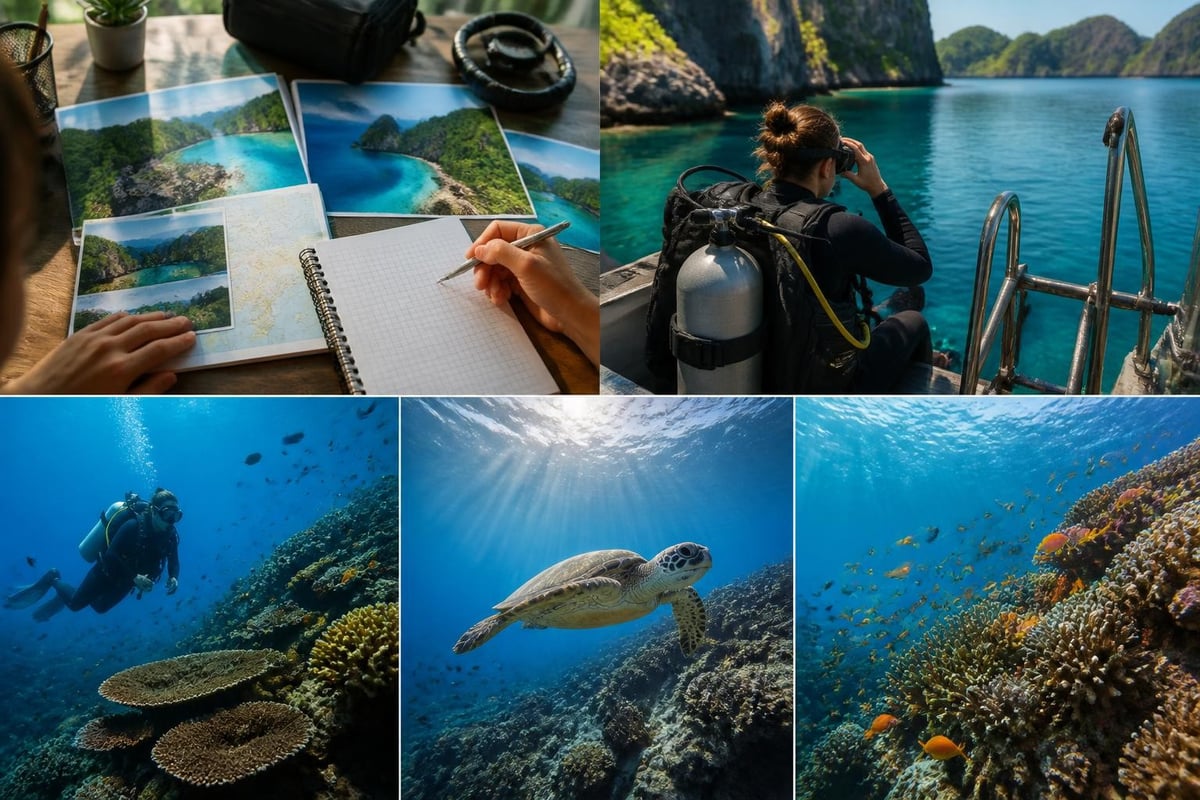
Diving Sustainably at Popular Destinations
As diving tourism grows, our responsibility to protect these underwater environments intensifies. The top scuba diving destinations face pressure from increasing visitor numbers, climate change, and local development.
Choose responsible operators who:
- Maintain proper buoyancy standards and don't tolerate reef touching
- Use mooring buoys instead of anchoring on coral
- Limit group sizes for better control and less impact
- Participate in reef monitoring or restoration programs
- Educate divers about local marine ecosystems
Practice excellent buoyancy control to avoid accidental coral contact. Poor buoyancy causes more reef damage than most divers realize, with fins kicking coral or divers grabbing reef to steady themselves.
Respect marine life by maintaining distance, never touching or chasing animals, and understanding that getting the perfect photo doesn't justify harassing wildlife. The best encounters happen when animals approach divers on their own terms.
Support conservation through reef-safe sunscreen, refusing single-use plastics, and participating in underwater cleanups when opportunities arise. Some destinations now charge marine park fees that directly fund conservation, these fees represent excellent value for protecting places we love.
The Guardian’s coverage of responsible diving regularly highlights how individual diver choices accumulate into significant positive or negative impacts on fragile ecosystems.
Building Your Diving Resume
For divers serious about exploring the world's best sites, building experience systematically opens doors to more challenging and rewarding destinations. Start with easier locations to master fundamental skills before tackling advanced sites.
Beginner progression might look like:
- Certification in calm, warm water with excellent visibility
- Post-certification dives building confidence and buoyancy control
- First trip to a beginner-friendly destination (Cozumel, Bonaire, easy Philippine sites)
- Advanced training (buoyancy specialty, navigation, deep diving)
- Moderately challenging destinations with some currents or depth
- Advanced destinations requiring specific skills or experience minimums
Advanced diving credentials unlock specific experiences. Nitrox certification extends bottom time on multi-dive days. Deep specialty training prepares divers for sites beyond 18 meters. Wreck specialty courses teach safe penetration techniques. Each certification expands your underwater world.
Log your dives carefully. Many advanced dive sites, liveaboards, and destinations require minimum logged dive counts. Accurate logs also help you remember incredible experiences and track skills progress over time.
Beyond the Famous Names
While this article focuses on the world's most renowned diving destinations, remember that incredible diving exists in less-visited locations. Mexico's cenotes, Fiji's soft coral capital, Papua New Guinea's biodiversity, Mozambique's megafauna, and Norway's cold-water kelp forests all offer unique experiences.
Exploring Palawan’s top dive sites provides detailed insight into one region's underwater diversity. This approach of deeply exploring specific areas often delivers more satisfaction than rushing through famous sites checking boxes.
Sometimes the best diving destination is simply the one you can visit most frequently. Local diving builds skills, creates community, and deepens environmental awareness in ways quick tropical vacations cannot match.
Practical Destination Research
Before booking flights, invest time researching your chosen destination thoroughly:
- Read recent trip reports from divers with similar experience levels and interests
- Check seasonal patterns for weather, marine life, and crowds
- Research visa requirements and entry procedures well in advance
- Verify certification requirements for specific sites or dive types
- Read reviews of specific dive operators, focusing on safety culture and professionalism
- Understand local conditions including currents, depths, and potential hazards
- Plan surface intervals with non-diving activities that interest your travel companions
Modern diving destinations provide extensive online information, but filter advice based on when it was written and the writer's experience level. Conditions change, businesses change ownership, and reefs evolve over time.
Your Next Underwater Adventure Awaits
The top scuba diving destinations share one critical element: they transform how you see the world. Whether you're finning along colorful coral walls, exploring historic wrecks, or floating weightless as hammerhead sharks glide past, diving creates experiences that last a lifetime.
Each destination offers different lessons, different beauty, and different reasons to return. The Egyptian Red Sea delivers reliable conditions and dramatic topography. Indonesia and the Philippines showcase biodiversity that defies description. The Great Barrier Reef represents nature working at unimaginable scale. The Galapagos rewards adventure with endemic species evolved in isolation.
Your perfect destination depends entirely on what you seek underwater. Research thoroughly, dive responsibly, and choose destinations that match your current skill level while pushing you to grow.
The world's oceans hold countless incredible diving destinations, each offering unique underwater experiences worth traveling for. Whether you're drawn to tropical reefs, historic wrecks, or encounters with marine megafauna, choosing the right destination transforms a vacation into an adventure you'll remember forever. If you're considering Palawan for your next diving trip, Submariner Diving offers professional instruction, daily boat dives to El Nido's spectacular sites, and the convenience of diving from your doorstep when you stay at our beachfront home base. Start planning your underwater adventure today and discover why divers return to Palawan's pristine waters year after year.