Finding good scuba diving locations requires more than a quick internet search and a plane ticket. The world's oceans offer thousands of dive sites, but only a fraction deliver the combination of marine biodiversity, visibility, accessibility, and safety that transforms a standard dive into an unforgettable underwater experience. Whether you're planning your first post-certification trip or seeking your next bucket-list destination, understanding what separates exceptional dive locations from mediocre ones will help you make smarter travel decisions and maximize your time underwater.
What Makes a Diving Location Truly Exceptional
Not all dive sites are created equal. The best locations share several key characteristics that work together to create memorable diving experiences.
Marine Biodiversity and Healthy Ecosystems
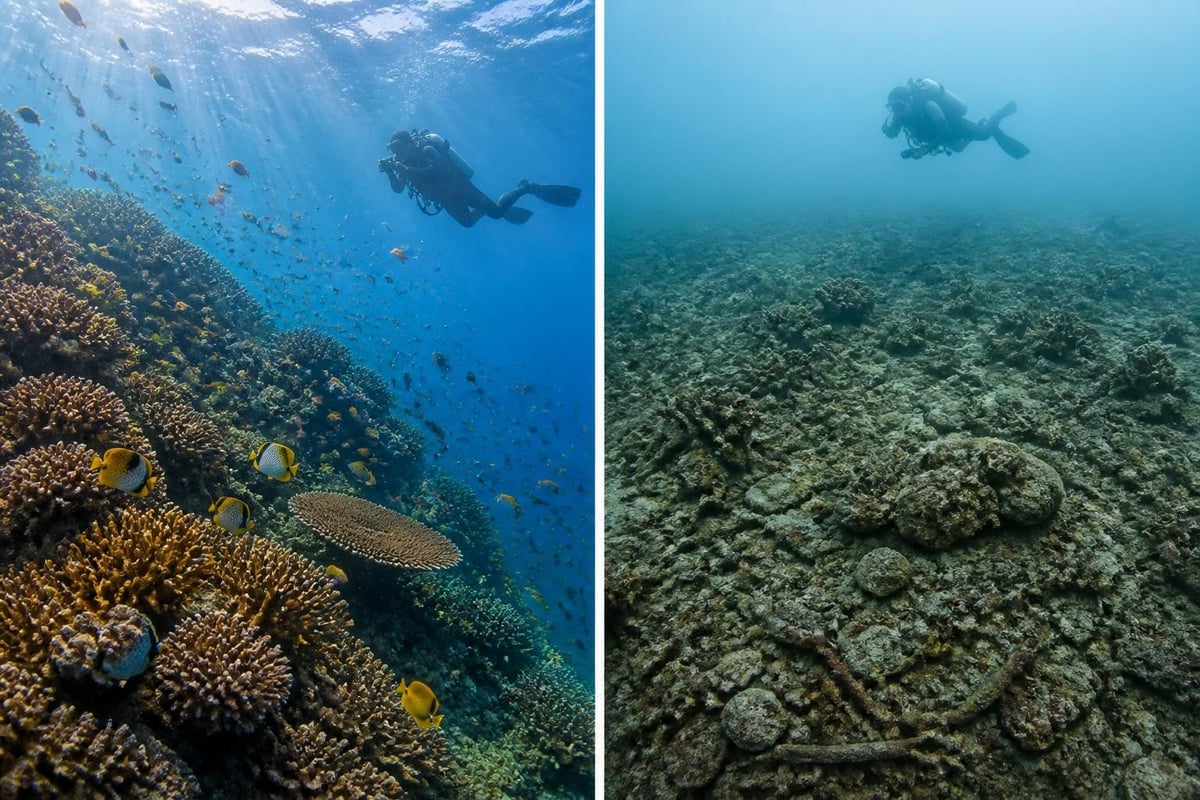
Thriving reef systems form the foundation of good scuba diving locations. Coral reefs form in specific conditions that include warm water temperatures, adequate sunlight penetration, and minimal pollution. When these conditions align, you'll find:
- High fish density and species variety
- Intact coral structures with minimal bleaching
- Larger marine animals including rays, sharks, and turtles
- Active cleaning stations and feeding grounds
- Seasonal aggregations and breeding behaviors
The difference between a healthy reef and a degraded one is immediately apparent underwater. Healthy systems burst with color and movement, while struggling reefs show signs of coral bleaching, algae overgrowth, and sparse fish populations.
Visibility and Water Conditions
Water clarity directly impacts your diving experience and safety. The best locations offer:
| Visibility Factor | Ideal Conditions | Impact on Diving |
|---|---|---|
| Horizontal visibility | 20+ meters | Enhanced navigation, photography, marine life observation |
| Current patterns | Mild to moderate | Drift diving opportunities, nutrient delivery to reefs |
| Water temperature | 24-30°C tropical / 10-18°C temperate | Comfortable dive duration, appropriate exposure protection |
| Seasonal stability | Predictable patterns | Reliable trip planning, consistent conditions |
Strong currents can make dive sites challenging for beginners but create feeding opportunities that attract pelagic species. Understanding seasonal patterns helps you time your visit for optimal conditions.
Accessibility and Infrastructure
Even remote dive sites need adequate support infrastructure. Consider these practical elements:
- Boat access: Well-maintained dive boats with safety equipment, oxygen, and first aid
- Dive centers: Professional operations with certified instructors and rental gear
- Accommodation: Proximity to dive sites reduces travel time and maximizes dive days
- Medical facilities: Hyperbaric chambers and hospitals within reasonable distance
- Airport access: International or domestic flights connecting to major hubs
The best scuba diving destinations balance remote, pristine dive sites with the infrastructure needed to access them safely and comfortably.
Tropical Dive Destinations: The Classic Choice
Tropical waters dominate most lists of good scuba diving locations for compelling reasons. Warm temperatures, extensive coral reef systems, and vibrant marine life create ideal conditions for divers of all experience levels.
Southeast Asia's Diving Triangle
The Coral Triangle encompasses waters around the Philippines, Indonesia, and Malaysia, hosting the planet's highest marine biodiversity. Within this region, Palawan stands out as the Philippines' premier dive destination.
El Nido's waters showcase the best of Palawan diving:
- Vertical wall dives dropping beyond recreational limits
- Swim-throughs and caverns suitable for advanced divers
- Shallow coral gardens perfect for newer divers
- Regular sightings of turtles, reef sharks, and schools of barracuda
- Minimal current at most sites, allowing longer bottom times
The El Nido Dive & Stay Package combines beachfront accommodation at The Beach House with direct boat access from the property. Divers can literally step from their room to the dive boat, eliminating transfer times and maximizing time underwater. After your dives, Cloud 9 rooftop restaurant provides the perfect setting to review your dive logs while watching the sunset over Bacuit Bay.
Caribbean and Atlantic Options
The Caribbean offers accessible tropical diving for North American and European travelers:
- Bonaire: Shore diving from your rental truck, with 80+ marked sites
- Cozumel: Drift diving along walls with consistent visibility
- Cayman Islands: Famous wall dives and the Stingray City experience
- Belize: The Blue Hole and extensive barrier reef system
These destinations provide different diving styles, from Bonaire's independent shore diving to Cozumel's drift-diving focus.
Temperate and Cold-Water Diving Gems
Cold-water destinations reward adventurous divers with unique marine life and underwater topography rarely seen in tropical waters.
Kelp Forest Ecosystems
California's Channel Islands and British Columbia's waters host dense kelp forests creating three-dimensional underwater landscapes. These locations offer:
- Giant Pacific octopus encounters
- Sea lion interactions and playful seals
- Colorful invertebrates including nudibranchs and anemones
- Excellent visibility during late summer and fall
- Dramatic underwater topography with walls and pinnacles
Dry suits and thick undergarments are essential, but the marine life diversity rivals tropical destinations.
Deep Coral Habitats
Deep-sea coral discoveries continue expanding our understanding of cold-water ecosystems. While most lie beyond recreational diving limits, some locations offer access to cold-water coral gardens:
- Norway's fjords host colorful soft corals at recreational depths
- Scotland's west coast features jewel anemones and dead man's fingers
- New England's rocky reefs support northern corals and large crustaceans
These sites require advanced training, proper thermal protection, and careful buoyancy control to protect fragile organisms.
Wreck Diving Destinations Around the World
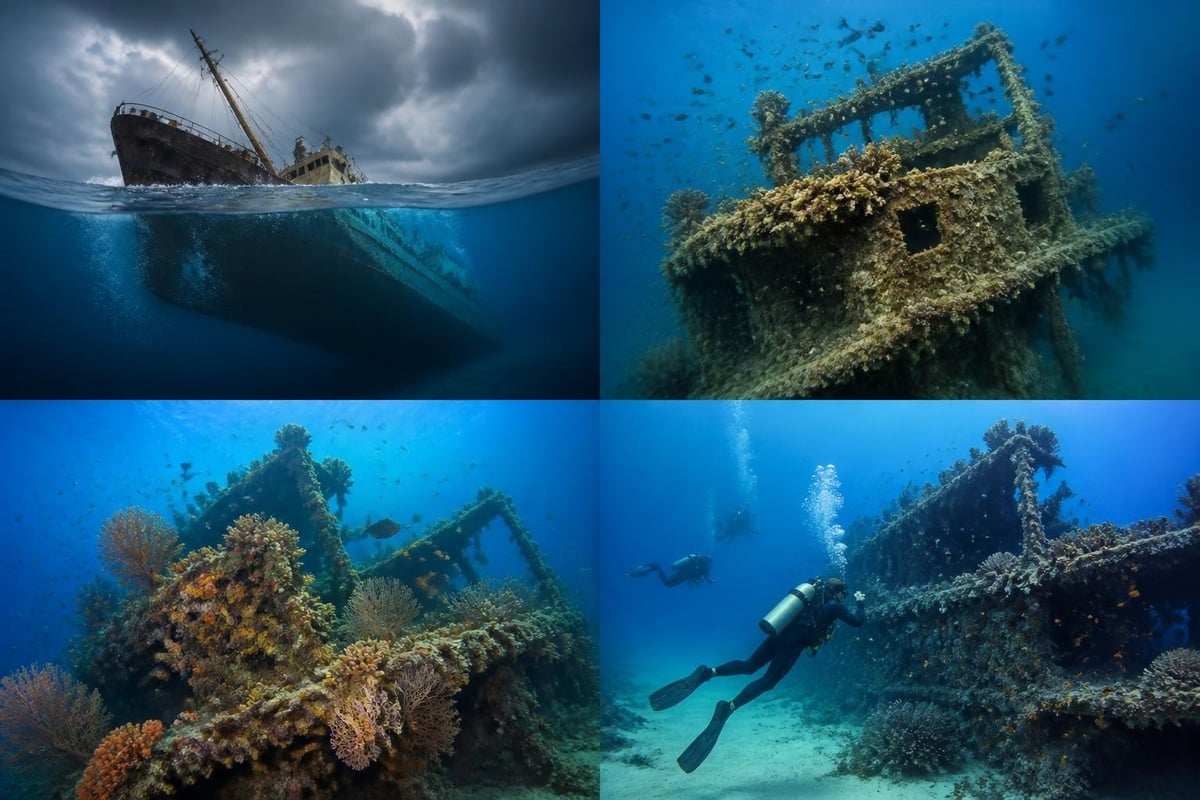
Historic shipwrecks transform good scuba diving locations into underwater museums. The best wreck destinations combine historical significance, structural integrity, and marine colonization.
Purpose-Sunk Vessels and Artificial Reefs
Many coastal regions deliberately sink vessels to create artificial reefs and dive attractions:
- USS Oriskova (Florida): 888-foot aircraft carrier accessible to experienced divers
- USAT Liberty (Bali): WWII cargo ship lying in shallow water, perfect for all levels
- SS Thistlegorm (Red Sea): British cargo ship with intact motorcycles and trucks
- Zenobia (Cyprus): Ferry lying on its side with penetrable cargo holds
Purpose-sunk wrecks offer predictable conditions and established dive routes, making them safer than accidental sinkings.
Archaeological Dive Sites
UNESCO guidelines for underwater cultural heritage protect historically significant wrecks while allowing controlled diving access. These sites require:
- Special permits or guided access only
- No-touch policies strictly enforced
- Advanced certification and excellent buoyancy
- Respect for artifacts and historical preservation
Ancient wrecks in the Mediterranean, Spanish galleons in the Caribbean, and WWII vessels throughout the Pacific offer glimpses into maritime history, but protection of these sites ensures future generations can experience them too.
Pelagic and Big-Animal Encounters
Large marine animals draw divers to specific good scuba diving locations during seasonal migrations and aggregations.
Shark Diving Destinations
Different species congregate in different locations:
| Species | Best Locations | Season | Experience Level |
|---|---|---|---|
| Whale sharks | Philippines, Maldives | November-May | Snorkeling/beginner |
| Great whites | South Africa, Guadalupe | June-October | Advanced, cage diving |
| Hammerheads | Cocos Island, Galapagos | June-November | Advanced, current experience |
| Reef sharks | Palawan, Fiji | Year-round | All levels |
Responsible operators maintain distance, avoid feeding (with few regulated exceptions), and educate divers about shark behavior and conservation.
Manta Ray Cleaning Stations
Manta rays visit specific cleaning stations where smaller fish remove parasites. National Geographic highlights these encounters among the world's best dive experiences. Famous manta locations include:
- Komodo National Park (Indonesia): Year-round manta encounters at Manta Point
- Kona (Hawaii): Night diving with mantas feeding on plankton
- Raja Ampat (Indonesia): Multiple cleaning stations with regular sightings
- Yap (Micronesia): Valley of the Rays hosts dozens of mantas
Proper briefing covers positioning, maintaining distance, and avoiding flash photography that might disturb feeding behavior.
Unique and Specialized Dive Environments
Some good scuba diving locations offer experiences impossible to replicate elsewhere.
Cenote Diving in Mexico's Yucatan
Underground river systems create hauntingly beautiful dive sites:
- Crystal-clear freshwater with 100+ meter visibility
- Light beams penetrating through ceiling openings
- Ancient stalactites and stalagmites formed over millennia
- Cavern diving for beginners, cave diving for technical specialists
- Cultural significance to Mayan civilization
Cenote diving requires specific training and equipment, with strict line-following protocols for safety.
Ice Diving in Polar Regions
Antarctica and the Arctic challenge experienced divers with extreme conditions and otherworldly scenery:
- Direct overhead ice eliminating normal ascent routes
- Water temperatures below 0°C requiring specialized dry suits
- Unique marine life including ice fish with antifreeze proteins
- Icebergs and formations creating surreal underwater landscapes
- Limited dive windows due to weather and surface conditions
These expeditions demand technical skills, redundant equipment systems, and extensive cold-water experience.
High-Altitude Lake Diving
Mountain lakes offer good scuba diving locations with altitude considerations:
- Lake Titicaca (Peru/Bolivia): World's highest navigable lake at 3,800 meters
- Crater Lake (Oregon): Volcanic caldera with exceptional clarity
- Lake Tahoe (California/Nevada): Cold, clear alpine waters with sunken forests
Altitude diving requires special training to adjust dive tables and computer settings for reduced atmospheric pressure.
Planning Your Visit to Good Scuba Diving Locations
Successful dive trips require research beyond choosing a destination.
Timing and Seasonality
Marine life patterns, weather systems, and water conditions vary throughout the year:
- Research seasonal migrations and breeding aggregations
- Avoid monsoon or hurricane seasons in tropical regions
- Book popular locations well in advance during peak periods
- Consider shoulder seasons for fewer crowds and lower prices
- Check local events that might affect availability or prices
El Nido's best diving conditions run from November through May, when northeast monsoons bring calm seas and excellent visibility. If you're considering diving in Palawan, this window offers the most reliable weather.
Certification Requirements and Skills
Match destinations to your training and experience:
- Open Water Divers: Shallow reefs, calm conditions, no overhead environments
- Advanced Divers: Deeper sites, mild currents, basic wreck exteriors
- Specialty Trained: Wrecks with penetration, strong currents, altitude, nitrox
- Technical Divers: Caves, deep wrecks, decompression diving, rebreathers
Don't let ego push you beyond your training. The best dive centers will honestly assess whether specific sites match your skill level.
Equipment Considerations
Rental gear suffices for most tropical destinations, but certain locations require specific equipment:
- Dry suits: Essential for cold water, rental quality varies
- Nitrox certification: Extends bottom time at reef sites
- Dive computers: Personal computers ensure accurate profiles
- Underwater cameras: Rent locally or invest in your own system
- Reef-safe sunscreen: Required at many protected areas
If you're planning multiple dives, learn about scuba diving fundamentals and equipment requirements before your trip.
Environmental Responsibility at Dive Sites
Protecting good scuba diving locations ensures they remain accessible for future generations.
Responsible Diving Practices
Every diver impacts the underwater environment:
- Perfect your buoyancy to avoid reef contact
- Secure all equipment to prevent dragging
- Never touch, chase, or harass marine life
- Take only photos, leave only bubbles
- Participate in reef cleanups when offered
- Support marine parks through entry fees
Small impacts multiply across thousands of divers. What seems harmless individually becomes destructive collectively.
Choosing Ethical Operators
Quality dive centers prioritize environmental protection:
- Marine park compliance: Proper permits and fee payment
- Mooring buoys: Using fixed moorings instead of dropping anchors
- Group sizes: Limiting divers per guide for better supervision
- Briefing quality: Emphasizing environmental awareness
- Local employment: Supporting community members
Research operators before booking. Online reviews often mention environmental practices alongside service quality.
Supporting Conservation Initiatives
Many diving destinations face environmental pressures:
- Volunteer for coral restoration projects
- Contribute to citizen science programs through species identification
- Support local conservation organizations financially
- Share responsible diving practices with others
- Advocate for marine protected areas
Your dive dollars influence local economies. Choose operators and destinations that reinvest in reef protection and sustainable tourism.
Regional Diving Highlights Worth Exploring
Different regions offer distinct underwater experiences shaped by geography, oceanography, and marine ecosystems.
Pacific Island Nations
Micronesia, Polynesia, and Melanesia host exceptional diving across thousands of islands:
- Palau: Pristine reefs, WWII wrecks, and Jellyfish Lake
- Fiji: Soft coral capital with colorful reef coverage
- Samoa: Uncrowded sites with excellent visibility
- Tonga: Seasonal humpback whale encounters
These destinations often require multiple flights but reward travelers with world-class diving and cultural experiences. For those exploring the Philippines, don't miss reading about Tubbataha Reef, a UNESCO World Heritage Site and one of the country's most pristine dive destinations.
Red Sea Corridor
Egypt and Jordan provide accessible entry points to Red Sea diving:
- Year-round warm water and excellent visibility
- Shore diving from desert camps
- Liveaboard access to remote southern reefs
- Diverse marine life including endemic species
- Historic wrecks from multiple eras
Direct flights from Europe make the Red Sea particularly convenient for European divers seeking winter sun.
Indian Ocean Atolls
The Maldives, Seychelles, and Mauritius offer luxury dive vacations:
- Overwater bungalows with house reefs
- Channel diving with strong currents and pelagics
- Manta and whale shark aggregations
- Protected marine reserves
- All-inclusive resort diving packages
These destinations combine honeymoon appeal with serious diving, though prices reflect the luxury positioning.
Making the Most of Your Dive Trip
Maximizing underwater time requires planning beyond the dive sites themselves.
Dive Trip Logistics
Practical considerations that affect your diving:
- Nitrox availability: Enriched air extends bottom time on repetitive dives
- Surface intervals: Plan activities between dives
- Dive insurance: DAN or equivalent coverage for accidents
- Equipment servicing: Annual regulator service before major trips
- Documentation: Certification cards, logbook, medical clearance if required
Double-check certification card expiration dates. Some operators require recent logged dives or refresher courses for inactive divers.
Combining Diving with Other Activities
Good scuba diving locations often offer complementary experiences:
- Island hopping and beach exploration
- Snorkeling for non-divers in your group
- Cultural tours and local cuisine
- Jungle trekking or kayaking
- Photography workshops and marine biology talks
El Nido combines world-class diving with stunning limestone karsts, hidden lagoons, and pristine beaches. When you're not underwater, the landscape above the surface deserves equal attention.
Building Your Dive Experience
Progressive skill development opens access to more challenging sites:
- Complete specialty courses (wreck, deep, navigation)
- Log dives in various conditions and environments
- Develop photography or videography skills
- Consider rescue diver training
- Build toward divemaster or instructor levels
Each certification and specialty expands the range of good scuba diving locations available to you.
Essential Health and Safety Considerations
Safe diving requires honest self-assessment and proper preparation.
Medical Fitness for Diving
Certain conditions require medical evaluation:
- Asthma and respiratory conditions
- Heart disease or cardiovascular issues
- Ear problems or previous surgeries
- Pregnancy (diving contraindicated)
- Diabetes (requires specialized training)
Complete medical questionnaires honestly. Dive medicine physicians can assess specific conditions and provide clearance when appropriate.
Insurance and Emergency Planning
Comprehensive coverage protects against diving-specific risks:
| Coverage Type | What It Includes | Why You Need It |
|---|---|---|
| DAN Membership | Hyperbaric chamber costs, evacuation | Recompression treatment costs thousands |
| Travel Insurance | Trip cancellation, medical evacuation | Covers non-diving emergencies |
| Equipment Insurance | Lost or damaged gear | Protects expensive personal equipment |
| Liability Coverage | Accidental damage or injury | Legal protection during diving activities |
Emergency oxygen and first aid training through programs like DAN's prepare you to assist other divers if needed.
Recognizing Your Limits
The best divers know when to skip a dive:
- Feeling unwell or fatigued
- Uncomfortable with conditions or site difficulty
- Equipment problems that can't be immediately resolved
- Time pressure affecting safety margins
- Peer pressure to exceed your training
There will always be another dive day. Better to miss one dive than cause an accident that ends your diving permanently.
Good scuba diving locations exist across every ocean and at every experience level, from shallow tropical reefs to technical deep wrecks. The best destination for you depends on your certification, interests, budget, and travel preferences. Ready to explore Palawan's pristine reefs and diverse dive sites? Submariner Diving offers professional instruction, private charters, and dive-and-stay packages in El Nido, giving you direct access to some of Southeast Asia's most spectacular underwater environments.