Choosing where to dive next ranks among the most exciting decisions any underwater explorer makes. The planet's scuba diving destinations offer extraordinary variety, from shallow coral gardens teeming with colourful fish to deep walls where pelagics patrol the blue. Whether you're planning your first ocean dive or your hundredth, understanding what makes each destination special helps you match your skills, interests and travel style with the right underwater environment.
What Makes a Great Scuba Diving Destination
Not all dive spots are created equal. The best scuba diving destinations combine healthy marine ecosystems, reliable dive conditions, professional safety standards and good accessibility.
Marine Biodiversity and Reef Health
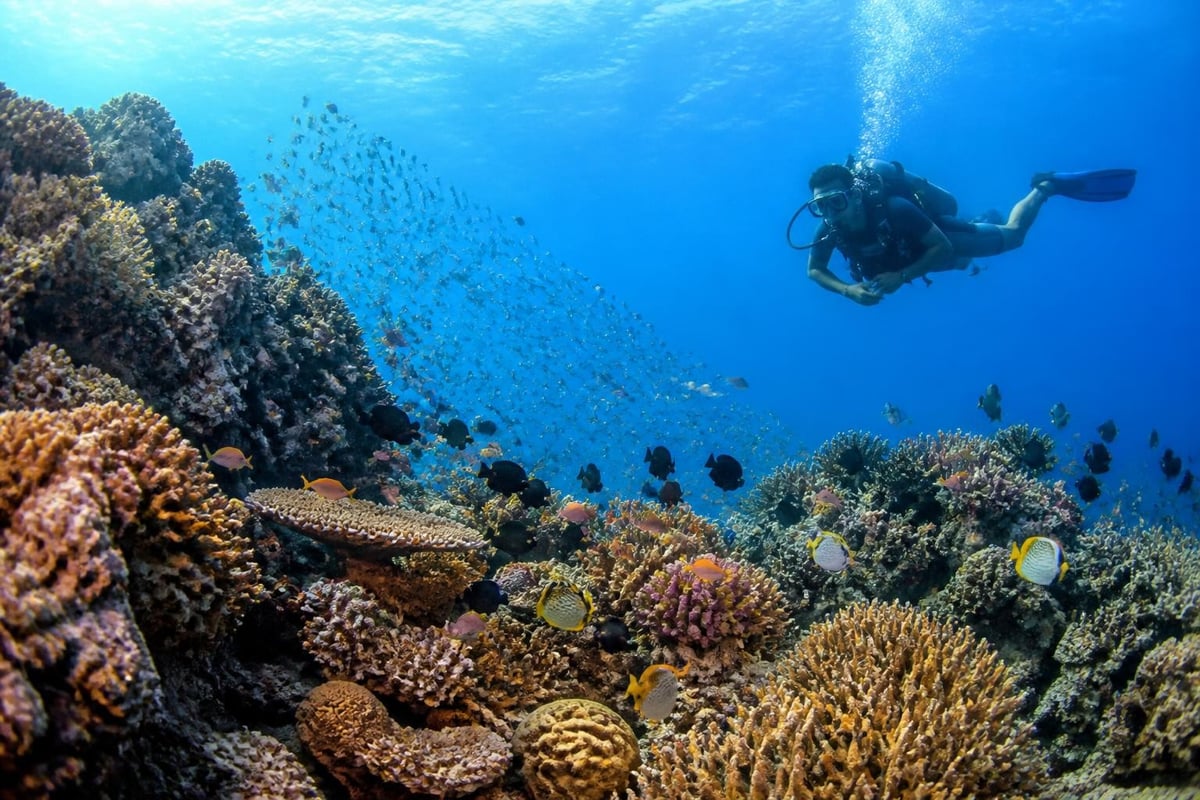
Vibrant reefs with abundant marine life define memorable diving. Look for destinations where conservation efforts protect underwater habitats and fish populations remain robust. Hard coral cover, fish density and the presence of apex predators signal ecosystem health.
Key biodiversity indicators include:
- Coral cover percentage and species diversity
- Fish biomass and schooling behaviour
- Presence of larger species like sharks, rays and turtles
- Endemic species found nowhere else
- Seasonal migrations or spawning events
Climate change impacts reef health worldwide, making it essential to research current conditions. The IPCC’s ocean reports document how warming waters affect coral systems and help divers understand long-term destination viability.
Dive Conditions and Accessibility
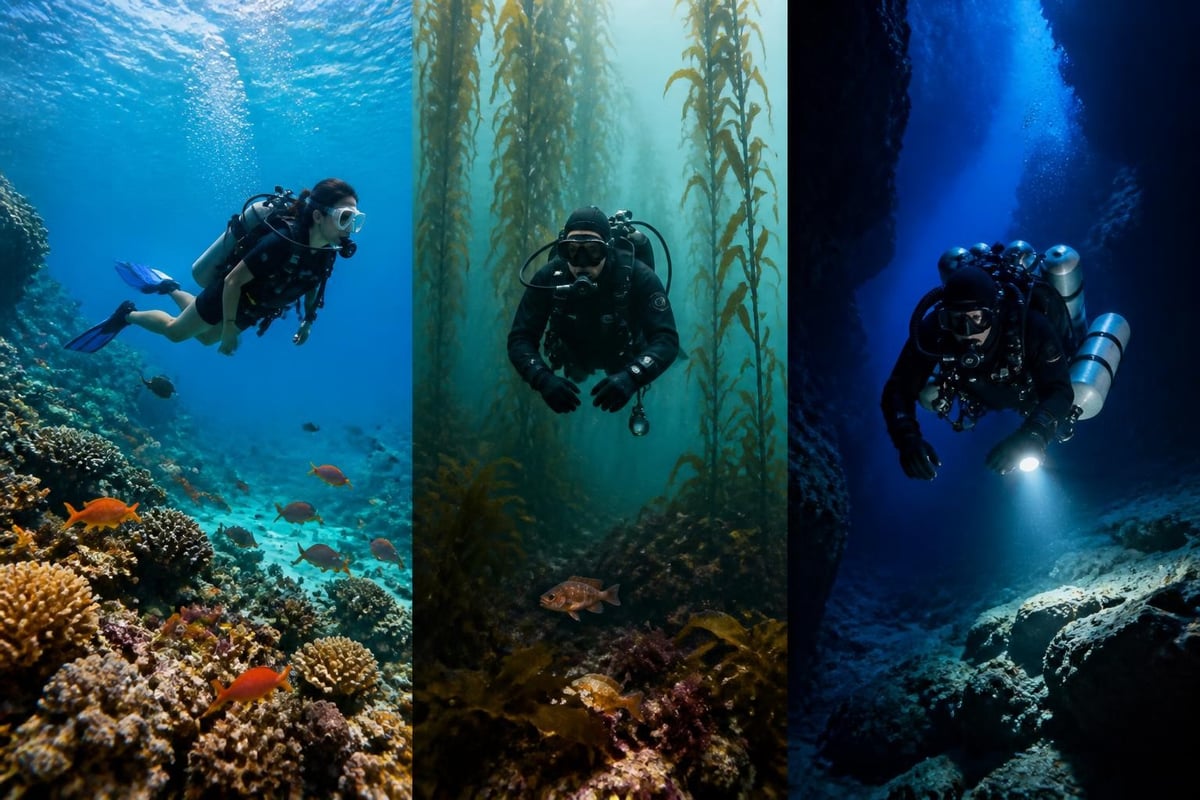
Water temperature, visibility, currents and seasonal weather patterns shape your diving experience. Tropical destinations typically offer warm water year-round, while temperate regions require exposure protection but reward divers with kelp forests and unique marine life.
| Condition | Tropical | Temperate | Technical |
|---|---|---|---|
| Water temp | 26-30°C | 10-18°C | Varies |
| Visibility | 15-40m | 5-20m | 10-40m |
| Wetsuit | 3mm | 7mm + hood | Drysuit |
| Experience | Beginner+ | Advanced | Expert |
Infrastructure matters too. Established scuba diving destinations provide quality dive centres, proper equipment maintenance, hyperbaric facilities and reliable boat operations. DAN’s dive trip planning guide covers essential safety considerations when evaluating any destination.
Top Tropical Scuba Diving Destinations
Warm-water destinations attract the majority of recreational divers, offering comfortable conditions and spectacular reef systems.
Southeast Asian Reef Systems
The Coral Triangle contains the highest marine biodiversity on Earth. Philippines diving delivers consistent year-round conditions, with destinations like El Nido in Palawan offering crystal-clear waters, dramatic underwater topography and rich marine life. Limestone karst formations create unique dive sites with walls, caverns and swim-throughs.
Indonesia's 17,000 islands provide endless diving possibilities. Raja Ampat showcases pristine reefs with the planet's highest recorded fish species count. Thailand's Similan Islands attract divers seeking large pelagics, while Malaysia's Sipadan Island offers barrel sponges and schooling barracuda.
Why Southeast Asia excels:
- Highest marine biodiversity globally
- Affordable diving compared to other regions
- Multiple destinations within one trip
- Year-round diving with seasonal variations
- Strong dive tourism infrastructure
Thailand, Indonesia and the Philippines continue ranking among the world's most popular scuba diving destinations for good reason. The combination of healthy reefs, diverse marine life and professional dive operations creates ideal conditions for underwater exploration.
Caribbean and Red Sea
The Caribbean offers easy diving with gentle conditions perfect for newer divers. Cozumel's drift diving takes you effortlessly along healthy reefs, while Bonaire's shore diving lets you explore at your own pace. The Cayman Islands provide wall diving and stingray encounters.
Egypt's Red Sea delivers spectacular reef diving with excellent visibility. Protected marine parks like Ras Mohammed showcase pristine coral gardens. Liveaboard diving expeditions access remote sites in the northern and southern Red Sea, encountering dolphins, sharks and schooling fish.
National Geographic highlights seven incredible scuba experiences that showcase global diving diversity, from tropical reefs to unique marine encounters.
Wreck Diving Destinations Worth Exploring
Historic shipwrecks transform scuba diving destinations into underwater museums. These artificial reefs attract marine life while offering glimpses into maritime history.
Pacific War Wrecks
Truk Lagoon in Micronesia holds the largest concentration of accessible shipwrecks anywhere on Earth. Over 50 Japanese ships and aircraft rest on the lagoon floor, slowly transforming into coral-encrusted habitats. Advanced divers explore cargo holds, engine rooms and aircraft cockpits.
Palau's wrecks range from shallow Japanese seaplanes to deeper war vessels. The combination of wreck diving and pristine reef diving makes Palau a bucket-list destination.
The Philippines offers wreck diving throughout its archipelago. Coron Bay features several Japanese supply ships sunk in 1944, now covered in soft corals and home to schools of fish. These wrecks sit in shallower water than Truk Lagoon's deeper vessels, making them accessible to intermediate divers.
Technical Wreck Sites
Deep wrecks challenge experienced technical divers with proper training and equipment. The Andrea Doria off Massachusetts, HMHS Britannic in Greece, and SS President Coolidge in Vanuatu attract technical divers seeking adventure beyond recreational limits.
| Wreck | Location | Depth | Level |
|---|---|---|---|
| USS Oriskany | Florida | 45-65m | Technical |
| SS Thistlegorm | Red Sea | 16-30m | Advanced |
| President Coolidge | Vanuatu | 20-70m | Recreational to Technical |
| Fujikawa Maru | Truk Lagoon | 6-34m | Intermediate |
Protected Marine Sanctuaries as Dive Destinations
Marine protected areas preserve critical habitats while offering outstanding diving. UNESCO World Heritage marine sites represent globally significant conservation areas, many of which welcome responsible divers.
National Marine Sanctuaries
The United States protects exceptional underwater environments through its National Marine Sanctuary system. NOAA’s sanctuary dive guide details diving opportunities across these protected waters, from Florida Keys coral reefs to California's kelp forests.
Flower Garden Banks in the Gulf of Mexico features the northernmost coral reefs in the continental United States. Channel Islands in California offers cold-water diving with giant kelp, sea lions and seasonal whale encounters.
International Marine Parks
Australia's Great Barrier Reef remains the world's largest reef system, though warming events have impacted coral health in some areas. Choosing operators committed to sustainable practices helps support conservation.
The Philippines designates marine protected areas throughout its waters. Tubbataha Reefs Natural Park, accessible only by liveaboard, protects pristine reefs with sharks, rays and turtles. El Nido's waters benefit from local conservation efforts that maintain healthy fish populations and coral cover.
Planning Your Dive Destination Trip
Successful dive trips require research and preparation beyond booking flights.
Matching Destination to Experience Level
Honest self-assessment prevents disappointment and safety issues. Beginning divers thrive in calm, shallow environments with excellent visibility. Strong currents, deep profiles and overhead environments require advanced skills and appropriate certification.
Consider starting with a Discover Scuba Diving experience if you haven't certified yet. This introductory programme lets you try scuba in controlled conditions before committing to full certification, helping you understand whether diving suits you before planning expensive destination trips.
Match these factors to your skills:
- Maximum depth comfort zone
- Current tolerance and experience
- Overhead environment training
- Equipment familiarity
- Recent diving activity
Seasonal Considerations
Timing affects conditions dramatically. Monsoon patterns influence Southeast Asian diving, with different regions experiencing optimal conditions at different times. The Philippines offers year-round diving, with specific months bringing calm seas to different coasts.
Pelagic encounters follow seasonal patterns. Manta rays congregate during specific months, whale sharks migrate through certain areas seasonally, and coral spawning events occur on predictable schedules.
Research your chosen scuba diving destinations thoroughly. Weather patterns, water temperature, marine life activity and tourist crowds all vary throughout the year. Shoulder seasons often provide excellent diving with fewer crowds and better value.
Emerging and Lesser-Known Destinations
Popular sites attract crowds for good reason, but emerging destinations offer adventure with fewer divers.
Pacific Island Nations
Solomon Islands diving remains relatively undiscovered despite spectacular reefs and war wrecks. Papua New Guinea offers pristine reef diving, unique critters and traditional cultures. These destinations require more travel time and planning but reward adventurous divers with uncrowded sites.
Fiji combines soft coral diving with cultural experiences. The Somosomo Strait channels nutrient-rich currents through vibrant reefs, creating extraordinary coral coverage that rivals anywhere in the Pacific.
Underrated Regional Gems
Mozambique's coastline offers excellent diving without crowds. Tofo Beach provides manta ray and whale shark encounters, while the Bazaruto Archipelago features pristine reefs and diverse marine life.
Sudan's Red Sea diving remains largely unknown despite spectacular reef systems. Liveaboard expeditions access remote sites with sharks, dolphins and pristine hard coral gardens.
The Philippines continues revealing new dive sites as infrastructure improves. Beyond the famous destinations, smaller islands offer exciting exploration opportunities. El Nido in Palawan exemplifies how lesser-known locations can deliver world-class diving without the crowds found at more established destinations.
Sustainable Dive Tourism
Supporting scuba diving destinations that prioritize conservation ensures these special places remain healthy for future generations.
Choose operators who:
- Follow sustainable diving practices
- Support local conservation initiatives
- Maintain proper waste management
- Employ local staff and guides
- Educate divers about marine ecology
- Limit group sizes and site visits
Small group sizes create better experiences while reducing environmental impact. Private charters allow customized itineraries that match your interests and skills while minimizing crowding at popular sites.
Combining Diving with Destination Experience
The best dive trips integrate underwater exploration with local culture, cuisine and landscapes.
Beachfront Dive Bases
Staying at waterfront accommodation puts you steps from the dive boat and creates a seamless diving holiday. Beachfront dive centres eliminate commuting time and let you enjoy the ocean between dives.
El Nido offers this convenient setup, where divers can stay beachfront and access boats directly from the beach. This arrangement maximizes diving time while providing a relaxed base between underwater adventures. Evening hours bring sunset views and ocean breezes, perfect for dive story swapping and trip planning.
Cultural and Natural Attractions
Many scuba diving destinations combine underwater wonders with topside experiences. The Philippines blends diving with island hopping, limestone karst exploration and local village visits. Indonesia offers diving alongside ancient temples, volcano trekking and rice terrace landscapes.
Egypt's Red Sea diving pairs with Luxor's pyramids and Nile cruises. Thailand combines diving with Bangkok's temples and northern mountain cultures. Research what each destination offers beyond diving to create a well-rounded trip.
Popular combination activities include:
- Island hopping and beach exploration
- Kayaking through lagoons and mangroves
- Hiking to viewpoints and waterfalls
- Cultural village visits
- Wildlife watching (birds, monkeys, other land species)
- Local cuisine and cooking experiences
Equipment and Logistics Considerations
Practical planning ensures smooth dive travel.
Travel Gear Decisions
Bringing your own equipment versus renting depends on several factors. Your own regulator, dive computer and mask ensure comfort and familiarity. Full gear sets add weight and baggage fees.
Quality dive centres maintain well-serviced rental equipment. Modern BCDs, regulators and wetsuits meet safety standards and perform reliably. Bringing your own mask, computer and dive light covers the most personal items while keeping luggage manageable.
Airlines apply specific rules for dive equipment. Regulators, BCDs and dive computers travel as checked baggage. Confirm current policies before packing, as fees and restrictions change.
Certification and Documentation
Carry your certification card, dive computer and logbook. Some scuba diving destinations require logged dives within the past six months or proof of recent diving activity. Advanced sites may request proof of specific certifications like deep diving or nitrox.
International travel requires valid passports with sufficient validity. Some countries require visas arranged in advance. Travel insurance should cover diving activities, as standard policies often exclude scuba diving.
Diving insurance through DAN or similar organizations provides evacuation coverage and hyperbaric treatment if needed. This protection proves invaluable at remote destinations far from medical facilities.
Health and Safety at Dive Destinations
Medical considerations affect destination choices.
Fitness Requirements
Scuba diving demands reasonable fitness. Cardiovascular health, respiratory function and ear equalization ability all matter. Certain medical conditions require physician clearance before diving.
Altitude exposure after diving affects decompression safety. Flying too soon after diving increases DCS risk. PADI and other agencies recommend 18-24 hour surface intervals before flying after multiple days of diving.
Remote scuba diving destinations may lack recompression chambers and advanced medical care. Consider proximity to hyperbaric facilities when planning trips, especially technical diving expeditions.
Environmental Hazards
Different regions present specific hazards. Box jellyfish appear seasonally in some tropical waters. Stone fish and scorpion fish deliver venomous wounds. Fire coral and sea urchins cause painful stings.
Strong currents challenge less experienced divers. Down currents require specific techniques and experience to handle safely. Surge zones near walls and caverns create disorientation risks.
Education and awareness prevent most incidents. Listen to local dive guides, follow briefings carefully and dive within your training and experience limits. Every scuba diving destination presents unique conditions requiring local knowledge.
Making the Most of Multi-Destination Trips
Strategic planning lets you experience multiple locations efficiently.
Regional Diving Circuits
Southeast Asia allows easy multi-country itineraries. Fly into Manila or Bangkok, then reach multiple destinations via short flights or ferries. Three weeks covers two or three distinct dive regions without excessive travel time.
The Caribbean islands connect through regular flights and ferry services. Combine different island diving styles in one trip, from wall diving in Cayman to wreck diving in Curaçao.
Liveaboard Expeditions
Dive liveaboards access remote sites impossible as day trips. Multi-day expeditions maximize diving time and reach pristine locations with fewer visiting divers. You'll complete three to four dives daily while the boat moves between sites overnight.
Liveaboards suit experienced divers comfortable with repetitive diving and limited topside activities. Group sizes vary, with smaller boats offering more personalized service. Research vessels carefully, as quality and safety standards differ significantly.
The world's scuba diving destinations offer incredible diversity, from shallow tropical gardens to deep technical wrecks, each with unique marine life and diving conditions. Careful destination selection matching your skills, interests and travel style creates memorable underwater adventures.
Ready to explore El Nido's pristine reefs and dramatic underwater landscapes? Palawan Diving offers expert guidance, quality equipment and professional instruction for divers of all levels. Whether you're earning your first certification or planning private charters to remote sites, our experienced team ensures safe, unforgettable diving experiences in one of the Philippines' most beautiful destinations.