A dive book is more than just a record of underwater adventures. It's a personal journal that tracks your growth as a diver, documents memorable marine encounters, and serves as an official record for certification, insurance, and future dive planning. Whether you're planning your first dive in El Nido's crystal-clear waters or you're a seasoned diver logging your hundredth dive, maintaining a detailed dive book is an essential practice that enhances safety, preserves memories, and opens doors to advanced diving opportunities.
Why Every Diver Needs a Dive Book
Your dive book functions as both a legal document and a personal diary. Dive operators worldwide require proof of recent diving activity before allowing you to join expeditions, especially to challenging sites with strong currents or deeper depths. Without a properly maintained dive book, you may face limitations on where you can dive or be required to complete refresher training.
Beyond the practical requirements, a dive book offers valuable benefits:
- Tracks skill progression and identifies areas for improvement
- Documents equipment configurations that worked well in different conditions
- Records marine life sightings for personal reference and citizen science
- Provides critical information for medical professionals in case of diving incidents
- Creates a timeline of diving experiences to share with fellow enthusiasts
Insurance companies and medical professionals also rely on dive book records when assessing dive-related incidents. The NOAA Diving Standards & Safety Manual emphasizes the importance of accurate dive logging for both recreational and professional divers. These records help identify patterns that might contribute to decompression illness or other diving-related medical issues.
Legal and Safety Documentation
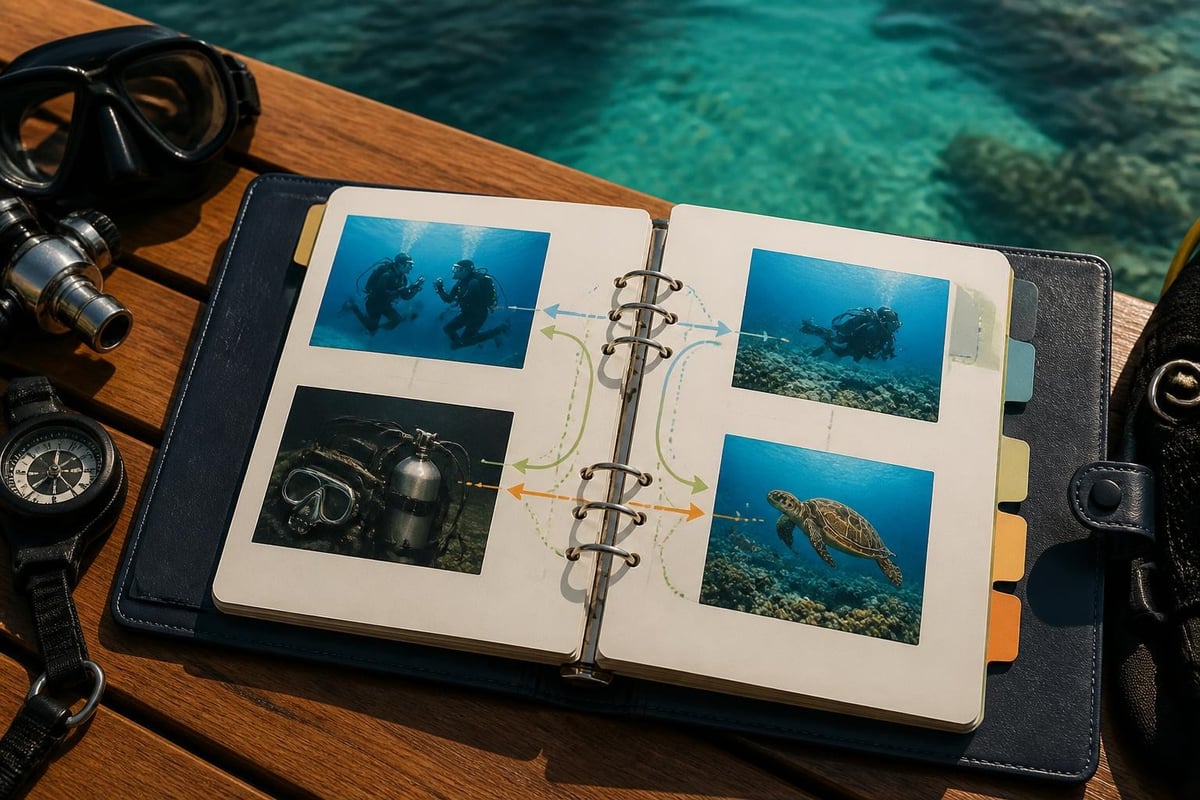
Your dive book serves as an official record that may be requested by dive operators, insurance providers, or medical professionals. After completing certification courses, your instructor signs and stamps your dive book to verify you've met training standards. These signatures carry legal weight and confirm your qualifications.
In the Philippines, dive operators must maintain records of who dives from their boats. Your personal dive book complements these official records and provides a backup if operator records are lost or inaccessible. When diving in protected marine areas around Palawan, your dive book can also document compliance with local regulations and conservation guidelines.
What to Include in Your Dive Book
A comprehensive dive book captures far more than just dive numbers and depths. The most useful dive books include detailed information that helps you learn from each underwater experience and plan future dives more effectively.
Essential Information for Every Dive
Each dive entry should contain core data that provides a complete picture of the underwater excursion. This baseline information allows you to compare dives, identify patterns, and make informed decisions about future diving.
| Category | Details to Record |
|---|---|
| Basic Data | Date, time in/out, dive site name, GPS coordinates |
| Environmental | Water temperature, visibility, current strength, weather |
| Technical | Maximum depth, bottom time, surface interval, tank pressure start/end |
| Equipment | Wetsuit thickness, weight used, tank size, computer model |
| Conditions | Sea state, surge, thermoclines, underwater hazards |
Beyond these basics, note the dive boat or shore entry point, your buddy's name, and the dive guide who led the group. In El Nido, where dive sites range from sheltered lagoons to exposed pinnacles, recording environmental conditions helps you understand which sites suit different weather patterns.
Marine Life and Underwater Observations
The marine life section of your dive book transforms it from a logbook into a nature journal. Recording species sightings helps you remember special encounters and contributes to your knowledge of local ecosystems. Note not just what you saw, but the behavior you observed.
Key observations to document:
- Species names (common and scientific when known)
- Approximate numbers and sizes
- Behavior patterns (feeding, mating, cleaning stations)
- Unusual sightings or rare species
- Coral health and diversity
When diving El Nido's spectacular reefs, you might encounter green sea turtles grazing on seagrass, schools of barracuda circling offshore pinnacles, or nudibranchs hiding among soft corals. Recording these sightings builds a personal reference guide that enriches future dives. National Geographic’s underwater photography guidance suggests pairing photos with detailed notes to create a complete record of marine encounters.
Skills Practiced and Lessons Learned
Each dive offers opportunities to practice skills or learn something new. Dedicating space in your dive book for personal observations helps you grow as a diver and remember valuable lessons.
After a dive where you practiced buoyancy control near delicate corals, note what techniques worked and which areas need improvement. If you struggled with ear equalization during descent, record the depth where problems occurred and strategies you tried. This information becomes invaluable for your instructor during continuing education courses or when troubleshooting recurring challenges.
Traditional Paper Dive Books vs Digital Logging
The choice between paper and digital dive books comes down to personal preference, diving style, and how you plan to use your records. Many divers use both systems, maintaining a paper book for official signatures while keeping detailed digital records for analysis and sharing.
Paper Dive Book Advantages
Traditional paper dive books offer tangibility and universal acceptance. Every dive operator recognizes a stamped paper logbook, and you don't need batteries or internet connectivity to access your records. The physical act of writing can also help you remember details and reflect on experiences more deeply.
Paper dive books excel at:
- Collecting instructor and dive guide signatures
- Functioning in remote locations without power
- Providing a backup when technology fails
- Creating a keepsake that doesn't depend on software companies
- Meeting traditional certification requirements
Dive centers in El Nido typically expect to see a paper dive book when assessing experience levels. The worn pages and stamps from dive shops around the world tell a story that digital records cannot replicate. Some divers treasure their paper dive books as much as photo albums, flipping through pages to relive adventures from years past.
Digital Dive Book Benefits
Digital dive book platforms offer powerful features that paper cannot match. Automatic integration with dive computers eliminates transcription errors and captures detailed profile data for every dive. Cloud backup ensures you never lose your records, even if equipment is damaged or stolen.
Modern digital dive book applications provide:
- Automatic data import from most dive computers via Bluetooth
- GPS mapping of dive sites with satellite imagery and coordinates
- Photo integration that links images to specific dives
- Statistical analysis of depths, times, and dive patterns
- Social features to share logs with friends and dive buddies
- Marine life databases for easy species identification
Digital platforms also simplify record-keeping for frequent divers. Instead of carrying multiple paper logbooks on extended dive trips, all your data lives in your phone or tablet. When you return to a dive destination years later, you can quickly review previous dives at the same sites and remember what to expect.

How to Maintain Your Dive Book Properly
Consistent, accurate record-keeping transforms a dive book from a bureaucratic requirement into a valuable resource. Developing good logging habits early in your diving journey makes the process automatic and ensures you capture important details before they fade from memory.
Logging Immediately After Each Dive
The best time to complete your dive book entry is during the surface interval or immediately after returning to shore. Details like exact entry and exit times, maximum depth, and specific observations remain fresh in your mind. Waiting until evening or the next day leads to forgotten details and merged memories from multiple dives.
On dive boats around El Nido, you'll find experienced divers filling in their dive books between dives while enjoying snacks and discussing what they saw. This social aspect of logging often sparks conversations about marine life identification and dive site features you might have missed. Your dive guide can verify site names, confirm depths, and help identify unusual species while details are still clear.
Getting Verification and Stamps
Instructor and dive guide signatures add credibility to your dive book and verify that logged dives actually occurred. Most dive operators stamp and sign logbooks free of charge as part of their service. Don't be shy about asking your guide to sign your book after a fun dive or requesting your instructor's stamp after completing training.
For certification dives and courses, signatures are mandatory and serve as legal proof of completion. Keep these entries especially neat and ensure all required information is filled in before requesting the signature. A well-maintained certification record section helps when progressing to advanced courses or applying for professional-level training.
When diving with operations like Submariner Diving Center, guides are happy to verify your dives and provide stamps. Building a collection of stamps from different dive centers creates a visual record of your diving journey across different regions and countries.
Handling Errors and Updates
Mistakes happen, even in carefully maintained dive books. Cross out errors with a single line, initial the correction, and write the correct information nearby. Never completely obscure original entries or tear out pages. These alterations raise questions about accuracy and may invalidate the record for insurance or medical purposes.
If you discover an error days after logging a dive, add a dated note in the margin explaining the correction rather than attempting to modify the original entry. This maintains the integrity of your records while ensuring accuracy. Digital dive books make corrections easier, but keep old versions archived rather than deleting them completely.
Advanced Dive Book Organization
As your diving experience grows, your dive book evolves from a simple log into a sophisticated reference system. Organizing information strategically makes it easy to find specific dives, track certifications, and analyze your progression over time.
Categorizing Dives by Type and Purpose
Grouping dives by category helps you quickly reference specific experiences. Create sections or use color coding to distinguish between training dives, guided fun dives, shore dives, deep dives, and specialty dives like wreck or night diving.
Common dive categories to track separately:
- Certification dives (Open Water, Advanced, specialties)
- Checkout dives (first dives in new equipment or after breaks)
- Photography dives (focused on underwater imaging)
- Conservation dives (reef cleanups, surveys, research)
- Exploration dives (new sites, solo adventures, expeditions)
This organization proves especially valuable when preparing for advanced courses. Instructors often ask to see evidence of specific dive types (night dives, deep dives, navigation dives) before enrolling you in courses. Having these categorized makes verification quick and demonstrates your varied experience.
Tracking Equipment Configurations
Recording which equipment you used on each dive creates a valuable reference for future dive planning. Note wetsuit thickness, weight amounts, tank size, and any specialty gear like cameras or lights. This data helps you quickly configure equipment for similar conditions.
| Water Temp | Wetsuit | Weight (kg) | Tank Type | Notes |
|---|---|---|---|---|
| 28°C | 3mm shorty | 2 | AL80 | Perfect thermal comfort |
| 26°C | 3mm full | 3 | AL80 | Slight chill at depth |
| 27°C | 3mm full | 2.5 | AL80 | Good buoyancy control |
When you return to similar dive sites or conditions, these notes eliminate guesswork. Instead of experimenting with weight each dive, you know exactly what worked before. This becomes especially important when diving in different locations where water salinity and equipment types vary.
Creating Marine Life Indices
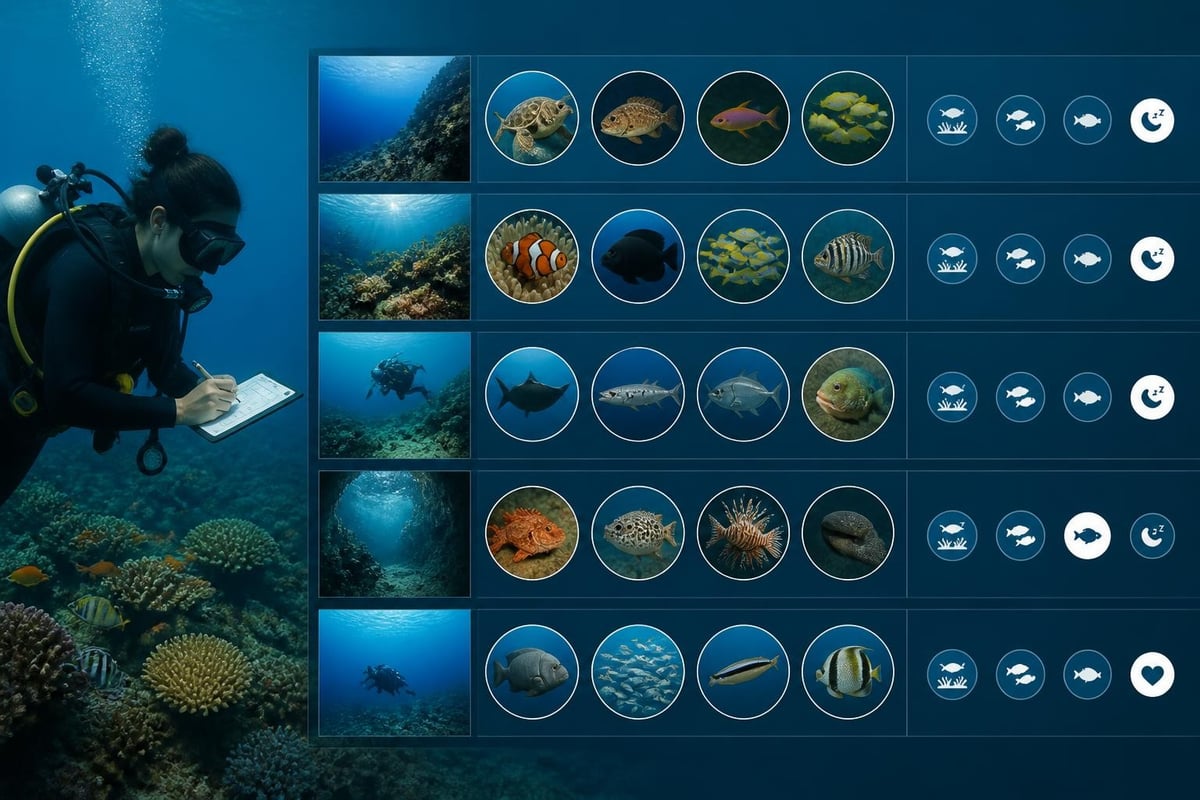
Serious underwater naturalists maintain separate indices of marine species observed, organized by taxonomy or alphabetically. Each time you spot a species, note the dive number and site in the index. This system lets you quickly find all encounters with specific animals.
An index might list "Green Sea Turtle" with entries like "Dive #47 (South Miniloc), Dive #52 (Helicopter Island), Dive #68 (Dilumacad Wall)." Over time, this creates a personal field guide showing where you're most likely to encounter favorite species. Some divers expand their indices to include behavior notes, size ranges, and seasonal patterns.
Using Your Dive Book for Planning Future Dives
A well-maintained dive book becomes a powerful planning tool for future underwater adventures. The patterns and insights hidden in your logs guide you toward new experiences while helping you avoid repeating less enjoyable dives.
Identifying Favorite Conditions and Sites
Review your dive book periodically to identify which conditions and locations delivered the most memorable experiences. You might discover that your best visibility occurred during specific months, or that you consistently enjoy drift dives more than anchored reef dives.
Patterns to look for when analyzing your dive book:
- Seasonal variations in water temperature, visibility, and marine life
- Site characteristics that enhance your enjoyment (depth ranges, topography types)
- Time of day preferences for marine life activity
- Current strength that matches your comfort level
- Group size impact on dive quality and stress levels
These insights help you make informed decisions when booking future dive trips. If your dive book reveals that you've loved every wall dive but found shallow reef dives less engaging, you can specifically request wall diving sites when traveling to new destinations. Understanding your preferences makes every dive more likely to be memorable.
Setting Progressive Goals
Your dive book provides concrete data for setting achievable diving goals. Maybe you've logged 25 dives and want to reach 50 by year-end, or you've dived to 25 meters and want to build experience at 30 meters. Having numerical targets creates motivation and structure for your diving development.
Beyond numbers, use your dive book to identify skill gaps. If you notice you've never dived in currents stronger than light, set a goal to gradually experience moderate currents with experienced guides. If your marine life observations reveal you struggle identifying fish families, commit to learning five new species each month. Progressive goals transform diving from random recreation into purposeful skill development.
For travelers planning extended stays in El Nido, tracking dive numbers helps you take advantage of package deals that reward frequent diving. Many operations offer discounted rates for multiple-dive packages, and your dive book helps you project how many dives you'll realistically complete during your visit.
Medical and Safety Considerations in Your Dive Book
Beyond recreation and certification, your dive book serves critical safety and medical functions. Accurate records help physicians diagnose dive-related medical issues and assist researchers studying decompression illness patterns. The NOAA diving medicine program emphasizes how dive logs support medical monitoring and incident investigation.
Recording Health Information and Incidents
Dedicate a section of your dive book to medical information relevant to diving fitness. Record the date of your most recent dive physical, any medications you take regularly, and known health conditions your dive buddies should be aware of. In an emergency, this information helps responders provide appropriate care.
If you experience any unusual symptoms during or after diving, document them immediately with detailed notes. Even minor issues like skin irritation, ear discomfort, or fatigue deserve recording. Patterns of recurring symptoms may indicate underlying problems that deserve medical attention before they escalate into serious injuries.
Critical medical entries to maintain:
- Date and results of most recent dive medical examination
- Chronic conditions affecting dive safety (asthma, diabetes, ear problems)
- Medications taken regularly and timing relative to dives
- Allergies to marine life, medications, or equipment materials
- Previous diving injuries or decompression illness episodes
The German Medical Science guidelines for diving accidents detail how accurate dive profiles and symptom documentation aid diagnosis and treatment. Your dive book might provide the timeline that helps emergency physicians distinguish between decompression sickness and other medical conditions.
Dive Accident and Incident Reporting
In the unfortunate event of a diving accident or near-miss incident, your dive book becomes a crucial source of factual information. Immediately record everything you remember: who was involved, what happened, environmental conditions, depths, times, and actions taken. This contemporaneous account is far more reliable than memories recalled days or weeks later.
Near-miss incidents deserve the same detailed documentation as actual accidents. Recording a situation where you accidentally exceeded depth limits or surfaced too quickly without consequences helps you learn from mistakes and identify patterns that might lead to more serious problems. Organizations like Divers Alert Network use anonymized incident reports to improve diver safety worldwide.
When diving in protected areas or national parks, follow guidance from resources like the National Park Service diving standards regarding incident documentation and reporting requirements. Some locations require specific forms or notifications when accidents occur on their sites.
Dive Books for Special Interest Diving
Specialized diving activities benefit from customized dive book sections that capture relevant details beyond standard recreational logging. Technical divers, underwater photographers, wreck divers, and marine researchers each have unique documentation needs.
Technical and Deep Diving Records
Technical divers need far more detailed records than recreational divers. Multiple gas switches, decompression stops, and equipment redundancy all require careful documentation. Technical dive books include sections for gas blends, switch depths, planned versus actual decompression schedules, and equipment configuration diagrams.
For deep diving beyond recreational limits, record conservatism factors used in computer calculations, surface support procedures, and any deviations from the dive plan. These details prove invaluable when planning similar dives or investigating why certain profiles felt comfortable while others caused fatigue. Nitrox divers should track maximum operating depths and oxygen percentages for each tank used.
Underwater Photography Dive Logs
Underwater photographers maintain detailed records linking photos to specific dive conditions. Note camera settings, strobe positions, subject distances, and lighting conditions that produced successful images. Record frame numbers or file names alongside dive entries so you can match photos to locations and conditions years later.
Create a simple table in your dive book for photo-focused entries:
| Frame # | Subject | Settings | Distance | Lighting | Result |
|---|---|---|---|---|---|
| 0145-0152 | Nudibranch | f/16, 1/125 | 30cm | Twin strobes 1/2 | Sharp, good color |
| 0167-0189 | Schooling fish | f/8, 1/250 | 2m | Natural light | Backlit, blue tone |
This system helps you learn which techniques work in different situations and builds your skills faster than trial and error alone. When you return to the same sites, your notes guide camera setup choices before you even enter the water.
Archaeological and Wreck Diving Documentation
Divers exploring historical wrecks or archaeological sites carry special documentation responsibilities. The UNESCO guidelines for underwater cultural heritage emphasize non-disturbance and careful recording of observations. Your dive book should note the condition of artifacts, visible deterioration, and any human impacts observed.
Never remove items from wreck sites or archaeological locations. Instead, photograph objects in place and record their positions relative to ship features. If you discover previously unidentified artifacts or wreckage, note GPS coordinates and report findings to appropriate authorities. Your dive book becomes a research document that contributes to maritime history and archaeology.
Building a Complete Diving Portfolio
Your dive book forms the foundation of a comprehensive diving portfolio that documents your underwater journey. Combine it with certifications, photos, and digital records to create a complete picture of your experiences and qualifications.
Integrating Certifications and Training
Keep all certification cards together and maintain a summary page in your dive book listing courses completed, certification numbers, and instructor details. When agencies issue replacement cards or digital certifications, having backup records prevents delays in verifying qualifications.
As you progress through specialty courses, create dedicated sections for each new skill area. Your Advanced Open Water certification might include five adventure dives across different specialties. Document which instructors taught each component and record observations from training dives separately from fun dives.
Continuing education never ends in diving. Your dive book should reflect ongoing learning through workshops, seminars, equipment training, and skills practice. These informal educational experiences often prove as valuable as formal certifications.
Connecting with the Diving Community
Share your dive book experiences with fellow divers to build connections and learn from others' observations. Many diving communities organize logbook reviews where members discuss interesting sightings, compare notes on sites, and share lessons learned from challenging dives.
Online diving forums and social media groups welcome dive book entries that contribute useful information about sites, conditions, and marine life patterns. Your detailed observations help future visitors plan better dives and understand seasonal variations. When contributing to community knowledge, your dive book transforms from personal record to shared resource.
Consider contributing dive observations to citizen science projects studying coral health, fish populations, or climate impacts on marine ecosystems. Organizations conducting research in Palawan waters sometimes recruit recreational divers to report standardized observations. Your dive book provides the baseline data these projects need.
Maintaining a detailed dive book enriches every aspect of your diving journey, from safety and certification to personal memories and skill development. Whether you choose traditional paper logs, digital platforms, or a combination of both, consistent documentation transforms random underwater excursions into a meaningful progression of learning and exploration. Ready to create new entries in your dive book? Palawan Diving offers diverse diving experiences around El Nido, from beginner-friendly reef dives to challenging deep walls, all guided by experienced professionals who understand the value of well-documented diving adventures.