Scuba diving in Coron Palawan ranks among the world's premier dive destinations, known primarily for its exceptional collection of World War II Japanese shipwrecks resting in warm, clear waters. Located in the northern part of Palawan province, Coron offers a unique underwater landscape where history meets vibrant marine ecosystems. The wrecks range from shallow gunboats suitable for beginners to deep penetration dives for technical divers, while surrounding reefs host an impressive array of tropical fish, corals, and larger pelagic species. Whether you're drawn to the haunting beauty of sunken vessels or the colorful life on coral walls, Coron delivers world-class diving accessible to most certification levels.
Why Coron is Special for Divers
The Japanese fleet sunk by American aircraft in September 1944 created an underwater museum unlike any other in Southeast Asia. These wrecks sit in relatively shallow water (12-40 meters), making them accessible to recreational divers with proper training and experience.
What makes scuba diving in Coron Palawan unique:
- Over a dozen diveable WWII wrecks in excellent condition
- Water temperatures averaging 26-29°C year-round
- Visibility typically ranging from 10-25 meters
- Mix of wreck diving and pristine coral reef sites
- Barracuda lakes and other unusual freshwater/saltwater dive sites
- Strong dive infrastructure with experienced operators
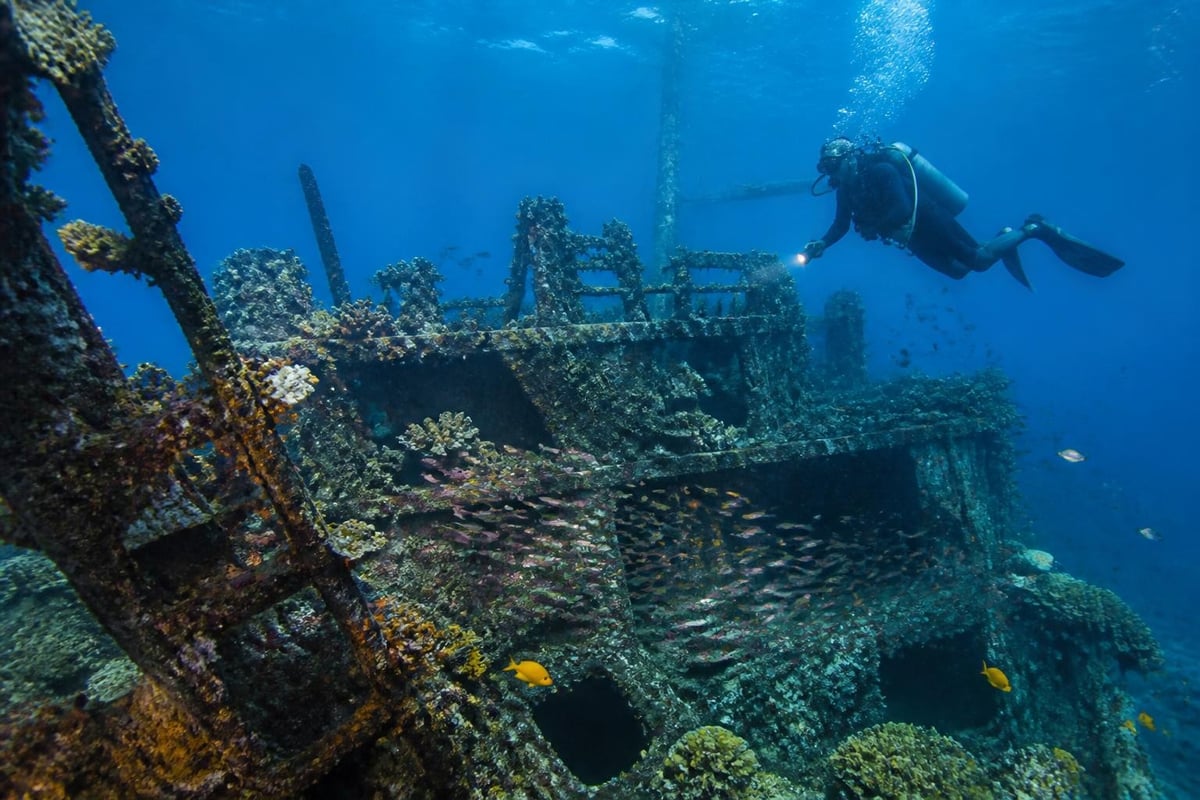
The wrecks have transformed into artificial reefs, encrusted with colorful corals and sponges, creating habitats for countless fish species. Swimming through the cargo holds of supply ships or along the decks of gunboats provides an unforgettable blend of adventure and history.
The Must-Dive Wreck Sites
Skeleton Wreck (Olympia Maru)
This Japanese freighter sits upright at 18-25 meters, making it perfect for intermediate divers. The wreck earned its nickname from the skeletal remains found when first explored, though these have since been properly laid to rest. You'll explore cargo holds filled with construction materials, swim through corridors, and observe how marine life has colonized every surface.
The Skeleton Wreck offers excellent penetration opportunities with multiple entry and exit points. Expect to see schools of snappers, sweetlips, and occasional turtles cruising past the superstructure.
Irako (Shipwreck)
At 35-42 meters, the Irako appeals to advanced divers seeking deeper wreck experiences. This refrigeration ship carried supplies for the Japanese fleet and now rests on a sandy bottom.
Key features:
- Massive structure spanning over 140 meters
- Intact engine room accessible to properly trained divers
- Abundant soft corals covering the hull
- Frequent sightings of lionfish, scorpionfish, and groupers
- Requires advanced certification and wreck training
The depth and size mean most dives focus on specific sections rather than circumnavigating the entire vessel.
Akitsushima (Seaplane Tender)
This unique vessel served as a seaplane tender and features a distinctive crane once used to lift aircraft from the water. Sitting at 18-38 meters, it accommodates various certification levels depending on which sections you explore.
The shallower superstructure and crane area suit advanced open water divers, while the deeper engine room requires additional training. The Akitsushima hosts impressive schools of batfish and barracuda that circle the wreck, creating memorable wide-angle photography opportunities.
| Wreck Name | Depth Range | Difficulty | Highlights |
|---|---|---|---|
| Skeleton Wreck | 18-25m | Intermediate | Easy penetration, cargo holds |
| Irako | 35-42m | Advanced | Deep wreck, engine room |
| Akitsushima | 18-38m | Intermediate to Advanced | Seaplane crane, batfish schools |
| East Tangat Gunboat | 12-22m | Beginner to Intermediate | Shallow wreck, reef fish |
| Kogyo Maru | 22-34m | Advanced | Intact construction, bulldozers |
Reef Diving Beyond the Wrecks
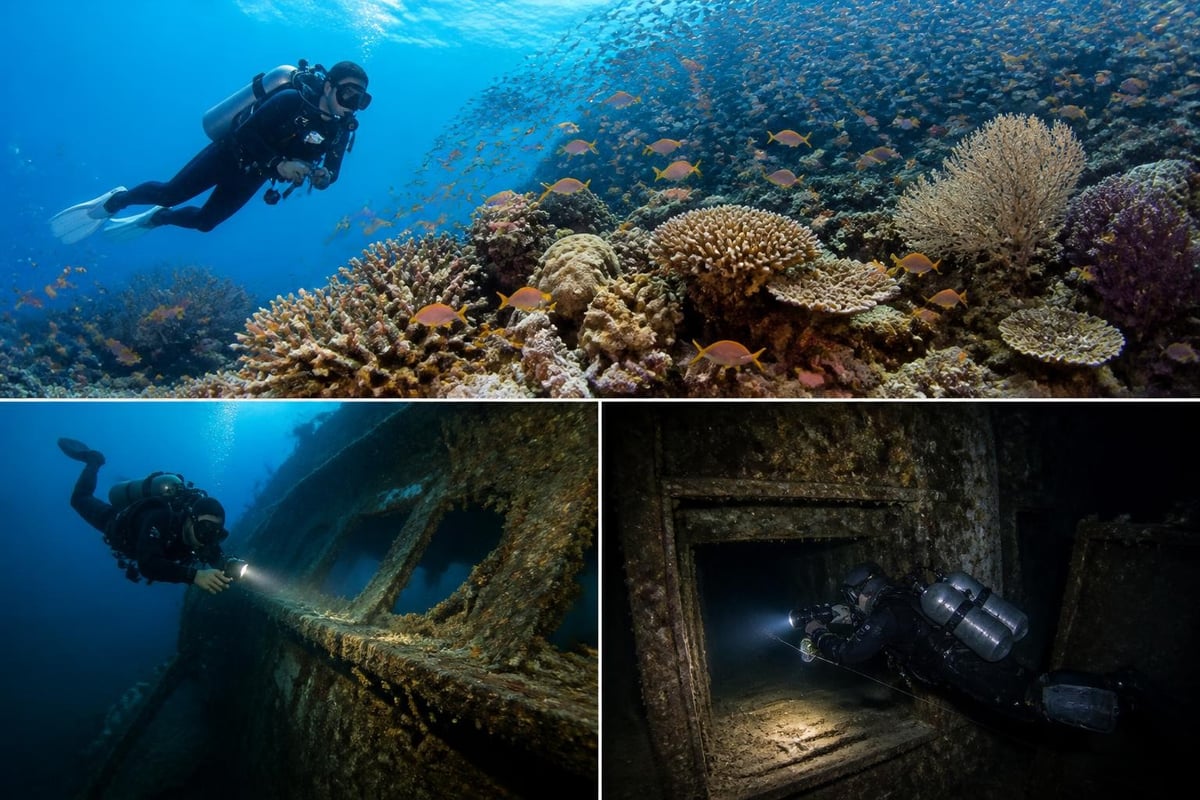
While wrecks dominate Coron's reputation, the reef diving deserves equal attention. These sites provide variety between wreck dives and showcase Palawan's healthy coral ecosystems.
Siete Pecados
Seven small limestone islets create a marine park with shallow reefs (5-18 meters) perfect for all certification levels. The site features hard and soft corals, swim-throughs between rocky formations, and diverse fish life including parrotfish, angelfish, and butterflyfish.
Siete Pecados works excellently for check dives, training courses, or relaxing afternoon dives. The shallow depths make it suitable for newer divers building confidence before tackling wrecks.
Barracuda Lake
This unusual dive combines freshwater and saltwater layers separated by a distinct thermocline. Divers experience dramatic temperature changes as they descend through crystal-clear freshwater into warmer saltwater below.
The lake sits in a volcanic crater surrounded by limestone cliffs. While marine life remains limited, the unique geological features and swimming through different water temperatures create a memorable experience. Maximum depth reaches about 40 meters in certain sections.
Coral Garden
Located near the town proper, Coral Garden delivers exactly what its name promises. Sloping reefs from 5-25 meters showcase healthy coral coverage, particularly impressive given the site's accessibility.
Common sightings include:
- Clownfish in anemone gardens
- Nudibranchs and flatworms
- Blue-spotted stingrays on sandy patches
- Occasional cuttlefish and octopus
- Clouds of anthias and chromis
This site proves ideal for night diving, when nocturnal creatures emerge and corals extend their feeding polyps.
Best Time for Scuba Diving in Coron Palawan
Coron operates year-round, though conditions vary with the seasons. Understanding these patterns helps you choose the optimal time for your diving priorities.
Dry season (November to May):
- Calmest seas and best visibility
- Peak tourist season, especially December-February
- March-May brings warmest water temperatures
- Higher accommodation rates during holidays
Wet season (June to October):
- Occasional rain and rougher surface conditions
- Generally still diveable most days
- Fewer crowds and better accommodation deals
- September-October sees the most rainfall
Most divers prefer visiting between December and April when conditions are most consistent. However, I've enjoyed excellent scuba diving in Coron Palawan during the wet season when typhoons aren't active in the region.
Water visibility depends more on recent weather than the season. After heavy rains, runoff can temporarily reduce visibility near shore, though deeper wreck sites remain largely unaffected.
What Certification Do You Need?
The minimum requirement for scuba diving in Coron Palawan is an Open Water certification from a recognized training agency (PADI, SSI, etc.). However, different sites suit different experience levels.
Beginner-Friendly Sites
- Siete Pecados Marine Park
- Coral Garden (shallow sections)
- East Tangat Gunboat
- Lusong Coral Garden
Intermediate Sites (Advanced Open Water recommended)
- Skeleton Wreck
- Akitsushima (superstructure)
- Twin Peaks Reef
- Barracuda Lake
Advanced/Technical Sites
- Irako deep sections
- Kogyo Maru penetration
- Olympia Maru deep cargo holds
- Akitsushima engine room
Many operators offer wreck specialty courses in Coron, teaching proper penetration techniques, line-laying, and safety protocols specific to overhead environments. This training significantly enhances your wreck diving experience while maintaining appropriate safety margins.
If you're new to diving or haven't dived recently, consider a refresher course before tackling the wrecks. The combination of depth, penetration, and overhead environments requires solid fundamental skills.
Marine Life Encounters
While Coron's wrecks take center stage, the marine biodiversity shouldn't be overlooked. The artificial reef ecosystems created by the shipwrecks attract species you might not expect.
Commonly spotted marine life:
- Schools of jacks, trevally, and barracuda
- Lionfish and scorpionfish (everywhere on wrecks)
- Batfish around the Akitsushima
- Sea turtles cruising past wreck sites
- Moray eels in crevices and portholes
- Octopus hiding in cargo holds
- Nudibranchs on reef sites
Larger pelagics occasionally cruise by, including tuna and small reef sharks, though Coron isn't primarily known for big fish encounters. The focus remains on wreck exploration and the rich diversity of smaller reef species that have colonized these artificial habitats.
Night dives reveal different creatures, with Spanish dancers, hunting octopus, and sleeping parrotfish becoming the main attractions. The wrecks take on an entirely different character in the darkness, with only your torch beam revealing the encrusted surfaces and nocturnal hunters.
Practical Diving Logistics
Getting There
Coron Town sits on Busuanga Island, accessible by daily flights from Manila (approximately 45 minutes). The airport lies about 30-40 minutes by van from Coron town center, where most dive operators and accommodation are located.
Some travelers combine diving experiences across Palawan, visiting both Coron and El Nido in a single trip. While these destinations are both in Palawan, they're several hours apart, with most travelers choosing to fly or take ferry connections.
Dive Operations
Coron hosts numerous dive centers with varying standards of equipment, boat quality, and safety protocols. Look for operators with:
- Modern, well-maintained equipment
- Small group sizes (maximum 4-6 divers per guide)
- Experienced guides familiar with wreck diving
- Proper oxygen and first aid equipment on boats
- Clear safety briefings before each dive
Most dive centers offer daily boat dives departing around 8:00-8:30 AM, with a surface interval on a nearby beach between dives. Two-tank dive packages are standard, with three-dive days available for enthusiastic divers.
Costs and Budgeting
Expect to pay approximately:
- Two-tank fun dives: $50-70 USD
- Three-tank days: $75-95 USD
- Wreck specialty course: $250-300 USD
- Equipment rental (full set): $25-35 USD per day
- Nitrox (when available): $8-12 USD per tank
Prices vary between operators, with higher-end dive centers charging premium rates for smaller groups and newer equipment.
Diving Coron vs. El Nido
Many travelers wonder whether to dive Coron or El Nido when planning their Palawan diving adventure. Both destinations offer excellent underwater experiences with different focuses.
Coron strengths:
- World-class wreck diving
- Unique WWII historical sites
- Barracuda Lake and unusual dive sites
- Established wreck diving infrastructure
El Nido strengths:
- Pristine coral walls and dramatic topography
- Less crowded dive sites
- Better visibility on average
- More diverse reef ecosystems
- Excellent for underwater photography of reefs
While Palawan diving opportunities span the entire province, Coron specializes in wreck diving while El Nido focuses on reef diving and dramatic underwater landscapes. If wrecks fascinate you and you have appropriate certification, Coron delivers an unmatched experience. If pristine coral reefs and walls appeal more, El Nido might suit your preferences better.
Serious divers often visit both destinations, allocating 3-4 days for each to experience the full spectrum of what Palawan offers underwater.
Safety Considerations for Wreck Diving
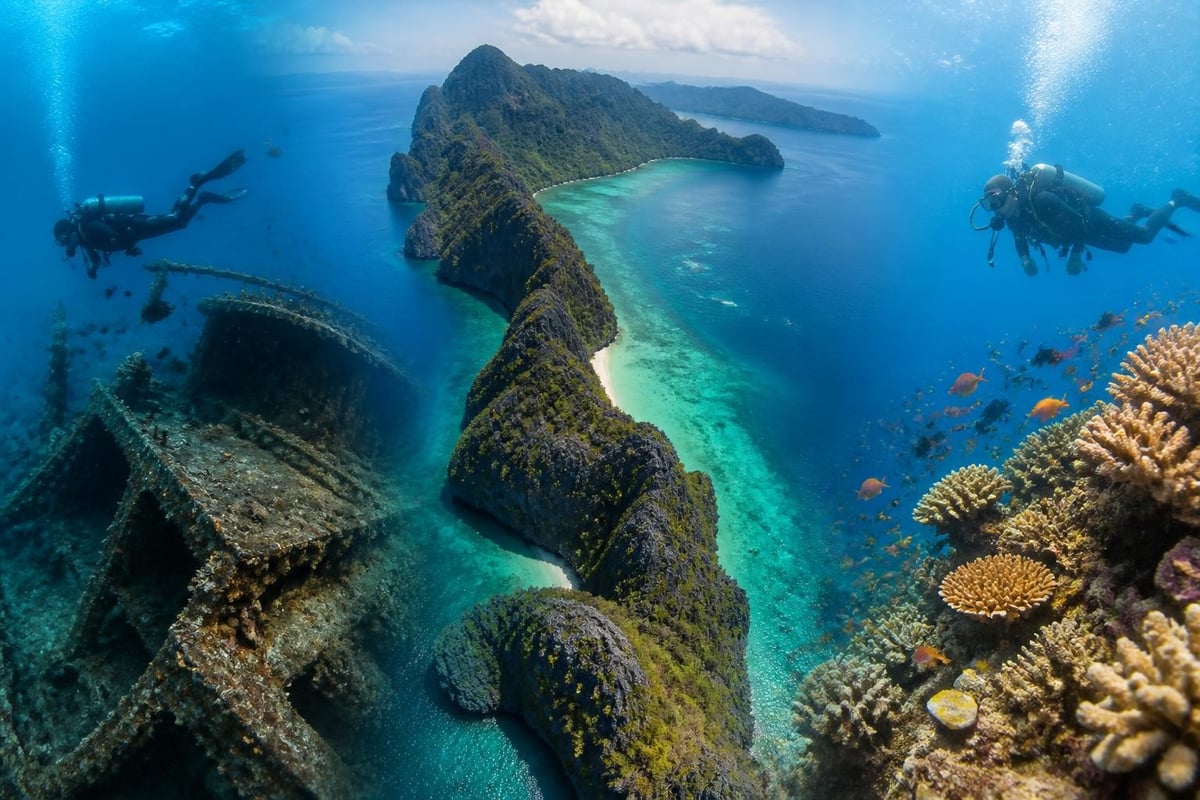
Scuba diving in Coron Palawan requires additional safety awareness compared to standard reef diving, particularly when entering wrecks.
Important safety practices:
- Never dive beyond your certification level
- Always carry a dive light, even during day dives in wrecks
- Maintain proper buoyancy to avoid stirring up silt
- Follow the rule of thirds for air consumption in overhead environments
- Stay with your buddy at all times during penetration
- Know your exit routes before entering confined spaces
- Respect depth limits and no-decompression times
The wrecks sit at depths where nitrogen narcosis affects many divers. Be honest with yourself and your guide about your comfort level and experience. There's no shame in staying outside wrecks and exploring the exterior, which still offers fantastic diving.
Many of the deeper wrecks benefit from nitrox, which extends bottom time and reduces nitrogen loading. If you're not nitrox certified, consider taking the specialty course before visiting Coron.
Equipment Recommendations
Beyond standard dive gear, wreck diving benefits from specific equipment additions:
- Primary dive light: Essential for wreck interiors, even during day dives
- Backup light: Required for overhead environment penetration
- Reef hook: Useful during surface intervals in current
- Dive computer: Conservative algorithm recommended for multiple dives
- Surface marker buoy: Important for safety stops and boat pick-ups
- Wetsuit: 3mm sufficient for most, 5mm for those who get cold
Most dive operators provide lights with rental equipment, but bringing your own ensures familiarity and reliability. If you're serious about wreck photography, underwater strobes or video lights enhance the visual experience significantly.
Beyond Diving: Coron's Surface Attractions
Between dives, Coron offers numerous topside activities worth exploring:
- Kayangan Lake and Twin Lagoon (stunning limestone formations)
- Maquinit Hot Springs (natural thermal pools)
- Mount Tapyas viewpoint (360-degree panoramas)
- Island hopping tours to pristine beaches
- Coron town's seafood restaurants and local markets
Many divers structure their trips with diving in the morning and sightseeing in the afternoon, making the most of their time in this beautiful region. The combination of underwater wrecks and above-water natural beauty creates a well-rounded travel experience.
Planning Your Coron Diving Trip
A typical diving-focused visit to Coron spans 4-6 days, allowing for:
4-day itinerary:
- Day 1: Arrival, check dive at Siete Pecados
- Day 2: Two wreck dives (Skeleton Wreck, East Tangat)
- Day 3: Two advanced wrecks (Irako, Akitsushima)
- Day 4: Morning reef dive, afternoon departure
6-day itinerary:
- Additional days for wreck specialty course
- Night diving on wrecks or reefs
- Barracuda Lake and unique sites
- Surface interval for sightseeing
- More flexible schedule with rest days
Book dive operators in advance during peak season (December-February), as spaces fill quickly. Most operators require minimum group sizes, though private charters can be arranged at premium rates.
For accommodations, staying near the town center provides easy access to dive operators, restaurants, and tour services. Budget options through luxury resorts are available, with most divers choosing mid-range hotels offering good value and convenience.
Scuba diving in Coron Palawan offers an extraordinary combination of historical wreck exploration and vibrant reef ecosystems that few destinations can match. Whether you're swimming through the cargo holds of WWII Japanese vessels or exploring colorful coral gardens, Coron delivers memorable underwater experiences for divers of all levels. While Coron specializes in wreck diving, remember that Palawan's diving opportunities extend throughout the province. Palawan Diving can help you plan comprehensive diving adventures across the region, from Coron's famous wrecks to El Nido's pristine reefs, with expert guidance and quality service tailored to your certification level and interests.