The ocean covers over 70% of our planet, yet most of us have barely scratched the surface when it comes to exploring its underwater wonders. Whether you're planning your first dive trip or adding another stamp to your logbook, choosing among the world's great diving destinations requires careful consideration of what you want to see, when to go, and how each location matches your experience level. From the nutrient-rich waters of Southeast Asia to remote atolls in the Pacific, each destination offers something unique beneath the surface.
What Makes a Diving Destination Truly Great
Not all dive sites are created equal, and the characteristics that define great diving destinations go far beyond clear water and colorful fish. The most memorable locations combine healthy marine ecosystems, reliable dive infrastructure, varied underwater topography, and conditions that match your skill level and interests.
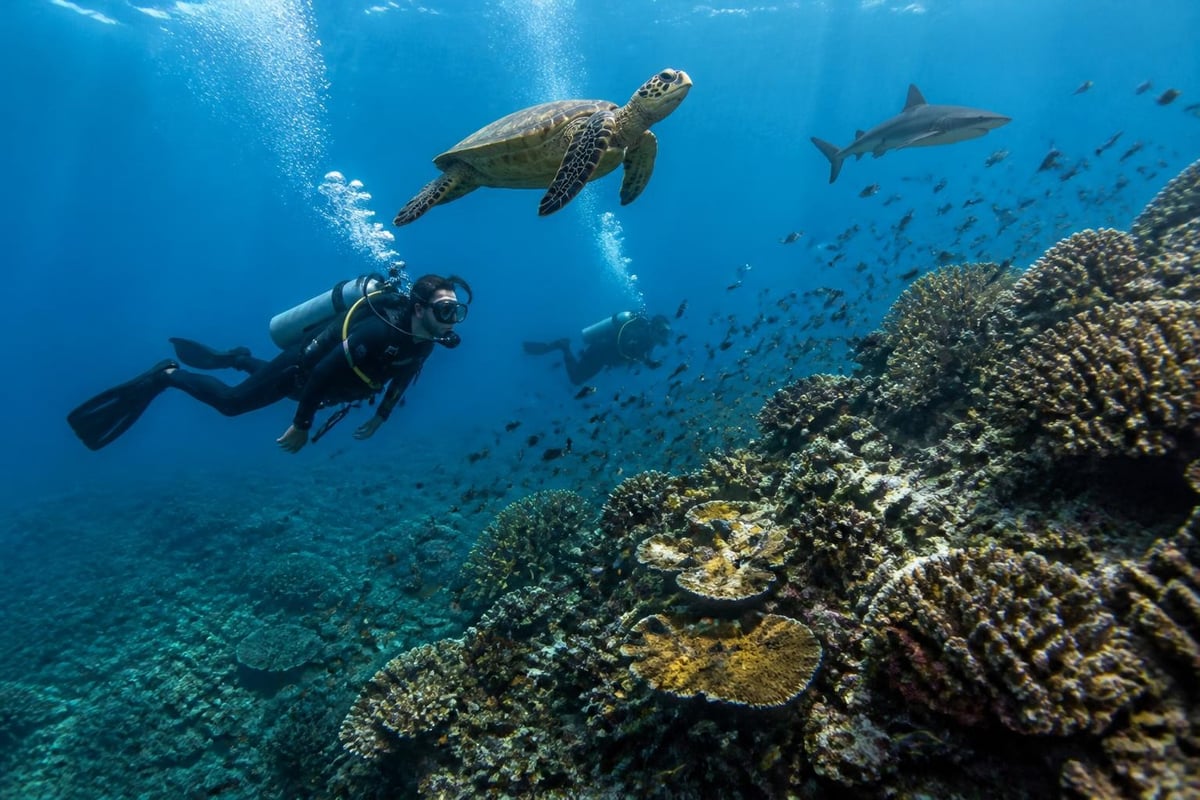
Marine Biodiversity and Reef Health
Healthy coral reefs support exponentially more life than degraded ones. The coral reef health crisis documented by Scientific American reminds us that choosing destinations with strong conservation efforts matters now more than ever.
Key indicators of a quality dive destination:
- Active coral growth and minimal bleaching
- Presence of apex predators (sharks, groupers, barracuda)
- Diverse fish populations across multiple trophic levels
- Protected marine areas with enforced regulations
- Low fishing pressure and sustainable tourism practices
When you dive locations that prioritize reef health, you're not just seeing more marine life. You're supporting communities and governments that recognize the long-term value of ocean conservation over short-term extraction.
Accessibility and Infrastructure
Great diving destinations balance remoteness with practical logistics. A pristine reef means little if getting there requires three flight connections, a twelve-hour ferry ride, and questionable dive operator credentials.
Consider these infrastructure factors:
- International flight access and visa requirements
- Local transportation from airport to dive resort
- Dive center certifications (PADI, SSI, NAUI accredited)
- Equipment quality and maintenance standards
- Emergency services including recompression chambers and medical facilities
- Communication infrastructure for emergencies
The Philippines, particularly Palawan, exemplifies this balance perfectly. International flights connect through Manila, domestic connections reach El Nido in under ninety minutes, and professional dive centers operate year-round with modern equipment and trained multilingual staff.
Top Diving Destinations by Region
Geography shapes underwater environments in fascinating ways. Ocean currents, water temperature, seasonal patterns, and tectonic activity create distinct diving characteristics in different parts of the world.
Southeast Asia: Biodiversity Hotspot
The Coral Triangle, stretching from the Philippines through Indonesia to Papua New Guinea, contains 76% of all coral species on Earth and over 2,500 species of reef fish. This region consistently ranks among great diving destinations for macro photography, reef diversity, and sheer abundance of marine life.
Philippines – Palawan and El Nido
Crystal-clear waters, dramatic limestone walls, and pristine coral gardens make Palawan one of Southeast Asia's premier diving destinations. El Nido specifically offers:
- Visibility: 15-30 meters year-round
- Water temperature: 26-29°C (79-84°F)
- Marine life: Turtles, reef sharks, barracuda schools, nudibranchs, seahorses
- Dive types: Walls, reefs, caverns, drift dives
- Best season: November through May
The concentration of dive sites around El Nido means you can explore multiple environments without changing accommodation. El Nido Dive & Stay Package options let you base yourself beachfront and dive directly from your doorstep, maximizing water time while minimizing travel hassle.
Indonesia – Raja Ampat and Komodo
Raja Ampat's remote location keeps crowds minimal while protecting some of the planet's most biodiverse reefs. Komodo National Park combines big animal encounters (manta rays, sharks) with challenging currents that attract experienced divers.
| Destination | Best For | Difficulty | Season |
|---|---|---|---|
| Raja Ampat | Biodiversity, macro | Intermediate | October–April |
| Komodo | Mantas, currents | Advanced | April–November |
| El Nido | Variety, accessibility | All levels | November–May |
| Sipadan | Turtles, barracuda tornadoes | Intermediate | March–October |
Thailand – Similan Islands and Richelieu Rock
Thailand's Andaman Sea offers liveaboard adventures to the Similan Islands, known for massive granite boulder formations and seasonal whale shark encounters. Richelieu Rock attracts macro enthusiasts hunting for ghost pipefish and harlequin shrimp.
Pacific Islands: Remote and Pristine
When people imagine great diving destinations, many picture Pacific atolls with gin-clear water and untouched coral. These locations deliver on that promise but require more planning and budget.
Palau – Rock Islands and Blue Corner
National Geographic’s coverage of Palau emphasizes why exploring this destination by water reveals its true character. Blue Corner's shark-filled currents and the famous Jellyfish Lake create unforgettable experiences.
Strong current diving requires solid buoyancy control and air consumption management. If you've only recently certified, consider completing your Advanced Open Water before tackling Palau's more demanding sites.
Fiji – Soft Coral Capital
Fiji's soft coral coverage creates underwater gardens in psychedelic colors. The Somosomo Strait between Taveuni and Vanua Levu funnels nutrient-rich water through narrow channels, feeding massive coral colonies.
French Polynesia – Rangiroa and Fakarava
These atolls offer drift diving through passes where incoming tides bring pelagic species close to the reef. Schooling hammerheads, dolphins, and massive groupers patrol these natural highways.
Caribbean: Warm and Accessible
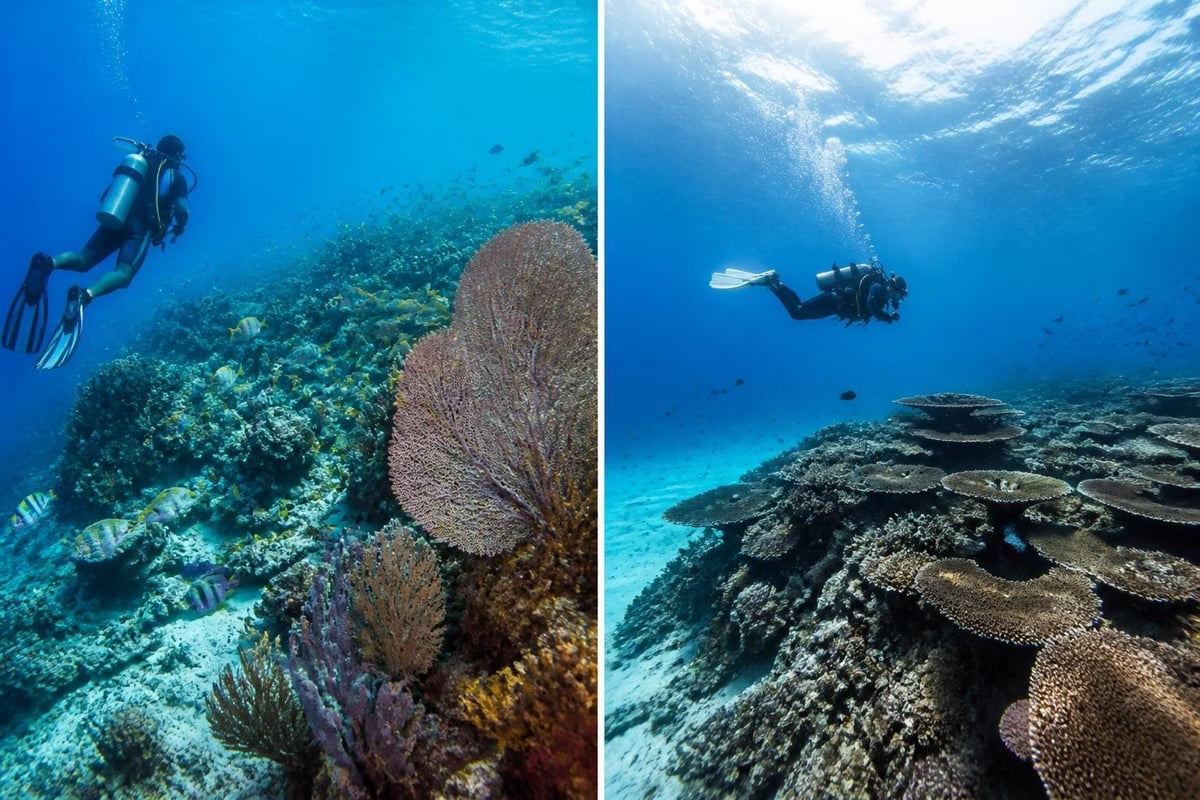
The Caribbean provides easy access for North American and European divers seeking warm water and relaxed diving conditions. While biodiversity doesn't match the Pacific or Southeast Asia, the region offers excellent visibility and comfortable logistics.
Cozumel, Mexico – Drift Diving Paradise
Cozumel's Palancar Reef system offers effortless drift diving along massive coral formations. The consistent current means you simply float along while marine life parades past.
Bonaire – Shore Diving Freedom
Bonaire's protected marine park and easy shore access let certified divers explore independently. Drive to a site, gear up from your truck, and walk into pristine reefs starting meters from shore.
Cayman Islands – Stingray City and Walls
Grand Cayman's famous Stingray City offers shallow interactions with southern stingrays, while the island's vertical walls drop thousands of feet into the abyss.
Indian Ocean: Big Animal Encounters
The Indian Ocean combines tropical diving with opportunities for whale sharks, manta rays, and migratory species that follow seasonal plankton blooms.
Maldives – Luxury and Mantas
Maldivian dive sites offer reliable manta ray encounters, particularly at cleaning stations where these gentle giants queue up for spa treatments from cleaner wrasse. Liveaboards visit remote atolls where few others venture.
South Africa – Sardine Run and Shark Diving
The annual sardine run creates one of nature's greatest spectacles, with massive bait balls attracting dolphins, sharks, whales, and seabirds in a feeding frenzy. Cage diving with great white sharks off Gansbaai offers apex predator encounters for adrenaline seekers.
Planning Your Dive Destination Trip
Research and preparation separate magical dive vacations from disappointing ones. Understanding seasonality, required certifications, and safety considerations ensures you arrive prepared.
Matching Destinations to Experience Level
Honesty about your skill level protects both you and your dive buddies. Great diving destinations offer sites for all levels, but attempting dives beyond your training creates dangerous situations.
Beginner-friendly destinations (Open Water or recent certification):
- Shallow reefs with minimal current
- Easy entries from boats or shore
- Warm water (27°C+ / 80°F+)
- Good visibility (15+ meters)
- Professional dive centers with small groups
El Nido checks all these boxes while offering progression opportunities. Start with gentle reef dives at sites like Nat Nat, then work up to deeper walls and mild drift dives as your confidence builds.
Intermediate destinations (50+ dives, Advanced certification):
- Moderate currents and deeper profiles
- Variable conditions requiring adaptation
- Navigation challenges through swim-throughs
- Mixed shore and boat diving
Advanced destinations (100+ dives, speciality training):
- Strong currents requiring reef hooks
- Deep diving beyond 30 meters
- Technical diving opportunities
- Remote locations with limited emergency services
Seasonal Considerations
Water temperature, visibility, marine life migrations, and weather patterns all follow seasonal cycles. Visiting during optimal windows dramatically improves your experience.
High season advantages:
- Best visibility and calmest conditions
- Peak marine life activity and migrations
- Full operator schedules with daily departures
- Easiest logistics and accommodation availability
Shoulder season considerations:
- Fewer crowds at popular sites
- Better accommodation and liveaboard pricing
- Slightly variable conditions but still diveable
- Some operators on reduced schedules
Low season realities:
- Rough seas may cancel boat trips
- Reduced visibility from plankton blooms or runoff
- Some resorts and dive centers close completely
- Challenging travel conditions
The World Economic Forum’s Travel & Tourism Development Index provides data on destination resilience and sustainable tourism practices, helping you choose operators committed to long-term environmental stewardship.
Safety and Certification Requirements
Different great diving destinations enforce varying standards for diver certification and experience verification. Always carry your certification card, logbook, and dive insurance documentation.
Essential safety preparation:
- Current dive medical examination
- DAN dive insurance or equivalent coverage
- Verified certification credentials
- Recent diving experience (refresher if 6+ months since last dive)
- Understanding of local emergency procedures
If you're returning to diving after a break, taking a refresher course at your destination gets you comfortable again before exploring more challenging sites. This investment in confidence pays dividends throughout your trip.
Responsible Diving Tourism
The underwater locations we love face unprecedented pressures from climate change, overfishing, and tourism impact. Choosing operators committed to sustainable practices ensures great diving destinations remain great for future generations.
Selecting Ethical Operators
Not all dive centers operate with the same environmental and safety standards. Research before booking separates professional operations from questionable ones.
Green flags to look for:
- Small group sizes (4-6 divers per guide maximum)
- Comprehensive dive briefings covering marine life etiquette
- Active participation in reef conservation projects
- Staff trained in coral-safe anchoring and mooring
- Environmental guidelines prominently displayed
- Responsible wildlife tourism practices
Red flags that indicate problems:
- Guides touching, feeding, or harassing marine life
- Overcrowded boats with minimal supervision
- Pressure to dive beyond your comfort level
- Poorly maintained equipment
- Vague answers about certifications and insurance
Minimizing Your Underwater Impact
Every diver affects the reef, but conscious divers minimize their footprint through excellent buoyancy control and spatial awareness.
Practice these habits:
- Perfect your buoyancy before visiting fragile sites
- Keep fins well above the reef at all times
- Secure all equipment to prevent dragging
- Take only photos, leave only bubbles
- Report coral damage or illegal fishing you observe
- Support marine protected areas through entrance fees
Emerging Diving Destinations Worth Watching
While established locations offer proven quality, several emerging great diving destinations deserve attention for 2026 and beyond.
Timor-Leste
This young nation offers untouched reefs, dramatic walls, and pelagic encounters without the crowds found in more developed Southeast Asian destinations. Infrastructure continues improving while maintaining an authentic, uncrowded feel.
Albania – Mediterranean Surprise
Albania's Adriatic coast provides unexpected Mediterranean diving with underwater archaeological sites, caves, and surprisingly clear water. Developing tourism infrastructure keeps prices reasonable.
Azores, Portugal
These mid-Atlantic islands offer temperate diving with blue sharks, mobula rays, and seasonal whale encounters. Dramatic volcanic topography creates unique underwater landscapes.
Saudi Arabia – Red Sea Opening
Recent tourism development along Saudi Arabia's Red Sea coast opens previously inaccessible pristine reefs to international divers. Early reports suggest biodiversity rivaling Egypt's established sites.
Diving Closer to Home
International dive destinations get the headlines, but many countries offer world-class diving within their own waters. NOAA’s guide to U.S. National Marine Sanctuaries showcases protected dive sites from Florida's coral reefs to California's kelp forests.
Domestic diving advantages:
- No international travel complications
- Familiar emergency services and communication
- Supporting local conservation efforts
- Easier logistics for families
- Lower carbon footprint
That said, tropical destinations like Palawan offer marine biodiversity impossible to replicate in temperate waters. The Philippines' location in the Coral Triangle means a single dive here exposes you to more species than dozens of dives in most temperate locations.
Making Your Destination Choice
With countless great diving destinations competing for your time and budget, final selection comes down to matching your priorities with each location's strengths.
Decision Matrix
Create a simple comparison table for your top choices:
| Factor | Importance (1-5) | Destination A | Destination B | Destination C |
|---|---|---|---|---|
| Marine biodiversity | 5 | Excellent | Good | Fair |
| Accessibility | 4 | Good | Excellent | Poor |
| Budget fit | 3 | Fair | Good | Excellent |
| Season timing | 4 | Perfect | Shoulder | Off-season |
| Total weighted score | – | 78 | 72 | 54 |
This objective approach prevents analysis paralysis and keeps decisions focused on what matters most to you.
First-Timer Recommendations
If this represents your first international dive trip, choosing a destination that balances amazing diving with manageable logistics reduces stress and increases enjoyment.
Ideal first destinations:
- Established tourism infrastructure
- English widely spoken
- Direct or easy flight connections
- Multiple dive operators to choose from
- Activities for non-diving travel companions
- Strong safety record and medical facilities
El Nido meets all these criteria while delivering world-class diving that creates lifelong memories. The combination of accessibility, affordability, and underwater beauty makes it difficult to beat for first-time visitors to the region.
Great diving destinations share common threads: healthy marine ecosystems, professional dive infrastructure, and conditions that match your experience level and interests. Whether you explore the biodiversity hotspot of Southeast Asia, remote Pacific atolls, or closer-to-home temperate reefs, choosing thoughtfully and diving responsibly ensures memorable experiences while protecting these underwater treasures. Ready to explore Palawan's crystal-clear waters and vibrant reefs? Palawan Diving offers everything from beginner courses to private charters, helping you discover why El Nido ranks among the world's most spectacular diving destinations.