Snorkeling opens a window into an entirely different world, one where vibrant coral gardens stretch beneath you and tropical fish dart through crystalline water. For anyone curious about exploring underwater environments without the commitment of scuba certification, beginner snorkeling offers an accessible, rewarding entry point. The warm, clear waters surrounding El Nido in Palawan create ideal conditions for first-time snorkelers, with shallow reefs, calm bays, and an abundance of marine life visible just meters from shore. Whether you're planning your first ocean adventure or looking to build confidence before trying scuba diving, understanding the basics will help you stay safe, comfortable, and ready to enjoy everything these tropical waters have to offer.
Understanding Snorkeling Equipment
The right gear makes all the difference when you're starting out. Beginner snorkeling requires just three essential pieces of equipment: a mask, snorkel, and fins. Each serves a specific purpose, and choosing well-fitted gear dramatically improves your experience.
The Snorkeling Mask
Your mask creates an air pocket in front of your eyes, allowing you to see clearly underwater. A proper fit is non-negotiable. When selecting a mask, press it gently against your face without using the strap and breathe in through your nose. The mask should stay in place through suction alone. If it slides off or you feel air leaking around the edges, try a different size or style.
Key mask features to consider:
- Tempered glass lenses that resist scratching and breaking
- Silicone skirt that molds comfortably to your face shape
- Low-volume design that sits closer to your face and is easier to clear
- Wide field of view for better peripheral vision
Many beginners struggle with mask fogging. Before your first swim, treat new masks by rubbing a small amount of toothpaste on the inside of the lens, rinsing thoroughly, then applying defog solution or even a bit of saliva before each snorkel session.
The Snorkel Tube
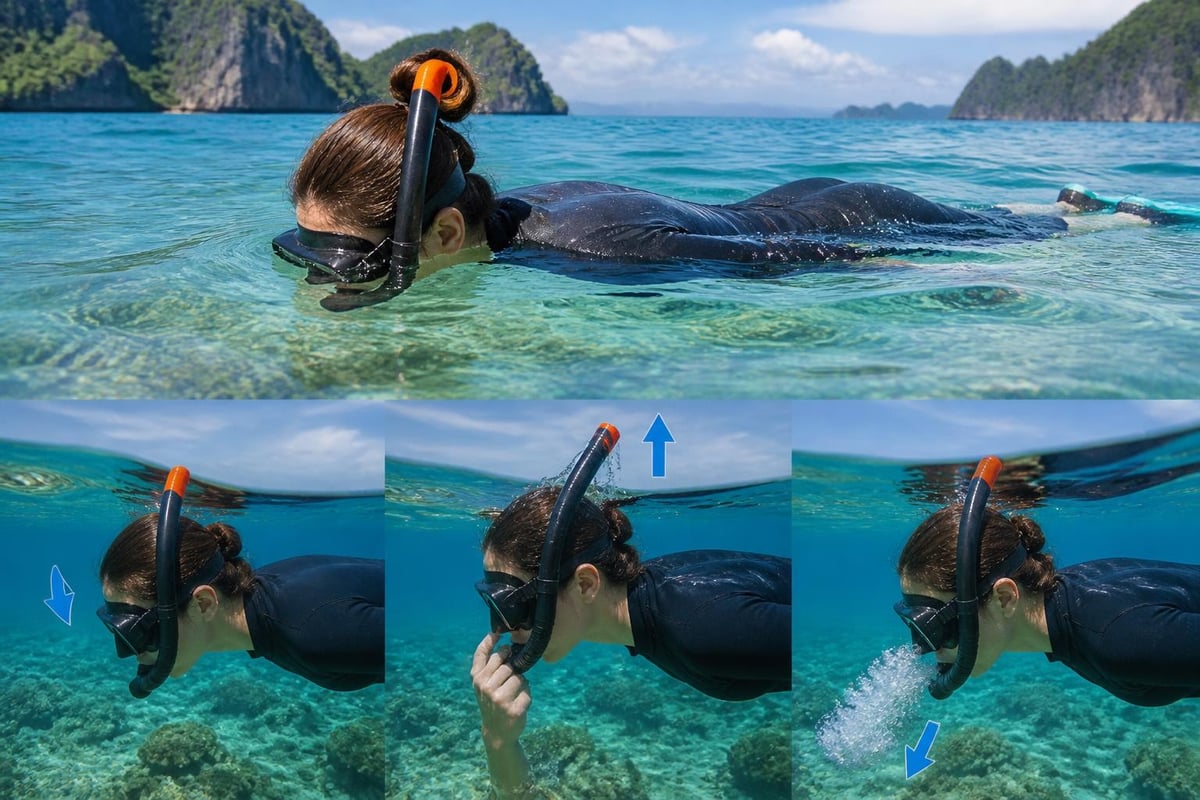
A snorkel allows you to breathe while your face remains in the water. Modern snorkels often include features like purge valves at the bottom (making it easier to clear water) and dry-top valves that prevent water from entering when a wave washes over the tube.
For beginner snorkeling, a simple J-shaped tube with a purge valve works perfectly well. The mouthpiece should fit comfortably between your teeth and lips without causing jaw fatigue. Remember that you can only use a snorkel at the surface. If you dive down to look at something more closely, you'll need to hold your breath and then clear the tube when you return to the surface.
Fins and Foot Protection
Fins transform your legs into powerful propulsion tools, letting you glide effortlessly rather than exhausting yourself with inefficient kicking. Full-foot fins work well in warm tropical water and are lighter for travel, while open-heel fins with booties provide more foot protection if you'll be walking across rocky areas or coral rubble.
Choosing the right fins:
- Size matters – Fins that are too tight cause cramps; too loose and they'll fall off
- Blade length – Shorter blades require less effort but provide less power
- Stiffness – Softer blades are easier for beginners who are still building leg strength
- Travel weight – Consider packable fins if you're flying to your destination
Safety Fundamentals for New Snorkelers
Water safety forms the foundation of enjoyable beginner snorkeling. Even in calm, shallow water, understanding basic precautions protects you from unnecessary risks and helps you stay relaxed enough to actually enjoy the experience.
Never Snorkel Alone
The buddy system isn't just a good idea – it's essential. Having another person nearby means someone can help if your mask floods, if you get fatigued, or if you encounter an unexpected current. Check on each other regularly, especially when you're both new to snorkeling. The American Red Cross beach safety guidelines emphasize that supervision and awareness prevent most water-related incidents.
Understanding Conditions
Before entering the water, assess the environment:
- Current and tide – Strong currents exhaust even experienced swimmers
- Wave action – Choppy surface conditions make breathing difficult for beginners
- Visibility – Clear water lets you see hazards and marine life more easily
- Entry and exit points – Know how you'll get in and out safely
El Nido's sheltered bays and lagoons provide protected conditions perfect for beginner snorkeling, with minimal current and excellent visibility most of the year. The northeast monsoon from November through May brings the calmest seas and clearest water.
Recognizing Your Limits
Fatigue causes problems. If you feel tired, cold, or uncomfortable, return to shore or the boat. Fighting exhaustion in the water is dangerous. Start with short sessions of fifteen to twenty minutes, gradually building your stamina and confidence.
| Warning Sign | What It Means | What to Do |
|---|---|---|
| Rapid breathing | Anxiety or overexertion | Float on your back, relax, breathe slowly |
| Muscle cramps | Dehydration or cold | Signal your buddy, stretch gently, return to shore |
| Mask flooding repeatedly | Poor fit or technique | Adjust strap, practice clearing in shallow water |
| Feeling cold | Prolonged exposure | Exit water, warm up, consider a rash guard next time |
Mastering Basic Snorkeling Techniques
Proper technique makes beginner snorkeling effortless rather than exhausting. These skills take just minutes to learn but transform your comfort level in the water.
Breathing Through the Snorkel
Breathing through your mouth feels unnatural at first. Practice in shallow water where you can stand. Put your face in the water and breathe slowly and deeply through the snorkel tube. Keep your breathing relaxed – panicked, rapid breathing leads to hyperventilation and discomfort.
If water enters your snorkel, don't panic. Either lift your head above the surface and remove the mouthpiece to drain it, or use the blast-clearing method: take a small breath, then exhale forcefully through your mouth to blow the water out through the top of the tube.
Clearing Your Mask
Water will occasionally seep into your mask. Learning to clear it without surfacing is a valuable skill:
- Press the top of the mask against your forehead
- Look up slightly toward the surface
- Exhale through your nose – the air pushes water out the bottom of the mask
- Continue breathing normally through your snorkel
Practice this technique in waist-deep water until it becomes second nature.
Efficient Finning
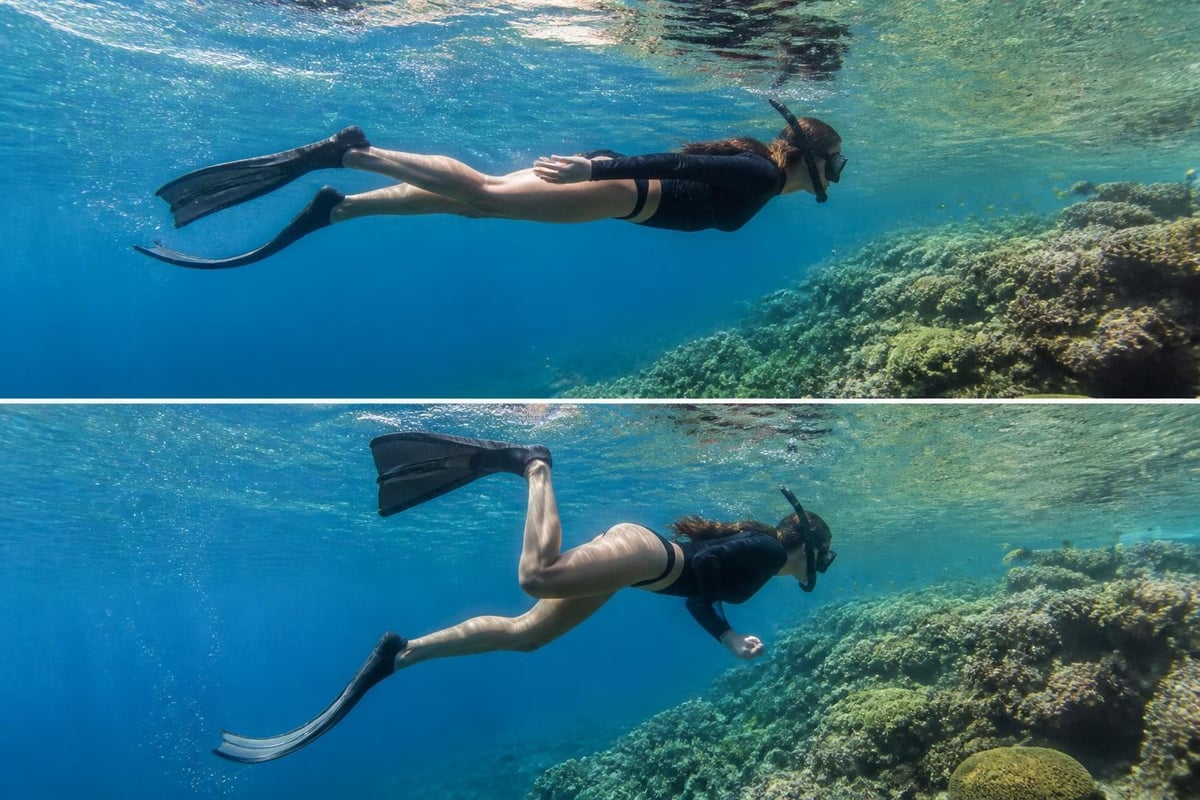
Kick from your hips, not your knees. Long, slow, powerful strokes propel you smoothly through the water with minimal effort. Avoid bicycle-style kicking or thrashing movements that waste energy and scare away marine life.
Finning tips for beginners:
- Keep your legs relatively straight
- Generate power from your hips and core
- Maintain a slow, steady rhythm
- Keep your fins completely underwater
Choosing Where to Snorkel
Location determines your beginner snorkeling experience. The right site offers easy access, calm conditions, interesting marine life, and appropriate depth for newcomers.
Beach Entry vs. Boat Access
Beach entries let you wade in gradually, adjusting to the water temperature and testing your gear in shallow areas before swimming out. Many of El Nido's beaches provide direct access to coral gardens just offshore, making them ideal for building confidence.
Boat-based snorkeling takes you to sites farther from shore where reefs may be more pristine and marine life more abundant. For beginner snorkeling, boat trips remove the stress of swimming long distances and provide professional guides who know the safest spots and can point out marine species you might otherwise miss.
Depth Considerations
Start in shallow water where you can touch bottom if needed. As confidence builds, you'll naturally venture into deeper areas. Most spectacular snorkeling happens in just three to six meters of water, where sunlight penetrates fully and corals thrive.
The REEF Environmental Education Foundation provides excellent resources for learning to identify fish and understanding reef ecosystems, helping you appreciate what you're seeing during your snorkel sessions.
What to Wear While Snorkeling
Sun protection and thermal comfort matter more than you might expect. Even on overcast days, the sun's rays penetrate water and can burn exposed skin quickly. Snorkelers often spend an hour or more floating at the surface, with their backs, shoulders, and legs fully exposed.
Rashguards and Wetsuits
A long-sleeved rashguard provides sun protection without overheating in tropical water. For extended sessions or if you feel cold easily, a thin wetsuit (3mm or less) maintains body temperature while also protecting against jellyfish stings and accidental coral scrapes.
What to wear based on conditions:
- Water above 28°C (82°F): Rashguard or swim shirt
- Water 25-28°C (77-82°F): Thin shortie wetsuit or full rashguard
- Extended sessions: Full wetsuit regardless of temperature
Reef-Safe Sunscreen
Chemical sunscreens damage coral reefs. Use mineral-based (zinc oxide or titanium dioxide) reef-safe formulas on any exposed skin. Better yet, cover up with clothing and skip sunscreen entirely on covered areas.
Beginner Snorkeling Etiquette and Environmental Awareness
Respectful behavior protects the reefs you've come to see and ensures these ecosystems remain vibrant for future visitors. Beginner snorkeling introduces you to a fragile environment that requires conscious, careful interaction.
Look But Don't Touch
Corals are living animals. Touching them damages their protective mucus layer, making them vulnerable to disease. Standing on coral kills it. Maintain neutral buoyancy by controlling your breathing, and if you need to adjust position, use open sandy areas or swim into deeper water.
Many reef fish are territorial or curious and may approach you. Resist the urge to reach out. Touching fish removes their protective slime coating and stresses them significantly.
Controlling Your Fins
More coral gets damaged by careless fin kicks than any other snorkeling-related cause. Stay aware of your fin placement, especially when looking down at something interesting. Keep fins in your field of vision when snorkeling in shallow areas.
Responsible Wildlife Viewing
Give marine life space. If an animal changes direction, stops feeding, or swims away, you're too close. Never chase wildlife for photos or to get a closer look. The best encounters happen when you remain still and let animals approach on their terms.
Building Confidence in the Water
Comfort grows with experience. Every beginner snorkeling session builds skills and reduces anxiety about being in the ocean.
Start in Controlled Environments
Your first session should happen in calm, clear, shallow water. A pool, sheltered lagoon, or calm bay lets you practice breathing, clearing your mask, and using fins without worrying about currents or waves. Once basic skills feel automatic, transition to more open environments.
Gradual Progression
Suggested beginner snorkeling progression:
- Session one: Practice in shallow water where you can stand (breathing, mask clearing, basic finning)
- Session two: Short swim in calm bay (fifteen minutes, staying close to shore)
- Session three: Longer session with short surface dives to look closer at features
- Session four: Boat-based snorkeling to a reef site with guidance
Addressing Common Fears
Fear of water, fear of marine life, or claustrophobia from the mask are common among new snorkelers. All three improve with gradual exposure and proper instruction. If you feel anxious, communicate with your buddy or guide. Taking breaks, practicing breathing exercises, and reminding yourself that you control the experience all help manage nervousness.
From Snorkeling to Scuba Diving
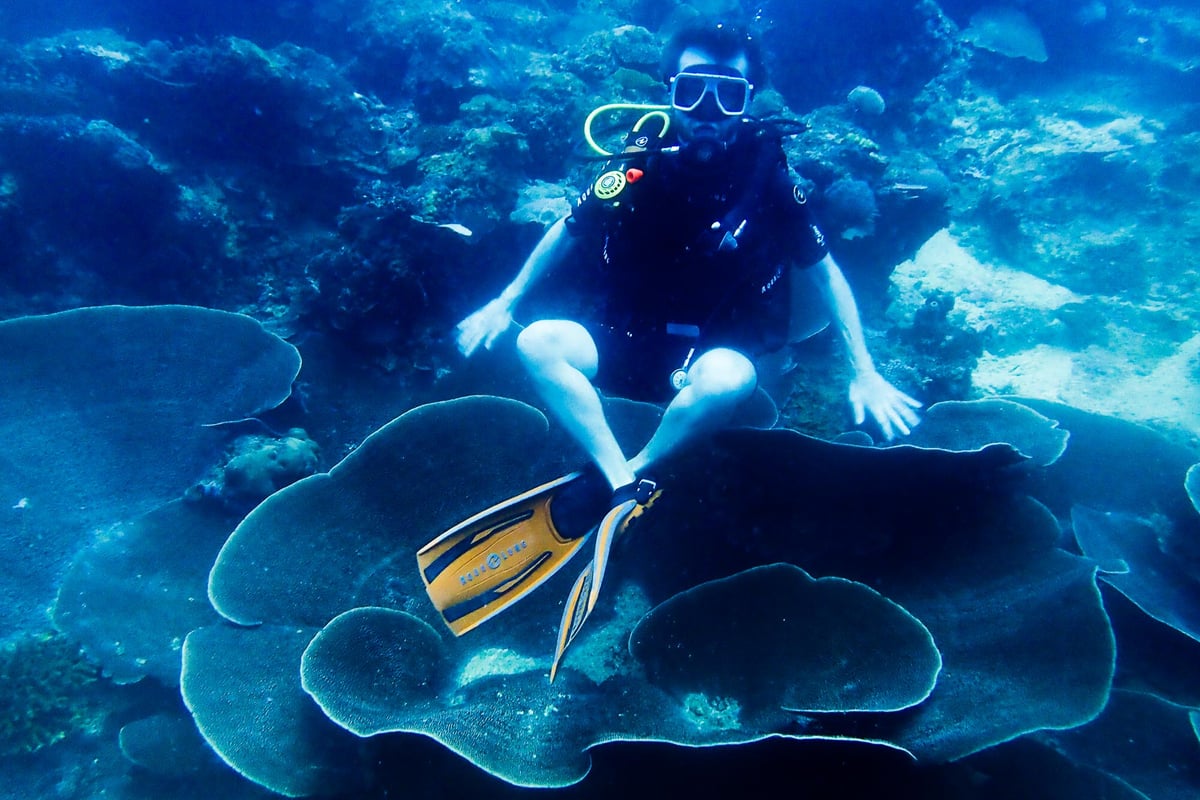
Many people discover their passion for the underwater world through beginner snorkeling, then want to explore deeper and stay down longer. Scuba diving opens entirely new possibilities, taking you beyond the surface into depths where different marine species live and where coral walls drop into the blue.
If you've enjoyed snorkeling and want to breathe underwater, the Discover Scuba Diving program lets you try scuba diving for the first time with a professional instructor in controlled conditions. It's a natural next step for confident snorkelers who are ready to experience the reef from within rather than from above.
Photography While Snorkeling
Once you're comfortable with basic beginner snorkeling skills, adding photography creates lasting memories of your underwater adventures. Modern waterproof cameras and phone housings make this accessible even for complete beginners.
Camera Options
| Camera Type | Pros | Cons | Best For |
|---|---|---|---|
| Action camera (GoPro, etc.) | Wide angle, easy to use, durable | Limited zoom, requires editing | Videos and wide reef scenes |
| Waterproof compact | Affordable, simple operation | Lower image quality, limited manual control | Casual snapshots |
| Phone in housing | Uses familiar device, good quality | Bulky housing, touch controls difficult underwater | Social media sharing |
| Dedicated underwater camera | Excellent image quality, full control | Expensive, learning curve | Serious photography |
Start simple. Master basic snorkeling first, then add photography on later sessions when you're not thinking about breathing or finning technique. National Geographic’s underwater photography guide offers practical tips for composition and lighting that work well for snorkelers shooting in natural light.
Photography Technique
Get close to your subject – water reduces color and clarity even in crystal-clear conditions. Shoot downward when possible to use the reef as a backdrop rather than capturing empty blue water. Avoid using flash in midday tropical sun; natural light provides better color in shallow water.
Most importantly, never damage the reef for a photo. Don't move animals, don't stand on coral, and don't harass wildlife into "performing." The best photos come from patient observation, not manipulation.
Planning Your Beginner Snorkeling Trip
Preparation ensures your first snorkeling experiences go smoothly. Whether you're visiting El Nido specifically for snorkeling or adding it to a broader Palawan adventure, advance planning helps you make the most of ideal conditions.
Best Time of Year
El Nido's dry season (November through May) delivers the best snorkeling conditions, with calm seas, minimal rain, and excellent visibility often exceeding twenty meters. Water temperature stays comfortable year-round, ranging from 27-30°C (81-86°F).
Duration and Frequency
For beginner snorkeling, shorter sessions work better than marathon days in the water. Two or three separate hour-long snorkel sessions spread across a few days build skills without overwhelming you. This rhythm also prevents sunburn and fatigue.
Guided vs. Independent
Guided snorkel trips provide local knowledge, safety supervision, and equipment if you don't have your own. Guides know where to find interesting marine life, can point out species you'd otherwise miss, and help if problems arise. Independent snorkeling from shore gives you flexibility and solitude but requires good judgment about conditions and locations.
Essential Items for Your Snorkeling Kit
Beyond the basic mask, snorkel, and fins, a few additional items improve comfort and safety during beginner snorkeling sessions.
Recommended snorkeling accessories:
- Mesh gear bag – Ventilated storage that lets wet equipment dry
- Defog solution – Prevents mask fogging more reliably than improvised methods
- Reef-safe sunscreen – Mineral-based protection for exposed skin
- Rashguard or wetsuit – Sun and thermal protection
- Waterproof bag – Keeps phone and valuables dry on boat trips
- Reef identification card – Waterproof guides help you identify fish and corals
- Surface marker – Bright colored float makes you visible to boats
Common Beginner Mistakes to Avoid
Learning from others' mistakes saves you frustration. These common beginner snorkeling errors are easily avoided once you're aware of them.
Over-tightening the Mask
New snorkelers often crank their mask strap too tight, thinking it prevents leaks. The opposite is true. Over-tightening distorts the silicone skirt, creating gaps where water seeps in and causing painful pressure on your face. Tighten just enough to create a seal – you should be able to fit two fingers under the strap.
Forgetting to Breathe
When you see something exciting, it's natural to hold your breath. Remember to breathe continuously through your snorkel. Holding your breath leads to carbon dioxide buildup, anxiety, and the urge to surface unnecessarily.
Swimming Too Fast
Beginner snorkeling isn't a race. Slow movement conserves energy, allows you to spot more marine life, and makes breathing easier. Fast swimming quickly exhausts you and scares away the fish you want to observe.
Ignoring Boat Traffic
In popular areas, boats pass regularly. When snorkeling from shore, stay aware of your surroundings. If you hear an engine, surface and look around. Consider using a bright surface float to increase your visibility to boat operators.
Making the Most of El Nido's Snorkeling
El Nido's dramatic limestone karst scenery continues beneath the waterline, creating underwater landscapes of coral-covered walls, sandy channels, and vibrant reef flats. The protected marine environment around Bacuit Bay hosts exceptional biodiversity visible to snorkelers.
Beginner-friendly sites include shallow coral gardens near the beach where you can practice skills in calm water, then graduate to boat-accessed locations where deeper reefs display different coral species and larger fish. Many of the same sites visited by scuba divers offer stunning snorkeling along shallow reef tops and walls that start just below the surface.
Visibility varies with tide and season but frequently exceeds fifteen meters during the dry season. The warm water eliminates the need for thick wetsuits, making beginner snorkeling comfortable even on your first try.
Beginner snorkeling unlocks access to one of the planet's most spectacular environments, requiring minimal equipment and just a few basic skills. Starting in the right location with proper gear and realistic expectations sets you up for safe, enjoyable experiences that often become a lifelong passion. Whether you explore El Nido's vibrant reefs independently or with guidance, the underwater world of Palawan offers encounters with marine life and coral formations you'll remember long after you've dried off. Ready to explore both above and below the surface? Palawan Diving offers expert-led snorkeling and diving experiences throughout El Nido's most spectacular locations, with everything you need to discover Palawan's underwater wonders safely and confidently.