Sharks scuba diving represents one of the ocean's most exhilarating experiences, drawing divers from around the globe to witness these apex predators in their natural habitat. Despite decades of misleading media portrayals, modern shark diving has become not only safer than ever but also a critical component of marine conservation and ocean tourism. Whether you're planning your first shark encounter or seeking the best spots to dive with specific species, understanding the reality behind sharks scuba diving transforms apprehension into appreciation and adventure.
Understanding Shark Behavior Underwater
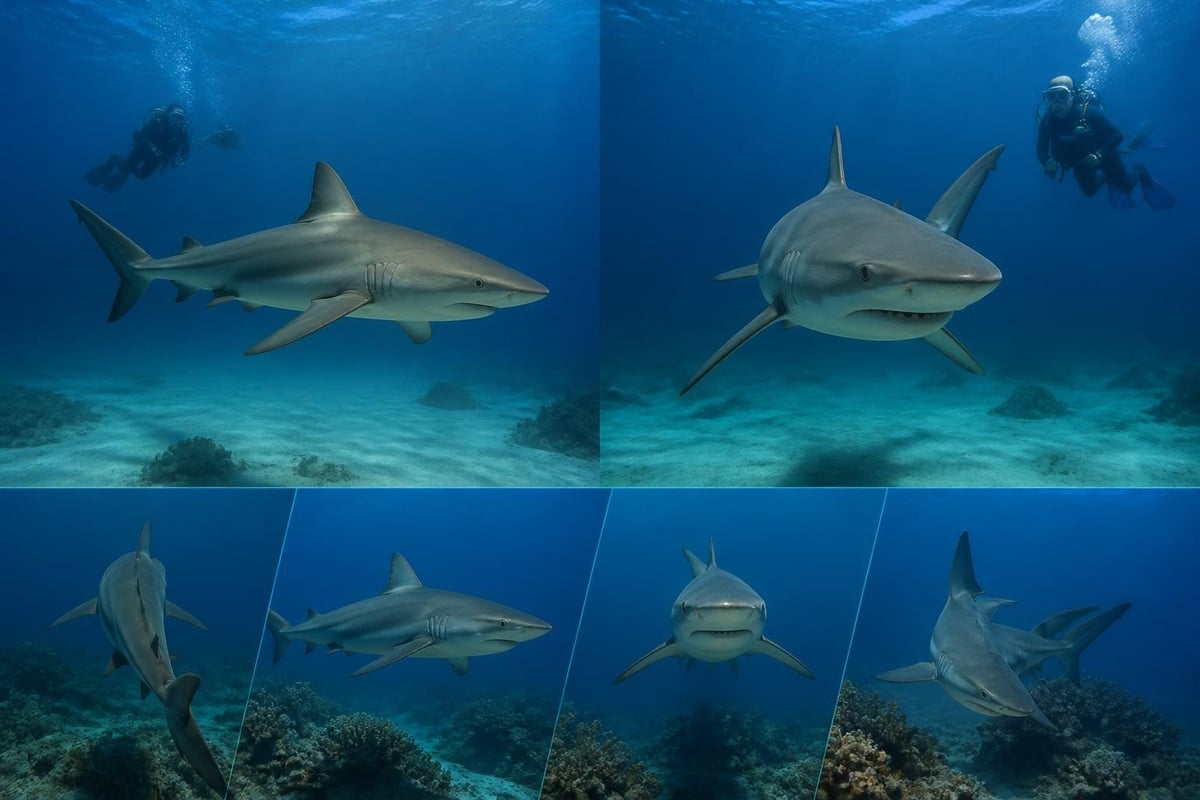
Sharks are naturally curious animals, not the mindless predators popular culture has painted them to be. When you encounter sharks while diving, they typically exhibit cautious, investigatory behavior rather than aggression.
Most sharks you'll meet while diving display these common behaviors:
- Circular swimming patterns at a distance, assessing the unfamiliar presence
- Quick, darting movements if startled by sudden diver actions
- Calm cruising along reef edges during feeding or patrol routes
- Brief approaches followed by withdrawal once curiosity is satisfied
The International Shark Attack File maintains comprehensive data showing that unprovoked shark incidents remain extraordinarily rare among divers. In 2023, divers represented a tiny fraction of reported interactions, with most incidents involving surface activities rather than scuba diving.
Reading Shark Body Language
Experienced dive guides and marine biologists have identified specific postures that indicate shark comfort or stress levels. A relaxed shark maintains smooth, fluid movements with pectoral fins held naturally. Stressed or agitated sharks often display hunched backs, lowered pectoral fins, or jerky swimming patterns.
Understanding these signals allows divers to adjust their behavior accordingly, maintaining safe distances and avoiding actions that might trigger defensive responses.
Safety Protocols for Sharks Scuba Diving
Professional shark diving operations follow rigorous safety standards that have evolved over decades of research and practical experience. These protocols don't just protect divers but also minimize stress on the sharks themselves.
| Safety Element | Purpose | Implementation |
|---|---|---|
| Pre-dive briefings | Educate divers on behavior | Mandatory instruction on positioning, movements, and emergency signals |
| Buddy systems | Maintain visual contact | Pairs stay together to monitor each other and the environment |
| Guide-to-diver ratios | Ensure proper supervision | Typically 1:4 or smaller for shark dives |
| Equipment checks | Prevent malfunctions | Double verification of all gear before entry |
| Emergency protocols | Handle unexpected situations | Clear communication chains and surface support |
The NOAA Diving Standards and Safety Manual provides authoritative guidance that professional operations incorporate into their shark diving procedures, ensuring both recreational and research dives maintain high safety margins.
Essential personal safety practices include:
- Maintain neutral buoyancy to avoid sudden vertical movements
- Keep your hands close to your body rather than extended
- Never corner or chase sharks
- Respect minimum distance guidelines (typically 3-4 meters)
- Stay calm and avoid erratic fin movements
- Follow your guide's hand signals immediately
When diving in areas known for shark activity, wearing exposure protection isn't just about temperature regulation. Full wetsuits provide an additional layer between you and the environment, though the primary safety factor remains proper behavior and positioning.
Best Sharks Scuba Diving Destinations Worldwide
Certain locations have earned reputations as premier shark diving destinations, each offering unique species encounters and environmental conditions. The Philippines, including Palawan waters, provides opportunities for multiple shark species in diverse habitats.
Indo-Pacific Hotspots
The Coral Triangle region encompasses some of the planet's richest shark diversity. While dramatic great white or tiger shark encounters make headlines, the Indo-Pacific offers equally compelling experiences with reef sharks, threshers, and whale sharks.
Top regional destinations for sharks scuba diving:
- Moalboal, Cebu – Thresher shark dawn encounters at cleaning stations
- Tubbataha Reefs – Grey reef sharks, whitetips, and occasional hammerheads (seasonal liveaboard access)
- Malapascua – Famous for regular thresher shark sightings at Monad Shoal
- South Leyte – Whale shark interactions in open water
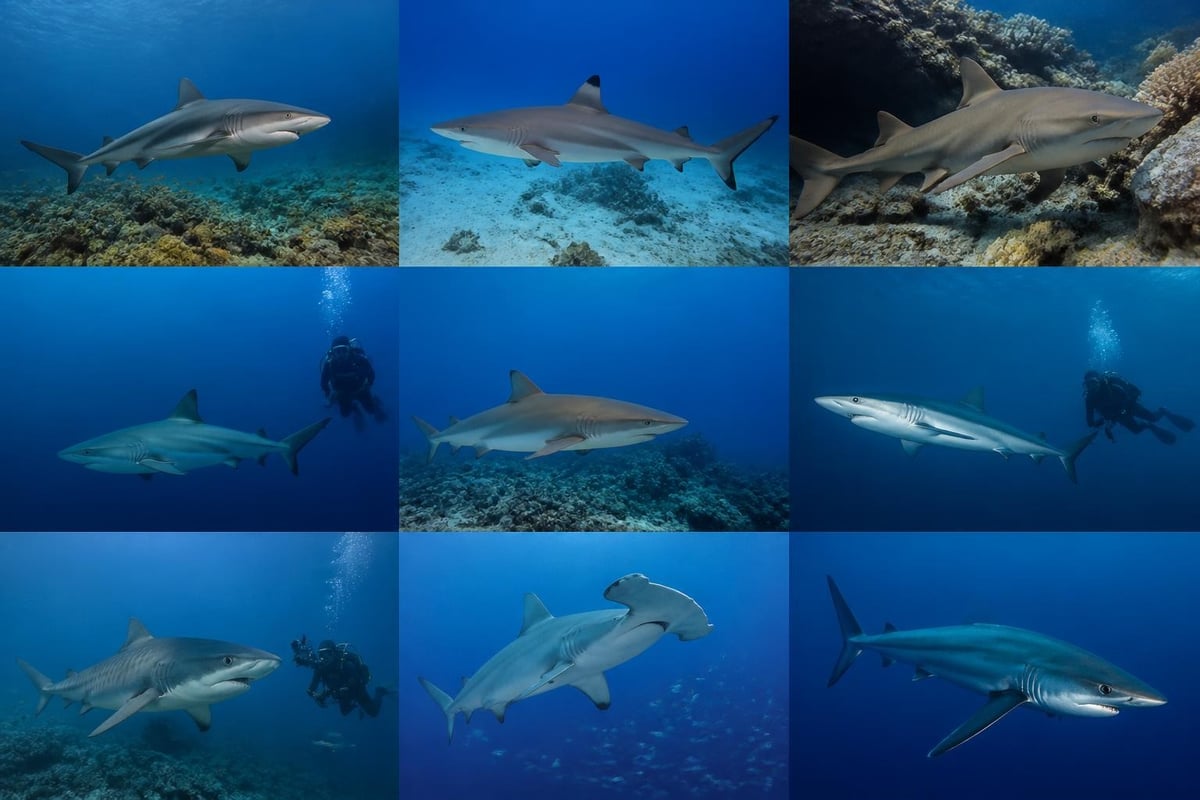
- El Nido, Palawan – Blacktip and whitetip reef sharks on various dive sites
Global Shark Diving Icons
Beyond Southeast Asia, several destinations have built entire ecotourism industries around shark diving. The economic value of shark ecotourism demonstrates that living sharks generate far more revenue through diving tourism than they ever could through fishing, creating powerful conservation incentives.
The Bahamas pioneered commercial shark diving decades ago, establishing protocols now used worldwide. Fiji's Beqa Lagoon offers bull shark encounters, while South Africa's cage diving provides controlled great white experiences. The Galápagos Islands deliver schooling hammerheads alongside other pelagic species in nutrient-rich currents.
Sharks You'll Encounter in Palawan Waters
Palawan's protected marine environments support healthy shark populations, particularly around El Nido's limestone karst islands and offshore pinnacles. While not typically considered a dedicated shark diving destination like some locations, Palawan diving regularly features several resident species.
Common Species and Where to Find Them
Blacktip Reef Sharks (Carcharhinus melanopterus) frequently patrol shallow reef flats and dropoffs. These sleek, medium-sized sharks reach about 1.6 meters and are easily identified by the distinctive black markings on their dorsal and tail fins. You'll spot them cruising reef edges during morning and late afternoon dives.
Whitetip Reef Sharks (Triaenodon obesus) are the most commonly encountered sharks in El Nido waters. Unlike their active blacktip cousins, whitetips often rest in caves and under coral overhangs during daylight hours. Night dives frequently reveal them hunting in coordinated groups across the reef.
Grey Reef Sharks (Carcharhinus amblyrhynchos) appear less frequently but provide thrilling encounters when present. These robust sharks prefer deeper water along wall dives and current-swept channels. They're curious but maintain respectful distances from divers.
| Species | Typical Depth | Best Time | Behavior |
|---|---|---|---|
| Blacktip Reef | 5-15m | Morning/afternoon | Active patrolling |
| Whitetip Reef | 10-30m | Night dives | Resting/hunting |
| Grey Reef | 15-40m | Current periods | Cruising in current |
Whale sharks occasionally pass through Palawan waters, though encounters are opportunistic rather than predictable. When these gentle giants appear, diving operations adjust itineraries to maximize safe observation opportunities.
Sharks Scuba Diving for Different Experience Levels
One common misconception suggests shark diving requires advanced certification or extensive experience. Reality proves more accessible, with appropriate encounters available across the certification spectrum.
Beginner-Friendly Shark Encounters
New divers can safely experience sharks scuba diving even during their certification courses. Shallow reef environments in El Nido often host whitetip reef sharks resting in the sand or tucked under coral formations at depths perfectly suited to Open Water students.
The key lies in proper preparation and realistic expectations. Beginner shark dives focus on stationary or slowly cruising animals in calm conditions, avoiding challenging currents or deep water that might compound task-loading for new divers.
Ideal first shark diving conditions include:
- Maximum depths of 18 meters (Open Water limit)
- Minimal current allowing easy positioning
- Good visibility (15+ meters) to spot sharks early
- Small group sizes for personalized attention
- Species known for calm temperament (whitetips, nurse sharks)
Advanced Shark Diving Experiences
Experienced divers can pursue more demanding shark encounters requiring deeper depths, stronger currents, or specific timing. Dawn dives for thresher sharks, blue water drift dives for pelagics, or deep wall encounters with hammerheads all demand solid fundamental skills and environmental awareness.
Advanced certifications like nitrox, deep diving, and drift specialties expand your shark diving opportunities significantly. Extended bottom times from enriched air allow longer observation periods, while deep and drift training prepares you for the conditions where impressive shark encounters most often occur.
If you’re returning to diving after a break, consider a refresher course before attempting challenging shark dives. Regaining your buoyancy control and confidence ensures you can focus on the experience rather than wrestling with rusty skills.
Conservation Through Sharks Scuba Diving
Every shark dive contributes to conservation in tangible ways beyond simple awareness raising. The economic model of shark diving tourism creates direct financial incentives for protection that often outweigh extraction values.
Research published in Scientific Reports demonstrates how marine protected areas supporting shark populations generate measurable ecotourism revenue while simultaneously protecting vulnerable species. Palawan's increasing focus on sustainable marine tourism follows this model, with dive operators actively supporting reef protection and shark conservation initiatives.
Citizen Science and Shark Research
Modern shark diving increasingly incorporates citizen science elements, allowing recreational divers to contribute valuable data to research programs. The OCEARCH Global Shark Tracker showcases how tagging programs reveal shark migration patterns, breeding areas, and critical habitats.
Divers can participate by:
- Photographing individual sharks for identification databases
- Reporting sightings with location and behavior notes
- Supporting tagging programs through specialty dive trips
- Sharing images that help track individual animals over time
These contributions build datasets that inform protection policies, marine park boundaries, and seasonal closure decisions. Your shark dive photos might help researchers understand ranging patterns or identify critical nursing areas requiring additional protection.
Responsible Shark Tourism Practices
Not all shark diving operations maintain equivalent standards. Responsible providers prioritize animal welfare alongside diver safety, avoiding practices that stress sharks or modify natural behaviors.
Red flags to avoid:
- Hand-feeding that creates food-association behaviors
- Touching or riding sharks
- Cornering animals for photos
- Operations with incident histories
- Overcrowded dive sites exceeding carrying capacity
Choose operators committed to no-touch policies, proper briefings, and support for local marine conservation. These businesses treat sharks as wildlife deserving respect, not circus performers or photo props.
Planning Your Sharks Scuba Diving Trip
Successful shark diving requires more than booking a random dive trip. Species-specific encounters often demand particular seasons, tides, or moon phases for optimal results.
Seasonal Considerations
Different shark species follow predictable patterns based on water temperature, currents, and reproductive cycles. Palawan's dry season (November through May) generally provides the best diving conditions, with calmer seas and excellent visibility enhancing shark spotting opportunities.
Whale sharks appear more frequently during certain months when plankton blooms attract them to specific areas. Reef sharks maintain year-round presence but are more active during particular tide phases and times of day.
Timing optimization strategies:
- Early morning dives catch sharks during peak activity before daytime heat
- New moon periods offer better conditions for shy pelagic species
- Spring tides bring stronger currents that attract cruising sharks
- Calm weather windows ensure comfortable boat rides and safe entries
Choosing the Right Base
Location selection impacts both your shark diving success and overall trip enjoyment. Staying near quality dive sites minimizes travel time and maximizes water time across your holiday.
El Nido's position provides access to diverse dive sites within short boat rides, allowing multiple dives daily without exhausting transit. The convenience of diving directly from your accommodation enhances the experience, particularly for photographers wanting to properly maintain camera gear between dives or divers preferring relaxed surface intervals.
Equipment Considerations for Shark Diving
Standard recreational scuba gear suits most shark diving perfectly well, though certain additions can enhance safety, comfort, and documentation quality.
Essential Gear Adjustments
Your regular diving setup requires minimal modification for shark encounters. Neutral-colored wetsuits or rash guards avoid high-contrast patterns that might attract curiosity (though research doesn't definitively prove color impact on shark behavior).
A reef hook provides stability during current dives where sharks often appear, allowing you to secure yourself to dead coral or rock while observing without fighting the flow. GoPros or underwater cameras capture incredible memories, though never prioritize photography over safety or environmental awareness.
| Equipment | Standard Dive | Shark Dive Notes |
|---|---|---|
| Wetsuit | 3mm tropical | Consider full coverage |
| Fins | Any style | Avoid bright colors |
| Accessories | Optional | Reef hook useful for current |
| Camera | Optional | Maintain awareness while shooting |
Photography Ethics
Underwater photography during shark dives enhances conservation by sharing these animals' beauty with broader audiences. However, your camera shouldn't compromise safety or animal welfare.
Maintain situational awareness even when composing shots. The perfect photograph never justifies cornering an animal, damaging coral while positioning, or losing track of your buddy and guide. Set your camera to automatic modes that reduce task-loading, allowing you to stay environmentally aware while still capturing great images.
Addressing Common Fears and Misconceptions
Despite statistical safety and decades of incident-free diving, shark fear persists among potential divers. Recent Natural History Museum reporting shows shark interactions continue declining globally, with scuba diving remaining one of the safest ways to encounter these animals.
Separating Fact from Fiction
Media portrayals of sharks as mindless eating machines contradict decades of marine biology research. Sharks are highly selective predators with specific prey preferences, sophisticated sensory systems, and complex social behaviors.
Common myths versus reality:
-
Myth: Sharks attack anything that enters the water
-
Reality: Sharks carefully assess potential prey and usually avoid unfamiliar objects
-
Myth: Blood in the water triggers feeding frenzies
-
Reality: Sharks detect blood but respond based on source and context, not automaticallу
-
Myth: All sharks are dangerous to divers
-
Reality: Most shark species are harmless to humans; incidents involve very few species
-
Myth: Shark attacks are increasing
-
Reality: Incident rates are declining while diving participation increases
Building Confidence Through Education
Quality pre-dive briefings transform anxiety into excitement by explaining exactly what to expect, how sharks typically behave, and what actions to take in various scenarios. Knowledge replaces fear as you understand these animals' actual nature rather than fictional portrayals.
Start with smaller, more predictable shark species in controlled environments. Whitetip reef sharks resting on sandy bottoms provide gentle introductions, building confidence before progressing to more dynamic encounters with active cruising species.
Health and Fitness for Sharks Scuba Diving
Shark diving doesn't demand extraordinary fitness beyond standard scuba requirements, though certain physical capabilities enhance safety and enjoyment. Cardiovascular conditioning helps manage currents and surface swims, while flexibility aids in maintaining proper body position and control.
Medical Considerations
Standard diving medical fitness applies, with additional consideration for stress management. If shark encounters trigger significant anxiety despite education and preparation, honestly assess whether you're ready for the experience. Panic underwater creates far more danger than any shark.
Practice stress management techniques before your trip:
- Visualization exercises imagining successful encounters
- Breathing exercises to control adrenaline responses
- Progressive exposure through videos and virtual reality
- Open discussion with instructors about concerns
Your dive professional can adjust the experience to your comfort level, perhaps starting with sites where sharks appear at distance rather than close encounters, gradually building confidence across multiple dives.
Sharks scuba diving offers unparalleled opportunities to witness marine apex predators in their element while contributing to conservation through responsible ecotourism. With proper preparation, realistic expectations, and professional guidance, these encounters transform from feared possibilities into treasured memories. Palawan Diving brings you face-to-face with healthy shark populations in El Nido's pristine waters, combining world-class diving with expert instruction and sustainable practices that protect these magnificent animals for future generations. Ready to experience sharks safely and responsibly? Book your El Nido diving adventure today.