The chance to underwater explore in Palawan opens up a world that exists just beneath the surface, yet feels like another planet entirely. For many travelers arriving in El Nido, the crystal-clear waters that frame the limestone cliffs hold mysteries they've only seen in documentaries. The good news? You don't need years of experience or special abilities to begin your journey into this underwater realm. Whether you're taking your first breath beneath the surface or planning your fiftieth dive, El Nido's marine environment offers exploration opportunities that match your skill level and exceed your expectations.
What Does It Mean to Underwater Explore
When we talk about the ability to underwater explore, we're describing more than just swimming with a mask and fins. True underwater exploration involves intentional discovery, moving through marine environments with purpose, awareness, and respect. In El Nido, this means gliding over coral gardens teeming with tropical fish, investigating rocky overhangs where lionfish hunt, and observing the intricate relationships between reef inhabitants.
The Foundations of Safe Exploration
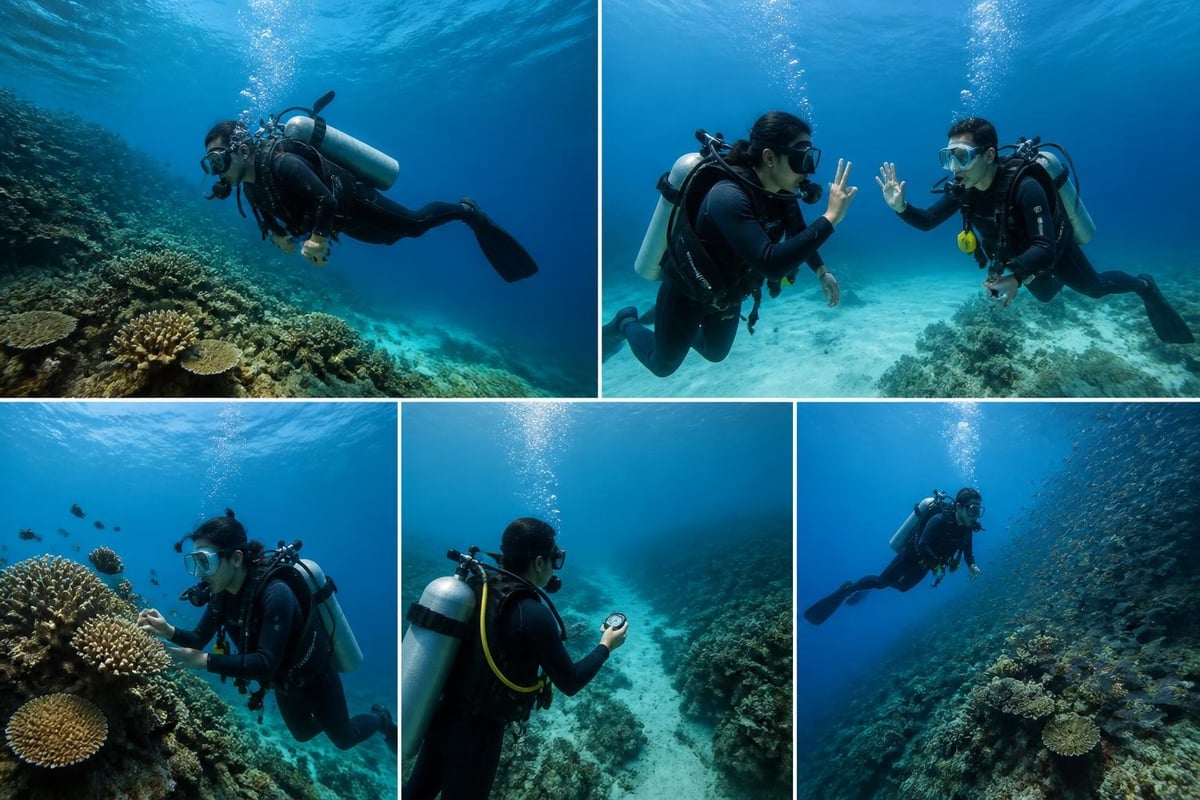
Before you can properly underwater explore, you need three essential components: proper training, appropriate equipment, and knowledge of the environment. Scuba diving certification teaches you how to breathe underwater, control your buoyancy, and respond to challenges. These skills transform you from a surface observer into someone who can navigate three-dimensional space beneath the waves.
Key skills that enable underwater exploration include:
- Buoyancy control to hover above delicate corals without damage
- Air management to extend your time underwater
- Navigation using natural features and compass bearings
- Communication through hand signals with your dive buddy
- Emergency procedures for unexpected situations
The equipment itself becomes an extension of your body. Your regulator delivers air with each breath, your BCD (buoyancy control device) lets you achieve neutral buoyancy, and your mask creates an air pocket that allows your eyes to focus underwater. Modern dive computers track your depth, time, and nitrogen absorption, giving you the data needed to underwater explore safely within recreational limits.
El Nido's Underwater Landscape
Palawan's geography creates exceptional conditions for those wanting to underwater explore. The Sulu Sea meets the South China Sea here, bringing nutrient-rich currents that feed vibrant coral ecosystems. El Nido's limestone karst formations continue beneath the waterline, creating walls, overhangs, and swim-throughs that house diverse marine communities.
Dive Site Diversity
| Site Type | Characteristics | Best For | Typical Depth Range |
|---|---|---|---|
| Coral Gardens | Shallow reefs, high biodiversity | Beginners, photographers | 5-15 meters |
| Wall Dives | Vertical drop-offs, pelagic fish | Intermediate to advanced | 12-30 meters |
| Rock Formations | Swim-throughs, overhangs | All levels | 8-20 meters |
| Drift Dives | Current-assisted, larger marine life | Advanced divers | 15-25 meters |
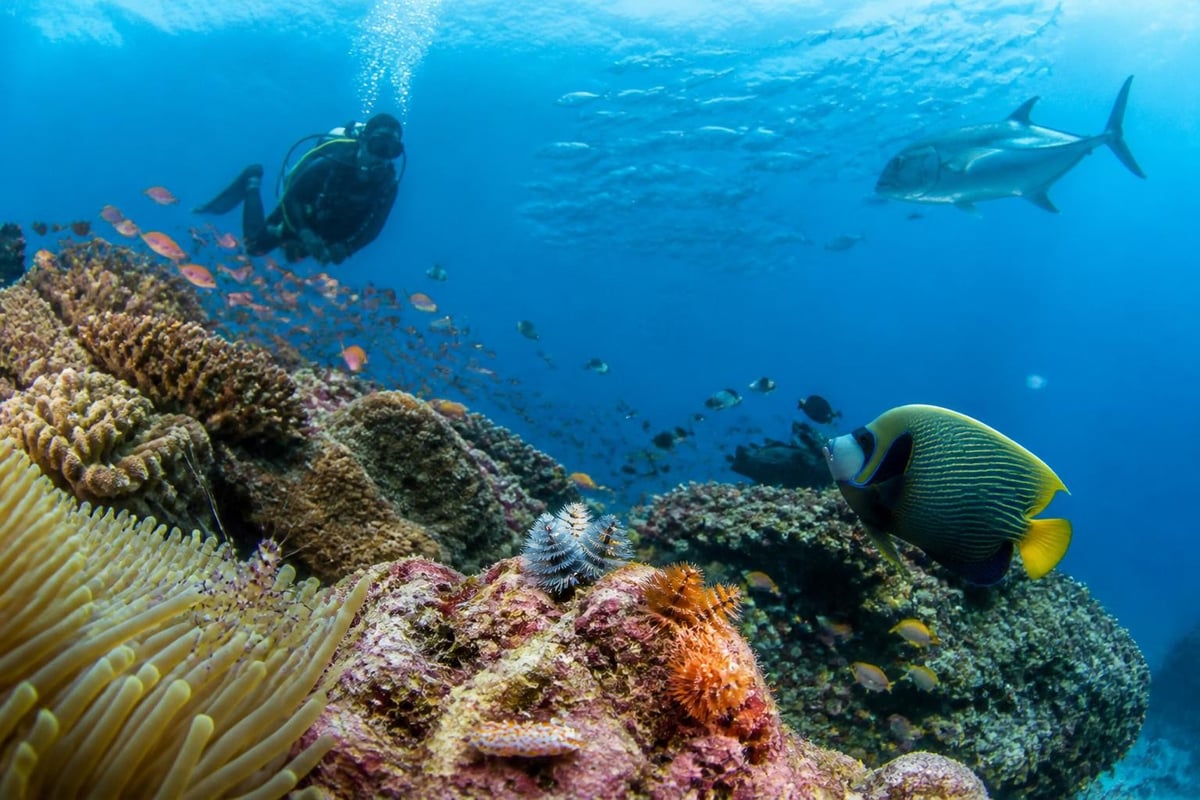
The variety means you can underwater explore different environments during a single trip. Morning dives might take you to shallow coral gardens where butterflyfish dart between branching corals, while afternoon excursions could explore deeper walls where barracuda school in the blue water beyond the reef edge.
Research from NOAA Ocean Exploration demonstrates that Southeast Asian coral reefs support extraordinary biodiversity, with single sites often hosting hundreds of species. El Nido exemplifies this richness. During typical dives, you'll encounter clownfish in their anemone homes, parrotfish grazing on algae-covered rocks, and moray eels peering from rocky crevices.
Starting Your Underwater Exploration Journey
For first-timers, the prospect of breathing underwater can feel both exciting and intimidating. The progression from curious non-diver to confident explorer follows a well-established path, and El Nido provides ideal conditions for each step.
Your First Underwater Experience
Introductory programs let you underwater explore under direct instructor supervision without committing to full certification. You'll learn basic skills in shallow water, practice breathing from a regulator, and then complete a guided dive to around 12 meters depth. These experiences typically last half a day and include all necessary equipment.
The Discover Scuba Diving program introduces you to the underwater world in El Nido's calm, clear conditions, with professional instructors ensuring your comfort and safety throughout.
Many people discover that their first dive answers questions they didn't know they had. Breathing underwater feels surprisingly natural after the initial adjustment. Moving in three dimensions requires different awareness than walking on land. The silence, broken only by your breathing and the occasional snap of cleaner shrimp, creates a meditative quality unlike any surface experience.
Full Certification Programs
If you decide to fully commit to your ability to underwater explore, certification courses teach you comprehensive skills over three to four days. The curriculum combines knowledge development (understanding physics, physiology, and equipment), confined water training (practicing skills in controlled conditions), and open water dives (applying everything in real dive sites).
The certification process includes:
- Self-paced online learning or classroom sessions covering dive theory
- Pool or shallow-water skill development sessions
- Four open water training dives applying learned skills
- Written exam and practical skill demonstrations
- Certification card valid worldwide for life
Small class sizes make a significant difference. With more instructor attention, you progress faster and build genuine confidence. El Nido's warm water (28-30°C year-round) and excellent visibility (often 15-25 meters) eliminate the challenges that cold or murky water present in other locations.
Marine Life Encounters During Exploration
The creatures you meet when you underwater explore in El Nido span the full spectrum of reef biodiversity. Understanding what you're seeing enhances every dive, transforming random fish sightings into recognizable individuals with specific behaviors and ecological roles.
Common Reef Residents
Macro life: Small creatures often provide the most fascinating encounters. Nudibranchs (sea slugs) display colors and patterns that seem impossibly vivid. Tiny gobies perch on coral heads, their eyes constantly scanning for threats. Shrimp maintain cleaning stations where larger fish queue for parasite removal.
Mid-size reef fish: This category includes the colorful species that define tropical reefs. Angelfish, butterflyfish, and wrasses patrol their territories. Groupers lurk in shadows, their camouflage making them nearly invisible until they move. Triggerfish use powerful jaws to crush urchins and crustaceans.
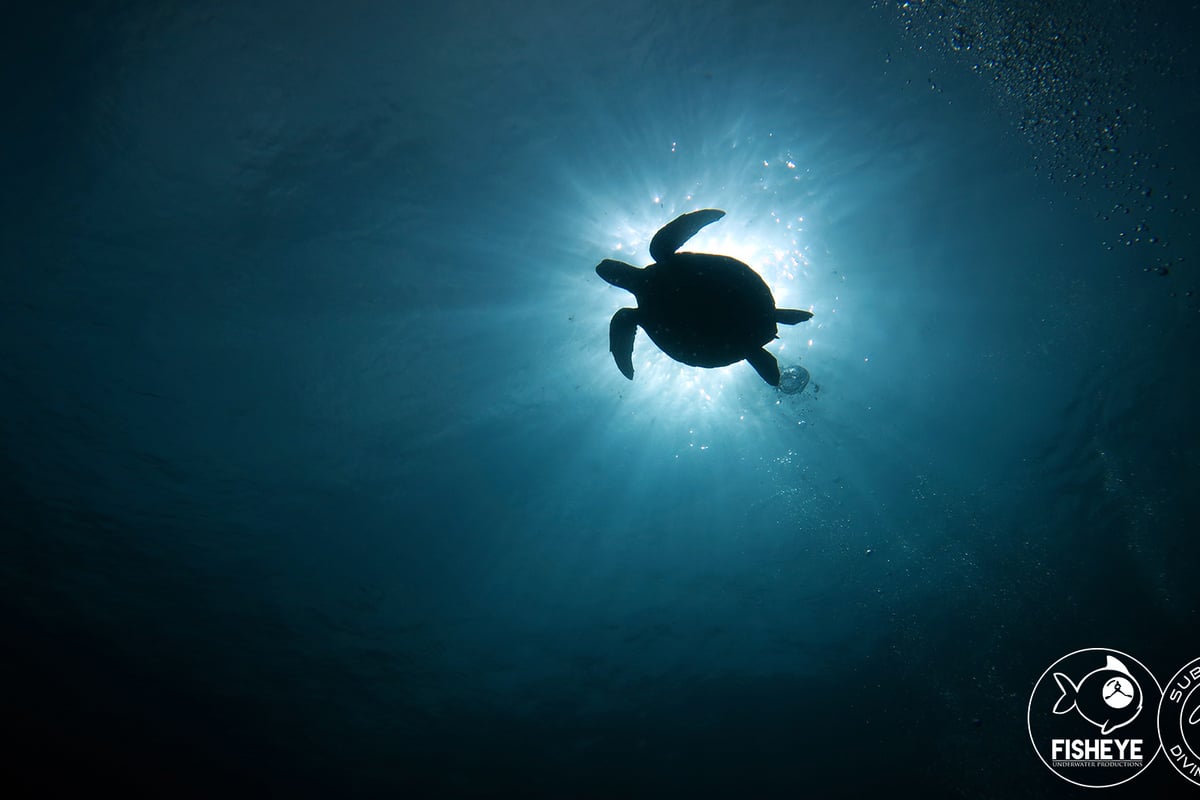
Larger marine animals: Jackfish and barracuda often school in open water beyond the reef. Sea turtles glide past with surprising grace given their size. Rays sometimes rest on sandy patches between coral formations.
The UNESCO Ocean Decade emphasizes the importance of understanding marine ecosystems, and citizen scientists who underwater explore contribute valuable observations about species distribution, behavior, and reef health.
Seasonal Variations
| Season | Water Temp | Visibility | Typical Marine Life Highlights |
|---|---|---|---|
| Nov-May | 28-30°C | 20-30m | Peak season, best visibility, all species |
| Jun-Oct | 27-29°C | 15-25m | Southwest monsoon, occasional plankton blooms |
While you can underwater explore year-round in El Nido, conditions vary slightly between seasons. The northeast monsoon (November through May) generally brings calmer seas and maximum visibility. The southwest monsoon (June through October) can reduce visibility slightly but often attracts larger marine animals drawn to nutrient-rich water.
Advancing Your Exploration Capabilities
Once you've completed basic certification, the journey to underwater explore continues through additional training and experience. Advanced courses teach specialty skills that open new environments and deepen your understanding of the underwater world.
Skill Development Pathways
Deep diving training extends your maximum depth from 18 to 30 meters, accessing walls and deeper reef structures. Navigation courses improve your ability to find specific features and return to exit points. Nitrox certification allows you to use enriched air for longer bottom times and shorter surface intervals.
Peak performance buoyancy courses refine your control, letting you hover motionless to photograph tiny subjects or glide just above delicate coral without touching. Underwater photography programs teach composition, lighting, and camera settings specific to marine environments.
Progressive training benefits:
- Expanded depth ranges accessing more diverse environments
- Improved air consumption through better technique
- Enhanced safety through scenario practice
- Specialized skills for night diving, drift diving, or wreck exploration
- Confidence to underwater explore independently within your training limits
Woods Hole Oceanographic Institution develops advanced exploration technology for scientific research, but recreational divers gain similar benefits from their own skill progression. Each new capability expands what you can safely explore and understand.
Practical Considerations for Your Diving Trip
Planning to underwater explore in El Nido requires some logistics, but the tropical location makes things simpler than many dive destinations. The town itself sits on the edge of Bacuit Bay, with most dive sites within 10-40 minutes by boat.
Trip Planning Essentials
When to visit: El Nido welcomes divers throughout the year. The dry season (November through May) offers the most predictable weather and calmest seas, though diving remains excellent during other months. If you're combining diving with island exploration, consider that some lagoon tours may be affected by southwest monsoon conditions between June and October.
How long to stay: First-time explorers completing certification should plan at least four days for the course itself, plus additional days for fun diving to practice new skills. Certified divers often book three to five days of diving, which typically means six to ten dives depending on whether you do single or multiple dives daily.
Accommodation considerations: Location matters when you plan to underwater explore regularly. Staying close to dive operations eliminates transportation hassles and lets you maximize time underwater rather than in transit. The El Nido Dive & Stay Package combines beachfront accommodation with diving from the same location, creating convenience that independent travelers appreciate.
Equipment and What to Bring
| Item Category | Bring Your Own | Available to Rent |
|---|---|---|
| Mask, snorkel, fins | Recommended for fit | Yes, all sizes |
| Wetsuit | Optional in warm water | Yes, 3mm suits |
| Dive computer | If you own one | Yes, included |
| Regulator/BCD | If experienced | Yes, maintained regularly |
| Underwater camera | If desired | Limited availability |
Most divers traveling to tropical destinations bring their own mask for fit and comfort, plus a rash guard or thin wetsuit for sun protection and minor thermal insulation. Complete scuba units (regulator, BCD, gauges) are available, professionally maintained, and included in dive package pricing.
Environmental Responsibility While You Explore
The privilege to underwater explore comes with responsibility to protect what you're experiencing. Coral reefs worldwide face pressure from climate change, pollution, and physical damage. Individual diver behavior makes a measurable difference in reef health.
Best Practices for Reef Protection
Buoyancy control represents your most important environmental skill. Proper weighting and BCD use keep you off the bottom, preventing fin kicks or hand contact that damage coral polyps. These tiny animals build reef structures over decades, and a single careless contact can destroy years of growth.
Reef-friendly exploration guidelines:
- Maintain neutral buoyancy throughout your dive
- Secure dangling equipment (gauges, octopus) close to your body
- Never touch, stand on, or kneel on coral formations
- Avoid chasing or harassing marine animals for photos
- Take only pictures, leave only bubbles
- Report marine debris or fishing gear for removal
Research published in Nature Communications explores innovative approaches to ocean conservation, including technology that helps monitor reef health. Recreational divers contribute by following responsible practices and reporting unusual observations to local marine researchers.
Plastic pollution affects even remote dive sites. Bring reusable water bottles, avoid single-use plastics, and participate in underwater cleanup efforts if offered. Many dive operators organize periodic reef cleanup dives where you can underwater explore while collecting debris that threatens marine life.
Connecting with the Exploration Community
The ability to underwater explore connects you with a global community of divers who share your passion. In El Nido, this community includes visiting divers from dozens of countries, local divemasters who know every reef intimately, and marine enthusiasts documenting species and behaviors.
Learning from Experience
Dive briefings before each exploration provide site-specific information: currents, entry and exit points, maximum depths, and notable features to find. Experienced guides highlight creatures you might otherwise miss and explain ecological relationships between species.
Post-dive discussions let you share sightings, ask questions about unfamiliar species, and learn from others' observations. This collective knowledge accumulates quickly, turning a week of diving into an intensive marine biology course.
Organizations like OceanX conduct high-profile expeditions using advanced technology, while recreational divers make valuable contributions through citizen science programs that track reef health, species distribution, and environmental changes over time.
Documenting Your Underwater Experiences
Photography and video have become integral to how many people underwater explore. Capturing images serves multiple purposes: personal memories, species identification references, and documentation of reef conditions. Modern waterproof cameras and housings make underwater imaging accessible to beginners.
Photography tips for exploration:
- Master buoyancy before adding camera complexity
- Use natural light in shallow water (under 10 meters)
- Get close to subjects, reducing water between lens and subject
- Respect marine life, never posing or manipulating creatures
- Learn post-processing to bring out colors absorbed by water
National Geographic’s Exploration Technology Lab showcases how imaging technology advances our understanding of marine environments. While professional expedition equipment exceeds recreational budgets, the principles of good composition and storytelling apply at every level.
Building Your Diving Skills Over Time
The journey to confidently underwater explore extends far beyond initial certification. Many divers find that scuba becomes a lifelong pursuit, with each dive teaching something new about marine ecosystems, animal behavior, or their own capabilities.
Progressive Experience Development
Your first ten dives focus on basic skill refinement: achieving comfortable buoyancy, managing air consumption, and building confidence. Dives 10-25 typically bring noticeable improvements in efficiency and awareness. You begin to see smaller creatures, understand current patterns, and navigate more naturally.
Beyond 50 dives, many people pursue specialty training in areas that match their interests. Some focus on underwater photography, others on marine identification, and others on technical diving that extends depth limits and bottom times.
Typical skill progression milestones:
- Dives 1-10: Building comfort and basic proficiency
- Dives 10-25: Improving efficiency and environmental awareness
- Dives 25-50: Developing specialty interests and advanced skills
- Dives 50+: Pursuing advanced certifications and challenging sites
El Nido provides the dive variety that supports this progression. Shallow sites perfect for skill practice sit minutes from walls that challenge even experienced divers. You can underwater explore the same location multiple times and discover different aspects on each visit.
Making the Most of Your El Nido Diving Experience
When you invest time and money to underwater explore in a destination as special as Palawan, maximizing the experience makes sense. This means choosing dive operations that prioritize safety, small groups, and environmental responsibility over volume and price competition.
What Quality Dive Operations Provide
Professional dive centers maintain equipment to manufacturer specifications, replacing components before they fail rather than after. Boats include emergency oxygen, first aid supplies, and communication equipment. Divemasters maintain certifications and continuing education in rescue techniques and local ecology.
Small group sizes ensure adequate supervision and personalized attention. Ratios of 4-6 divers per guide allow everyone to see highlighted marine life, ask questions, and receive feedback on skill performance.
Site selection matches group abilities and interests. Flexible operators adjust plans based on conditions, choosing protected sites when seas are rough or requesting specific features when divers have particular interests.
Learning to underwater explore opens extraordinary opportunities to experience marine ecosystems firsthand, building both skills and environmental awareness that last a lifetime. El Nido's combination of warm, clear water, diverse sites, and abundant marine life creates ideal conditions whether you're taking your first breaths underwater or adding to hundreds of previous dives. Ready to begin your underwater exploration journey? Palawan Diving provides the professional instruction, maintained equipment, and local expertise that make your El Nido diving experience both safe and unforgettable.