The underwater world holds some of Earth's most spectacular landscapes, and choosing where to dive next can feel overwhelming. Whether you're dreaming of vibrant coral gardens, dramatic wall dives, or close encounters with pelagic species, the planet offers incredible diversity beneath the surface. Great scuba diving destinations share certain qualities: healthy marine ecosystems, good visibility, accessible dive sites, and that special something that makes every descent memorable. This guide explores what makes certain locations stand out and how to match your diving preferences with the right destination.
What Defines Great Scuba Diving Destinations
The world's best diving locations aren't just about clear water and colorful fish. Several factors combine to create truly exceptional underwater experiences.
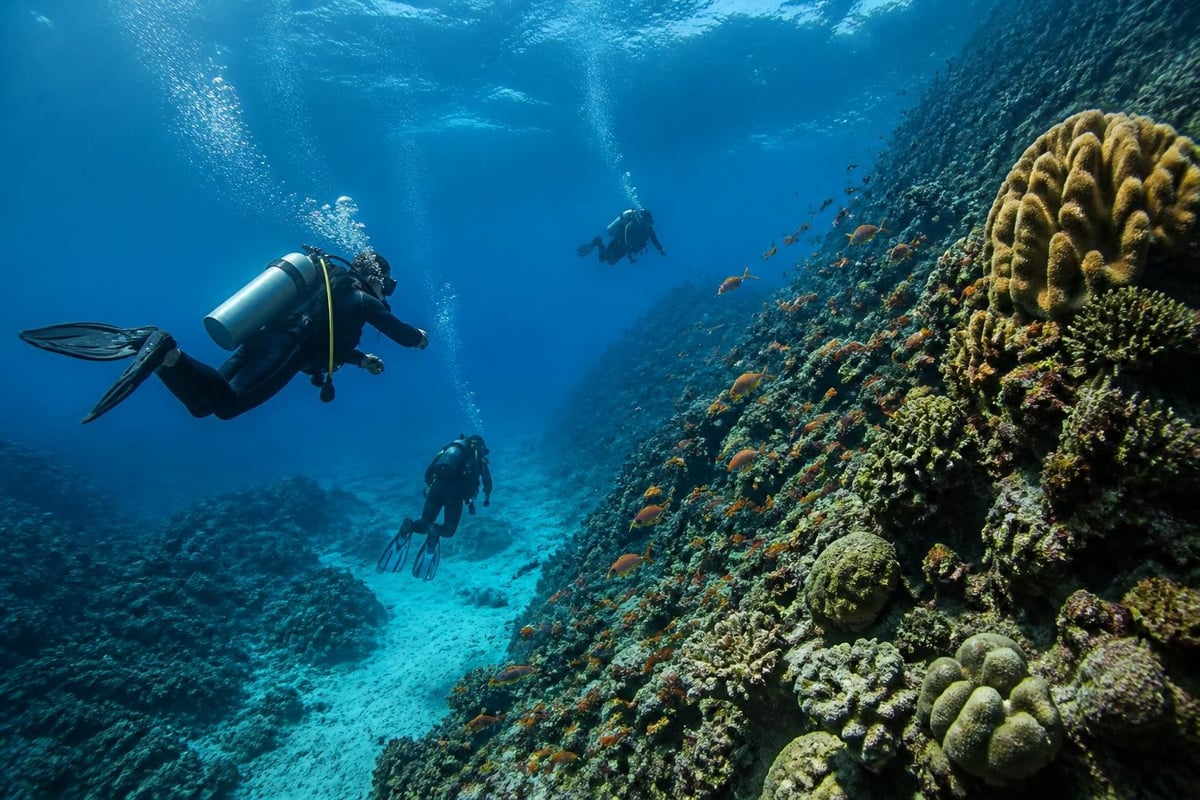
Marine biodiversity sits at the top of most divers' priority lists. Healthy reefs support hundreds of species, from macro critters to schooling fish and larger marine life. The most celebrated sites typically fall within biodiversity hotspots where ocean currents, water temperature, and habitat complexity create ideal conditions.
Underwater topography shapes each dive's character. Walls that plunge into the deep blue offer different experiences than gentle reef slopes or dramatic pinnacles. Some divers seek swim-throughs and caverns, while others prefer expansive coral gardens where they can drift slowly and observe the reef community.
| Factor | What to Look For | Why It Matters |
|---|---|---|
| Visibility | 15-40+ meters typical range | Affects photography, marine-life spotting, and comfort |
| Current patterns | Moderate to strong in channels | Brings nutrients and pelagic species; requires experience |
| Water temperature | Stable within your comfort range | Determines exposure protection and dive duration |
| Site accessibility | Boat times, entry types, depth options | Impacts daily dive count and energy expenditure |
Infrastructure and safety distinguish professional operations from casual ones. Experienced dive guides, well-maintained equipment, small group sizes, and clear emergency protocols contribute significantly to dive quality and security.
Seasonal Considerations and Planning
Great scuba diving destinations experience seasonal variations that affect conditions, marine life, and overall experience. Understanding these patterns helps you time your visit perfectly.
Dry and wet seasons influence visibility and surface conditions more than water temperature in tropical locations. Dry seasons typically bring calmer seas, clearer water, and easier boat access to exposed sites. Wet seasons may reduce visibility near river mouths but can also bring plankton blooms that attract larger marine life.
Marine-life migrations create seasonal highlights at many destinations. Certain species appear predictably during specific months, though wildlife sightings can never be guaranteed. Research your target species' typical patterns and understand that nature doesn't follow schedules.
The CDC’s diving health guidance provides essential information about flying after diving, decompression illness prevention, and medical considerations for different travel destinations. Always plan surface intervals before flights and understand the health facilities available at your chosen location.
Tropical Reef Destinations
Tropical coral reefs represent what many divers envision when planning their next adventure. These ecosystems support remarkable biodiversity in relatively shallow, warm waters.
The Indo-Pacific region hosts the world's most biodiverse marine environments. The Coral Triangle, stretching from the Philippines through Indonesia to the Solomon Islands, contains over 75% of all known coral species and more than 3,000 fish species.
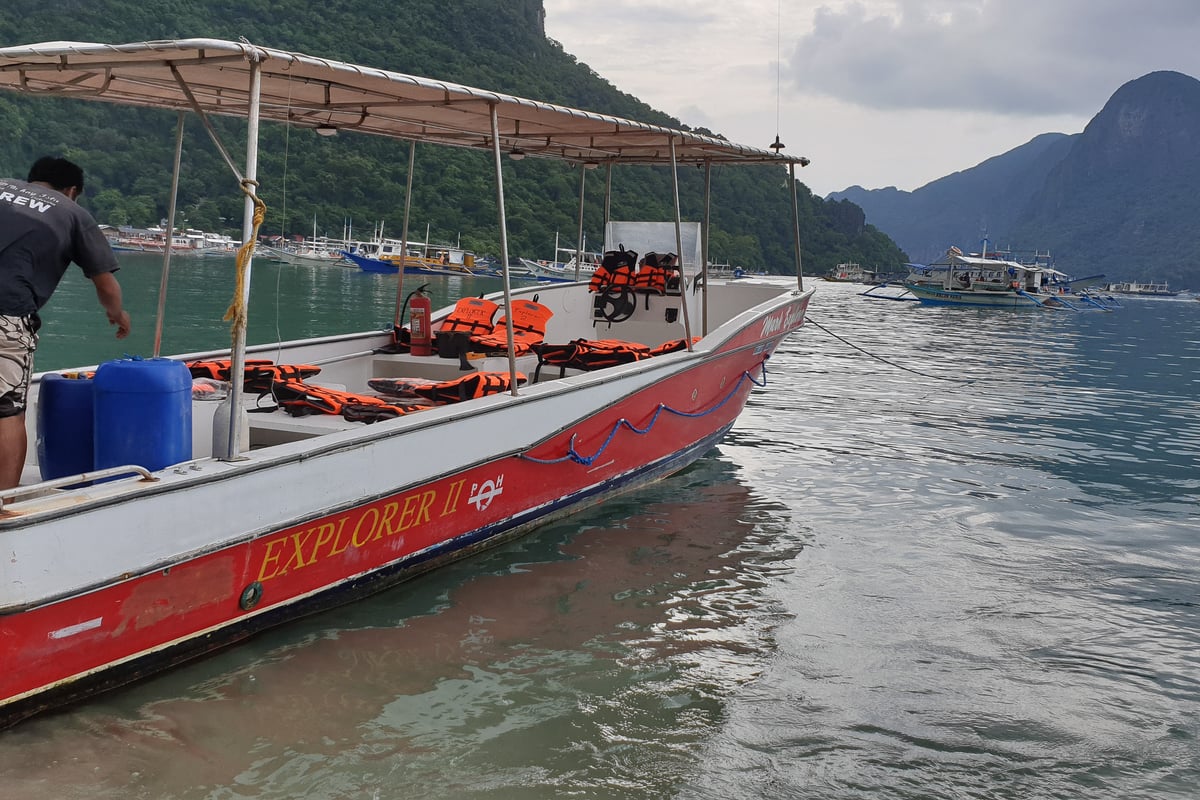
The Philippines offers extraordinary diving across 7,000 islands, with conditions and marine life varying by region. In Palawan, El Nido's Bacuit Bay presents a stunning combination of dramatic limestone cliffs above water and healthy coral reefs below. The protected marine areas here maintain diverse ecosystems with excellent visibility throughout most of the year.
- Crystal-clear waters averaging 20-30 meters visibility
- Reef slopes, walls, and coral gardens at accessible depths
- Rich macro life alongside larger reef species
- Protected bays offering calm conditions for all experience levels
Submariner Diving Center has been guiding divers through these waters for years, building relationships with local communities and maintaining sustainable diving practices that protect the reefs. For travelers seeking convenience and quality, the Private Diving Charter – El Nido offers a personalized way to explore Bacuit Bay's best sites away from crowds, with flexible itineraries designed around your interests and experience level.
The Maldives delivers a different tropical experience, with channel dives between atolls where currents bring pelagic species to cleaning stations and aggregation points. The island nation's geography creates unique dive conditions that experienced divers particularly appreciate.
The Caribbean shouldn't be overlooked despite facing reef challenges in some areas. Bonaire's shore diving accessibility, Cozumel's drift diving along walls, and Cuba's pristine Gardens of the Queen offer distinct Caribbean experiences. Each destination has adapted differently to tourism pressure and climate impacts, with some showing encouraging recovery.
What to Expect on Tropical Reef Dives
Tropical reef diving typically involves boat trips to moored sites or drift dives along reef edges. Water temperatures range from 26-30°C (79-86°F), allowing for minimal exposure protection.
Dive profiles usually target 15-25 meter depths for recreational diving, though walls may drop much deeper. Multi-level dives maximize bottom time by starting deeper and gradually ascending along the reef slope.
Current conditions vary by site and tidal phase. Some locations offer sheltered reefs perfect for newer divers, while channel entrances and reef points provide exciting drift diving for those comfortable in moderate currents.
Destinations for Advanced Divers
Some great scuba diving destinations demand more experience, better skills, or specific certifications. These sites reward preparation with unforgettable underwater adventures.
Strong current diving in places like Palau's Blue Corner or Indonesia's Komodo National Park requires excellent buoyancy control, reef-hooking techniques, and comfort in dynamic conditions. The currents that make these sites challenging also deliver spectacular marine-life encounters as large schools and pelagic species ride the flow.
| Destination | Special Requirements | What Makes It Special |
|---|---|---|
| Galápagos Islands | Strong currents, deep diving | Hammerhead schools, marine iguanas, unique endemic species |
| Cocos Island | Remote liveaboard, challenging conditions | Large pelagic aggregations, pristine reefs |
| Blue Hole, Belize | Deep diving, overhead environment | Geological formations, historical significance |
| Sipadan, Malaysia | Strong currents, depth | Barracuda tornadoes, turtle highways, wall diving |
Deep diving opens access to different communities and geological features. The Advanced Open Water certification includes deep-diving training, building confidence and skills for sites that reveal their best features below 25 meters. Many experienced divers seek these deeper profiles for specific marine life or underwater topography.
Remote and Liveaboard Destinations
Some of the world's most pristine diving requires multi-day boat trips to reach. Liveaboard diving maximizes underwater time and accesses sites impossible as day trips.
The Red Sea liveaboards explore Egyptian reefs far from shore, including wrecks like the Thistlegorm and remote southern sites. Sudan's reefs remain largely untouched due to limited tourism infrastructure, offering experienced divers genuinely wild underwater environments.
The Similan Islands and similar Thai destinations attract divers seeking extraordinary underwater experiences with massive granite boulders, swim-throughs, and seasonal whale shark and manta ray possibilities.
Liveaboard diving suits divers who want to maximize dive counts, enjoy night diving opportunities, and experience camaraderie with fellow enthusiasts. These trips typically include 3-4 dives daily plus night dives, demanding good physical fitness and comfort with repetitive diving.
Wreck Diving Destinations
Historic shipwrecks add cultural dimension to diving, combining marine-life encounters with human history beneath the waves.
Truk Lagoon in Micronesia holds over 60 Japanese ships and aircraft from World War II operations, creating what many consider the world's premier wreck diving destination. The lagoon's protected waters preserved these vessels remarkably well, now serving as artificial reefs covered in coral and supporting diverse marine communities.
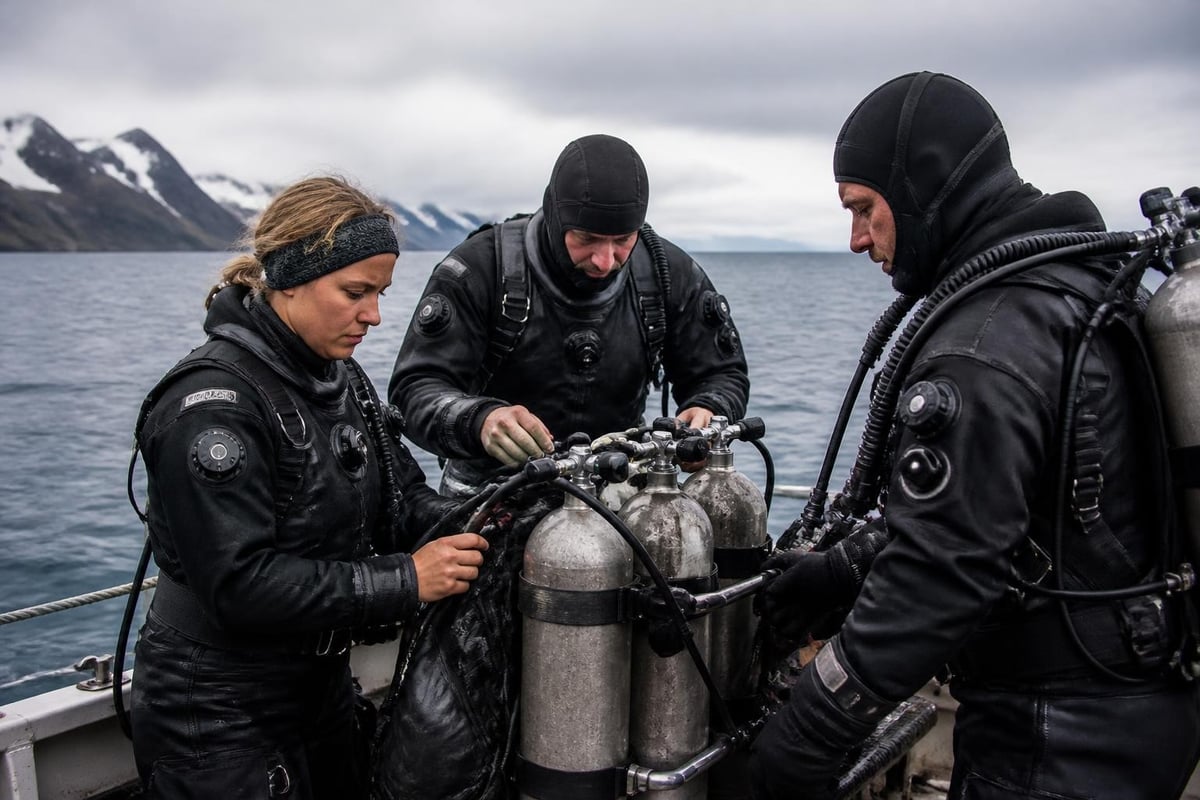
The Great Lakes offer freshwater wreck diving in surprisingly clear conditions. Cold temperatures preserve wooden ships that would deteriorate quickly in tropical waters. These sites demand dry suit experience and cold-water diving skills but reward divers with unique historical artifacts.
Technical and Penetration Wreck Diving
Advanced wreck diving requires specialized training in overhead environments, line work, and emergency procedures. Technical diving certifications open access to deeper wrecks and interior spaces.
- Entry-level wreck diving: External exploration staying in the light zone
- Advanced wreck diving: Limited penetration with direct vertical access to surface
- Technical wreck diving: Full penetration requiring decompression stops and specialized equipment
National Geographic’s wreck diving coverage highlights both famous sites and lesser-known wrecks worth exploring, providing historical context that enriches the diving experience.
Cold-Water Diving Destinations
Great scuba diving destinations aren't limited to tropical waters. Cold-water environments offer exceptional visibility, unique marine life, and different diving challenges.
British Columbia's kelp forests create underwater landscapes unlike anything in the tropics. Giant Pacific octopus, colorful nudibranchs, and wolf eels inhabit these productive waters. The region's dramatic topography includes walls dropping into deep channels and protected inlets.
Norway's fjords offer truly unique diving with cold-water corals, king crabs, and the possibility of orcas passing overhead. Arctic and sub-Arctic diving requires comprehensive cold-water training, proper exposure protection, and understanding of hypothermia risks.
Ice diving in locations like Antarctica or under frozen lakes represents the extreme end of recreational diving. These specialty dives demand specific certifications, tethered systems, and backup plans for every possible scenario.
Cold-Water Equipment and Skills
Proper exposure protection makes cold-water diving comfortable and safe. Dry suits keep you warm in temperatures from 0-15°C (32-59°F), but require training to manage buoyancy changes and emergency procedures.
Additional considerations include:
- Regulator freezing prevention
- Increased air consumption in cold water
- Longer surface intervals for warming between dives
- Emergency procedures for equipment issues in remote locations
Planning Your Diving Destination
Choosing among great scuba diving destinations involves matching your interests, experience level, and travel preferences with suitable locations.
Experience requirements vary significantly. Newer divers should target destinations with sheltered sites, minimal currents, and strong safety infrastructure. As skills develop, more challenging locations become accessible and enjoyable.
Certification levels directly affect which sites you can safely explore. Open Water certification opens most recreational diving, while Advanced certifications and specialties like deep diving, drift diving, or wreck diving expand your options considerably.
| Diver Level | Suitable Destinations | Focus Areas |
|---|---|---|
| New divers (0-25 dives) | Protected bays, shallow reefs, calm conditions | Building comfort, basic skills, easy marine-life encounters |
| Intermediate (25-100 dives) | Moderate currents, varied topography, specialty sites | Drift diving, deeper profiles, navigation |
| Advanced (100+ dives) | Strong currents, remote locations, technical sites | Challenging conditions, specific species, unique environments |
Budget considerations extend beyond diving costs. Accommodation quality, meal plans, gear rental versus ownership, and certification courses all factor into total trip expenses. Some destinations offer excellent value, while others command premium prices for exclusive experiences.
Research marine protected areas and their economic impact to understand how conservation fees contribute to reef protection and local communities. Many divers appreciate knowing their tourism supports sustainable management.
Specialized Diving Experiences
Beyond typical reef and wreck diving, certain destinations offer specialized experiences that attract divers with particular interests.
Shark diving takes many forms, from cage diving with great whites off South Africa to uncaged reef shark encounters in the Bahamas. These experiences require following specific protocols and understanding animal behavior to ensure both diver and shark safety.
Muck diving in locations like Indonesia's Lembeh Strait targets tiny, unusual creatures in seemingly barren environments. Successful muck diving demands patience, excellent buoyancy control, and often a good guide who knows where critters hide.
Cave diving represents technical diving's most demanding discipline. Overhead environments with no direct access to the surface require extensive training, redundant equipment, and meticulous planning. Mexico's cenotes offer some of the world's most spectacular cave systems, though only properly trained divers should attempt penetration.
Marine-Life Specific Destinations
Some divers plan trips around specific species or phenomena. While wildlife can never be guaranteed, certain locations offer better odds during specific seasons.
Whale sharks appear predictably in locations like the Philippines' Donsol, Mexico's Isla Mujeres, and the Maldives during plankton blooms. These gentle giants filter-feed near the surface, allowing snorkelers and divers to observe them closely.
Manta rays congregate at cleaning stations and feeding areas in places like Hawaii's Kona coast, Indonesia's Raja Ampat, and the Maldives' Hanifaru Bay. Their graceful movements and intelligence make encounters particularly memorable.
Hammerhead schools at destinations like Cocos Island and the Galápagos demonstrate why experienced divers invest in remote trips. These aggregations occur in challenging conditions but deliver experiences unlike anything on typical reefs.
Conservation and Responsible Diving
Great scuba diving destinations depend on healthy marine ecosystems and sustainable tourism practices. Every diver plays a role in protecting these environments.
Buoyancy control represents the single most important conservation skill. Proper weighting and trim prevent accidental reef contact that damages corals and disturbs marine life. Regular buoyancy practice, especially during training courses, pays long-term dividends.
Physical contact with marine life should be avoided except in genuine emergencies. Touching corals transfers bacteria and protective slime, feeding fish alters natural behavior, and handling animals causes stress.
NOAA’s diving guidance covers marine sanctuaries and protected areas where specific rules apply. Understanding and following these regulations ensures continued access and ecosystem health.
Supporting Local Communities
Sustainable dive tourism benefits local economies while protecting marine resources. Choosing locally-owned operators, respecting cultural practices, and supporting conservation initiatives creates positive impacts.
Marine park fees directly fund enforcement, research, and habitat restoration. Rather than viewing these as added expenses, consider them investments in protecting the reefs you're visiting.
Local guides bring invaluable knowledge about conditions, marine life, and site-specific features. Their expertise enhances your diving while providing sustainable employment in coastal communities.
Making the Most of Your Dive Trip
Preparation extends beyond booking flights and accommodation. Thoughtful planning maximizes enjoyment and safety.
Equipment servicing before travel prevents frustrating equipment issues at your destination. Regulators, BCDs, and dive computers should receive professional servicing according to manufacturer schedules.
Dive insurance through organizations like DAN (Divers Alert Network) provides medical coverage specific to diving injuries, including hyperbaric treatment and evacuation. Standard travel insurance typically excludes diving-related medical needs.
Physical preparation matters more for demanding destinations. Cardiovascular fitness, comfortable swimming ability, and general health all contribute to safe, enjoyable diving. Medical conditions may require physician clearance before diving.
Extending Your Experience
Many great scuba diving destinations offer activities beyond diving that complement underwater adventures.
Above-water exploration in places like El Nido reveals dramatic landscapes, island-hopping opportunities, and cultural experiences. Balancing diving with other activities prevents fatigue while maximizing your trip's value.
Photography and documentation help preserve memories and share your experiences. Underwater photography has become more accessible, though mastering it requires practice and understanding of light, composition, and animal behavior.
Continuing education through specialty courses adds skills while exploring new aspects of diving. Nitrox certification extends bottom times, underwater navigation builds confidence, and fish identification deepens your understanding of reef ecology.
Great scuba diving destinations offer something for every diver, from protected tropical bays perfect for building skills to remote locations delivering world-class encounters. Whether you're just starting your diving journey or seeking your next challenging adventure, matching your experience and interests with the right destination creates unforgettable underwater memories. Submariner Diving Center provides expertly guided diving in El Nido's spectacular waters, along with comprehensive PADI training that prepares you for diving destinations worldwide. Start planning your next dive adventure today.