The Philippines is home to some of the planet's most spectacular underwater scenery, with over 7,000 islands scattered across the Coral Triangle. This remarkable position brings together exceptional marine biodiversity, dramatic underwater topography, and dive sites that cater to every level of experience. When searching for the best Philippines diving, you'll quickly discover that the country offers everything from shallow coral gardens perfect for beginners to deep walls frequented by sharks, rays, and turtles. The sheer variety makes planning your dive trip both exciting and challenging, so understanding what each region offers will help you make the most of your underwater adventure.
Why the Philippines Ranks Among the World's Best Diving Destinations
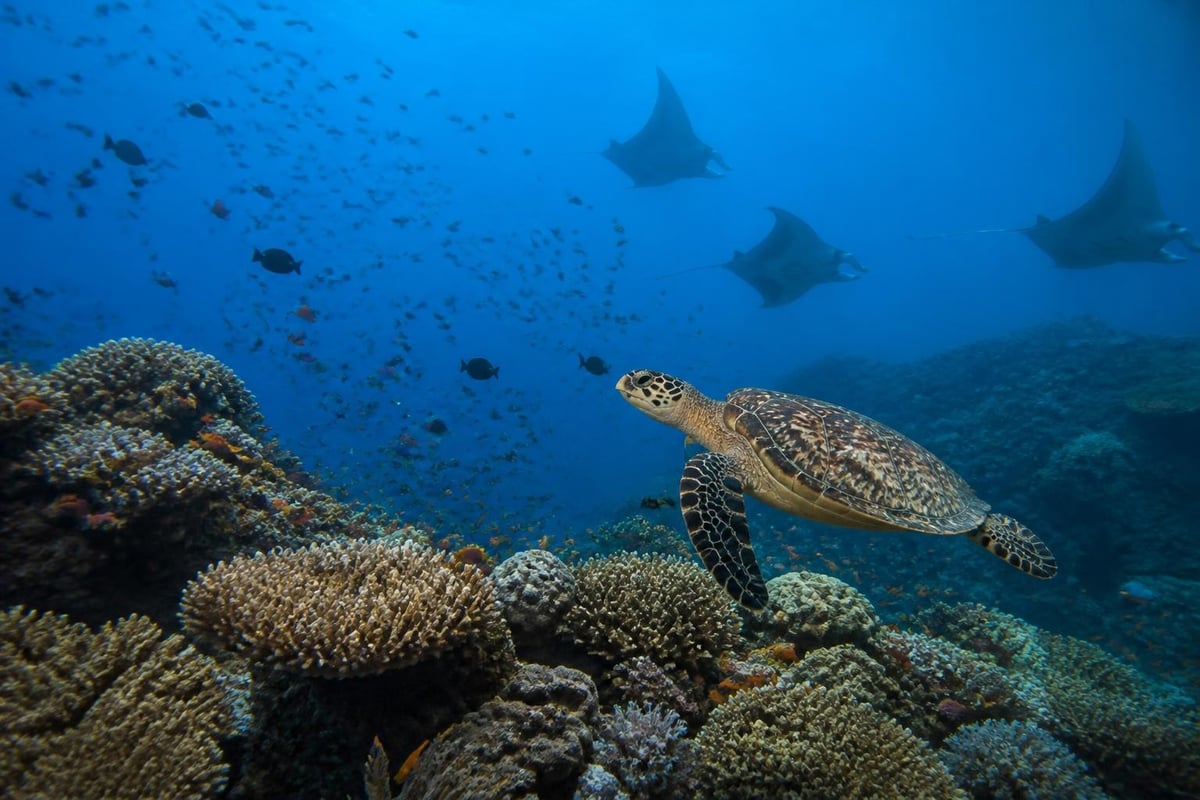
The Philippines sits at the heart of the Coral Triangle, an area recognized by marine scientists as holding the highest marine biodiversity on Earth. This geographic advantage translates directly into what you'll see underwater.
Marine biodiversity here is genuinely exceptional:
- Over 500 species of hard and soft corals
- More than 2,000 species of reef fish
- Large pelagic species including sharks, manta rays, and whale sharks
- Year-round tropical water temperatures ranging from 26°C to 30°C
The country's complex geological history has created an underwater landscape of walls, drop-offs, channels, and seamounts. These features concentrate nutrients and create the conditions that support both macro life and large pelagic encounters.
Accessibility and Infrastructure for Divers
Unlike some world-class dive destinations that require liveaboard trips or complicated logistics, many of the best Philippines diving sites remain accessible from shore-based operations. International flights connect Manila and Cebu to major Asian hubs, while domestic flights and ferries reach dive regions across the archipelago.
The dive industry has matured significantly over the past decade. You'll find internationally certified dive centers, modern equipment, and operators who understand both safety standards and environmental responsibility. Many regions offer a full range of accommodation, from budget-friendly guesthouses to luxury resorts, making it easier to tailor your trip to your budget and preferences.
Top Regions for the Best Philippines Diving Experiences
Choosing where to dive depends on what you want to see, your experience level, and the season you're traveling. Each region offers something distinct.
Palawan: Pristine Reefs and Dramatic Seascapes
Palawan consistently ranks among the top destinations for diving in the Philippines, and for good reason. The province combines stunning above-water scenery with healthy coral reefs and diverse marine life.
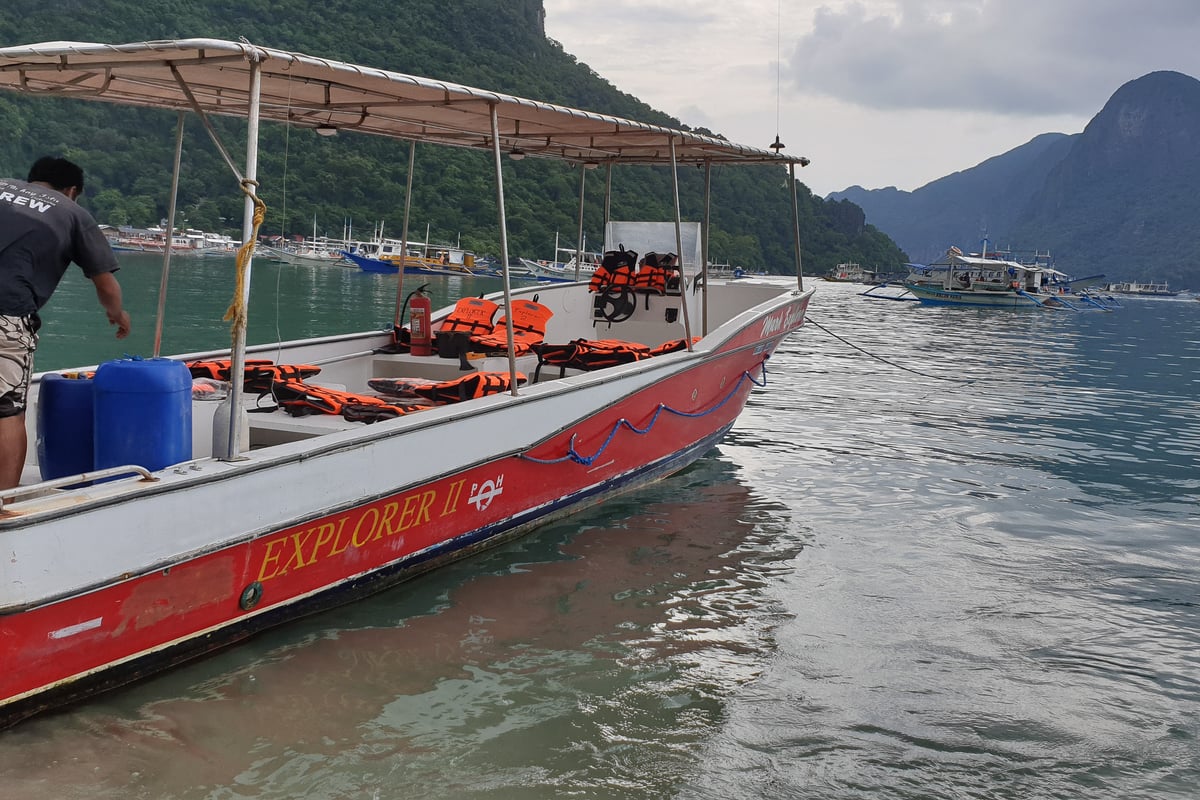
El Nido sits at the northern end of Palawan and offers exceptional diving within Bacuit Bay:
| Dive Site Category | What to Expect | Best For |
|---|---|---|
| Coral gardens | Shallow reefs with excellent coral coverage and reef fish | Beginners, photographers |
| Wall dives | Vertical drop-offs with soft corals, gorgonians | Intermediate to advanced |
| Channels | Current dives with pelagic potential | Advanced divers |
The limestone karst formations that make El Nido famous above water continue beneath the surface, creating unique topography and dive profiles. Water clarity is excellent during most of the year, and the relative remoteness of some sites means you'll often have reefs to yourself.
For those seeking a more personalized experience on the water, a Private Diving Charter – El Nido allows you to explore Bacuit Bay's spectacular reefs at your own pace, with flexible itineraries designed around your interests and experience level.
Further south, Coron is renowned for wreck diving. Japanese supply ships and naval vessels sunk during World War II now rest in relatively shallow water, draped in soft corals and inhabited by schools of fish. These wrecks offer historical interest alongside excellent diving, though some penetration sites require advanced training and experience.
Tubbataha Reefs Natural Park: World Heritage Diving
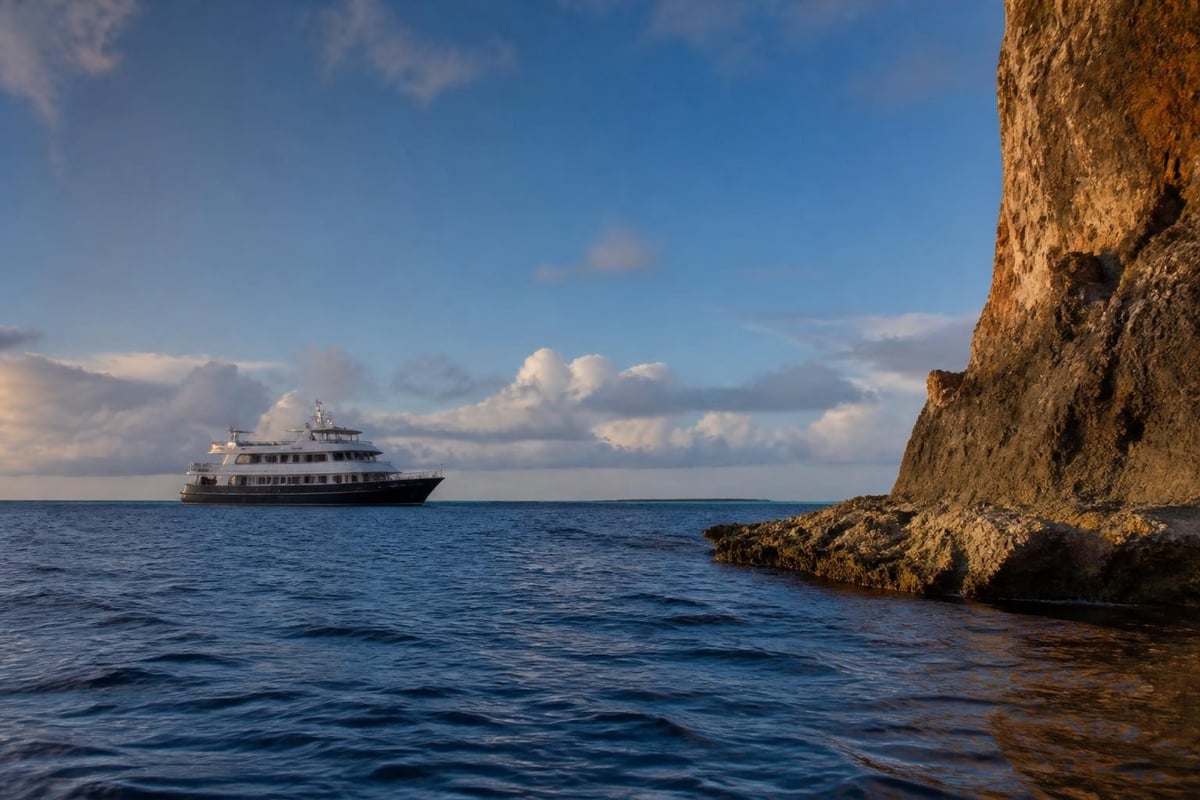
Tubbataha represents the best Philippines diving for experienced divers seeking pristine conditions and pelagic encounters. This UNESCO World Heritage Site lies 150 kilometers southeast of Puerto Princesa in the Sulu Sea and is only accessible by liveaboard during a short season from mid-March to mid-June.
What makes Tubbataha exceptional:
- Walls dropping beyond recreational limits
- Regular sightings of sharks, including grey reef, whitetip, and occasionally hammerheads
- Manta ray cleaning stations
- Healthy hard coral coverage
- Extremely limited human impact
The official Philippine Tourism guide highlights Tubbataha as a must-visit for serious divers, though the remote location and liveaboard-only access mean proper planning is essential. The park's isolation ensures protection from overfishing and reef damage, resulting in the kind of pristine conditions that have become increasingly rare in popular dive destinations.
Visayas: Diversity Across Multiple Islands
The Visayas region offers incredible variety within relatively short distances. Cebu, Bohol, Negros, and smaller islands each have distinct underwater personalities.
Moalboal on Cebu's southwest coast has gained international attention for its sardine run. Millions of sardines form a massive, swirling ball that creates one of diving's most photogenic experiences. Beyond the sardines, Moalboal's Pescador Island features walls covered in soft corals and frequent turtle encounters.
Bohol's Balicasag Island remains one of the best Philippines diving sites for combining healthy corals with regular sightings of larger marine life. The island's marine sanctuary shows what effective local conservation can achieve, with recent reef monitoring reports documenting steady improvement in coral coverage and fish populations.
Dumaguete and Dauin, on Negros Oriental, specialize in muck diving. The black sand slopes hide extraordinary macro life, including frogfish, nudibranchs, seahorses, and rare species like the Ambon scorpionfish. For underwater photographers, this region rivals Indonesia's Lembeh Strait.
Anilao: Macro Paradise Close to Manila
Anilao's proximity to Manila makes it the most accessible world-class dive destination for international travelers with limited time. Just a few hours by road from the capital, Anilao's dive sites cluster around the Verde Island Passage, which marine researchers recognize as having the highest concentration of coastal marine species in the world.
The diving here focuses heavily on macro subjects, though the area also offers excellent coral gardens and occasional pelagic visitors.
Notable macro species regularly found in Anilao:
- Multiple pygmy seahorse species
- Blue-ring octopus
- Mimic octopus
- Wonderpus octopus
- Countless nudibranch species
- Rare shrimp and crab species
The peer-reviewed research on biodiversity hotspots in the Indo-Pacific consistently highlights the Verde Island Passage as a priority conservation area, reflecting the exceptional biological importance of these waters.
Seasonal Considerations for the Best Philippines Diving
The Philippines experiences two primary seasons that affect diving conditions across different regions. Understanding these patterns helps you choose the best time for your trip.
Northeast and Southwest Monsoons
The northeast monsoon (amihan) typically runs from November through May, bringing calmer seas and better visibility to most western Philippine destinations. This includes Palawan, Coron, and western Visayas sites.
The southwest monsoon (habagat), from June through October, can bring rougher conditions to western coasts but often improves diving on eastern coasts and in the Visayas.
| Region | Best Months | Visibility | Sea Conditions |
|---|---|---|---|
| El Nido, Palawan | November – May | 15-25m | Calm |
| Coron | November – June | 10-20m | Generally calm |
| Anilao | November – May | 10-20m | Calm to moderate |
| Moalboal | November – May | 15-30m | Calm |
| Tubbataha | Mid-March – Mid-June | 30-40m | Moderate currents |
Year-round diving is possible in many locations, though conditions during monsoon transitions can be less predictable. Local dive operators monitor weather patterns closely and adjust sites accordingly to ensure safety and maximize enjoyment.
Typhoon Season Awareness
The Philippines lies in a typhoon belt, with most storms occurring between June and November. While typhoons rarely strike during the peak tourist season (November through May), staying informed about weather patterns is important for trip planning.
Modern forecasting provides adequate warning, and established dive centers have procedures for weather-related schedule changes. Many operators maintain flexibility with booking dates during shoulder seasons, allowing adjustments if conditions deteriorate.
Dive Training and Certification in the Philippines
The Philippines offers excellent value and quality for dive training, making it popular for both initial certification and advanced courses. English is widely spoken, instruction quality is generally high, and the warm, clear water creates ideal learning conditions.
Starting Your Diving Journey
Many visitors discover scuba diving for the first time in the Philippines. The combination of gentle currents at beginner sites, warm water, and diverse marine life creates an encouraging environment for first-time divers.
Entry-level courses typically include pool or confined water sessions for basic skills, followed by open water training dives. Reputable centers maintain small student-to-instructor ratios, provide quality equipment, and follow established safety protocols.
Advancing Your Skills
Once certified, the Philippines provides an excellent environment for building experience and advancing your training. The variety of dive sites means you can progressively challenge yourself while learning new skills.
Specialty courses available across most dive regions include:
- Deep diving (extending your depth range safely)
- Underwater navigation (finding your way on complex reefs)
- Wreck diving (proper wreck diving procedures and safety)
- Night diving (experiencing the reef's nocturnal shift change)
- Nitrox certification (extending bottom time on recreational dives)
Many divers combine vacation time with training, completing advanced certifications while exploring new regions. The practical experience gained diving varied conditions in the Philippines builds genuine competence and confidence.
Safety and Practical Considerations
Diving safely requires attention to several factors beyond basic skills and equipment. The Philippines presents some unique considerations worth understanding.
Remote Location Diving
Some of the best Philippines diving sites lie far from major medical facilities. This geographic reality requires extra attention to conservative dive planning and emergency preparedness.
DAN’s guidance on diving remote areas emphasizes several key points relevant to Philippine diving:
- Dive conservatively with appropriate safety margins
- Carry comprehensive dive insurance with evacuation coverage
- Understand the location of nearest hyperbaric chambers
- Dive with operators who maintain emergency oxygen and communication equipment
The major dive regions all have established evacuation procedures and maintain relationships with medical facilities, but response times in remote areas inevitably exceed those in urban locations.
Travel Safety Beyond Diving
General travel safety deserves attention when planning a dive trip. The UK Foreign Travel Advice for the Philippines provides current security guidance, including notes about regional travel advisories.
Most established dive destinations maintain excellent safety records, though standard precautions apply. Choose reputable operators, secure your valuables, and stay informed about local conditions. Well-established dive centers operate professionally and maintain safety as a priority.
Environmental Responsibility
The health of Philippine reefs directly depends on diver behavior. Responsible diving practices protect the environment you came to experience.
Key environmental practices every diver should follow:
- Perfect your buoyancy to avoid reef contact
- Never touch, chase, or harass marine life
- Avoid wearing gloves (except for specific conditions) to discourage touching
- Refuse turtle-riding or other animal interactions
- Leave nothing behind, take only photographs
- Choose operators who demonstrate environmental awareness
Reef Check’s monitoring methodology documents the measurable impact of diving pressure on reef health, making it clear that individual diver choices collectively affect long-term reef condition.
Planning Your Best Philippines Diving Trip
Successfully planning a Philippine dive adventure involves several decisions that will shape your experience.
Choosing Your Base Location
Your choice of base depends on your priorities. Do you want to maximize diving, include cultural experiences, or combine diving with other activities?
El Nido offers a particularly well-rounded experience. The diving is excellent, with healthy reefs and diverse marine life, but you also have access to island hopping, kayaking through lagoons, and dramatic limestone scenery. The town has developed tourism infrastructure while maintaining a more relaxed atmosphere than some larger destinations.
Staying at dedicated dive accommodations can significantly enhance the experience. When you base yourself somewhere like The Beach House, you can literally dive from your doorstep, with boats departing directly from the beachfront. This convenience eliminates transportation time and allows you to focus on diving rather than logistics.
Balancing Structure and Flexibility
Some divers prefer highly structured itineraries with every dive planned in advance, while others value the flexibility to adjust based on conditions and interests. The Philippines accommodates both approaches.
Package deals and multi-day programs often provide better value and ensure you have boat space during busy seasons. However, maintaining some flexibility allows you to extend your stay at sites where conditions are exceptional or adjust to weather patterns.
Budgeting for Your Dive Trip
The Philippines offers good value compared to many world-class dive destinations, though costs vary significantly based on your choices.
Typical budget considerations:
- Domestic flights between regions: $50-150 USD per segment
- Accommodation: $20-300 USD per night depending on standard
- Fun diving: $30-50 USD per dive for boat dives
- Dive courses: $300-600 USD depending on level
- Meals: $5-30 USD per person depending on venue
- Equipment rental: $20-40 USD per day for full kit
These ranges represent typical 2026 costs, though specific pricing varies by region and season. Popular destinations during peak season command premium prices, while shoulder-season travel often includes discounts.
Marine Life Highlights Across Philippine Waters
One of the most compelling reasons the Philippines ranks among the best diving destinations is the sheer variety of marine life you might encounter. While no operator can guarantee specific sightings, understanding what lives in these waters helps set appropriate expectations.
Large Marine Animals
Pelagic encounters happen regularly at specific sites, particularly during certain seasons. Tubbataha offers the highest probability of shark encounters, with grey reef sharks, whitetip reef sharks, and occasional tiger sharks patrolling the walls.
Manta rays appear at several locations across the country, with cleaning stations at Tubbataha and occasional visits to Palawan sites. Thresher sharks famously congregate at Malapascua Island off northern Cebu, where a seamount attracts these distinctive animals during early morning dives.
Whale sharks pass through several Philippine waters seasonally, with Donsol and Southern Leyte offering snorkeling encounters. These gentle giants feed on plankton and small fish, and responsible operators maintain strict guidelines about approach distances and interaction protocols.
Reef Residents and Macro Life
The day-to-day diving throughout the Philippines brings you into contact with healthy reef communities. Turtles are common at many sites, with green turtles and hawksbills regularly seen feeding on reefs or resting under ledges.
The macro diversity rivals anywhere in the world, particularly in areas like Anilao and Dumaguete. Dedicated macro dives might reveal multiple pygmy seahorse species, rare octopus species, and countless colorful nudibranchs.
Schooling fish create dramatic spectacles at sites like Moalboal, where the sardine run forms a constantly shifting silver cloud. Jacks and trevally often hunt these baitballs, creating explosive action that keeps photographers busy.
Cultural and Above-Water Experiences
A dive trip to the Philippines offers more than just underwater experiences. The islands have rich cultural traditions, distinctive cuisine, and spectacular landscapes worth exploring.
Island Culture and History
The Philippines has a complex history reflecting Malay, Spanish, American, and indigenous influences. This cultural layering creates unique traditions, festivals, and architectural styles across different islands.
Many dive destinations sit in regions with significant historical sites. Coron combines wreck diving with visits to ancestral lands of the Tagbanua people. Bohol offers the famous Chocolate Hills and centuries-old churches alongside its dive sites.
Food and Cuisine
Filipino cuisine deserves exploration, combining indigenous cooking methods with Spanish, Chinese, and American influences. Fresh seafood features prominently in coastal areas, prepared in styles from simple grilled fish to complex stews.
Local specialties vary by region. Palawan's dishes often incorporate indigenous ingredients and cooking methods. Cebu is famous for lechon (roasted pig), while Negros offers unique interpretations of Filipino classics.
The National Geographic perspective on Philippine island travel emphasizes the diversity of experiences available across the archipelago, highlighting how each island group offers distinct cultural and natural characteristics.
Making the Most of Your Best Philippines Diving Adventure
Successfully experiencing the best Philippines diving requires more than just showing up at a dive center. A few strategies will enhance your trip significantly.
Physical Preparation
Diving is physically demanding, particularly when doing multiple dives daily. Arriving in good physical condition makes the experience more enjoyable and safer.
Basic fitness work before your trip pays dividends. Cardiovascular conditioning helps with surface swimming and handling currents. Leg strength makes entries, exits, and surface movement easier, especially in surge or when wearing equipment.
If you're returning to diving after time away, consider a refresher course early in your trip. This rebuilds confidence and reminds you of essential skills in a controlled environment before progressing to more challenging dives.
Photographic Considerations
The Philippines offers extraordinary underwater photography opportunities. Whether you're shooting with a professional setup or a compact camera in a housing, the marine life and clarity create ideal conditions.
Wide-angle setups work well on walls and for schooling fish. Macro photography opportunities are endless, particularly in areas known for rare species. Many dive centers offer photo guides familiar with specific sites and capable of finding unusual subjects.
Extending Your Diving Knowledge
Every dive trip offers opportunities to learn beyond formal courses. Experienced guides often share knowledge about marine life identification, behavior patterns, and ecological relationships.
Take time to ask questions about what you're seeing. Understanding why certain fish associate with specific corals, or why some areas attract pelagics while others don't, deepens your appreciation and makes you a better diver.
Regional dive guides and marine life identification books help you understand what you're encountering. Many operators maintain reference libraries, and smartphone apps now provide quick field identification assistance.
The Philippines truly deserves its reputation for offering some of the world's best diving, combining exceptional biodiversity, varied underwater topography, and accessible locations that suit every level of experience. Whether you're drawn to pristine walls and pelagic encounters at Tubbataha, the dramatic wrecks of Coron, or the healthy reefs and stunning scenery of El Nido, you'll find world-class diving throughout this remarkable archipelago. Submariner Diving Center provides the expertise, equipment, and local knowledge to help you discover El Nido's spectacular underwater world, offering everything from first-time experiences to advanced diving and private charters tailored to your interests.