Tubbataha reef diving means a liveaboard trip to a remote UNESCO-listed atoll in the middle of the Sulu Sea, open only during a short season from roughly late March to June, and it is not a day trip from El Nido. If you are staying in El Nido and wondering whether you can pop over for a dive, the honest answer is no, but you can absolutely plan the trip and prepare for it right here.
I have spent years watching divers come through El Nido with Tubbataha on their wish list. Some are certified and ready, some are two dives into their Open Water course and dreaming big. This guide covers what the park is, when to go, what the diving is like, what it costs to prepare for, and how to build your skills before you board.
What Is Tubbataha Reefs Natural Park Known For?
Tubbataha Reefs Natural Park is known for its pristine coral walls, dense fish life and big animal encounters, all inside a protected marine reserve far from any mainland coast. The park sits southeast of Puerto Princesa City in the Sulu Sea, according to the UNEP-WCMC World Heritage Datasheet.
It is made up of two large atolls, North Reef and South Reef, plus the smaller Jessie Beazley Reef. There are no resorts, no villages and no day-tripper boats. What you get instead is a reef system that is managed tightly and visited sparingly.
Divers value it for a few reasons:
- Reef condition. Hard coral cover is the headline, with steep walls dropping into deep blue water.
- Fish density. Schooling fish and reef predators are a regular feature of the walls and drop-offs.
- Pelagic potential. Sharks, rays and turtles are commonly reported by divers, though no operator can promise a particular sighting.
- Remoteness. You are hours from the nearest town, and the dives feel like it.
If you want a deeper look at the park itself, our Tubbataha Reef overview goes through the geography and protection status.
When Is the Tubbataha Diving Season?
The Tubbataha diving season runs from the end of March to June, and access is by liveaboard boat only, per the UNEP-WCMC datasheet.
Outside that window the park is effectively closed to visitors, and sea conditions make crossings difficult. That short season is the single biggest planning constraint, because liveaboard cabins are limited and the same few months are shared by every diver who wants to go.
A few practical points on timing:
- Decide on your target season early and ask about availability well ahead of your travel dates.
- Build your Palawan itinerary around the crossing, not the other way around.
- Keep a few spare days in your schedule, because sea conditions drive departures.
- Plan a rest day before any flight after your last dive.
If your holiday falls outside the season, El Nido itself is a strong dive destination in its own right, and I will come back to that below.
How Do You Get to Tubbataha From El Nido?
You reach Tubbataha by joining a liveaboard that departs from Puerto Princesa, so from El Nido you first travel south to Puerto Princesa and board there.
The park is far offshore, and there is no ferry, resort or dive centre on site. Liveaboard operators run multi-day trips that include the crossing, the diving and the nights moored at the reef. Visitors may land only at the Ranger Station, and the other islands are off-limits, as noted in the UNEP-WCMC datasheet.
Allow time on both ends of the trip. Overland travel between El Nido and Puerto Princesa takes much of a day, so most divers add a night in the city before and after the liveaboard rather than cutting it close.

Who Can Dive Tubbataha and What Certification Do You Need?
Tubbataha itineraries suit certified divers with some open-water experience, and currents and depth are the main reasons operators ask for logged dives.
Typically that means an Advanced Open Water level or equivalent, plus logged dives and recent diving. Requirements vary by liveaboard, so check with the operator you choose rather than assuming. Nitrox certification is often recommended on trips with multiple dives a day, but confirm the specifics with the boat.
Reef walls here can come with current, and some sites are best enjoyed with confident buoyancy and good air consumption. If you are newly certified, it is better to gain experience first than to arrive at the most remote reef in the country and spend your dives managing your gear.
That is where an El Nido holiday helps. You can take the PADI Advanced Open Water course here and log dives in warm, clear water before your trip. If you are not yet certified at all, our PADI Open Water diving course is the starting point, and the Discover Scuba Diving experience lets you try it first with an instructor.
What Is the Diving Like at Tubbataha?
The diving at Tubbataha is mostly wall and drift diving on two remote atolls, with the reef shaped by open-ocean exposure, so conditions can be dynamic.
Dive sites commonly mentioned by divers include Black Rock, Delsan Wreck, Malayan Wall, Shark Airport, Wall Street and Washing Machine. Names like Shark Airport hint at what people hope to see, but marine life is wild and unscheduled. Treat sightings as a bonus, not a promise.
What you can reasonably expect:
- Walls and drop-offs with healthy coral and plenty of reef fish
- Open blue on many dives, where sharks and larger fish may pass
- Current on some sites, which rewards good buoyancy and a calm approach
- Multiple dives per day on a liveaboard routine, with rest between them
Most dives are best suited to divers who are comfortable in moving water and who like watching the blue as much as the reef. If you prefer slow macro exploring of small critters, you will find that style better served by other Palawan sites.
For more on what divers see there, read our Tubbataha reef scuba diving write-up, and our page on reef sharks if sharks are high on your wish list.
Tubbataha Reef Diving Rules and Conservation
Access to Tubbataha is deliberately limited, and park rules are strict because the reef's condition depends on it.
Visitation is limited and managed, according to the IUCN World Heritage Outlook. That is a small number for a site this famous, and it is the point. Limited visitation, a ranger presence and a closed season are what keep the reef in the shape divers travel to see.
As a visitor, expect to:
- Pay park fees through your liveaboard operator
- Follow ranger and crew briefings on mooring, drifting and safety
- Keep your hands, fins and gauges off the reef
- Avoid collecting or disturbing anything underwater or on the Ranger Station
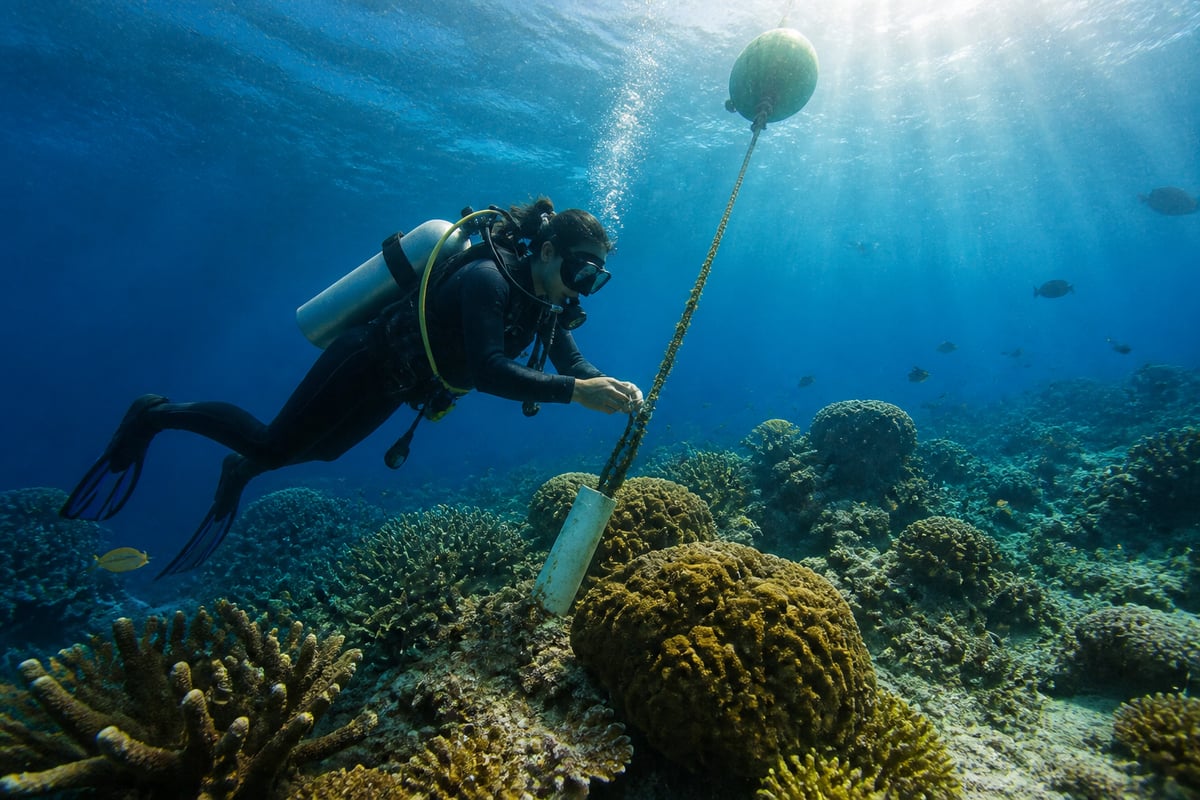
Good buoyancy is not just a comfort skill here, it is a conservation one. Divers who spend time refining trim and finning before arrival tend to enjoy the trip more and leave less impact.
How Much Does Tubbataha Diving Cost?
Tubbataha is one of the more expensive dive trips in the Philippines because it combines a multi-day liveaboard, park fees and travel to Puerto Princesa. Prices vary by boat, cabin type, season and trip length, so I will not quote a figure here.
When you compare options, make sure you know what is included:
- Cabin and meals on board
- Park and conservation fees
- Nitrox, tanks and weights
- Gear rental if you do not bring your own
- Transfers to and from Puerto Princesa
- Travel insurance and diving cover
The same question comes up about the Philippines in general: how much does it cost to scuba dive here? For day diving in El Nido, costs are far lower than a liveaboard, and they depend on the number of dives, whether you rent gear, and whether you choose a shared boat or a private charter. Contact the dive center directly for current rates rather than relying on old figures.
Prepare for Tubbataha With Dives in El Nido
Diving in El Nido is one of the best ways to prepare for Tubbataha, because you can build skills, log dives and test your gear in warm, clear water close to where you are staying.
El Nido's reefs, walls and swim-throughs give you a real mix of conditions without the remoteness. If your Tubbataha trip is a few weeks away, a week of boat dives here can sharpen buoyancy, air consumption and your comfort with a dive guide's signals. If you are a holidaymaker who has only a handful of dives, it is also a gentle way to rebuild confidence.
Our Fun Diving trips run boat dives to El Nido's reefs, walls and marine life for certified divers, which makes them a practical way to get back in the water before a bigger trip.
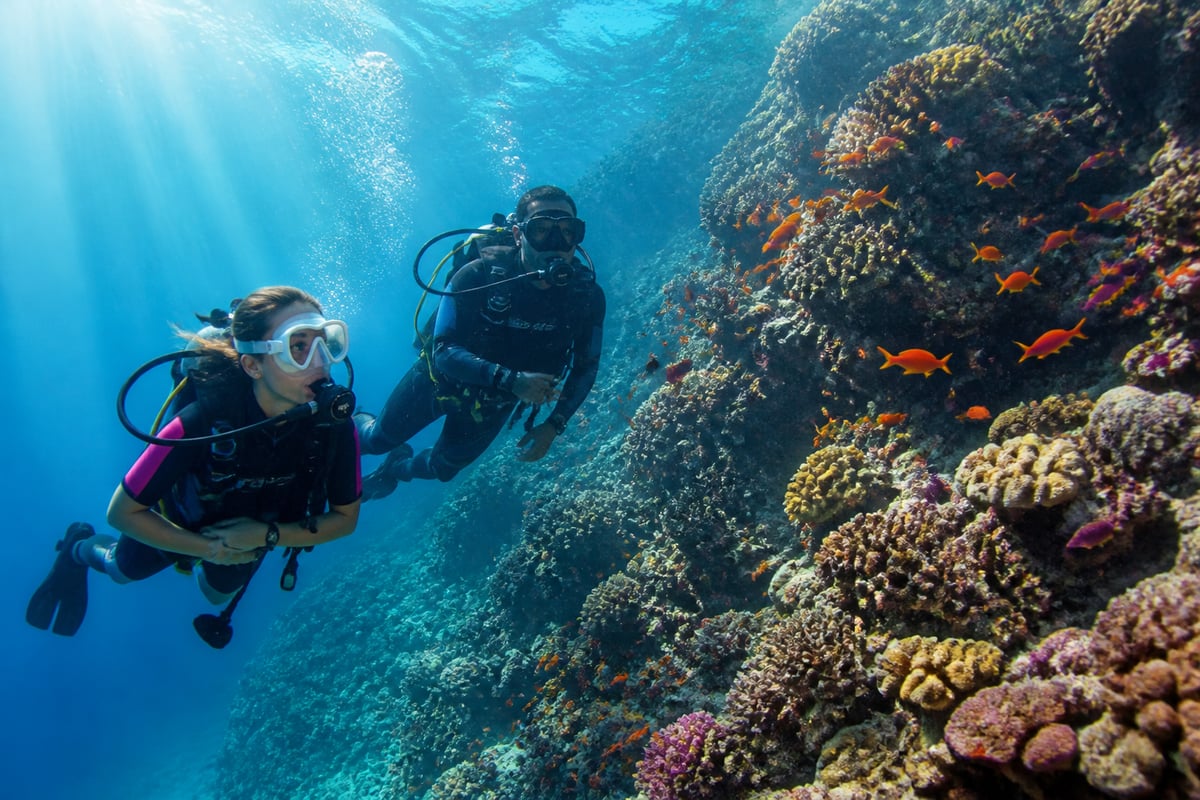
At Submariner Diving Center, we have years of diving experience in El Nido, with professional PADI instructors, local knowledge and modern safety equipment. Dive sites are chosen by experience level, interests and daily conditions, and private VIP charters are flexible, so the day can follow the weather and sea rather than a fixed script. That suits a Tubbataha prep week well. You can tell your guide you want to work on buoyancy or drift technique, and the site selection can reflect that. Our private diving in El Nido option is worth a look if you want that focus.
Because conditions decide what is diveable on any given day, expect the plan to shift with the sea. That flexibility is part of how we keep dives safe and enjoyable.
Where to Stay Before and After Your Liveaboard
Staying beachfront in El Nido makes pre-trip dive days simple, because the dive center and your room can be in the same place.
At The Beach House, the dive center sits in the same building as the accommodation, so boats and equipment are close at hand and there is no early-morning transport across town. After a day on the water, the Cloud 9 rooftop restaurant and bar is a relaxed place to log your dives and talk through plans. If you are building a Palawan dive holiday, our guide to dive resorts and the overview of why Palawan is the Philippines' number one dive destination can help you shape the rest of the itinerary.
What to Pack and Plan for Tubbataha
Pack for a remote, multi-day trip where you cannot easily buy a missing part, and bring spares for the small things that fail.
A short checklist:
- Certification card and logbook, plus proof of recent dives
- Dive computer and a surface marker buoy
- Your own mask and regulator if you prefer familiar gear
- Reef-safe sun protection and a long-sleeved rash guard
- Seasickness remedies, because the crossing can be lively
- Travel and dive insurance that covers remote locations
- Camera gear with spare batteries and storage
Fly home only after a sensible surface interval. Most agencies recommend waiting before flying after diving, and your operator will give exact guidance. Leave a buffer day at the end of your trip rather than booking a tight connection.
FAQ
How do you pronounce Tubbataha?
It is commonly pronounced "too-bah-TAH-hah," with the stress on the third syllable. Locals and boat crews will not mind if you are slightly off, and you will hear the name constantly on the liveaboard.
Can you dive Tubbataha as a day trip from El Nido?
No. The park is far offshore in the Sulu Sea and is reached by liveaboard from Puerto Princesa during the late March to June season. From El Nido, the practical approach is to dive locally first, then travel to Puerto Princesa to board.
Is Tubbataha suitable for beginner divers?
It is better suited to certified divers with some experience, because of depth and current on many sites. If you are new, build skills first with an Open Water or Advanced course and a few logged dives in calmer conditions.
Your next step is to pick your target Tubbataha season, then book a few local dives to sharpen your skills before the liveaboard. When you are ready, our team at The Beach House and the dive center can help you plan, from daily Fun Diving boat dives to private charters shaped around the sea and your experience. Submariner Diving Center is where you can reach us to book your diving in El Nido and get ready for Palawan's wildest reef.