Choosing where to dive next is one of the most exciting decisions a diver can make. Whether you are just starting your underwater journey or you have logged hundreds of dives, the world's oceans offer an incredible variety of environments to explore. The best dive places aren't just about dramatic underwater landscapes or rare marine life. They balance accessibility, safety, marine biodiversity, water conditions, and the infrastructure to support divers at every level. Understanding what makes a dive destination truly great helps you plan trips that match your skills, interests, and comfort level.
What Makes a Dive Destination One of the Best Dive Places
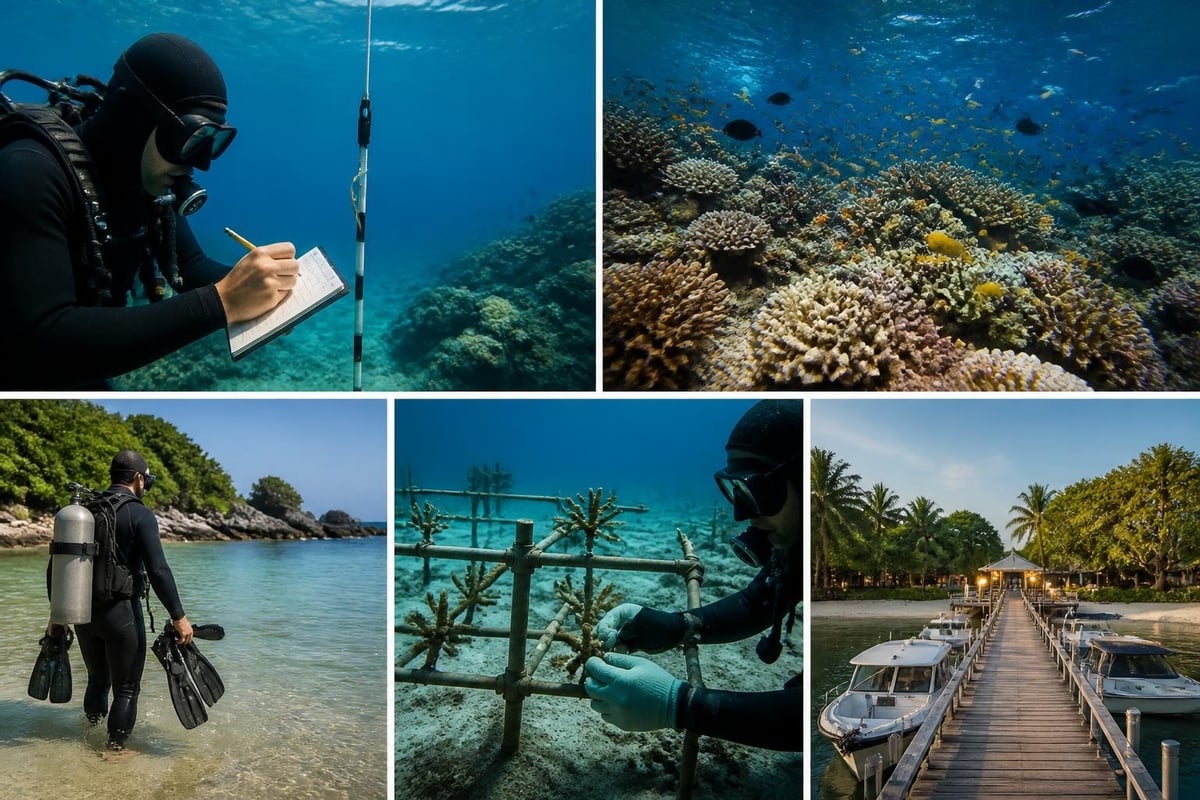
Not all dive sites are created equal. The characteristics that define the best dive places include consistent visibility, thriving marine ecosystems, manageable currents, and reliable diving infrastructure.
Water clarity is fundamental. When visibility exceeds 20 meters, divers can appreciate the full scope of the reef, spot distant marine life, and navigate more safely. Destinations with seasonal patterns often publish visibility data, helping you time your visit.
Marine biodiversity transforms a dive from pleasant to unforgettable. Sites that protect their reefs through marine protected areas often demonstrate healthier ecosystems, better fish populations, and more resilient coral coverage.
Key Factors to Evaluate
- Accessibility: proximity to shore, boat ride duration, entry/exit points
- Current conditions: predictable tidal flows, slack periods, sheltered sites
- Depth range: options for every certification level
- Professional support: dive centers, guides, emergency services
- Conservation status: active protection, mooring systems, visitor limits
Global reef health assessments show that protected sites recover faster from bleaching events and maintain greater structural complexity. These factors directly affect your dive experience.
Best Dive Places for Beginners
Starting your diving journey in the right location builds confidence and creates positive associations with the underwater world. The best dive places for new divers feature gentle conditions, shallow depths, abundant marine life, and patient instruction.
Warm water makes learning easier. When you are not fighting cold, you can focus on buoyancy, breathing, and navigation. Tropical destinations with water temperatures above 27°C allow beginners to dive in minimal exposure protection.
Shallow reefs between 5 and 12 meters provide the ideal training ground. At these depths, you have more bottom time, less nitrogen absorption, and easier ascents. Many destinations specifically cater to learn-to-dive travelers with dedicated shallow sites.
| Beginner Priority | Why It Matters | What to Look For |
|---|---|---|
| Calm conditions | Easier skill practice | Sheltered bays, seasonal protection |
| High visibility | Reduces anxiety | 15+ meter visibility common |
| Minimal current | Better buoyancy control | Reef-protected areas, lagoons |
| Small class sizes | Individual attention | 2-4 students per instructor |
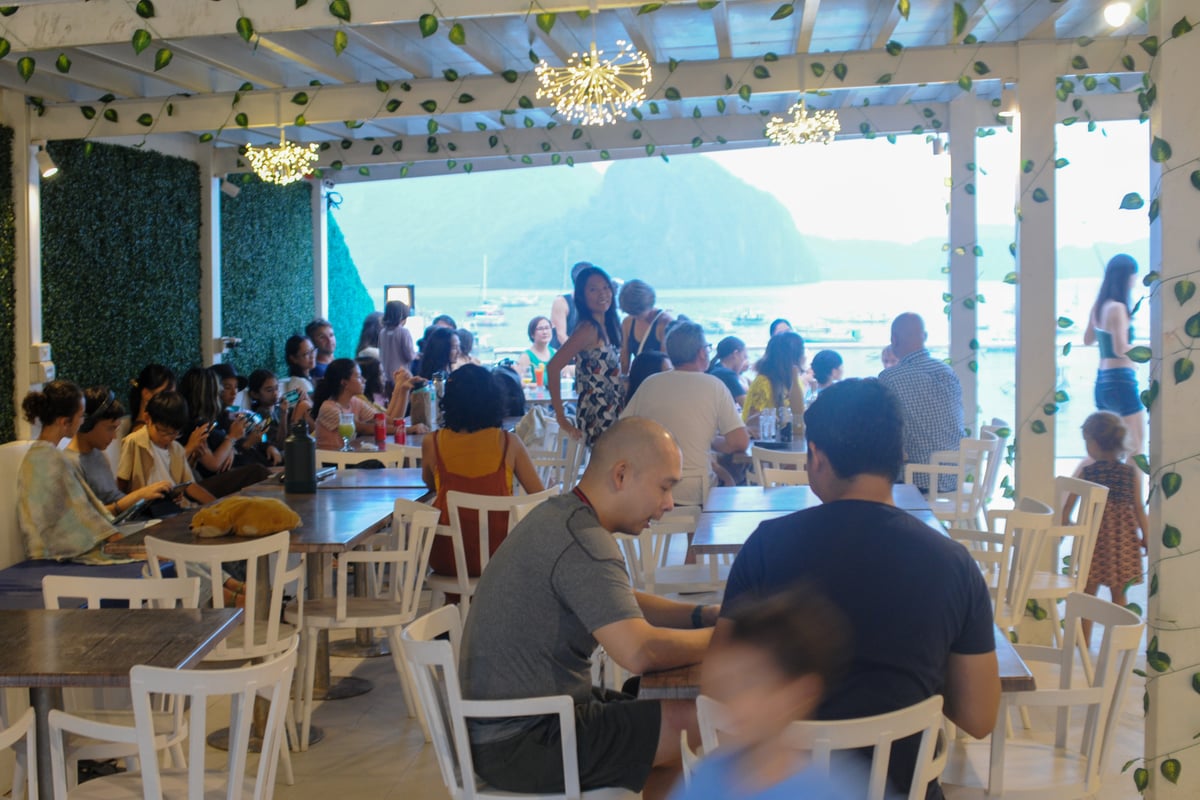
In El Nido, Palawan, several sites around Bacuit Bay offer these exact conditions. The sheltered reefs provide a safe introduction while still showcasing colorful corals, reef fish, and the occasional sea turtle. For those planning their first dive holiday, staying at beachfront accommodation where diving starts right from your doorstep eliminates transport stress and creates a relaxed learning environment.
Building Your Foundation
Your first dives should focus on comfort, not ticking off species on a checklist. Choose destinations where dive centers prioritize education over volume, where instructors know the sites intimately, and where conditions remain forgiving even if you make small mistakes.
Intermediate Sites: Progressing Your Skills
Once you have completed your initial certification and logged 15 to 30 dives, you are ready to explore more varied underwater terrain. The best dive places for intermediate divers introduce new challenges without overwhelming newly developed skills.
Moderate depths between 15 and 25 meters open up different ecosystems. Deeper reefs host species rarely seen in the shallows, and the changing light creates different photographic opportunities.
Gentle currents teach you drift diving fundamentals. Rather than fighting the flow, you learn to use it, gliding effortlessly over reefs while conserving air and energy. Sites with predictable tidal currents let you plan dives during slack periods while you build experience.
Elements That Challenge Without Overwhelming
- Light penetration into swim-throughs and small caverns
- Mild thermoclines requiring buoyancy adjustment
- Navigation around larger reef structures
- Photography opportunities with macro and wide-angle subjects
- Encounters with larger pelagic visitors (jacks, barracuda, reef sharks)
Many intermediate divers discover that technical skills matter less than reading the environment. Understanding how current affects your dive plan, recognizing signs of changing conditions, and making conservative decisions separates confident divers from those still finding their comfort zone.
Palawan's dive sites around El Nido offer excellent progression opportunities. The same archipelago that shelters beginners also presents walls, channels, and deeper pinnacles for those ready to advance their abilities. Working with experienced dive centers familiar with every site ensures you are matched with locations appropriate to your skill level.
Advanced Diving Destinations
Advanced divers seek out the best dive places that test their limits and reward their experience with rare encounters and challenging conditions. These sites demand strong buoyancy control, excellent air consumption, navigation skills, and calm decision-making under pressure.
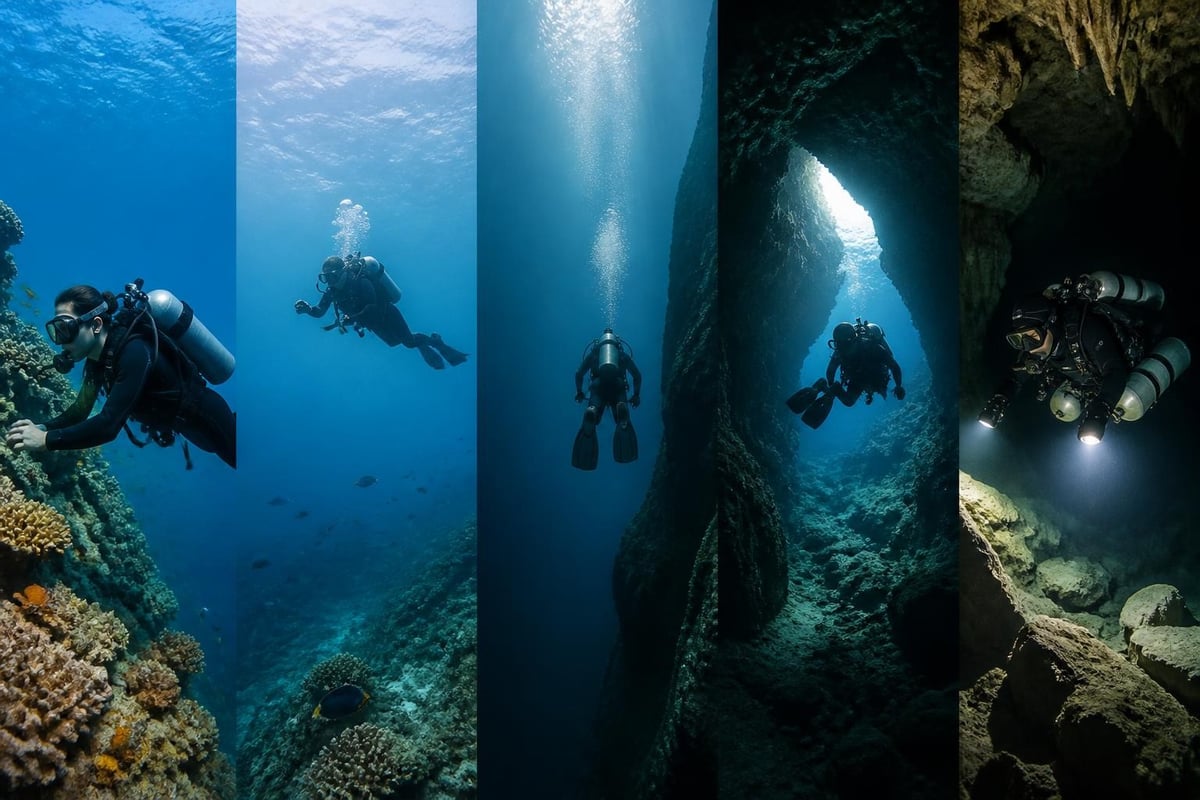
Deep walls dropping beyond recreational limits create vertical ecosystems. As you descend, coral formations change, fish species shift, and the quality of light transforms. Diving these profiles requires careful depth monitoring, understanding decompression limits, and conservative ascent planning.
Strong currents characterize many of the world's most productive dive sites. Channels between islands, passes in atolls, and exposed pinnacles concentrate nutrients, which attract massive schools of fish and larger predators. These dives require reef hooks, careful timing, and sometimes negative entries.
| Advanced Feature | Skills Required | Typical Locations |
|---|---|---|
| 30+ meter depths | Deep specialty, nitrox certification | Walls, drop-offs, offshore pinnacles |
| Ripping currents | Advanced buoyancy, fitness, experience | Channels, passes, points |
| Overhead environments | Cave/wreck training, redundancy | Caverns, penetrable wrecks |
| Remote locations | Self-sufficiency, trip planning | Liveaboard destinations |
Conservation Considerations
The most dramatic dive sites are often also the most vulnerable. Nearly half of reef-building coral species now face elevated extinction risk, making responsible diving practices essential. Advanced divers should master neutral buoyancy to avoid reef contact, respect protected areas, and support conservation-focused operators.
When diving in protected waters like NOAA’s National Marine Sanctuaries, additional regulations often apply. Briefing yourself on these requirements demonstrates respect for the environment and local management efforts.
Unique Environments Worth Exploring
Beyond traditional reef diving, several specialized environments rank among the best dive places for those seeking different underwater experiences.
Wreck diving combines history, marine life, and navigation challenges. Over time, ships become artificial reefs, hosting corals, sponges, and fish populations. Technical wreck penetration requires additional training, but even external exploration offers compelling photography and the thrill of discovery.
Muck diving in sandy or silty environments reveals bizarre macro life rarely seen on colorful reefs. Frogfish, nudibranchs, ornate ghost pipefish, and mimic octopuses camouflage themselves in seemingly barren substrate. This type of diving rewards patience and a sharp eye.
Specialized Diving Experiences
- Kelp forests: cold water environments with towering kelp, playful sea lions, unique invertebrates
- Cenotes: freshwater cave systems with exceptional visibility and dramatic light beams
- Cold water reefs: Norway, Iceland, and polar regions offering different species and crystalline water
- River diving: freshwater springs with manatees, otters, and extreme clarity
- Night diving: observing nocturnal behaviors and bioluminescence after sunset
Each environment requires different equipment configurations, techniques, and mental preparation. Research thoroughly before attempting unfamiliar dive types, and always work with guides experienced in that specific environment.
Seasonal Considerations and Timing
Even the best dive places experience seasonal variations. Understanding these patterns helps you choose when to visit specific destinations.
Monsoon seasons affect visibility and surface conditions in tropical regions. The southwest monsoon impacts the western Pacific from May through October, while the northeast monsoon affects the same region from November through April. Plan accordingly for protected or exposed sites.
Marine life migrations create seasonal highlights. Whale sharks, manta rays, hammerhead schools, and spawning aggregations follow predictable annual patterns. If you are traveling specifically to see certain species, timing matters as much as location.
| Season | Best For | Considerations |
|---|---|---|
| Dry season | Calm seas, high visibility | Higher prices, more divers |
| Shoulder season | Good conditions, fewer crowds | Variable weather windows |
| Wet season | Off-peak pricing, empty sites | Reduced visibility possible |
| Migration periods | Specific species encounters | Advance booking essential |
In Palawan, November through May generally offers the most reliable diving conditions, though sites around El Nido remain diveable year-round due to the sheltered nature of Bacuit Bay. Local knowledge helps you find protected spots even during windier months.
Making the Most of Your Dive Trip
Selecting from the best dive places is just the beginning. How you structure your trip affects the quality of your diving experience.
Multiple dives per day require proper surface intervals and hydration. Most recreational divers complete two to three boat dives daily, with longer surface intervals as diving progresses. This rhythm maximizes underwater time while managing nitrogen loading conservatively.
Rest days between diving allow your body to off-gas completely. If you are on a week-long trip, consider taking one day for island hopping, kayaking, or simply relaxing. This approach reduces cumulative fatigue and creates mental space to process your dives.
Practical Trip Planning
- Book accommodations near your dive center to minimize early morning commutes
- Confirm certification requirements and experience levels for planned sites
- Arrange equipment servicing or rental well in advance
- Purchase dive insurance covering your planned depth and activities
- Allow 18-24 hours before flying after your last dive
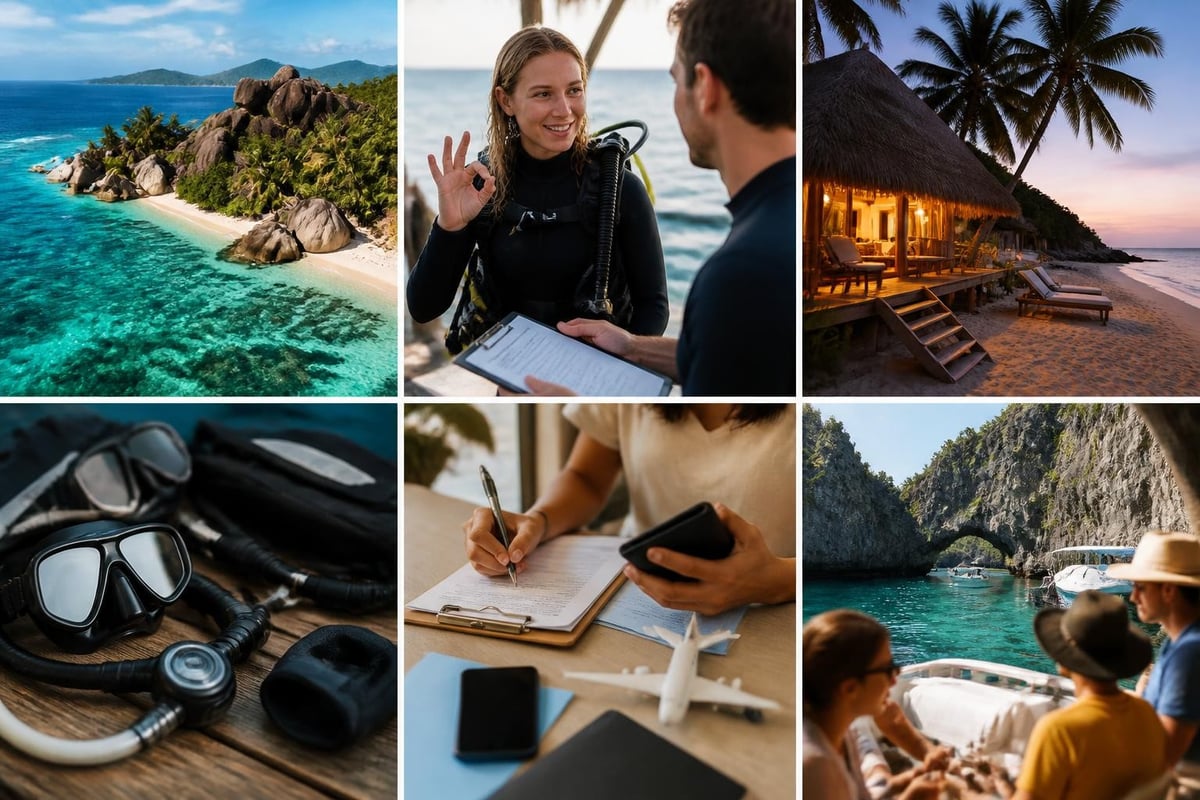
For travelers interested in a fully integrated diving holiday, beachfront properties that house both accommodation and dive operations eliminate logistical friction entirely. You wake up steps from the boat, return between dives to comfortable facilities, and end your day watching the sunset from a rooftop bar overlooking the water.
Regional Spotlight: The Philippines and Palawan
The Philippines archipelago consistently ranks among the best dive places globally, offering over 7,000 islands with diverse underwater terrain. From macro critters in the Visayas to pelagic action in the Sulu Sea, the country provides options for every diver.
Palawan stands out even within this rich environment. The province's western coastline remains less developed than other Philippine dive regions, preserving reef health and marine populations. El Nido in particular combines accessibility with unspoiled conditions.
The limestone karst islands around Bacuit Bay create sheltered lagoons, vertical walls, and channels that concentrate marine life. Visibility regularly exceeds 20 meters, water temperatures stay comfortable year-round, and the variety of sites accommodates everyone from first-time divers to technical enthusiasts.
What Sets This Region Apart
- Protected reefs within municipal marine sanctuaries
- Dramatic topography created by limestone geology
- Minimal industrial development preserving water quality
- Strong local commitment to sustainable tourism
- Infrastructure supporting safe diving operations
When you combine Palawan's natural assets with professional dive operations, small group sizes, and personalized service, the region delivers the complete package that defines the best dive places.
Equipment and Preparation
Arriving at any of the best dive places with proper equipment and preparation ensures you maximize your time underwater rather than solving logistical problems.
Personal gear you should consider owning includes your mask, snorkel, fins, dive computer, and exposure protection. These items affect comfort and safety more than rental equipment can address. A well-fitting mask prevents leaks and headaches. Your own computer lets you manage dive profiles conservatively according to your preferences.
Rental equipment quality varies significantly between destinations. Research dive center equipment standards, ask about service schedules, and inspect gear carefully during check-out. Quality centers replace regulators, BCDs, and wetsuits on regular schedules and maintain detailed service logs.
Pre-Trip Checklist
- Verify certification card validity and bring physical copies
- Update dive insurance covering planned activities and depths
- Complete medical questionnaire honestly; get physician clearance if needed
- Review skills through online refreshers if you haven't dived recently
- Pack backup mask, reef-safe sunscreen, and personal medications
- Download offline dive logs, maps, and emergency contact information
If you haven't dived in six months or more, consider booking a refresher session before your first boat dive. Thirty minutes in a pool or confined water reviewing buoyancy, mask clearing, and regulator recovery prevents stress during your first open water dive.
Photography and Documentation
Many divers visiting the best dive places want to capture their experiences. Underwater photography adds another dimension to diving, though it requires additional skills and equipment.
Compact cameras in underwater housings offer an accessible entry point. Modern smartphones in appropriate cases can produce impressive results in good visibility and lighting. Focus on composition and behavior rather than technical perfection when starting.
Dedicated underwater cameras and strobes allow creative control over lighting, depth of field, and color correction. The learning curve is steep, but the results justify the investment for passionate photographers. Many exceptional dive destinations attract professional photographers documenting marine ecosystems.
| Photography Level | Recommended Setup | Key Skills to Master |
|---|---|---|
| Beginning | Compact camera, natural light | Buoyancy, basic composition |
| Intermediate | Mirrorless/compact, single strobe | Strobe positioning, macro technique |
| Advanced | Full-frame DSLR/mirrorless, dual strobes | TTL lighting, wide-angle, post-processing |
Remember that photography should never compromise safety or environmental responsibility. Perfect buoyancy control prevents reef damage from inadvertent contact. Give marine life space rather than pursuing that perfect shot.
Building Your Dive Journey
The best dive places change as your skills and interests evolve. Your first shallow reef dive creates memories just as powerful as your hundredth deep wall dive, though for different reasons.
Progressive experience builds confidence and capability. Start with easy conditions, master fundamental skills, then gradually increase challenge. Rush this progression and you risk dangerous situations or negative experiences that undermine your enjoyment.
Specialty training opens new environments and techniques. Nitrox certification extends your bottom time on repetitive diving days. Deep diver specialty builds confidence managing narcosis and planning deeper profiles. Wreck, cave, and technical certifications create entirely new opportunities.
Creating Your Personal Dive Path
Track your dives in a logbook, noting conditions, marine life, personal performance, and sites you want to revisit. Over time, patterns emerge. You might discover you prefer macro photography over wide-angle, or that you thrive in current rather than calm water.
Setting goals creates direction for your diving. Perhaps you want to complete 100 dives, visit six different countries, or photograph 50 nudibranch species. These objectives motivate continued learning and exploration.
Environmental Responsibility
Anyone exploring the best dive places carries responsibility for protecting these environments. Recreational diving can support conservation when done thoughtfully, or contribute to degradation when practiced carelessly.
Proper buoyancy prevents reef damage from fins, hands, or equipment. Hovering motionless without sculling or sinking demonstrates control. This single skill separates responsible divers from those who leave damage in their wake.
Reef-safe practices include avoiding touching or standing on corals, not feeding fish, respecting marine protected area boundaries, and removing any trash you encounter. Small actions multiplied across thousands of annual visitors create meaningful impact.
Many dive operators contribute to active conservation through reef restoration, beach cleanups, marine research support, and environmental education. Supporting these businesses with your diving dollars creates positive incentives for protection.
The Value of Local Knowledge
Guidebooks and websites provide useful baseline information about the best dive places, but local dive professionals offer insights no publication can match. They know which sites work best in current conditions, where rare species have been spotted recently, and how to time dives for optimal visibility.
Building relationships with dive centers creates better experiences. Return visits allow guides to remember your skill level, preferences, and comfort zones. They can suggest sites matched perfectly to your interests and challenge you appropriately.
Flexibility pays dividends. Rather than demanding specific sites from your research, explain what you hope to experience. Local professionals can often suggest alternatives that exceed your expectations while accounting for real-time conditions.
This collaborative approach transforms generic dive trips into personalized adventures. You benefit from years of accumulated knowledge, while dive professionals enjoy working with engaged, appreciative guests.
The world's best dive places share common characteristics: healthy marine ecosystems, reliable conditions, and professional support infrastructure that prioritizes safety and environmental responsibility. Whether you are taking your first breath underwater or planning your next advanced expedition, matching destination to skill level creates the foundation for unforgettable experiences. If you are ready to explore the crystal-clear waters of El Nido and discover why Palawan consistently ranks among the world's premier diving destinations, Submariner Diving Center offers personalized diving experiences, expert instruction, and local knowledge to make your underwater adventure truly exceptional.