Standing at the edge of the ocean with a tank on your back for the first time is a transformative moment. Open water diving certification is your gateway to exploring the underwater world, and it represents one of the most accessible adventure sports available today. Whether you're drawn to vibrant coral reefs, curious about marine life, or simply seeking a new challenge, learning to dive opens doors to environments that few people ever experience firsthand.
What Open Water Diving Certification Actually Means
Open water diving is the entry-level certification that allows you to dive independently with a buddy to depths of 18 meters (60 feet). This internationally recognized qualification proves you've mastered fundamental diving skills and safety procedures.
The certification covers essential competencies:
- Assembling and using scuba equipment correctly
- Controlling buoyancy and movement underwater
- Managing air supply and dive time
- Handling common problems and emergencies
- Understanding dive planning and safety protocols
Unlike confined water training in pools, open water diving takes place in real ocean, lake, or quarry environments. The certification process combines theoretical knowledge with practical skills, ensuring you understand both the why and the how of safe diving.
How the Training Process Works
Most open water diver courses follow a structured three-part approach developed by training agencies like PADI, SSI, and NAUI. The timeline typically spans three to four days, though the pace can vary based on your comfort level and learning speed.
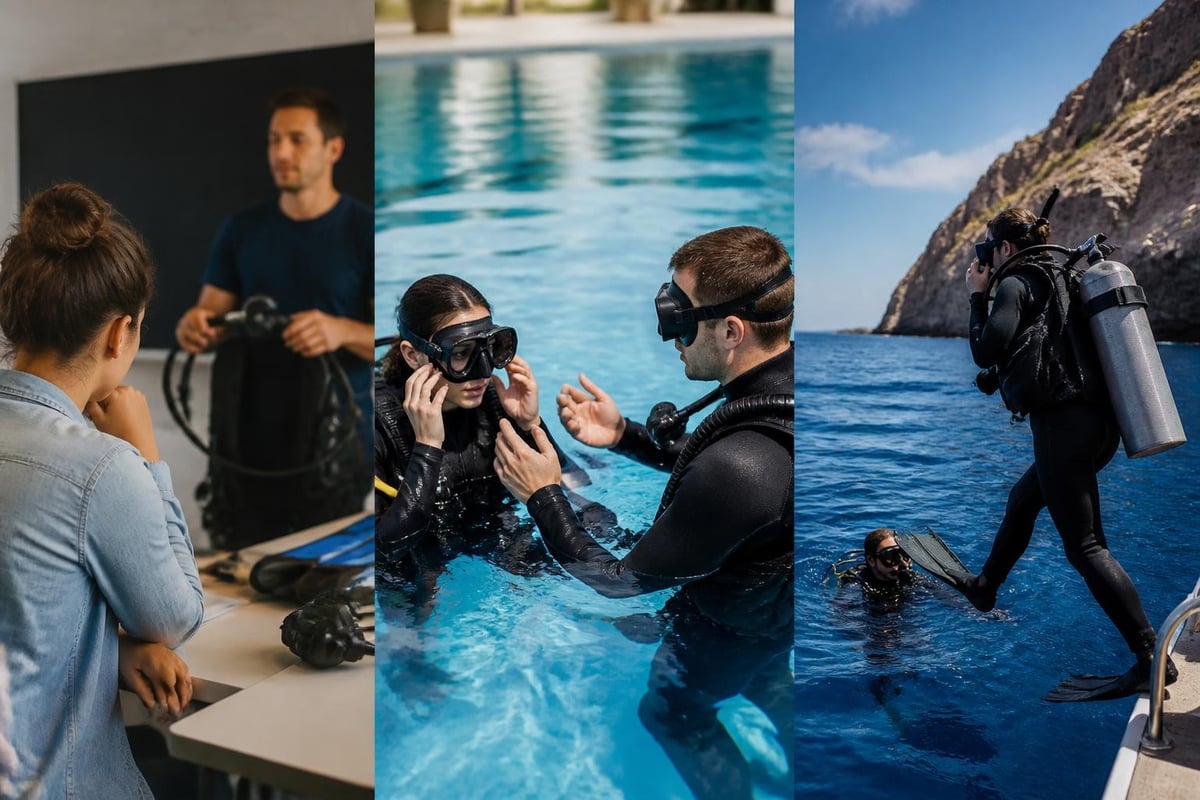
Phase one focuses on knowledge development through online learning, classroom sessions, or independent study. You'll cover diving physics, physiology, equipment, environment, and safety procedures. Modern courses often use digital platforms that let you complete theory at your own pace before arriving at your dive destination.
Phase two involves confined water training in a pool or shallow, calm environment. Here you practice fundamental skills repeatedly until they become second nature. This includes clearing your mask underwater, recovering your regulator, achieving neutral buoyancy, and controlling your ascent and descent.
The final phase consists of four open water training dives where you demonstrate your skills in real conditions. These certification dives usually take place over two days, with two dives per day, allowing you to apply everything you've learned in an actual underwater environment.
Skills You'll Master During Certification
The open water diving curriculum teaches far more than simply breathing underwater. Each skill serves a specific purpose in keeping you safe and comfortable throughout your diving career.
Essential Equipment Skills
Before you ever enter the water, you'll learn to assemble your scuba unit correctly, check your buddy's equipment, and perform pre-dive safety checks. Understanding how each component works, from the buoyancy control device to the alternate air source, builds confidence and prevents equipment-related problems.
In-water skills include:
- Regulator clearing and recovery
- Mask clearing and replacement
- Controlled emergency swimming ascent
- Buoyancy control using your BCD and breathing
- Underwater navigation using compass and natural references
- Safe ascent procedures including safety stops
Problem Management and Safety Procedures
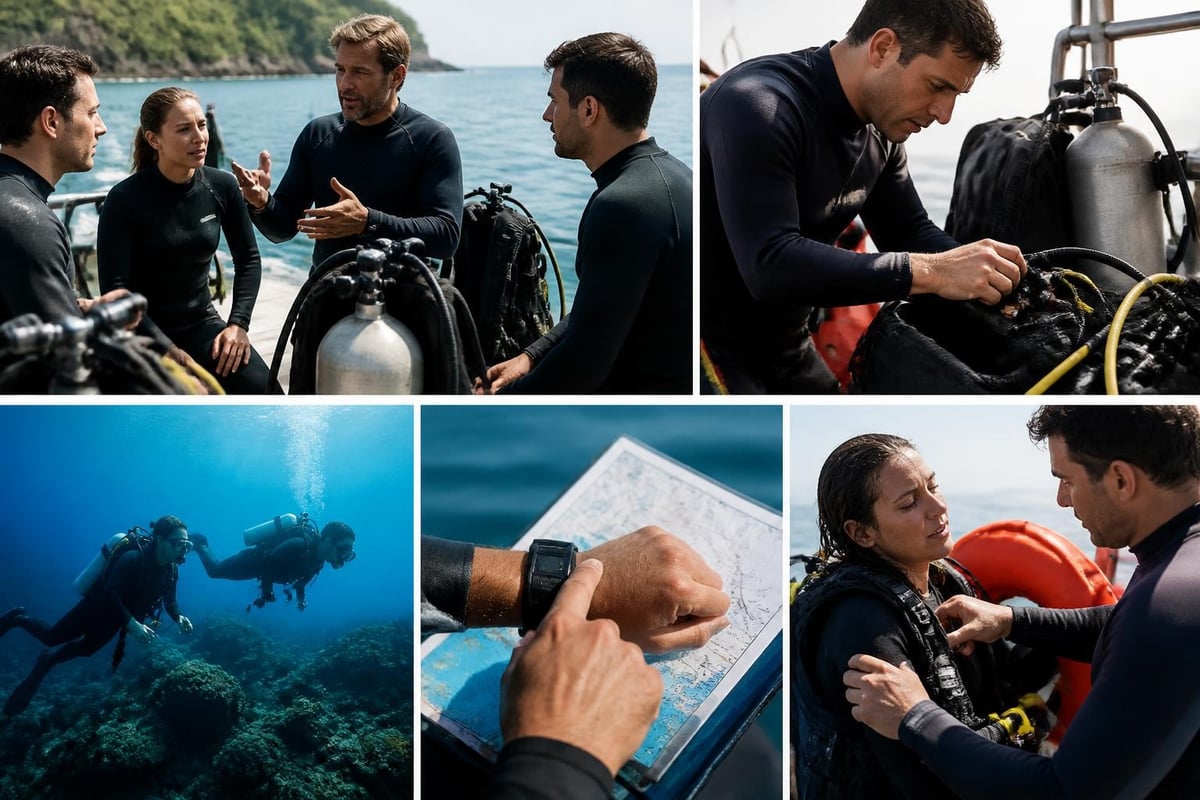
A significant portion of training addresses what to do when things don't go as planned. You'll practice sharing air with your buddy, managing a flooded mask, dealing with a free-flowing regulator, and conducting controlled ascents.
These scenarios might sound intimidating, but practicing them in a controlled environment with an instructor nearby actually reduces anxiety. When you've successfully cleared a completely flooded mask three times in the pool, doing it on a reef at 10 meters feels manageable rather than frightening.
| Skill Category | Pool Practice | Open Water Application |
|---|---|---|
| Buoyancy control | Weight check, hovering | Reef navigation without contact |
| Air management | Buddy breathing, alternate air | Monitoring gauges, planning ascents |
| Emergency procedures | Controlled ascents, CESA | Safety stop execution |
| Navigation | Compass patterns, kick cycles | Dive site exploration, return to boat |
Physical and Medical Considerations
Open water diving is accessible to most people with reasonable fitness levels, but it does have specific requirements and contraindications you should understand before enrolling.
Basic physical requirements include:
- Comfort in water and basic swimming ability
- Ability to swim 200 meters continuously
- Capability to tread water or float for 10 minutes
- Reasonable cardiovascular fitness
Certain medical conditions require clearance from a diving-specialized physician. Heart conditions, lung problems, seizure disorders, and diabetes need careful evaluation. The medical questionnaire you complete before training isn't bureaucracy; it protects your safety by identifying conditions that increase diving risks.
Age matters less than you might think. The minimum age for open water certification is typically 10 years old, while maximum age depends on health rather than a specific number. Divers in their sixties and seventies regularly complete certifications when they're medically fit.
Understanding the Risks and Safety Measures
Scuba diving carries inherent risks that proper training and procedures minimize significantly. Decompression illness, while rare among recreational divers following proper profiles, represents the most serious diving-specific risk.
Your training teaches you to avoid decompression problems through conservative dive planning, controlled ascent rates, and safety stops. The recreational dive limits in open water certification keep you well within no-decompression boundaries when you follow your training.
Other risks include barotrauma (pressure-related injuries), marine life encounters, and environmental hazards. Each has specific prevention strategies covered during your course. Understanding these risks transforms them from vague fears into manageable aspects of the diving experience.
Choosing Where to Get Certified
Location significantly impacts your open water diving certification experience. While you can certify in cold quarries or local lakes, learning in a tropical destination like El Nido offers distinct advantages for beginners.
Warm, clear water makes learning easier. You'll focus on skills rather than managing cold, low visibility, or heavy exposure protection. Seeing the reef life around you during certification dives reinforces why you're learning to dive in the first place.
Smaller class sizes create better learning environments. Tourist diving destinations often offer more personalized instruction than busy local dive shops, giving you more one-on-one time with your instructor. This individual attention helps you progress at your own pace and ensures you truly master each skill.
What to Look for in a Dive Center
Not all dive centers offer the same quality of instruction or safety standards. Researching your options prevents disappointment and ensures you receive proper training.
Key factors to evaluate:
- Instructor-to-student ratios (smaller is better)
- Equipment quality and maintenance standards
- Dive site conditions and variety
- Safety protocols and emergency equipment
- Reviews from recent students
- Boat facilities and comfort
- Post-certification diving opportunities
The NOAA diving safety standards provide excellent benchmarks for operational safety, even though they're written for professional diving programs. Centers that exceed recreational standards in equipment maintenance, safety procedures, and instructor qualifications demonstrate their commitment to your wellbeing.
After Certification: Continuing Your Diving Journey
Earning your open water diving certification is genuinely just the beginning. The skills you've learned open access to diving destinations worldwide, but many divers choose to continue their education immediately.
Advanced Training and Specialties
The Advanced Open Water course builds on your foundation by introducing new skills and deeper diving. You'll complete five adventure dives covering deep diving, underwater navigation, and three electives you choose based on your interests.
Popular specialty courses include:
- Nitrox diving for extended bottom times
- Deep diving to 40 meters
- Wreck diving for historical exploration
- Underwater photography
- Night diving for different marine life encounters
- Drift diving in current-swept environments
Each additional certification expands where you can dive and what you'll see. Many divers complete their Advanced certification during the same trip as their initial open water course, taking advantage of being in a prime diving location with quality instruction available.
Building Experience Safely
Newly certified divers sometimes feel anxious about their first post-certification dives. This is completely normal. Your certification proves you have the knowledge and skills, but experience builds confidence.
Strategies for developing as a diver:
- Start with easy dive sites in good conditions
- Dive regularly to maintain skills
- Use professional dive guides initially
- Keep a dive log to track your progress
- Take refresher courses after breaks from diving
- Gradually increase depth and challenge level
The 18-meter depth limit for open water divers exists for good reason. Master diving at these shallower depths before pursuing advanced certifications. Some of the world's best diving, including vibrant reefs and abundant marine life, happens in water shallower than 15 meters anyway.
The El Nido Advantage for Open Water Training
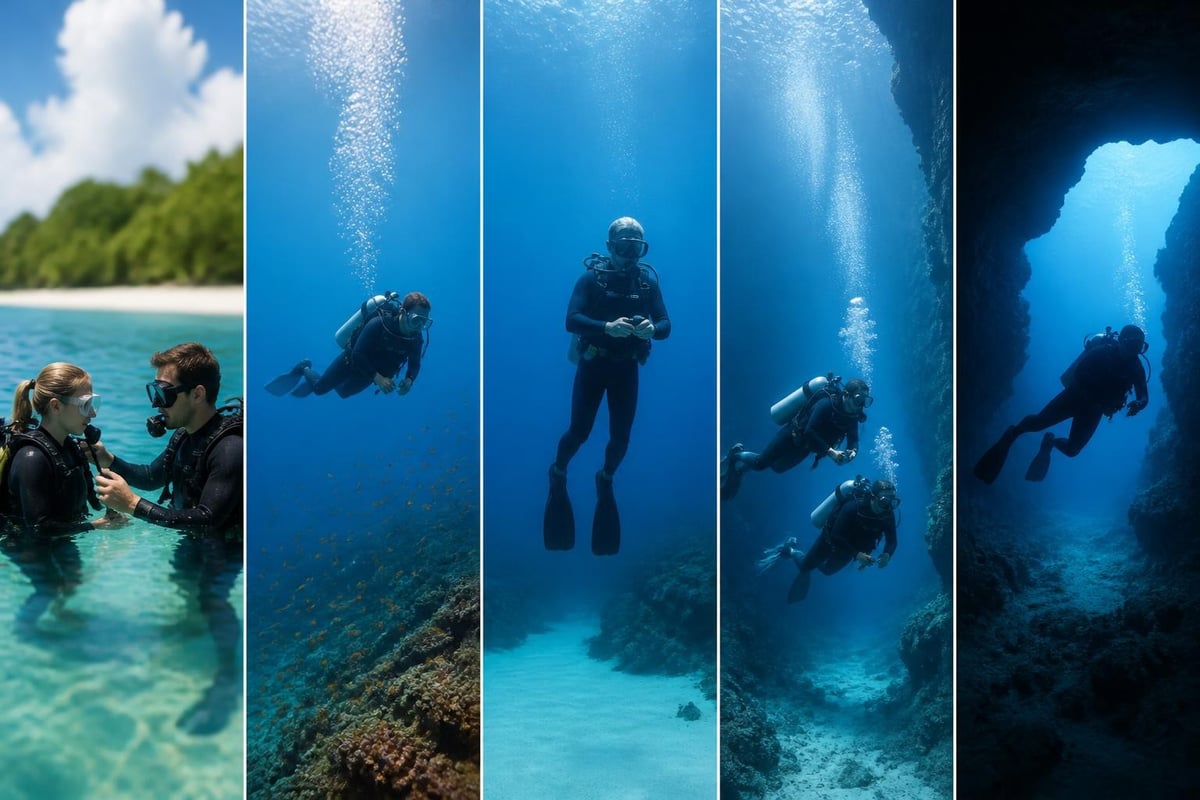
El Nido's diving conditions make it an exceptional location for open water diving certification. The protected waters of Bacuit Bay offer consistently calm conditions, water temperatures around 27-29°C year-round, and visibility that often exceeds 20 meters.
Why beginners thrive here:
- Gentle currents in training sites
- Abundant marine life from the first dive
- Reef structures at perfect training depths
- Multiple sites accommodating different skill levels
- Warm water requiring only light exposure protection
The variety of dive sites around El Nido means your four certification dives can each offer different experiences. You might explore a gentle sloping reef one day and a dramatic wall the next, all while staying within open water depth limits.
Learning to dive in a destination you'll want to return to adds lasting value to your certification. Many divers complete their open water course in El Nido, then return later for advanced training and recreational diving as they build their experience.
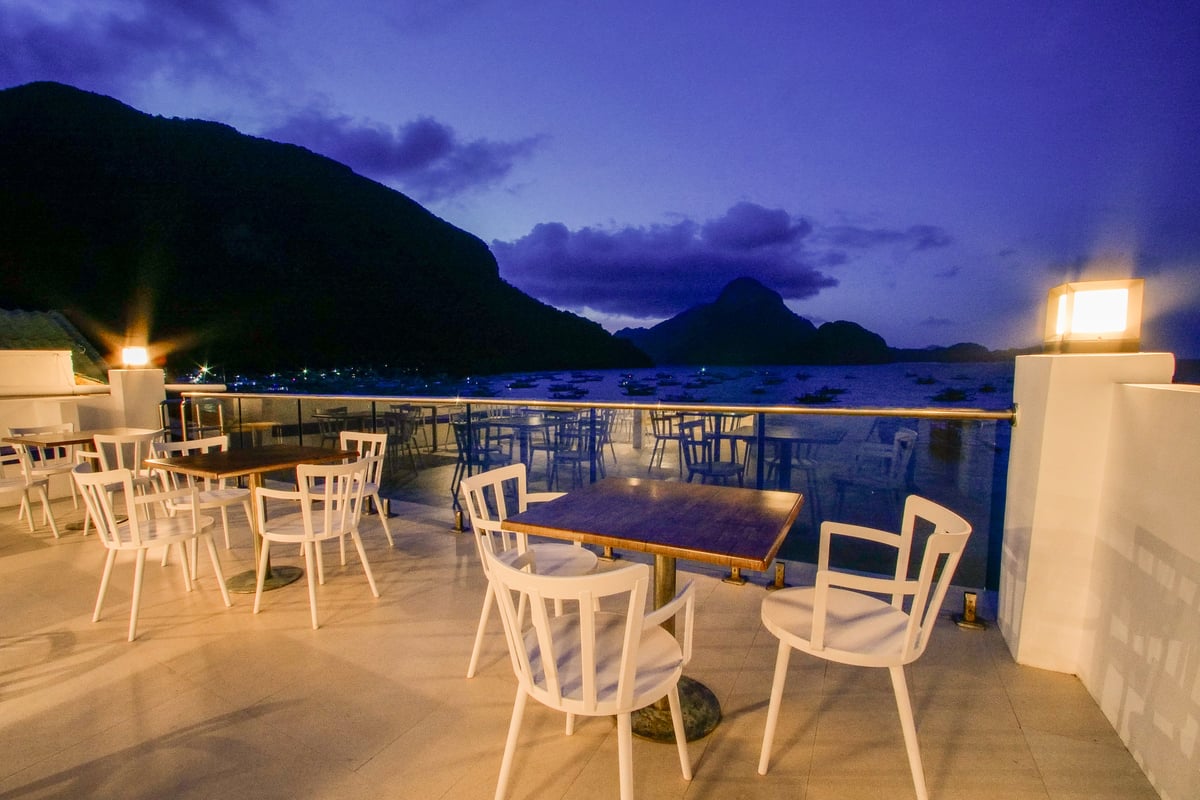
For divers combining certification with a broader Palawan adventure, staying at beachfront accommodation close to your dive center streamlines the experience significantly. The Beach House puts you steps from the water, with Submariner Diving Center's boats departing directly from the beach. This convenience means less travel time and more time enjoying your certification experience.
Planning Your Open Water Certification
Successful certification requires minimal preparation, but a few planning steps ensure you're ready to make the most of your training.
What to Bring and What's Provided
Most dive centers provide all necessary scuba equipment as part of the course fee. This typically includes tank, BCD, regulator, wetsuit, weights, and weight belt. You'll need to supply or rent personal items.
| Item | Usually Provided | Notes |
|---|---|---|
| Mask, snorkel, fins | Sometimes | Personal fit matters; consider buying |
| Wetsuit | Yes | Provided in tropical destinations |
| BCD, regulator | Yes | Standard rental equipment |
| Dive computer | Sometimes | Verify with your dive center |
| Logbook | No | Purchase before or during course |
| Certification card | No | Issued after successful completion |
Additional items to pack:
- Swimwear and rash guard
- Reef-safe sunscreen
- Towel and dry bag
- Underwater camera (optional)
- Medical clearance if required
Understanding the Investment
Open water diving certification represents an investment in equipment use, instruction time, and facility access. Costs vary by location, but tropical destinations often offer excellent value compared to certification in your home country, especially when you factor in the superior diving conditions.
The course fee typically includes all equipment, boat trips, instruction, and certification processing. Some operators offer package deals combining accommodation, diving, and additional fun dives, which can provide better overall value for visitors to El Nido.
Environmental Responsibility and Marine Conservation
Open water diving training includes education about protecting the underwater environments you'll explore. As a certified diver, you become an ambassador for ocean conservation.
Core principles every diver should follow:
- Never touch, handle, or harass marine life
- Maintain neutral buoyancy to avoid reef contact
- Secure all equipment to prevent dragging
- Take nothing but photos
- Support marine protected areas
The reefs and marine environments around El Nido benefit from sustainable tourism practices that balance access with conservation. As a certified diver, your choices about where and how you dive contribute to protecting these ecosystems for future generations.
Proper buoyancy control, perhaps the most important skill you'll develop, directly impacts reef health. Divers who've mastered buoyancy glide over reefs without contact, while those still developing control may accidentally kick or touch corals. This is why continued practice and skill development matters beyond just your own safety.
Making the Decision to Get Certified
Choosing to pursue open water diving certification ranks among the more rewarding decisions adventure travelers make. The underwater world offers experiences fundamentally different from anything possible on land.
Consider these factors:
- Personal interest in marine life and ocean environments
- Comfort with learning new physical skills
- Availability of quality training options
- Future travel plans to diving destinations
- Budget for initial certification and ongoing diving
If you've always been curious about diving, if you find yourself staring into the water wondering what's below the surface, or if you're drawn to destinations known for their underwater attractions, certification makes sense. The skills you learn stay with you for life, even if you take breaks between diving trips.
The commitment is modest. Four days of training opens access to oceans, seas, and lakes worldwide. Compared to other adventure sports, diving requires relatively little ongoing practice to maintain competency, especially if you dive periodically while traveling.
Open water diving certification transforms how you experience tropical destinations, opening access to environments few people ever witness firsthand. The training is structured, accessible, and designed to build your confidence progressively from pool to ocean. Whether you're planning your first visit to Palawan or returning to explore more of what these waters offer, proper certification ensures you can dive safely and independently. Submariner Diving Center provides comprehensive open water training with experienced instructors, small class sizes, and some of Southeast Asia's best diving conditions right on their doorstep in El Nido. Start your diving journey where warm, clear water and vibrant reefs make learning a genuine pleasure.