The warm, crystalline waters surrounding El Nido offer some of the world's most spectacular underwater scenery, and you don't necessarily need a tank on your back to enjoy it. Whether you're floating on the surface with a mask and snorkel or descending to explore deeper reefs with scuba gear, both snorkeling scuba diving activities open different windows into Palawan's thriving marine world. Understanding the distinctions between these two approaches helps you choose the right experience for your skill level, comfort zone, and underwater ambitions.
Understanding the Fundamental Differences
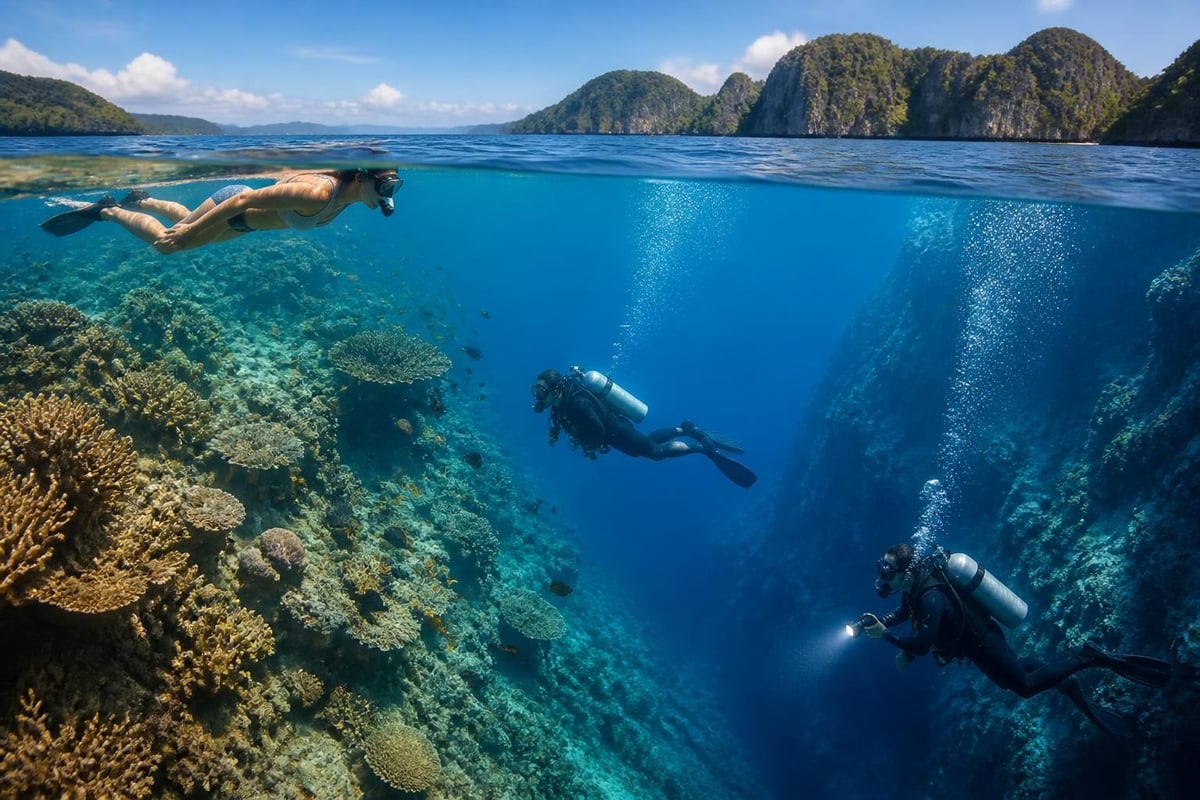
Snorkeling scuba diving represents two distinct approaches to underwater exploration, each with unique equipment, depth ranges, and certification requirements. Snorkeling keeps you at the surface, breathing through a tube while floating face-down to observe the reef below. Scuba diving, by contrast, uses compressed air stored in tanks to allow extended underwater exploration at depth.
Equipment and Accessibility
The gear requirements differ significantly between these activities:
Snorkeling Equipment:
- Mask to create an air space for clear vision
- Snorkel tube for surface breathing
- Fins for efficient movement
- Optional flotation vest for added comfort
Scuba Diving Equipment:
- All snorkeling gear plus
- Buoyancy control device (BCD)
- Regulator and air tank
- Dive computer and gauges
- Wetsuit or exposure protection
- Weight system for neutral buoyancy
Snorkeling requires minimal investment and no formal training, making it immediately accessible to almost anyone comfortable in water. You can rent basic snorkeling gear for a few hundred pesos and start exploring within minutes. Scuba diving demands certification through structured training courses that cover equipment use, safety procedures, and underwater physics.
Depth and Duration Capabilities
| Activity | Typical Depth | Duration | Physical Demand |
|---|---|---|---|
| Snorkeling | Surface to 3m | Hours | Low to moderate |
| Scuba Diving | 5m to 40m+ | 30-60 minutes | Moderate to high |
| Free diving | Surface to 30m+ | Minutes | Very high |
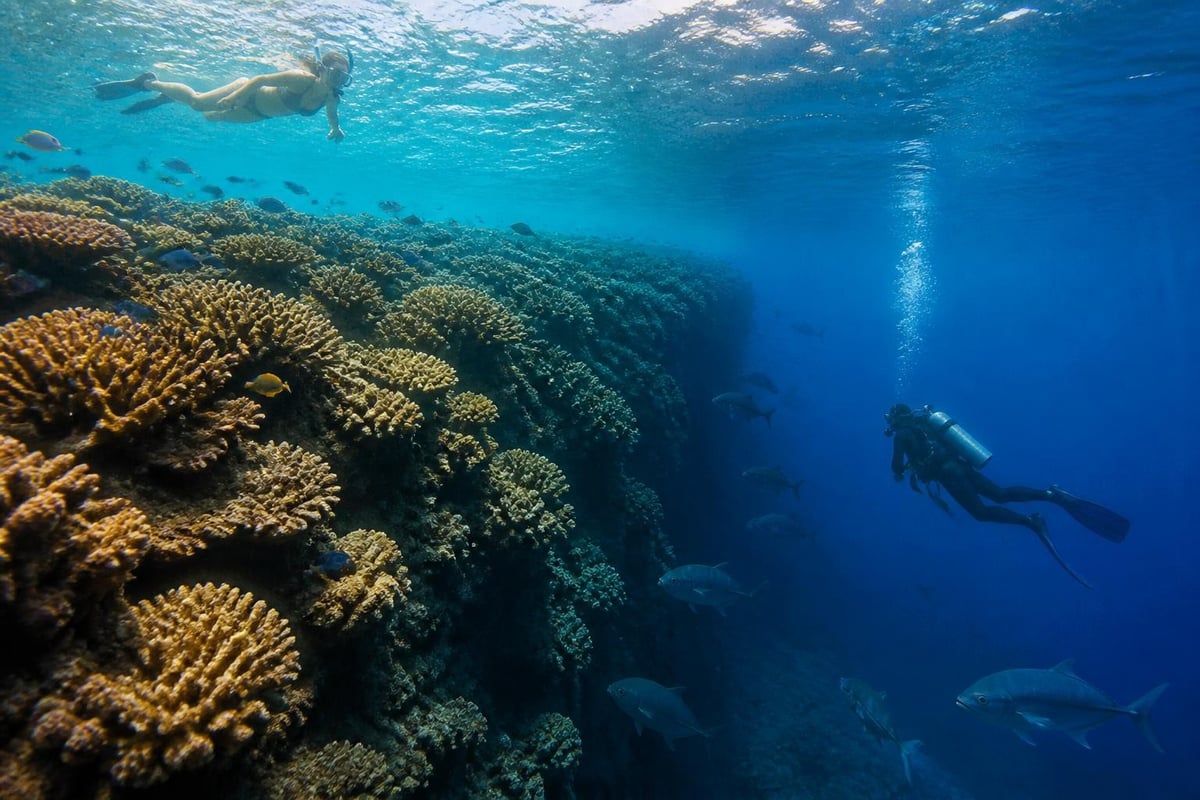
Snorkeling keeps you in the top few meters where sunlight penetrates brilliantly and many reef fish congregate. You can snorkel for hours with breaks, making it perfect for leisurely reef exploration. Scuba diving opens access to deeper walls, caves, and marine life that rarely venture near the surface, though dive time is limited by air supply and nitrogen absorption limits.
Safety Considerations for Both Activities
Water safety applies equally whether you're on the surface or at depth, though the specific risks differ. According to WHO data on drowning prevention, shallow-water activities including snorkeling account for significant water-related injuries, particularly among travelers unfamiliar with ocean conditions.
Snorkeling Safety Fundamentals
Surface swimming presents deceptively simple challenges. Currents, waves, and sun exposure affect snorkelers more directly than divers below the turbulent surface layer. Never snorkel alone, and always assess conditions before entering the water.
Key snorkeling risks include:
- Exhaustion from swimming against currents
- Sunburn and dehydration during extended sessions
- Equipment problems like mask flooding or snorkel clearing
- Separation from the group or boat
- Marine life encounters without proper awareness
Divers Alert Network provides comprehensive guidance on water-related injuries specific to both snorkeling scuba diving contexts. Their research shows that many snorkeling incidents stem from overestimating swimming ability or underestimating environmental conditions.
Scuba Diving Safety Protocols
Scuba diving introduces additional physiological considerations. Pressure changes affect your body in ways that don't occur during snorkeling, requiring specific training to manage safely.
Critical scuba safety elements:
- Pre-dive planning: Depth limits, dive time, and buddy checks
- Equalization: Managing ear and sinus pressure during descent
- Buoyancy control: Maintaining proper depth without damaging reefs
- Air management: Monitoring supply and planning safe ascents
- Decompression: Following safe ascent rates to prevent nitrogen issues
The DAN resource on ears and diving explains how pressure affects air spaces in your body, a concern that applies somewhat to snorkeling during surface dives but becomes critical during scuba descents. Proper equalization technique prevents painful barotrauma that can ruin a dive or cause lasting damage.
Medical and Physical Requirements
Snorkeling scuba diving demands varying levels of physical fitness and medical clearance. Snorkeling requires basic swimming ability and comfort in water, but no formal medical screening unless you have specific conditions affecting breathing or cardiovascular function.
Scuba diving requires a medical questionnaire and often a physician's clearance before certification. Conditions that may contraindicate diving include:
- Chronic ear or sinus problems
- Asthma or respiratory conditions
- Heart disease or high blood pressure
- Epilepsy or seizure disorders
- Pregnancy
The NOAA Diving Standards & Safety Manual](https://www.omao.noaa.gov/sites/default/files/2025-06/2025%20NDSSM%20NOAA%20Diving%20Standards%20and%20Safety%20Manual%20.pdf) used by professional scientific divers outlines comprehensive medical standards that, while stricter than recreational requirements, illustrate why medical screening matters for compressed-air diving.
Marine Life Encounters at Different Depths
El Nido's reefs teem with life from the surface down to beyond recreational diving limits, but what you encounter depends significantly on depth.
Shallow Reef Life (Snorkeling Depths)
The top 5-10 meters hosts incredible biodiversity. Snorkelers regularly observe:
- Schools of surgeonfish, parrotfish, and fusiliers
- Juvenile fish hiding among branching corals
- Hawksbill and green sea turtles surfacing to breathe
- Giant clams embedded in reef flats
- Blacktip reef sharks in sandy shallows
Vibrant hard corals like staghorn and table corals thrive in the intense sunlight of shallow zones, creating kaleidoscopic gardens visible from the surface.
Mid to Deep Reef Life (Scuba Depths)
Descending below 10 meters reveals different communities. Divers access:
- Larger pelagic species like trevally, barracuda, and tuna
- Macro life including nudibranchs, shrimps, and seahorses
- Deeper coral formations and walls
- Caverns and swim-throughs
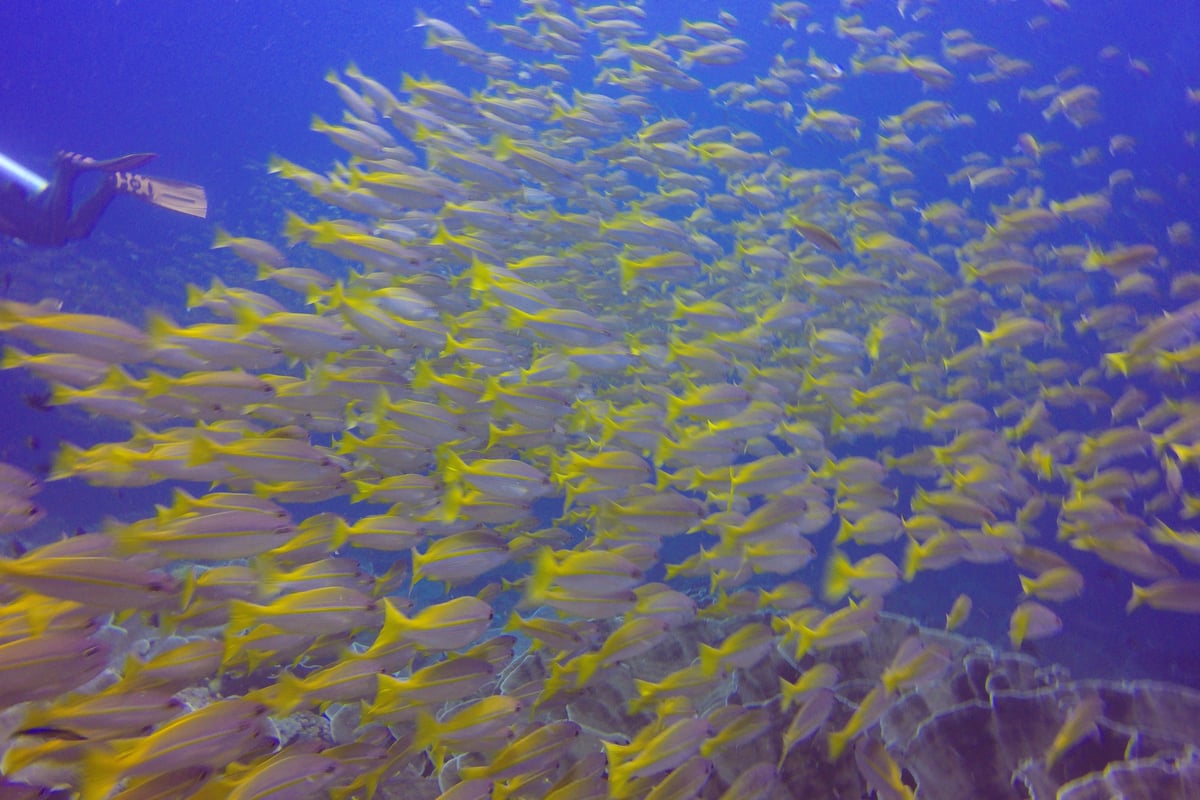
- Aggregations of batfish and snapper in deeper water
Neither snorkeling nor scuba diving guarantees specific encounters, the underwater world operates on its own schedule, but depth range determines which habitats you can explore.
Environmental Responsibility in the Water
Both snorkeling scuba diving carry environmental impacts that responsible practitioners must minimize. El Nido's reefs face pressure from increasing visitor numbers, making careful behavior essential.
Reef-Safe Practices
| Practice | Why It Matters | Application |
|---|---|---|
| Avoid touching coral | Protective mucus layer damage | Both activities |
| Maintain buoyancy | Prevent fin/gear strikes | Primarily scuba |
| Proper sunscreen | Chemical reef toxicity | Primarily snorkeling |
| Wildlife distance | Stress and behavioral changes | Both activities |
| No feeding | Alters natural behavior | Both activities |
The NOAA guidance on reef visitation emphasizes that even brief contact can damage corals that took decades to grow. Snorkelers floating above reefs should resist the temptation to stand on coral or grab formations for stability.
Recent research covered in Nature demonstrates how common sunscreen ingredients damage coral at the cellular level, particularly oxybenzone and octinoxate. Snorkelers spend hours in direct sun and reapply sunscreen frequently, potentially introducing significant chemical loads into the water. Mineral-based, reef-safe formulas using zinc oxide or titanium dioxide offer safer alternatives.
Wildlife Interaction Guidelines
The IUCN guidelines for marine wildlife interactions provide species-specific recommendations for minimum approach distances and behavior around turtles, sharks, rays, and dolphins. Key principles apply to both snorkeling scuba diving:
- Observe from a distance; never chase or surround animals
- Allow marine life to set interaction terms
- Avoid flash photography that may startle animals
- Never attempt to touch or ride turtles, rays, or other wildlife
- Report injured or entangled animals to local authorities
Scuba divers with good buoyancy control can hover motionless and let curious animals approach, often yielding better encounters than active pursuit. Snorkelers should resist diving down to get closer, which often frightens skittish species.
Choosing Your First Underwater Experience
For complete beginners, snorkeling offers the gentlest introduction to Palawan's underwater world. You can test your comfort level in shallow water, explore beautiful reefs without extensive training, and decide whether deeper diving appeals to you.
When Snorkeling Makes Sense
Ideal snorkeling candidates:
- First-time ocean visitors testing water comfort
- Families with young children
- Travelers on short trips without time for certification
- Those primarily interested in shallow reef ecosystems
- Budget-conscious explorers
Many travelers start with snorkeling and progress to scuba once they've experienced the reef from above and want to go deeper. This stepped approach builds confidence and water skills progressively.
Transitioning to Scuba Diving
If snorkeling leaves you wanting more depth and bottom time, scuba certification opens new possibilities. The Discover Scuba Diving program bridges the gap perfectly, allowing you to try scuba diving under close instructor supervision before committing to full certification. You'll learn basic skills in shallow water, then make a real dive to experience the freedom of breathing underwater and exploring beyond snorkeling depths.
This introductory experience helps you determine if scuba diving suits you without the time and cost investment of full certification. Many participants discover they love the weightless sensation and extended underwater time, then return for complete Open Water training.
Full Certification Benefits
PADI Open Water certification provides:
- Independence: Dive anywhere worldwide with a certified buddy
- Depth access: Explore to 18 meters as a newly certified diver
- Extended time: Spend 45-60 minutes underwater per dive
- Skill foundation: Build toward advanced certifications and specialties
- Community: Join the global diving community with millions of certified divers
Certification typically requires 3-4 days including classroom sessions, confined water practice, and four open water dives. El Nido's calm conditions and clear visibility create ideal learning environments, and you'll explore actual reefs during training dives rather than featureless practice sites.
Practical Considerations in El Nido
El Nido's geography shapes how you experience both snorkeling scuba diving. The limestone cliffs, island chains, and protected lagoons create varied environments suited to different activities.
Best Snorkeling Sites
Accessible snorkeling sites surround the islands north of El Nido town:
- Seven Commandos Beach: Shallow coral gardens close to shore
- Helicopter Island: Drop-offs and walls visible from the surface
- Matinloc Shrine: Protected cove with dense fish populations
- Snake Island: Seagrass beds attracting turtles and juvenile fish
Island-hopping tours often include snorkeling stops, making this an easy addition to general sightseeing. Bring your own gear if possible, rental quality varies and properly fitting equipment significantly improves the experience.
Scuba Diving Advantages
While you can snorkel from shore or basic boat tours, quality scuba diving requires specialized boats, equipment, and knowledgeable guides. Established dive centers operate dedicated dive boats visiting sites chosen specifically for underwater interest rather than photogenic landscapes.
Diving offers exclusive access to:
- Deeper walls and drop-offs beyond snorkeling range
- Remote sites too far for casual boat tours
- Wreck sites and artificial reefs
- Seasonal pelagic visitors in deeper water
- Caverns and swim-throughs requiring overhead training
Professional dive operations maintain high safety standards, provide well-serviced equipment, and employ experienced dive guides who know current conditions, marine life behavior, and site-specific features. The investment in proper diving infrastructure yields dramatically different experiences than casual snorkeling.
Combining Both Activities During Your Visit
You don't need to choose exclusively between snorkeling scuba diving, most dive trips accommodate both. While certified divers explore deeper sites, snorkelers can enjoy the reef top at the same location. This works well for mixed groups where some members hold certification and others don't.
Sample Daily Itinerary
Morning:
- Boat departure at 8:00 AM
- First dive site: Scuba divers descend to 18-25m, snorkelers explore surface
- Surface interval with fresh fruit and water
- Second dive site: Different depth profile with shallow areas for both groups
Afternoon:
- Return by early afternoon
- Beach time or shallow snorkeling near shore
- Optional sunset snorkel or night dive for certified divers
This flexible approach maximizes water time without requiring everyone to commit to the same activity. However, dedicated dive trips often visit superior sites too deep or distant for effective snorkeling, so serious snorkelers might prefer specialized island-hopping tours while divers join dive-focused excursions.
Cost Comparison and Value
Budget considerations often influence the choice between snorkeling scuba diving, particularly for travelers on shorter trips.
| Expense Category | Snorkeling | Scuba Diving |
|---|---|---|
| Equipment rental | ₱200-400/day | Included in dive fees |
| Daily activity cost | ₱1,500-2,500 (tour) | ₱3,500-4,500 (2 dives) |
| Training/certification | None required | ₱18,000-22,000 (Open Water) |
| Ongoing costs | Minimal | Moderate (gear, travel to dive destinations) |
Snorkeling delivers immediate gratification at low cost, you can explore beautiful reefs for minimal investment. Scuba diving requires upfront certification costs but provides access to experiences impossible at the surface. The value equation depends on your trip length, diving aspirations, and whether you'll pursue diving beyond this single trip.
For travelers planning multiple dive destinations, certification represents excellent value. A one-time training investment in El Nido's ideal conditions opens diving opportunities worldwide for life. If El Nido is a single stop in broader Southeast Asian travel, the certification serves you well across Indonesia, Thailand, and beyond.
Long-Term Progression and Skill Development
Both snorkeling scuba diving offer progressive skill development, though scuba's formal training structure provides clearer advancement pathways.
Advancing Your Snorkeling
Snorkeling improvement comes through experience and self-guided learning:
- Breath-hold diving: Extending surface dives to briefly explore deeper
- Marine life identification: Developing species recognition skills
- Underwater photography: Capturing reef scenes with compact cameras
- Physical conditioning: Improving swimming efficiency and stamina
Dedicated snorkelers often transition into freediving, which uses breath-hold techniques to dive to impressive depths without scuba equipment. This represents a distinct discipline with its own training progression and safety considerations.
Scuba Certification Pathway
Formal scuba training follows a clear progression:
- Open Water Diver: Basic certification to 18m depth
- Advanced Open Water: Additional training, skills, 30m depth
- Specialty courses: Nitrox, wreck, navigation, deep, etc.
- Rescue Diver: Advanced safety and emergency response
- Divemaster/Instructor: Professional-level training
Each step expands your capabilities, comfort level, and access to different diving environments. Many divers find the structured progression motivating, setting goals for their next certification or specialty course.
Health Benefits and Physical Effects
Both snorkeling scuba diving provide excellent physical and mental health benefits while presenting distinct physiological effects.
Exercise and Wellness Advantages
Water-based activities offer low-impact exercise that strengthens cardiovascular fitness without stressing joints. Swimming against gentle currents builds endurance, while finning techniques engage core and leg muscles. The meditative quality of observing marine life reduces stress and promotes mental wellbeing.
Specific benefits include:
- Improved cardiovascular conditioning
- Enhanced lung capacity and breathing control
- Stress reduction through immersion in nature
- Vitamin D from sun exposure (with proper protection)
- Social connection through shared experiences
Physiological Differences
Snorkeling operates at atmospheric pressure with minimal physiological impact beyond normal swimming. Scuba diving subjects your body to increased pressure that affects gas absorption, requiring attention to ascent rates and surface intervals between dives.
Experienced divers learn to listen to their bodies, recognizing early fatigue, cold, or stress indicators. This body awareness develops gradually and applies to both snorkeling scuba diving activities, improving overall water confidence and safety consciousness.
Whether you float peacefully above El Nido's shallow reefs or descend into deeper waters with scuba gear, both snorkeling and diving reveal Palawan's extraordinary marine ecosystems in unique ways. The choice depends on your experience level, time commitment, and underwater ambitions, and many travelers discover that trying both activities provides the fullest appreciation of what lies beneath the surface. Ready to explore El Nido's underwater world? Palawan Diving offers everything from introductory experiences to advanced certifications, with expert guides, top-quality equipment, and intimate knowledge of the region's best sites to help you discover the perfect underwater adventure for your skill level and interests.