Choosing where to dive next is one of the most exciting decisions any scuba enthusiast faces. Whether you're chasing vibrant coral gardens, dramatic walls, historic wrecks or rare marine encounters, the world's oceans offer an incredible variety of underwater landscapes. The best scuba diving locations combine healthy ecosystems, excellent visibility, diverse marine life and reliable dive infrastructure. This guide explores standout dive destinations across the globe, helping you plan your next underwater adventure with confidence and practical insight.
What Makes a Dive Location Truly Outstanding
Not all dive sites are created equal. The best scuba diving locations share a few key characteristics that set them apart from ordinary underwater experiences.
Biodiversity and ecosystem health top the list. Thriving reefs with abundant hard and soft corals, resident fish populations, and regular pelagic visitors create dynamic, rewarding dives. NOAA’s guidance on coral reef ecosystems highlights how reef complexity directly influences marine diversity, making pristine coral systems a priority for divers worldwide.
Visibility and Diving Conditions
Clear water transforms a good dive into an unforgettable one. Locations with consistent 20-meter visibility (or better) allow divers to appreciate the full scale of walls, schools and reef structures.
- Current patterns that bring nutrients without creating hazardous conditions
- Water temperature stable enough for comfortable diving year-round or during peak seasons
- Weather windows that offer reliable calm seas and safe surface intervals
- Accessibility with short boat rides and convenient facilities
Seasonal variations matter enormously. Some of the best scuba diving locations shine during specific months when plankton blooms attract mantas, whale sharks migrate through, or calmer seas open up remote sites.
Tropical Reef Destinations
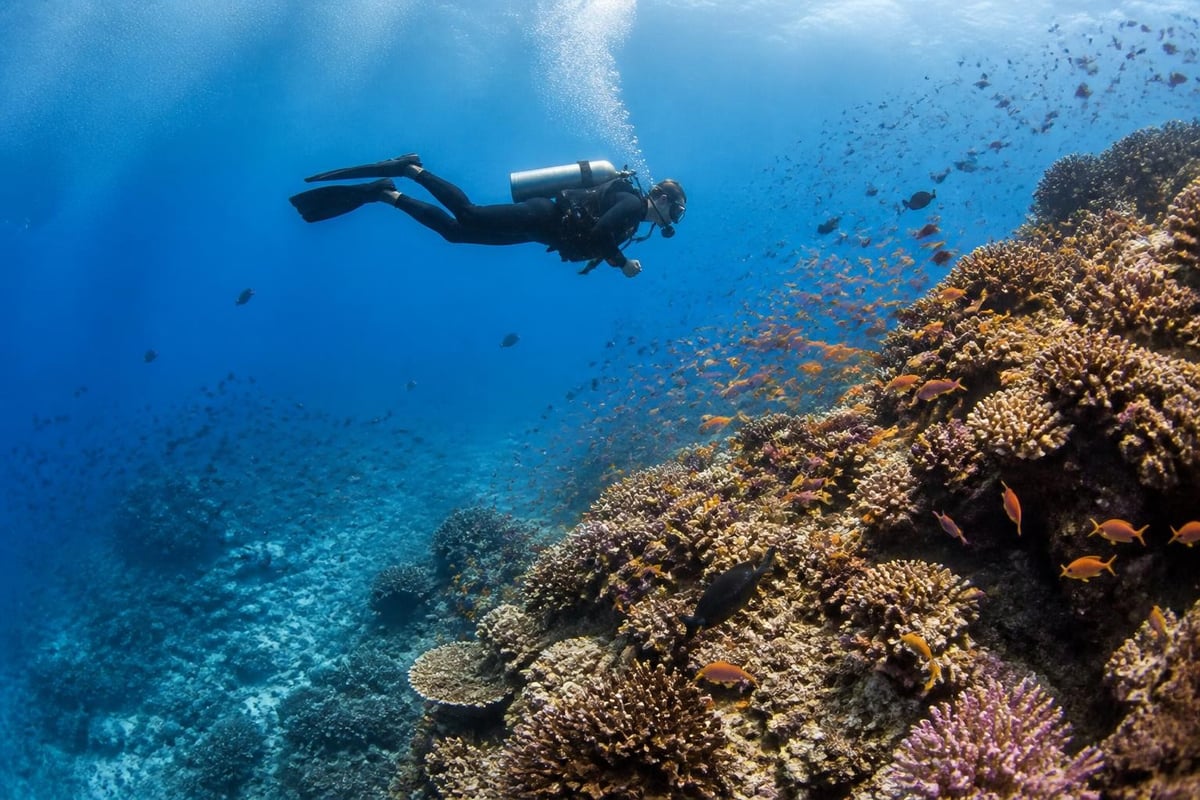
Warm-water coral reefs remain the most popular choice for divers globally, offering colorful ecosystems and comfortable conditions.
Southeast Asia's Coral Triangle
The Coral Triangle spans Indonesia, Malaysia, the Philippines and Papua New Guinea, hosting the planet's highest marine biodiversity. Sites here routinely feature 500+ coral species and thousands of reef fish species.
Palawan, Philippines stands out within this region. El Nido's dive sites combine dramatic limestone walls, healthy soft coral gardens, and excellent macro life with pelagic encounters. Visibility often exceeds 25 meters, and water temperatures stay in the comfortable 27-29°C range year-round. The area's protected marine reserves have enabled reef recovery and sustainable dive tourism.
| Destination | Best Months | Visibility | Key Features |
|---|---|---|---|
| El Nido, Palawan | November–May | 20–30m | Walls, soft corals, turtles, rays |
| Raja Ampat, Indonesia | October–April | 15–30m | Biodiversity hotspot, rare species |
| Sipadan, Malaysia | March–October | 20–40m | Barracuda schools, turtles, sharks |
The Philippines offers over 7,600 islands and some of the best scuba diving locations in Asia. Beyond Palawan, destinations like Anilao (macro photography), Malapascua (thresher sharks) and Tubbataha Reefs (UNESCO World Heritage site) each deliver unique underwater experiences.
Caribbean Coral Gardens
The Caribbean's warm, clear waters and easy diving conditions make it ideal for beginners and relaxed reef exploration.
Cozumel, Mexico features dramatic drift dives along the Palancar and Colombia reefs, where strong currents sweep divers past massive coral formations and channels. Visibility frequently reaches 30-40 meters.
Bonaire operates a unique shore-diving system with over 60 marked sites accessible directly from the coast. Divers enjoy total freedom to explore at their own pace, making it popular with underwater photographers.
- House reef diving 24/7
- No boat schedules or group limitations
- Excellent macro subjects and healthy hard corals
- Marine park protection since 1979
Pelagic and Big-Animal Encounters
Some divers prioritize encounters with large marine species over reef scenery. These locations deliver consistent pelagic action.
Pacific Islands and Atolls
Galápagos Islands, Ecuador offer truly wild diving with Galápagos and hammerhead sharks, marine iguanas, sea lions and seasonal whale sharks. The remote location and advanced conditions (strong currents, cold thermoclines, limited visibility) reward experienced divers with unmatched wildlife encounters.
Cocos Island, Costa Rica lies 550 kilometers offshore and requires liveaboard access. Schooling hammerheads, massive aggregations of rays, and regular sightings of tiger sharks and whale sharks make this one of the best scuba diving locations for sheer pelagic biomass. National Geographic’s dive experiences feature emphasizes Cocos as a bucket-list destination for shark enthusiasts.
Seasonal Migration Routes
Socorro (Revillagigedo Islands), Mexico hosts giant Pacific manta rays November through May. These intelligent animals actively interact with divers, creating intimate encounters unmatched elsewhere.
Kona, Hawaii offers night dives with manta rays year-round. Purpose-built dive lights attract plankton, which draws mantas into balletic feeding displays just meters from divers.
Wreck Diving Destinations
Historic shipwrecks add cultural dimension to diving, blending marine life with maritime archaeology.
Warm-Water Wrecks
Chuuk Lagoon (Truk), Micronesia holds over 60 Japanese warships and aircraft from World War II. These wrecks rest in 12-60 meters, with intact cargo holds, engine rooms and artifacts creating underwater museums.
The combination of historical significance and marine colonization makes Chuuk unique. Soft corals, sponges and schools of fish now cover the vessels, while tanks, ammunition and personal effects remain visible inside.
Red Sea, Egypt features the SS Thistlegorm, possibly the world's most famous wreck dive. This British cargo ship sank in 1941 carrying wartime supplies (motorcycles, trucks, munitions) that remain largely intact. Strong currents and deep sections (to 32 meters) require confident skills.
Temperate Wreck Sites
Scapa Flow, Scotland contains deliberately scuttled German WWI fleet ships. Cold water and limited visibility demand drysuit diving, but the massive battleships and pristine preservation reward technical divers.
Unique and Niche Dive Experiences
Beyond reefs, wrecks and pelagics, some of the best scuba diving locations offer truly unusual underwater environments.
Kelp Forest and Cold-Water Diving
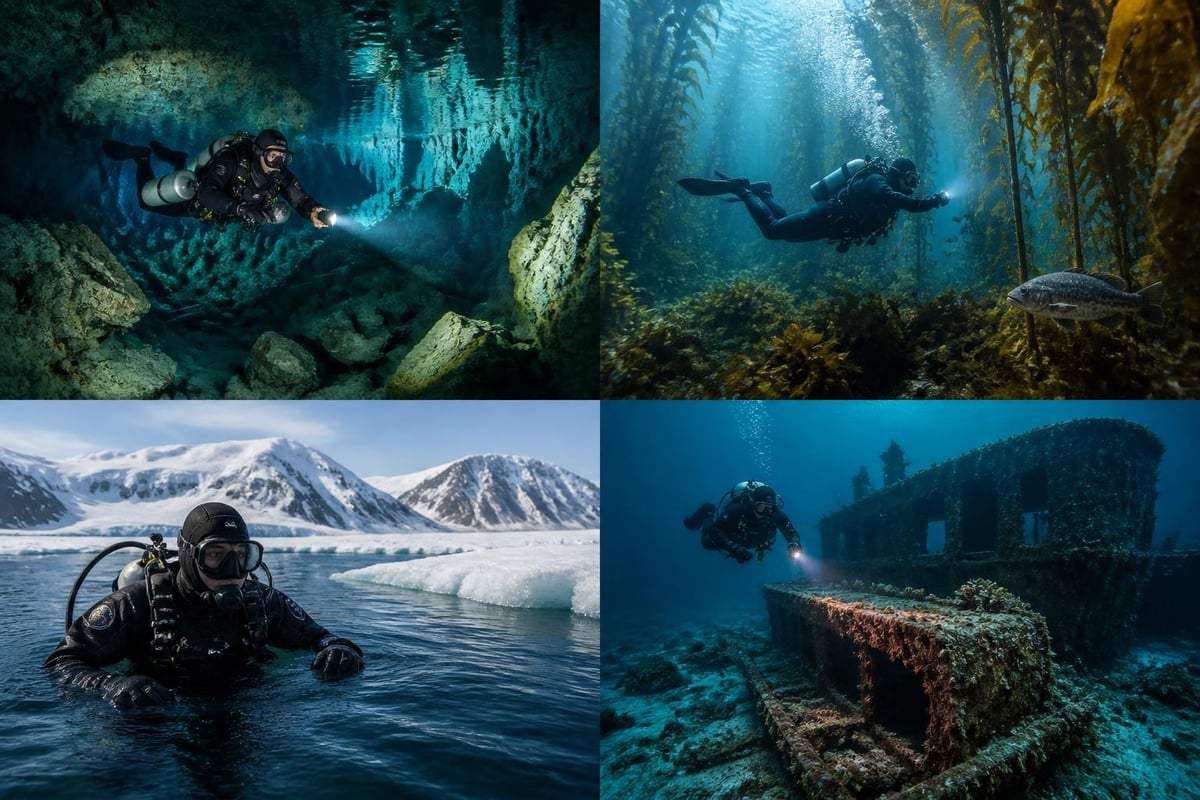
Monterey Bay, California features towering kelp forests, playful sea lions, and excellent macro life. Cold water (10-15°C) requires thick wetsuits or drysuits, but the unique ecosystem and visibility approaching 20 meters (in good conditions) create memorable dives.
British Columbia, Canada combines cold-water productivity with surprising visibility. Giant Pacific octopus, wolf eels, colorful anemones and massive lingcod thrive in these nutrient-rich waters.
Freshwater and Cave Systems
Cenotes, Mexico offer crystal-clear freshwater cavern and cave diving in flooded limestone sinkholes. Light beams filtering through overhead openings create ethereal effects, while stalactites and unique formations add geological interest.
- Cavern diving (light zone, no overhead restrictions): accessible to Open Water divers with proper guidance
- Cave diving (full overhead environment): requires specialized technical training
- Halocline layers: where fresh and salt water meet, creating visual distortion effects
Silfra, Iceland lies within a rift between the North American and Eurasian tectonic plates. Glacial meltwater filtered through lava rock produces visibility exceeding 100 meters, making this one of the clearest dive sites on Earth. Water temperature (2-4°C) demands drysuit certification.
Planning Your Dive Destination
Selecting from the best scuba diving locations requires matching sites to your experience level, interests and travel constraints.
Certification and Skill Requirements
Assess each destination's typical conditions honestly. Strong currents, deep walls, overhead environments and boat-only access demand corresponding training and experience.
Beginner-friendly destinations offer shallow reefs, minimal current, easy entries and professional support. The Caribbean, parts of Southeast Asia and protected marine parks work well for newer divers building confidence.
Advanced sites challenge experienced divers with depth, current, navigation complexity or remote locations. These include offshore atolls, drift-heavy channels and technical wreck penetrations.
For divers looking to advance their skills, El Nido’s dive sites provide excellent progression opportunities from sheltered house reefs to exciting drift dives and deeper walls.
Travel Logistics and Seasons
Accessibility varies enormously. Some locations require international flights, domestic connections, ground transfers and liveaboard weeks. Others offer direct beach access from shoreline resorts.
Research seasonal windows carefully:
- Dry seasons typically bring calmer seas and better visibility
- Wet seasons may close remote sites but offer lower prices
- Migration periods concentrate on specific months for whale sharks, mantas or sardine runs
- Weather patterns like monsoons or hurricane seasons impact safety and accessibility
Liveaboards versus day boats each suit different styles. Liveaboards access remote sites, maximize dive time and build community among guests. Day-boat operations offer flexibility, varied evening activities and easier family/non-diver integration.
Combining Diving with Accommodation
The most convenient dive holidays integrate accommodation with diving access. When planning extended dive trips, beachfront stays that put you steps from the dive center eliminate daily logistics. In El Nido, divers can combine world-class diving with beachfront relaxation, making it easy to maximize water time while enjoying comfortable island living. The Beach House – Beachfront Accommodation lets divers stay right where Submariner Diving Center operates, with boats departing directly from the beachfront, eliminating transfers and maximizing convenience.
Conservation and Responsible Diving
The best scuba diving locations depend on healthy marine ecosystems. Sustainable diving practices protect these environments for future generations.
Diver Impact on Reef Systems
Recent research on diving’s ecological impacts demonstrates that even well-meaning divers can damage reefs through fin strikes, contact and sediment disturbance. Proper buoyancy control, streamlined equipment and awareness prevent most impacts.
Best practices include:
- Maintaining neutral buoyancy throughout the dive
- Securing all equipment (gauges, octopus) to prevent dragging
- Never touching, standing on or kneeling on coral
- Avoiding glove use (except for specific cold/contaminated environments) to reduce temptation to grab
- Photographing without disturbing subjects
Supporting Marine Protected Areas
Many of the best scuba diving locations operate within protected areas, national parks or UNESCO World Heritage sites. Dive fees and park permits directly fund conservation, patrol and research programs.
UNESCO’s marine World Heritage guidance identifies 50 marine World Heritage sites globally, recognizing exceptional natural values and management systems. Choosing destinations with strong protection frameworks supports conservation.
Dive Tourism's Economic Role
Research on diving’s contribution to the blue economy shows that sustainable dive tourism creates economic incentives for reef protection, generates employment in coastal communities and funds marine conservation directly.
Responsible dive operators:
| Practice | Benefit | Example |
|---|---|---|
| Small group sizes | Reduces site pressure | Maximum 4-6 divers per guide |
| Site rotation | Prevents overuse | Avoiding same sites daily |
| Environmental briefings | Educates divers | Pre-dive conservation talks |
| Mooring systems | Protects reef from anchors | Fixed mooring buoys |
| Local employment | Community benefits | Local guides and staff |
Underwater Photography Opportunities
Many divers choose destinations based on photographic potential. The best scuba diving locations for imaging combine subjects, visibility and conditions.
Wide-Angle Reef Scenes
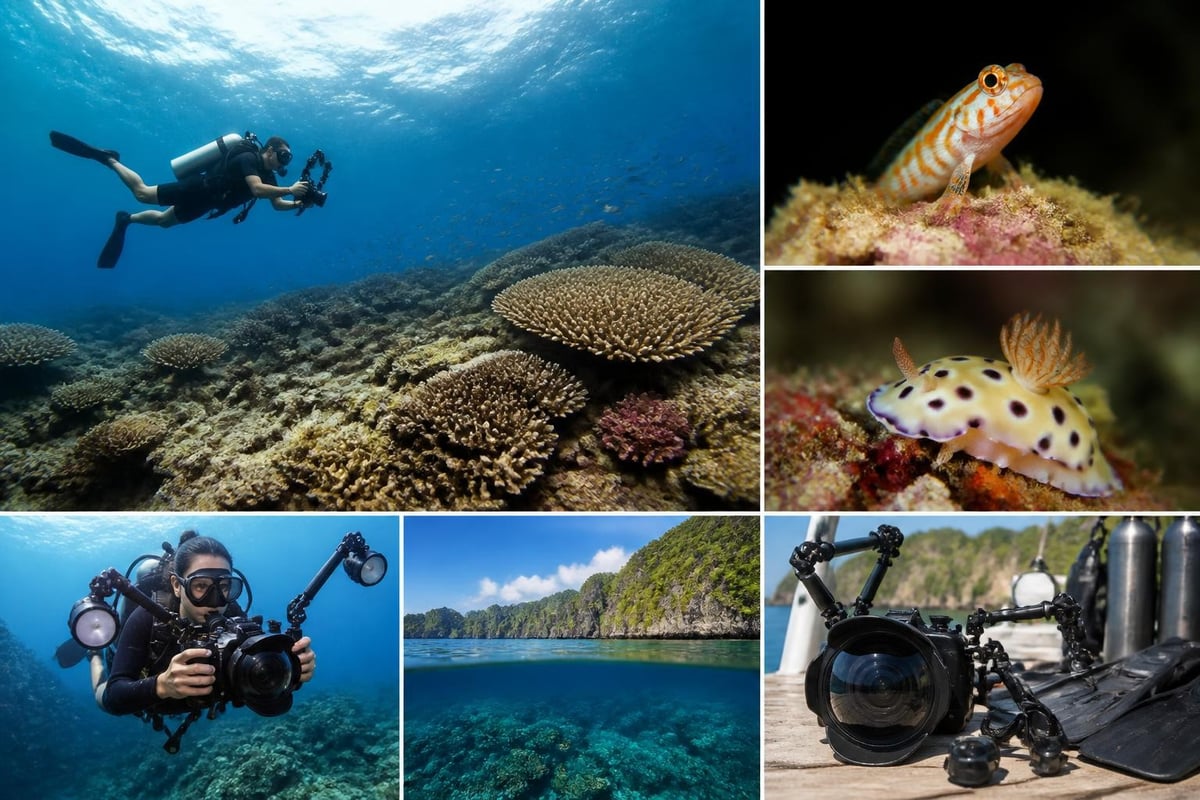
Clear water, healthy hard corals and abundant fish populations enable stunning reef panoramas. Destinations like Palawan, the Red Sea and the Great Barrier Reef excel at wide-angle imaging.
Composition tips from National Geographic's underwater photography guidance emphasize:
- Shooting upward to include the surface and natural light
- Including divers for scale and interest
- Waiting for fish schools to create movement
- Using strobes to restore lost red spectrum colors
Macro and Critter Hunting
Muck diving sites in Indonesia (Lembeh Strait, Anilao) specialize in rare, tiny subjects. Rhinopias scorpionfish, blue-ring octopus, frogfish and ornate ghost pipefish hide in seemingly barren sand/rubble bottoms.
Successful macro work requires:
- Patience and careful observation
- Minimal finning to avoid stirring sediment
- Respect for subject stress (limiting time, avoiding touch)
- Understanding of animal behavior to predict movement
Regional Highlights: Southeast Asia
Southeast Asia deserves special attention for its combination of diversity, accessibility and value.
The Philippines: Island Diving Diversity
The Philippines' 7,600+ islands create endless dive variety. Lonely Planet’s South Pacific diving guides note the Philippines' exceptional range from beginner-friendly house reefs to advanced current channels.
Tubbataha Reefs Natural Park (UNESCO World Heritage) offers pristine walls, sharks and massive schools during its limited April-June season. Liveaboard access only.
Anilao, Batangas serves as Metro Manila's nearby macro haven, with nudibranchs, frogfish and rare critters attracting photographers globally.
El Nido, Palawan combines dramatic topography with diverse ecosystems. Limestone walls drop into deep water, creating habitat for both reef residents and passing pelagics. Protected marine sanctuaries maintain healthy coral coverage and fish populations.
Indonesia: Diversity Capital
Raja Ampat holds the documented record for marine biodiversity, with surveys recording 600+ coral species and 1,700+ reef fish species. Remote location and conservation commitment preserve pristine conditions.
Komodo National Park balances Komodo dragons (topside) with world-class diving featuring strong currents, manta cleaning stations and excellent coral gardens.
North American Dive Destinations
Closer options serve North American divers seeking quality experiences without long-haul flights.
Florida and the Gulf
The Florida Keys National Marine Sanctuary protects North America's only barrier reef, offering accessible warm-water diving year-round.
Key Largo hosts the famous Christ of the Abyss statue alongside Molasses Reef's coral spurs and grooves. Shallow depths (5-12 meters) suit all levels.
Dry Tortugas rewards the 100-kilometer journey from Key West with clearer water, larger fish and the historic Fort Jefferson wreck site.
Pacific Northwest
Washington State and British Columbia deliver cold-water richness. Giant Pacific octopus sightings occur regularly, and colorful marine life thrives in nutrient-rich waters.
Drysuit certification opens these destinations, where water temperatures (8-12°C) demand thermal protection but reward divers with unique species and excellent visibility during optimal seasons.
Central and South America
Latin America offers some of the best scuba diving locations for both accessibility and unique experiences.
Belize Barrier Reef
The Belize Barrier Reef System (UNESCO World Heritage) stretches 300 kilometers and includes the famous Blue Hole. This perfectly circular sinkhole drops to 124 meters, with stalactites visible in overhead cavern zones.
Glover's Reef Atoll provides classic Caribbean diving: healthy corals, clear water, abundant turtles and rays. Remote location ensures fewer divers.
Galápagos Conservation Model
The Galápagos demonstrate how restricted access preserves exceptional diving. Limited permits, mandatory guides and seasonal closures protect the ecosystem while allowing sustainable tourism.
This model increasingly influences dive destination management globally, balancing access with conservation needs.
Evaluating Dive Operators
Destination quality means little without safe, professional dive operations.
Safety Standards and Equipment
Look for operators meeting international training organization standards (PADI, SSI, NAUI). Well-maintained equipment, oxygen systems, first-aid kits and emergency action plans demonstrate professionalism.
Red flags include:
- Skipping buddy checks or dive briefings
- Pushing certification limits or depth restrictions
- Poorly maintained equipment with obvious wear
- Missing or empty first-aid/oxygen supplies
- Overcrowded boats with inadequate guide ratios
Environmental Commitment
Choose operators actively supporting conservation through mooring systems, reef-safe practices and environmental education. Many of the best scuba diving locations thrive because local operators prioritize long-term ecosystem health over short-term profits.
Building Your Dive Bucket List
Creating a personal list of target destinations helps focus dive travel plans and training progression.
Balancing Ambition with Readiness
Dream big but dive within your training and comfort zone. Advanced sites remain accessible as you gain experience and additional certifications (deep, nitrox, advanced, rescue).
Progressive planning might look like:
- Year one: Gain certification, complete 20-30 dives in warm, calm conditions
- Year two: Add deep and nitrox specialties, try mild currents
- Year three: Advanced certification, first liveaboard, challenging conditions
- Year four: Drift diving, deeper wrecks, remote destinations
- Year five: Technical training, cold water, advanced photo
Research and Community
Connect with dive communities through forums, clubs and social media. Trip reports, seasonal updates and firsthand experiences supplement guidebook information.
Condé Nast Traveler’s dive site features combine professional travel writing with diver perspectives, helping narrow destination choices.
Making It Happen
Planning transforms bucket-list dreams into booked trips.
Budget Considerations
Dive travel costs vary enormously. Liveaboards, remote destinations and specialty experiences command premium pricing. Accessible locations with shore diving (Bonaire, some Philippines areas) offer budget-friendly alternatives.
Typical cost breakdown:
- Flights and ground transport: 30-40%
- Accommodation: 20-30%
- Diving (daily boats or liveaboard): 25-35%
- Food, activities, extras: 10-15%
Shoulder seasons often deliver significant savings while maintaining good diving conditions.
Trip Length and Dive Planning
Most divers benefit from 6-8 dive days minimum. This allows gradual acclimatization, rest days, surface intervals and backup weather days.
Sample itineraries:
- Weekend getaway: 2-3 days, 4-6 dives (nearby destinations)
- Week trip: 6-8 days, 10-16 dives (single destination, day boats)
- Liveaboard: 7-10 days, 18-28 dives (remote sites, multiple areas)
- Dive safari: 10-14 days, 16-22 dives (multiple destinations/resorts)
Allow a 24-hour no-fly buffer before departing, as altitude exposure (flying) after diving increases decompression illness risk.
Discovering the best scuba diving locations means matching your interests, skills and travel style with the incredible diversity our oceans offer. Whether you're drawn to Palawan's limestone walls, Caribbean coral gardens or Pacific pelagic encounters, careful planning ensures safe, rewarding underwater adventures. Palawan Diving brings El Nido's world-class dive sites within easy reach, offering private charters, PADI training and expert-guided experiences that showcase the Philippines' exceptional marine environments. Start planning your next dive adventure today.