Learning to dive opens up an entire world beneath the waves, but choosing where to take those first breaths underwater can feel overwhelming. The best dive spots for beginners share key characteristics: calm conditions, shallow depths, easy access, and plenty of marine life to discover without challenging currents or difficult navigation. Whether you're planning your first scuba experience or building confidence after certification, the right location makes all the difference between a nervous introduction and falling completely in love with diving.
What Makes a Dive Site Perfect for Beginners
Not all dive sites are created equal when you're just starting out. The ideal beginner location offers more than just pretty fish and coral. Water conditions matter enormously during those early dives when you're still getting comfortable with your equipment and buoyancy control.
Key Features of Beginner-Friendly Sites
The characteristics that separate beginner spots from advanced diving destinations are straightforward but crucial:
- Shallow maximum depths (typically 5-12 meters) that allow longer bottom time and easier ascents
- Minimal to mild currents so you can focus on skills rather than fighting water movement
- Good visibility (10+ meters) helping you stay oriented and relaxed
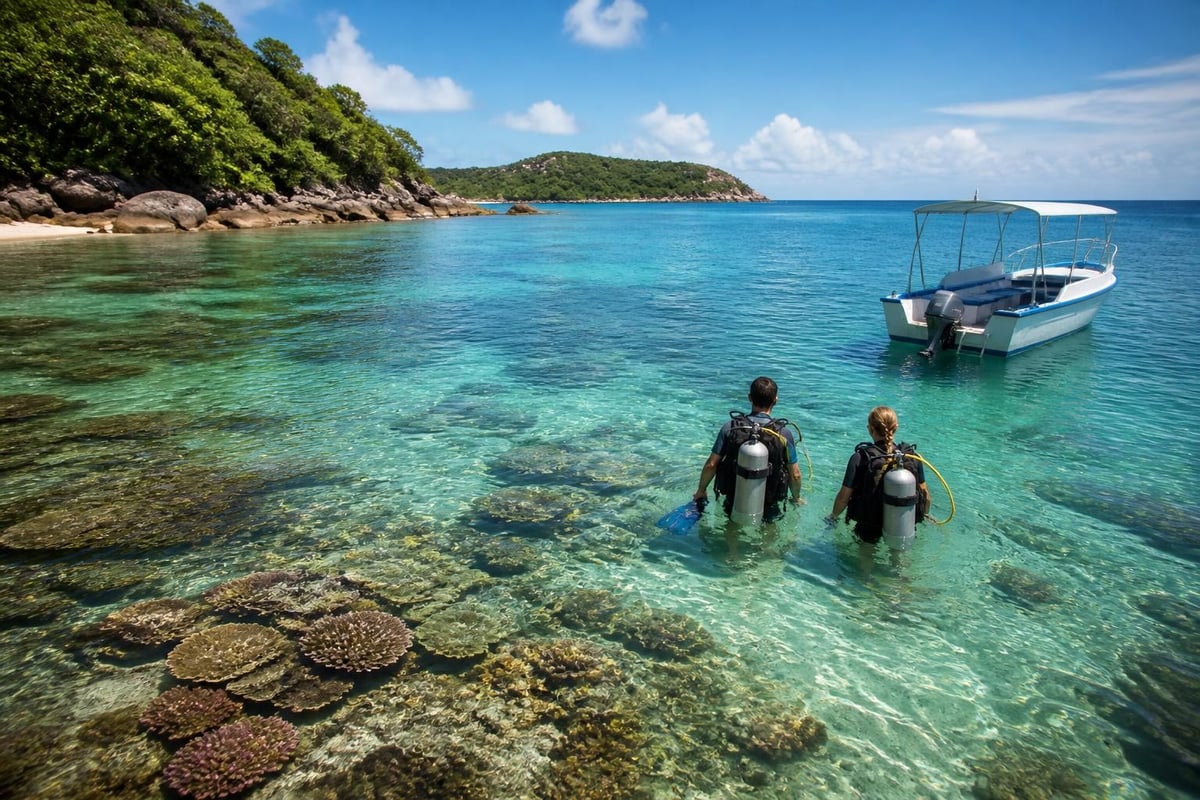
- Protected locations like bays and lagoons that shield you from waves and surge
- Easy entry and exit points whether from shore or boat
- Abundant marine life in shallow water keeping dives interesting
PADI recommends that first-time divers look for destinations with warm water and consistent conditions, reducing the number of variables you need to manage during those initial underwater experiences.
Understanding Water Conditions
Temperature, visibility, and current work together to create the overall diving environment. Warm water (26°C or higher) means you can dive in a shorty wetsuit or even just a rash guard, making it easier to move and adjust your gear. Cold water requires thicker exposure protection that affects your buoyancy and adds complexity better left until you've built basic skills.
Clear water helps with confidence and orientation. When you can see your instructor, your buddy, and the reef around you, the underwater world feels less alien and more welcoming.
Top Beginner Dive Destinations in Southeast Asia
Southeast Asia dominates the conversation about where beginners should learn to dive, and for good reason. The region combines perfect water conditions with incredible biodiversity and well-established dive operations.
El Nido, Palawan
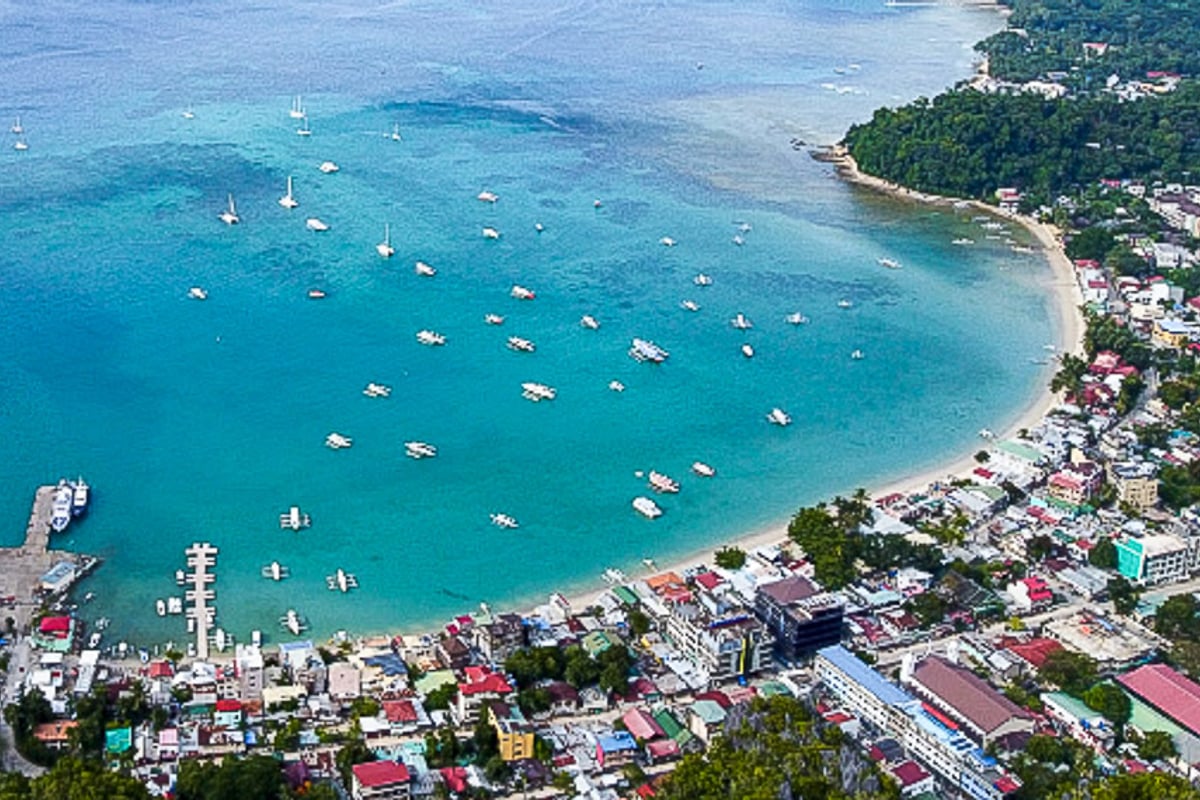
The crystal-clear waters of Bacuit Bay offer some of the most beginner-friendly diving in the Philippines. Protected dive sites scattered throughout the bay provide calm conditions year-round, with visibility regularly exceeding 15 meters and water temperatures hovering around 27-29°C.
Sites like Helicopter Island and Cadlao Drop-Off feature gentle slopes starting in shallow water, allowing new divers to descend slowly while getting comfortable with equalization and buoyancy. The reefs teem with tropical fish, and encounters with sea turtles are common even in water shallow enough for beginner comfort levels.
If you're planning an extended diving trip to El Nido, the El Nido Dive & Stay Package lets you combine beachfront accommodation with daily diving, so you can build experience over several days without the stress of coordinating separate hotels and dive operators.
| Dive Site | Max Depth | Highlights | Best For |
|---|---|---|---|
| Helicopter Island | 12m | Coral gardens, clownfish | First ocean dives |
| Nat Nat Beach | 10m | Sandy bottom, easy entry | Skills practice |
| Cadlao Drop-Off | 8-12m | Gentle slope, turtles | Building confidence |
Koh Tao, Thailand
This small island in the Gulf of Thailand has built its reputation almost entirely on beginner diving and dive training. The calm bays on the island's west coast offer protected conditions even when the east side sees rougher weather.
White Rock and Mango Bay serve as the primary training sites for thousands of new divers each year. Maximum depths rarely exceed 12 meters, and the sandy bottom between coral heads provides perfect spots for practicing skills. The concentration of dive schools means competitive pricing and abundant instructor availability.
Gili Islands, Indonesia
The three tiny islands off Lombok's coast sit in relatively shallow water surrounded by coral reefs. Gili Trawangan, Gili Meno, and Gili Air each offer multiple beginner-friendly dive sites accessible within minutes by boat.
The sites feature gentle slopes and walls that start shallow and descend gradually. Green sea turtles patrol the reefs in remarkable numbers, almost guaranteeing encounters even during basic training dives.
Caribbean and Americas Options
While Southeast Asia dominates beginner diving, the Caribbean and Americas offer excellent alternatives, particularly for North American travelers who want to minimize flight time.
Cozumel, Mexico
The protected western shore of Cozumel provides drift diving in gentle current, an unusual but beginner-appropriate introduction to this style of diving. Paradise Reef and Chankanaab feature colorful coral formations in 8-12 meters of water with current mild enough for new divers to handle comfortably.
The island's marine park status, similar to protected areas managed under international guidelines, helps maintain reef health and fish populations that make every dive rewarding.
Bonaire
This Dutch Caribbean island pioneered shore diving in the region, with over 50 marked sites accessible directly from the beach. The freedom to dive independently (once certified) appeals to travelers who want to explore at their own pace.
Sites like 1000 Steps (despite the intimidating name) and Bari Reef offer easy entries and shallow coral gardens where beginners can practice buoyancy and navigation without boat schedules or group pressure.
Roatán, Honduras
The Bay Islands sit on the Mesoamerican Reef, the second-largest barrier reef system in the world. West Bay Wall and Mary's Place provide spectacular underwater scenery in beginner-appropriate depths.
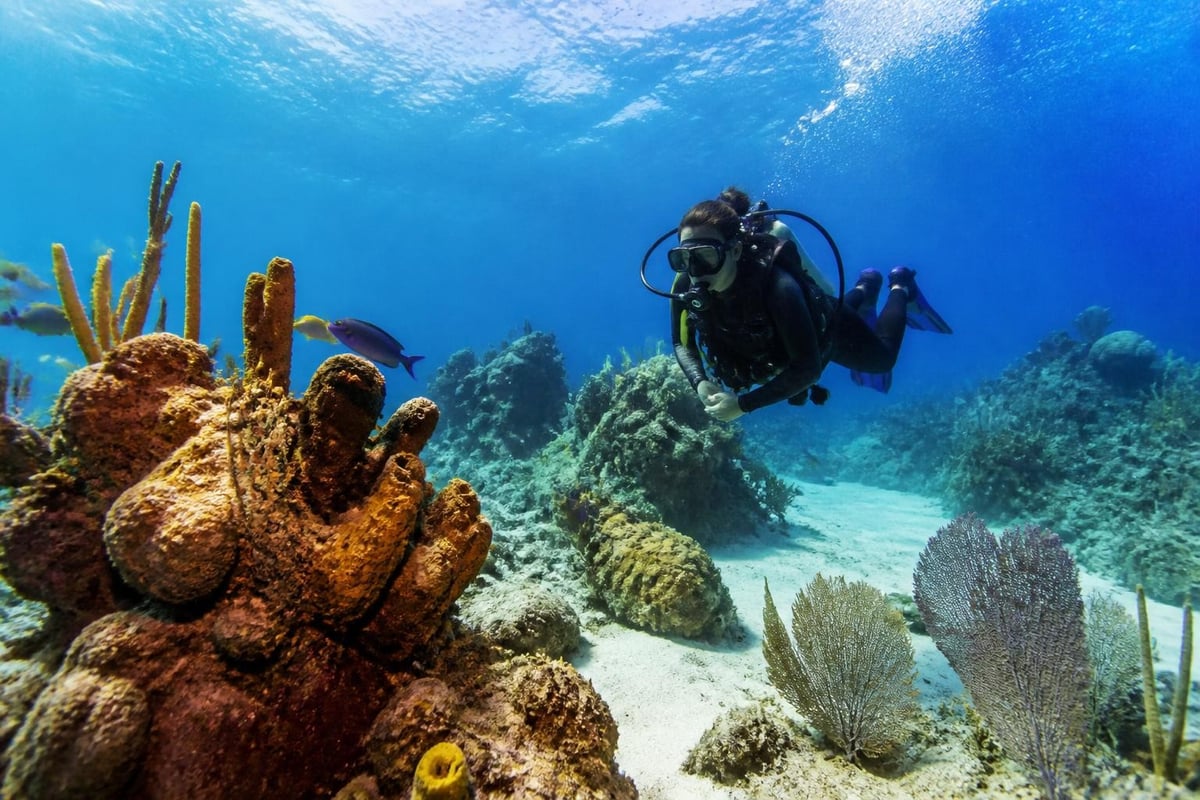
Water clarity typically exceeds 25 meters, and the abundance of colorful sponges, corals, and reef fish creates an immersive experience that hooks new divers from their first descent.
Building Your Skills Progressively
Choosing the best dive spots for beginners isn't just about your very first dive. As you progress from initial training through your first 20 logged dives, you'll want to gradually increase challenge while maintaining appropriate safety margins.
Your First Certified Dives
After completing your Open Water certification, resist the urge to immediately tackle deeper or more challenging sites. Staying in 10-15 meter depth ranges for your first five to ten dives after certification helps solidify the skills you learned in class.
TryCurrents recommends that newly certified divers focus on mastering buoyancy control and air consumption before progressing to more complex environments. This patient approach builds muscle memory and confidence that will serve you throughout your diving career.
Common Beginner Mistakes to Avoid
New divers often make predictable errors that can cut dives short or create safety concerns:
- Over-breathing and rapid air consumption due to anxiety or excitement
- Poor buoyancy control leading to yo-yo depth profiles or reef contact
- Inadequate pre-dive planning including briefing attention and buddy checks
- Exceeding comfortable limits to keep up with more experienced divers
DAN’s safety guidance emphasizes that many air-related incidents stem from basic errors entirely preventable with good training and conservative diving practices.
Progressing to Intermediate Sites
Once you've logged 15-20 dives in beginner-friendly conditions, you can start exploring sites with mild current, slightly deeper maximum depths (18-20 meters), or more complex topography like swim-throughs and small wrecks.
This progression should feel natural, not forced. If you're still uncomfortable with basic skills like mask clearing or alternate air source use, continue practicing in easy conditions rather than adding environmental challenges.
Essential Considerations for First-Time Divers
Beyond choosing the right location, several practical factors influence whether your introduction to diving succeeds or disappoints.
Selecting a Dive Operator
The quality of instruction and equipment matters far more than the specific dive site when you're learning. Look for dive centers with:
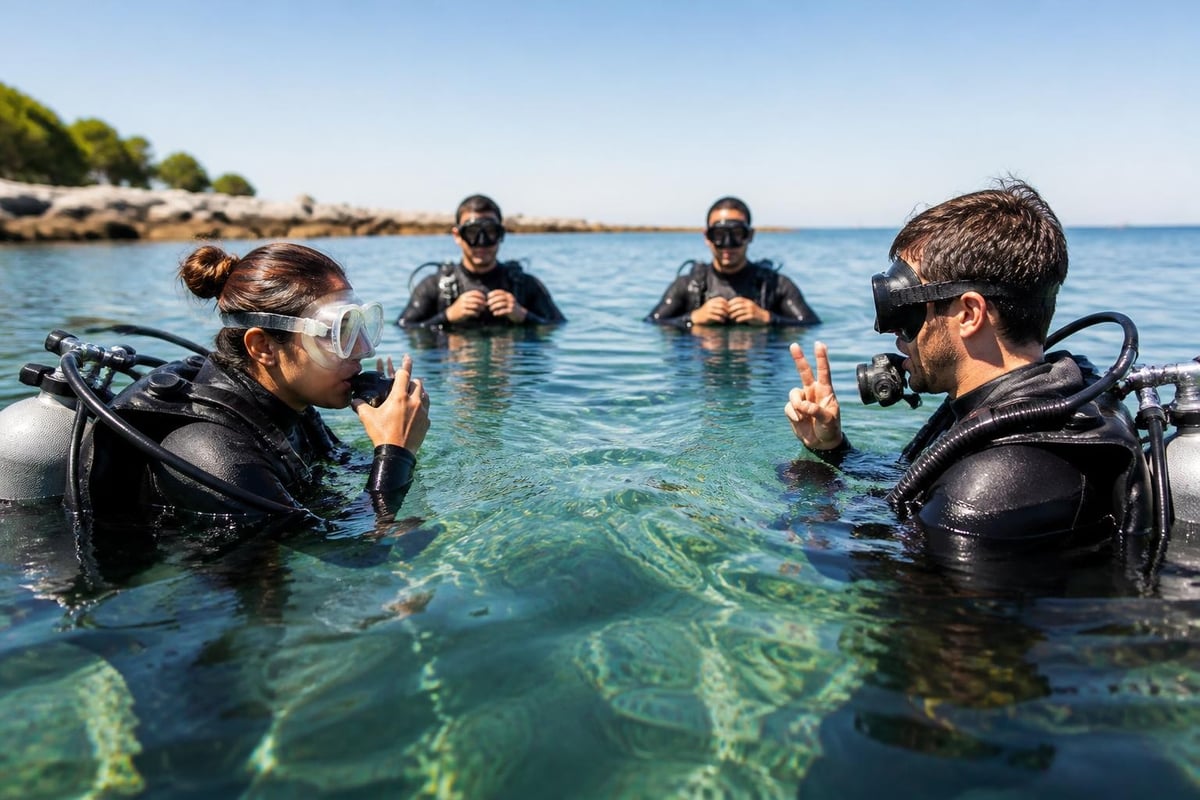
- Small class sizes (ideally 2-4 students per instructor)
- Well-maintained, modern equipment in various sizes
- Patient, experienced instructors who communicate clearly
- Flexible scheduling that doesn't rush your learning
- Strong safety culture with visible emergency oxygen and first aid equipment
Reading recent reviews helps identify operators who prioritize beginner comfort over running large groups through standardized programs.
Timing Your First Diving Experience
National Geographic suggests planning learn-to-dive trips during destination shoulder seasons when dive sites are less crowded and operators have more time for individual attention.
In El Nido, the period from November through May offers consistently excellent conditions with minimal rain and calm seas. The slightly quieter months of November, December, and late April through May can provide the best learning environment.
Physical and Mental Preparation
You don't need to be an Olympic athlete to dive, but basic fitness and water comfort make learning significantly easier. If you're not a confident swimmer, consider taking swimming lessons before your dive course.
Mental preparation matters equally. Understanding that feeling slightly anxious is normal and that your instructor expects it helps you relax and focus on the actual skills rather than fighting your nerves.
What to Expect During Your First Dives
Having realistic expectations prevents disappointment and helps you appreciate the actual experience rather than comparing it to idealized underwater footage.
The First Breath Underwater
That initial breath from your regulator while submerged feels strange. Your brain knows you're underwater and initially resists the idea that you can breathe normally. This cognitive dissonance usually resolves within the first minute or two as you realize the air flows easily and naturally.
Focus on slow, deep breaths rather than rapid, shallow ones. The more relaxed your breathing, the better your air consumption and buoyancy control.
Sensory Differences
Sound travels differently underwater, vision is magnified by approximately 25%, and you may feel the pressure changes in your ears and sinuses as you descend. These sensations are completely normal and become unremarkable after a few dives.
Colors shift as you descend and red wavelengths filter out, making everything appear slightly blue-green unless you carry a dive light or flash. This is physics, not a problem with the dive site.
Marine Life Encounters
Your instructor will likely point out various creatures during the dive, but don't feel pressured to spot everything. Some people naturally develop a sharp eye for camouflaged animals, while others need dozens of dives before they start seeing nudibranchs and decorator crabs.
The most important thing is moving slowly and looking carefully rather than rushing through the dive site trying to see everything at once.
Regional Dive Site Comparisons
Different regions offer distinct advantages for beginner divers beyond just water conditions.
| Region | Water Temp | Visibility | Main Advantage | Consideration |
|---|---|---|---|---|
| Southeast Asia | 26-30°C | 10-25m | Year-round diving, low cost | Long flight from Americas/Europe |
| Caribbean | 25-29°C | 15-30m | Short flight from USA | Higher costs |
| Red Sea | 22-28°C | 20-40m | Excellent visibility | Some sites too advanced |
| Mediterranean | 18-26°C | 10-30m | Cultural tourism combo | Cooler water, seasonal |
| Pacific Islands | 26-30°C | 20-40m | Remote, pristine reefs | Expensive, remote |
Choosing Based on Your Priorities
Budget-conscious travelers often find Southeast Asia offers the best value, with full Open Water courses and accommodation available at competitive rates in established diving hubs. North American travelers might prefer Caribbean destinations to minimize travel time despite higher local costs.
If visibility matters most to you, the Red Sea and certain Pacific island destinations deliver exceptionally clear water, though not all sites in these regions suit beginners.
Safety Considerations for New Divers
Understanding and respecting basic diving safety principles helps ensure your early experiences remain enjoyable and incident-free.
Following Established Safety Protocols
Modern recreational diving follows guidelines developed over decades of experience and research. The safety rules you learn during training aren't suggestions. They represent the collective wisdom of the diving community and help prevent the vast majority of incidents.
Key safety practices include:
- Never holding your breath during ascent
- Always diving with a buddy and maintaining contact
- Planning your dive and diving your plan
- Ascending slowly with safety stops
- Monitoring your air supply and surfacing with reserve gas
- Staying within your training and certification limits
NOAA’s diving standards provide comprehensive safety protocols used by professional scientific divers, many of which inform recreational diving best practices.
Environmental Awareness
Beyond personal safety, beginner divers need to develop reef-safe habits from their very first dive. Maintain neutral buoyancy to avoid accidental contact with coral, secure dangling equipment that might drag across the bottom, and keep your fins away from fragile organisms.
These habits protect both the reef ecosystem and your own safety, as coral contact can cause painful cuts and marine life injuries.
Preparing for Your First Dive Trip
Once you've chosen your destination and dive operator, several practical preparations help ensure a smooth experience.
Medical Considerations
Complete your medical questionnaire honestly before the dive course. Certain conditions require physician clearance before diving, including asthma, heart conditions, and ear problems. Getting clearance before you travel prevents disappointment and wasted trip expenses.
If you take regular medications, bring sufficient supply plus extra in case of travel delays. Keep medications in original containers to avoid customs issues.
Packing for Diving
Most beginners rent equipment rather than investing in full gear before deciding whether they enjoy diving. However, a few personal items improve comfort:
- Well-fitting mask (many divers buy their own even before certification)
- Rash guard or thin wetsuit for sun and sting protection
- Reef-safe sunscreen that won't damage corals
- Log book for recording your dives
- Dive computer (optional but increasingly affordable)
Your dive operator will provide BCD, regulator, tank, weights, and fins, though some divers prefer to own their own fins for the best fit.
Learning Resources
Reading about diving and watching educational videos before your course helps familiarize you with terminology and concepts. However, avoid letting YouTube videos of challenging dives in advanced conditions create unrealistic expectations for your first experiences.
Focus on instructional content rather than entertainment diving videos when preparing for your course.
The best dive spots for beginners combine gentle conditions with engaging marine life and quality instruction, creating positive first experiences that build confidence and skills. Whether you choose the protected bays of El Nido, the calm training grounds of Koh Tao, or the shore diving freedom of Bonaire, the right location launches a lifetime of underwater exploration. Submariner Diving Center specializes in introducing new divers to El Nido's spectacular reefs through personalized instruction, small groups, and carefully selected beginner-friendly sites throughout Bacuit Bay, helping you build skills in some of the Philippines' clearest, calmest water.