El Nido has earned its reputation as one of the Philippines' premier diving destinations, and for good reason. Nestled in the northern reaches of Palawan, this stunning corner of Bacuit Bay combines dramatic limestone karsts above the waterline with equally impressive underwater landscapes below. El Nido palawan diving offers something truly special: healthy coral reefs teeming with life, crystal-clear visibility, and a remarkable diversity of marine encounters that keep divers returning year after year. Whether you're taking your first breath underwater or logging your hundredth dive, the waters around El Nido deliver experiences that stay with you long after you've dried off.
Why El Nido Stands Out as a Diving Destination
The geography that makes El Nido spectacular above water creates equally impressive conditions below the surface. Bacuit Bay's protected position means calmer conditions than many exposed coastlines, while the maze of islands and channels creates diverse habitats for marine life.
Water conditions here rank among the best in Southeast Asia:
- Visibility regularly reaches 15-25 meters, sometimes extending beyond 30 meters
- Water temperatures stay comfortable year-round, ranging from 26-30°C
- Currents vary from gentle drifts to more challenging flows, offering options for every experience level
- Protected sites remain diveable even when weather affects more exposed areas
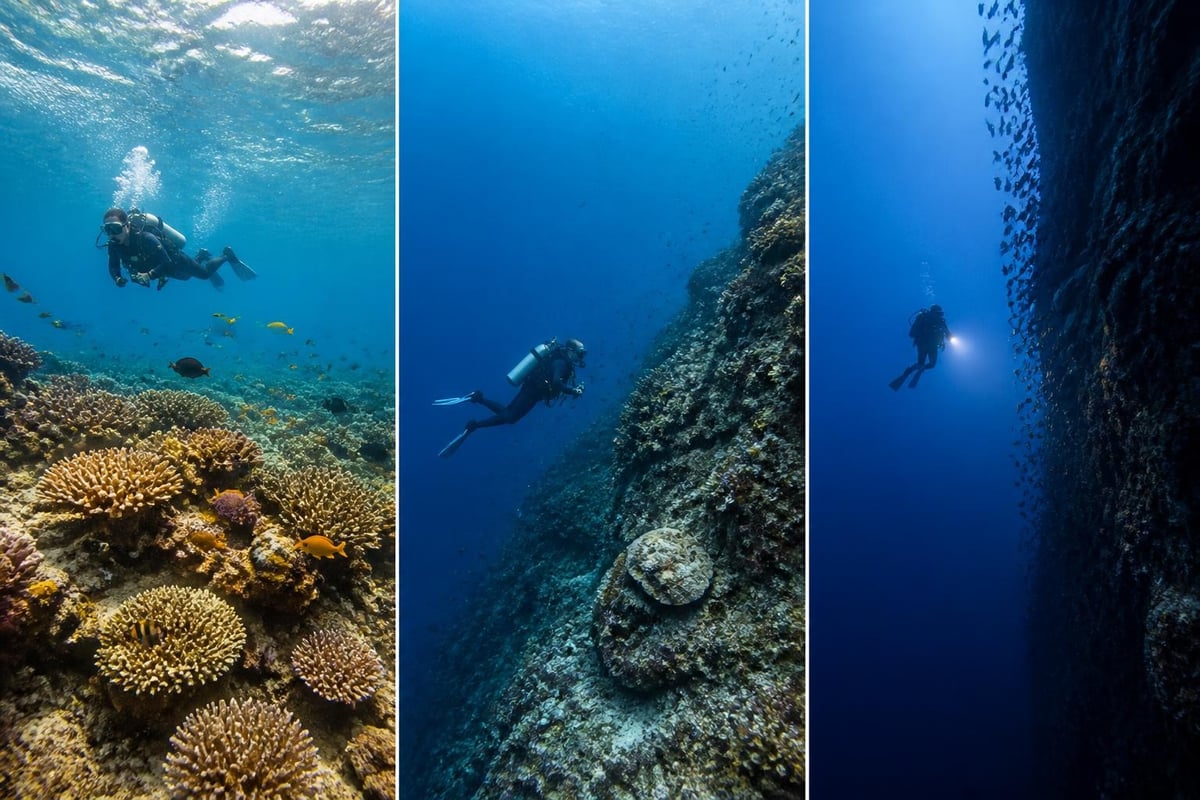
The underwater topography mirrors the dramatic karst formations above. Walls drop into deep blue water, coral gardens spread across shallow plateaus, and channels cut between islands create natural highways for pelagic fish. This variety means you might explore a gentle sloping reef in the morning and drift along a vertical wall in the afternoon.
Marine Life Diversity
El Nido sits within the Coral Triangle, the global epicenter of marine biodiversity. This position translates to exceptional variety in what you'll encounter underwater. Reef fish populations remain healthy and abundant, with schools of fusiliers, snappers, and trevallies constantly on the move.
Turtle sightings happen regularly on many dive sites, though as with all wildlife, encounters depend on timing and luck. Both green and hawksbill turtles patrol the reefs, often unbothered by divers drifting past.
Macro photographers find plenty to keep them occupied. Nudibranchs in every color combination, tiny crustaceans hiding in anemones, and cryptic fish blending perfectly with their surroundings reward patient observation. The coral itself deserves attention too, with hard and soft coral species creating the foundation for this thriving ecosystem.
Planning Your El Nido Palawan Diving Trip
Timing your visit makes a real difference to your diving experience. El Nido has two distinct seasons, and understanding them helps set realistic expectations.
Best Season for Diving
November through May brings the dry season and generally represents the most reliable period for diving. Conditions during these months typically feature:
- Calm seas and minimal surface chop
- Excellent visibility
- Consistent weather patterns
- Access to the full range of dive sites
December through February sees cooler air temperatures and occasional northeasterly winds, but diving remains excellent. March through May offers the warmest, calmest conditions of the year, though surface temperatures can climb quite high.
June through October marks the wet season. Don't write off diving during these months entirely, as conditions often remain diveable and you'll encounter fewer crowds. However, expect:
- More variable weather and occasional strong winds
- Reduced visibility on some days
- Limited access to exposed sites
- Possible dive cancellations during typhoon season (peak risk August-September)
According to PADI’s overview of diving in El Nido, experienced operators adjust itineraries based on conditions, ensuring divers still enjoy quality experiences even during less predictable months.
Getting to El Nido
El Nido's increasing popularity has improved access options. Most visitors fly into Puerto Princesa, Palawan's capital, then transfer overland to El Nido. The journey takes approximately 5-6 hours by van, winding through rural Palawan with occasional scenic stops.
Transportation options include:
- Scheduled shuttle vans: Budget-friendly, reliable, frequent departures
- Private van transfer: Comfortable, flexible timing, ideal for groups
- Domestic flights: Small aircraft operate Puerto Princesa to El Nido (when schedules permit), reducing travel to 30 minutes
Some divers arrive via inter-island ferry from Coron or Manila, though schedules change seasonally. Always build buffer time into your plans, as weather can affect transfers.
Dive Sites Around El Nido
The dive sites around El Nido cater to every certification level and interest. Operators typically divide sites into several geographic areas, each with distinct characteristics.
South Miniloc Area
This protected zone contains several of El Nido's most popular sites. The relatively short boat ride from town makes morning dives here convenient.
| Site Name | Depth Range | Experience Level | Highlights |
|---|---|---|---|
| South Miniloc | 5-30m | All levels | Walls, swim-throughs, abundant reef fish |
| Helicopter Island | 8-24m | Beginner to intermediate | Gentle slopes, turtle encounters, coral gardens |
| Nat Nat Beach | 5-18m | Beginner friendly | Shallow reef, perfect for training and easy diving |
North and East Sites
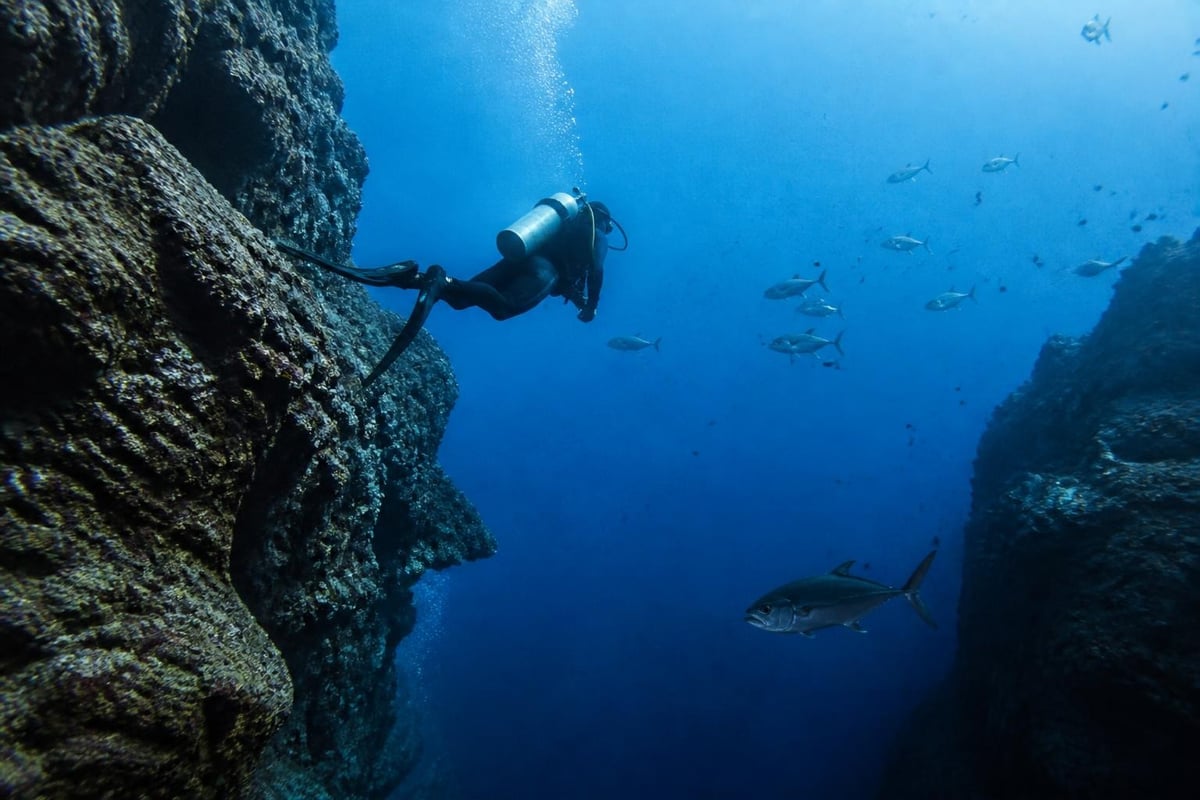
Venturing further from town opens up more adventurous diving. These sites often feature stronger currents and more dramatic topography.
Dilumacad (Dilumacad Tunnel) offers one of El Nido's signature experiences. The swim-through passages and caverns create dramatic light effects, while the surrounding walls attract larger fish. Current can pick up here, making it better suited to confident divers.
Twin Rocks sits exposed to open water, meaning conditions vary more than protected sites. When diveable, it rewards with excellent visibility and healthy hard coral coverage. The two pinnacles rise from deeper water, creating natural gathering points for fish schools.
Cadlao Island sites dot the eastern approaches and include both shallow reefs and deeper drop-offs. The variety here means operators can usually find something suitable regardless of prevailing conditions.
Specialized Sites
Certain sites attract divers with specific interests:
- Muck diving opportunities exist at several locations where sandy bottoms host unusual critters
- Deep dive sites challenge advanced divers with walls extending beyond recreational limits
- Drift dives through channels provide effortless cruising when current conditions align
PADI’s El Nido dive site information provides additional detail on individual locations, though local operators always have the most current information on conditions.
Diving for Different Experience Levels
El Nido palawan diving genuinely accommodates everyone from nervous first-timers to technical divers seeking challenges.
Beginner and Introductory Diving
Never dived before? El Nido makes an excellent place to start. Calm protected sites, warm clear water, and abundant marine life create ideal learning conditions.
Try diving programs introduce non-certified visitors to scuba in a controlled, supportive environment. After pool or confined water practice, you'll make a shallow guided dive on a calm reef. Many people use this as a test before committing to full certification.
Full certification courses take 3-4 days and combine knowledge development, confined water skills practice, and open water dives. Small class sizes and patient instructors help nervous students build confidence. Upon completion, you'll hold a globally recognized certification to dive anywhere in the world.
Intermediate and Advanced Diving
Certified divers find plenty to explore beyond the beginner sites. As your experience grows, El Nido offers progression opportunities:
- Navigation and deep diving skills open access to more challenging sites
- Drift diving techniques prove useful in current-prone areas
- Wreck and cavern awareness prepare you for swim-throughs and overhead environments
- Marine life identification deepens appreciation for what you're seeing
Continuing education courses let you develop specific interests while exploring new sites.
Private and Customized Diving
Some diving experiences deserve a more personal approach. Honeymooners, families, photographers, or small groups of friends often prefer the flexibility of a private charter rather than joining scheduled trips.
For those seeking complete freedom in their El Nido diving experience, a Private Diving Charter removes the constraints of group schedules. You choose the sites, set the pace, and enjoy dedicated attention from your dive professional. It's the difference between sightseeing by tour bus and exploring with a private guide.
Technical Diving
While El Nido primarily caters to recreational diving, the underwater topography includes features that interest technical divers. Deep walls, channels with strong current, and more remote sites provide challenge for appropriately trained and equipped divers.
Diving and Accommodation Packages
Where you stay significantly impacts your diving holiday experience. Rushing across town for early boat departures or hauling gear through crowded streets adds unnecessary stress to what should be a relaxing vacation.
Dive-and-stay packages solve this problem by combining accommodation directly with your diving center. You wake up, walk a few steps, and you're at the boat. Gear storage, equipment preparation, and between-dive surface intervals all happen in one location.
The convenience extends beyond logistics. After diving, you're already home. No travel time means more opportunity to relax, grab food, or head straight for a massage. Evening briefings for the next day's diving happen over a casual drink rather than requiring another trip to town.
Package benefits typically include:
- Beachfront accommodation steps from the dive center
- Multiple daily boat dives
- Equipment provision and storage
- Dive planning and site selection assistance
- On-site facilities including restaurants and common areas
Marine Conservation in El Nido
Diving doesn't happen in a vacuum. The marine environment that makes El Nido special requires ongoing protection and careful management.
El Nido operates as a managed resource protected area, balancing tourism, fishing, and conservation needs. Understanding the challenges facing these reefs helps divers make informed choices about how they interact with the underwater environment.
Current Conservation Efforts
Multiple organizations work to protect El Nido's marine resources. The El Nido Foundation conducts biodiversity monitoring, supports sustainable fishing practices, and engages local communities in conservation.
Research programs track reef health, fish populations, and the impacts of climate change. This data informs management decisions and helps identify areas needing additional protection.
Sea turtle conservation represents one visible success story. LAMAVE’s turtle research program works with local partners to protect nesting sites, monitor populations, and reduce threats to these endangered species. Divers frequently benefit from these efforts through increased turtle encounters on the reefs.
Responsible Diving Practices
Every diver impacts the environment. Minimizing that impact starts with awareness and continues through deliberate choices:
- Perfect your buoyancy control to avoid accidental contact with coral
- Secure all equipment so nothing drags across the reef
- Never touch, chase, or harass marine life regardless of how photo-worthy the opportunity
- Take only photos and leave everything where you found it
- Participate in underwater cleanups when opportunities arise
- Choose operators committed to conservation through their practices and support
Small individual actions multiply across thousands of divers annually. Your choices matter.
Climate Challenges
Climate change affects El Nido's reefs as it does worldwide. Rising ocean temperatures, acidification, and changing weather patterns all create stress for coral ecosystems.
The Palawan State of the Marine Environment 2024 report documents current conditions and ongoing monitoring efforts across Palawan's marine areas. While challenges exist, active management and relatively healthy baseline conditions position El Nido's reefs better than many degraded areas globally.
Scientific assessments like the Wallace Parks El Nido climate and biodiversity report help predict future changes and guide adaptation strategies. Supporting dive operations that engage with these conservation efforts contributes to long-term reef health.
Beyond Diving in El Nido
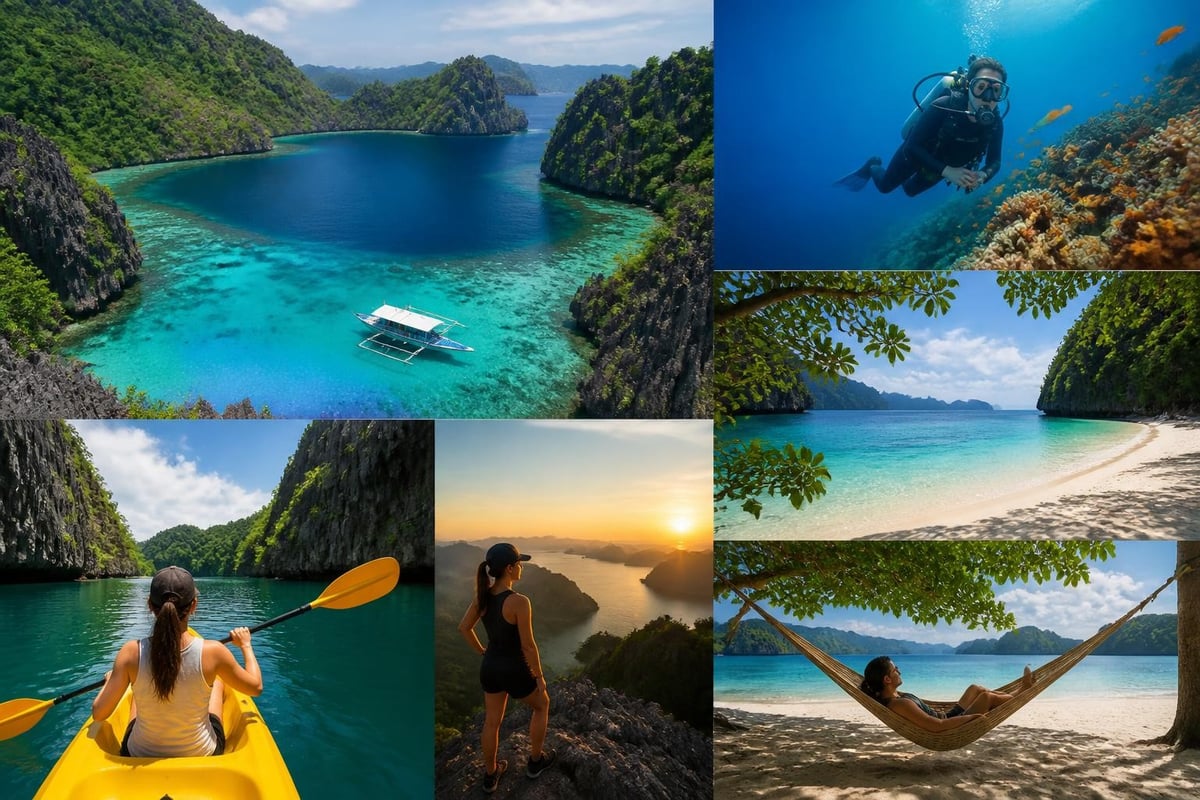
Most visitors to El Nido spend at least some time on land. The town and surrounding area offer plenty beyond diving to fill a complete holiday.
Surface Activities
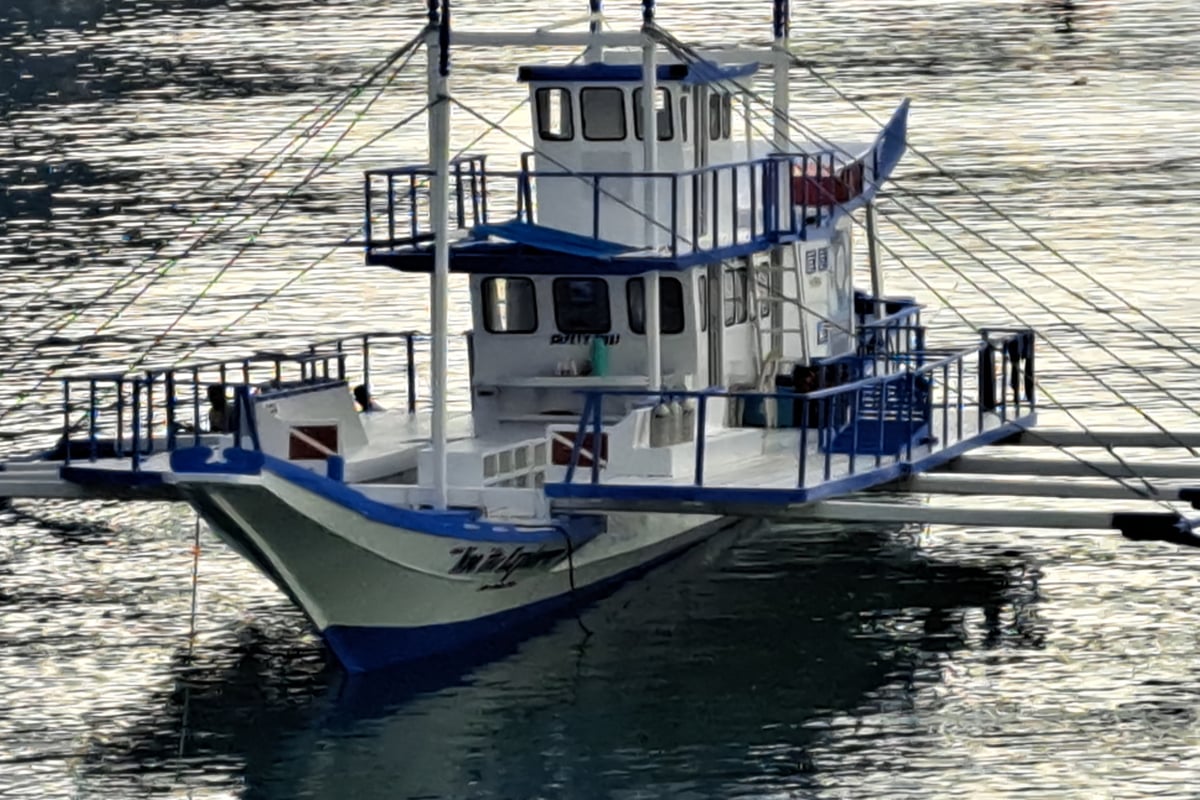
Island-hopping tours rank as El Nido's other signature activity. Traditional bangka boats shuttle visitors between lagoons, beaches, and snorkeling spots. While the crowds can be intense during peak season, the scenery genuinely impresses.
Kayaking through the calm waters of Bacuit Bay provides a more active way to explore. Paddling into hidden lagoons accessible only at certain tide levels feels adventurous without requiring significant skill.
Rock climbing on the limestone karsts attracts international climbers to routes ranging from beginner-friendly to seriously challenging. The combination of spectacular views and quality routes puts El Nido on the Southeast Asian climbing circuit.
Town and Dining
El Nido town has evolved from backpacker hangout to full-service resort destination, though it retains some rough edges. The beachfront area concentrates restaurants, bars, and shops catering to tourists.
Food quality varies widely. International options coexist with Filipino restaurants, and while some establishments serve genuinely good meals, others trade on location rather than quality.
Beachfront accommodation with its own restaurant solves the dining question conveniently. Starting and ending your day in the same place means you're never far from food and refreshment that meets consistent standards.
Practical Diving Considerations
A few practical details deserve attention when planning your el nido palawan diving adventure.
What to Bring
Essential items for your trip:
- Current diving certification card(s)
- Logbook (operators may ask to verify experience)
- Dive insurance or travel insurance covering diving
- Reef-safe sunscreen
- Personal medications
- Dive computer (if you own one)
Consider bringing your own:
- Mask (personal masks always fit better)
- Regulator (if you prefer your own)
- Dive light (useful for bringing out colors and peering into crevices)
- Camera setup (rental options exist but are limited)
Full equipment rental is readily available, so don't feel you must bring everything. Quality modern BCDs, regulators, and wetsuits in various sizes stock most centers.
Health and Safety
Diving safety starts with honest assessment of your own fitness and skills. Don't dive if you're unwell, exhausted, or uncomfortable with conditions. Professional operators will support this decision and reschedule rather than pressuring reluctant divers.
The nearest recompression chamber sits in Puerto Princesa, approximately 5-6 hours away by land. This distance makes dive insurance covering emergency evacuation particularly valuable. DAN (Divers Alert Network) or equivalent coverage costs little relative to potential emergency expenses.
Basic safety reminders:
- Always dive within your training and experience
- Make slow, controlled ascents with safety stops
- Stay hydrated between dives
- Avoid flying for at least 18-24 hours after your last dive
- Speak up immediately if you feel unwell during or after diving
Diving Costs and Budgeting
El Nido diving prices fall into the mid-range for the Philippines, lower than remote resort destinations but higher than some budget areas.
| Service Type | Typical Price Range (USD) | Notes |
|---|---|---|
| Single boat dive | $35-45 | Including equipment, guide, boat |
| Two-dive package | $70-85 | Most common daily option |
| Multi-day packages | $250-400+ | Better per-dive rates, varies by duration |
| Beginner certification | $350-450 | Full Open Water course |
| Advanced courses | $250-350 | Depends on specialty |
| Equipment rental | Included | Usually part of dive price |
Packages combining accommodation and diving offer better overall value than booking components separately, plus the logistical convenience mentioned earlier.
Nitrox Availability
Enriched air nitrox extends bottom time on repetitive dives and can reduce fatigue. Most established operators in El Nido offer nitrox fills for appropriately certified divers at modest additional cost.
If you're planning multiple days of diving, nitrox certification is worth pursuing before your trip or during it. The course typically takes half a day, and the extended bottom time on deeper sites makes a noticeable difference over several days.
Photography and Videography Underwater
El Nido's clear water and abundant marine life create excellent conditions for underwater imaging. Both wide-angle reef scenes and close-up macro work produce compelling results here.
Getting started underwater:
- Rent a basic camera setup to test whether underwater photography appeals to you
- Focus on buoyancy and diving skills first, then add camera work as those become automatic
- Start with available light before investing in strobes or video lights
- Review images between dives to identify what worked and what didn't
Serious photographers might bring their own housed DSLR or mirrorless setup. Most dive centers accommodate photographers with longer dive times when conditions permit, though this varies by site and group composition.
Responsible photography practices matter underwater just as on land. Never damage coral or disturb marine life for a photo. The image isn't worth harming the subject or the reef.
Getting the Most from Your Diving Holiday
A few final tips help maximize your El Nido palawan diving experience:
Arrive a day early before your first dive. This buffer accounts for potential travel delays and ensures you're rested rather than diving straight off a long journey. It also allows time to sort equipment, complete paperwork, and get oriented.
Front-load your diving by diving more in the first days of your trip. If weather deteriorates later, you've already completed most of your planned dives. This approach also means you're fresh and eager rather than potentially tired at the end.
Build in flexibility by not scheduling every single day. A rest day mid-trip lets you explore on land, catch up on sleep, or simply relax. Your body will appreciate the recovery time between dive days.
Communicate with your dive guide about your interests and comfort level. They can adjust the dive plan to focus on macro life, navigation practice, or whatever appeals to you most. The better they understand what you want, the better experience they can provide.
Take notes in your logbook beyond just site names and depths. Recording what you saw, conditions, and your thoughts helps memories stick and makes the logbook genuinely valuable for future trip planning.
For those wanting to dive beyond El Nido, Palawan offers additional diving opportunities worth exploring as part of a longer Philippine adventure.
El Nido delivers on its promise as a world-class diving destination through the combination of healthy reefs, diverse marine life, and excellent conditions that make each dive memorable. Whether you're just beginning your diving journey or adding another destination to an extensive logbook, these waters offer experiences that justify the journey. Submariner Diving Center provides the expertise, equipment, and local knowledge to make your El Nido diving adventure both safe and unforgettable, with options ranging from single dives to comprehensive packages that let you focus entirely on exploring underwater.