The world best scuba destinations are Raja Ampat, the Red Sea, the Great Barrier Reef, Palau, the Similan Islands and the Philippines, and the right pick depends on your certification level, travel dates and what you want to see. Each place shines in a different season, so matching the destination to the month you can travel matters more than chasing any single "number one."
I've spent years around Palawan's dive scene, and the same questions come up again and again: where should I go, when should I go, and am I ready for it? This guide answers all three, with a focus on helping holidaymakers in El Nido try diving for the first time and helping certified divers plan a serious Palawan trip.
Where Is the Best Country for Scuba Diving?
There is no single best country for scuba diving, because the answer changes with your skill level, budget and the season you can travel. Indonesia, the Philippines, Australia, Egypt and Thailand all sit near the top of most divers' lists, for different reasons.
Indonesia wins on sheer biodiversity. Raja Ampat is known for its extraordinary fish diversity, which gives you a sense of how crowded those reefs are with life. The Philippines wins on variety and value, with walls, wrecks, caves and reef sites across thousands of islands. Australia offers the scale of the Great Barrier Reef, while Egypt's Red Sea delivers warm water, wrecks and easy logistics.
If you want a deeper comparison of what makes a destination worth the flight, our look at the best diving in the world goes through the factors divers weigh.
The Best Scuba Destinations at a Glance
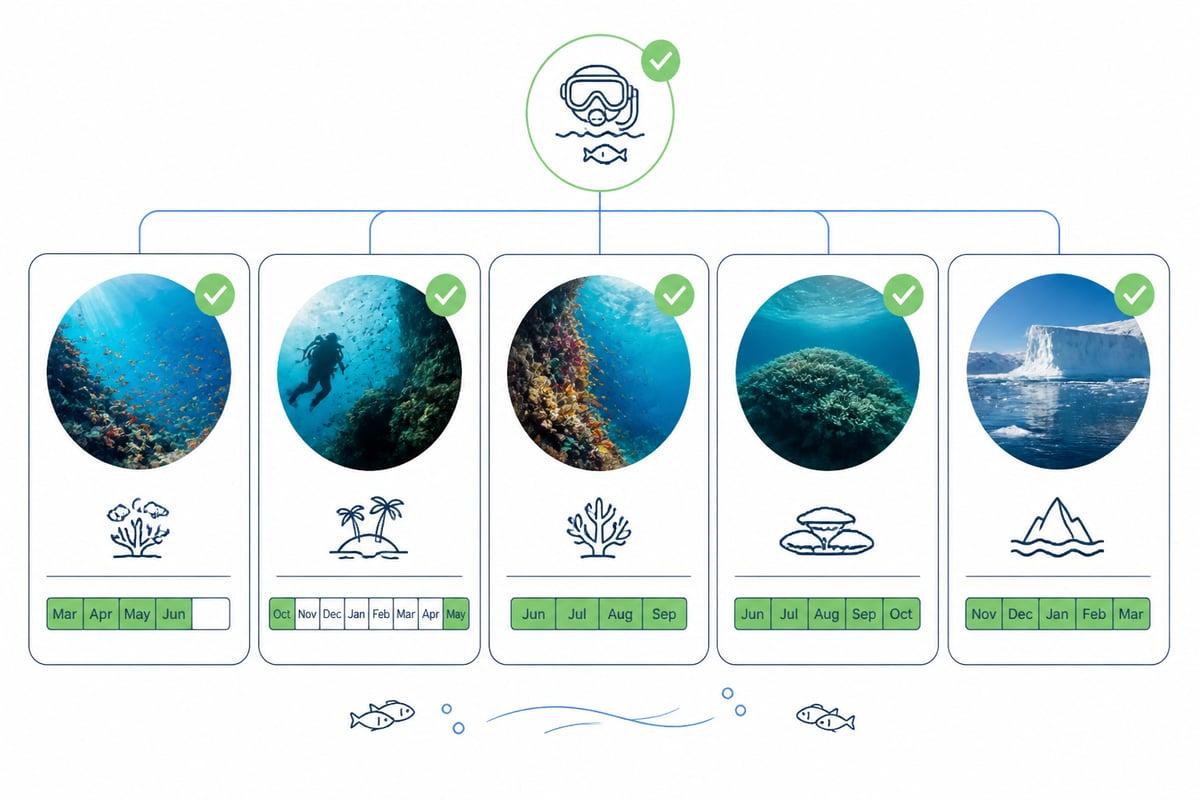
Here is a quick comparison of the destinations divers most often shortlist, with what each is known for and when conditions tend to suit it.
| Destination | Known for | Best season |
|---|---|---|
| Raja Ampat, Indonesia | Extreme fish diversity | Varies by area; plan with a local operator |
| Tubbataha, Philippines | Remote reef, big pelagics, walls | March to June |
| Similan Islands, Thailand | Granite boulders, warm water | October to May |
| Red Sea, Egypt | Wrecks, reefs, warm water | June to September for warmest water; year-round diving |
| Great Barrier Reef, Australia | Huge reef system, varied sites | June to October for best visibility |
| Antarctica | Ice diving, extreme adventure | November to March |
Seasons are the single biggest variable, so check the window before you book flights. The sources above come from Cathay Pacific’s destination guide, and a reputable local operator can refine them for the exact site.
Southeast Asia: Where Variety Meets Value
Southeast Asia packs more diving variety per dollar than anywhere else, with warm water, reefs, wrecks and walls often within a short boat ride of each other. Thailand, Indonesia, Malaysia and the Philippines each carry a distinct personality.
Thailand's Similan Islands suit divers who like granite boulders and swim-throughs, and visitors can go there during the cooler, drier months of the year. Indonesia rewards divers who want to go deep on biodiversity, particularly in Raja Ampat. The Philippines sits in the middle: easier to reach than remote Indonesian areas, and packed with options for every certification level.
Within the Philippines, Palawan stands out. If you want to see how it stacks up against the wider region, our overview of top scuba diving destinations puts Southeast Asia in context.
Why Palawan Belongs Among the World Best Scuba Destinations
Palawan earns its place among the world best scuba destinations because a single island province offers beginner-friendly reefs, caves, walls and, for experienced divers, the remote Tubbataha Reefs. It is rare to find that range in one place.
For holidaymakers, El Nido is the practical base. The bays and islands around town give you sheltered conditions for first-timers, and the scenery above water is as striking as what you'll see below. For certified divers building a dedicated trip, El Nido works well as a base for exploring Palawan before or after a Tubbataha liveaboard.
A few things make the area appealing:
- Range of sites: Dive sites can be selected by experience level and interest, so a new diver and a veteran can both have a good day.
- Seasonal flexibility: Conditions change through the year, so a good operator picks sites daily based on weather and sea state.
- Easy logistics: El Nido has a compact dive scene, so you aren't spending half your holiday in transit.
For a broader Palawan picture, see our guide to Palawan scuba diving in the Philippines.
Tubbataha: The Bucket-List Reef for Experienced Divers
Tubbataha Reefs Natural Park is a remote marine park in the Sulu Sea, and its diving season runs from March to June, when boats are allowed into the park and waters are typically calmest. It is a destination for experienced divers rather than beginners.
Because access is limited to a short window each year, planning ahead is essential. Most divers reach it by liveaboard, and many combine the trip with time in El Nido to dive local sites before or after. I can't promise specific marine-life encounters at any site, since sea life is never guaranteed, but divers go to Tubbataha for its reef health and its walls.
If Tubbataha is on your list, read our dedicated guide to Tubbataha Reef scuba diving for planning detail.
Red Sea, Great Barrier Reef and Beyond
The Red Sea and the Great Barrier Reef are the two big names outside Southeast Asia, and both reward divers who time their trip well. Each suits a different kind of holiday.
The Red Sea
The Red Sea's peak season and warmest water, around 28°C, run from June to September, though diving is possible year-round. It is known for wrecks and well-developed dive infrastructure.
The Great Barrier Reef
The Great Barrier Reef's recommended period for best visibility and conditions is June to October. Its scale means you can spend weeks there and still not see everything.
Antarctica
For divers who want something extreme, Antarctica's season runs November to March, with visibility best before plankton blooms and conditions shaped by pack ice that varies each year. It is a specialist trip, not a first-time choice.
What Is the 120 Rule in Scuba Diving?
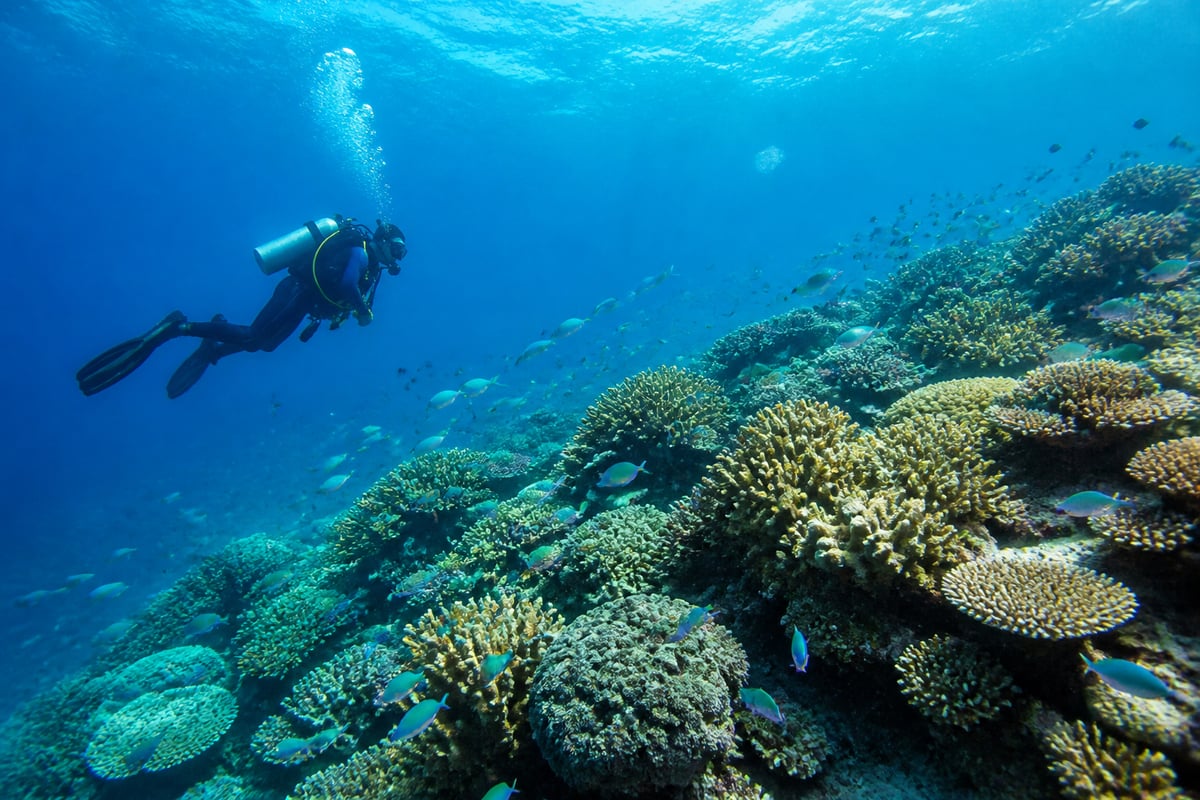
The 120 rule is a rule of thumb used in some contexts for planning dives where the water temperature plus the depth should not exceed a set total, and it is not a universal standard you should rely on. Different training agencies and instructors teach different planning methods, so treat any single rule of thumb with caution.
What matters more is following your training: stay within your certification depth limit, use a dive computer or tables, and listen to your guide's briefing. Decompression illness is a real risk when divers push limits, and [Decompression illness is a recognised risk for divers who push their limits, so following your training and dive computer is essential. If you are unsure about any planning rule, ask your instructor before the dive.
How to Match a Destination to Your Experience Level
The best destination for you is the one that fits your certification, your comfort in the water and your dates. Choosing a site beyond your level is the quickest way to turn a dream dive into a stressful one.
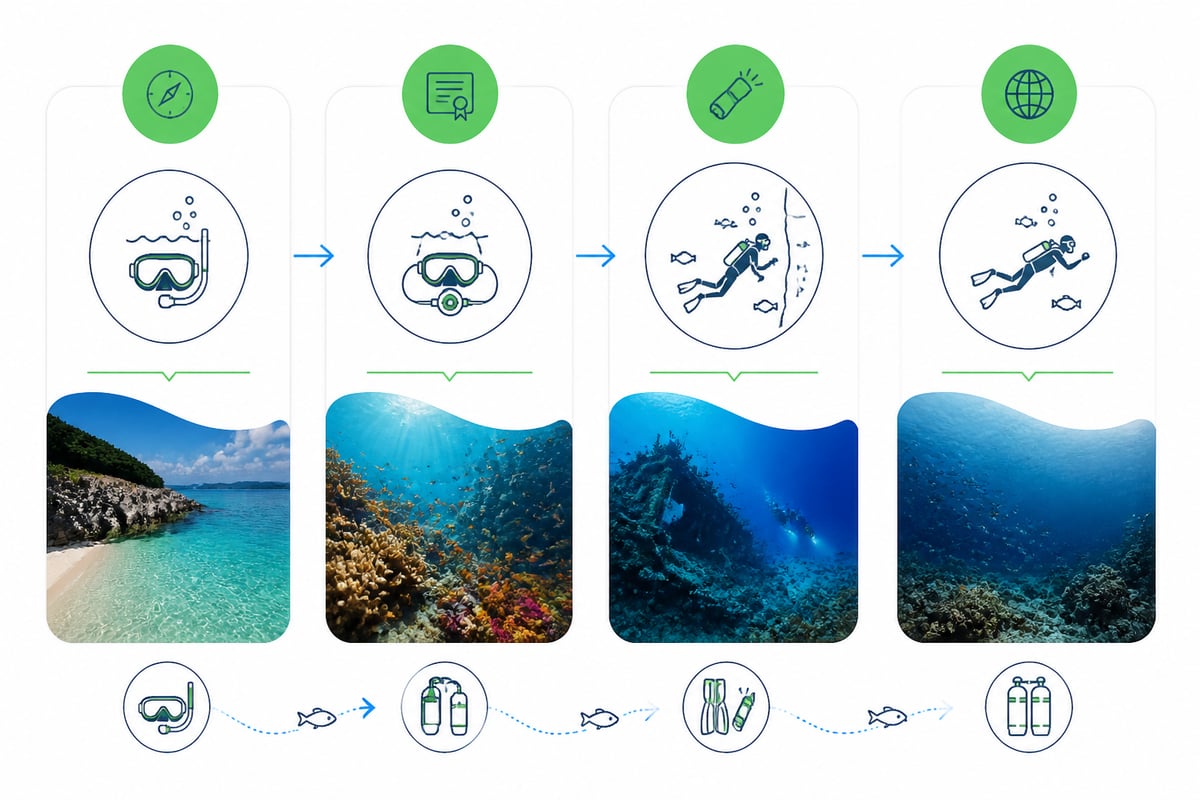
- Never dived before: Choose a destination with sheltered, shallow sites and professional instruction. A discovery experience lets you try it without a full course.
- Newly certified: Look for gentle conditions and operators who choose sites by your experience level.
- Intermediate divers: Wrecks, walls and mild currents become realistic. Check any advanced certification requirements.
- Experienced divers: Remote parks like Tubbataha, drift diving and deeper sites open up.
For first-timers, our rundown of the best dive spots for beginners explains what calm, forgiving sites look like.
Try Scuba for the First Time in El Nido
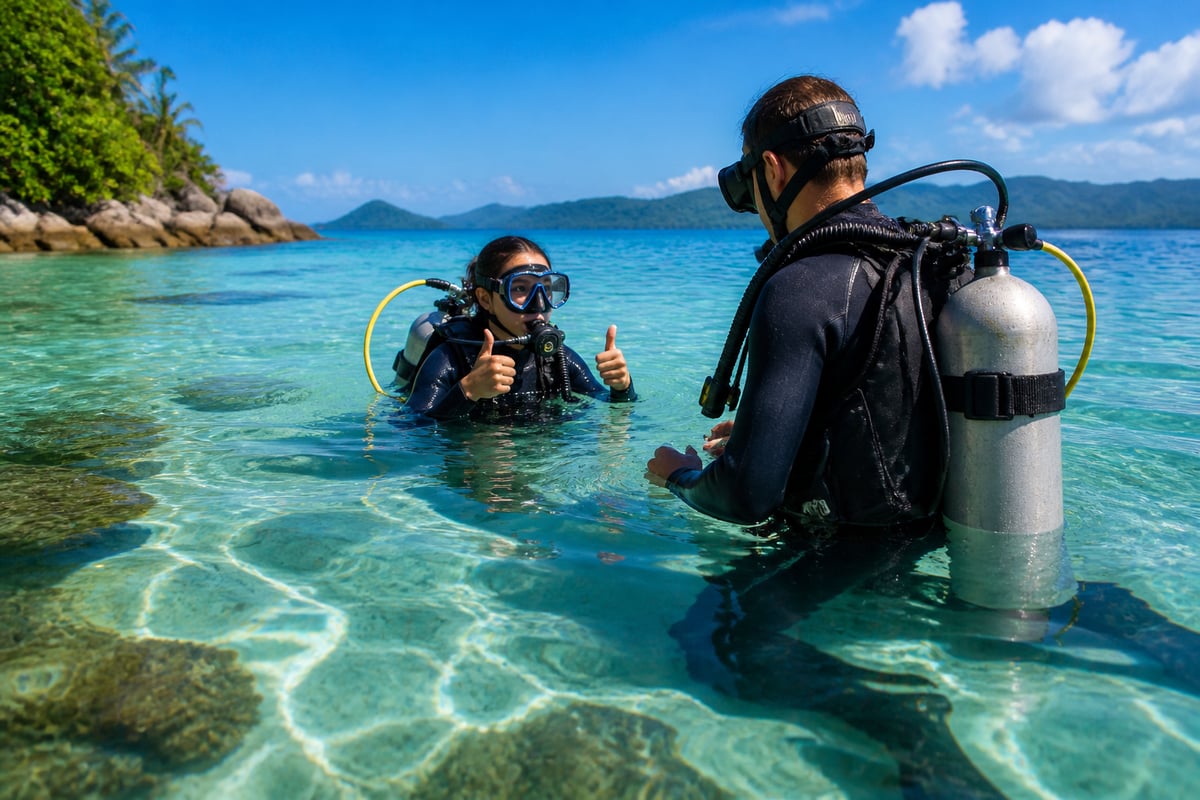
If you are staying in El Nido and have never dived, a guided discovery session is the simplest way to find out whether diving is for you. You don't need any certification to start, only a willingness to follow a professional instructor's briefing.
Submariner Diving Center has more than 15 years of diving experience in El Nido, with professional PADI instructors, local knowledge and modern safety equipment. Their Discover Scuba Diving experience is designed for beginners who want to try breathing underwater in El Nido's clear water, with an instructor beside them throughout.
One practical advantage: you can stay beachfront at The Beach House with the dive centre in the same building, so the boats and equipment are close at hand and there's no early-morning transport across town. After a day on the water, Cloud 9 rooftop restaurant and bar is a natural place to unwind.
How Much Does It Cost to Get Scuba Certified?
Certification costs vary widely by country, agency, course format and operator, so there is no single global price. Open water courses typically cost more in Western countries than in Southeast Asia, and travel, gear rental and certification fees can change the total.
Rather than quote a number I can't verify for your dates, here is what to compare when you price a course:
- What's included: Check whether gear, boat dives, certification card fees and materials are in the quoted price.
- Class size: Smaller groups mean more instructor attention.
- Schedule: Confirm how many days the course takes so you can fit it into your holiday.
- Instructor credentials: Look for a professional PADI instructor with local knowledge.
For current course pricing at Submariner Diving Center, check their booking pages or contact them directly rather than relying on a general estimate.
Planning Your Trip: Timing, Conditions and Flexibility
The smartest planning habit is to build flexibility into your dive trip, because weather and sea conditions decide which sites are good on any given day. A rigid itinerary often means diving in poor conditions or cancelling altogether.
Operators who choose sites daily based on weather, sea state and your experience level give you the best chance of a good dive. Submariner Diving Center offers flexible private VIP charters where dive sites are chosen daily to suit conditions, which suits both holidaymakers and certified divers who want a tailored day.
A few planning tips that apply anywhere in the world:
- Check the season for your target destination before booking flights.
- Leave a buffer day before flying home to reduce decompression risk.
- Bring your certification card and logbook.
- Confirm medical fitness to dive, especially if you take regular medication.
FAQ
What is the deepest someone can dive?
Recreational divers using standard air are generally limited to around 40 meters (130 feet), and many certification levels set shallower limits, such as 18 meters for beginners. Technical divers using special gas mixes and training can go much deeper, but this requires extensive specialist training. Always stay within your own certification limits.
Do I need to be certified to try scuba diving?
No. A guided discovery experience lets complete beginners try diving with an instructor, in shallow water and with a briefing before you start. If you enjoy it, you can continue to a full certification course.
When is the best time to plan a dive holiday?
It depends on the destination, since each one has its own season. Tubbataha runs March to June, the Great Barrier Reef is best June to October, and the Similan Islands are open October to May, so choose your destination around the dates you can travel.
The best next step is to pick your dates and match them to a destination season, then talk to a local operator about the conditions. If El Nido is on your itinerary, you can try your first breaths underwater with Discover Scuba Diving, or plan a tailored private charter if you're already certified. The team at Submariner Diving Center, with over 15 years of El Nido experience and a beachfront base at The Beach House, can help you choose the right sites, so Book Your Diving with them and let them match the dives to your level and the day's conditions.